
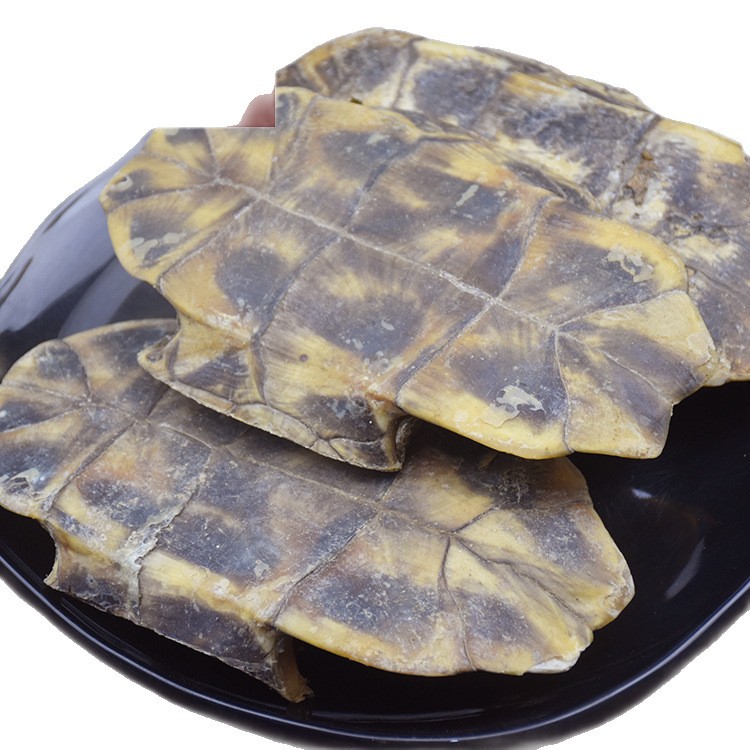
Gui Ban (Plastrum Testudinis) — Dried Turtle Shell Pieces, Whole 500g, Zhejiang Origin
$13.03
13432 in stock
Description
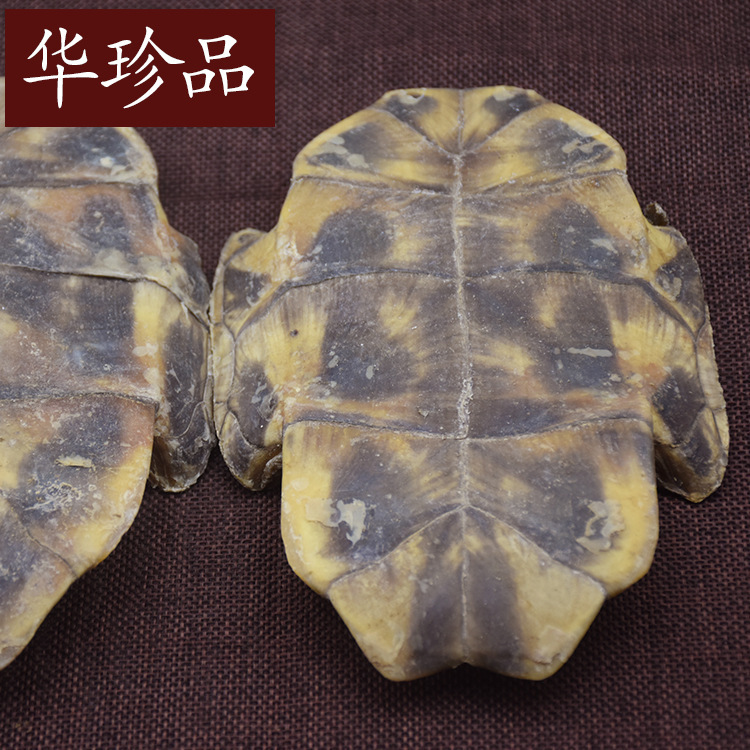
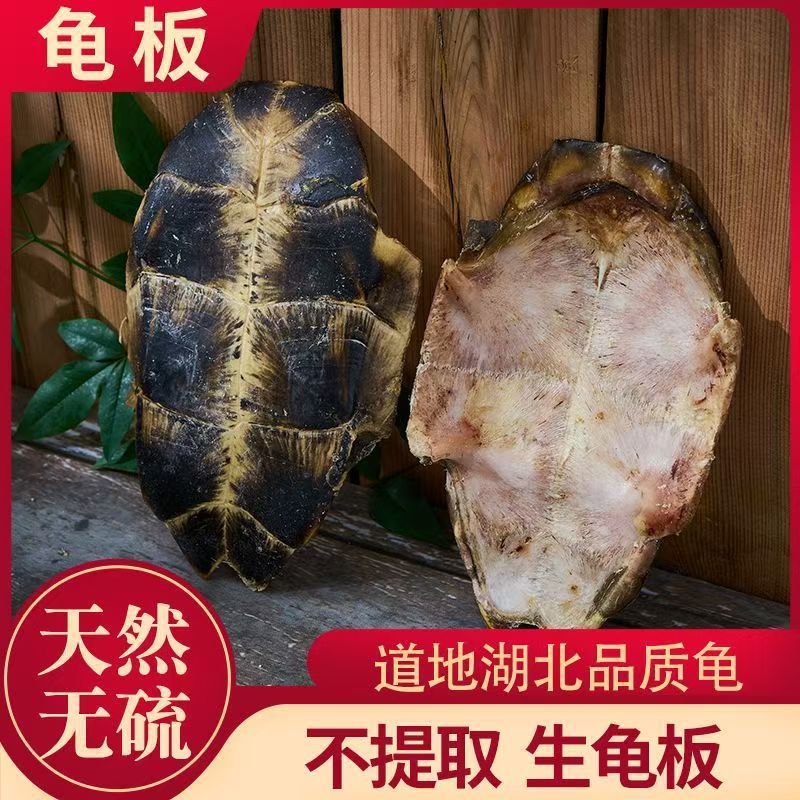
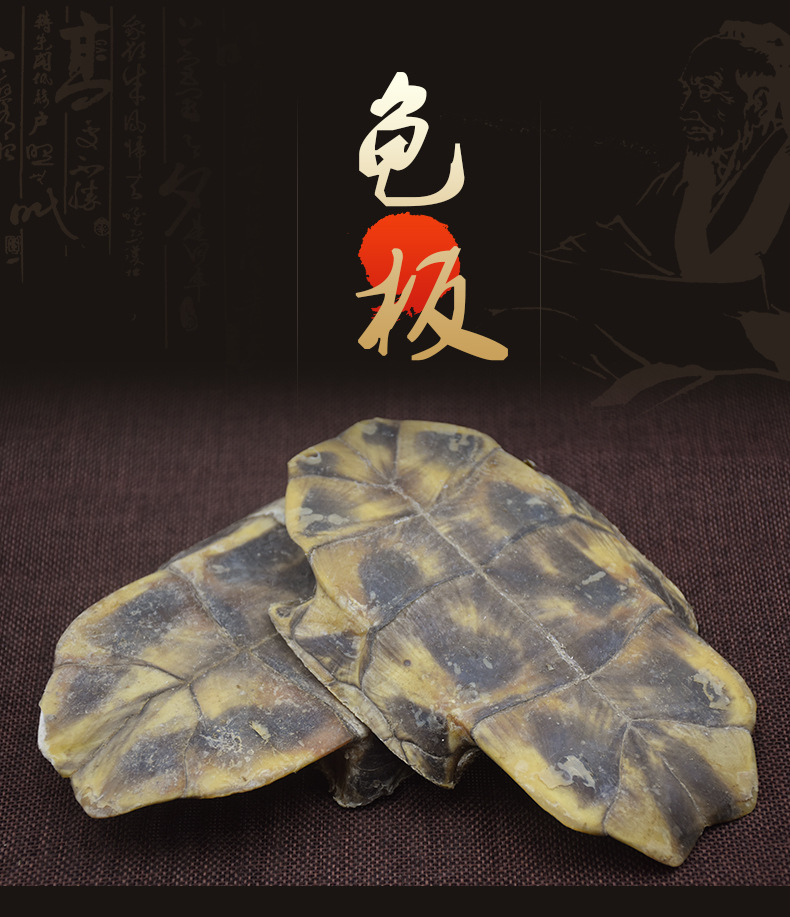
Gui Ban (Plastrum Testudinis), also known as Turtle Shell or Guī Jiǎ (龟甲), is the dried shell of the freshwater turtle, a highly revered traditional herb in Traditional Chinese Medicine (TCM). For centuries, Gui Ban has been prized as a yin-nourishing, yang-anchoring, and spirit-calming shell herb, traditionally used to support the Kidneys, cool the blood, and settle restlessness. Its nature is sweet, salty, and slightly cold, making it a profound yet gentle mineral-shell herb for nourishing yin and anchoring floating yang.
Key Selling Points
- Traditional yin-nourishing shell herb
- Whole dried turtle shell pieces
- Plastrum Testudinis
- Sourced from Zhejiang province
- New-crop, 500g bulk pack
Quality & Sensory
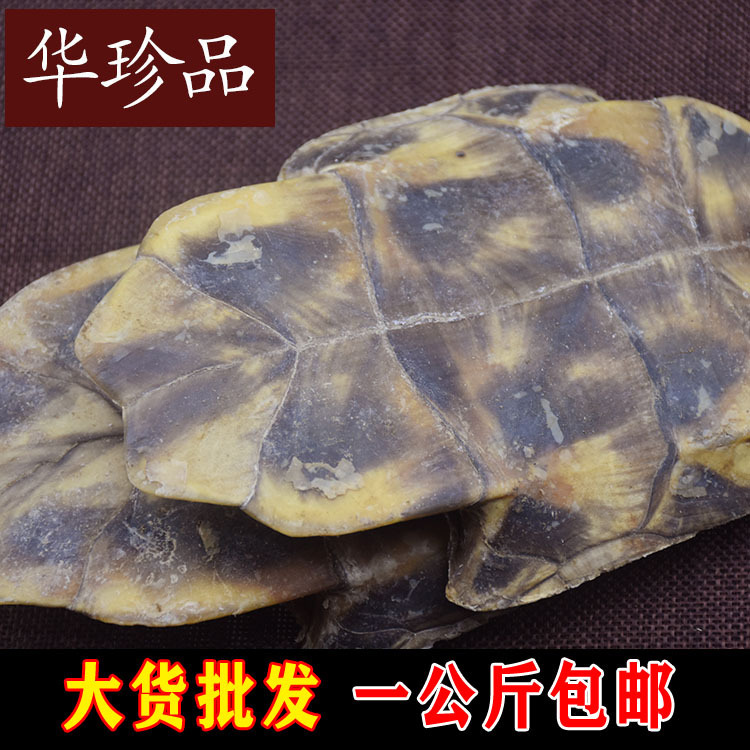
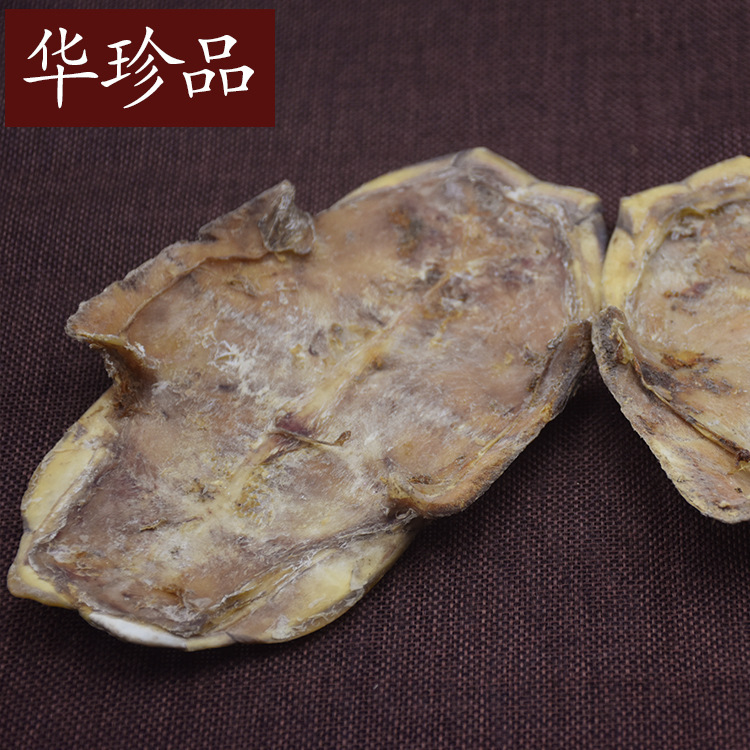
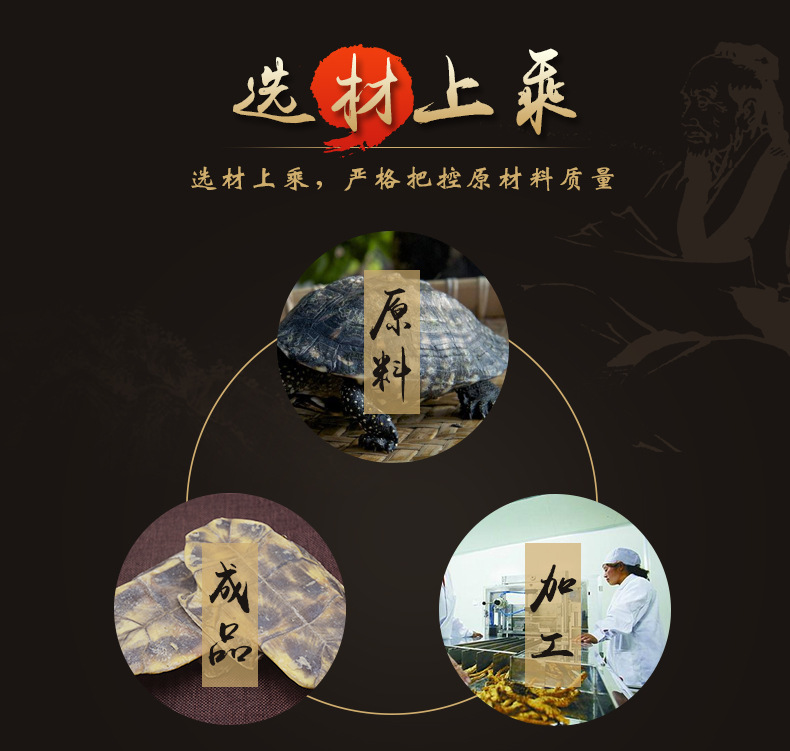
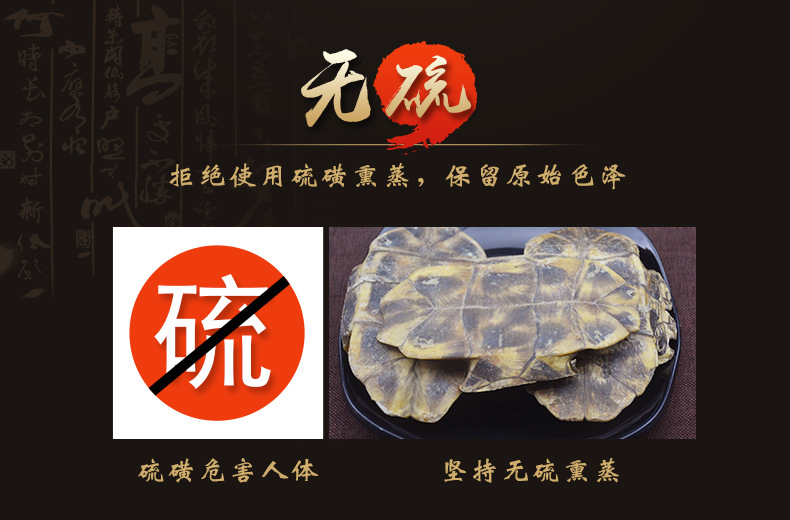
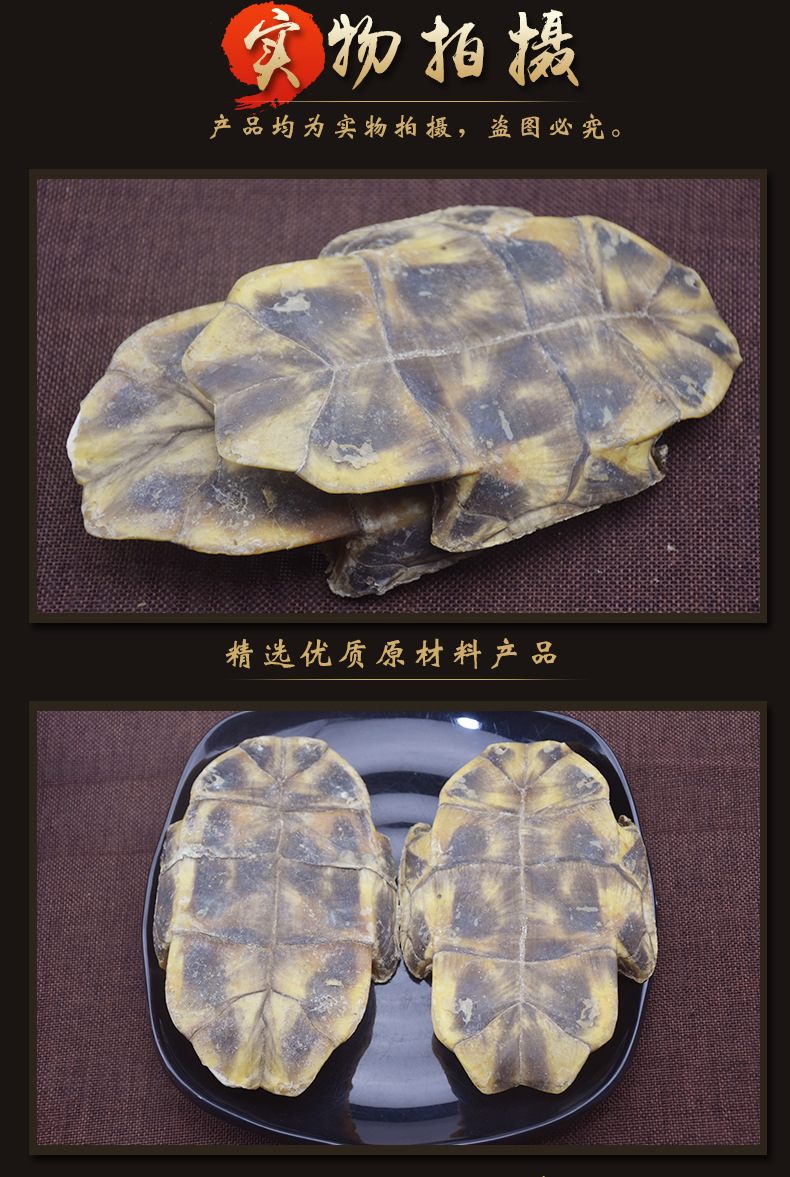
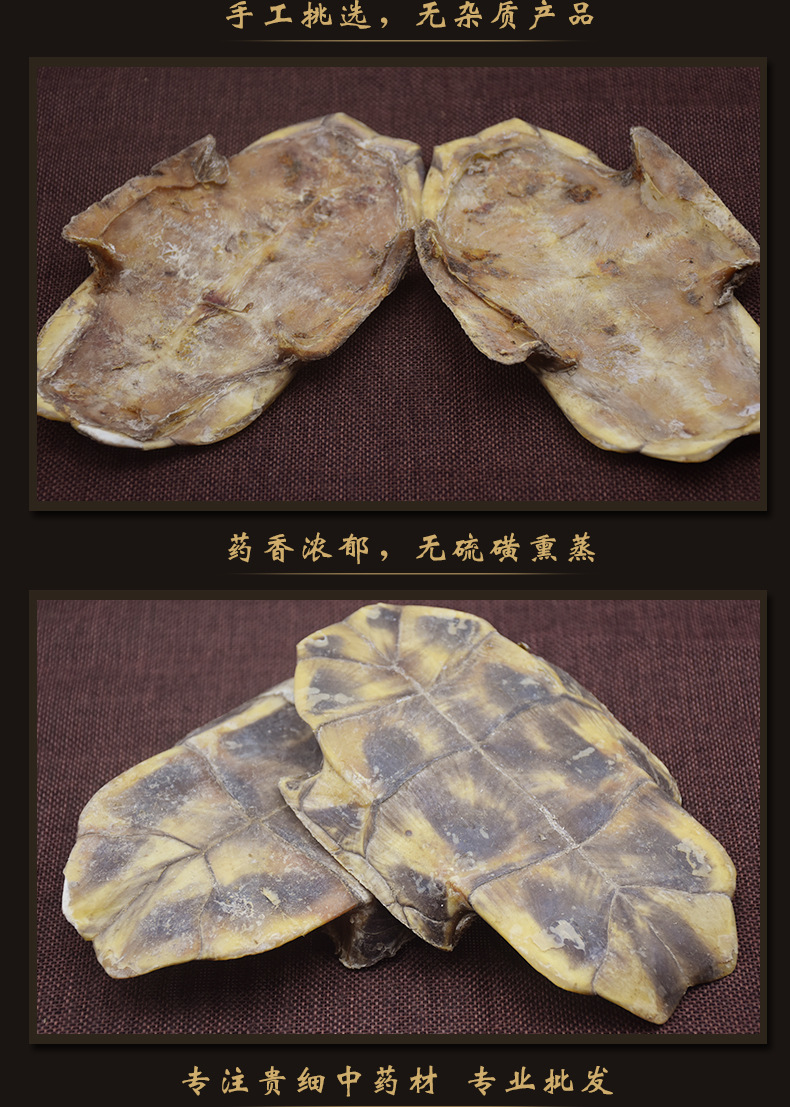
Each batch is carefully processed and dried to preserve its pale yellowish-brown color, dense bony texture, and mild, faintly saline aroma. When decocted, the shell pieces slowly release a subtle, slightly salty and earthy infusion, yielding a gentle mineral-rich decoction that forms the base of traditional yin-nourishing formulas.
Technical Specifications
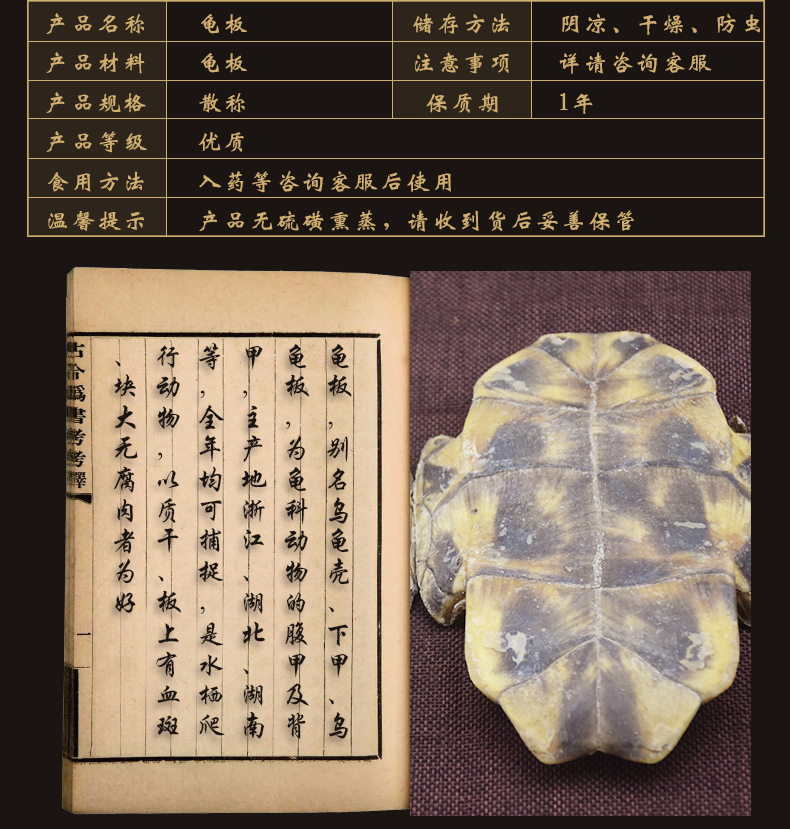
| Product Type | Dried Shell Herb |
|---|---|
| Common Name | Gui Ban |
| Botanical Name | Plastrum Testudinis |
| Form | Whole Dried Shell Pieces |
| Origin | Zhejiang, China |
| Net Weight | 500g |
Usage Scenarios
- Traditional herbal decoction
- Yin-nourishing soup and tonic formulas
- Herbal congee and grain porridge
- Seasonal slow-cooking
- Herbal pairing with other shell and root herbs
Traditional Uses
In folk herbal practice, Gui Ban is decocted into soups, congee, and longevity tonics to support yin nourishment and calm the spirit. It is a common ingredient in traditional yin-nourishing formulas, where it pairs with ingredients like rehmannia, white peony, and oyster shell. As a daily decoction, it is simmered slowly to draw out its mineral essence for a gentle, grounding brew.
FAQ Q&A
Q: What is Gui Ban?
A: Gui Ban is the common Chinese name for the dried shell of the freshwater turtle, known in TCM as Plastrum Testudinis. It is a traditional shell herb used in decoctions and tonic formulas.
Q: What is the traditional wellness value of Gui Ban?
A: In traditional Chinese food wellness culture, Gui Ban is associated with nourishing yin, anchoring yang, and calming the spirit. It is often used in decoctions and soups for daily seasonal nourishment.
Q: How do I use dried Gui Ban pieces?
A: Rinse the shell pieces and simmer them slowly with other decoction ingredients, or add them to soup and congee. Adjust the quantity to your recipe and taste preference.
Additional information
| Weight | 1 kg |
|---|---|
| Dimensions | 25 × 18 × 10 cm |
Related products
-
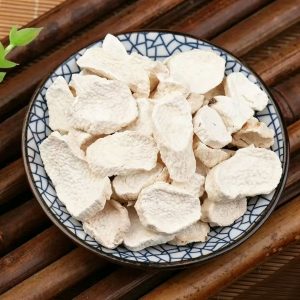
Huai Shan Yao Dried Slices (Dioscorea opposita) — Iron Stick Yam from Jiaozuo, Henan
Price range: $4.61 through $9.14 -
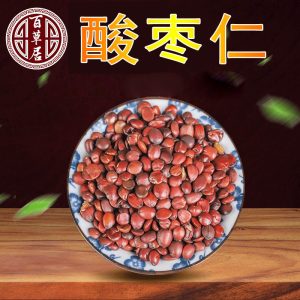
Suan Zao Ren (Ziziphus jujuba var. spinosa) — Hebei Stir-Fried & Raw Jujube Seed, 500g
Price range: $5.74 through $81.25 -
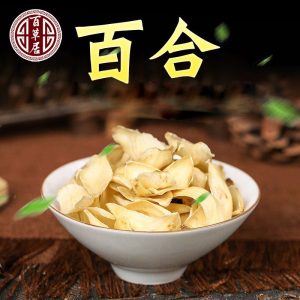
Bai He Dried Lily Bulb (Lilium lancifolium) — Sulfur-Free Hunan Lily for Tea, Soup & Congee
$11.25 -
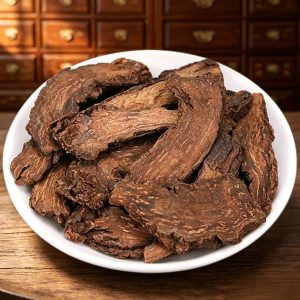
Suo Yang Slices (Cynomorium songaricum) — Alxa Desert Food Herb, 500g Dried Root Slices
Price range: $5.09 through $9.95
Reviews
There are no reviews yet.