
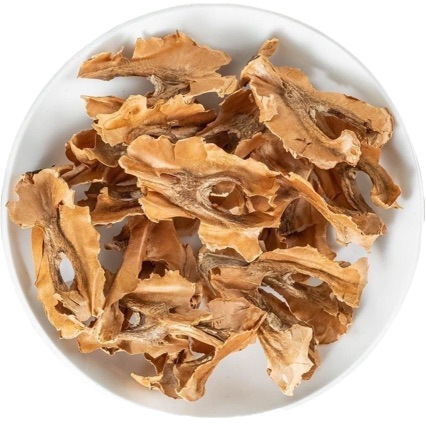
Fen Xin Mu Walnut Septum Dried Herbal Pieces Traditional Chinese Herbal Supply 500g
Price range: $5.71 through $44.05
Description
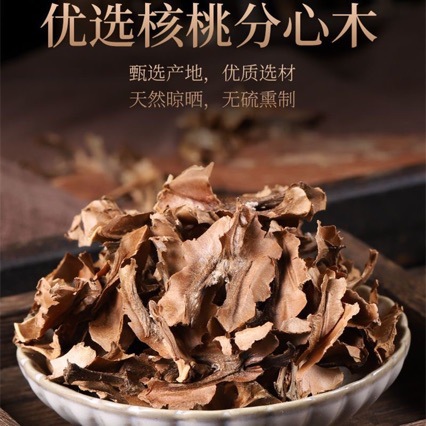
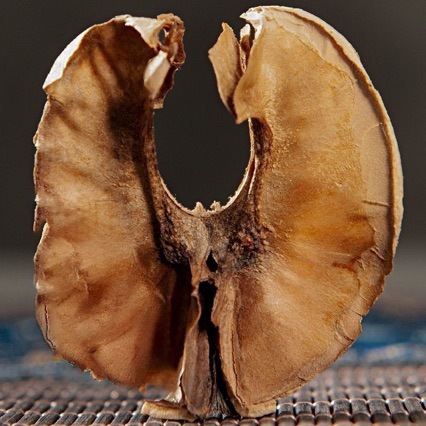
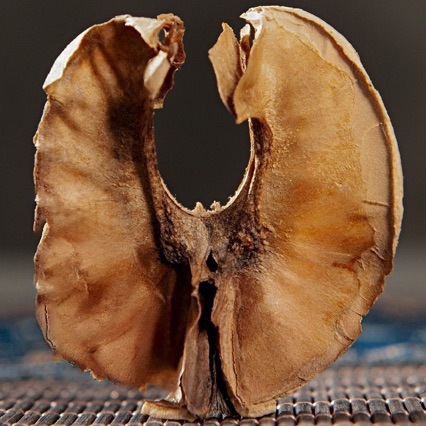
Dried Walnut Septum, known in TCM as Fen Xin Mu (分心木), is the inner wooden partition of Juglans regia walnut shells. In TCM theory it is traditionally associated with a mild, neutral nature and the kidney and spleen channels. Traditionally used in decoctions and teas to support astringent and stabilizing functions. Sold as dried decoction pieces for herbal preparation.
Key Selling Points
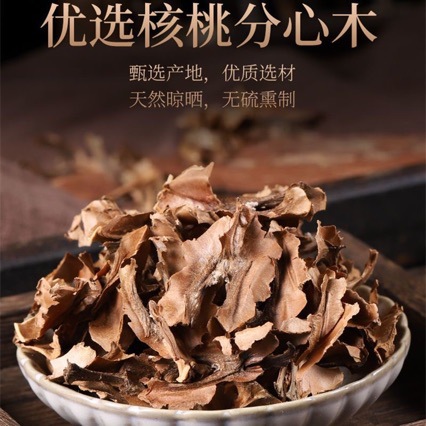
- Identified in TCM as Fen Xin Mu (分心木), the inner septum of walnut shells
- Dried decoction pieces from Juglans regia, supplied as raw botanical material
- Traditionally associated with the kidney and spleen channels in TCM theory
- Commonly prepared as a decoction or infused tea in traditional herbal practice
- Available in 500g net weight with bulk 10kg packaging option
Quality & Sensory
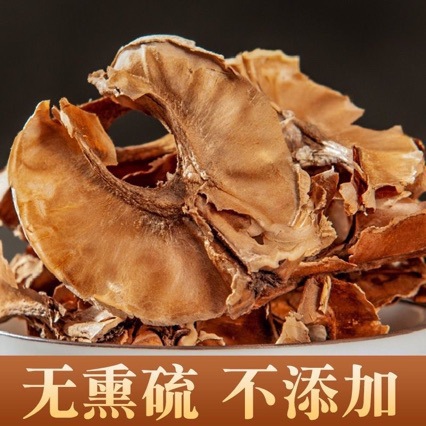
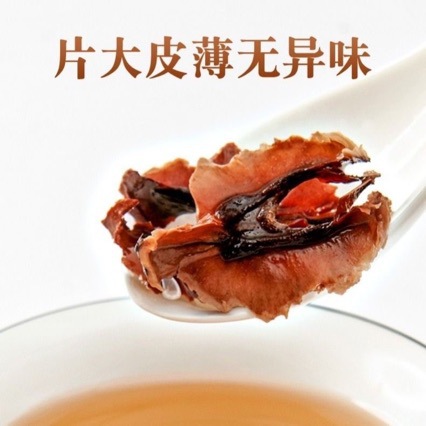
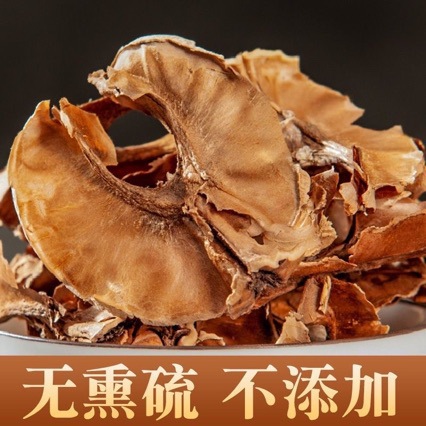
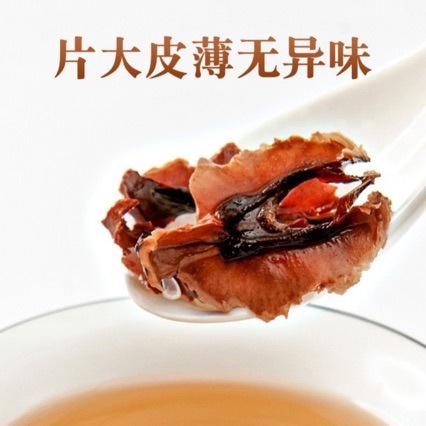
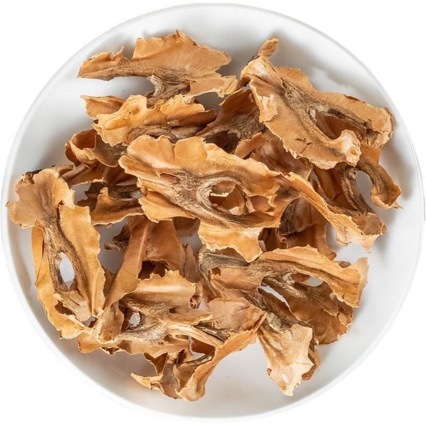
The dried pieces are typically light brown to tan, thin, and woody in texture with a faint nutty aroma. When decocted or steeped, the liquid is typically pale amber with a mild, slightly bitter and astringent taste. Characteristics may vary between batches.
Technical Specifications
| Product Type | Dried herbal decoction pieces |
|---|---|
| Chinese Name | 分心木 |
| Pinyin | Fen Xin Mu |
| Botanical Name | Juglans regia |
| Plant Part | Inner septum of walnut shell |
| Net Weight | 500g |
Usage Scenarios
- Simmered as a traditional herbal decoction
- Steeped as a simple herbal tea
- Added to herbal soup or congee recipes
- Combined with other dried botanicals in custom herbal blends
Traditional Uses
In TCM and folk practice, Fen Xin Mu is traditionally used in decoctions, sometimes paired with herbs such as Shan Yao or Lian Zi. It is also added to congee and soups for its astringent properties. Traditional preparations typically involve simmering the dried pieces in water.
FAQ Q&A
Q: What is Fen Xin Mu?
A: Fen Xin Mu (分心木) is the dried inner septum of walnut shells, used as a traditional Chinese herbal decoction piece.
Q: What is its traditional value in TCM?
A: In TCM theory it is associated with the kidney and spleen channels and is traditionally used for its astringent and stabilizing properties.
Q: How is it commonly prepared?
A: It is typically simmered as a decoction or steeped as a tea, and can also be added to soups or congee.
Additional information
| Weight | N/A |
|---|---|
| Dimensions | N/A |
| Model | 分心木250克, 分心木500克, 分心木1000克, 分心木10公斤 |
Related products
-
Ningxia Goji Berries Gou Qi Zi 500g Dried Red Wolfberry for Tea Soup and Snacking
Price range: $7.20 through $16.44 -
Chai Hu Bupleurum Root Dried Herb 500g Traditional TCM Decoction Herb
Price range: $9.14 through $16.44 -
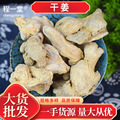
Dried Ginger Root Gan Jiang 500g Bulk Chinese Herb Zingiber officinale Rhizome for Decoction and Culinary Use
$5.90 -
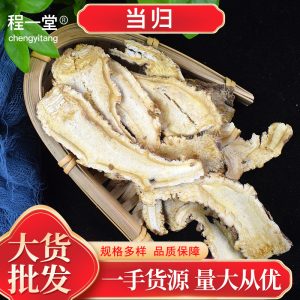
Dried Angelica Sinensis Slices Dang Gui 当归 500g Gansu Raw Herb for Decoction Soup and Tea
Price range: $16.44 through $35.88
Reviews
There are no reviews yet.