
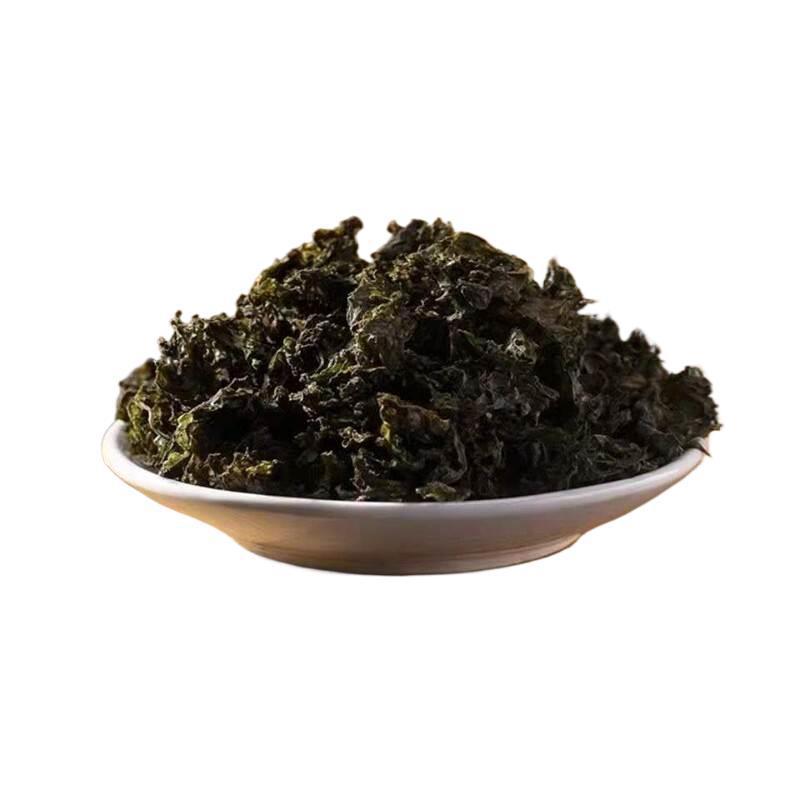
Dried Wild Nostoc Common Rock Tripe Edible Lichen for Steamed Buns Soup 50g
Price range: $6.03 through $11.15
Description
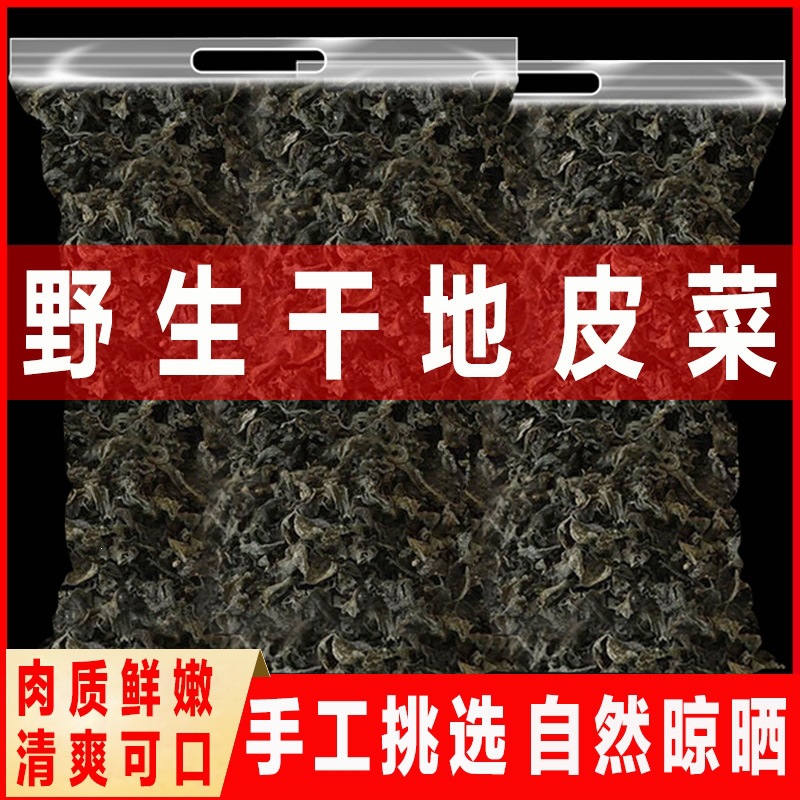
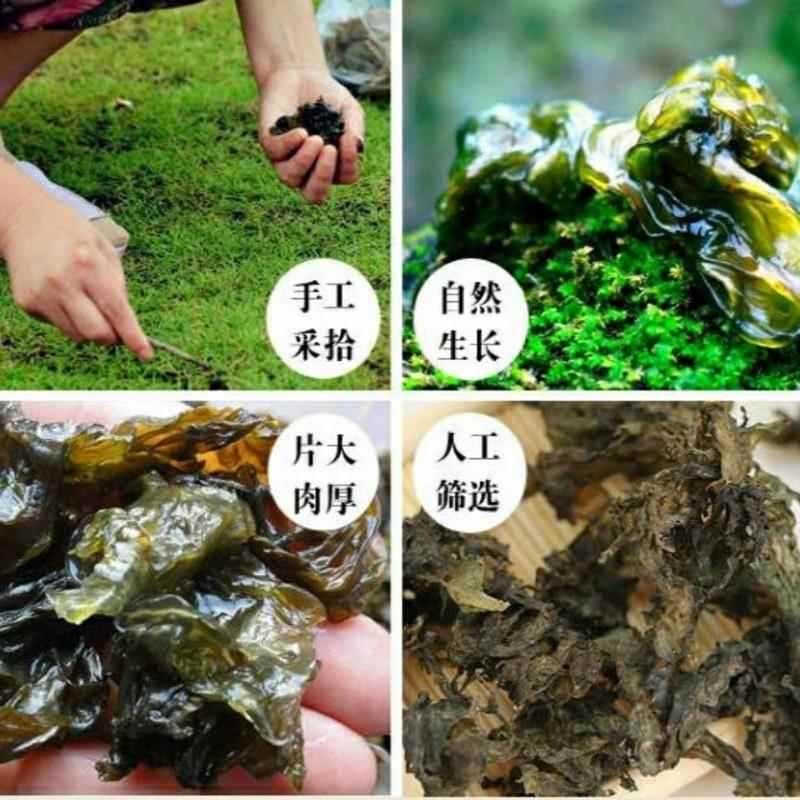
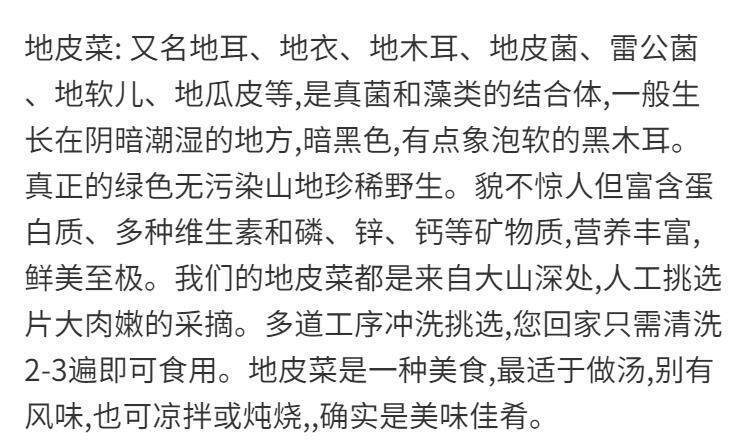
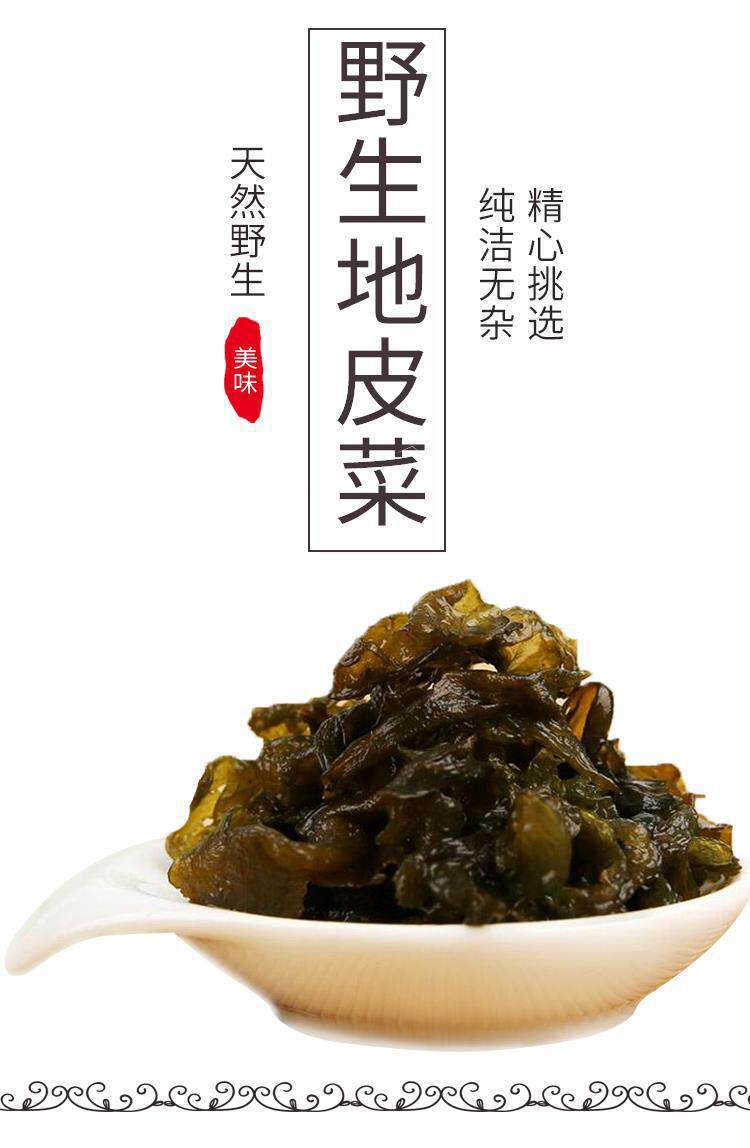
Dried Wild Nostoc, known in China as Di Pi Cai (地皮菜) or Di Er (地耳), is a naturally sun-dried edible lichen also called Di Mu Er (地木耳) and Lei Gong Jun (雷公菌). Traditionally used as a culinary ingredient in TCM food therapy, it is valued for its cooling nature and sweet flavor. Commonly rehydrated and added to steamed buns, soups, and stir-fries for its earthy taste and springy texture.
Key Selling Points
- Wild-harvested edible lichen, naturally sun-dried without additives
- Known in China as Di Pi Cai (地皮菜) or Di Mu Er (地木耳)
- Traditional cooling food used in TCM culinary therapy
- Versatile ingredient for steamed buns, soups, and stir-fries
- 50g trial-size pack, shelf-stable at room temperature
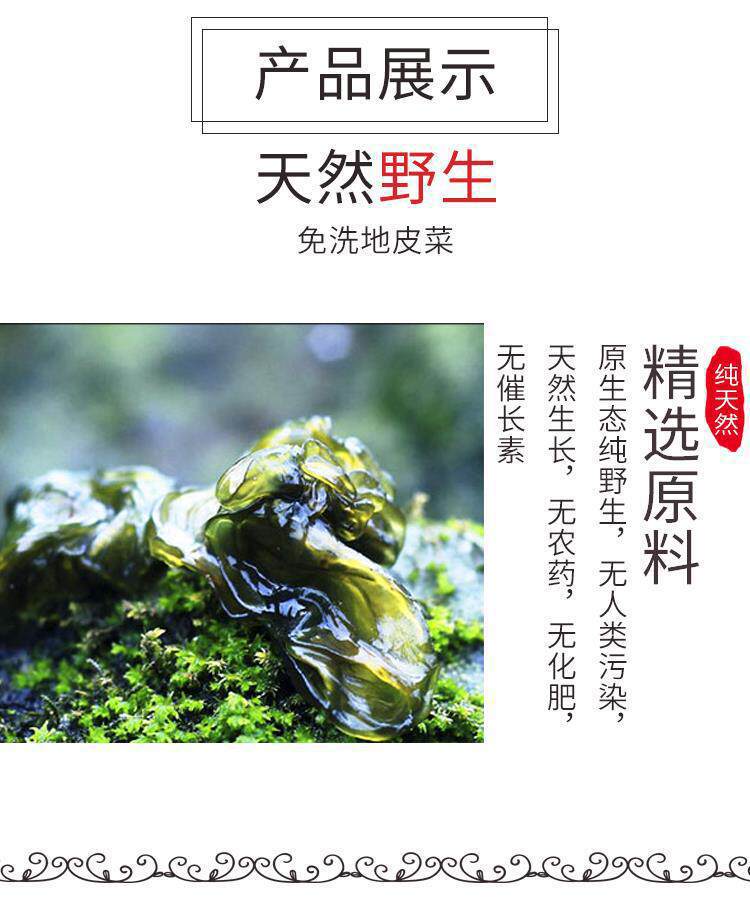
Quality & Sensory
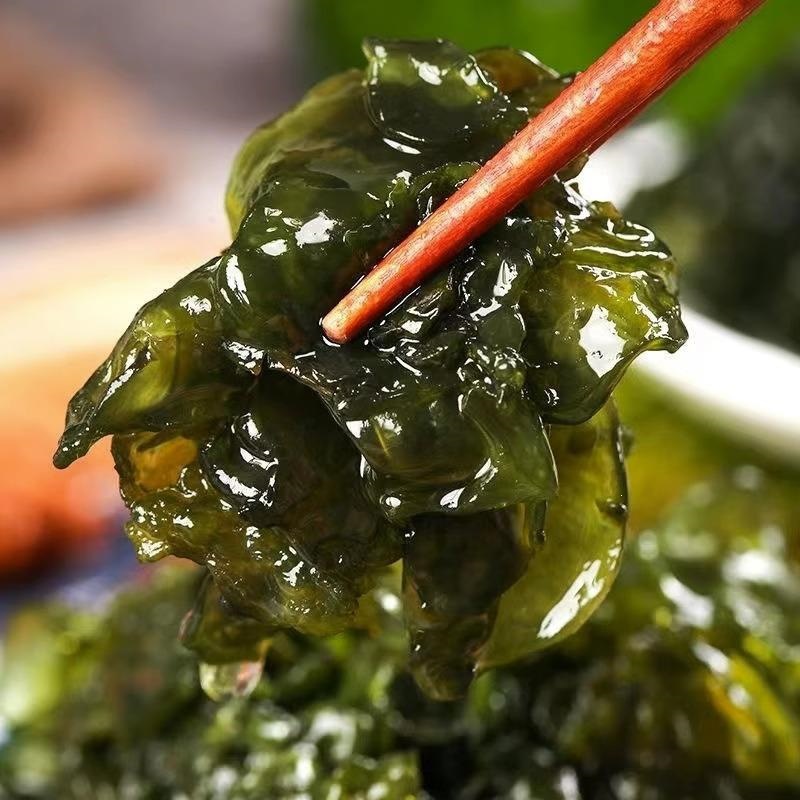
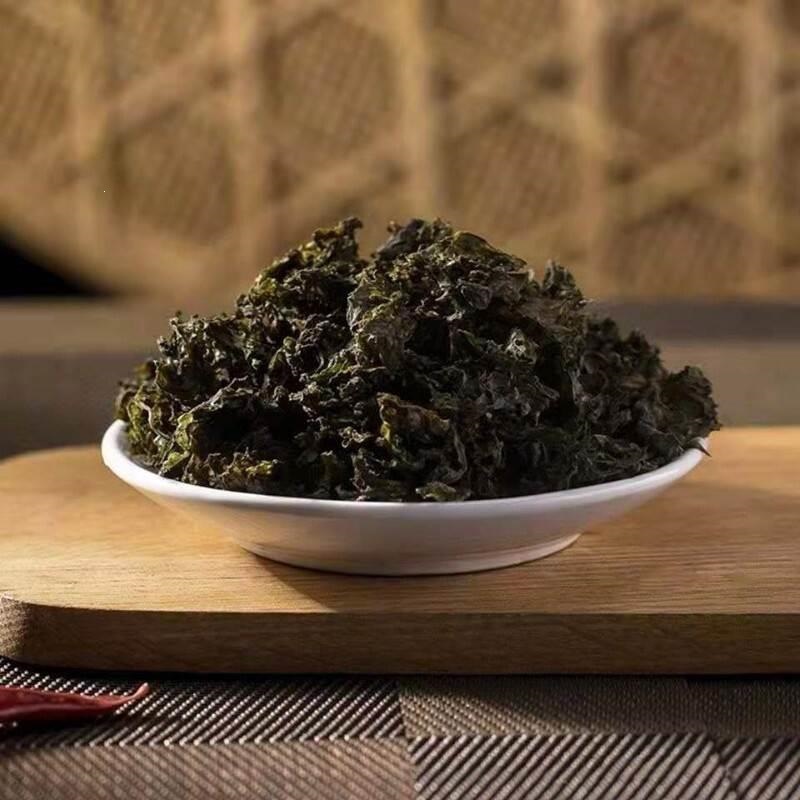
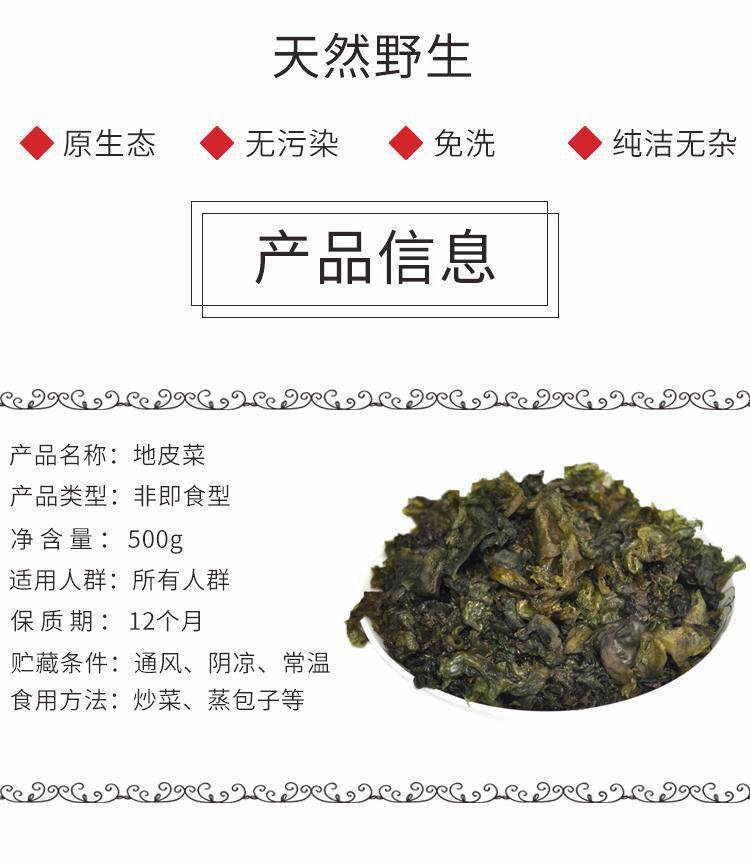
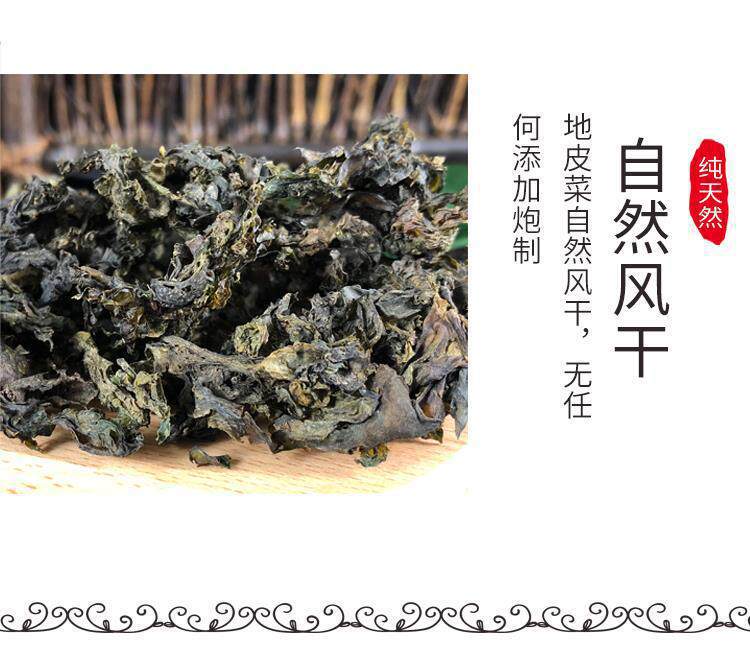
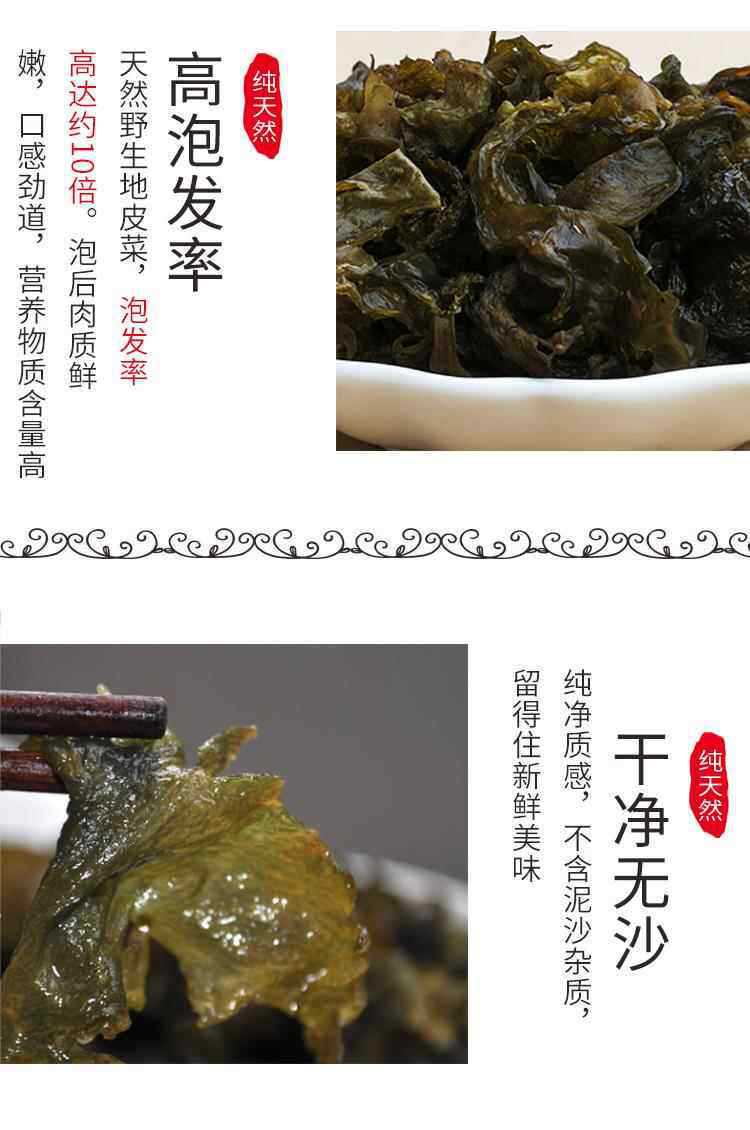
The dried lichen typically appears dark green to blackish, fragile and crinkled. After soaking, it expands into a soft, gelatinous, slightly springy texture with a mild earthy aroma and a neutral, faintly mushroom-like taste that absorbs surrounding flavors well.
Technical Specifications
| Product Type | Dried edible lichen |
|---|---|
| Chinese Name | 地皮菜 |
| Pinyin | Di Pi Cai |
| Plant Part | Whole thallus |
| Form | Sun-dried whole pieces |
| Net Weight | 50g |
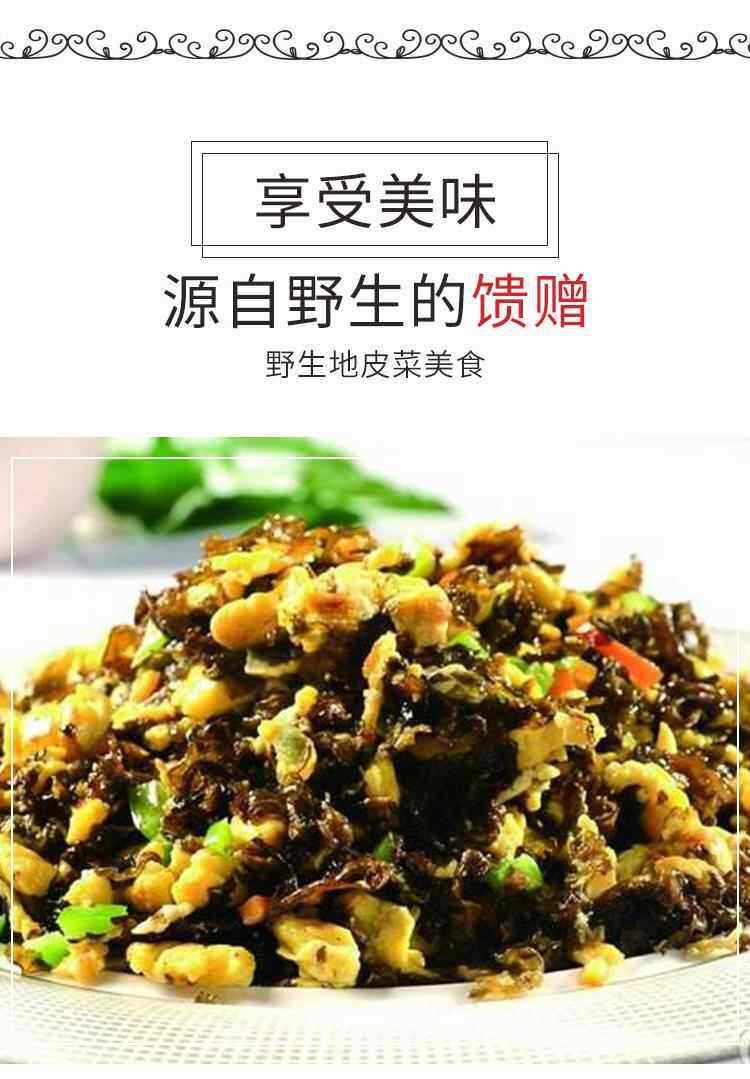
Usage Scenarios
- Rehydrate and mix into steamed bun or dumpling filling
- Add to soups and broths for earthy flavor
- Stir-fry with eggs or vegetables
- Use in congee or rice dishes
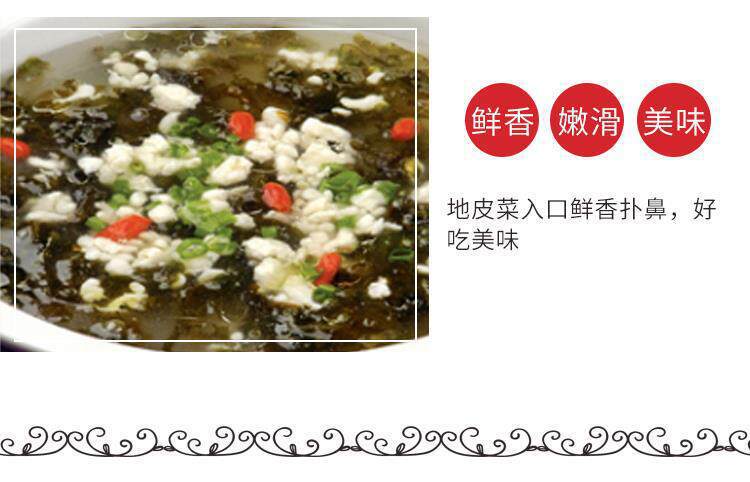
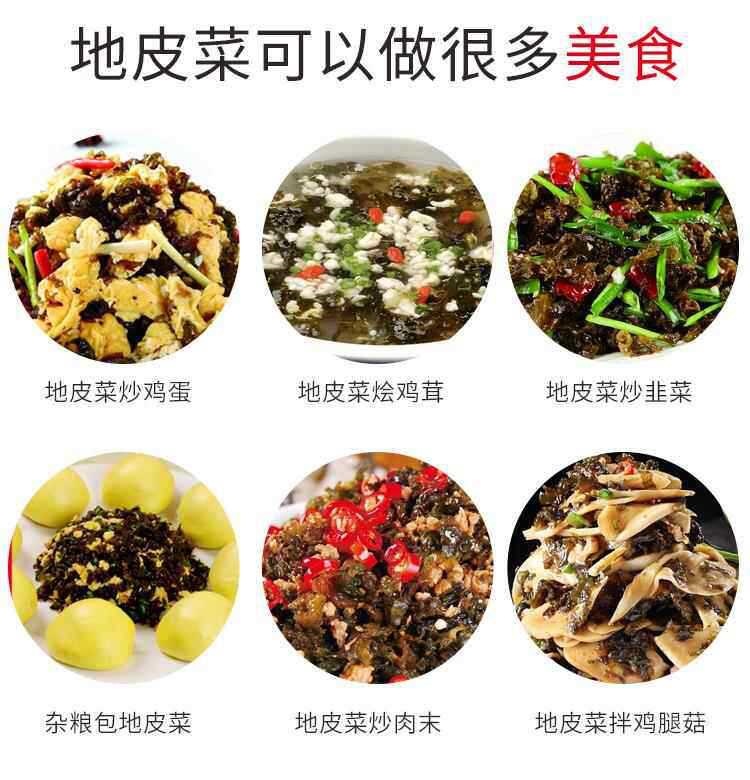
Traditional Uses
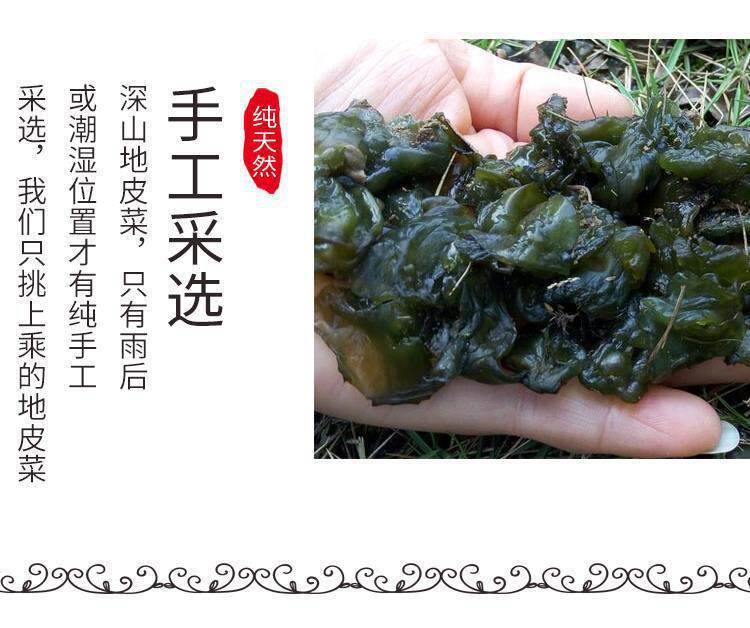
In TCM food therapy, Di Pi Cai is traditionally considered cooling and sweet, associated with nourishing yin and supporting clear vision. Folk practice commonly rehydrates it for steamed buns, soups, and congee, often paired with eggs, pork, or tofu. It is a seasonal wild food traditionally gathered after rain.

FAQ Q&A
Q: What is this product?
A: It is dried wild Nostoc, an edible lichen known in China as Di Pi Cai (地皮菜), harvested and naturally sun-dried.
Q: What is its traditional value?
A: In TCM food therapy it is considered cooling and sweet, traditionally used to nourish yin and support eye health.
Q: How is it commonly prepared?
A: Soak in water until softened, rinse well, then add to steamed buns, soups, stir-fries, or congee.
Additional information
| Weight | N/A |
|---|---|
| Dimensions | N/A |
| Model | 1罐 地衣菜 250g, 2罐 地衣菜 500g, 体验 地衣菜 50g |
Related products
-
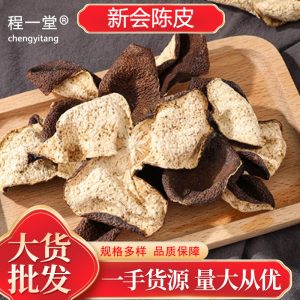
Xinhui Chenpi Dried Tangerine Peel 500g Sun Dried Aged Peel for Soup and Tea
Price range: $60.19 through $116.90 -
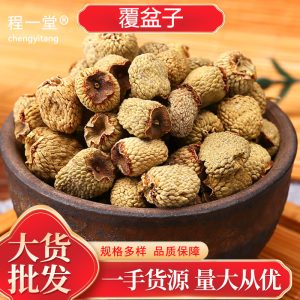
Dried Raspberry Fruit Fu Pen Zi Whole Berries for Herbal Tea and Wine Infusion 500g
Price range: $15.63 through $18.06 -
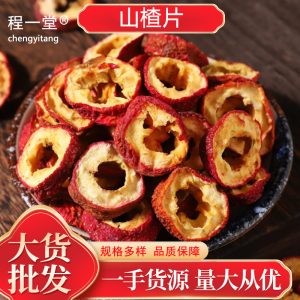
Dried Hawthorn Slices Shan Zha 500g Seedless Hollow Rings Freeze Dried Hawthorn for Tea and Culinary Use
Price range: $4.44 through $7.04 -
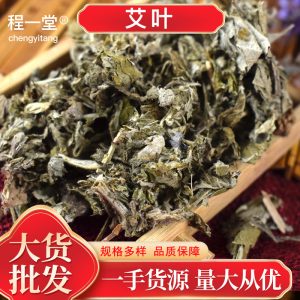
Dried Mugwort Leaf Ai Ye 500g Chinese Herbal Bath Foot Soak and Smoke Cleansing Herb
Price range: $4.77 through $5.25
Reviews
There are no reviews yet.