
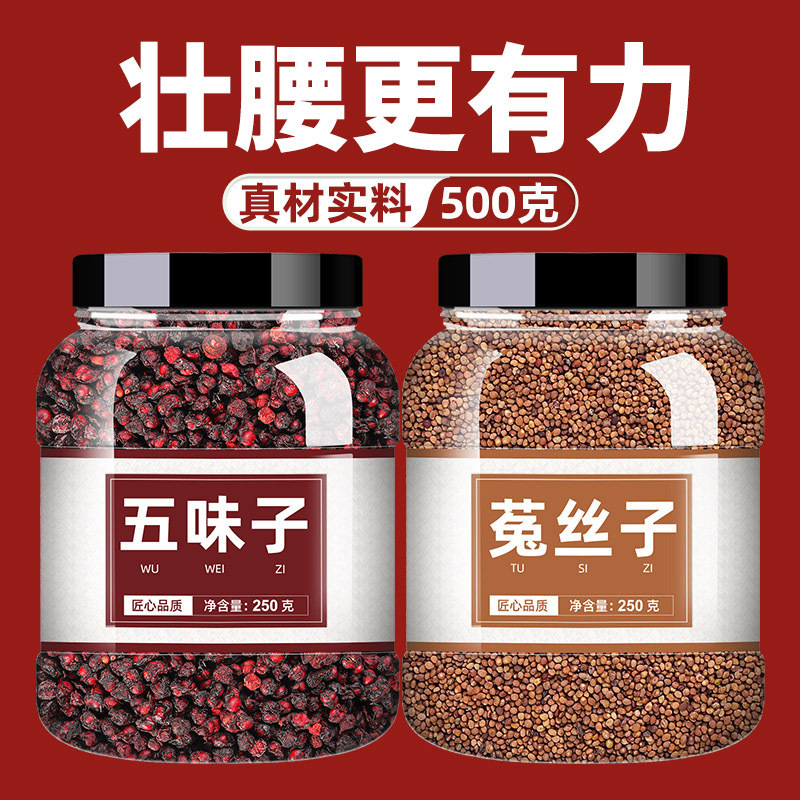
Dried Schisandra Chinensis Fruit Wu Wei Zi Herbal Tea Ingredient 500g
Price range: $6.09 through $15.99
Description
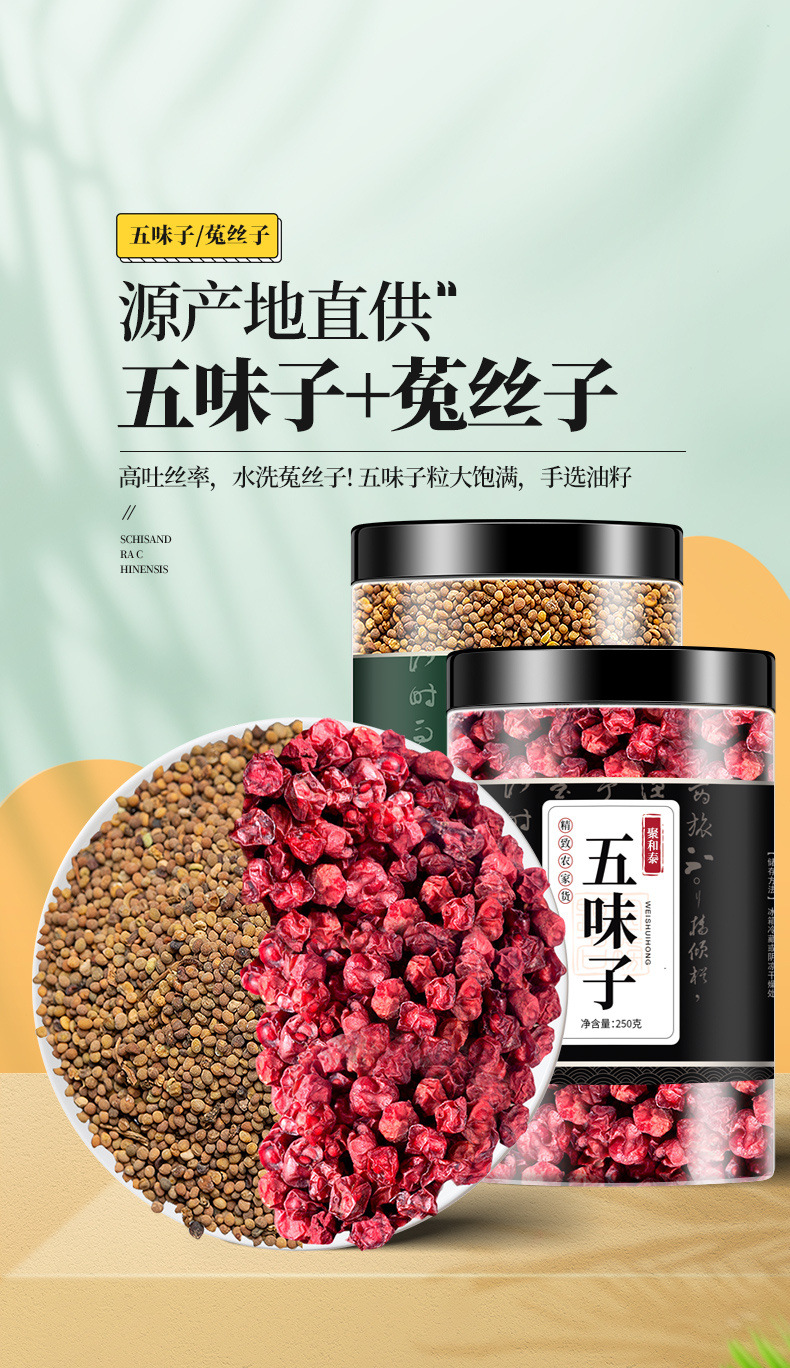
Dried Schisandra Fruit, known in TCM as Wu Wei Zi (五味子), from Schisandra chinensis. These sun-dried berries are a classic Chinese herbal ingredient used in decoctions and teas. In TCM theory, Wu Wei Zi is sour and sweet, warm in nature, and enters the lung, heart, and kidney channels. Traditionally associated with supporting the body's natural balance, it is commonly brewed alone or with other herbs for daily wellness tea.
Key Selling Points
- Identified as Wu Wei Zi (五味子), the dried ripe fruit of Schisandra chinensis
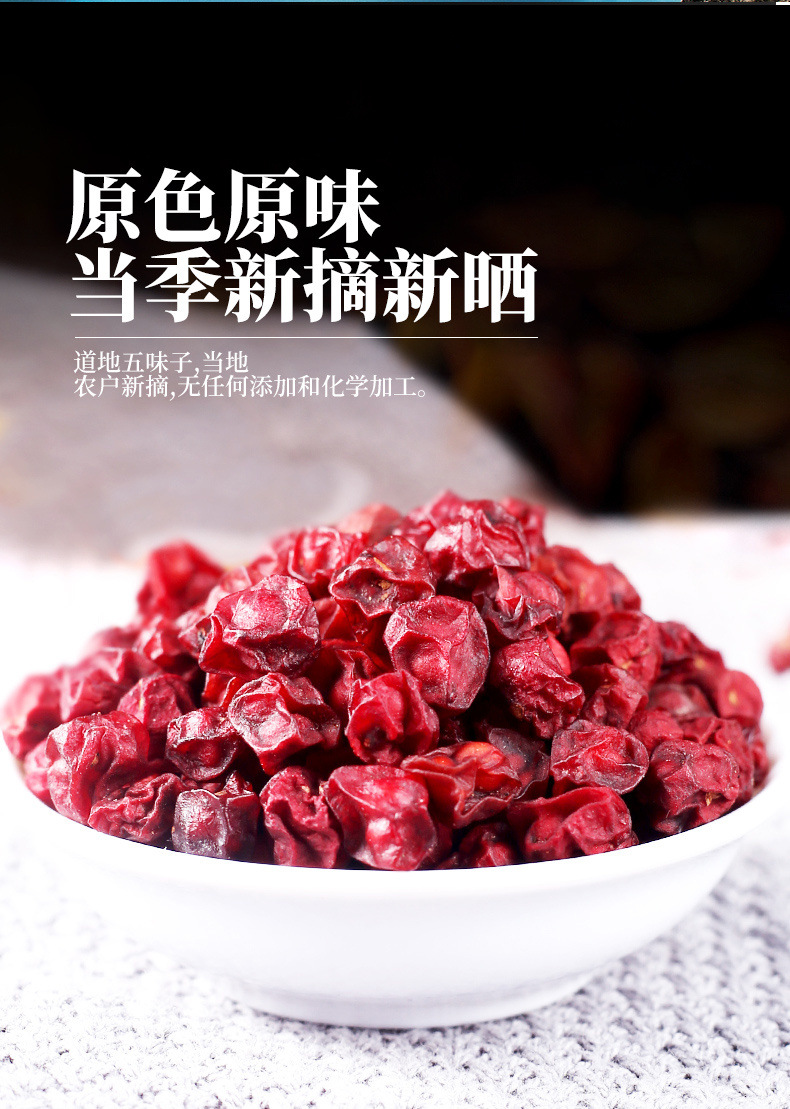
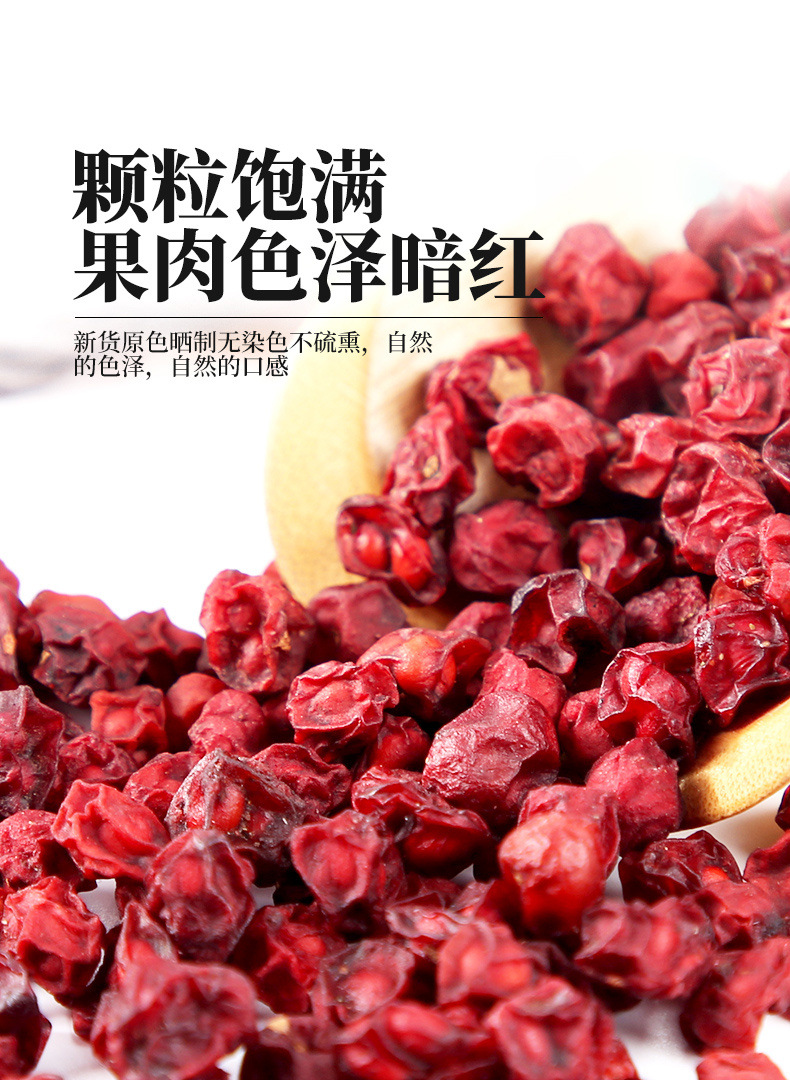
- Sun-dried whole berries with a deep red to dark purple color
- Sour and sweet flavor with a warm nature in TCM theory
- Traditionally used in decoctions, teas, and herbal formulas
- Packaged in a resealable jar for convenient storage
Quality & Sensory
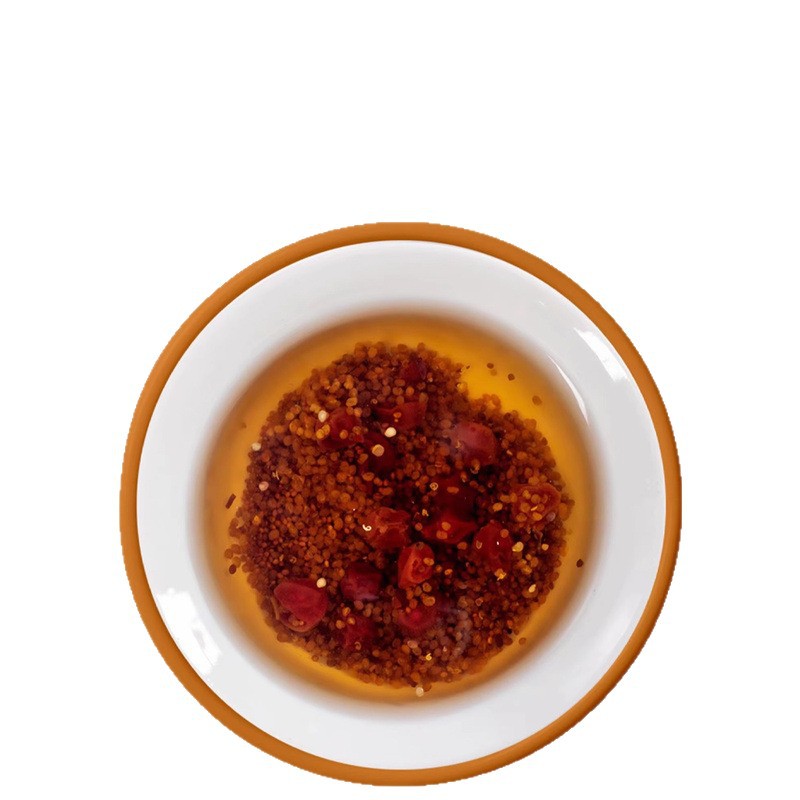
The dried berries are typically deep red to dark purple with a wrinkled, firm texture. They have a mild, fruity aroma. When brewed or decocted, the liquid is typically tart and slightly sweet with a distinctive sour taste.
Technical Specifications
| Product Type | Dried herbal fruit |
|---|---|
| Chinese Name | 五味子 |
| Pinyin | Wu Wei Zi |
| Botanical Name | Schisandra chinensis |
| Plant Part | Ripe fruit |
| Net Weight | 500g |
Usage Scenarios
- Brewed as a daily herbal tea
- Added to decoctions with other herbs
- Used in herbal soups or congee
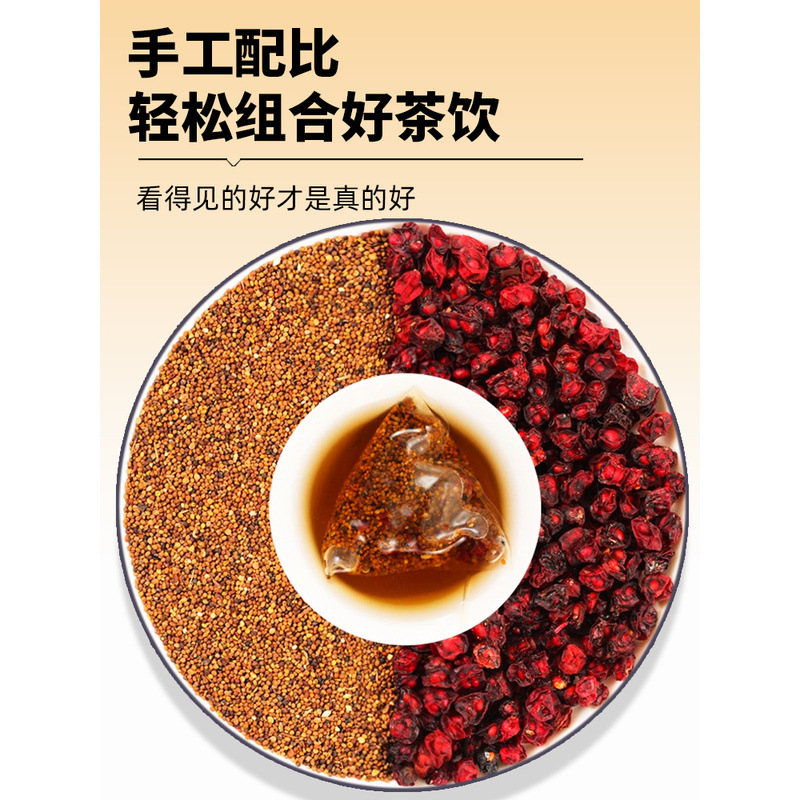
- Combined with goji berries or jujube in tea blends
Traditional Uses
In TCM theory, Wu Wei Zi is traditionally used in decoctions and teas to support lung and kidney function. It is often paired with herbs such as goji berries, jujube, or rehmannia in tonic formulas. Folk practice includes simmering the berries in water or adding them to soups and congee for seasonal wellness.
FAQ Q&A
Q: What is this product?
A: It is dried Schisandra chinensis fruit, known in TCM as Wu Wei Zi (五味子).
Q: What are its traditional characteristics?
A: In TCM theory, it is considered sour and sweet, warm in nature, and associated with the lung, heart, and kidney channels.
Q: How is it commonly prepared?
A: It is typically brewed as a tea or simmered in decoctions, soups, and congee.
Additional information
| Weight | N/A |
|---|---|
| Dimensions | N/A |
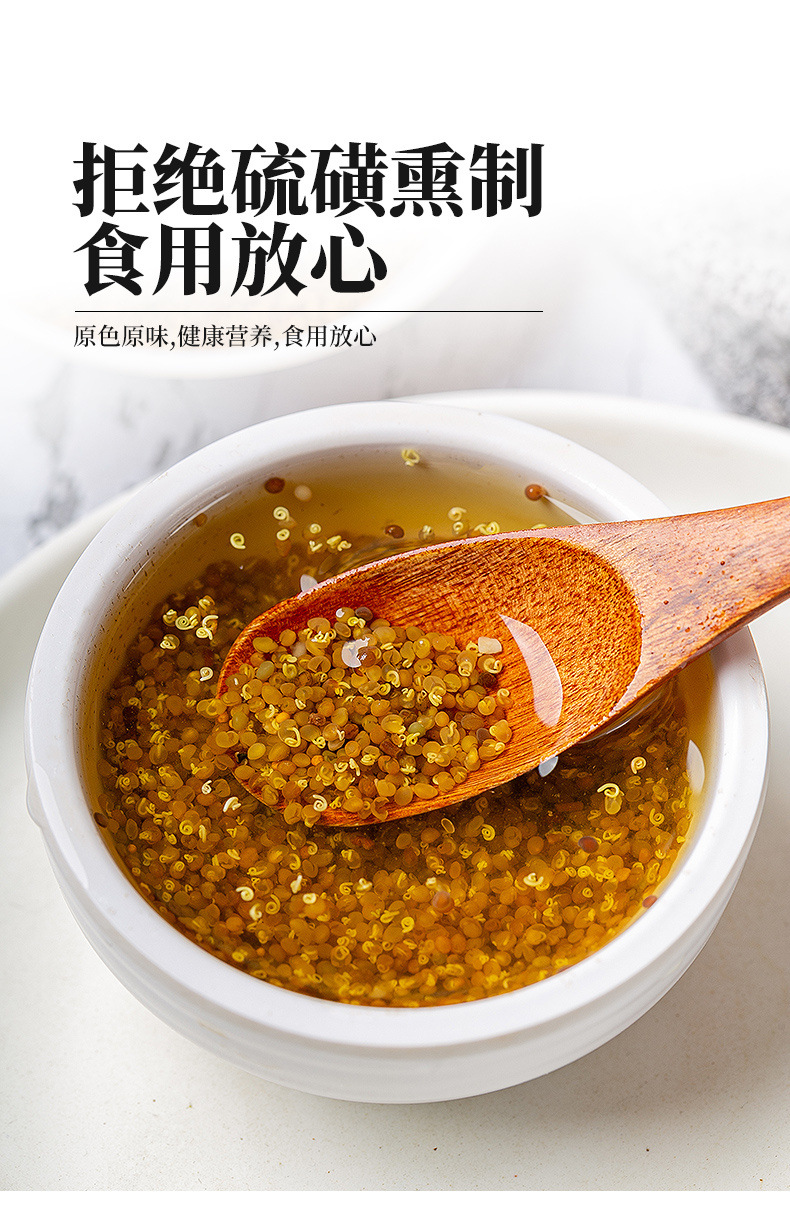
| Model | 罐装 五味子100g, 罐装 五味子250g, 罐装 五味子500g, 罐装 菟丝子250g, 罐装 菟丝子500g, 罐装 五味子100g 菟丝子100g, 罐装 五味子250g 菟丝子250g, 罐装 菟丝子1000克, 罐装 五味子1000g |
Related products
-

Cabinda Bark Dried Herb 500g Traditional Herbal Infusion Ingredient
Price range: $12.38 through $37.50 -
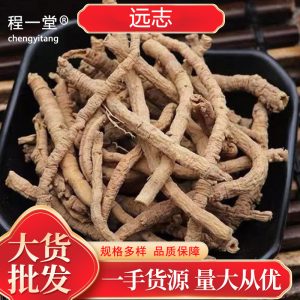
Dried Polygala Root Yuan Zhi 500g Traditional Chinese Herb for Decoction
Price range: $18.87 through $24.54 -
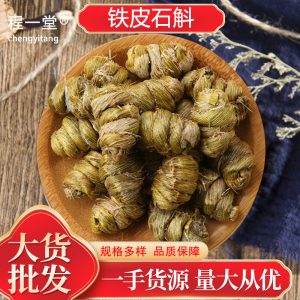
Tie Pi Shi Hu Dried Dendrobium Stems 500g Huoshan Fengdou for Soup and Tea
Price range: $35.88 through $108.80 -
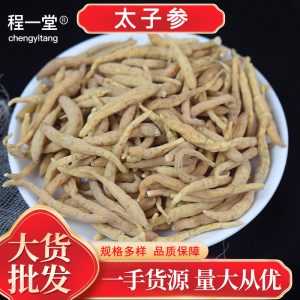
Taizishen Dried Pseudostellaria Root TCM Herbal Tea and Soup Ingredient 500g Bulk Pack
Price range: $10.28 through $15.63
Reviews
There are no reviews yet.