
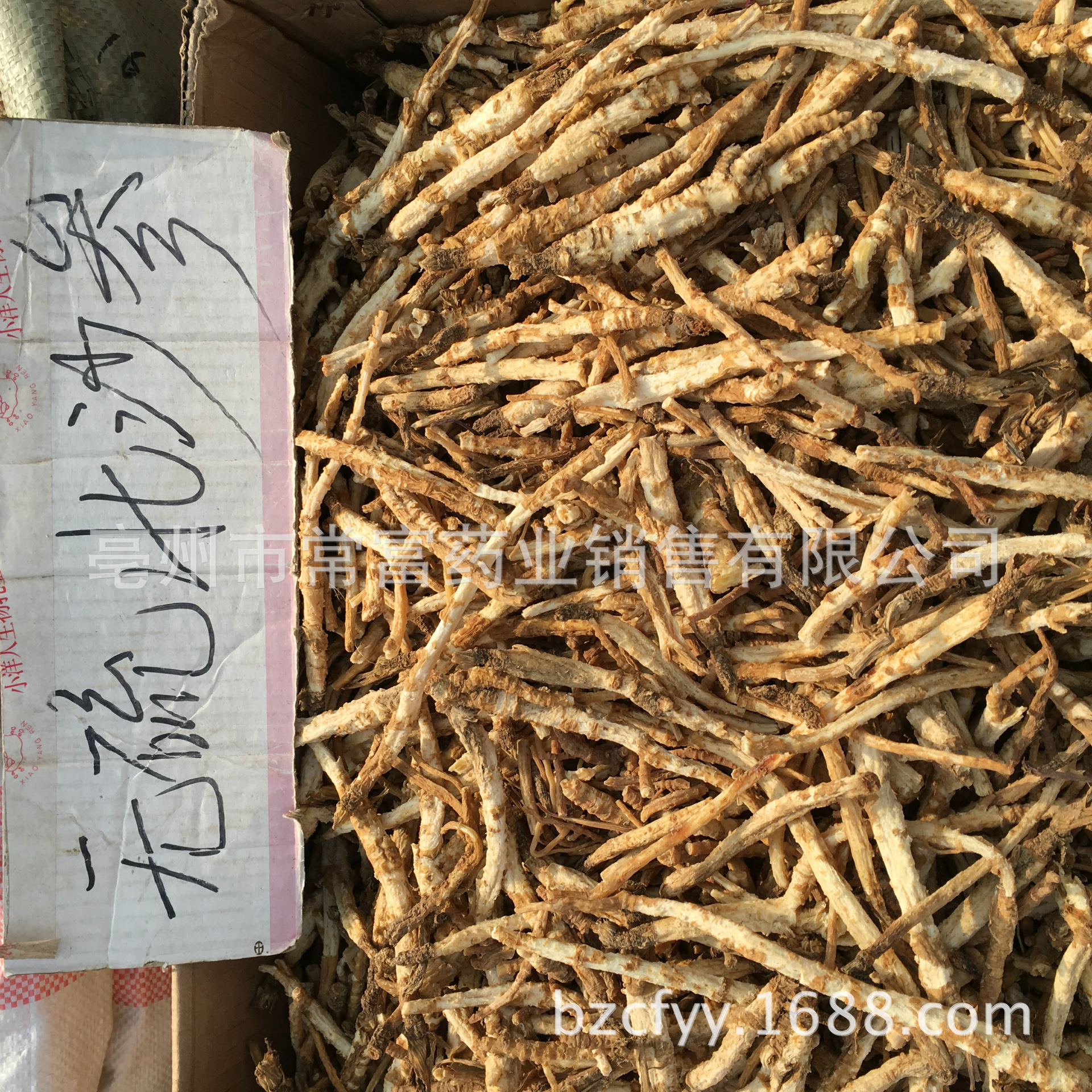
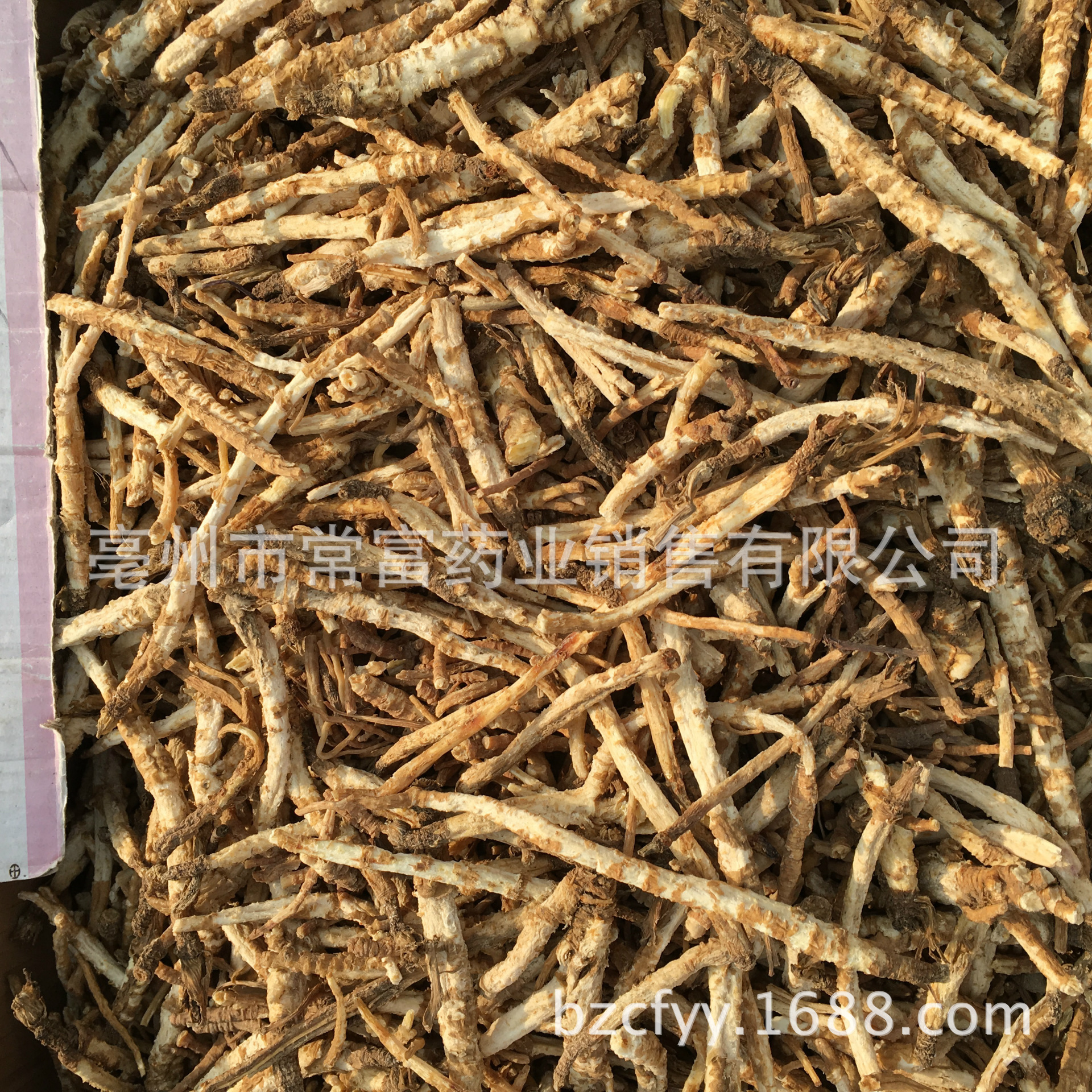
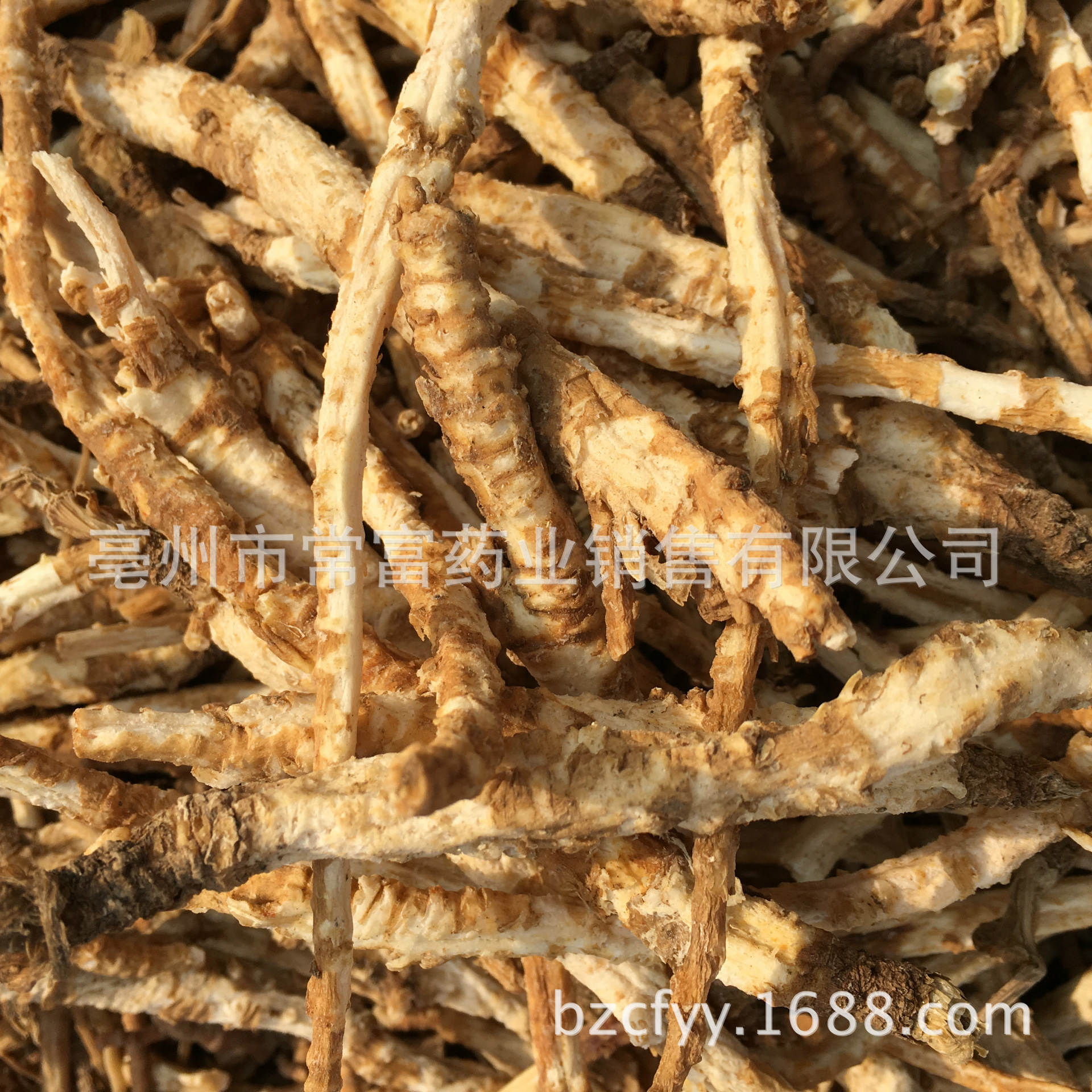
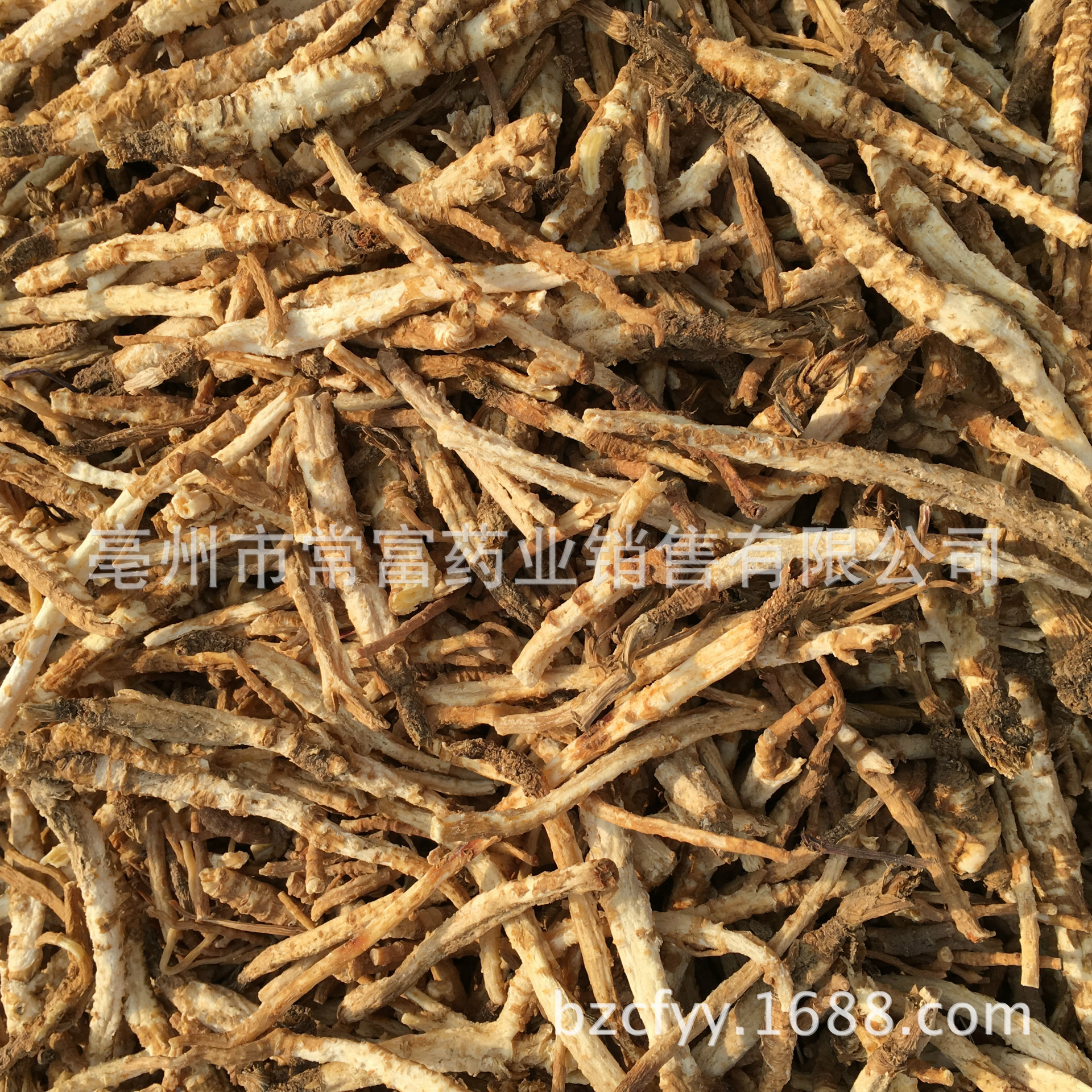
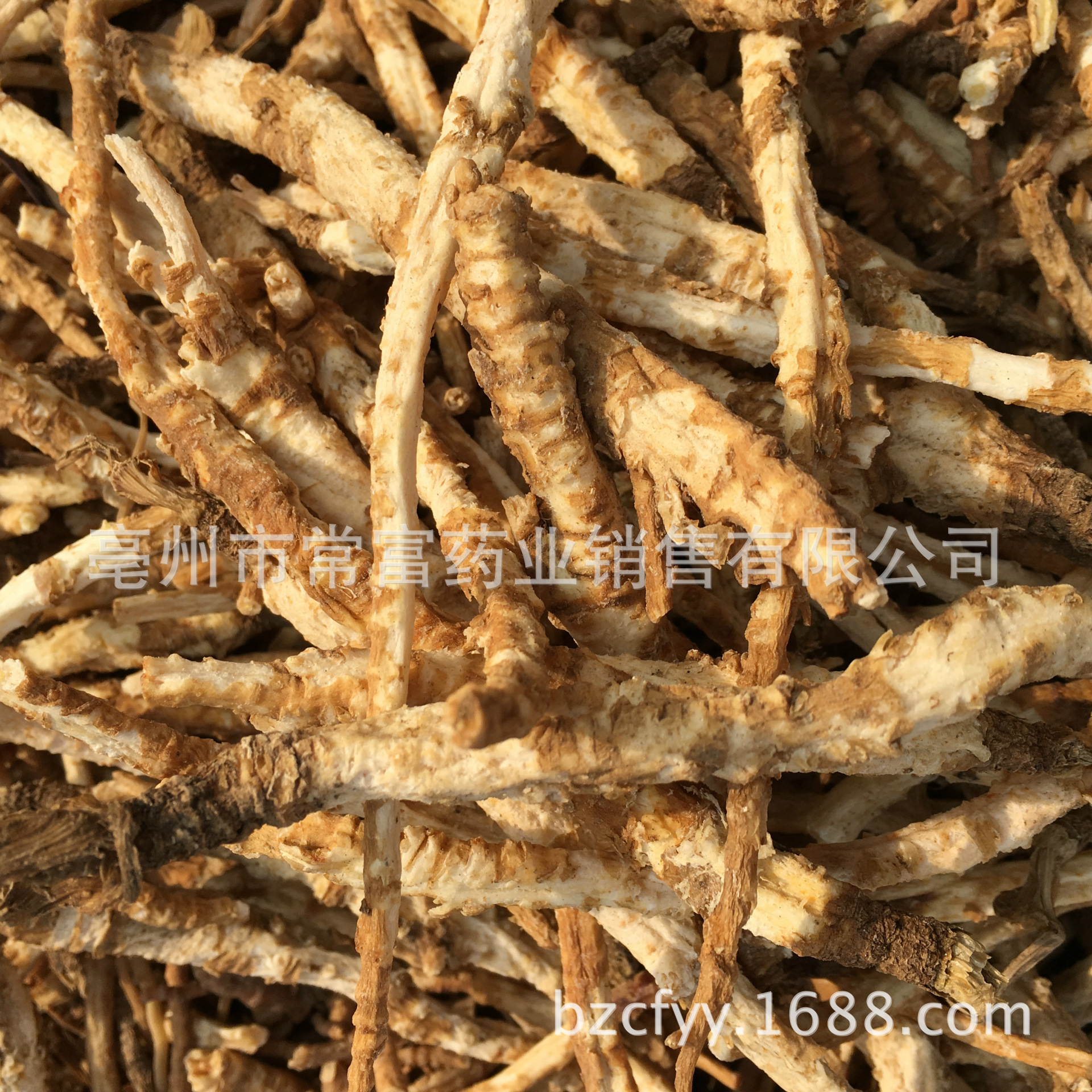
Dried North Glehnia Root Bei Sha Shen Whole Roots 500g for Culinary Herbal Soups and Decoctions
$14.88
89937 in stock
Description
Dried North Glehnia Root, known in TCM as Bei Sha Shen (北沙参), from Glehnia littoralis, supplied as whole dried roots. In TCM theory it is sweet and slightly cold, traditionally associated with the Lung and Stomach channels. Traditionally valued in herbal soups and decoctions, it is a natural culinary botanical for seasonal wellness cooking and should be stored sealed in a cool dry place.
Key Selling Points
- Whole dried roots of North Glehnia, Bei Sha Shen (北沙参)
- Botanical source Glehnia littoralis, root form for decoction and cooking
- Traditionally associated with the Lung and Stomach channels in TCM
- Sourced from Hebei, supplied as bulk edible agricultural produce
- 500g loose pack suitable for soups, congee, and herbal decoctions
Quality & Sensory
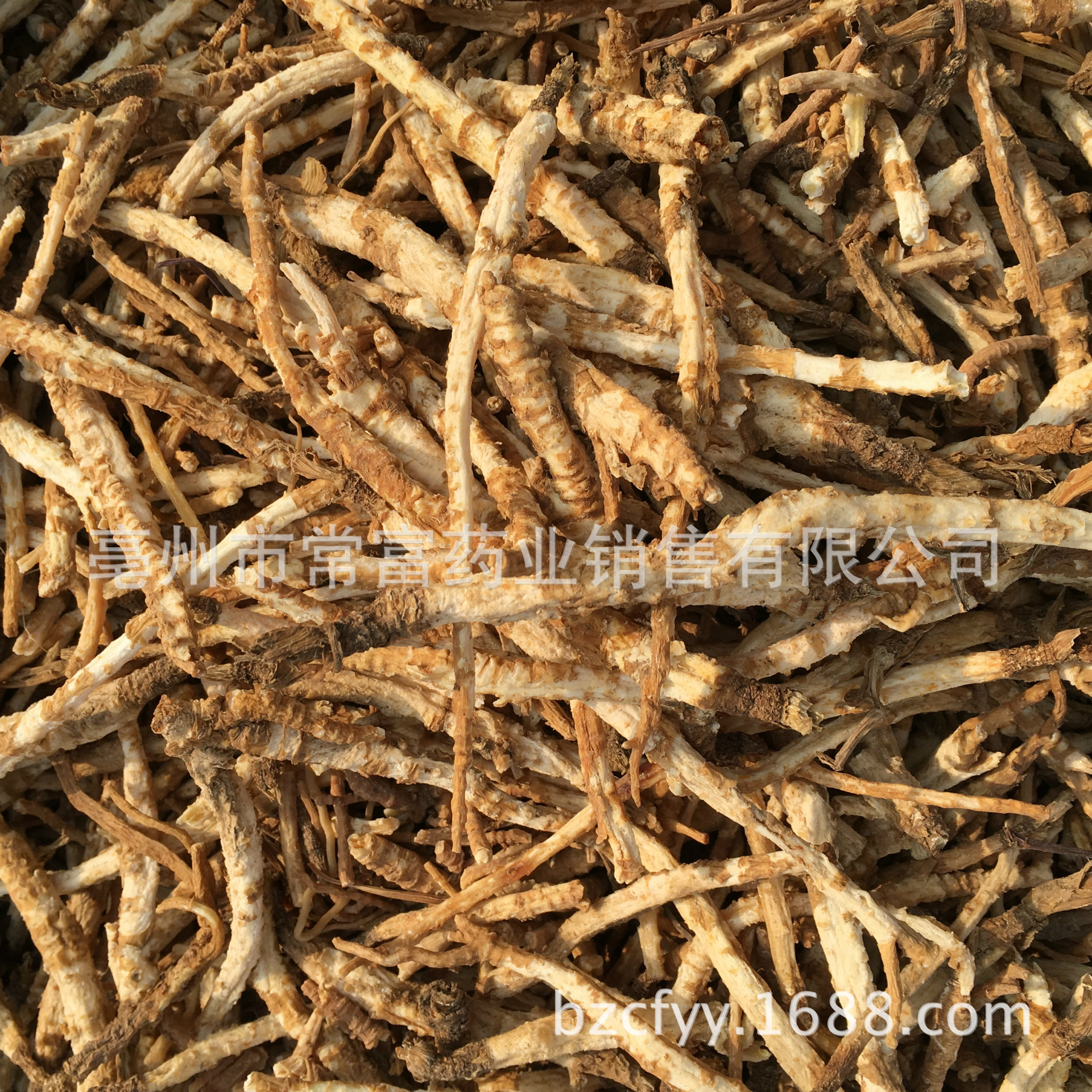
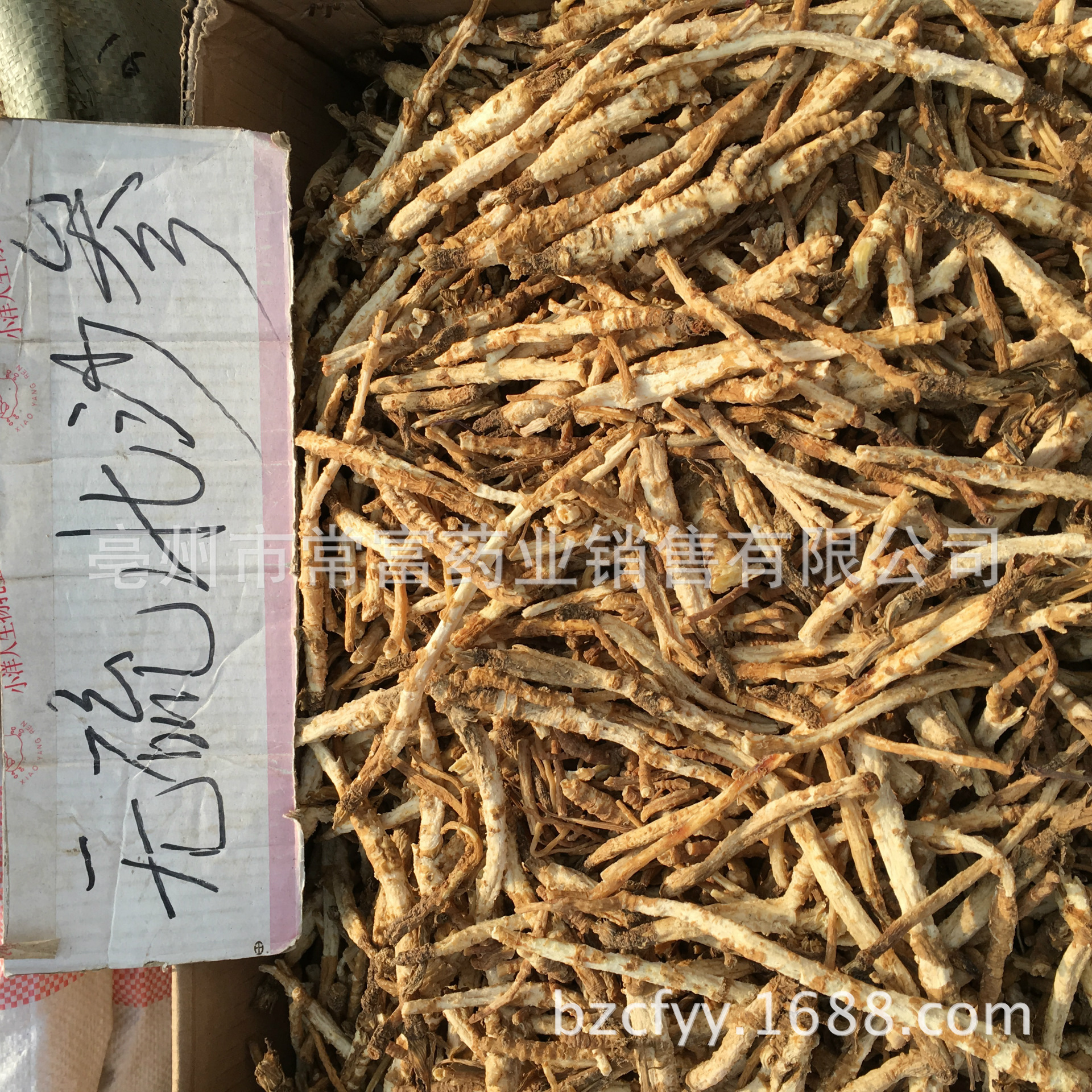
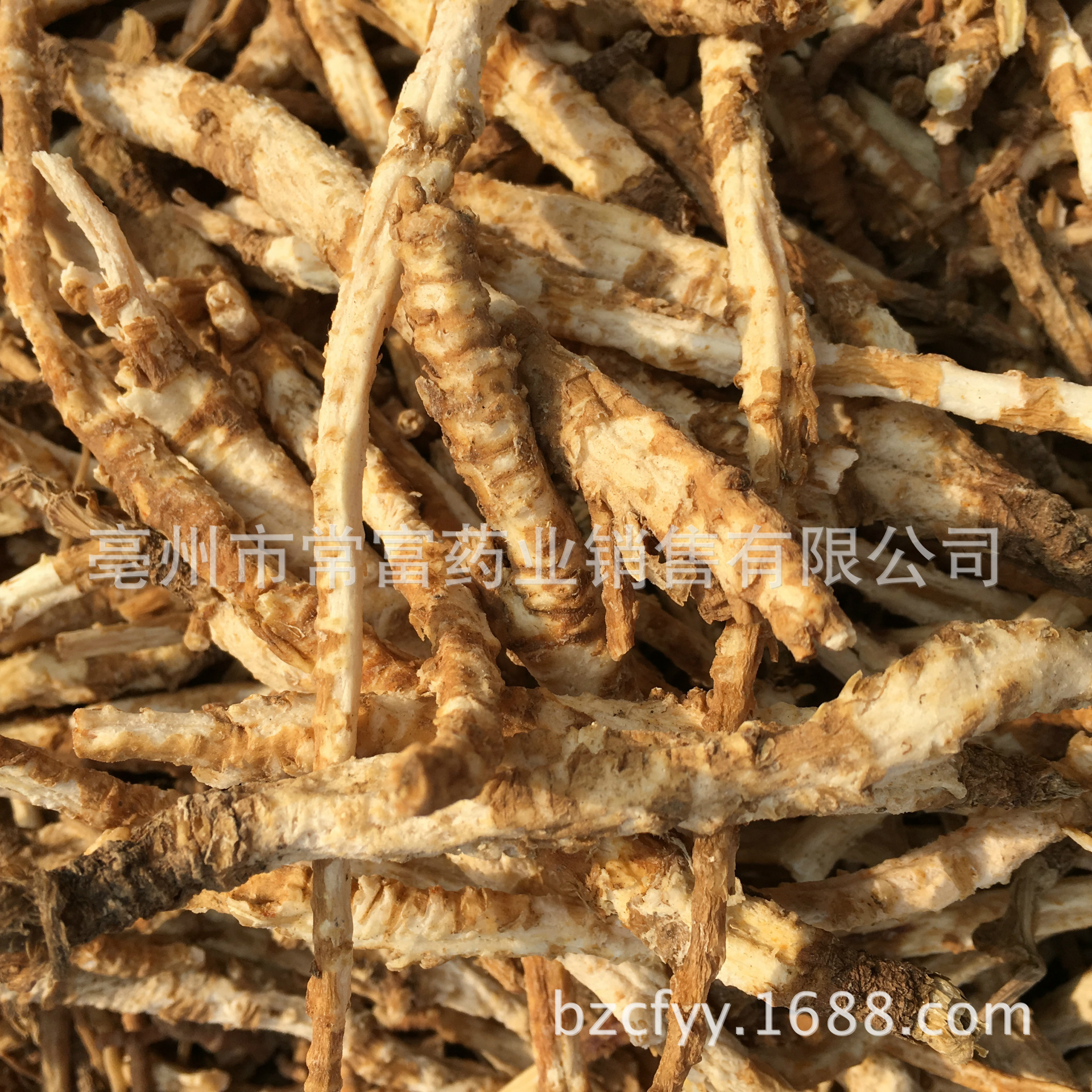
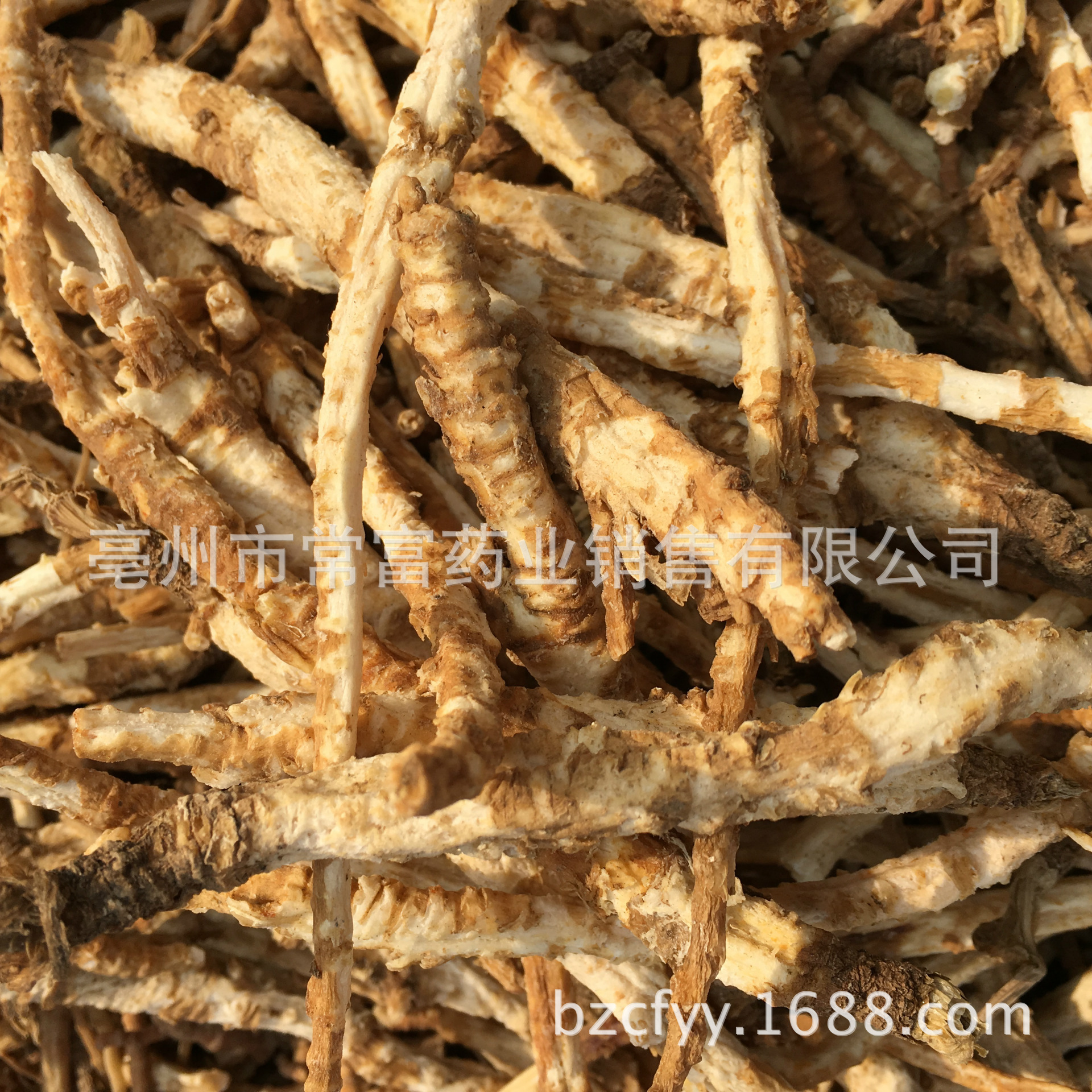
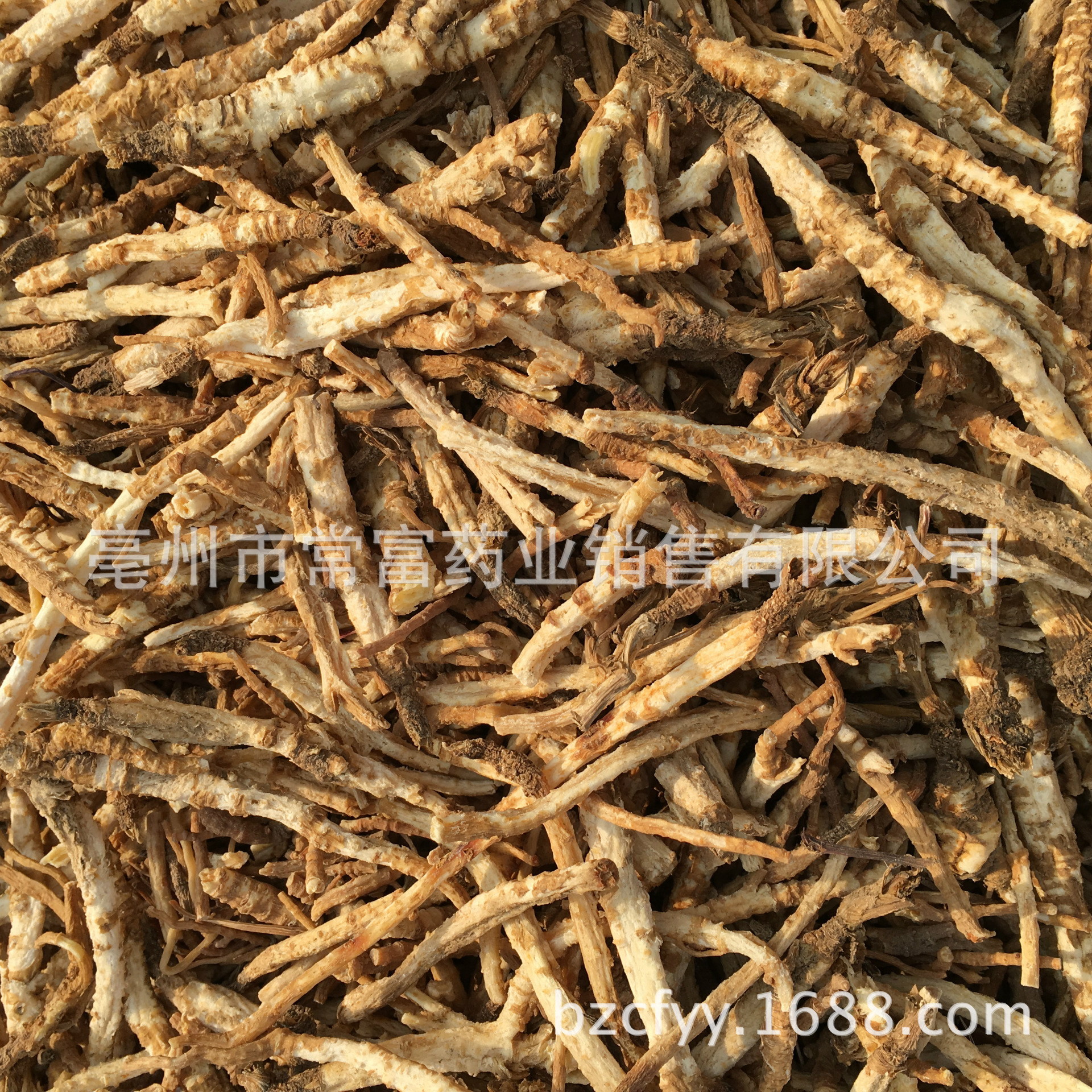
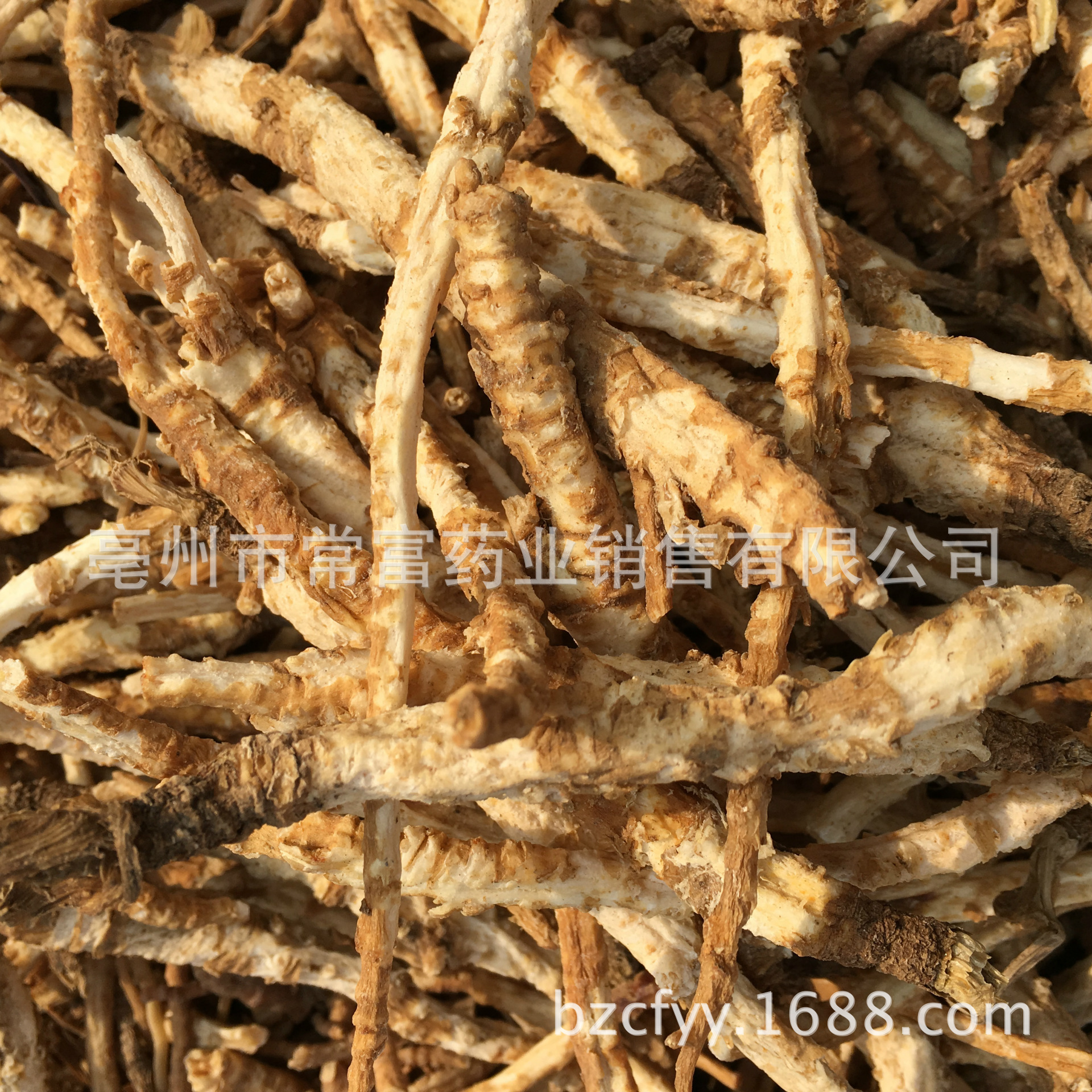
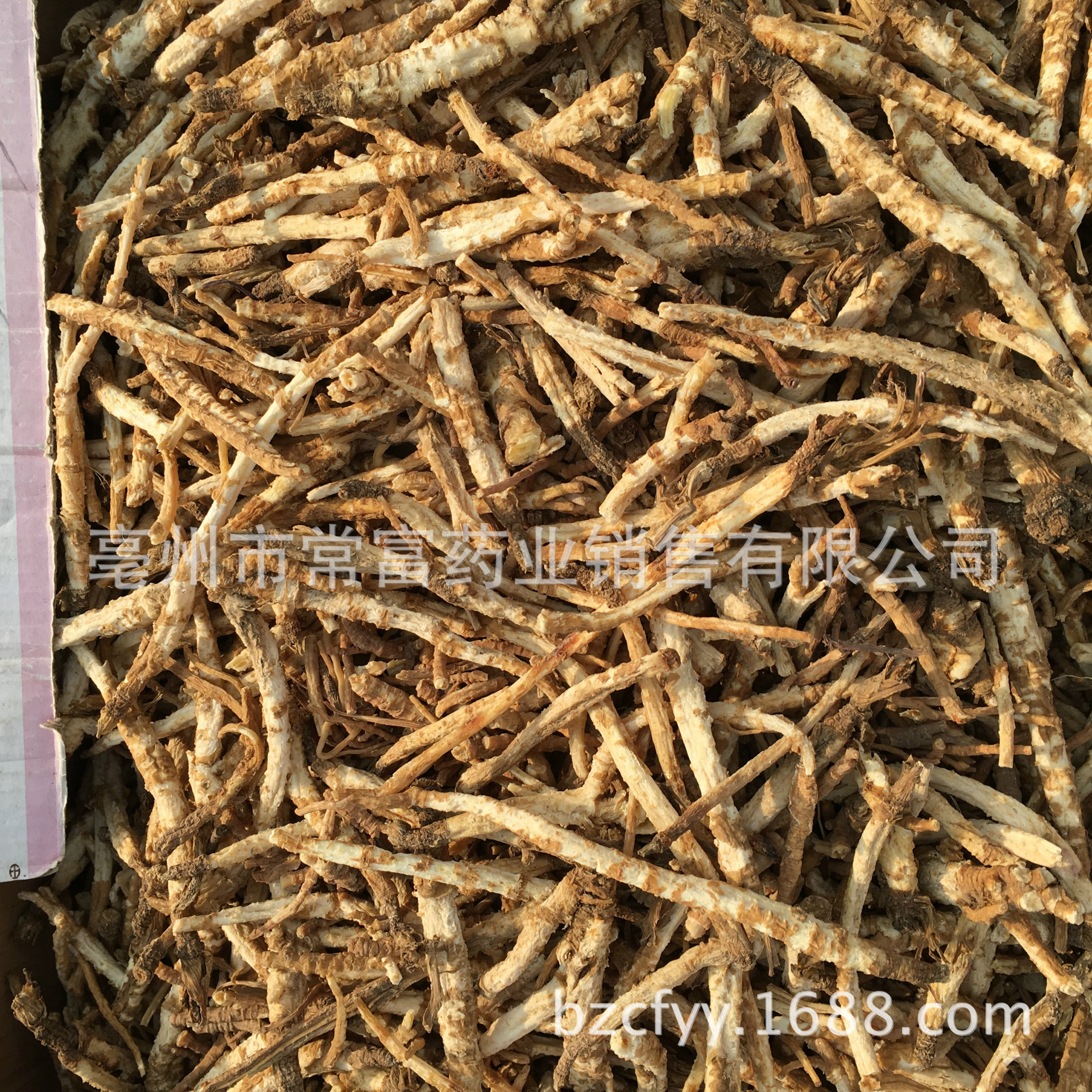
Whole roots typically slender and pale yellowish-white with a fine, firm texture and a faintly sweet, earthy aroma. When simmered, they typically yield a mild, subtly sweet taste and soften into a tender, starchy consistency.
Technical Specifications
| Product Type | Dried whole root |
|---|---|
| Chinese Name | 北沙参 |
| Pinyin | Bei Sha Shen |
| Botanical Name | Glehnia littoralis |
| Plant Part | Root |
| Net Weight | 500g |
Usage Scenarios
- Simmered in herbal soups with poultry or pork
- Added to congee and slow-cooked broths
- Used in traditional herbal decoctions
- Incorporated into seasonal culinary dishes


Traditional Uses
In TCM practice, Bei Sha Shen is traditionally used in nourishing decoctions and soups, often paired with Mai Dong (麦冬) and Yu Zhu (玉竹) in autumn and dry-season recipes. It is a common ingredient in household soup packs and congee preparations, where it is simmered slowly to release its mild sweetness.
FAQ Q&A
Q: What is this product?
A: It is 500g of whole dried North Glehnia root, Bei Sha Shen (北沙参), from Glehnia littoralis, supplied as loose edible agricultural produce.
Q: What is its traditional value?
A: In TCM theory it is sweet and slightly cold and traditionally associated with the Lung and Stomach channels, commonly used in nourishing soups and decoctions.
Q: How is it commonly prepared?
A: It is typically rinsed and simmered in soups, broths, congee, or herbal decoctions until tender.
Additional information
| Weight | 0.6 kg |
|---|---|
| Dimensions | 25 × 18 × 8 cm |
Related products
-
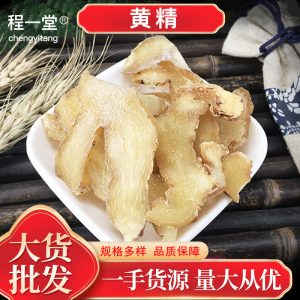
Dried Huang Jing Slices Polygonatum Rhizome Chicken Head Huang Jing 500g Bulk Herbal Tea and Soup Ingredient
Price range: $9.14 through $18.87 -
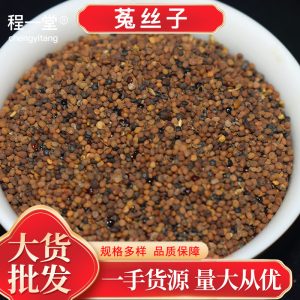
Dried Dodder Seed Tu Si Zi Whole Herb 500g Bulk Chinese Herbal Ingredient
Price range: $7.04 through $7.52 -
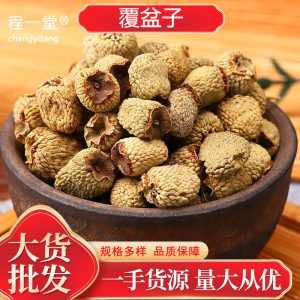
Dried Raspberry Fruit Fu Pen Zi Whole Berries for Herbal Tea and Wine Infusion 500g
Price range: $15.63 through $18.06 -
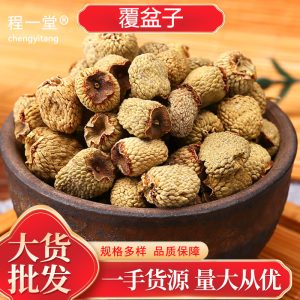
Dried Raspberry Fruit Fu Pen Zi Whole Berries for Herbal Tea and Wine Infusion 500g
Price range: $15.63 through $18.06
Reviews
There are no reviews yet.