
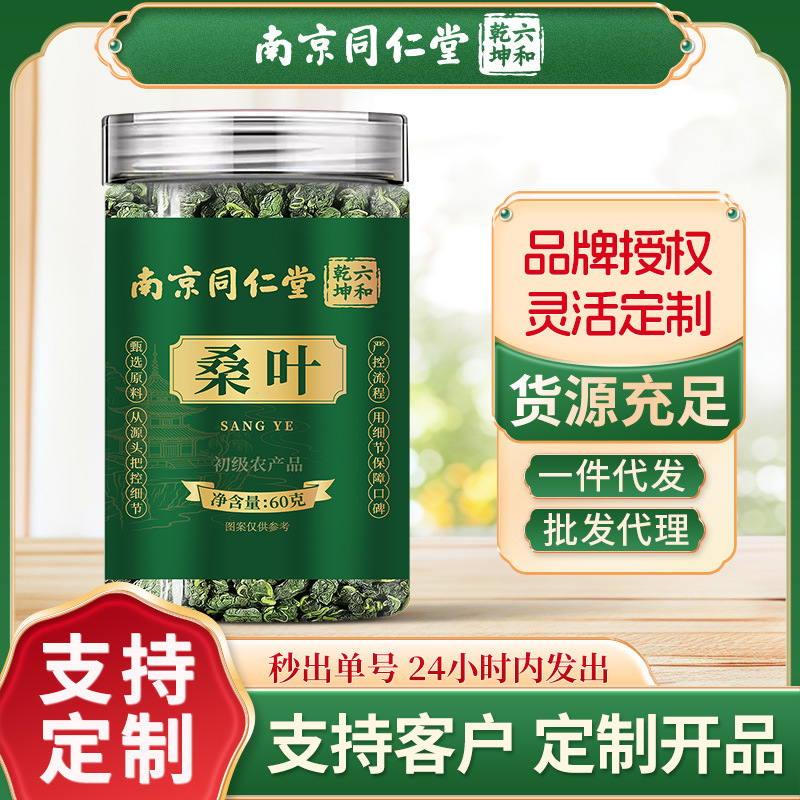
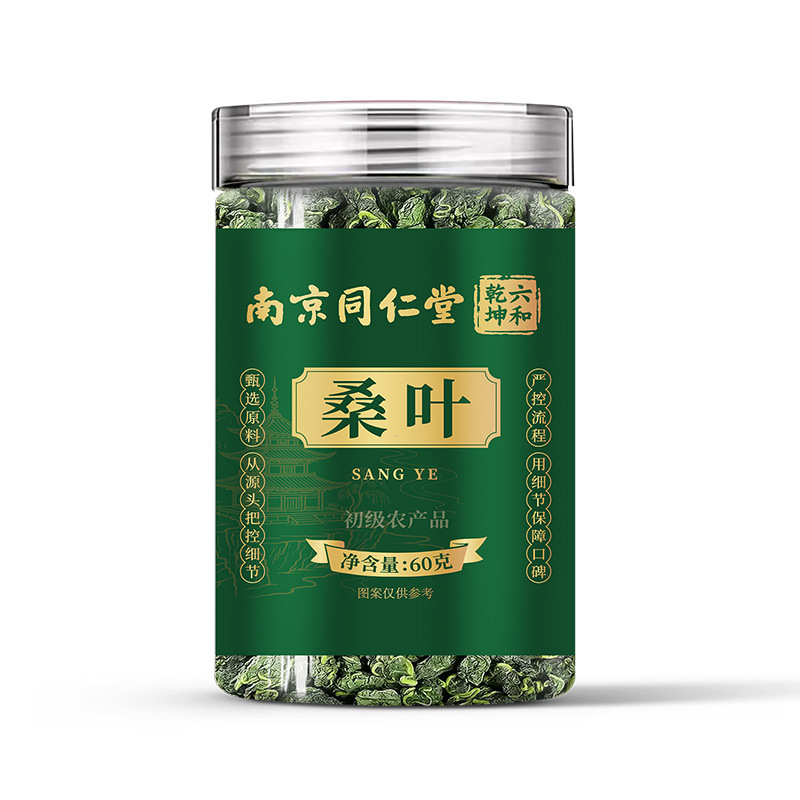
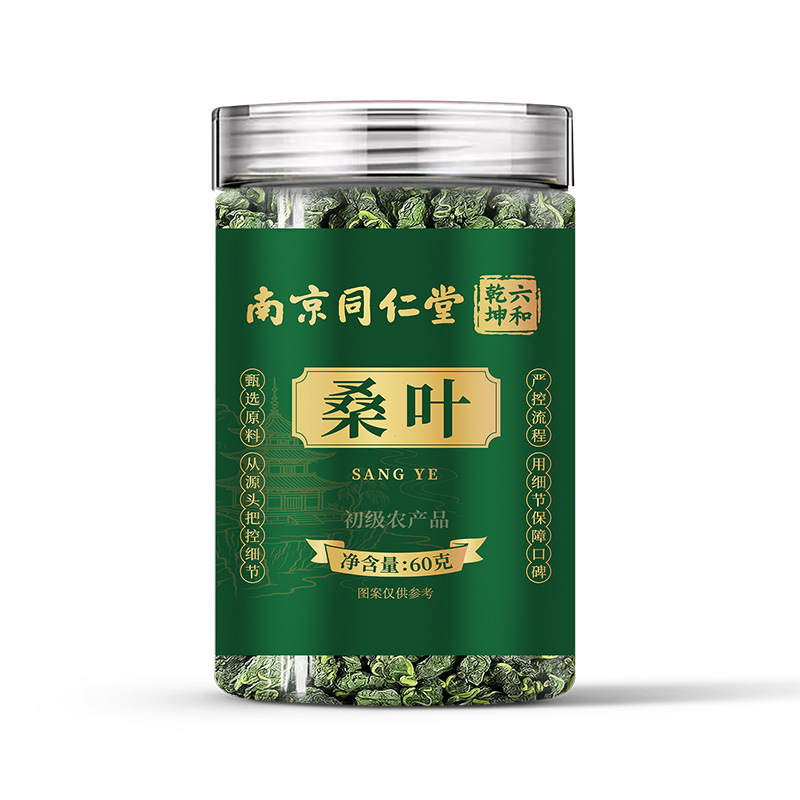
Dried Mulberry Leaf Sang Ye Frost-Touched Mulberry Leaf Herbal Tea 60g Can
$5.60
9991 in stock
Description
Dried Mulberry Leaf, known in TCM as Sang Ye (桑叶), from Morus alba, is the frost-touched leaf of the mulberry tree. In TCM theory it is cool in nature, sweet and bitter in flavor, and enters the Lung and Liver channels. Traditionally used in decoctions and teas, it is a common herb in everyday wellness routines. This 60g can is sealed and stored in a cool, dry place.
Key Selling Points
- Identified as Sang Ye (桑叶), the dried leaf of Morus alba
- Frost-touched leaves harvested after frost for traditional use
- Cool, sweet-bitter herb entering the Lung and Liver channels in TCM theory
- Dried whole-leaf form suited to teas, decoctions, and cooking
- Sealed 60g can with an 18-month shelf life
Quality & Sensory
The dried leaves are typically green to yellow-green with a light, grassy aroma. Texture is dry and papery, breaking easily when crushed. A brewed or decocted infusion is typically pale golden-green with a mild, slightly sweet and gently bitter taste.
Technical Specifications
| Product Type | Dried mulberry leaf |
|---|---|
| Chinese Name | 桑叶 |
| Pinyin | Sang Ye |
| Botanical Name | Morus alba |
| Plant Part | Leaf |
| Net Weight | 60g per can |
Usage Scenarios
- Brewed as a daily herbal tea
- Simmered in traditional decoctions
- Added to soups or congee
- Used as a culinary herb in cooking
Traditional Uses
In TCM theory, Sang Ye is traditionally used in decoctions for wind-heat patterns and is associated with the Lung and Liver channels. It is commonly paired with chrysanthemum or goji berry in everyday teas. Folk practice also adds the dried leaf to soups and congee, and frost-touched leaves are valued in seasonal autumn and winter preparations.
FAQ Q&A
Q: What is this product?
A: It is dried frost-touched mulberry leaf, known in TCM as Sang Ye (桑叶), from Morus alba, packed in a 60g can.
Q: What is its traditional value?
A: In TCM theory Sang Ye is cool in nature, sweet and bitter in flavor, and enters the Lung and Liver channels. It is traditionally used in wind-heat formulas and daily herbal teas.
Q: How is it commonly prepared?
A: It is typically brewed as a tea, simmered in decoctions, or added to soups and congee. Follow the preparation method of your chosen recipe.
Additional information
| Weight | 0.43 kg |
|---|---|
| Dimensions | 12 × 12 × 15 cm |
Related products
-
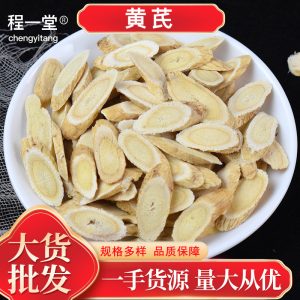
Astragalus Root Slices Huang Qi 斜片 Dried Herb for Decoction Soup and Tea 500g
Price range: $6.06 through $19.51 -
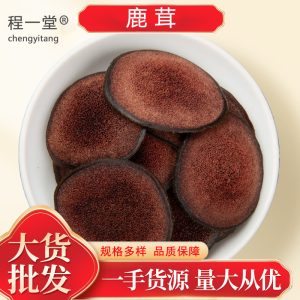
Deer Antler Slices Lu Rong 鹿茸片 Dried Slices for Wine Infusion and Soup 100g Wax Slices Pack
Price range: $68.29 through $92.59 -
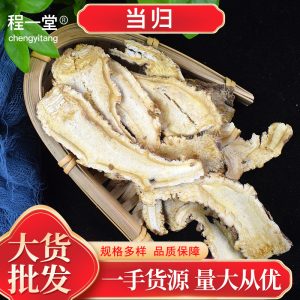
Dried Angelica Sinensis Slices Dang Gui 当归 500g Gansu Raw Herb for Decoction Soup and Tea
Price range: $16.44 through $35.88 -
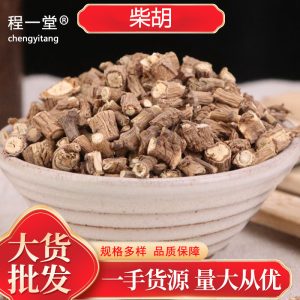
Chai Hu Bupleurum Root Dried Herb 500g Traditional TCM Decoction Herb
Price range: $9.14 through $16.44
Reviews
There are no reviews yet.