
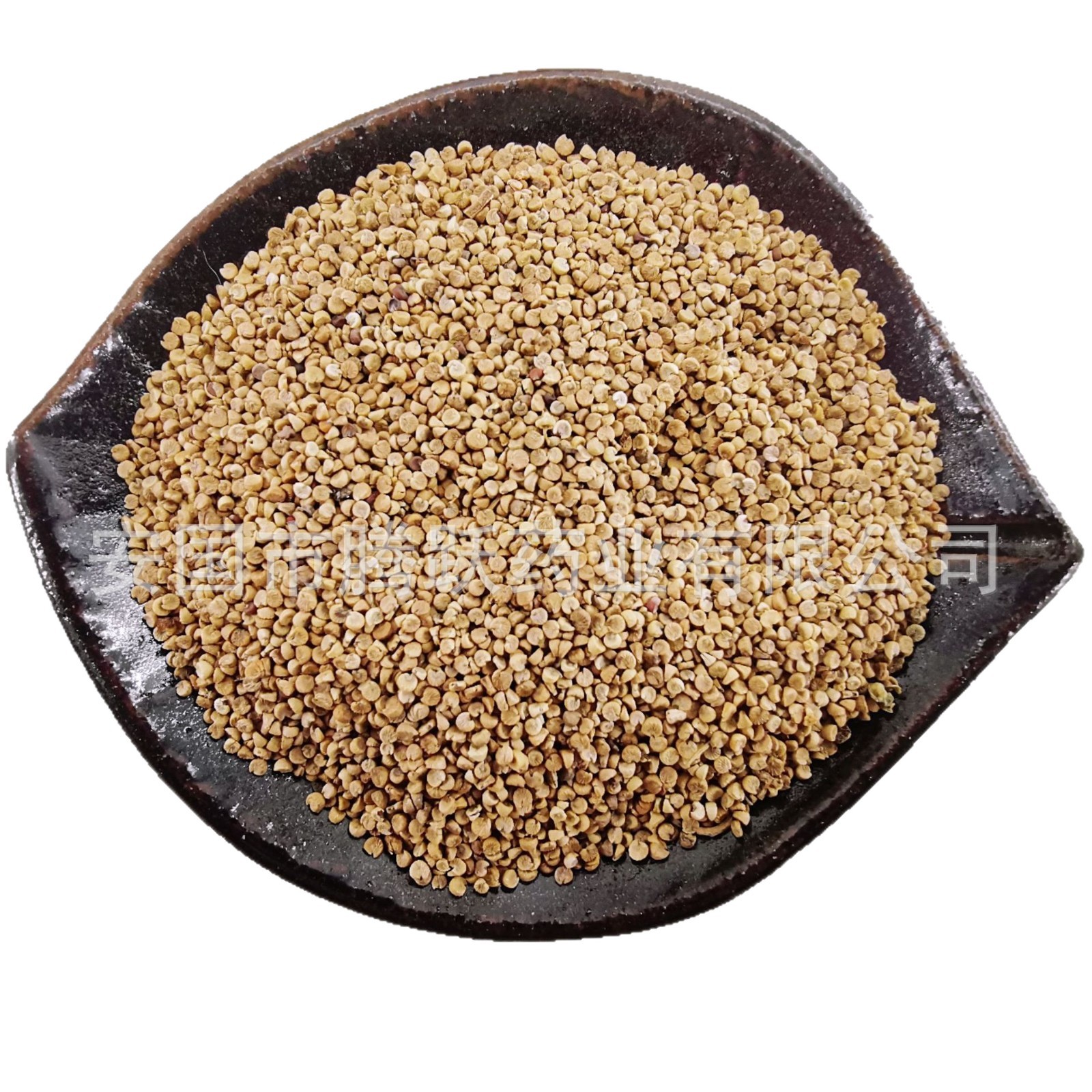
Dried Malva Fruit Dong Kui Zi Whole Fruit TCM Herbal Ingredient for Decoction and Tea 500g Bag
$8.21
99999 in stock
Description
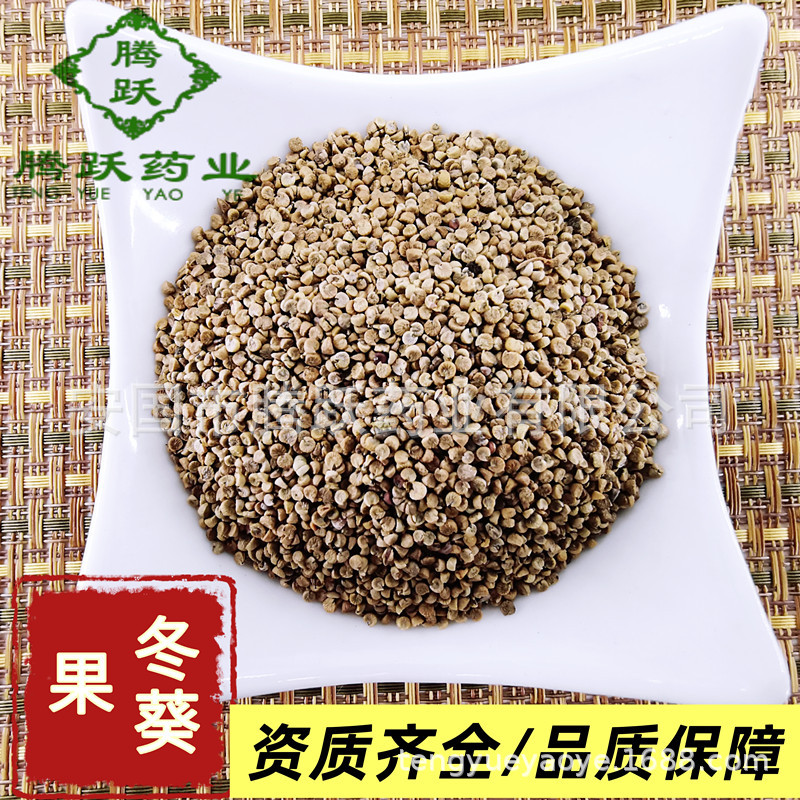
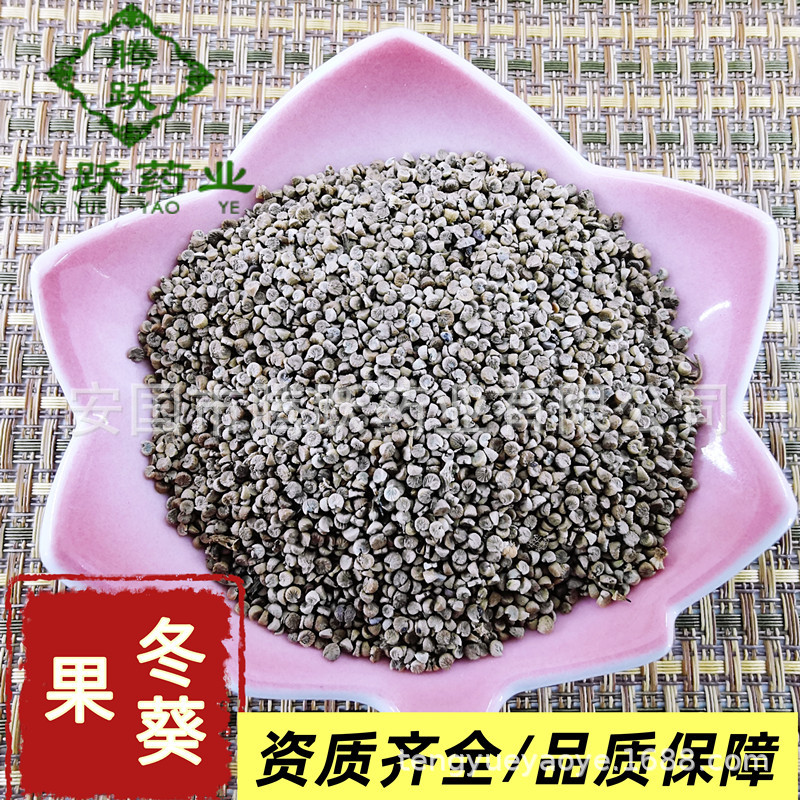
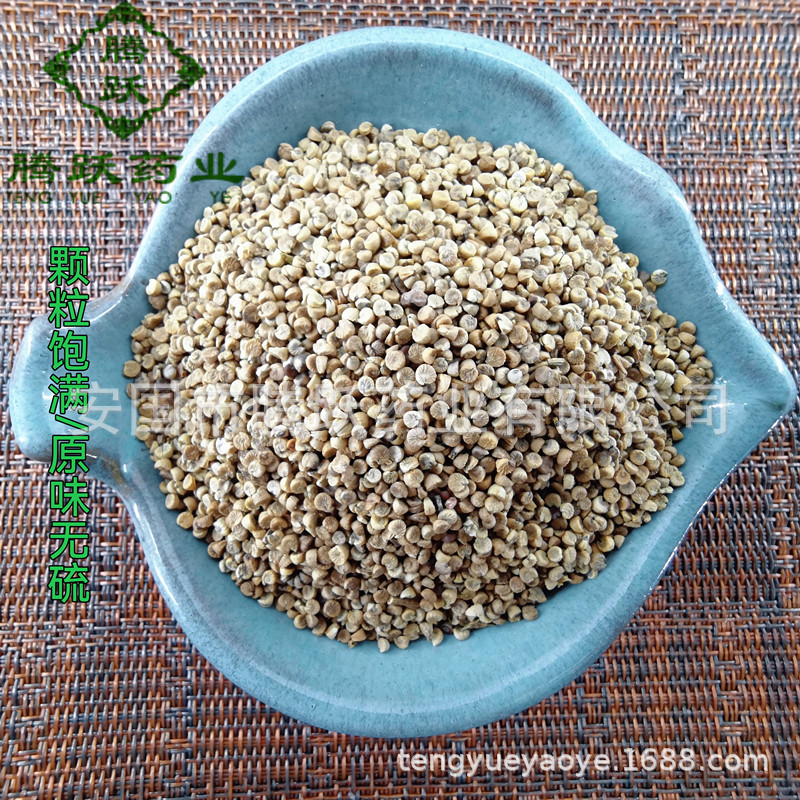
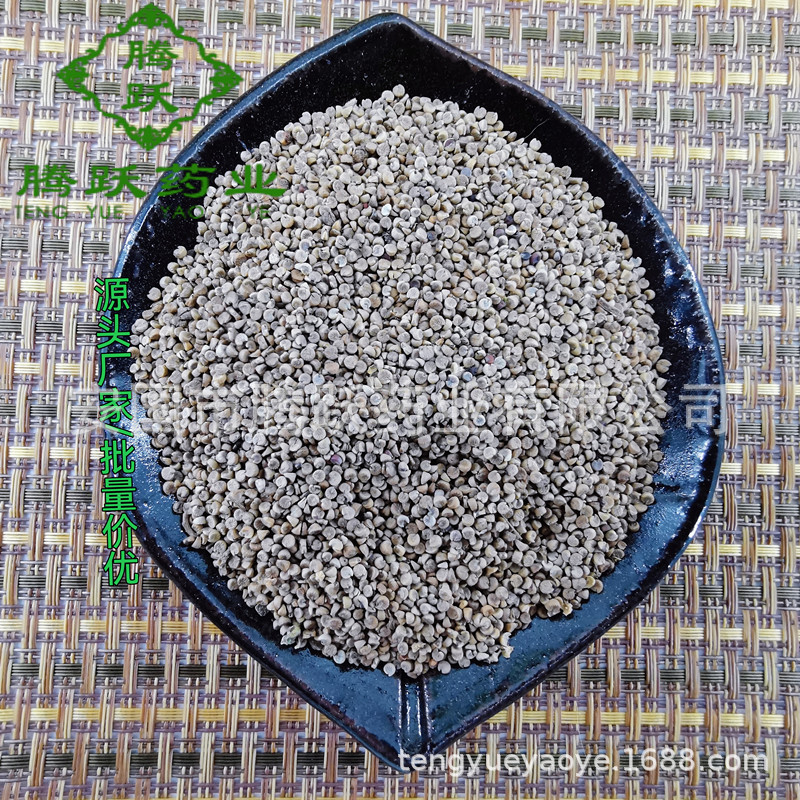
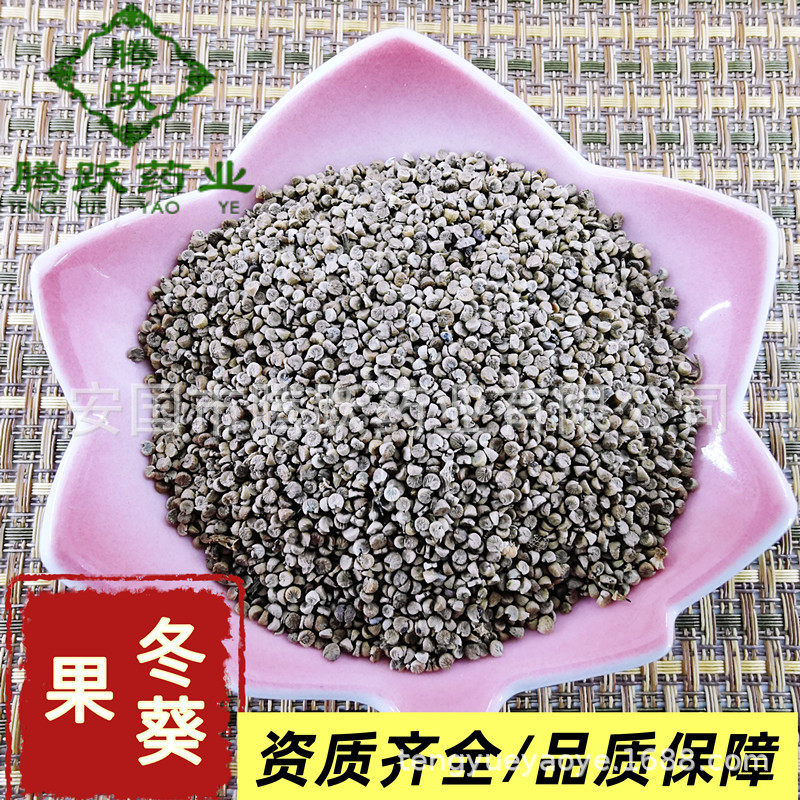
Dried Malva Fruit, known in TCM as Dong Kui Guo (冬葵果), from Malva verticillata, offered as whole dried fruits. In TCM theory this fruit is traditionally associated with supporting normal urination and moistening the intestines. It is a raw botanical ingredient for decoctions, herbal teas, and formulas, and is not a substitute for medicine.

Key Selling Points
- Whole dried Dong Kui Guo (冬葵果) fruit in its natural form
- Botanical source Malva verticillata, a classic TCM fruit herb
- Sourced from Sichuan with initial processing only
- Traditionally used in TCM for urinary and intestinal support
- Supplied in a 500g bag suitable for decoction and herbal tea
Quality & Sensory
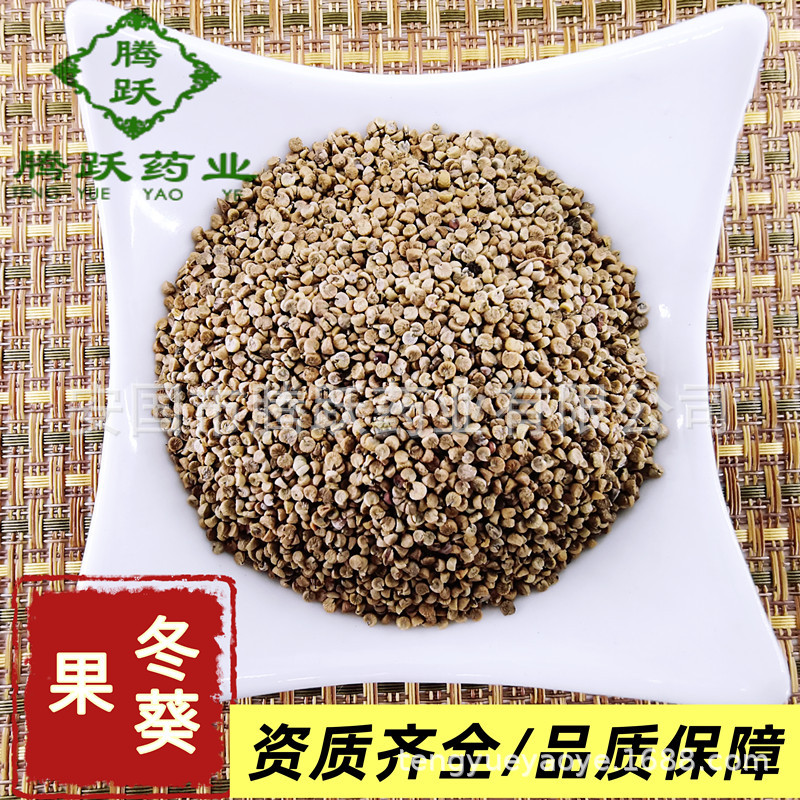
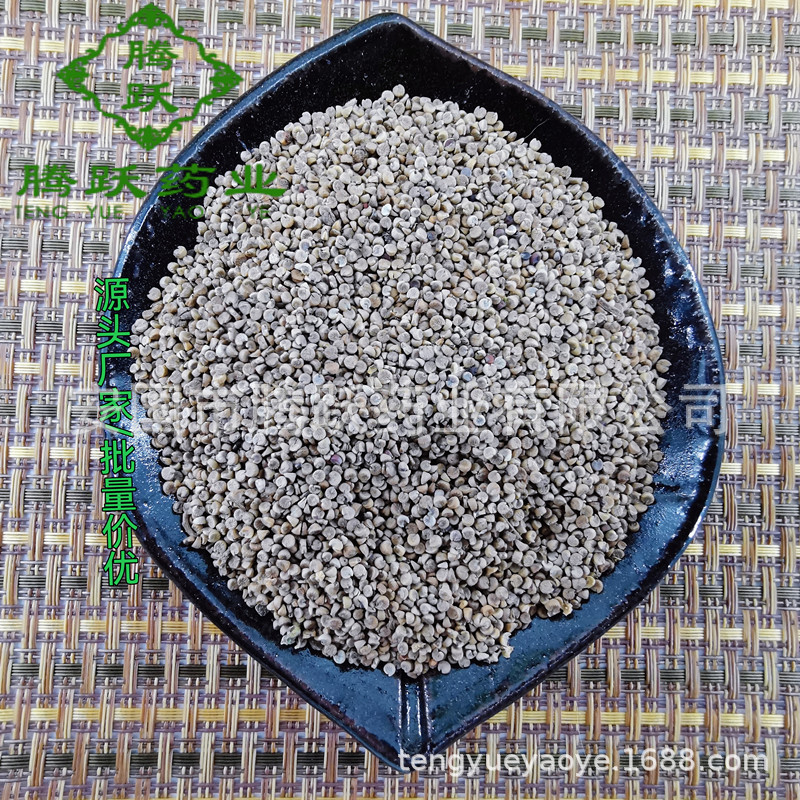
The dried fruits are typically small, flattened, and brownish with a firm texture and a mild, faintly grassy aroma. When decocted, the liquid typically carries a light, slightly sweet and earthy taste.
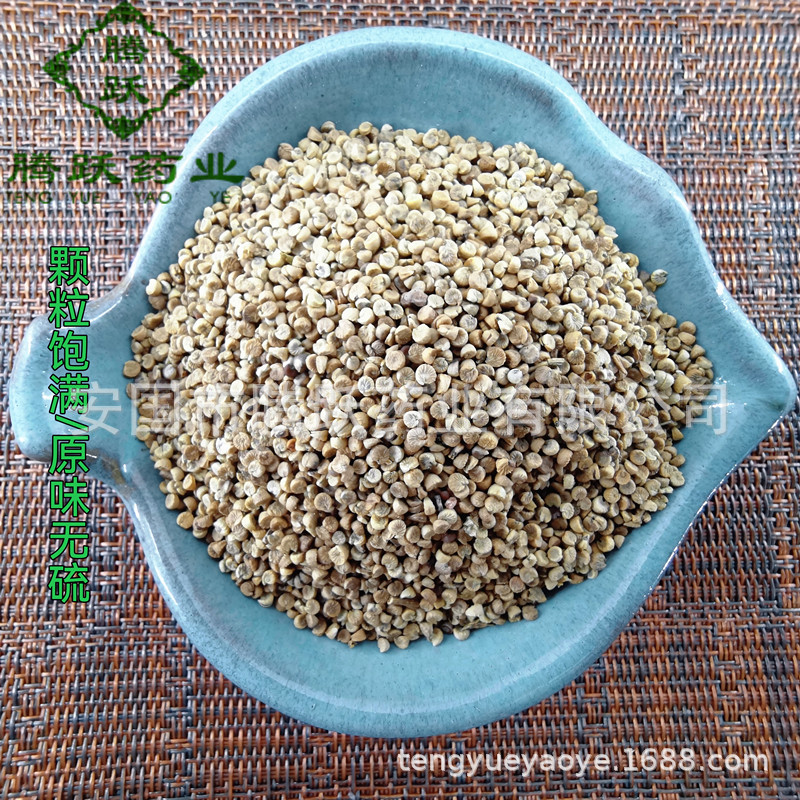

Technical Specifications
| Product Type | Raw herb |
|---|---|
| Chinese Name | 冬葵果 |
| Pinyin | Dong Kui Guo |
| Botanical Name | Malva verticillata |
| Plant Part | Fruit |
| Net Weight | 500g per bag |


Usage Scenarios
- Simmered into traditional herbal decoctions
- Brewed as a mild herbal tea with other botanicals
- Added to soup or congee recipes in traditional cooking
- Used as an ingredient in TCM herbal formulas
Traditional Uses
In TCM practice, Dong Kui Guo is traditionally used to promote normal urination and moisten the intestines, and it often appears in formulas for seasonal dampness and dryness. It is commonly decocted with herbs such as Poria or plantain seed, or simmered into soups and congee in folk herbal cooking.
FAQ Q&A
Q: What is this product?
A: It is whole dried Malva Fruit, known in TCM as Dong Kui Guo (冬葵果), from Malva verticillata, supplied as a raw botanical ingredient.
Q: What is its traditional value?
A: In TCM theory it is traditionally associated with supporting normal urination and moistening the intestines. It is not a substitute for medicine.
Q: How is it commonly prepared?
A: It is typically simmered in decoctions, brewed with other herbs as a tea, or added to soups and congee in traditional recipes.
Additional information
| Weight | 1 kg |
|---|---|
| Dimensions | 20 × 15 × 8 cm |
Related products
-
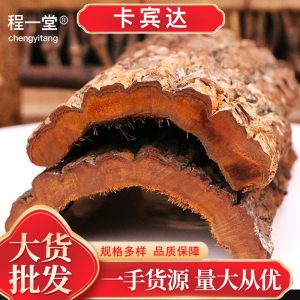
Cabinda Bark Dried Herb 500g Traditional Herbal Infusion Ingredient
Price range: $12.38 through $37.50 -
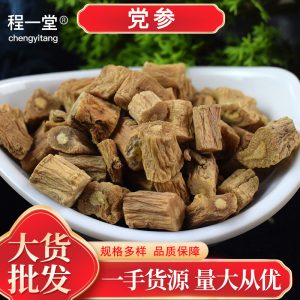
Dried Codonopsis Root Slices Dang Shen 500g Bulk Supply for Soups and Herbal Decoctions
Price range: $10.28 through $18.06 -
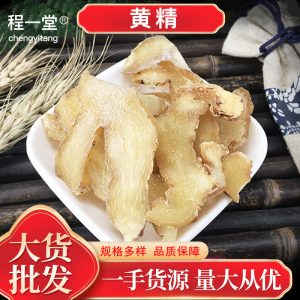
Dried Huang Jing Slices Polygonatum Rhizome Chicken Head Huang Jing 500g Bulk Herbal Tea and Soup Ingredient
Price range: $9.14 through $18.87 -
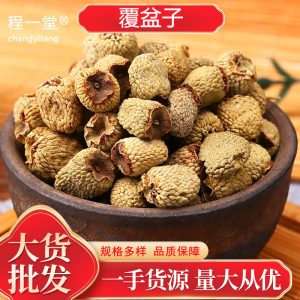
Dried Raspberry Fruit Fu Pen Zi 500g Whole Berries for Herbal Tea and Wine Infusion
Price range: $14.00 through $16.44
Reviews
There are no reviews yet.