
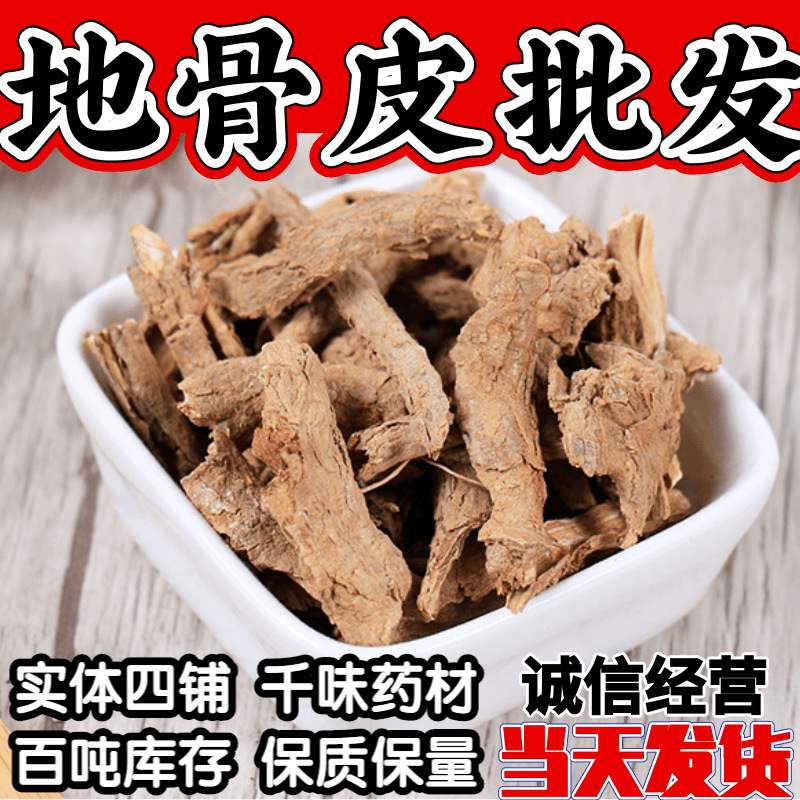
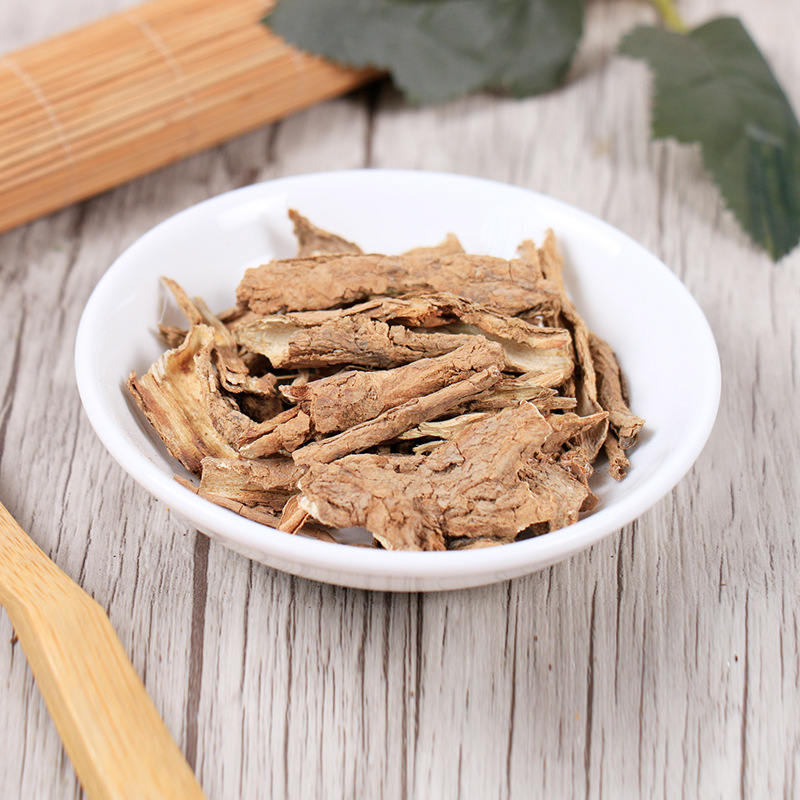
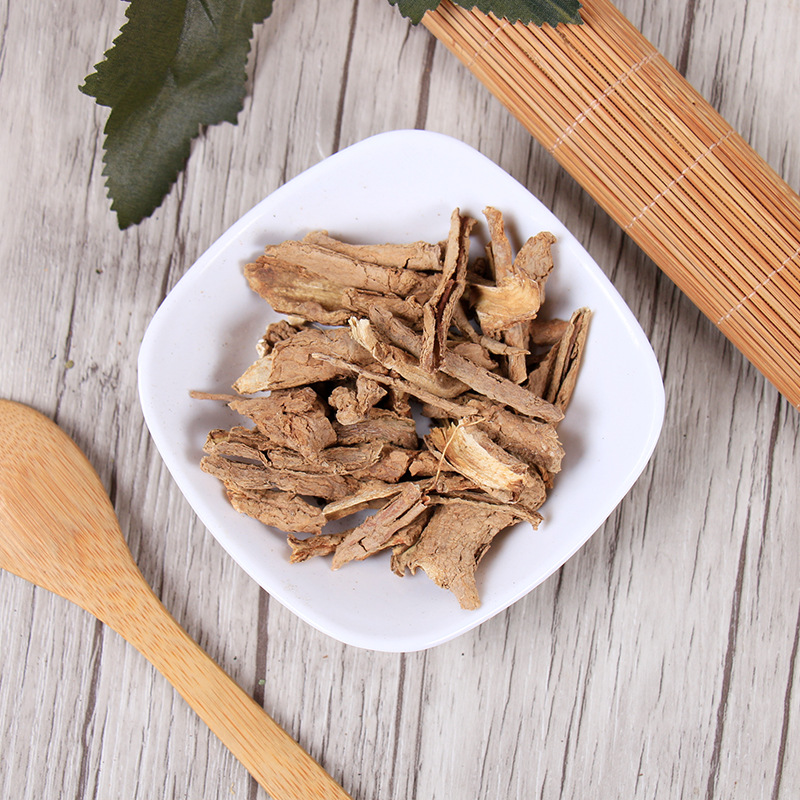
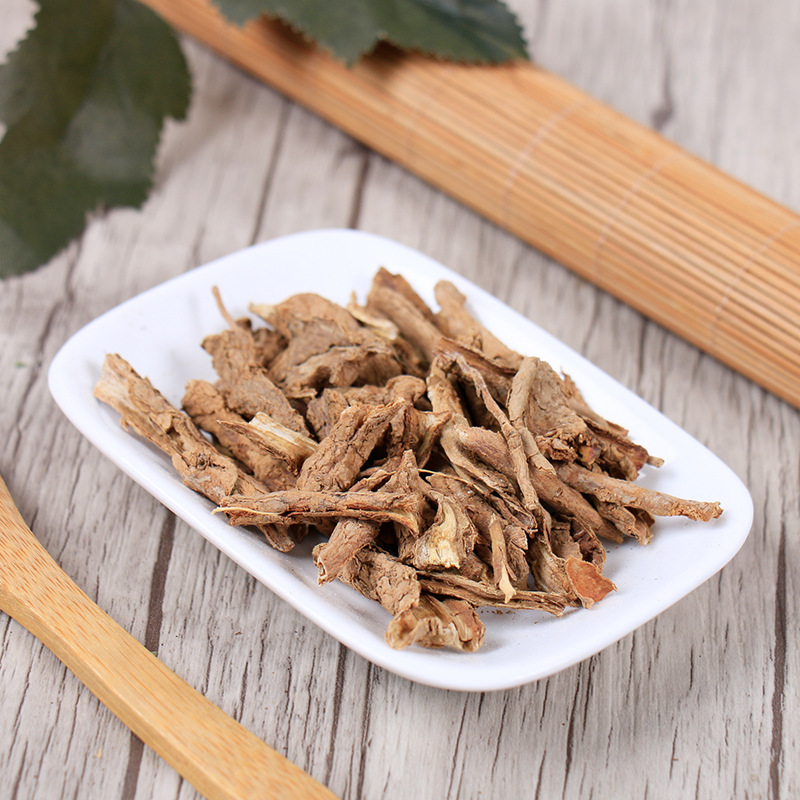
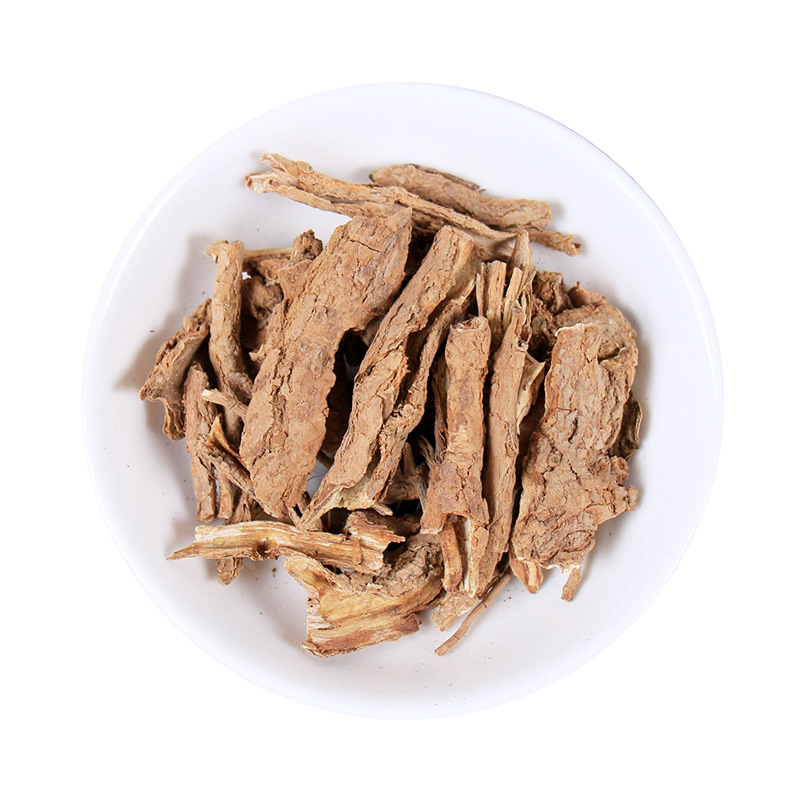
Dried Lycium Root Bark Di Gu Pi 500g Loose Chinese Herb for Decoction
Price range: $7.93 through $13.18
Description
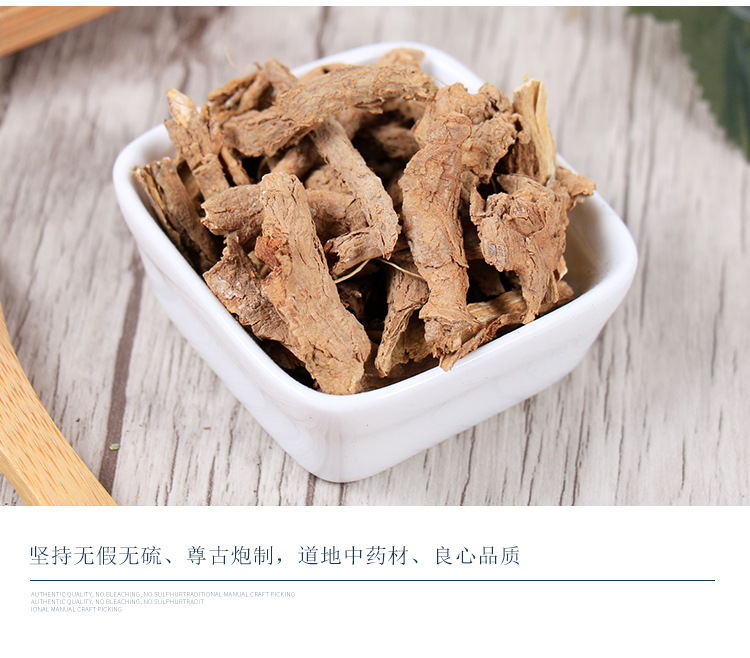
Dried Lycium Root Bark, known in TCM as Di Gu Pi (地骨皮), from the root bark of Lycium chinense. This loose dried herb is traditionally valued in Chinese herbal practice and is associated in TCM theory with cool properties and sweet, bland flavor. Commonly used in decoctions and herbal formulas, it is a culinary-grade dried botanical for traditional preparation.

Key Selling Points
- Authentic Di Gu Pi (地骨皮) dried root bark from Lycium chinense
- Loose 500g bulk pack suitable for regular herbal preparation
- Sourced from Gansu, a recognized growing region for Chinese medicinal herbs
- Traditionally used in TCM decoctions and herbal formulas
- Culinary-grade dried botanical with 24-month shelf life when stored dry

Quality & Sensory
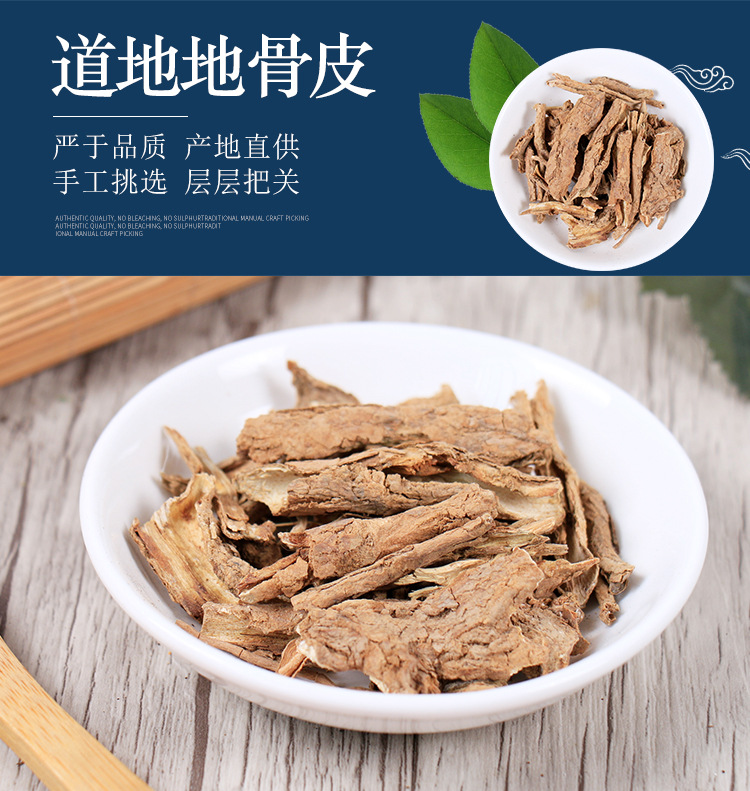
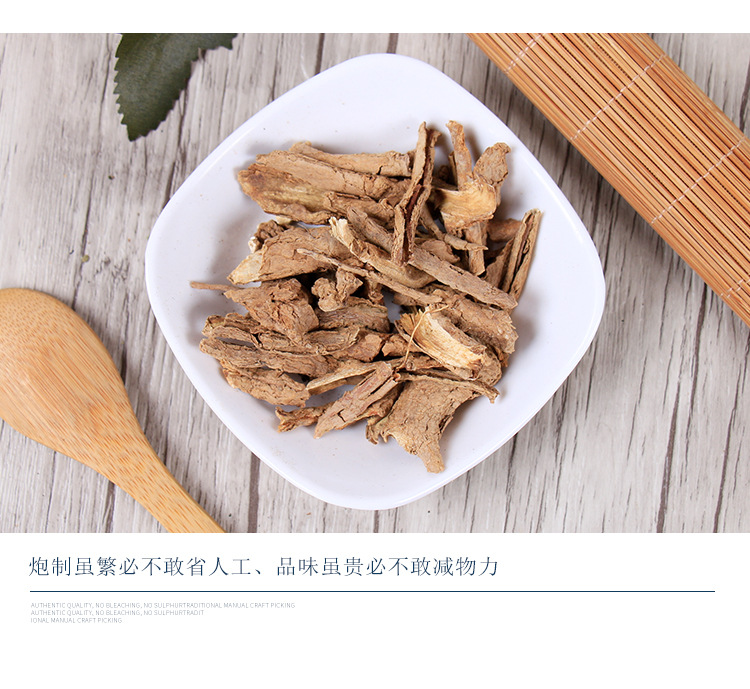
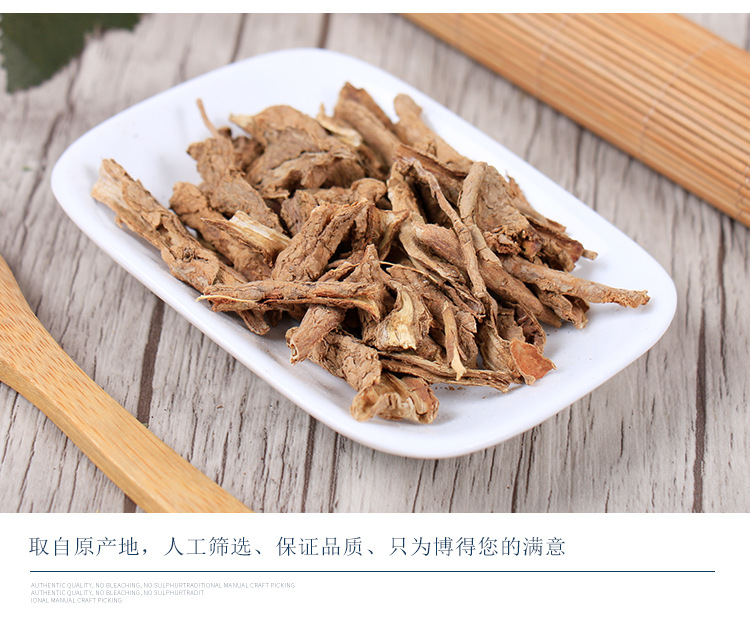
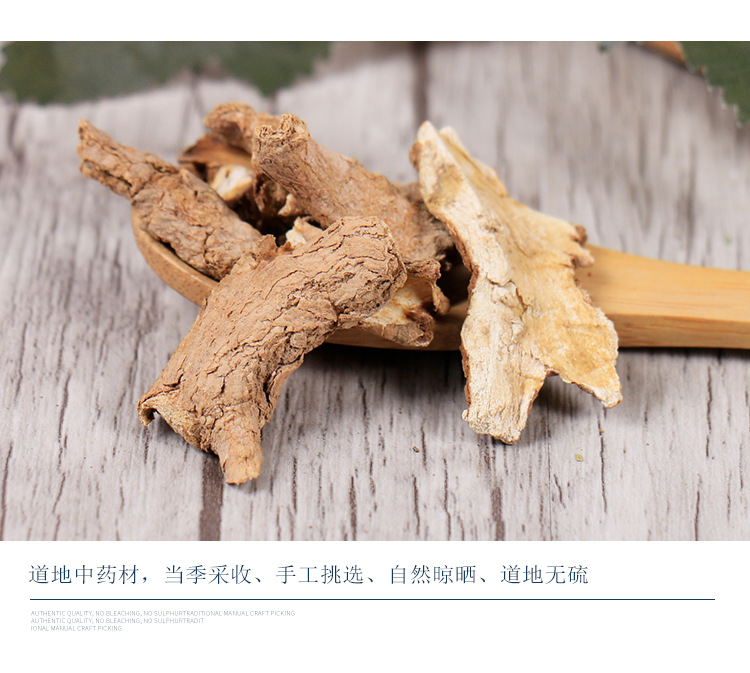
Typically呈现 as loose, curled or tubular bark pieces in pale yellowish-brown to grayish tones with a dry, lightweight texture. The aroma is typically mild and slightly herbal, and decocted liquid traditionally carries a faintly sweet, bland taste.
Technical Specifications
| Product Type | Dried Chinese herbal raw material |
|---|---|
| Chinese Name | 地骨皮 |
| Pinyin | Di Gu Pi |
| Botanical Name | Lycium chinense |
| Plant Part | Root bark |
| Net Weight | 500 g |
Usage Scenarios
- Simmered into traditional herbal decoctions
- Added to herbal soup preparations
- Combined with other botanicals in TCM formulas
- Used in culinary herbal recipes
Traditional Uses
In TCM theory, Di Gu Pi is traditionally associated with cooling properties and has long been used in decoctions, often paired with herbs such as Sang Bai Pi or Yin Chai Hu in classical formulas. It is traditionally prepared by simmering the dried bark in water, and folk practice also includes its use in seasonal herbal soups and daily wellness decoctions.
FAQ Q&A
Q: What is this product?
A: This is dried Lycium root bark, known in TCM as Di Gu Pi (地骨皮), supplied as a loose 500g bulk pack of dried root bark from Lycium chinense.
Q: What is its traditional value?
A: In TCM theory it is traditionally associated with cool properties and a sweet, bland flavor, and has long been used in decoctions and classical herbal formulas.
Q: How is it commonly prepared?
A: It is typically simmered in water for decoctions or added to herbal soups, often combined with other dried botanicals according to traditional practice.
Additional information
| Weight | N/A |
|---|---|
| Dimensions | N/A |
| Packaging specifications | Optional Good Goods, Unified medium goods, Bulk |
Related products
-
Fritillaria Bulb Chuan Bei Mu Dried Chinese Herbal Bulbs for Decoction and Traditional Use 500g
Price range: $18.06 through $94.21 -
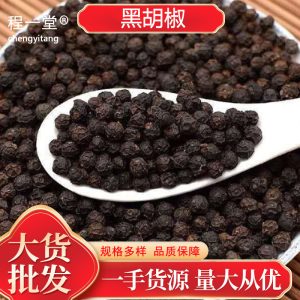
Black Pepper Whole Peppercorns Hu Jiao 500g Bulk Culinary Spice for Cooking and Seasoning
Price range: $8.33 through $9.14 -
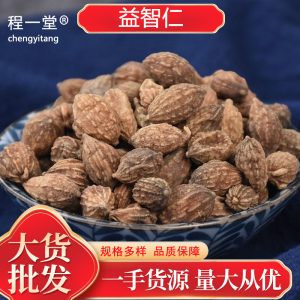
Yi Zhi Ren Dried Alpinia Oxyphylla Fruit 500g Traditional Herbal Tea and Decoction Ingredient
Price range: $11.74 through $13.36 -

Dried Raspberry Fruit Fu Pen Zi Whole Berries for Herbal Tea and Wine Infusion 500g
Price range: $15.63 through $18.06
Reviews
There are no reviews yet.