
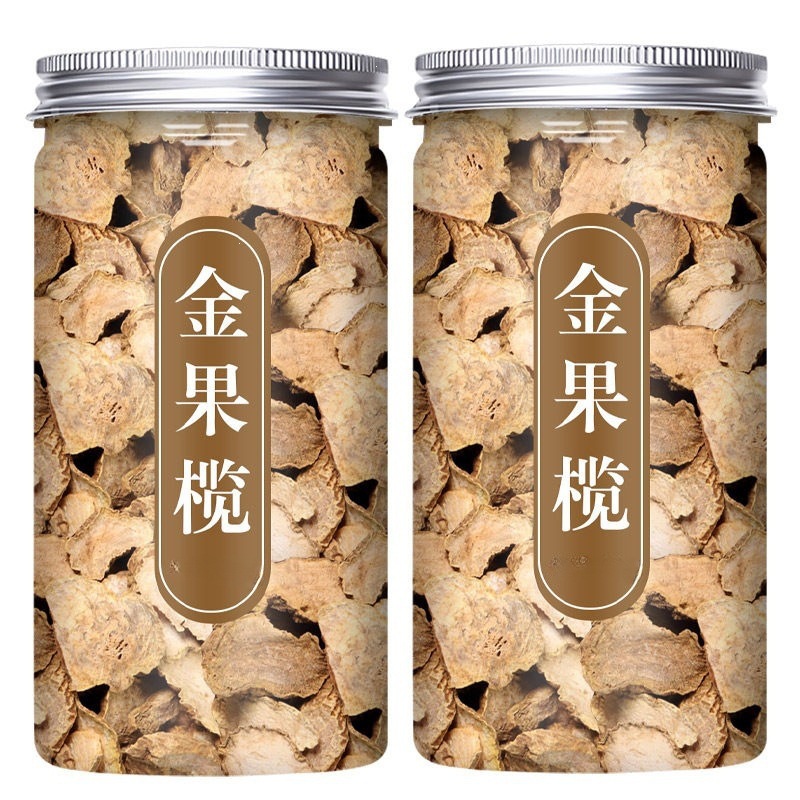
Dried Jinguolan Tinospora Root Slices Traditional Herbal Decoction 250g
Price range: $12.88 through $44.46
Description
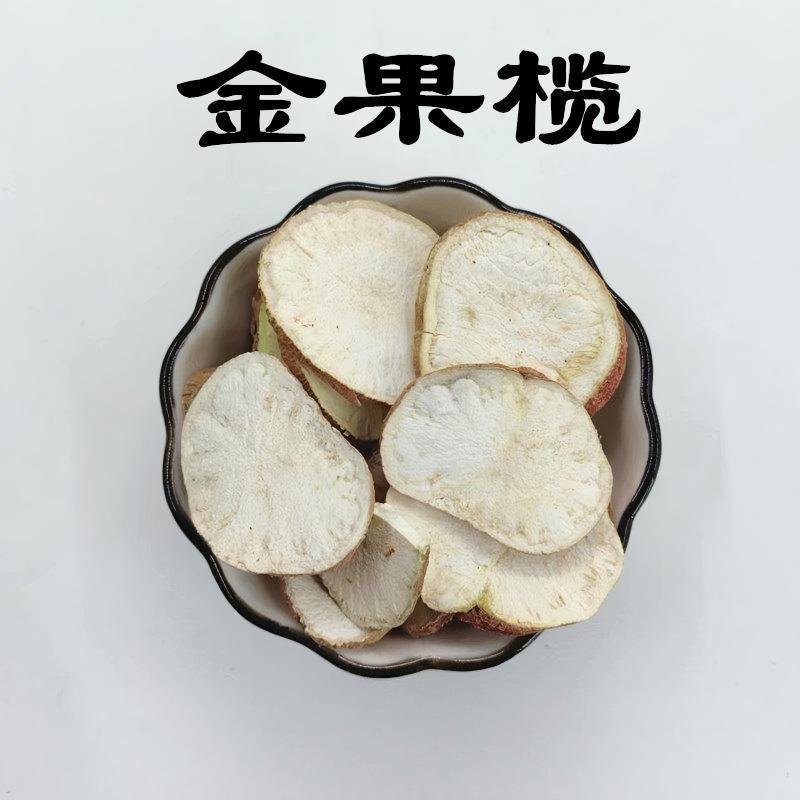
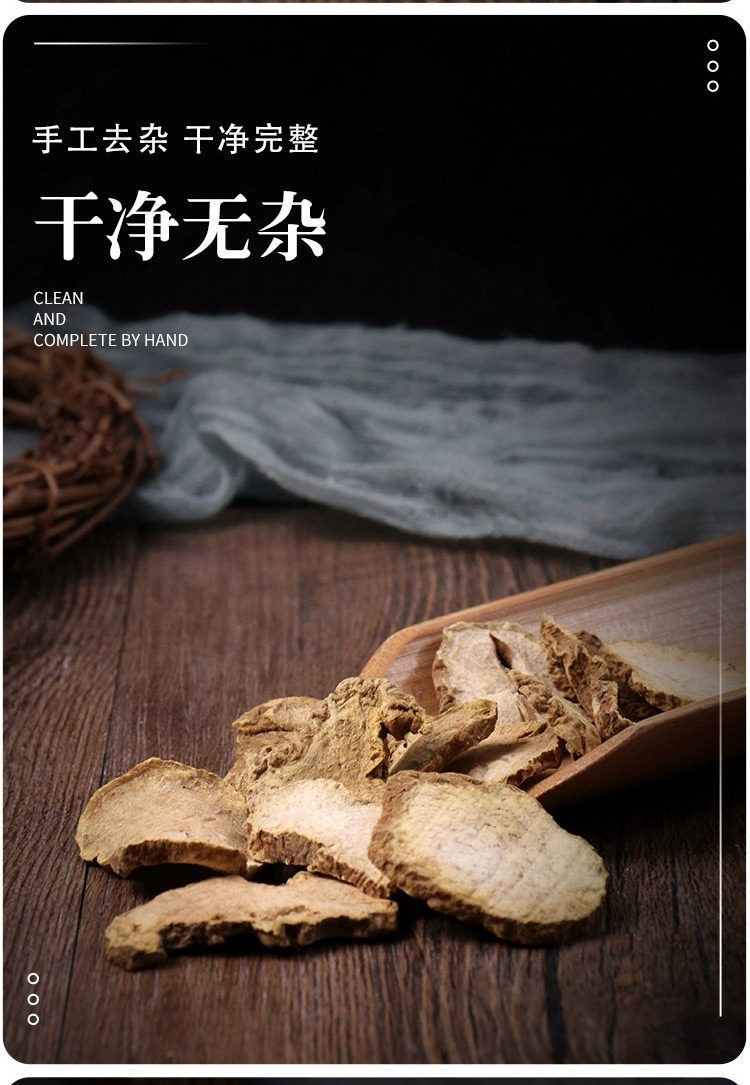
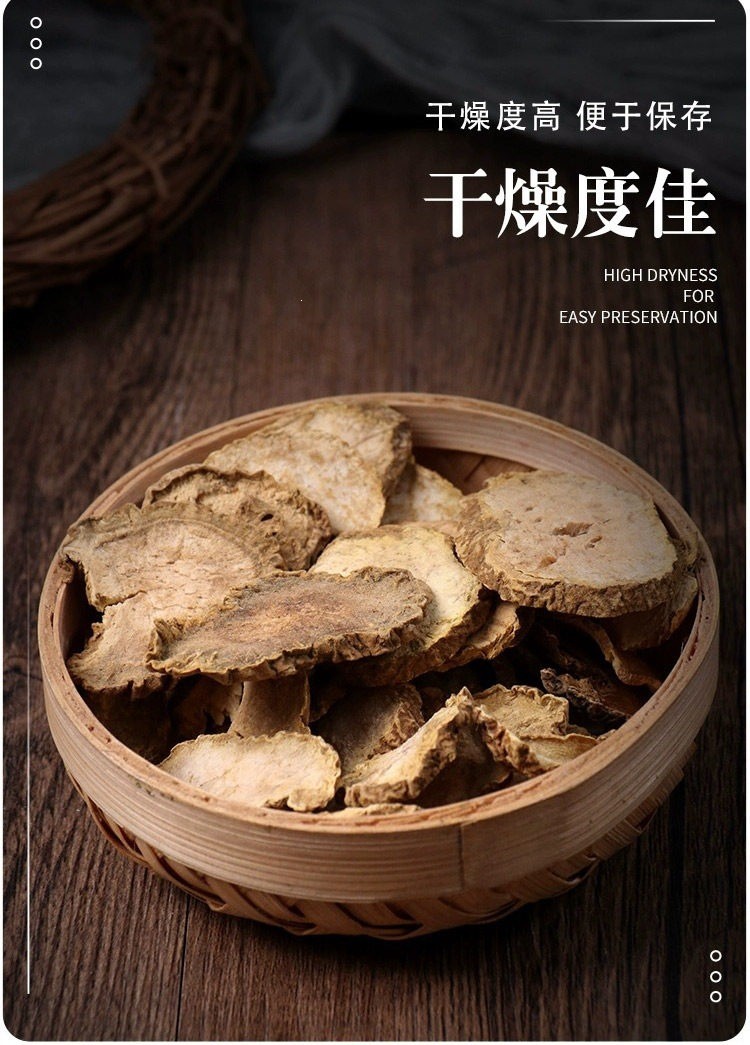
Dried Jinguolan (金果榄, Jīn Guǒ Lǎn), also known as Di Ku Dan, is the dried root tuber of Tinospora sagittata, a traditional Chinese herbal decoction piece. In TCM theory it is considered cold in nature with a bitter flavor, traditionally associated with the Lung and Large Intestine channels. It is commonly prepared as a decoction or used in herbal formulas. Sold as 250g of dried, sun-dried slices in a sealed jar.
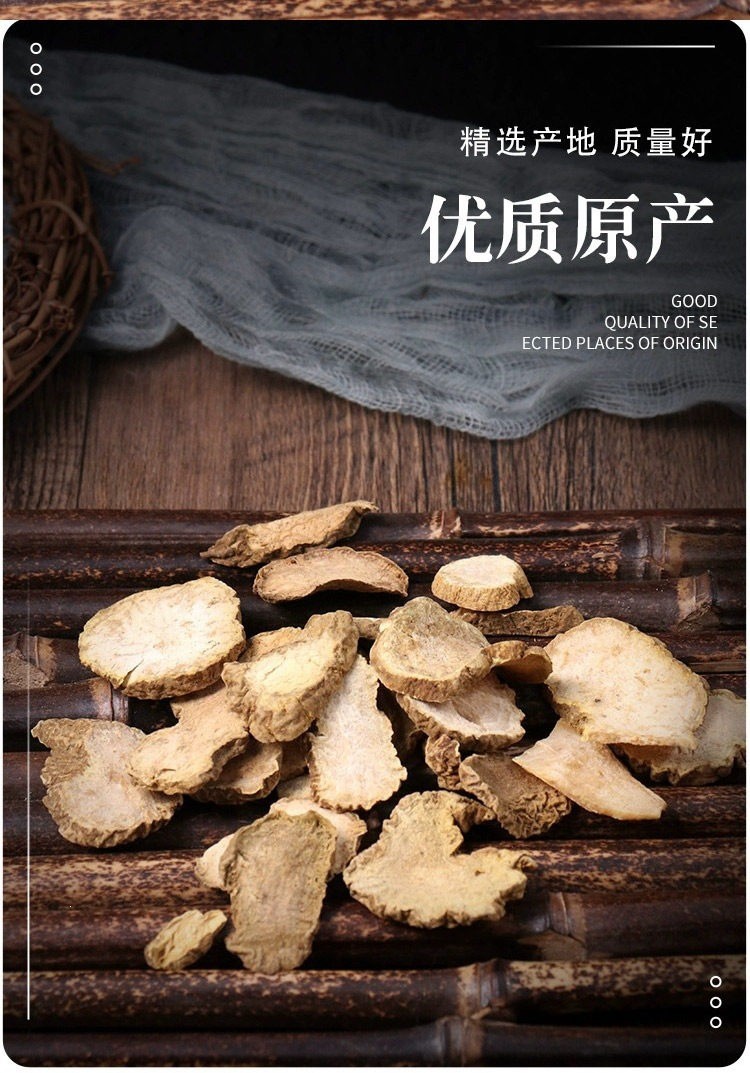
Key Selling Points
- Dried root tuber decoction pieces of Tinospora sagittata
- Known in TCM as Jinguolan (金果榄) or Di Ku Dan (地苦胆)
- Sun-dried processing preserves natural texture and aroma
- 250g sealed jar for convenient storage and daily use
- Traditionally prepared as a herbal decoction or in formulas
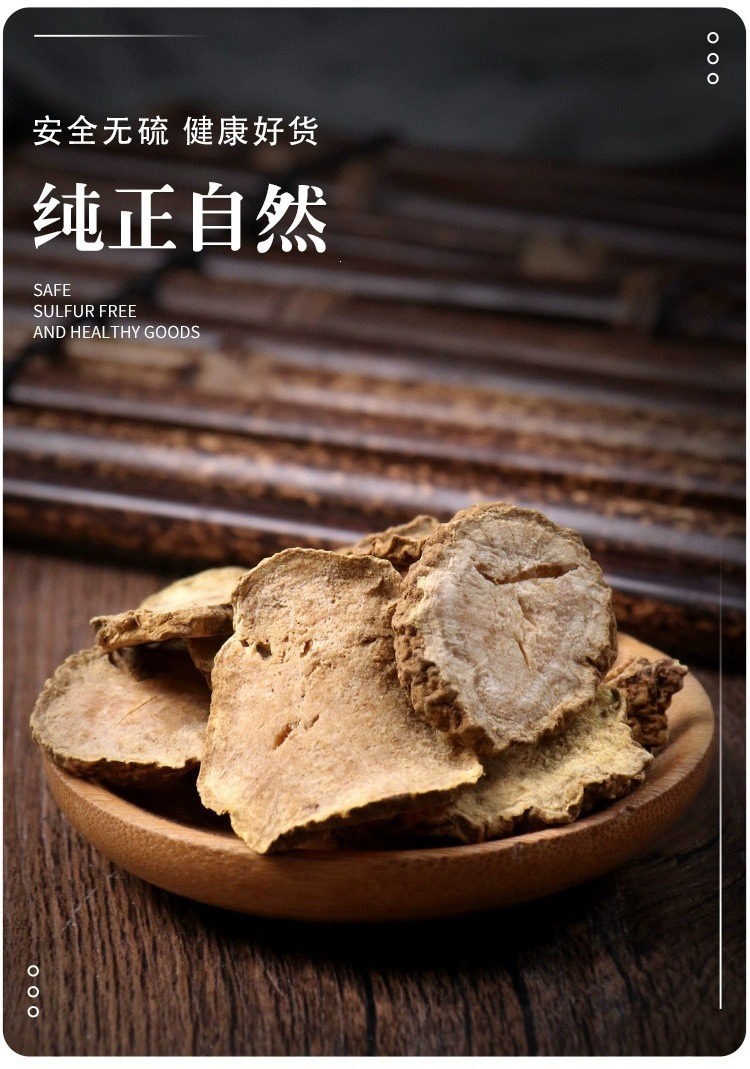
Quality & Sensory
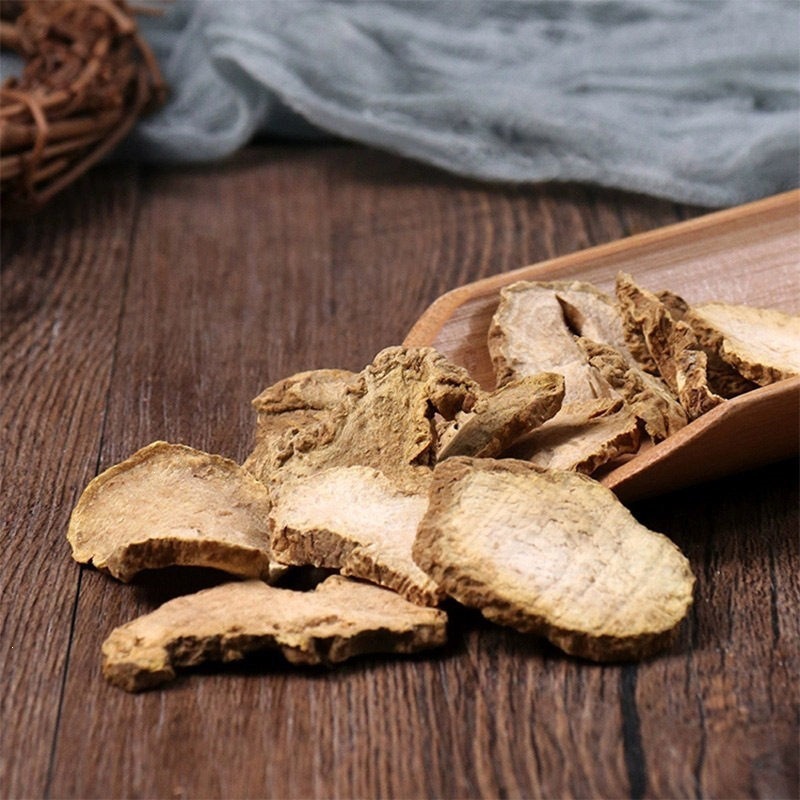
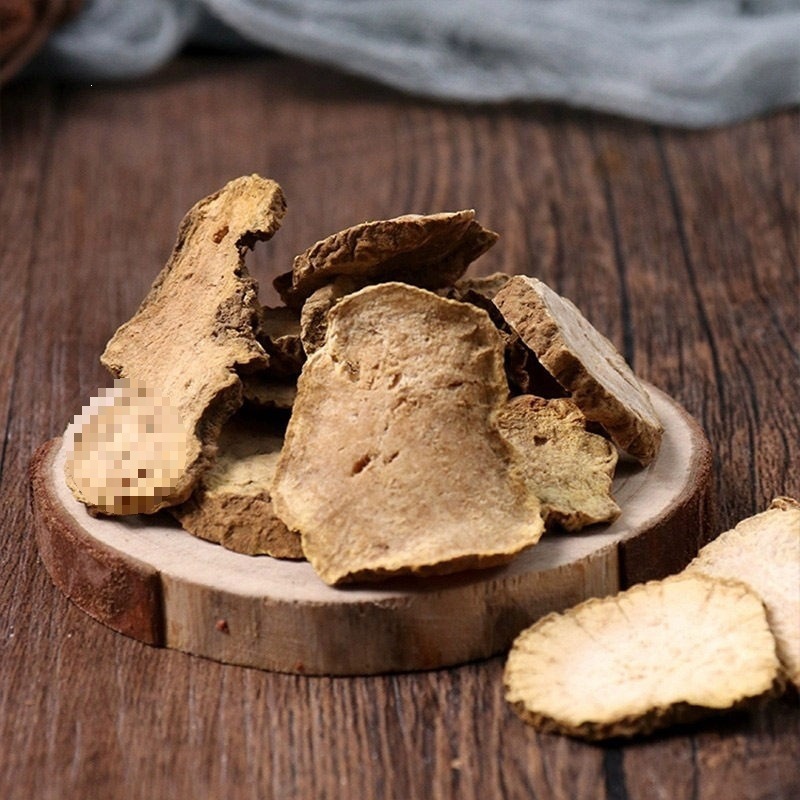
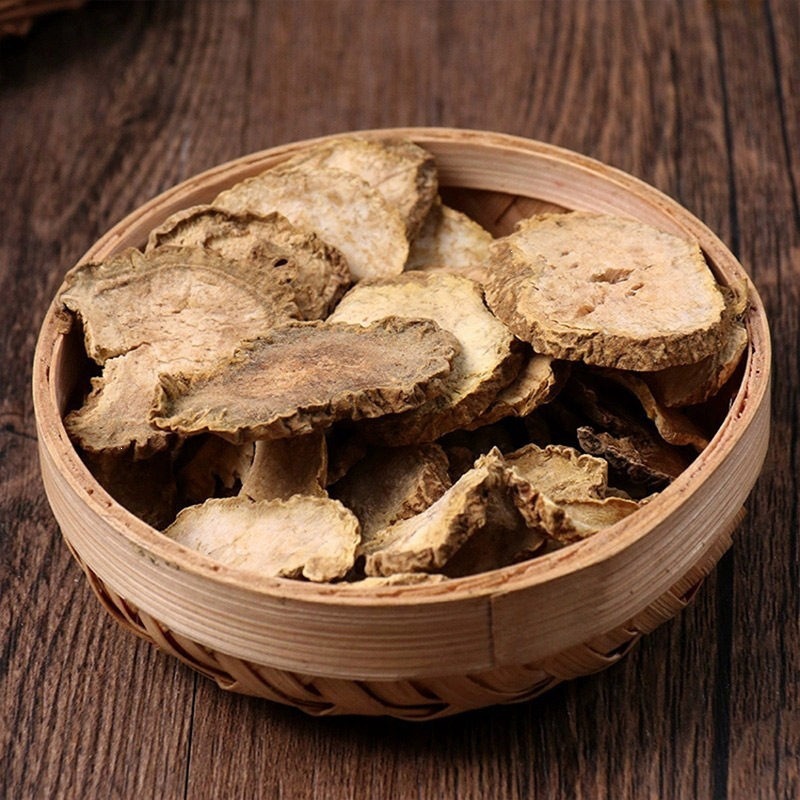
The dried slices are typically light yellowish-brown to greyish-brown with a firm, woody texture. They have a mild, earthy herbal aroma and a distinctly bitter taste when decocted. Color and texture may vary slightly between batches due to natural sun-drying.
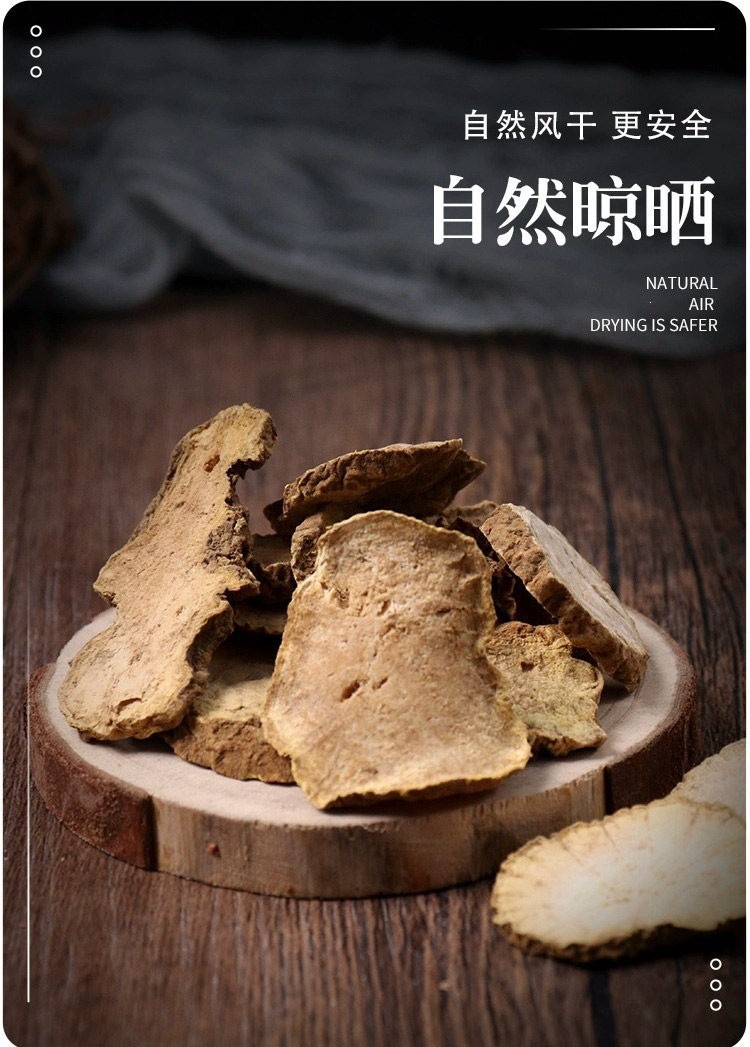
Technical Specifications
| Product Type | Dried Herbal Decoction Pieces |
|---|---|
| Chinese Name | 金果榄 (地苦胆) |
| Pinyin | Jin Guo Lan |
| Botanical Name | Tinospora sagittata |
| Plant Part | Root Tuber |
| Net Weight | 250g |
Usage Scenarios
- Simmered as a single-herb decoction
- Combined with other herbs in traditional formulas
- Added to herbal soup or congee
- Used in seasonal herbal preparations
Traditional Uses
In TCM theory, Jinguolan is traditionally used in decoctions for its bitter, cold properties. It is often paired with other heat-clearing herbs in formulas. Folk practice includes simmering the dried slices in water or adding them to herbal soups. It is also sometimes used externally as a poultice in traditional folk applications.
FAQ Q&A
Q: What is Jinguolan?
A: Jinguolan (金果榄) is the dried root tuber of Tinospora sagittata, a traditional Chinese herbal decoction piece also known as Di Ku Dan.
Q: What are its traditional characteristics?
A: In TCM theory it is considered cold in nature with a bitter flavor, traditionally associated with the Lung and Large Intestine channels.
Q: How is it commonly prepared?
A: It is typically simmered as a decoction or added to herbal soups and formulas. Follow traditional preparation methods or consult a practitioner.
Additional information
| Weight | N/A |
|---|---|
| Dimensions | N/A |
| Model | 1罐 金果榄50g, 1罐 金果榄100g, 1罐 金果榄250g |
Related products
-
Fritillaria Bulb Chuan Bei Mu Dried Chinese Herbal Bulbs for Decoction and Traditional Use 500g
Price range: $18.06 through $94.21 -
Tie Pi Shi Hu Dried Dendrobium Stems 500g Huoshan Fengdou for Soup and Tea
Price range: $35.88 through $108.80 -

Dried Huang Jing Slices Polygonatum Rhizome Chicken Head Huang Jing 500g Bulk Herbal Tea and Soup Ingredient
Price range: $9.14 through $18.87 -
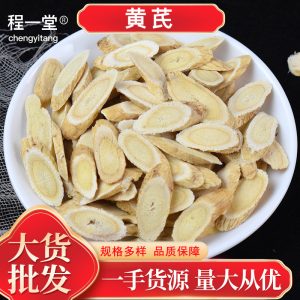
Astragalus Root Slices Huang Qi 斜片 Dried Herb for Decoction Soup and Tea 500g
Price range: $6.06 through $19.51
Reviews
There are no reviews yet.