
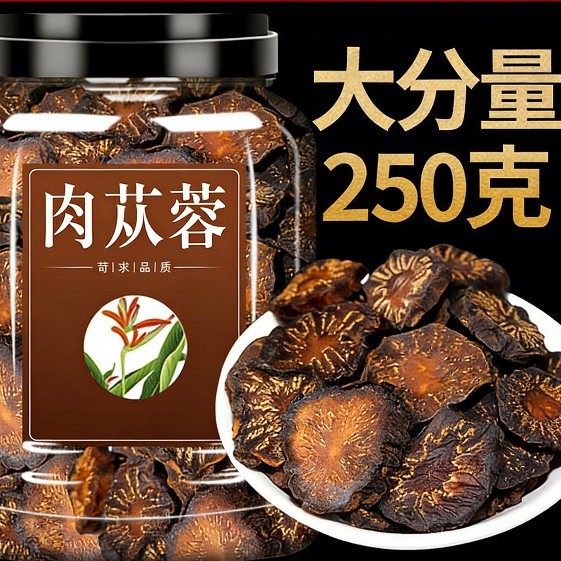
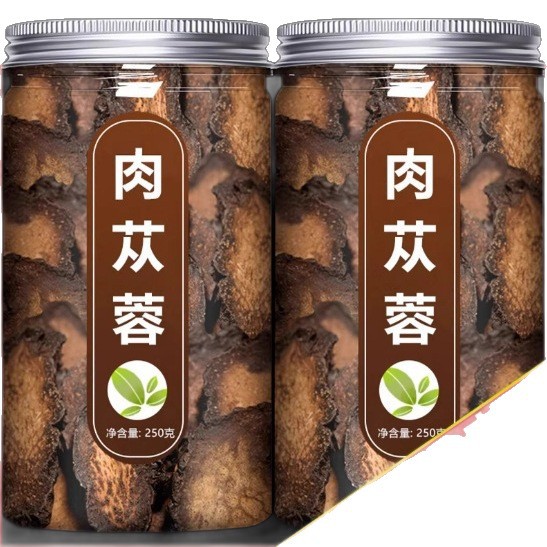
Dried Cistanche Deserticola Slices Rou Cong Rong Traditional Herbal Decoction Pieces 250g
Price range: $5.57 through $9.84
Description
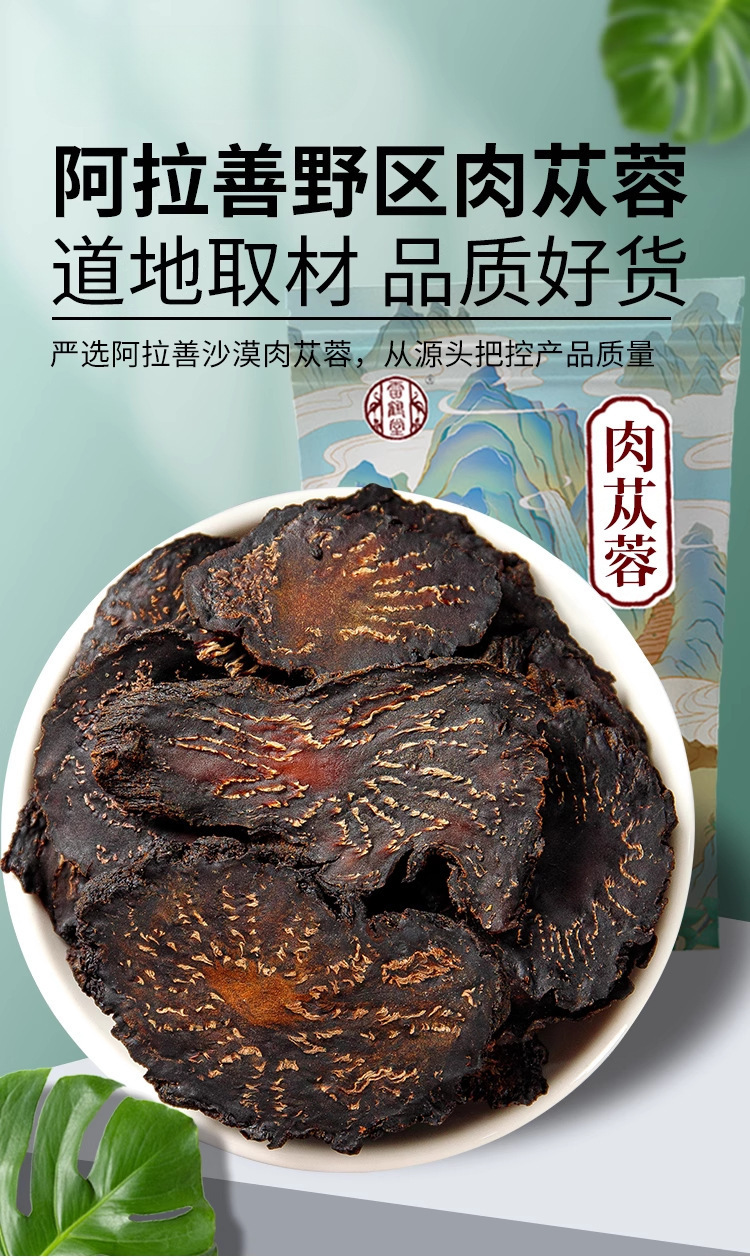
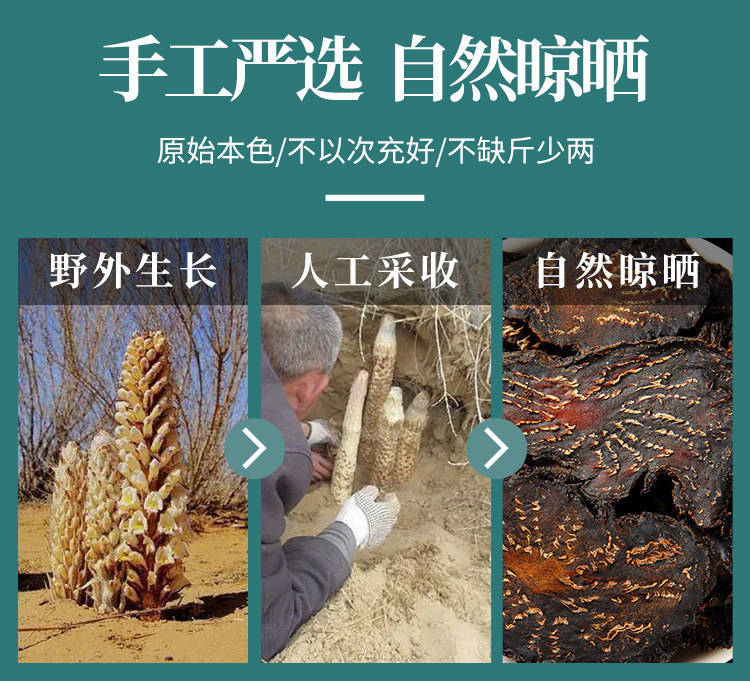
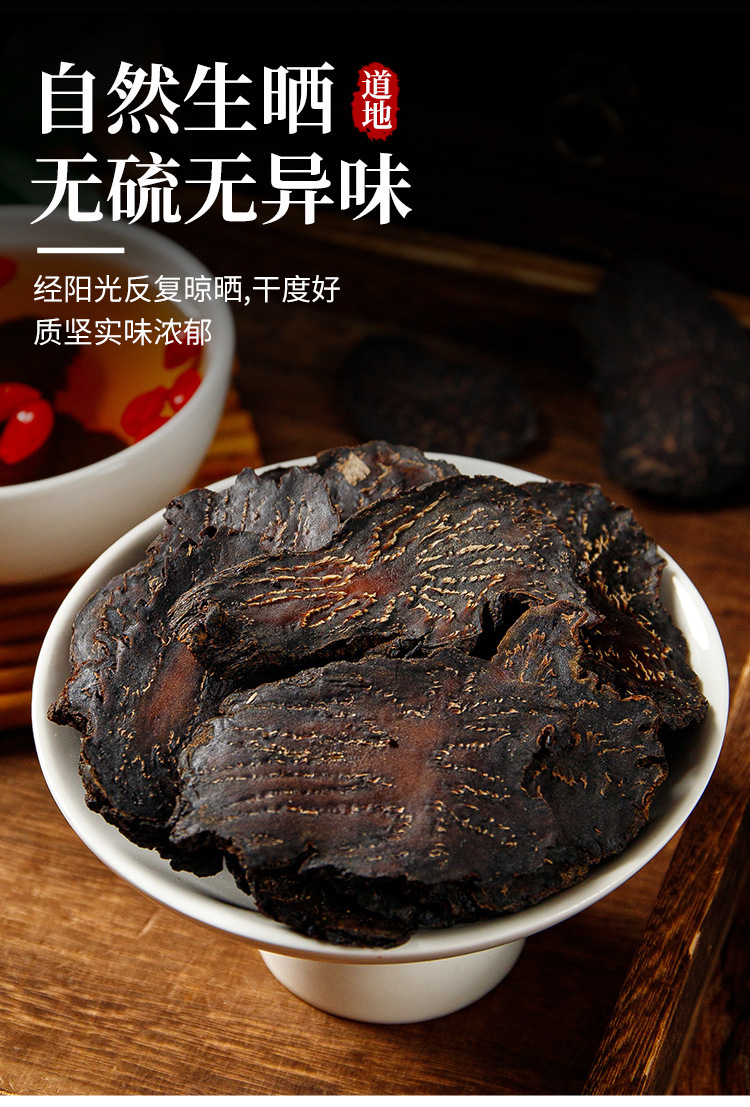
Dried Cistanche slices, known in TCM as Rou Cong Rong (肉苁蓉), from Cistanche deserticola. This traditional herbal decoction piece is sun-dried and valued in TCM theory as sweet and salty with a warm nature, entering the kidney and large intestine channels. Traditionally associated with kidney yang support and moistening the intestines. Commonly used in decoctions, soups, and herbal wine preparations.

Key Selling Points
- Identified as Rou Cong Rong (肉苁蓉), the dried stem of Cistanche deserticola
- Traditional TCM herb with sweet salty flavor and warm nature
- Sun-dried decoction pieces suitable for decoctions and soups
- Traditionally associated with kidney yang and intestinal moisture support
- 250g net weight of dried herbal slices
Quality & Sensory
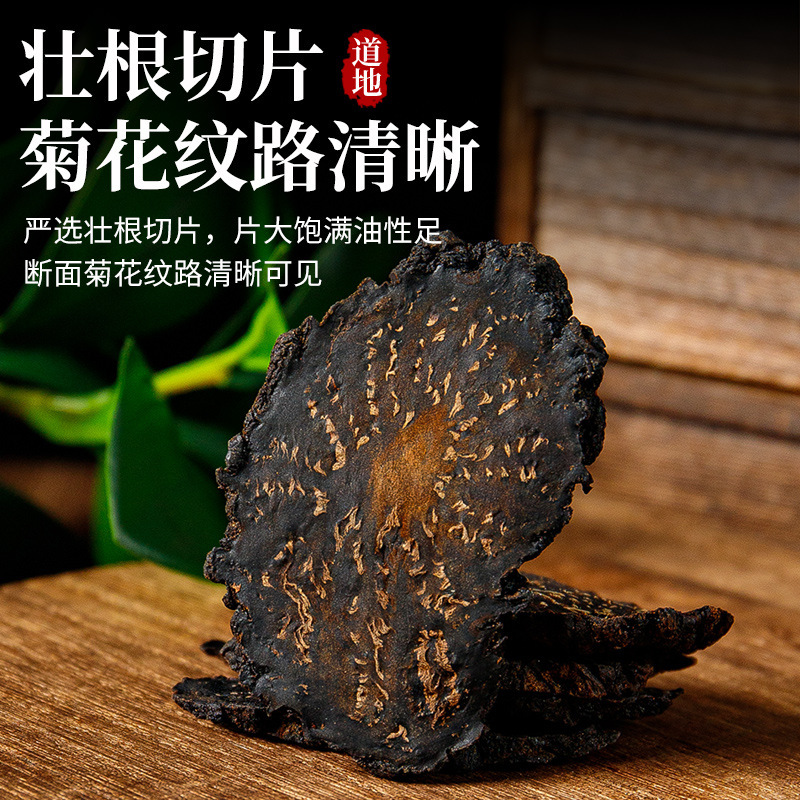
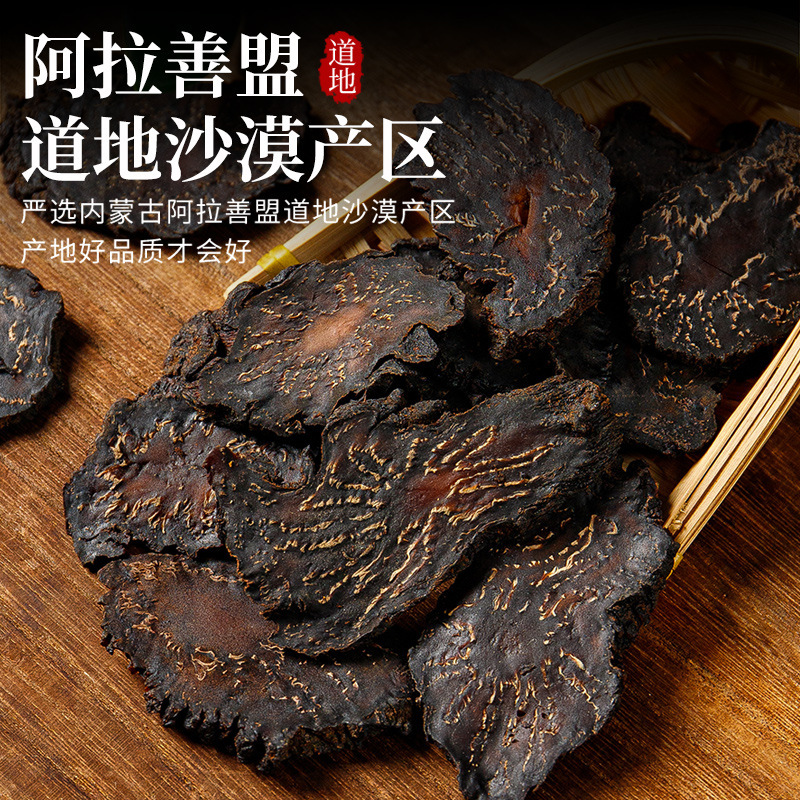
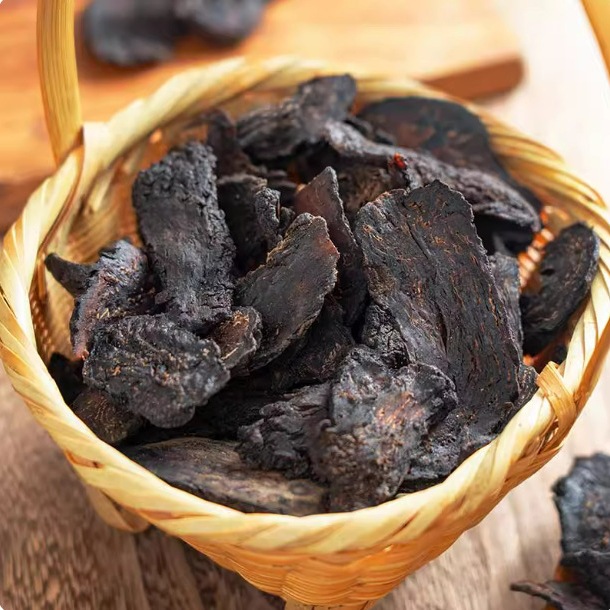
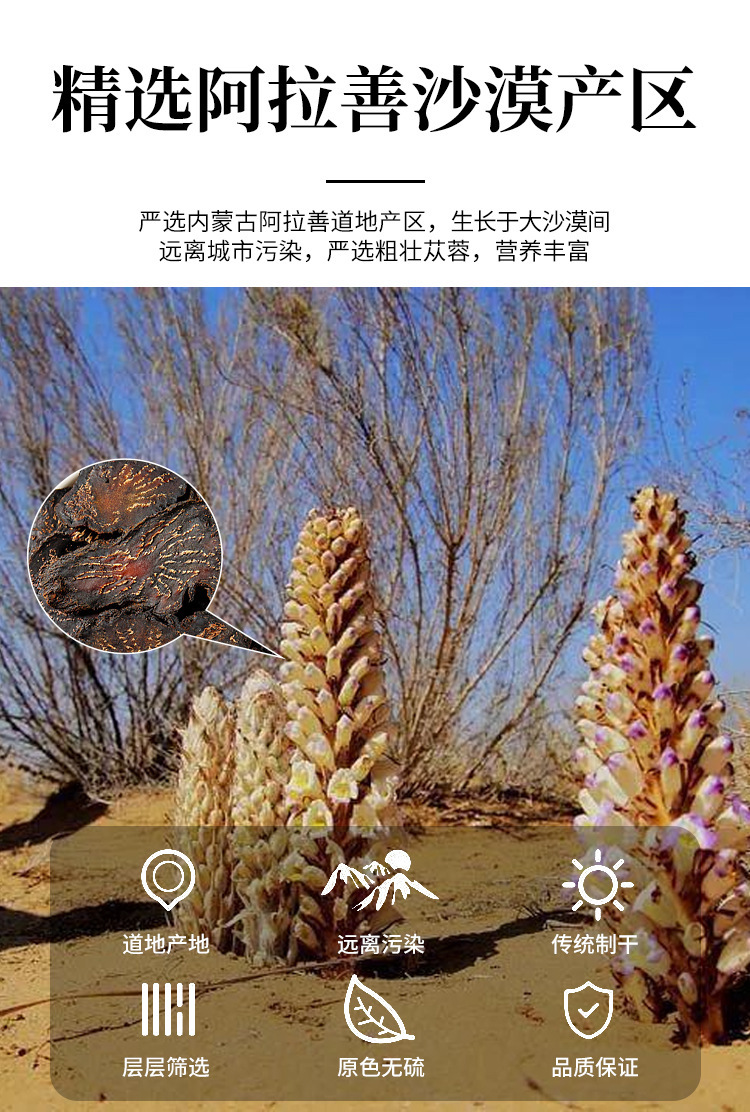
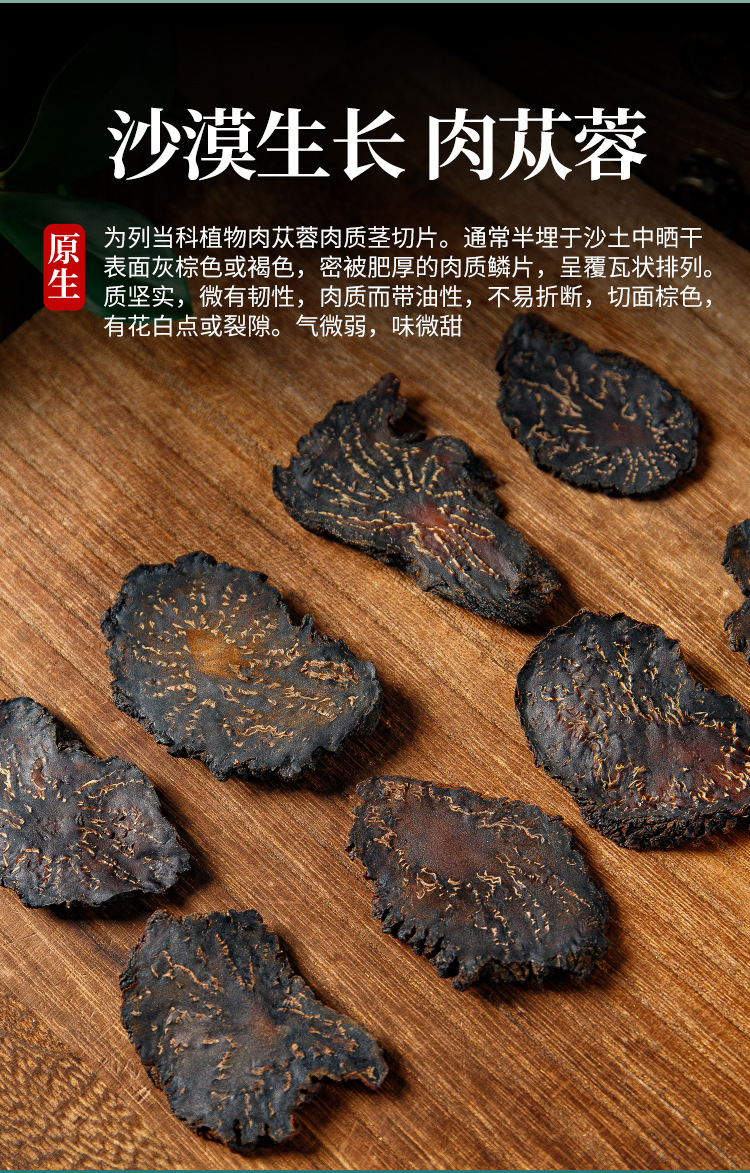
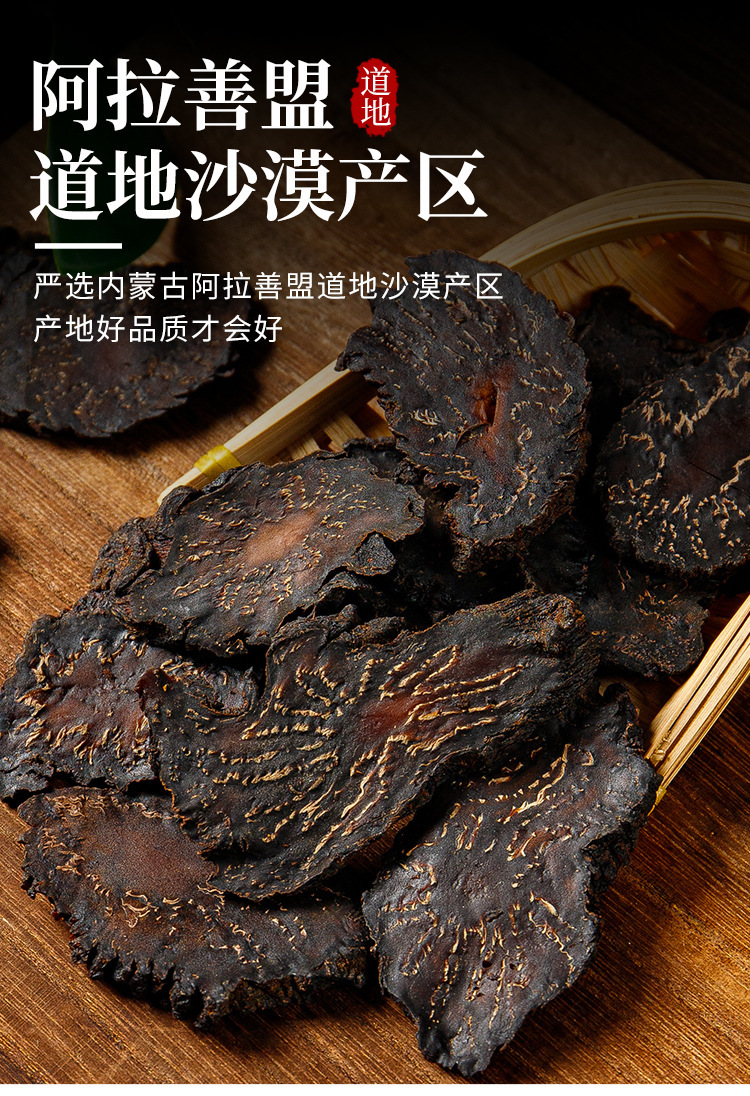
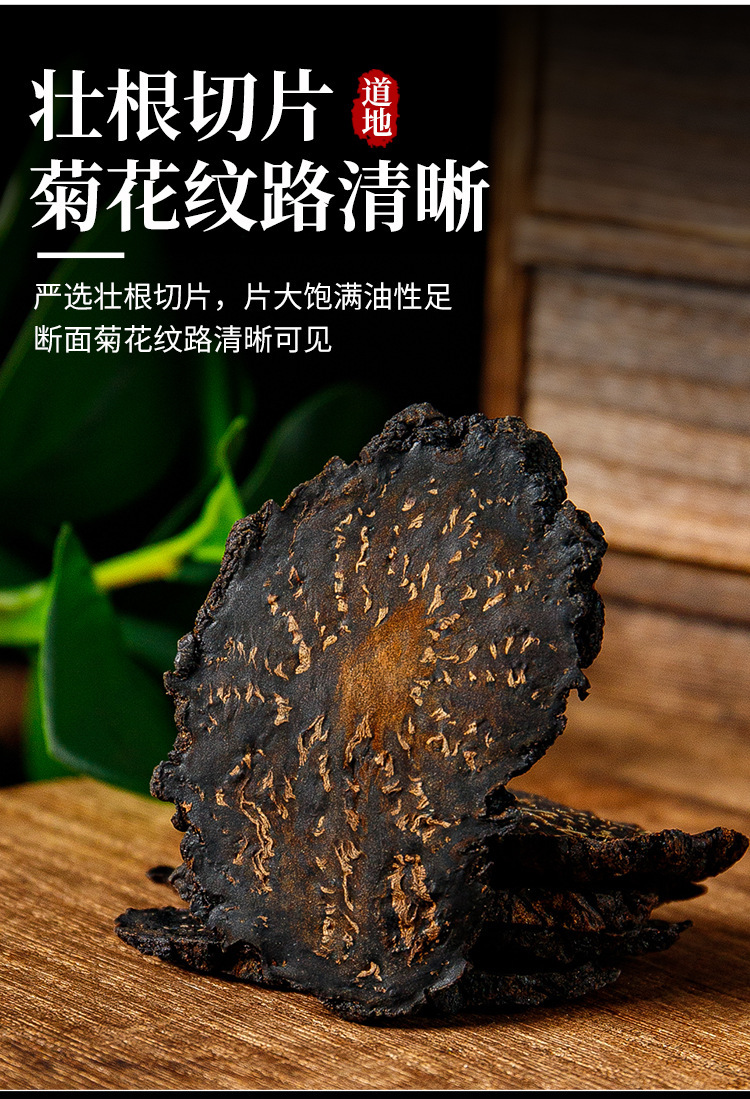
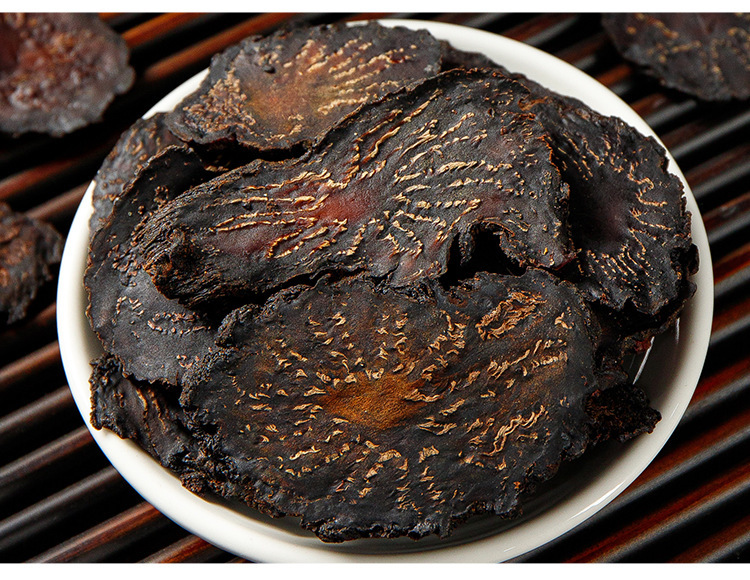
The slices are typically brownish to dark brown with a slightly fibrous texture. They have a mild earthy aroma and a subtly sweet, slightly bitter taste when decocted. Color and texture may vary between batches due to natural sun-drying.
Technical Specifications
| Product Type | Dried herbal decoction pieces |
|---|---|
| Chinese Name | 肉苁蓉 |
| Pinyin | Rou Cong Rong |
| Botanical Name | Cistanche deserticola |
| Plant Part | Dried stem |
| Net Weight | 250g |
Usage Scenarios
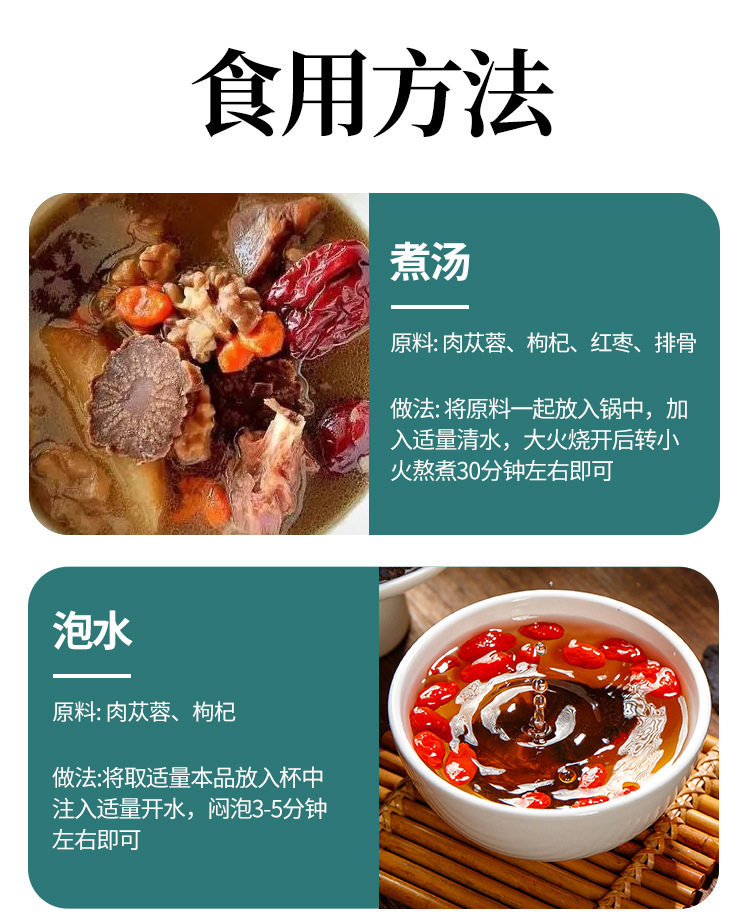
- Simmered in traditional herbal decoctions
- Added to soups and stews
- Used in herbal wine preparations
- Combined with other herbs in congee
Traditional Uses
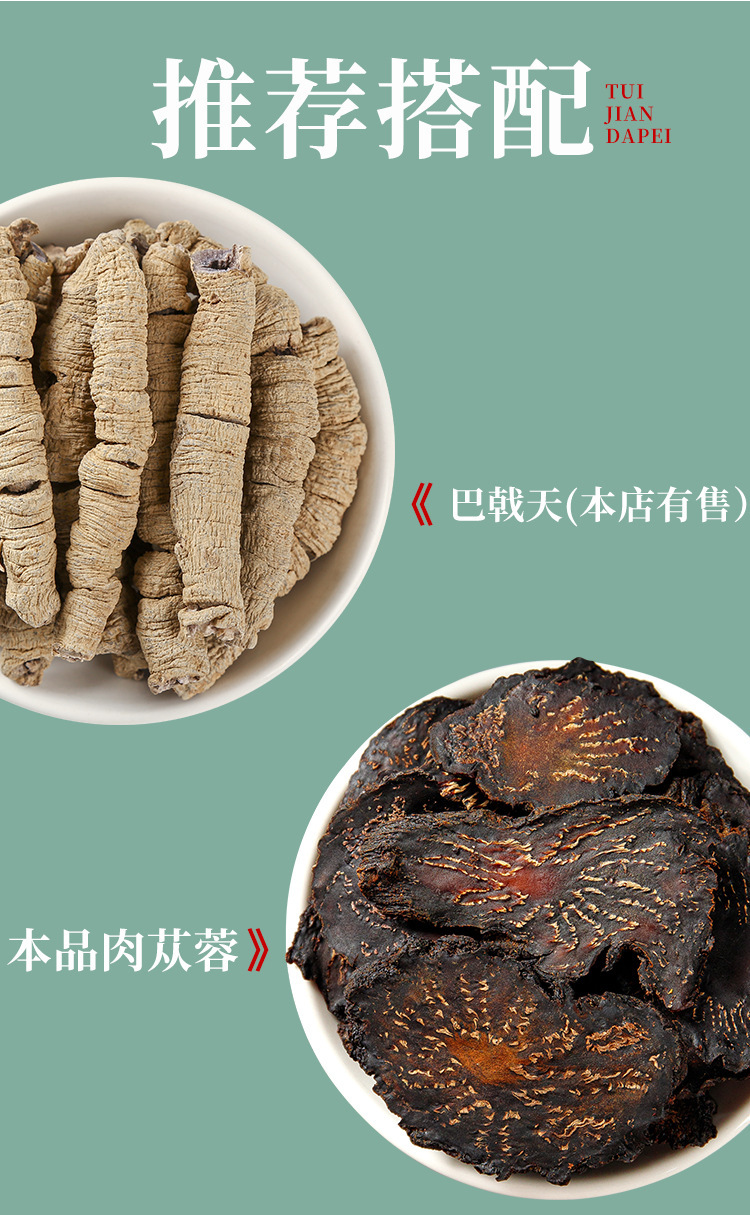
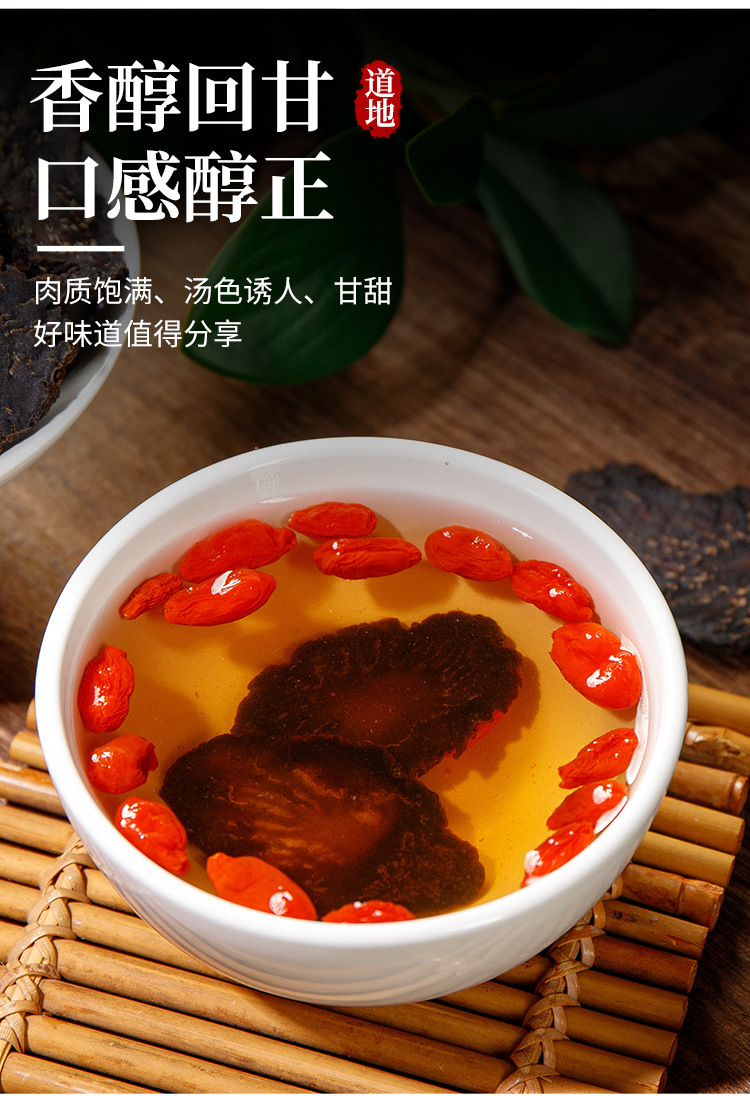
In TCM theory, Rou Cong Rong is traditionally used in decoctions to support kidney yang and nourish the intestines. It is often paired with herbs such as Gou Qi Zi (goji berries), Suo Yang, and Yin Yang Huo in warming tonic formulas. Folk practice includes simmering it in soups or steeping in wine for seasonal vitality support.
FAQ Q&A
Q: What is this product?
A: It is dried Cistanche deserticola stem slices, known in TCM as Rou Cong Rong (肉苁蓉).
Q: What is its traditional value?
A: In TCM theory, it is considered sweet and salty with a warm nature, traditionally associated with kidney yang and intestinal moisture.
Q: How is it commonly prepared?
A: It is typically simmered in decoctions, added to soups, or steeped in herbal wine.
Additional information
| Weight | N/A |
|---|---|
| Dimensions | N/A |
| Model | 1罐装 肉苁蓉50g, 1罐装 肉苁蓉250g, 1罐装 肉苁蓉125g, 组合款 2罐 肉苁蓉 锁阳, 组合款 2罐 沙苑子 菟丝子, 男仕三宝 3罐 肉苁蓉 黑玛咖 锁阳, 男人三宝 3罐 肉苁蓉 锁阳 淫羊藿叶, 组合款 4罐 肉苁蓉 锁阳 淫羊藿叶 菟丝子, 男神四宝 4罐 肉苁蓉 锁阳 淫羊藿叶 黑玛咖, 二送二发四罐 肉从蓉 锁阳 淫羊藿叶 枸杞, 二送三发五罐 黑玛咖 肉从蓉 锁阳 淫羊藿叶 枸杞 |
Related products
-
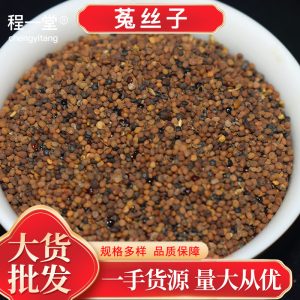
Dried Dodder Seed Tu Si Zi Whole Herb 500g Bulk Chinese Herbal Ingredient
Price range: $7.04 through $7.52 -
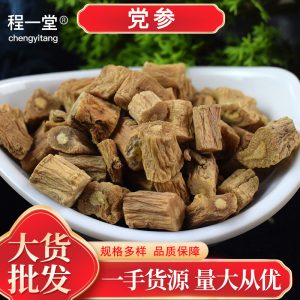
Dried Codonopsis Root Slices Dang Shen 500g Bulk Supply for Soups and Herbal Decoctions
Price range: $10.28 through $18.06 -

Dried Huang Jing Slices Polygonatum Rhizome Chicken Head Huang Jing 500g Bulk Herbal Tea and Soup Ingredient
Price range: $9.14 through $18.87 -

Cabinda Bark Dried Herb 500g Traditional Herbal Infusion Ingredient
Price range: $12.38 through $37.50
Reviews
There are no reviews yet.