
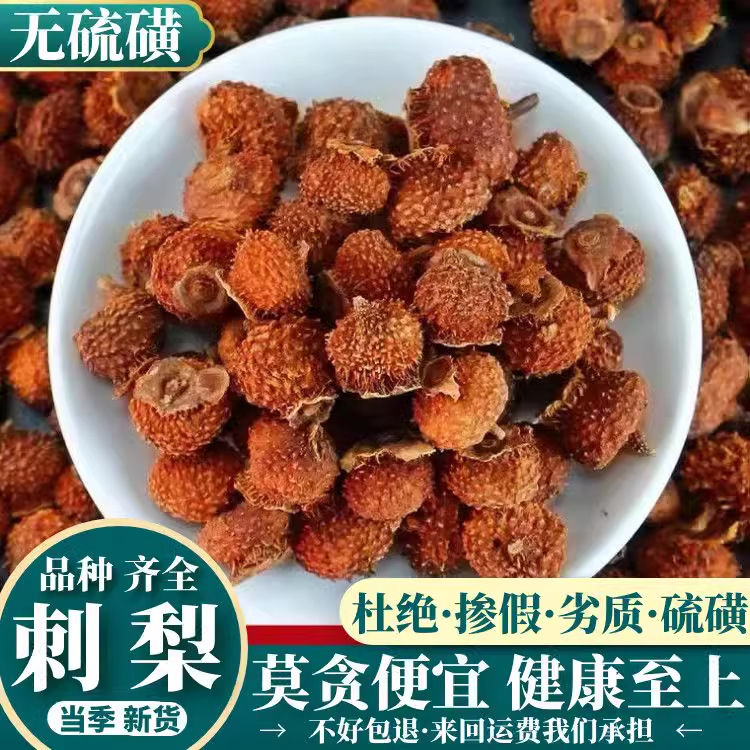
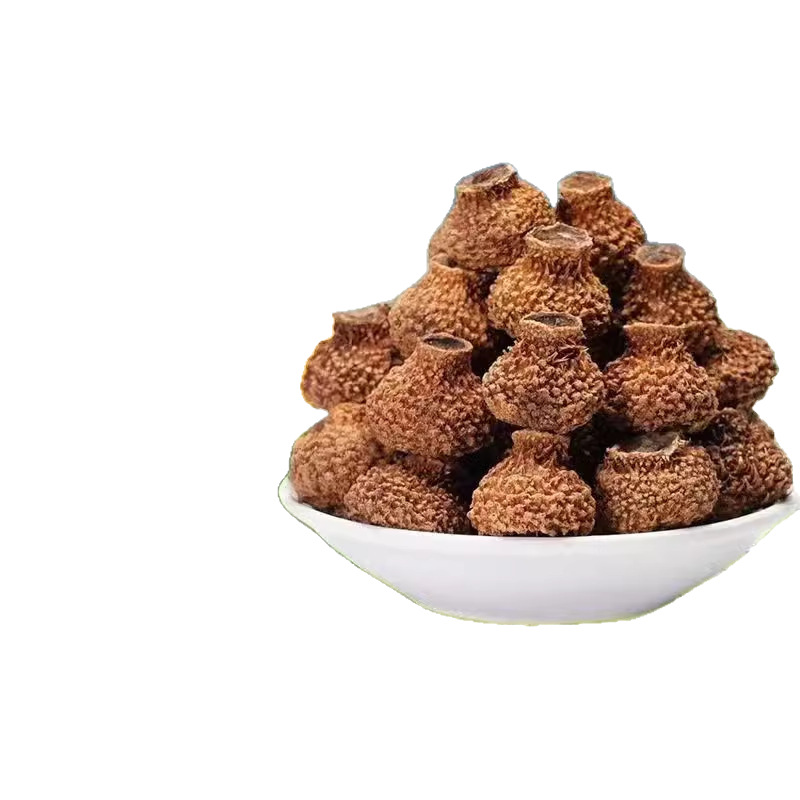
Dried Cili Fruit Rosa roxburghii Slices Herbal Tea Soup Ingredient 500g
Price range: $5.92 through $50.30
Description
Dried Cili Fruit, known in TCM as Ci Li (刺梨), from Rosa roxburghii, is the sun-dried ripe fruit of a thorny shrub native to Guizhou. In TCM theory it is considered sweet and sour with a slightly cooling nature, traditionally associated with supporting digestion and gentle daily wellness. The dried fruit slices can be steeped as tea, simmered in soups, or added to congee for a tart fruity note.

Key Selling Points
- Identified as Ci Li (刺梨), the dried ripe fruit of Rosa roxburghii
- Sourced from Guizhou, a traditional growing region for this fruit
- Sun-dried processing preserves natural color and tart fruity aroma
- Versatile form for teas, soups, congee, and culinary use
- 500g net weight of whole or sliced dried fruit
Quality & Sensory
The dried fruit typically shows a golden-yellow to amber color with a wrinkled, slightly leathery texture. It has a mild fruity aroma and a tart, sour taste with subtle sweetness when steeped or simmered. Pieces may vary in size and thickness due to natural sun-drying.
Technical Specifications
| Product Type | Dried fruit |
|---|---|
| Chinese Name | 刺梨 |
| Pinyin | Ci Li |
| Botanical Name | Rosa roxburghii |
| Plant Part | Fruit |
| Net Weight | 500g |
Usage Scenarios
- Steeped as a tart herbal tea
- Simmered in soups or broths
- Cooked into congee
- Used in seasonal culinary preparations
Traditional Uses
In TCM and folk practice, Ci Li is traditionally used in decoctions and teas, often paired with hawthorn or rock sugar to balance its sourness. It is also added to soups and congee during warmer months as a refreshing ingredient. Traditional texts describe it as supporting digestion and quenching thirst.
FAQ Q&A
Q: What is this product?
A: It is dried Ci Li (刺梨) fruit from Rosa roxburghii, sourced from Guizhou and sold as a 500g pack.
Q: What is its traditional value?
A: In TCM theory it is considered sweet and sour with a slightly cooling nature, traditionally associated with supporting digestion and quenching thirst.
Q: How is it commonly prepared?
A: It is commonly steeped as a tea, simmered in soups, or cooked into congee. Adjust quantity to taste.
Additional information
| Weight | N/A |
|---|---|
| Dimensions | N/A |
| Model | 刺梨250克, 刺梨500克, 刺梨1公斤, 刺梨10公斤 |
Related products
-

Cabinda Bark Dried Herb 500g Traditional Herbal Infusion Ingredient
Price range: $12.38 through $37.50 -

Dried Raspberry Fruit Fu Pen Zi Whole Berries for Herbal Tea and Wine Infusion 500g
Price range: $15.63 through $18.06 -
Deer Antler Slices Lu Rong 鹿茸片 Dried Slices for Wine Infusion and Soup 100g Wax Slices Pack
Price range: $68.29 through $92.59 -
Yi Zhi Ren Dried Alpinia Oxyphylla Fruit 500g Traditional Herbal Tea and Decoction Ingredient
Price range: $11.74 through $13.36
Reviews
There are no reviews yet.