
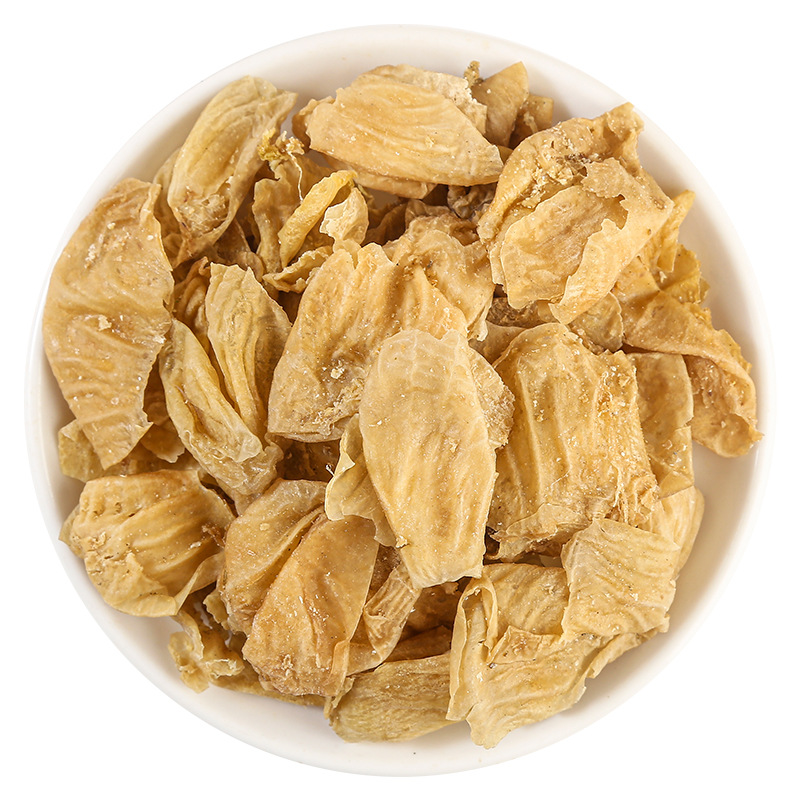
Dried Chicken Gizzard Lining Ji Nei Jin 500g Sliced Herb for Soup and Decoction
$6.96
99925 in stock
Description
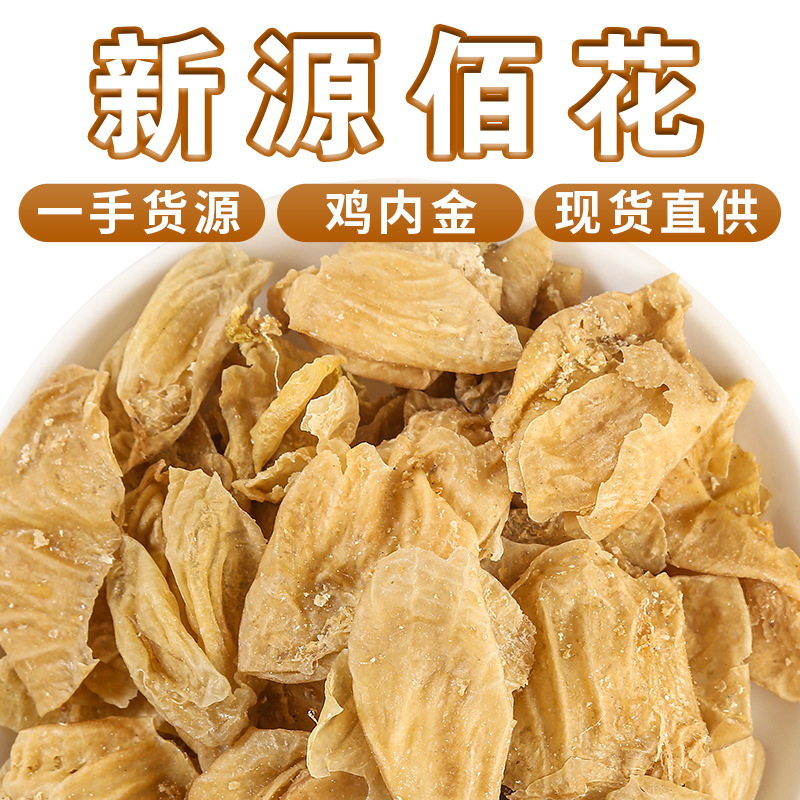
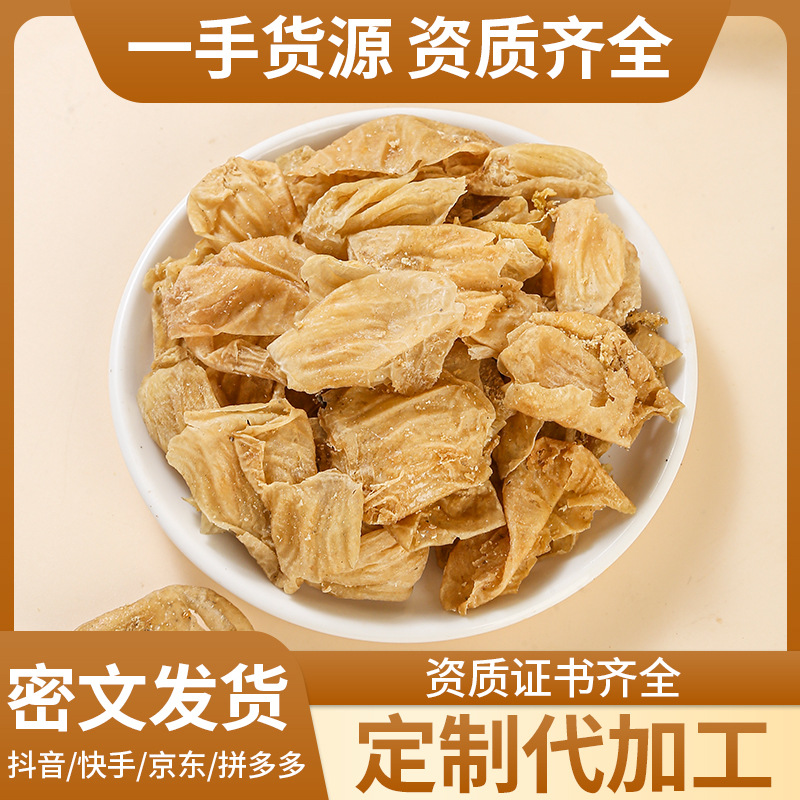
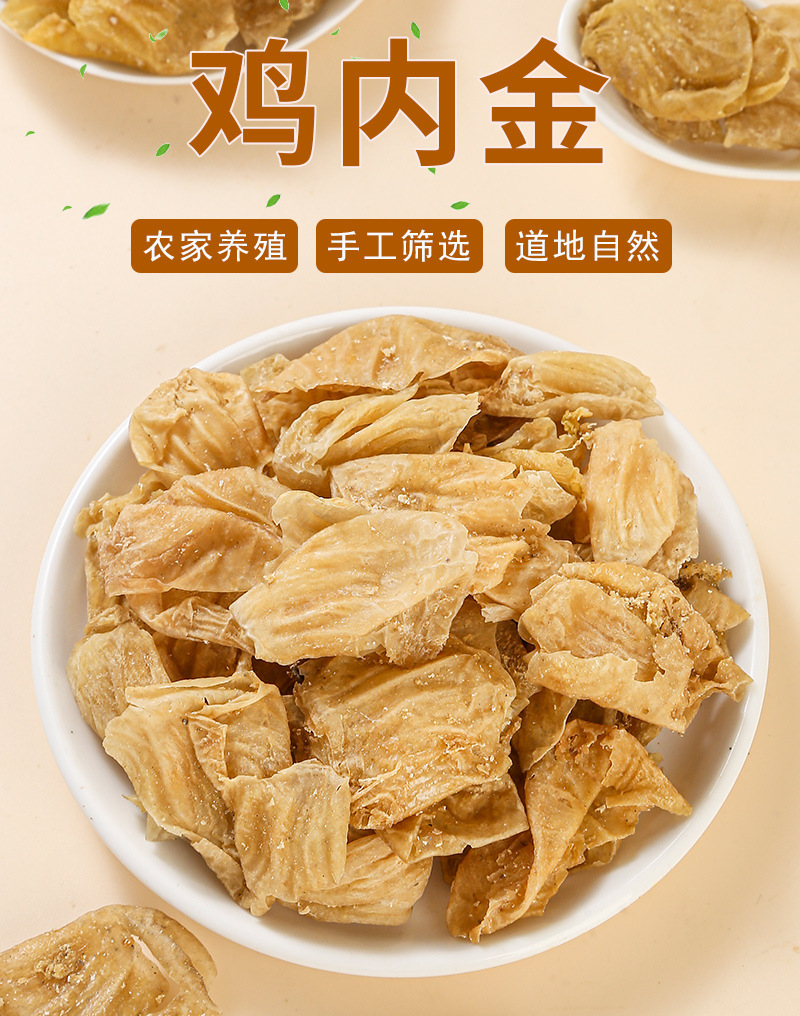
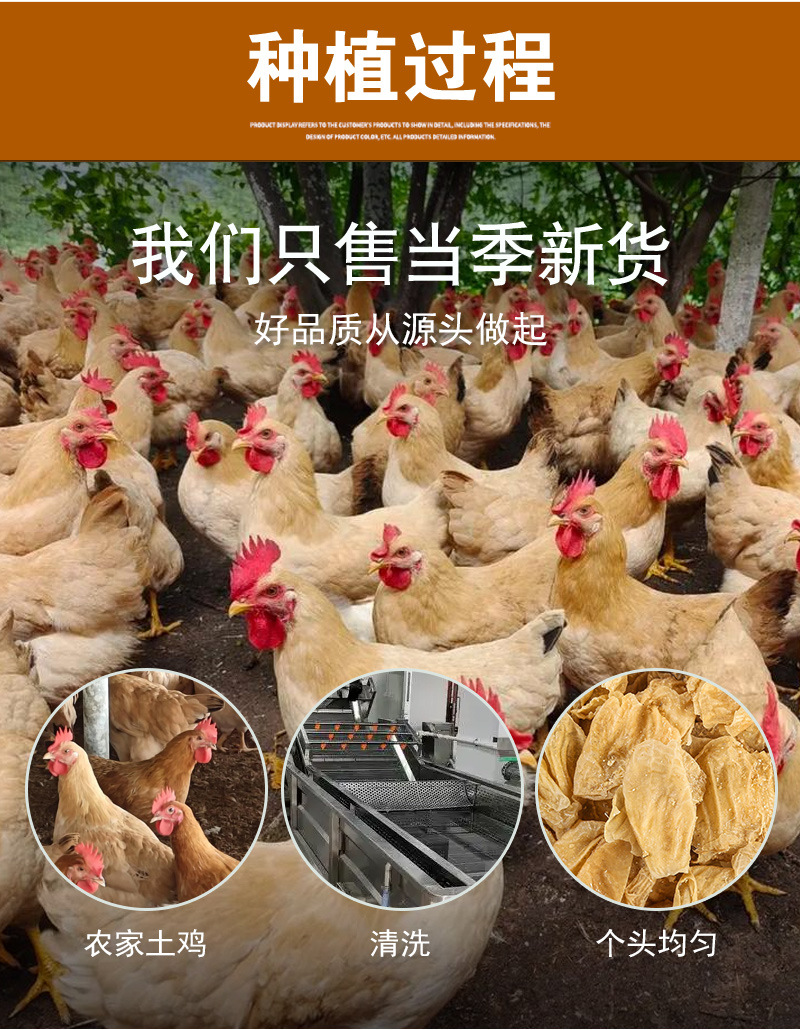
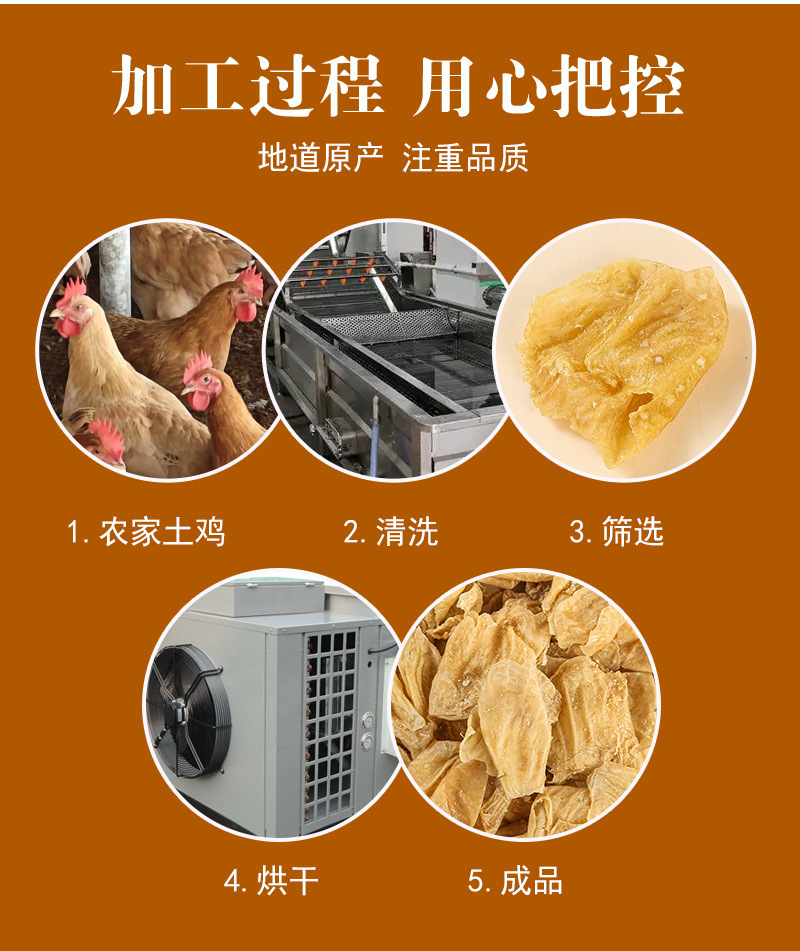
Dried Chicken Gizzard Lining, known in TCM as Ji Nei Jin (鸡内金), is the dried inner membrane of the chicken gizzard, Gallus gallus domesticus. Traditionally used in TCM theory to support digestive harmony, it is associated with a sweet, neutral nature and the spleen, stomach, and small intestine channels. This 500g pack of dried slices is suited for decoctions, soups, and congee.

Key Selling Points
- Identified in TCM as Ji Nei Jin (鸡内金), the dried inner lining of the chicken gizzard
- Traditional herbal ingredient used in decoctions and daily soups
- Dried slices offer a convenient form for home preparation
- 500g bulk pack suitable for regular kitchen or herbal use
- Can be simmered whole or ground into powder for flexible use

Quality & Sensory
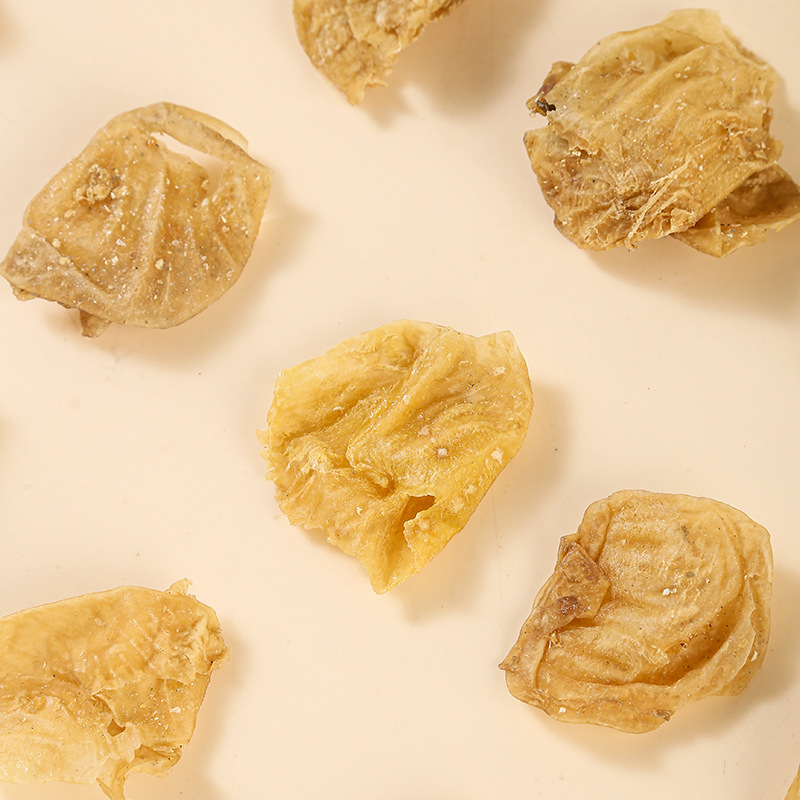
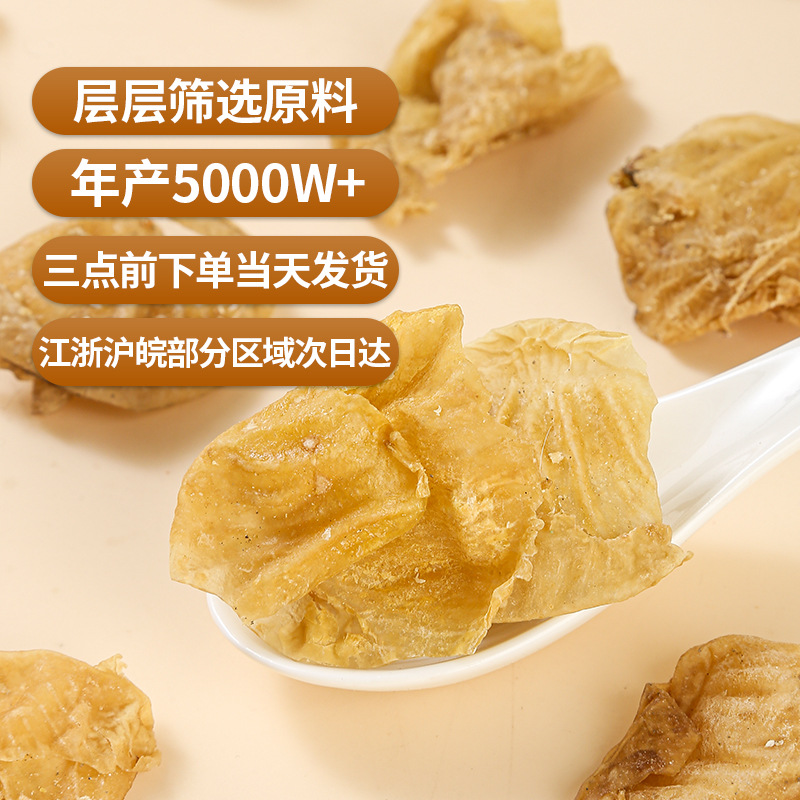
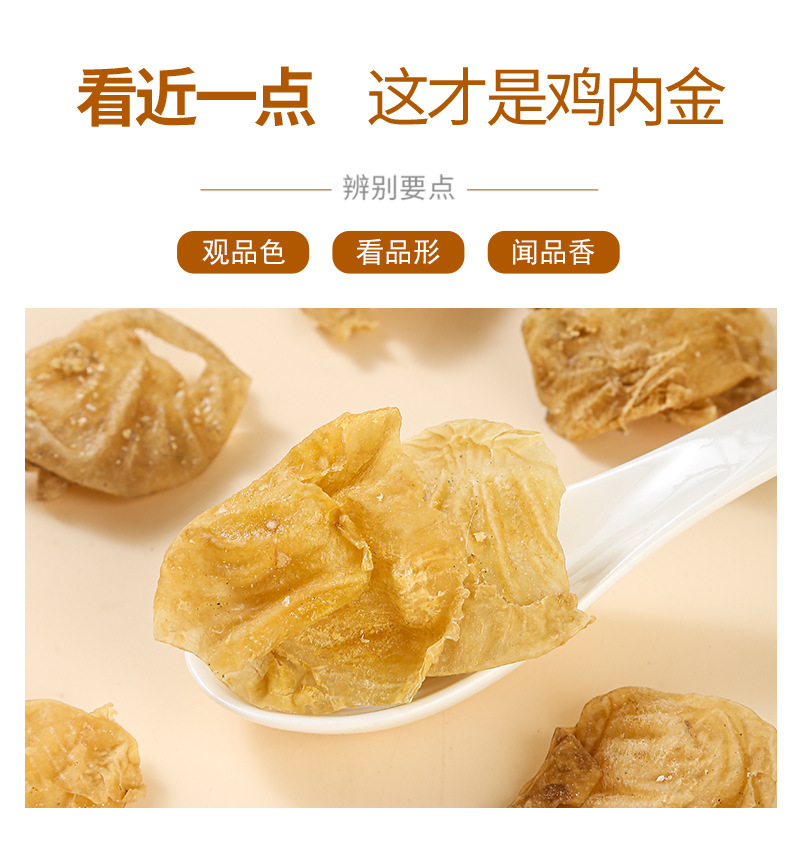
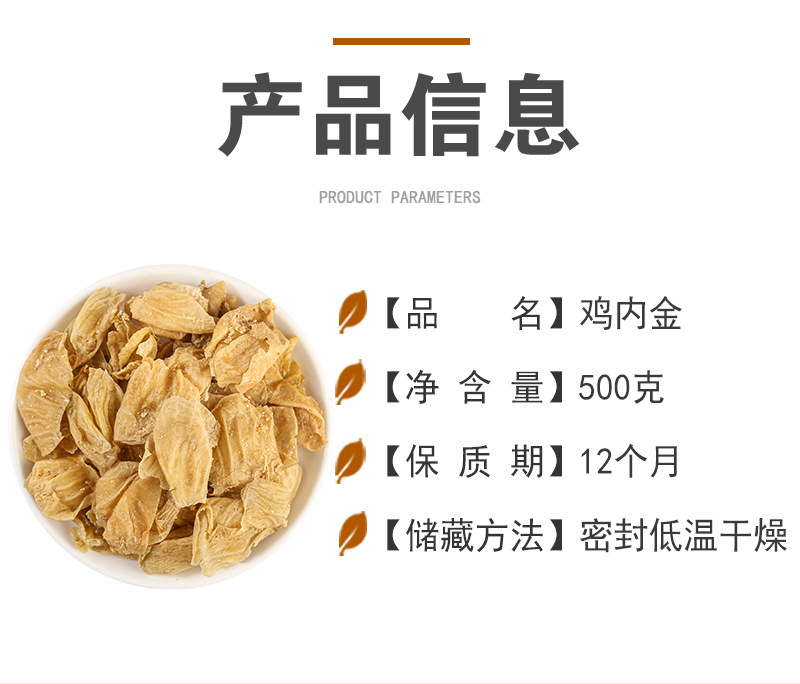
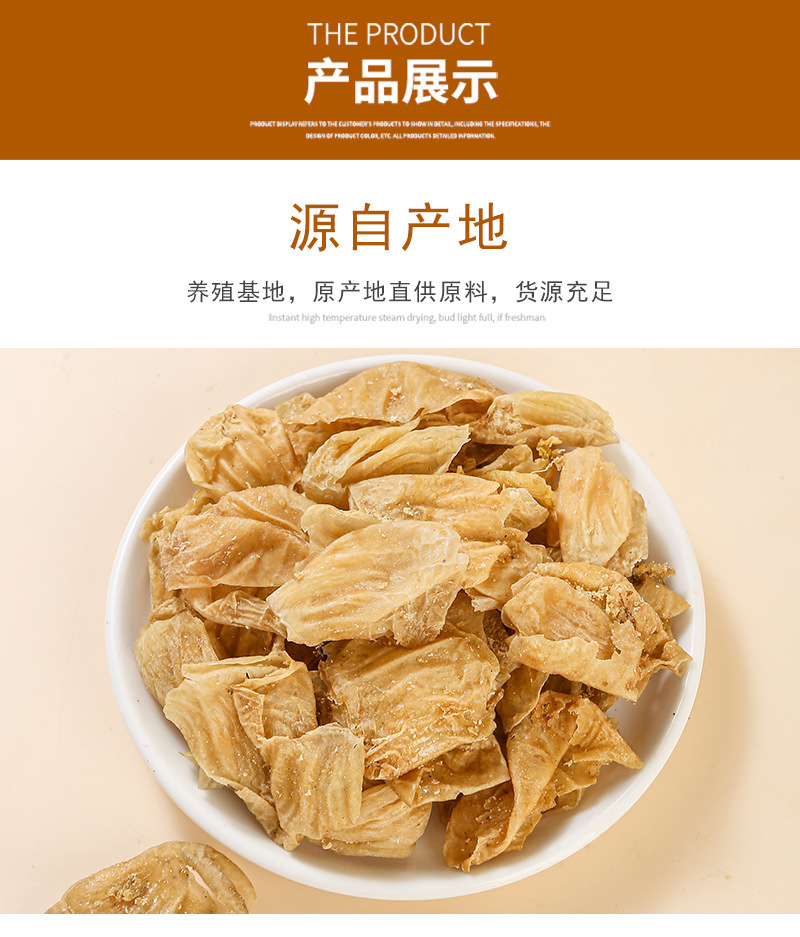
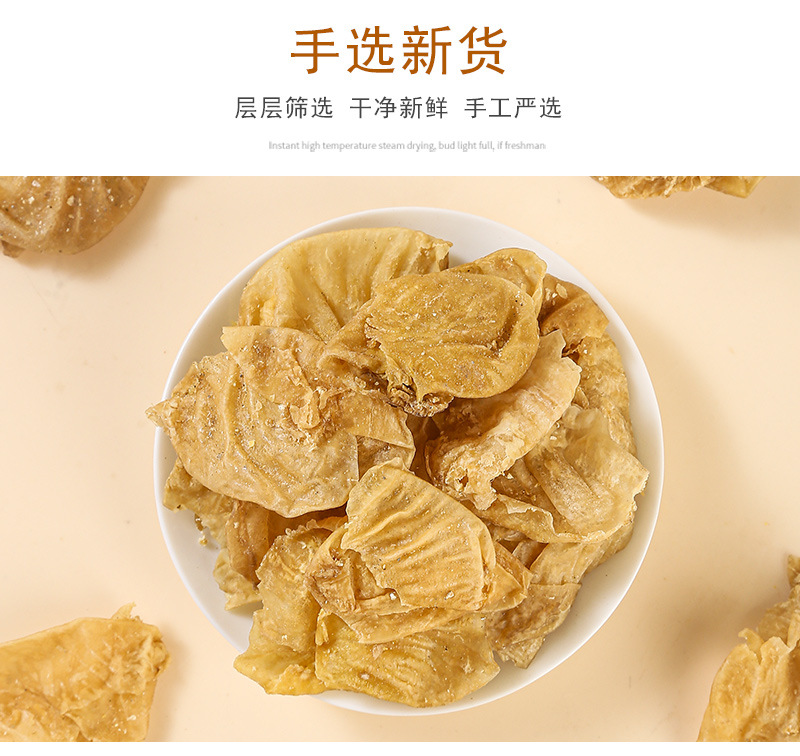
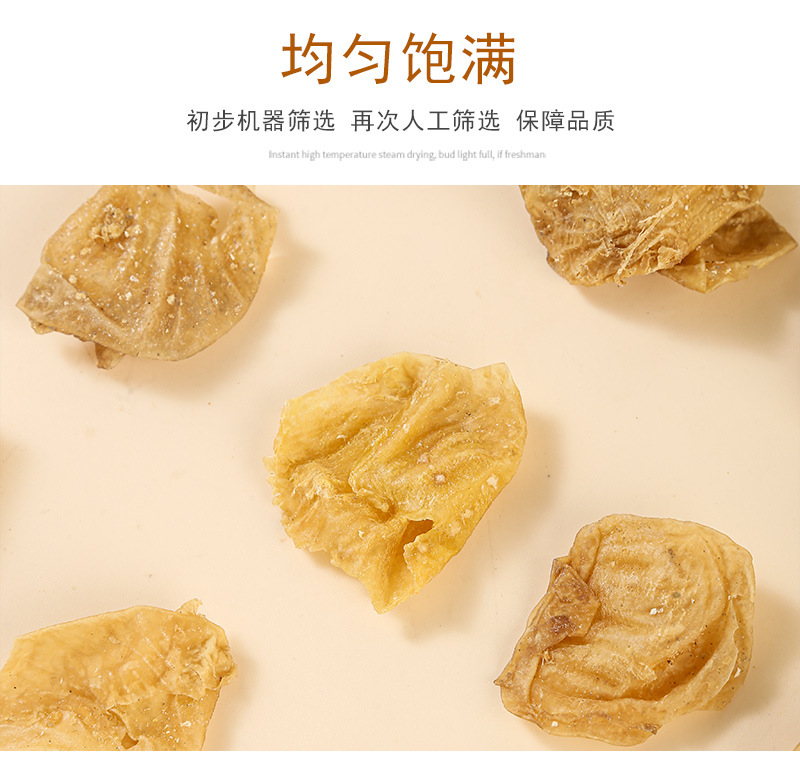
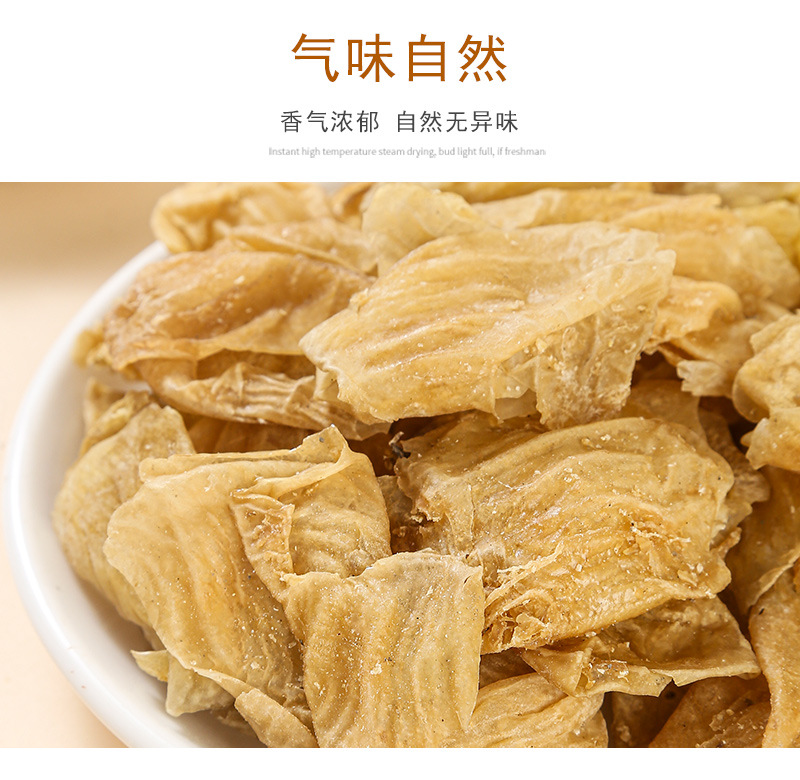
The dried slices are typically pale yellow to golden brown with a firm, slightly brittle texture. They have a mild, faintly earthy aroma. After simmering in water or soup, the preparation is generally neutral in taste with a subtle savory note.
Technical Specifications
| Product Type | Dried herbal decoction pieces |
|---|---|
| Chinese Name | 鸡内金 |
| Pinyin | Ji Nei Jin |
| Botanical Name | Gallus gallus domesticus |
| Plant Part | Dried inner membrane of chicken gizzard |
| Net Weight | 500g |
Usage Scenarios
- Simmered in herbal decoctions
- Added to soups and broths
- Cooked into congee
- Ground into powder for teas or drink mixes
Traditional Uses
In TCM theory, Ji Nei Jin is traditionally associated with supporting digestive function and is often used in decoctions or soups. It is commonly paired with herbs such as hawthorn or medicated leaven in traditional formulas. Folk practice includes simmering the dried slices in water or adding them to congee for daily digestive support.
FAQ Q&A
Q: What is this product?
A: It is the dried inner membrane of the chicken gizzard, known in TCM as Ji Nei Jin (鸡内金), sold as 500g of dried slices.
Q: What is its traditional value?
A: In TCM theory, it is traditionally associated with supporting digestive harmony and is classified with a sweet, neutral nature.
Q: How is it commonly prepared?
A: It is typically simmered in decoctions or soups, or cooked into congee. It can also be ground into powder for teas.

Additional information
| Weight | 0.6 kg |
|---|---|
| Dimensions | 20 × 15 × 8 cm |
Related products
-
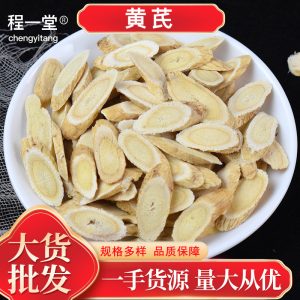
Astragalus Root Slices Huang Qi 斜片 Dried Herb for Decoction Soup and Tea 500g
Price range: $6.06 through $19.51 -

Fritillaria Bulb Chuan Bei Mu Dried Chinese Herbal Bulbs for Decoction and Traditional Use 500g
Price range: $18.06 through $94.21 -
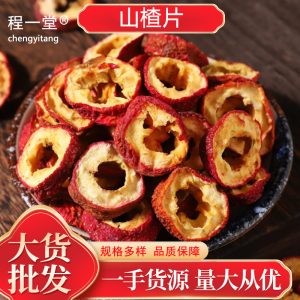
Dried Hawthorn Slices Shan Zha 500g Seedless Hollow Rings Freeze Dried Hawthorn for Tea and Culinary Use
Price range: $4.44 through $7.04 -
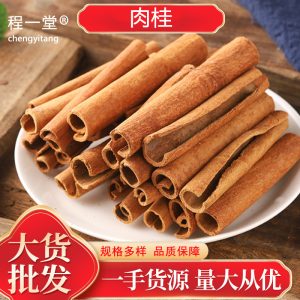
Dried Cinnamon Bark Rou Gui 500g Whole Peeling Culinary Spice and Traditional Herbal Ingredient
Price range: $5.58 through $8.33
Reviews
There are no reviews yet.