
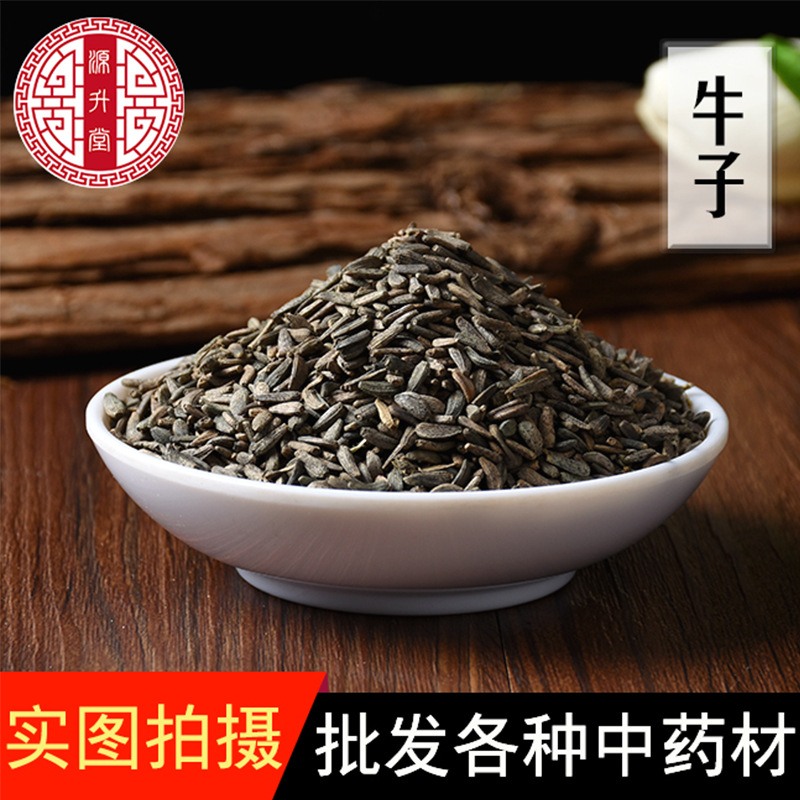
Dried Burdock Fruit Niubangzi 500g Loose Cut Sulfur Free Traditional Chinese Herbal Decoction Pieces
Price range: $6.92 through $7.76
Description
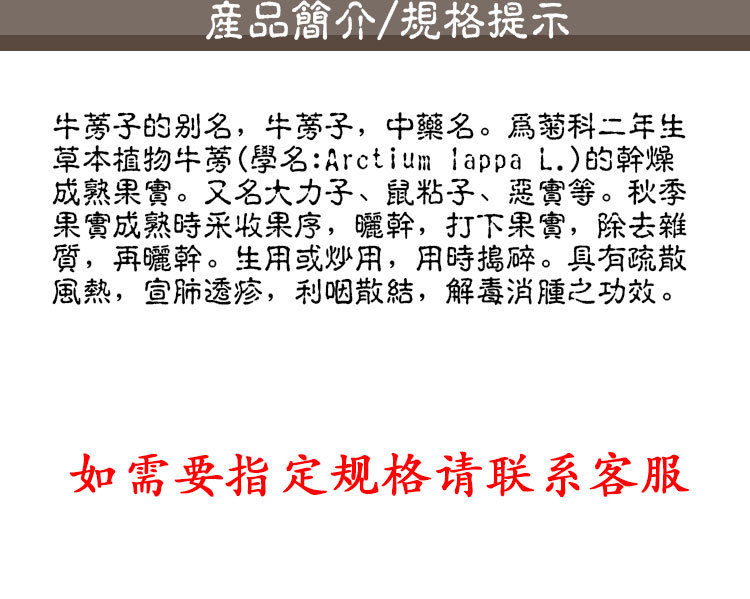
Dried Burdock Fruit, known in TCM as Niubangzi (牛蒡子), from Arctium lappa, is the mature fruit of the burdock plant. In TCM theory it is considered acrid and bitter with a cold nature, entering the Lung and Stomach channels. Traditionally used in decoctions and herbal formulas, it is a common ingredient in Chinese herbal practice. This loose cut form is sulfur free and suitable for making traditional herbal teas and decoctions.


Key Selling Points
- Identified in TCM as Niubangzi (牛蒡子), the fruit of Arctium lappa
- Loose cut dried burdock fruit, sulfur free
- Traditionally used in Chinese herbal decoctions and formulas
- In TCM theory acrid, bitter, and cold, entering Lung and Stomach channels
- Sold as a 500g loose herbal selection

Quality & Sensory
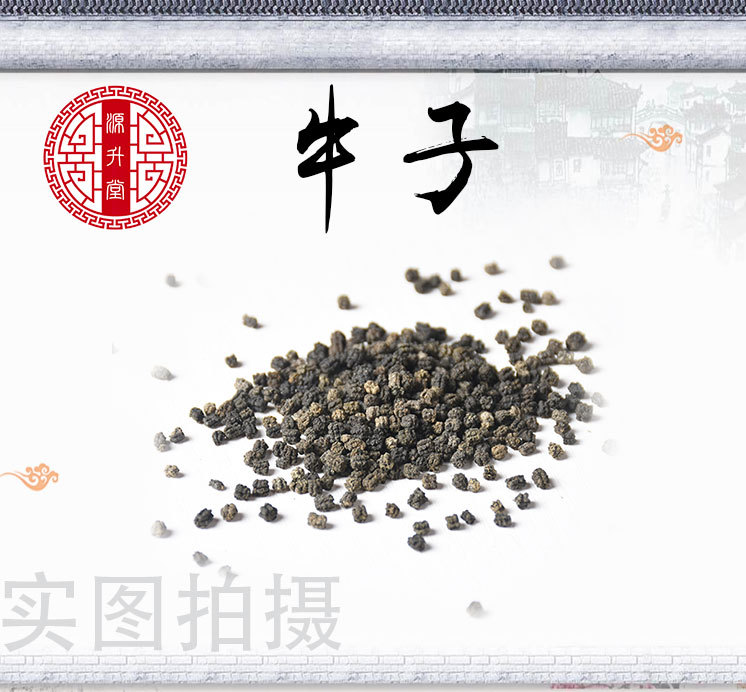
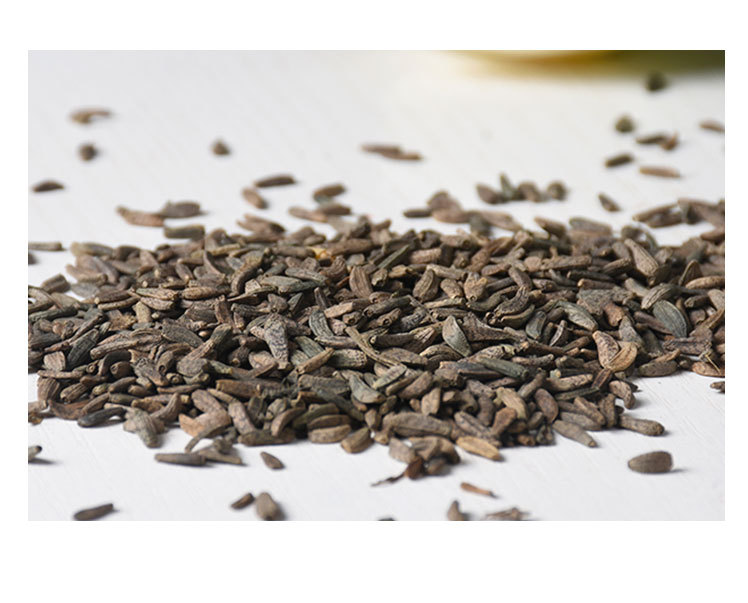
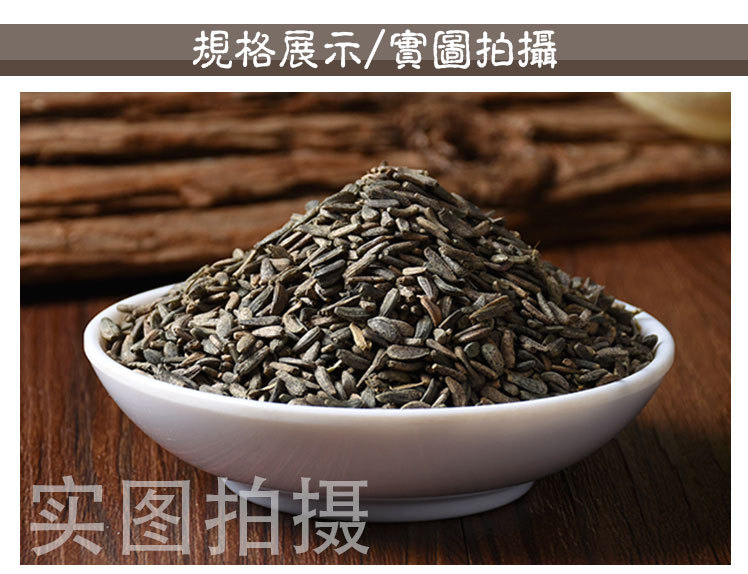
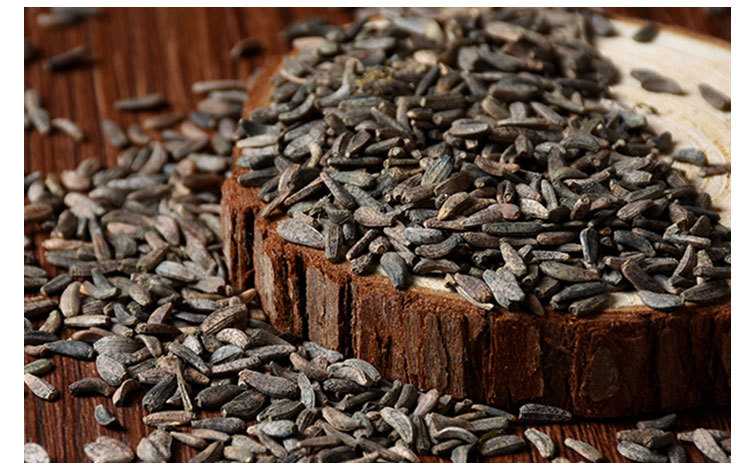
The dried fruit is typically grayish-brown to dark brown with a hard, slightly rough texture. It has a mild, earthy aroma and a slightly bitter, acrid taste when decocted. Color and texture may vary slightly between batches.
Technical Specifications
| Product Type | Dried herbal fruit |
|---|---|
| Chinese Name | 牛蒡子 |
| Pinyin | Niubangzi |
| Botanical Name | Arctium lappa |
| Plant Part | Fruit |
| Net Weight | 500g |


Usage Scenarios
- Herbal decoction
- Traditional herbal tea
- Soup or congee addition
- Blended with other herbs in formulas


Traditional Uses
In TCM theory, Niubangzi is traditionally used in decoctions for wind-heat patterns and throat discomfort. It is commonly paired with herbs such as Jinyinhua or Lianqiao in classic formulas. It may also be added to soups or congee in folk practice. Traditional preparations usually involve boiling the dried fruit in water.



FAQ Q&A
Q: What is this product?
A: It is dried burdock fruit, known in TCM as Niubangzi (牛蒡子), from Arctium lappa, sold as loose cut pieces.
Q: What is its traditional value?
A: In TCM theory it is considered acrid, bitter, and cold, entering the Lung and Stomach channels, and is traditionally used in wind-heat formulas.
Q: How is it commonly prepared?
A: It is typically boiled in water as a decoction or added to herbal teas and soups. It is not usually eaten raw.
Additional information
| Weight | N/A |
|---|---|
| Dimensions | N/A |
| Model | 统货 一斤 件, 选货 一斤 件 |
Related products
-
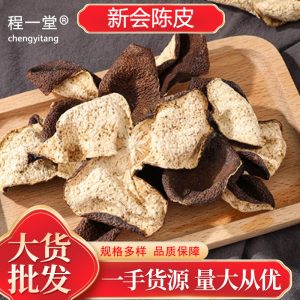
Xinhui Chenpi Dried Tangerine Peel 500g Sun Dried Aged Peel for Soup and Tea
Price range: $60.19 through $116.90 -
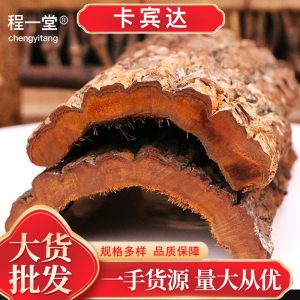
Cabinda Bark Dried Herb 500g Traditional Herbal Infusion Ingredient
Price range: $12.38 through $37.50 -
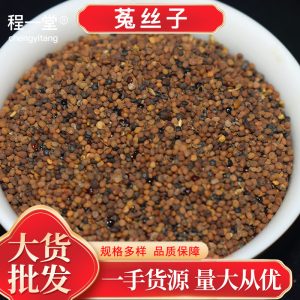
Dried Dodder Seed Tu Si Zi Whole Herb 500g Bulk Chinese Herbal Ingredient
Price range: $7.04 through $7.52 -
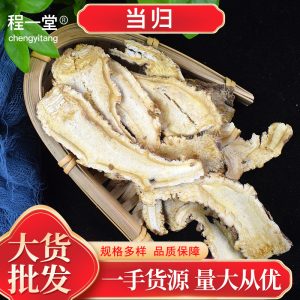
Dried Angelica Sinensis Slices Dang Gui 当归 500g Gansu Raw Herb for Decoction Soup and Tea
Price range: $16.44 through $35.88
Reviews
There are no reviews yet.