
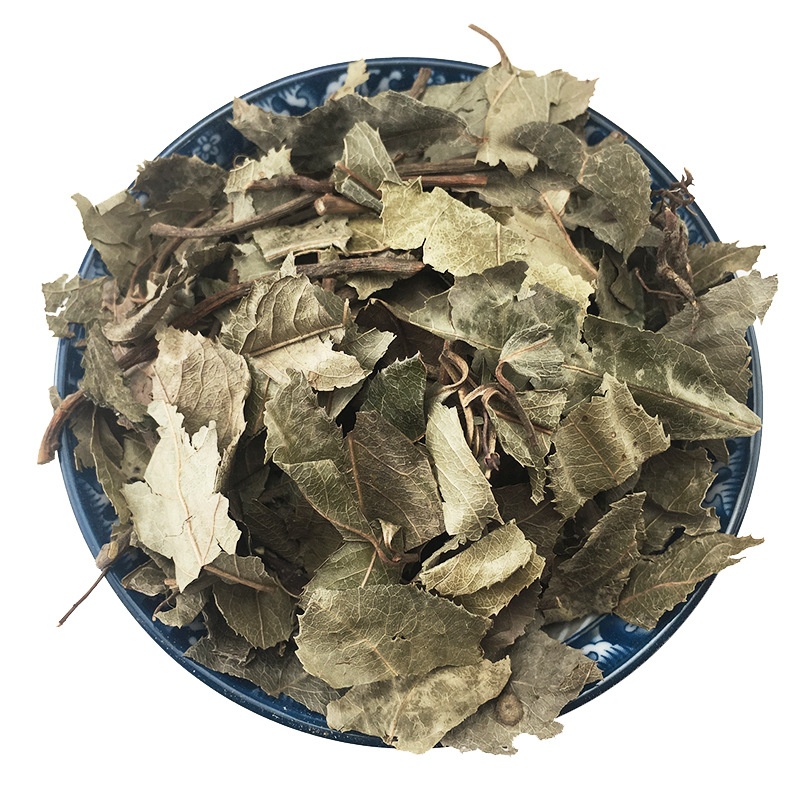
Dried Ardisia Herb Ping Di Mu Whole Herb Traditional TCM Botanical 1kg
$7.59
235196 in stock
Description
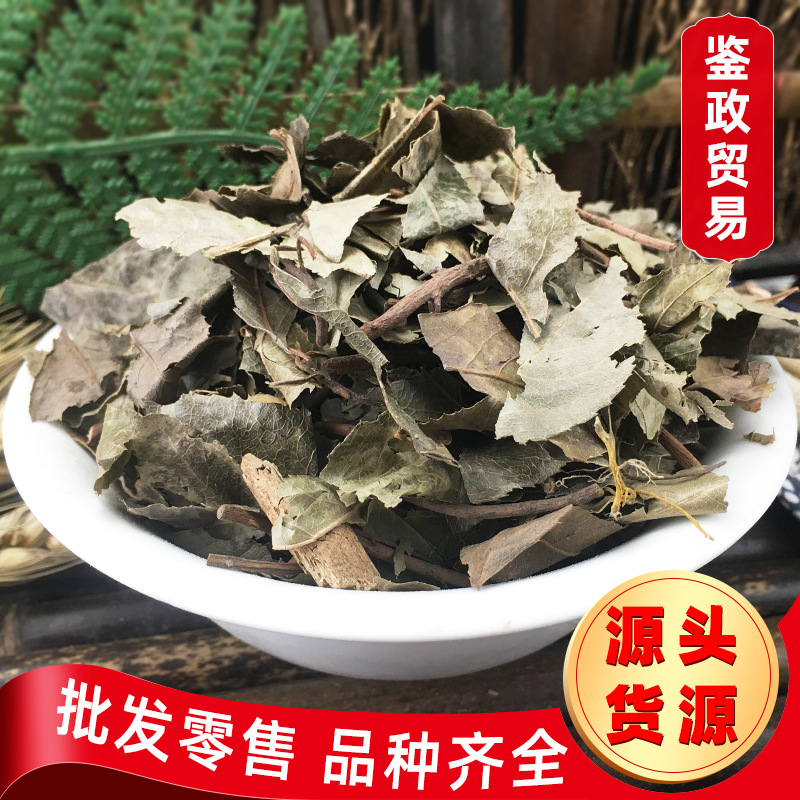
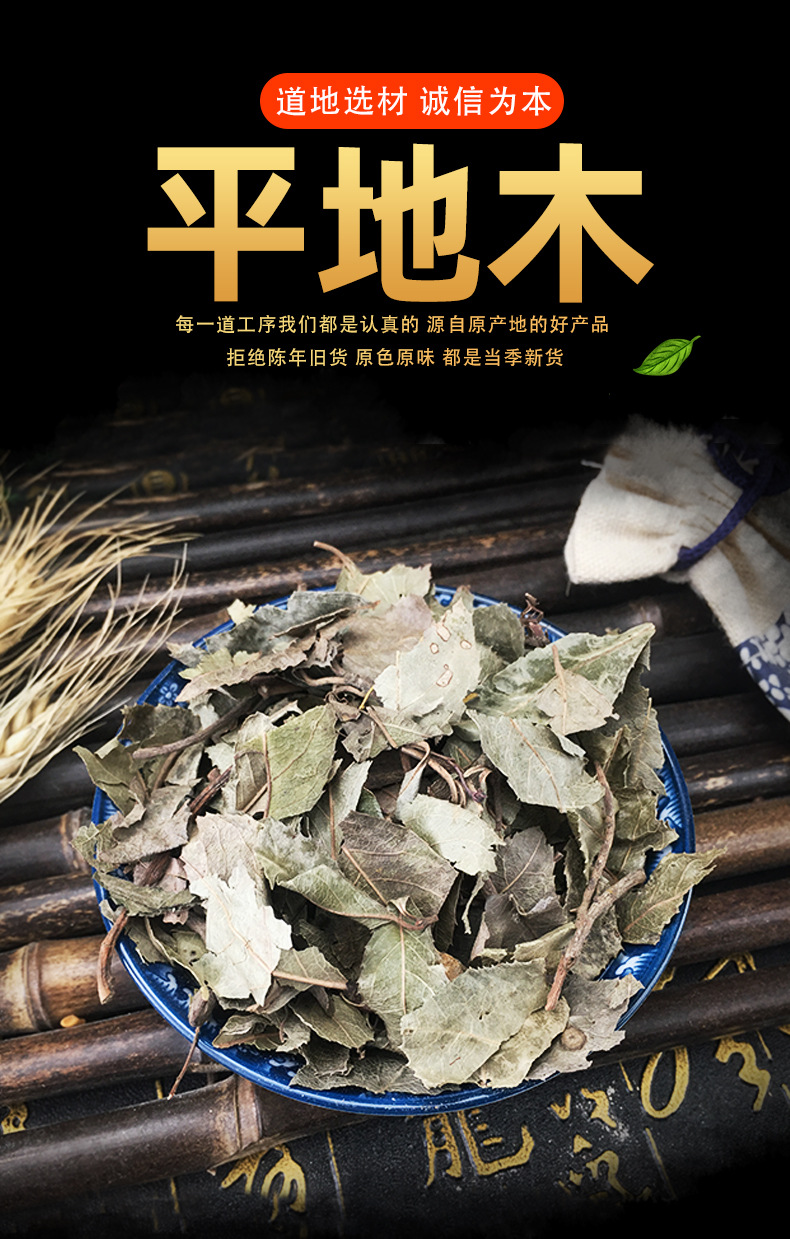
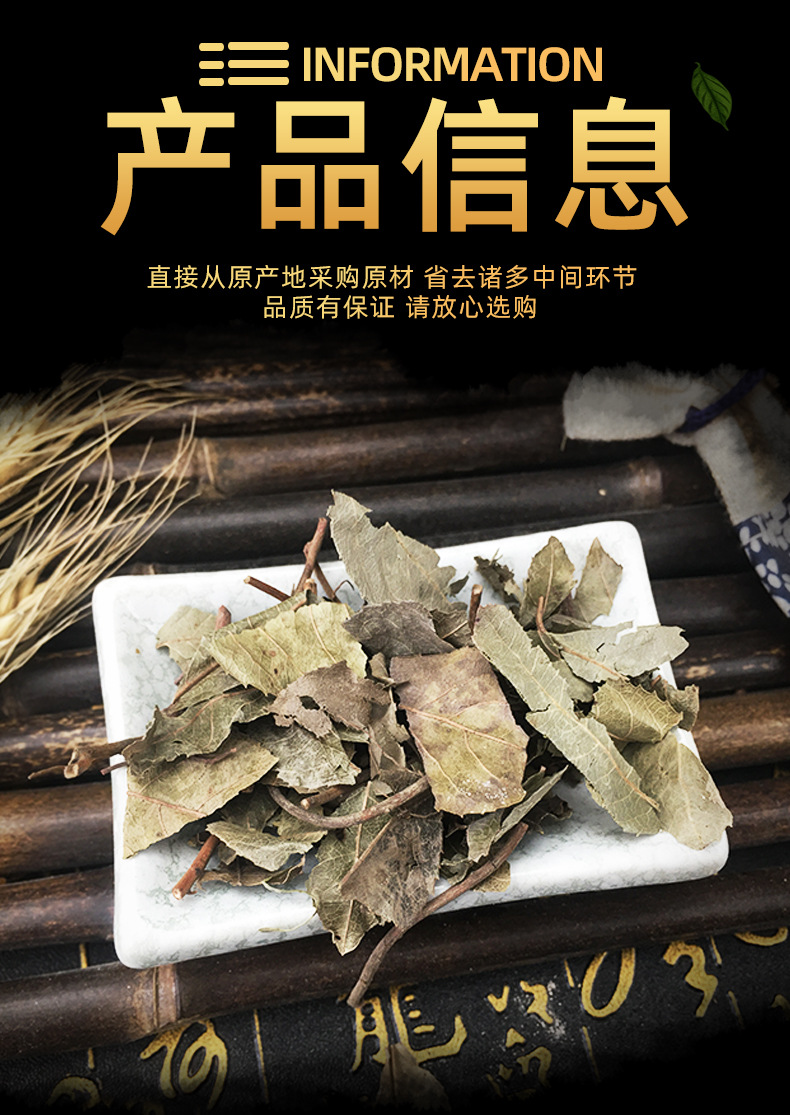
Dried Ardisia Herb, known in TCM as Ping Di Mu (平地木) and also called Ai Di Cha (矮地茶), from Ardisia japonica, whole dried herb. Traditionally valued in Chinese herbal practice, this botanical is typically regarded as bitter and acrid in flavor and associated with the lung and liver channels in TCM theory. Sold as a raw edible agricultural product for traditional herbal preparation.


Key Selling Points
- Whole dried Ardisia japonica herb supplied as a raw edible agricultural product
- Known in TCM as Ping Di Mu (平地木) and commonly called Ai Di Cha (矮地茶)
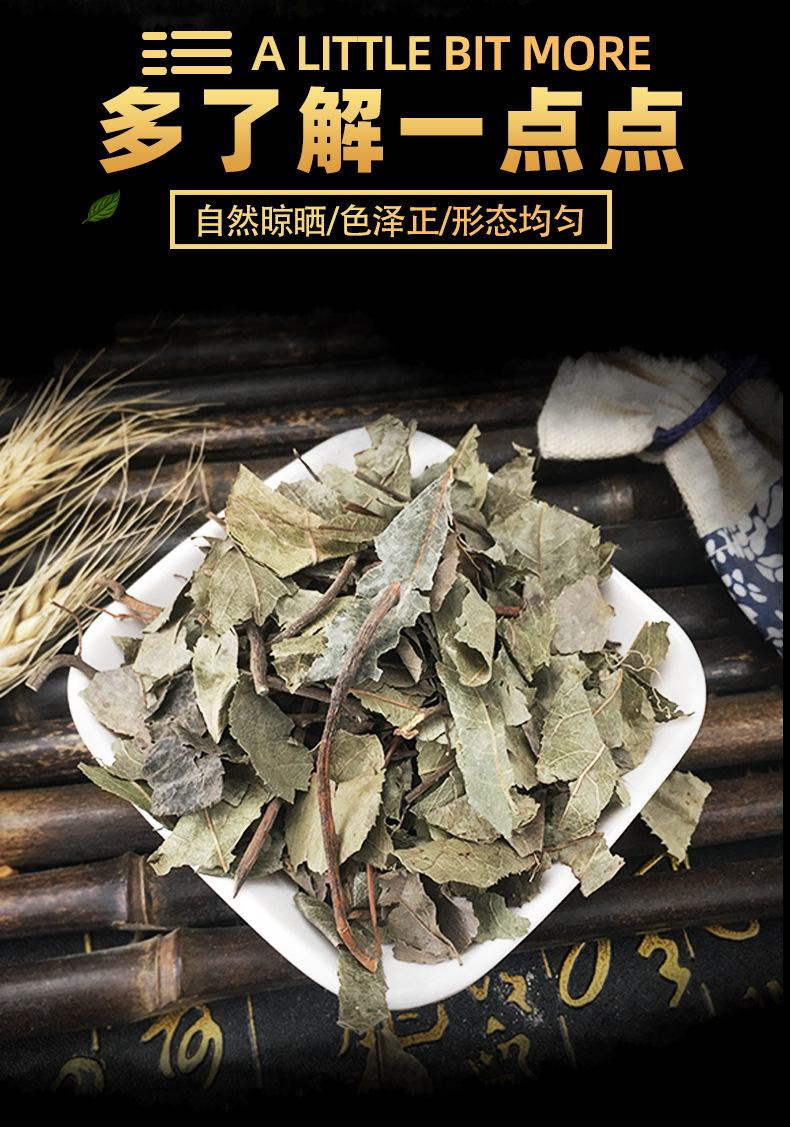
- Sun-dried and air-dried processing preserves the natural botanical character
- Traditionally associated with the lung and liver channels in TCM theory
- Suitable for decoction and traditional herbal preparations
Quality & Sensory
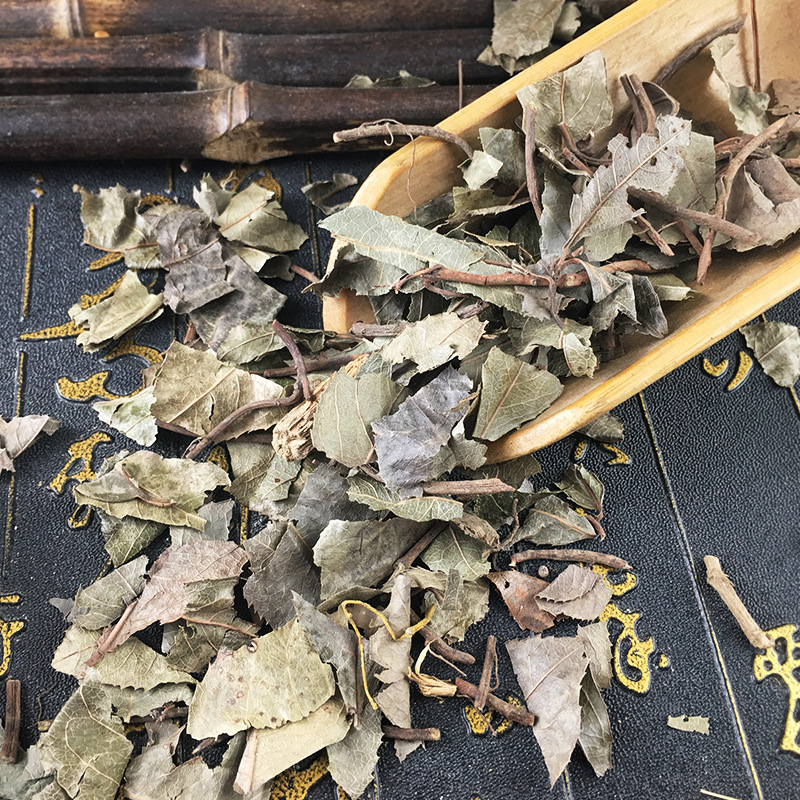
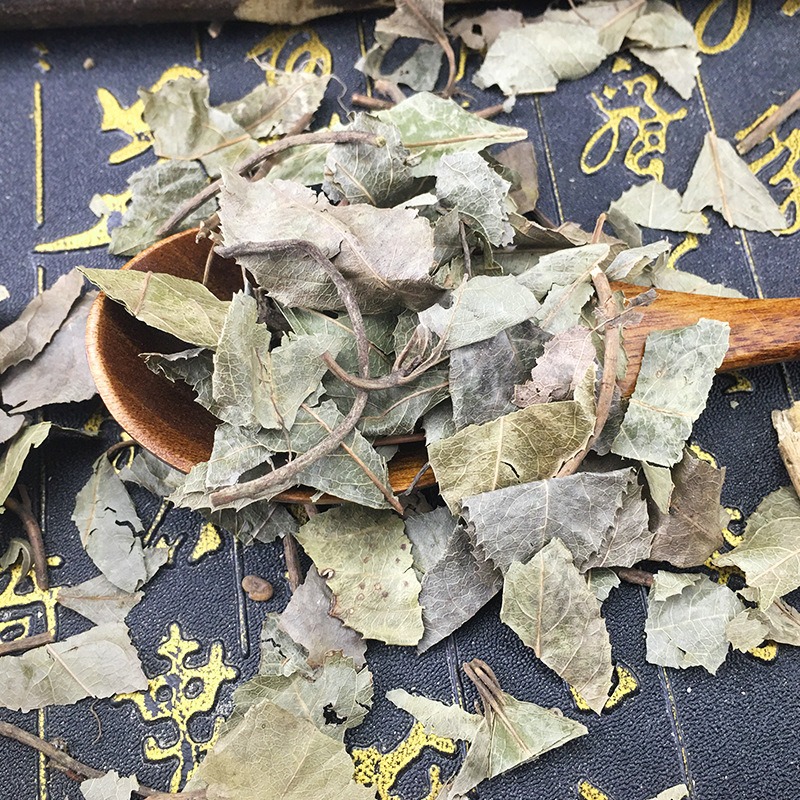
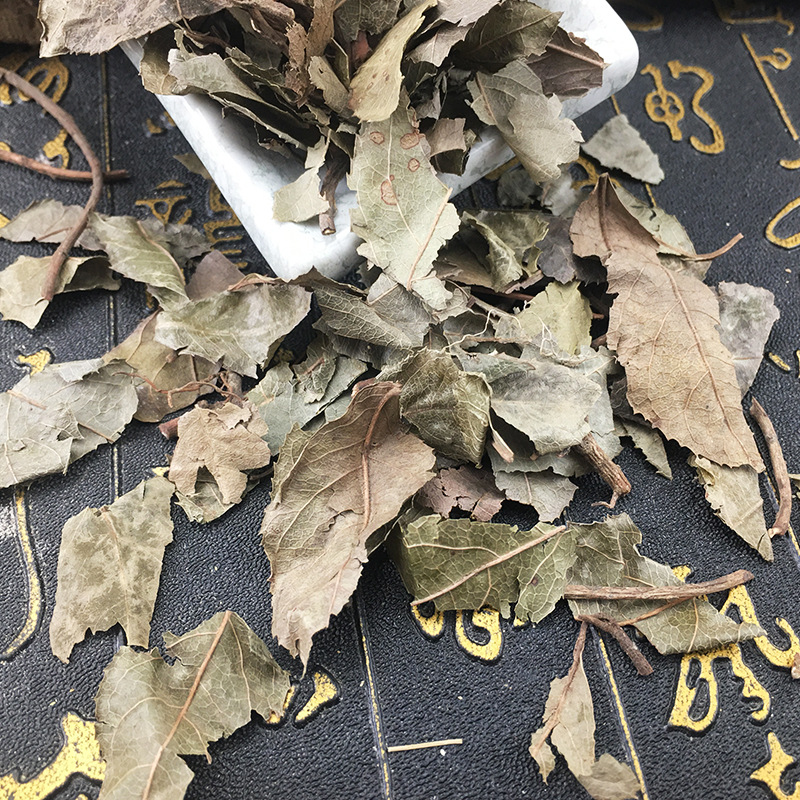
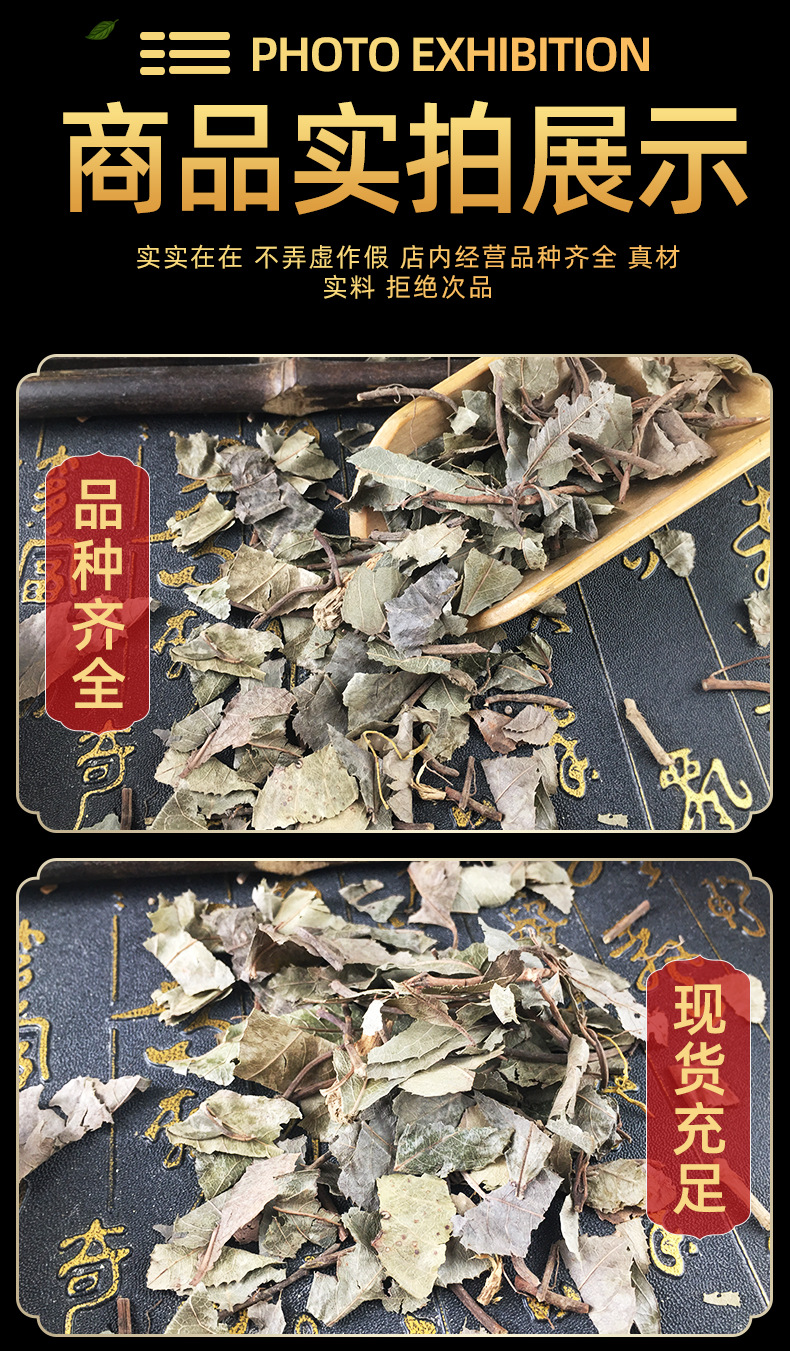
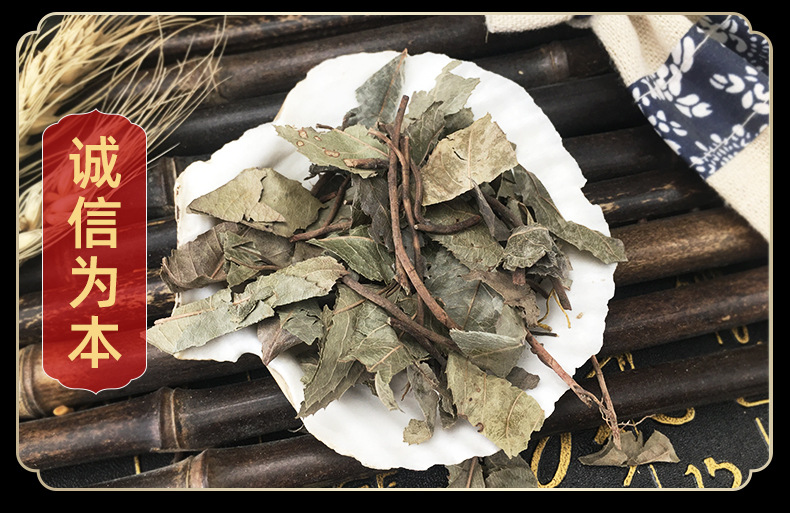
The dried herb typically shows slender stems with dark green to brownish leaves and a dry, brittle texture. It carries a mild herbal aroma, and a prepared decoction typically tastes bitter and slightly acrid.

Technical Specifications
| Product Type | Raw dried herb |
|---|---|
| Chinese Name | 平地木 |
| Pinyin | Ping Di Mu |
| Botanical Name | Ardisia japonica |
| Plant Part | Whole herb |
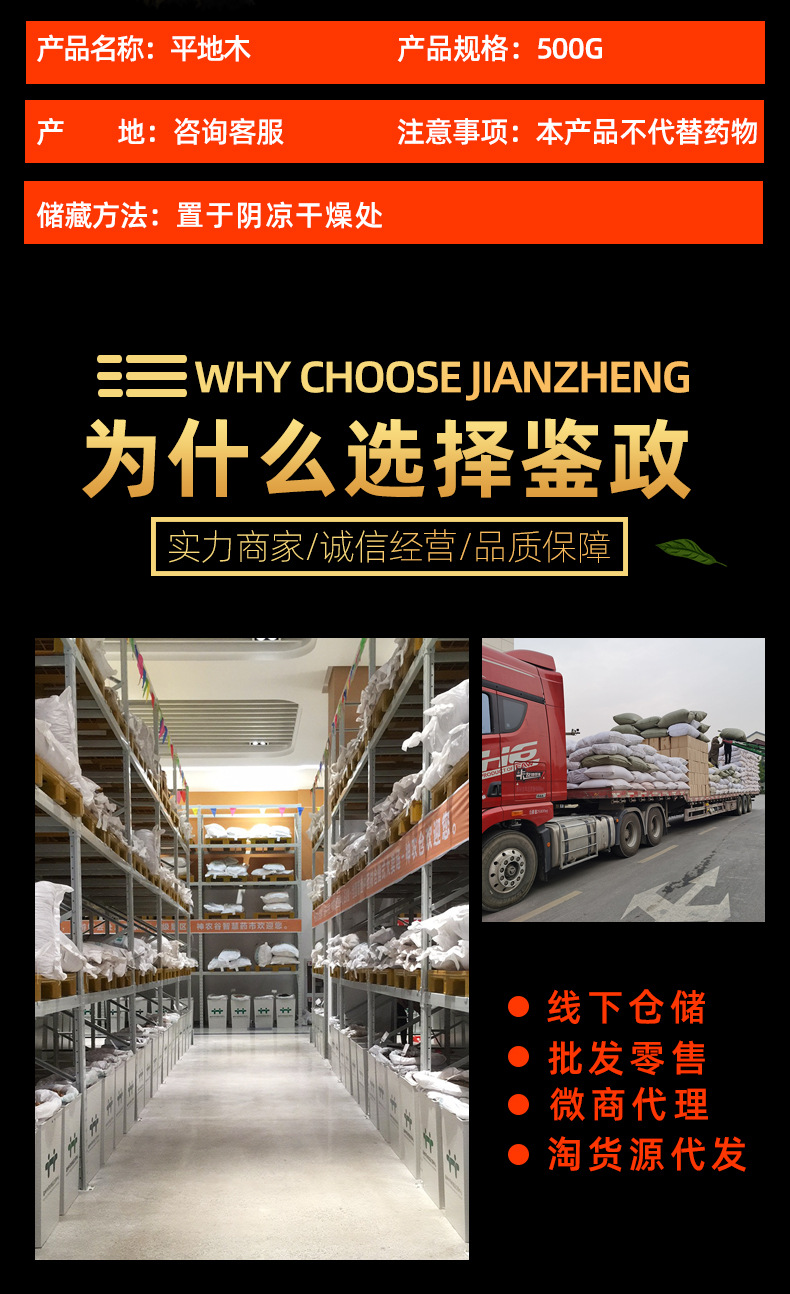
| Net Weight | 1 kg |
Usage Scenarios
- Simmered into traditional herbal decoctions
- Blended into custom herbal formulas at home
- Prepared as a traditional herbal tea infusion
- Used in seasonal folk herbal preparations
Traditional Uses
In TCM theory, Ping Di Mu is traditionally associated with resolving phlegm and supporting comfortable breathing, and it has long appeared in folk herbal practice for seasonal respiratory wellness. It is traditionally simmered alone or combined with other herbs such as loquat leaf or platycodon in decoctions. Consult a qualified practitioner before use.
FAQ Q&A
Q: What is this product?
A: It is the whole dried herb Ardisia japonica, known in TCM as Ping Di Mu (平地木) and also called Ai Di Cha (矮地茶), supplied as a raw edible agricultural product.
Q: What is its traditional value?
A: In TCM theory it is traditionally regarded as bitter and acrid and associated with the lung and liver channels, and it has been used in folk herbal practice for respiratory wellness.
Q: How is it commonly prepared?
A: It is traditionally simmered in water as a decoction, either alone or combined with other herbs, following the guidance of a qualified practitioner.

Additional information
| Weight | 1.1 kg |
|---|---|
| Dimensions | 25 × 18 × 8 cm |
Related products
-
Dried Ginger Root Gan Jiang 500g Bulk Chinese Herb Zingiber officinale Rhizome for Decoction and Culinary Use
$5.90 -
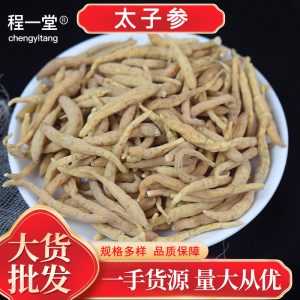
Taizishen Dried Pseudostellaria Root TCM Herbal Tea and Soup Ingredient 500g Bulk Pack
Price range: $10.28 through $15.63 -
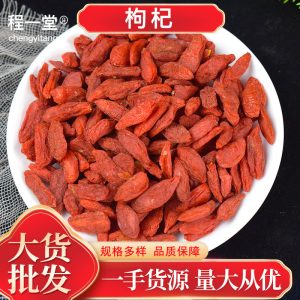
Ningxia Goji Berries Gou Qi Zi 500g Dried Red Wolfberry for Tea Soup and Snacking
Price range: $7.20 through $16.44 -
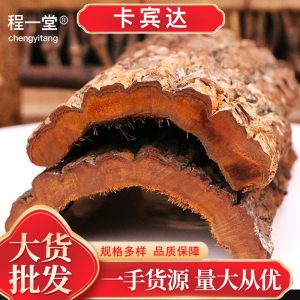
Cabinda Bark Dried Herb 500g Traditional Herbal Infusion Ingredient
Price range: $12.38 through $37.50
Reviews
There are no reviews yet.