
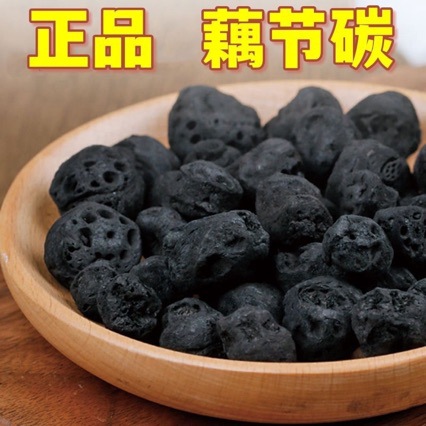
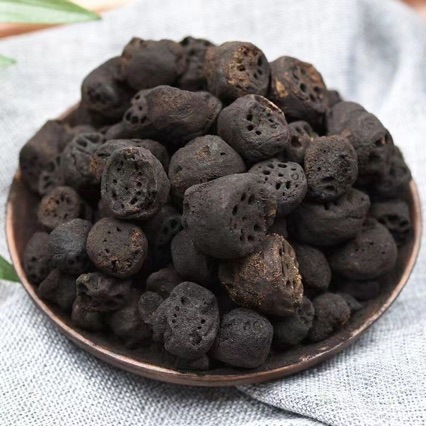
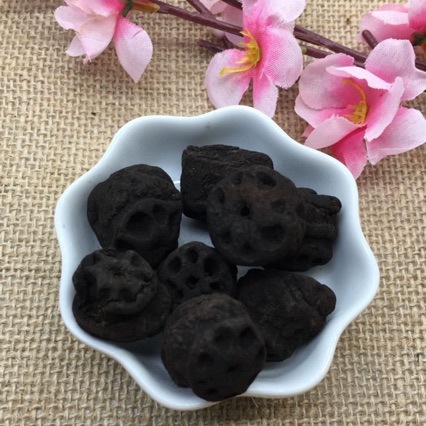
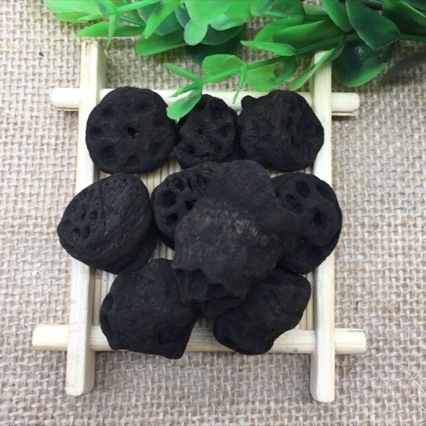
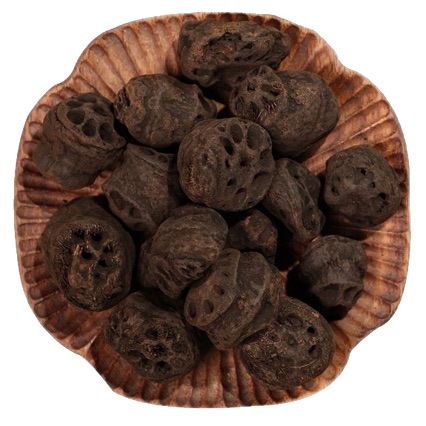
Carbonized Lotus Root Node Oujie Tan Dried Herbal Decoction Pieces 500g
Price range: $6.13 through $52.38
Description
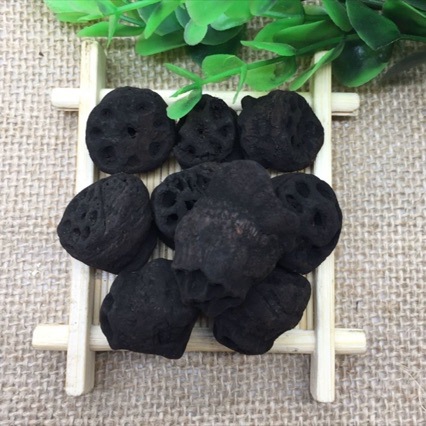
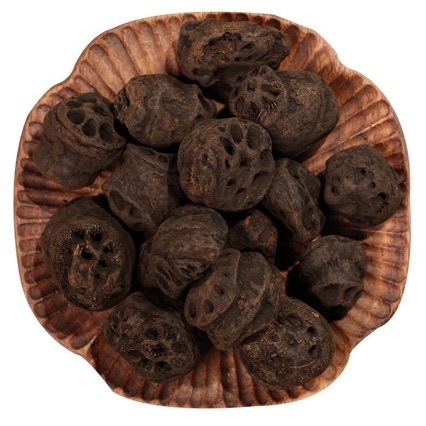
Carbonized Lotus Root Node, known in TCM as Ou Jie Tan (藕节炭), from Nelumbo nucifera, is the charred node of the lotus rhizome. In TCM theory it is traditionally associated with the liver, lung, and stomach channels and is used in decoctions and soups. This dried decoction piece is sold as a food agricultural product and is commonly prepared by simmering with water or adding to nourishing soups.
Key Selling Points
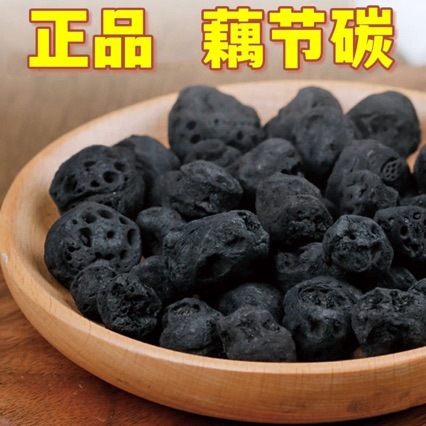
- Identified in TCM as Ou Jie Tan (藕节炭), the carbonized node of Nelumbo nucifera
- Traditional herbal decoction piece used in Chinese herbal practice
- Charred processing gives a dark appearance and mild smoky aroma
- Sold as a 500g net weight food agricultural product
- Can be simmered in water or added to soups and congee
Quality & Sensory
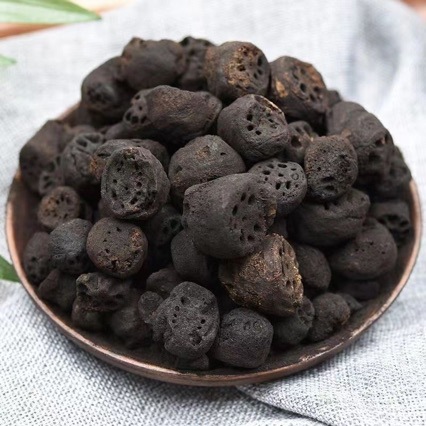
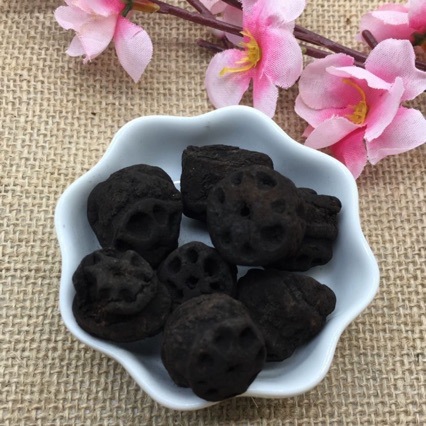
The carbonized nodes are typically dark brown to black with a firm, slightly brittle texture and a mild smoky, earthy aroma. When decocted, the liquid is typically dark and has a mild, faintly bitter herbal taste. Actual batch color and aroma may vary slightly.
Technical Specifications
| Product Type | Dried herbal decoction piece |
|---|---|
| Chinese Name | 藕节炭 |
| Pinyin | Ou Jie Tan |
| Botanical Name | Nelumbo nucifera |
| Plant Part | Lotus rhizome node |
| Net Weight | 500g |
Usage Scenarios
- Simmered as a single-herb decoction
- Added to traditional herbal soups
- Cooked into congee
- Combined with other decoction pieces in a formula
Traditional Uses
In TCM theory, Ou Jie Tan is traditionally used in decoctions and soups, often paired with other herbs in formulas. It is commonly simmered in water or added to nourishing soups and congee. Traditional preparation typically involves rinsing the pieces and decocting them for a period before straining.
FAQ Q&A
Q: What is this product?
A: It is the carbonized node of the lotus rhizome, known in TCM as Ou Jie Tan (藕节炭), from Nelumbo nucifera.
Q: What is its traditional value?
A: In TCM theory it is traditionally associated with the liver, lung, and stomach channels and is used in herbal decoctions and soups.
Q: How is it commonly prepared?
A: It is typically rinsed and simmered in water as a decoction, or added to soups and congee. Follow traditional preparation guidance or consult a qualified practitioner.
Additional information
| Weight | N/A |
|---|---|
| Dimensions | N/A |
| Model | 藕节碳250克, 藕节碳500克, 藕节碳1000克, 藕节碳10公斤 |
Related products
-
Dried Raspberry Fruit Fu Pen Zi 500g Whole Berries for Herbal Tea and Wine Infusion
Price range: $14.00 through $16.44 -
Dried Ginger Root Gan Jiang 500g Bulk Chinese Herb Zingiber officinale Rhizome for Decoction and Culinary Use
$5.90 -
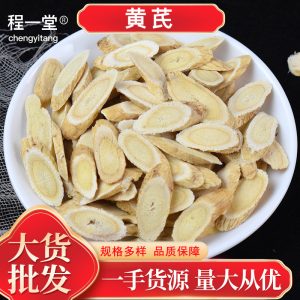
Astragalus Root Slices Huang Qi 斜片 Dried Herb for Decoction Soup and Tea 500g
Price range: $6.06 through $19.51 -
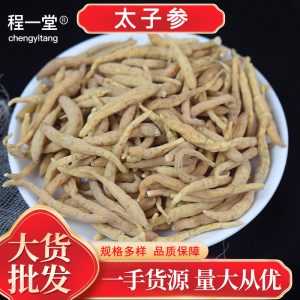
Taizishen Dried Pseudostellaria Root TCM Herbal Tea and Soup Ingredient 500g Bulk Pack
Price range: $10.28 through $15.63
Reviews
There are no reviews yet.