
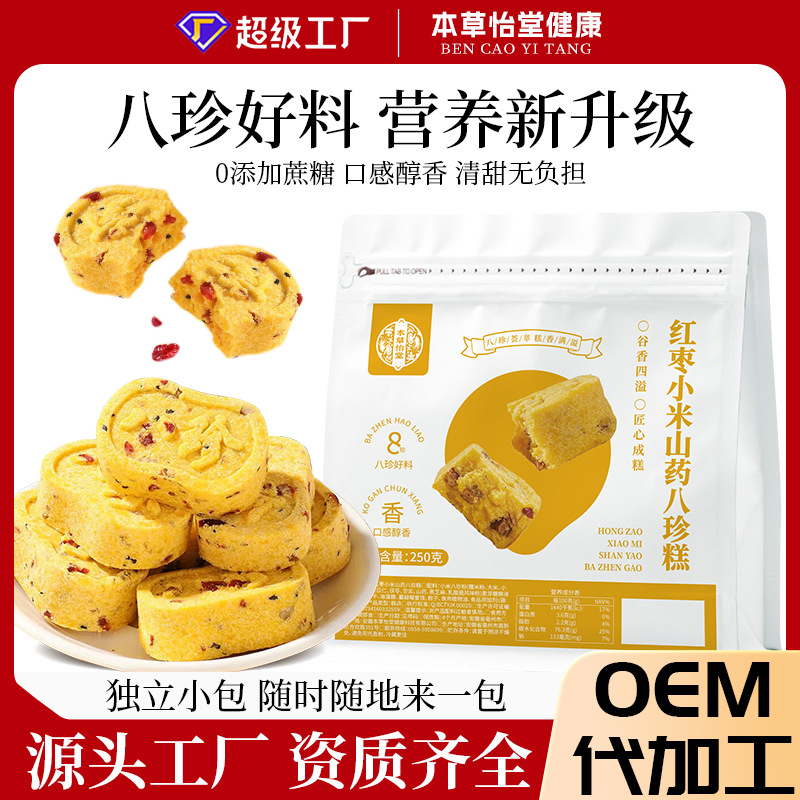
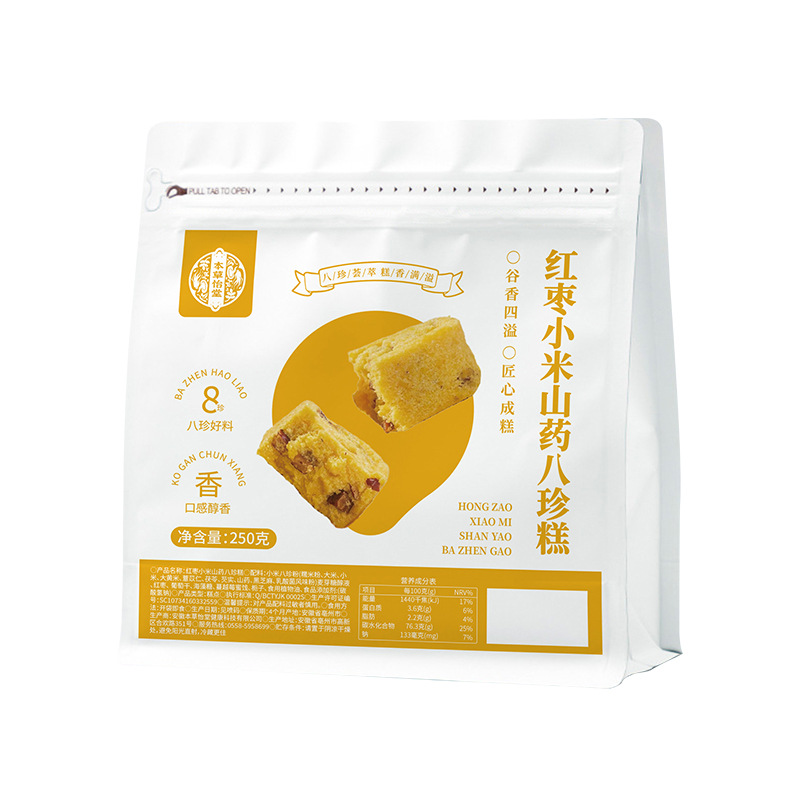
Millet Yam Red Date Eight Treasure Cake with Nuts Poria No Sucrose Black Sesame Herbal Pastry 250g
$5.69
Description
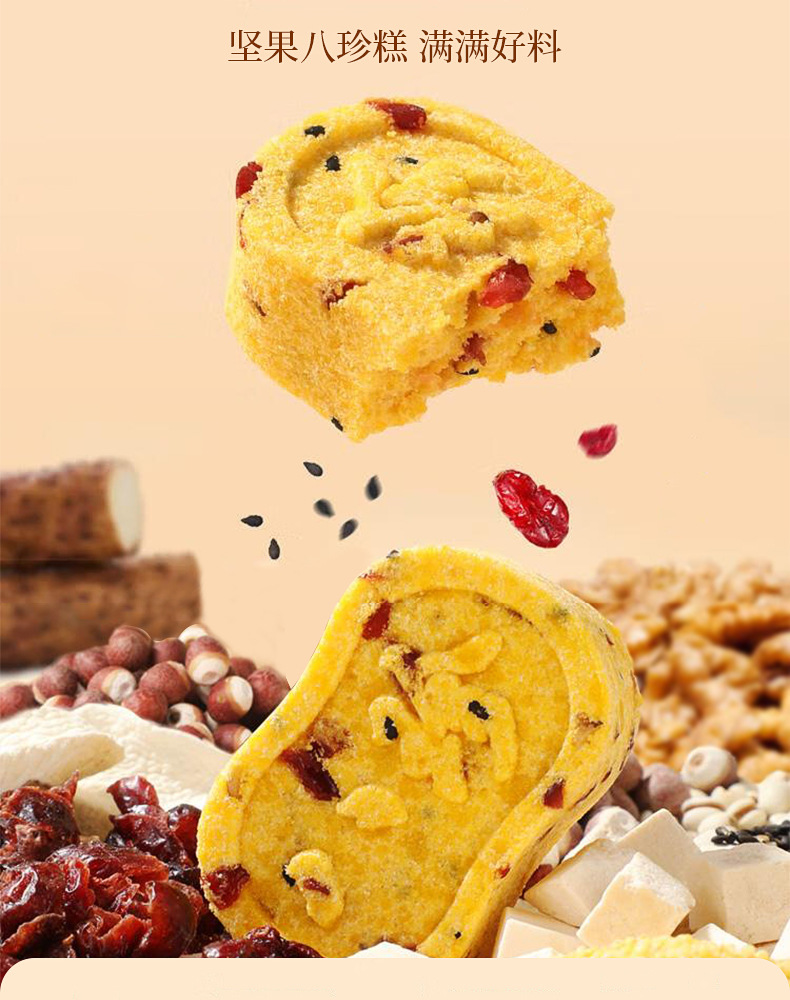
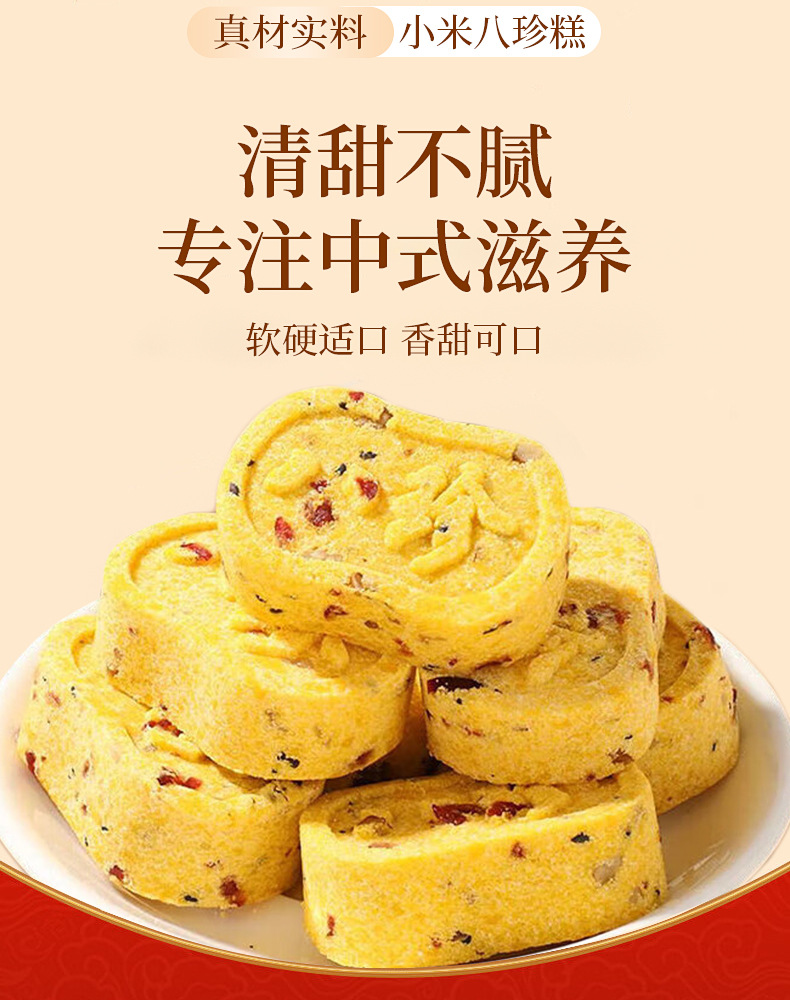
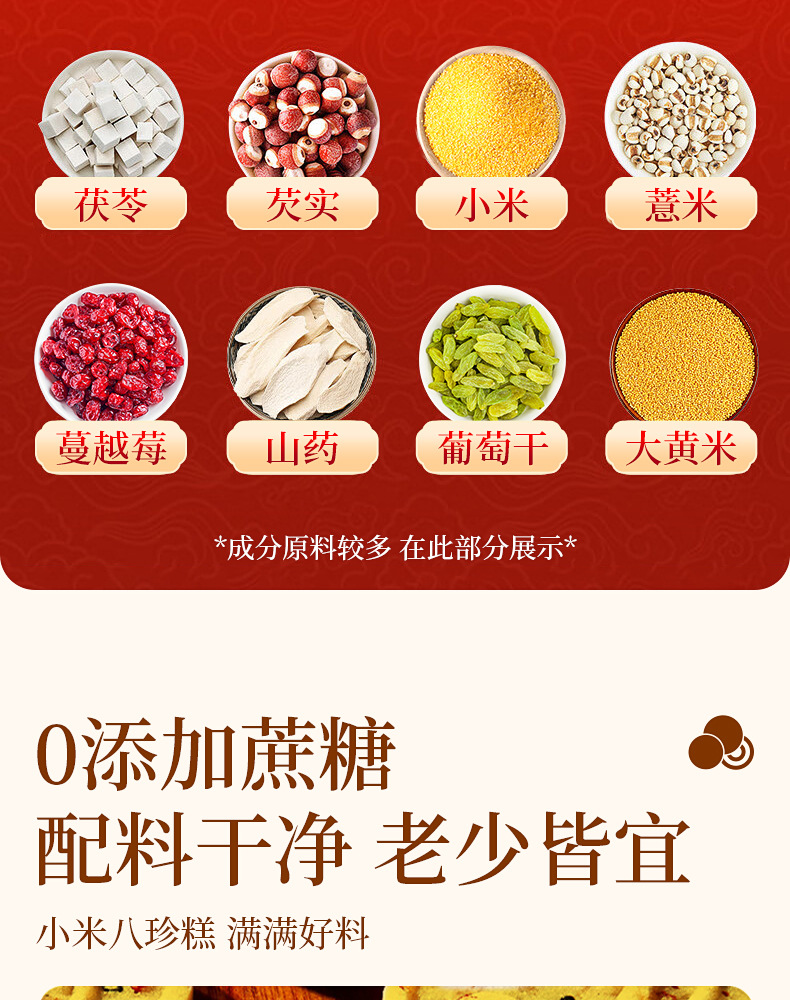
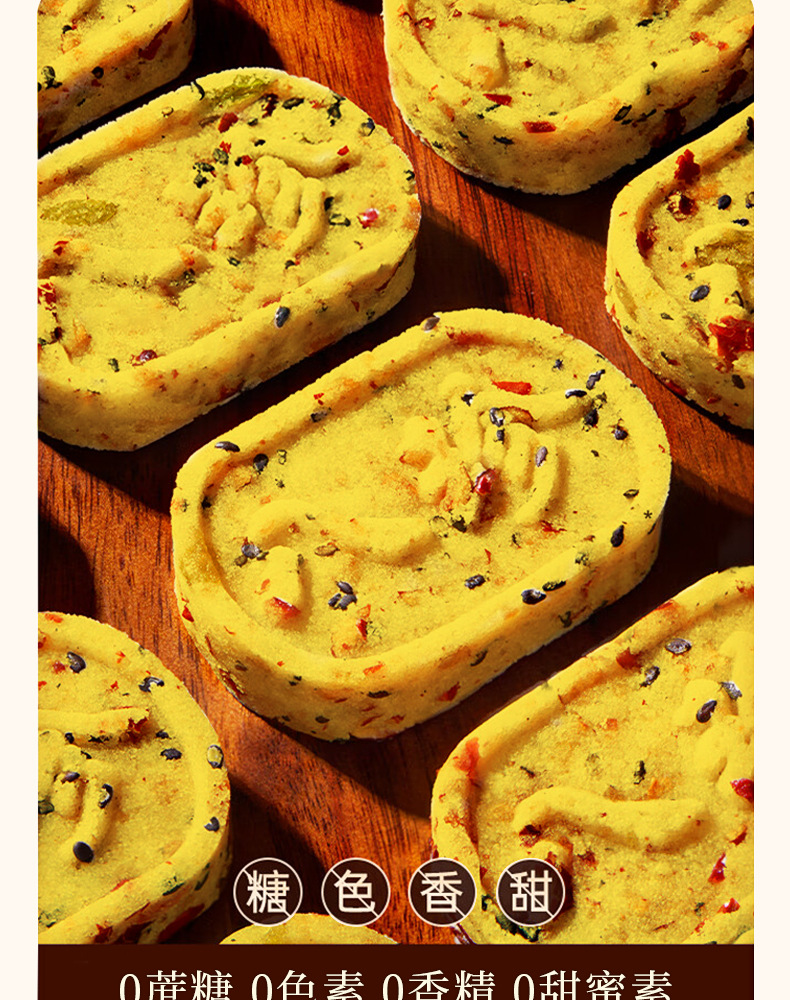
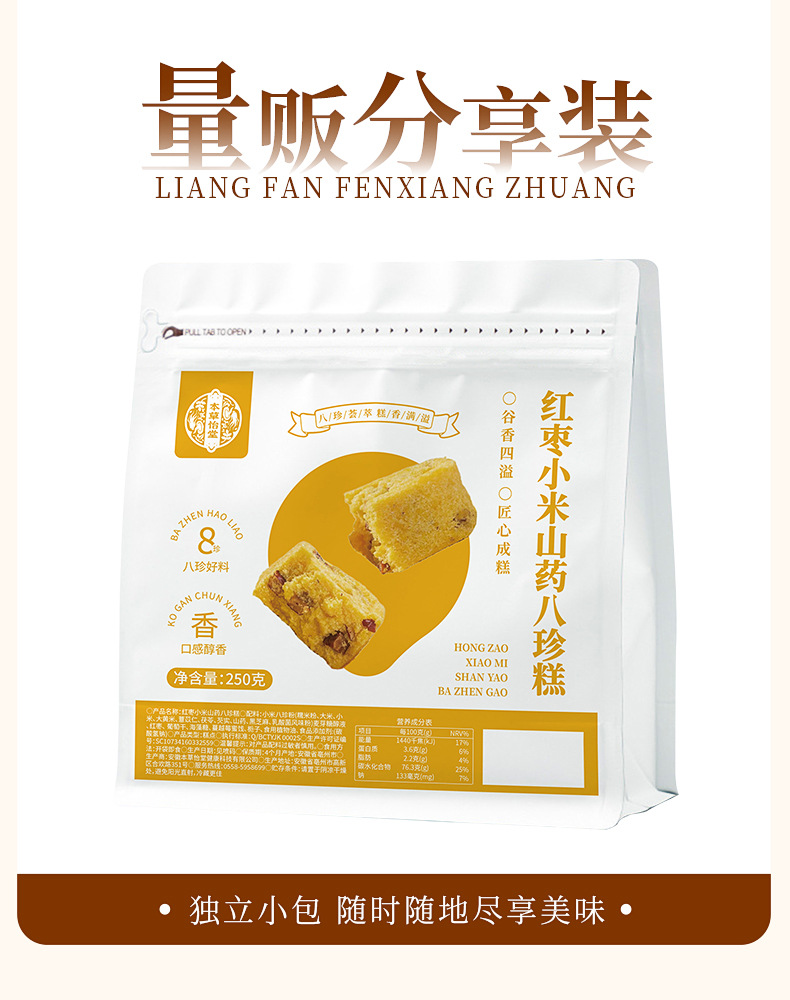
Millet Yam Red Date Eight Treasure Cake, known in TCM as Ba Zhen Gao (八珍糕), is a traditional Chinese herbal pastry made from millet, yam (Shan Yao, 山药), red date, poria (Fu Ling, 茯苓), and black sesame. In TCM theory, these ingredients are traditionally associated with supporting the spleen and stomach. This no-sucrose formula uses maltitol for sweetness and is sealed for freshness. Enjoy as a daily herbal snack with tea.


Key Selling Points
- Traditional eight treasure cake formula with millet yam red date and poria
- No added sucrose sweetened with maltitol
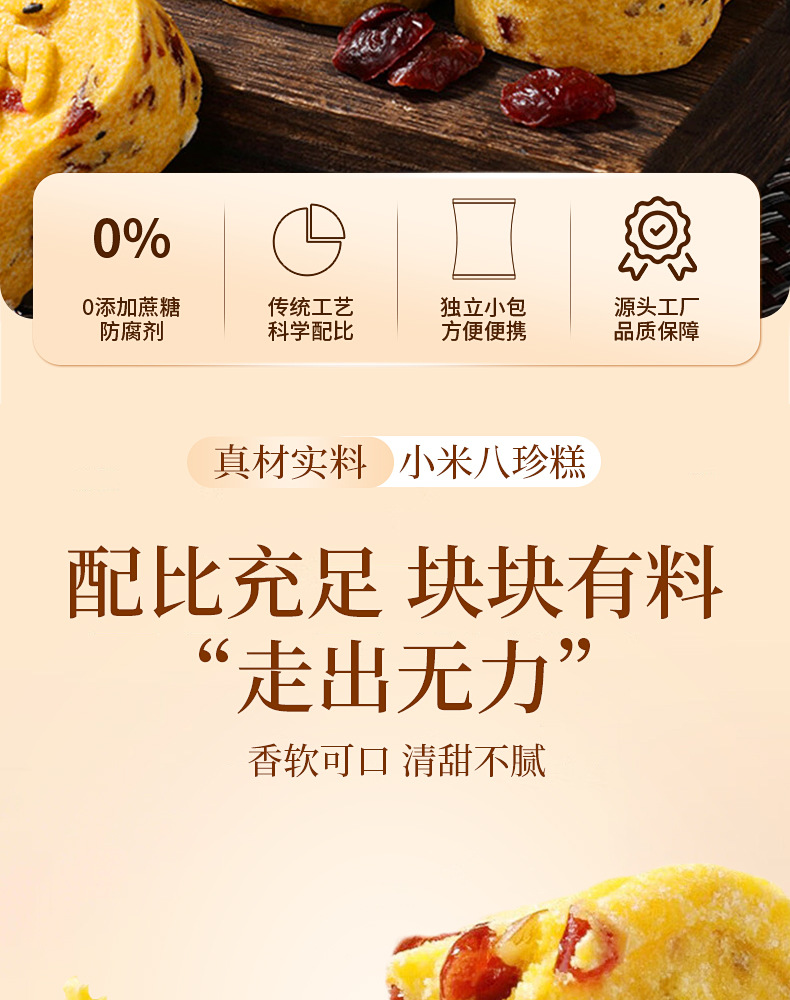
- Includes black sesame and mixed nuts for texture and flavor
- Individually wrapped for convenient daily snacking
- Sealed packaging keeps cake soft and fresh


Quality & Sensory
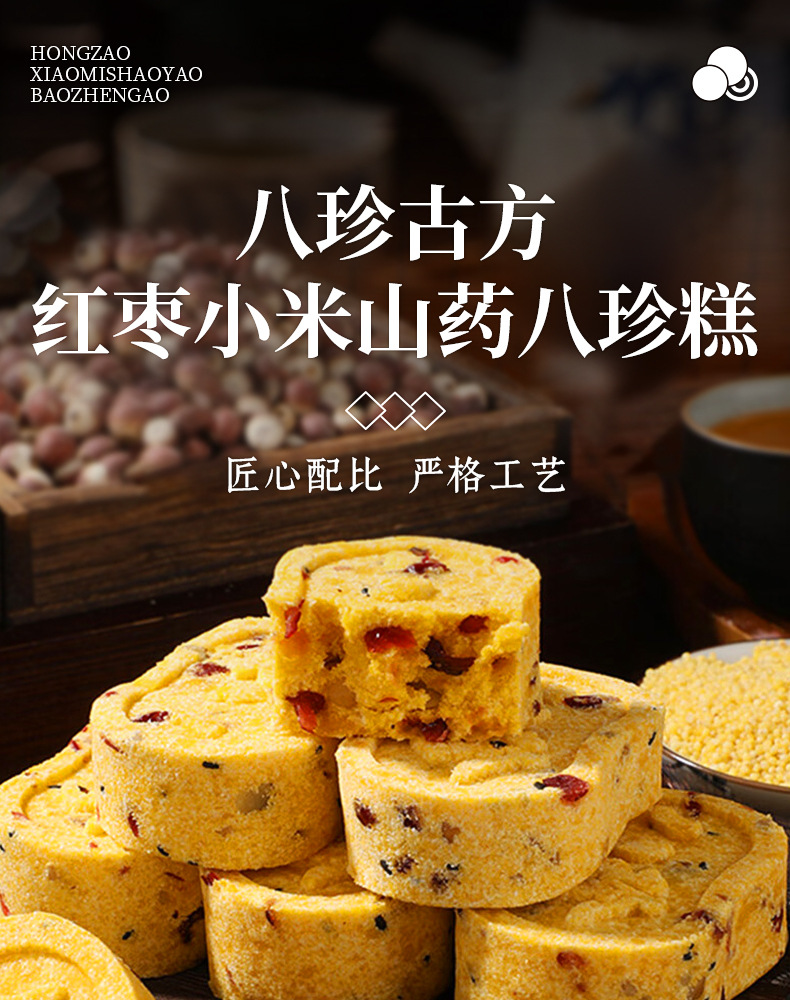
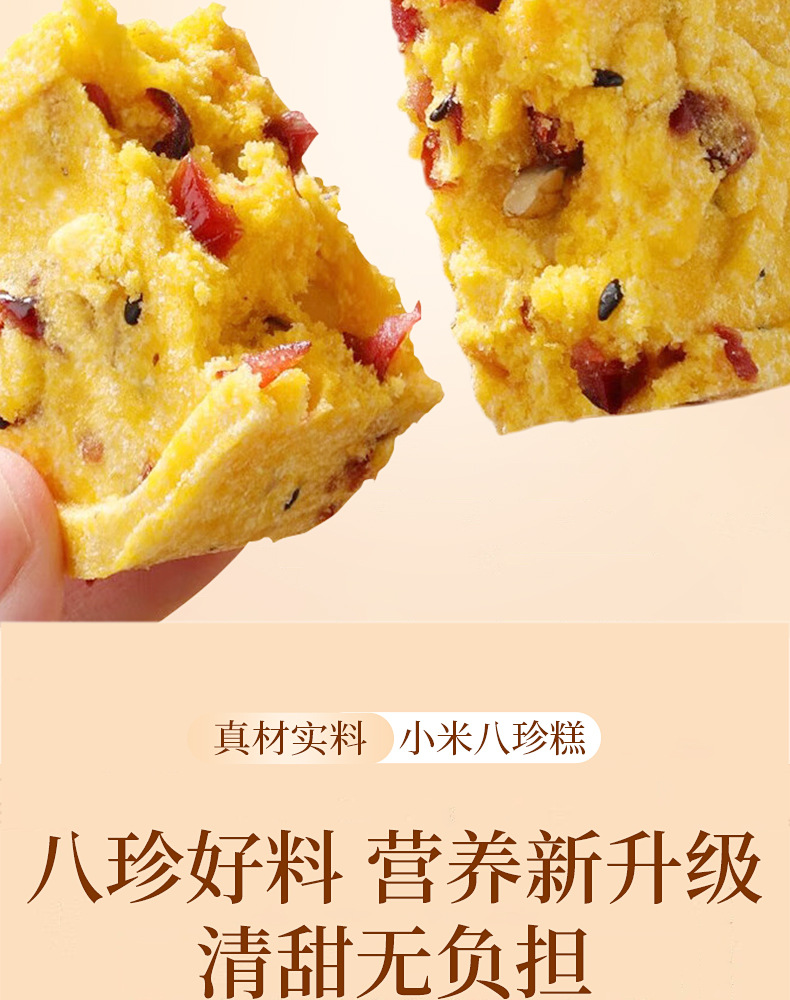
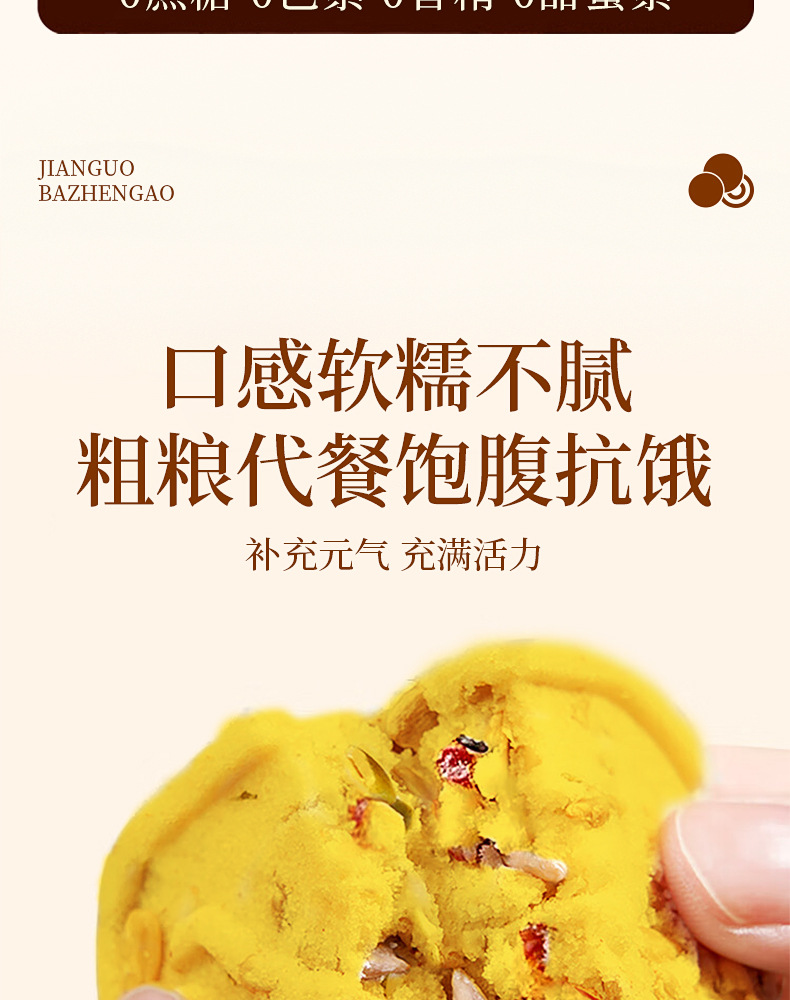
The cake is typically soft and slightly chewy with a gentle sweetness from maltitol and red date. It has a warm golden to dark brown color from millet and black sesame, with a mild nutty aroma. The flavor is lightly sweet and earthy, not cloying, making it pleasant with tea.

Technical Specifications
| Product Type | Traditional herbal pastry |
|---|---|
| Chinese Name | 八珍糕 |
| Pinyin | Ba Zhen Gao |
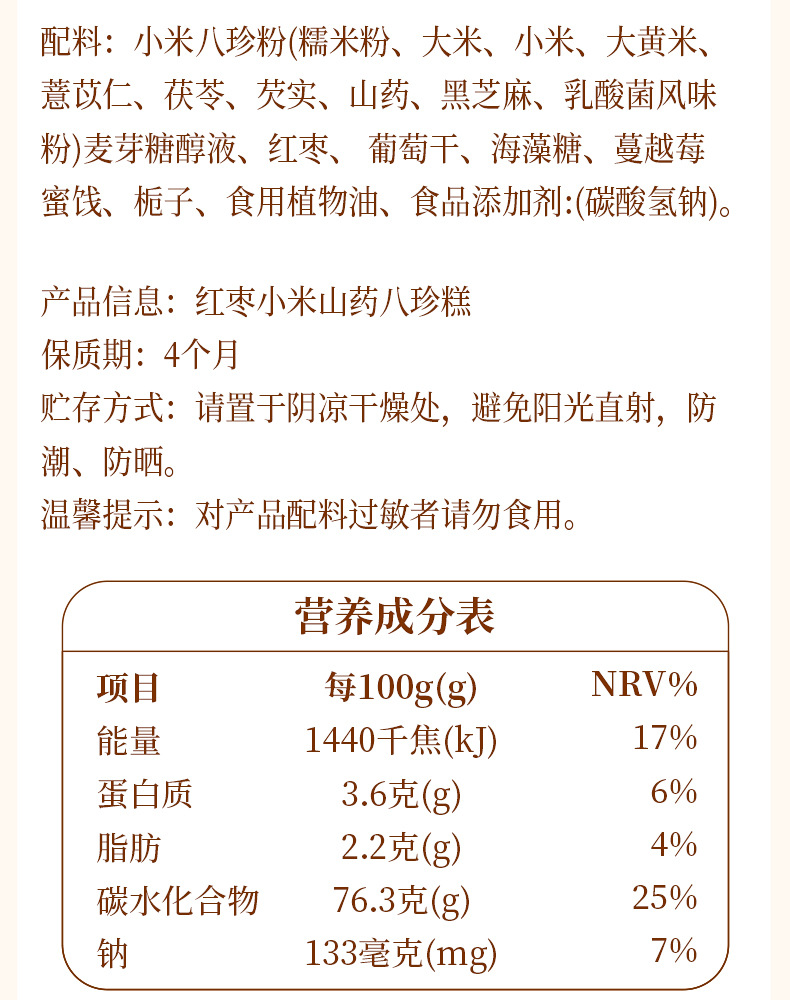
| Main Ingredients | Millet, yam, red date, poria, black sesame, mixed nuts, maltitol |
| Net Weight | 250g |
| Storage | Store sealed in a cool dry place below 25°C |
Usage Scenarios
- Daily snack with tea
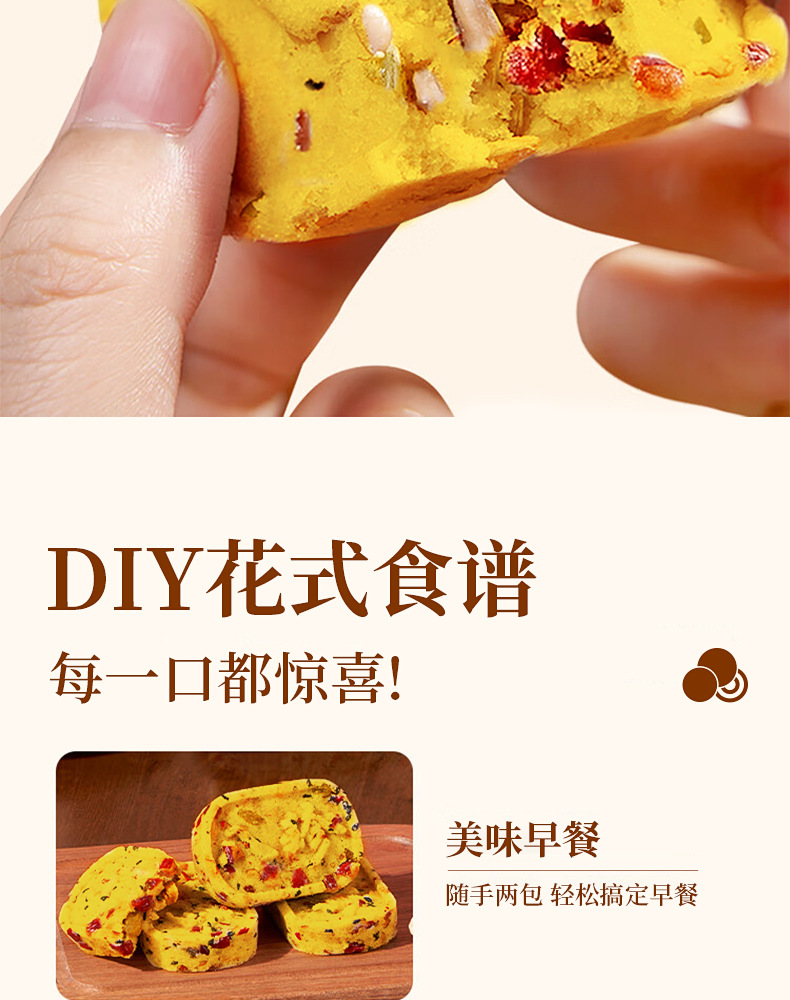
- Breakfast accompaniment
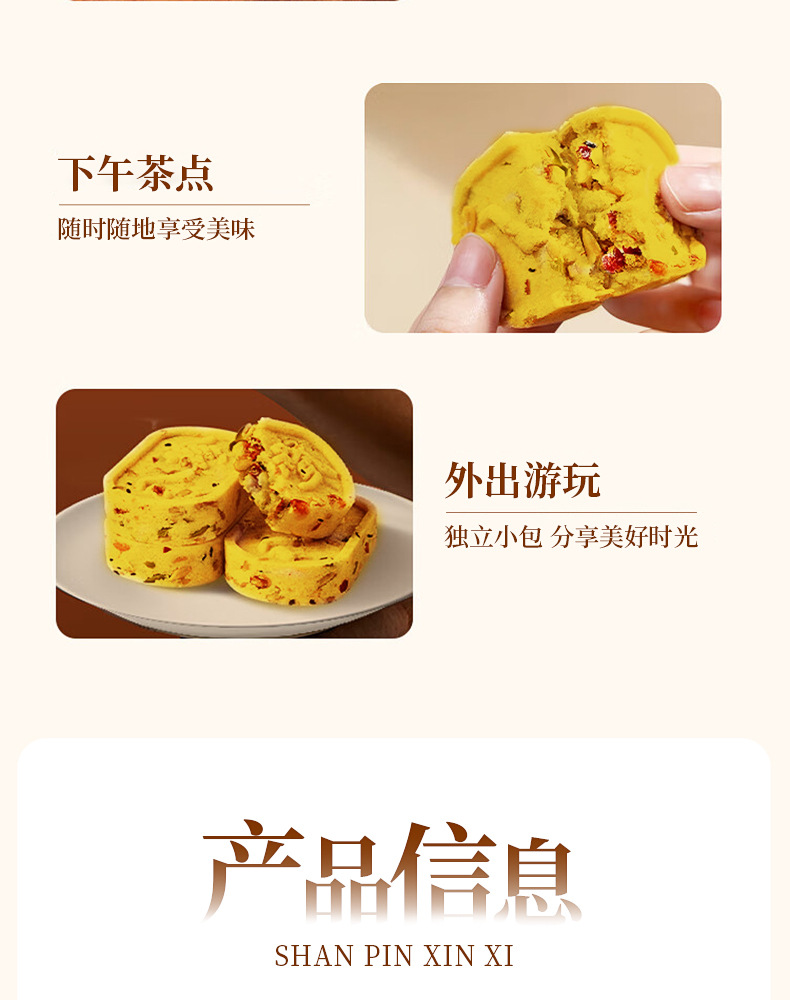
- Afternoon treat
- Travel-friendly snack
- Served to guests
Traditional Uses
In TCM theory, eight treasure cake is traditionally used as a gentle food therapy for supporting the spleen and stomach. It is commonly enjoyed as a daily snack or with tea, especially during seasonal changes. The combination of millet, yam, red date, and poria is traditionally associated with nourishing the middle burner and promoting digestive comfort.
FAQ Q&A
Q: What is this product?
A: It is a traditional Chinese herbal pastry made with millet, yam, red date, poria, and black sesame, sweetened with maltitol instead of sucrose.
Q: What is its traditional value?
A: In TCM theory, it is traditionally associated with supporting the spleen and stomach and is enjoyed as a gentle daily food therapy.
Q: How is it commonly used?
A: It is typically eaten as a snack with tea or as a breakfast accompaniment. No specific dosage is required; enjoy in moderation.
Additional information
| Weight | N/A |
|---|---|
| Dimensions | N/A |
| Model | 250克 袋 小米山药红枣八珍糕温度25度以下保存, 250克 袋 红枣山药八珍糕温度25度以下保存, 250克 袋 玫瑰芡实八珍糕温度25度以下保存, 250克 袋 陈皮山药八珍糕温度25度以下保存 |
Related products
-
Fu Shi Herbal Paste 伏湿膏 Ready-to-Eat Tonic Paste with Poria Coix Ophiopogon Honeysuckle 50ml Bottle
Price range: $9.31 through $13.52 -
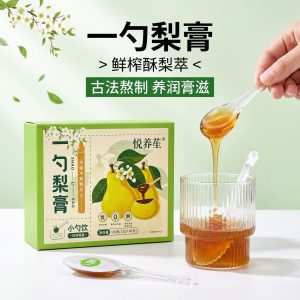
Yishao Pear Paste Loquat Autumn Pear Syrup 130g Box 10 Spoon Packs Traditional Herbal Paste
$4.04 -
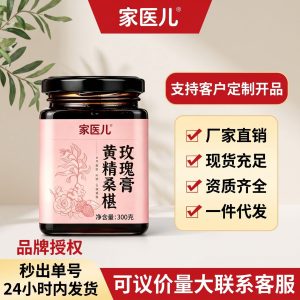
Huang Jing Sang Mei Gao Herbal Paste 300g Traditional Polygonatum Mulberry Rose Blend for Daily Wellness
$4.49 -
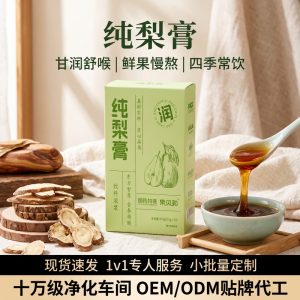
Pure Pear Paste Qiuli Gao 150g Traditional Herbal Syrup Stick Packs for Soothing Daily Wellness
$4.12
Reviews
There are no reviews yet.