
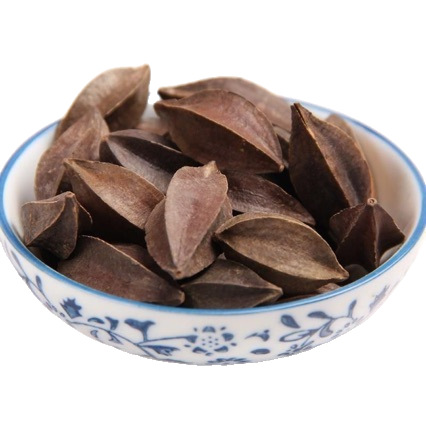
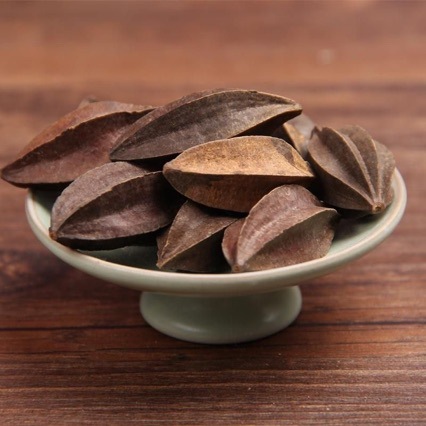
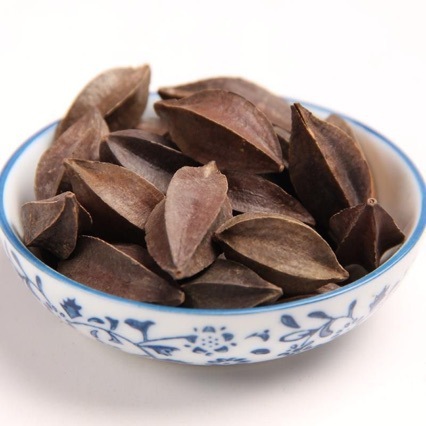
Dried Rangoon Creeper Fruit Seed Kernel Shi Jun Zi Traditional Herbal Decoction Pieces 500g
Price range: $6.34 through $10.30
Description
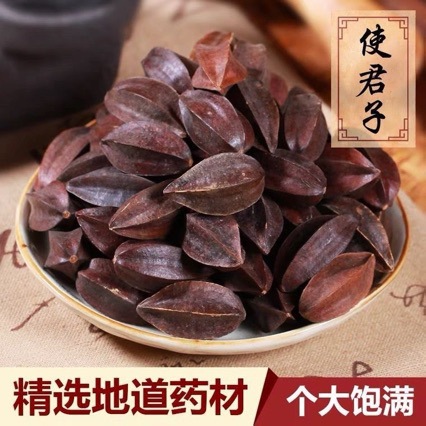
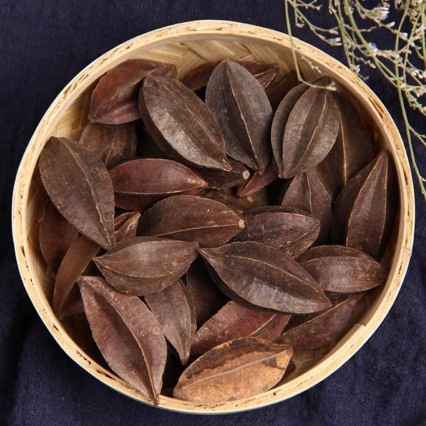
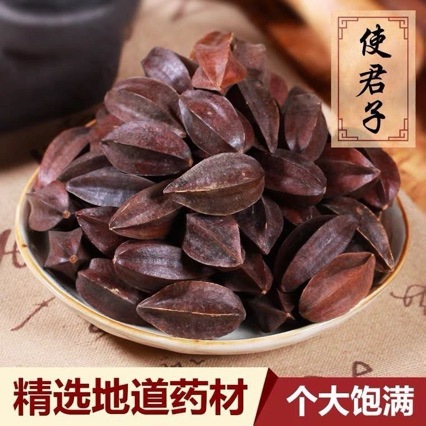
Dried Rangoon Creeper Fruit Seed Kernel, known in TCM as Shi Jun Zi (使君子), from Quisqualis indica. This naturally sun-dried seed kernel is a traditional Chinese herbal decoction piece valued in TCM theory for its sweet, warm nature and its association with the Spleen and Stomach channels. Traditionally used in gentle herbal formulas and daily decoctions, it is a staple in Chinese herbal wellness practice.
Key Selling Points
- Identified in TCM as Shi Jun Zi (使君子), the seed kernel of Quisqualis indica
- Naturally sun-dried to preserve traditional character and aroma
- Sulfur-free processing for a cleaner herbal product
- Traditional TCM herb associated with the Spleen and Stomach channels
- Sold as raw decoction pieces suitable for home herbal preparation
Quality & Sensory
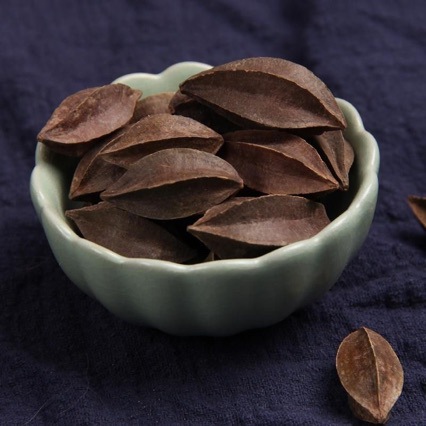
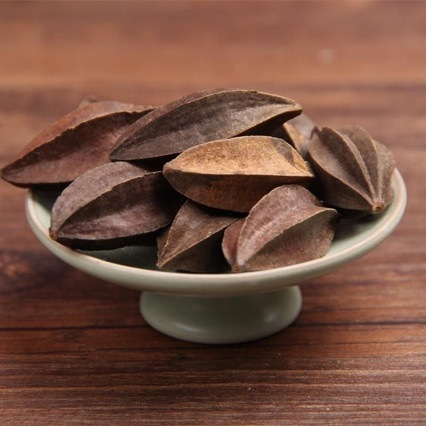
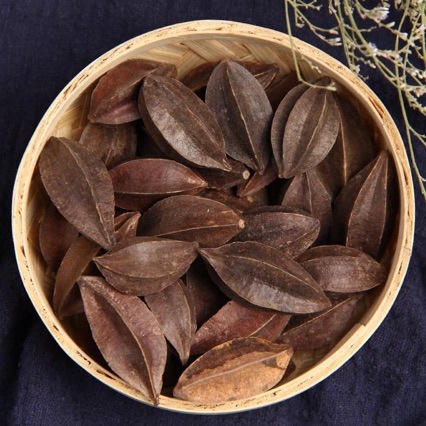
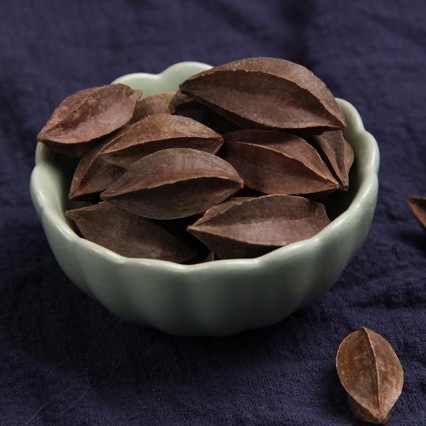
The seed kernels are typically light brown to tan with a firm, slightly oily texture. They have a mild, faintly sweet aroma. When decocted, the liquid is typically pale and lightly sweet with a subtle nutty note. Actual batch color and taste may vary slightly with natural harvest conditions.
Technical Specifications
| Product Type | Dried herbal decoction pieces |
|---|---|
| Chinese Name | 使君子 |
| Pinyin | Shi Jun Zi |
| Botanical Name | Quisqualis indica |
| Plant Part | Seed kernel |
| Net Weight | 500g |
Usage Scenarios
- Traditional herbal decoction
- Herbal tea preparation
- Soup or congee addition
- Seasonal herbal formula
Traditional Uses
In TCM theory, Shi Jun Zi is traditionally used in gentle decoctions and paired with herbs such as hawthorn or malt. It is often prepared by simmering the seed kernels in water, sometimes added to congee or soups. Traditional texts associate it with the Spleen and Stomach channels and describe it as sweet and warm in nature.
FAQ Q&A
Q: What is this product?
A: It is the dried seed kernel of Quisqualis indica, known in TCM as Shi Jun Zi (使君子), sold as raw decoction pieces.
Q: What is its traditional value?
A: In TCM theory, it is considered sweet and warm and is associated with the Spleen and Stomach channels. It is traditionally used in gentle herbal formulas.
Q: How is it commonly prepared?
A: It is typically simmered in water as a decoction, or added to congee and soups. Follow traditional preparation methods or consult a qualified practitioner.
Additional information
| Weight | N/A |
|---|---|
| Dimensions | N/A |
| Model | 使君子250克, 使君子500克, 使君子1000克 |
Related products
-
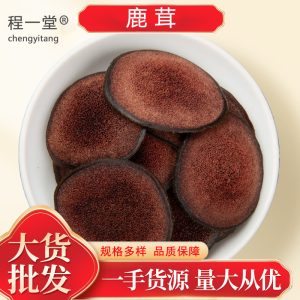
Deer Antler Slices Lu Rong 鹿茸片 Dried Slices for Wine Infusion and Soup 100g Wax Slices Pack
Price range: $68.29 through $92.59 -
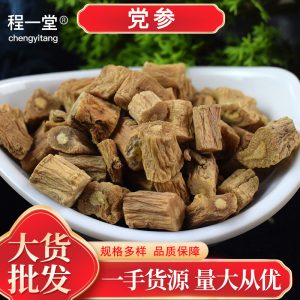
Dried Codonopsis Root Slices Dang Shen 500g Bulk Supply for Soups and Herbal Decoctions
Price range: $10.28 through $18.06 -
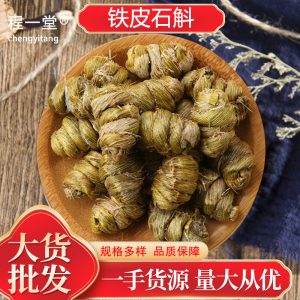
Tie Pi Shi Hu Dried Dendrobium Stems 500g Huoshan Fengdou for Soup and Tea
Price range: $35.88 through $108.80 -
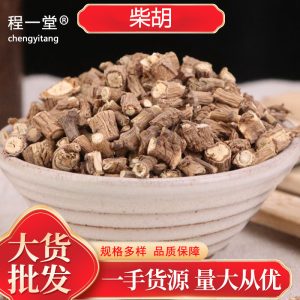
Chai Hu Bupleurum Root Dried Herb 500g Traditional TCM Decoction Herb
Price range: $9.14 through $16.44
Reviews
There are no reviews yet.