
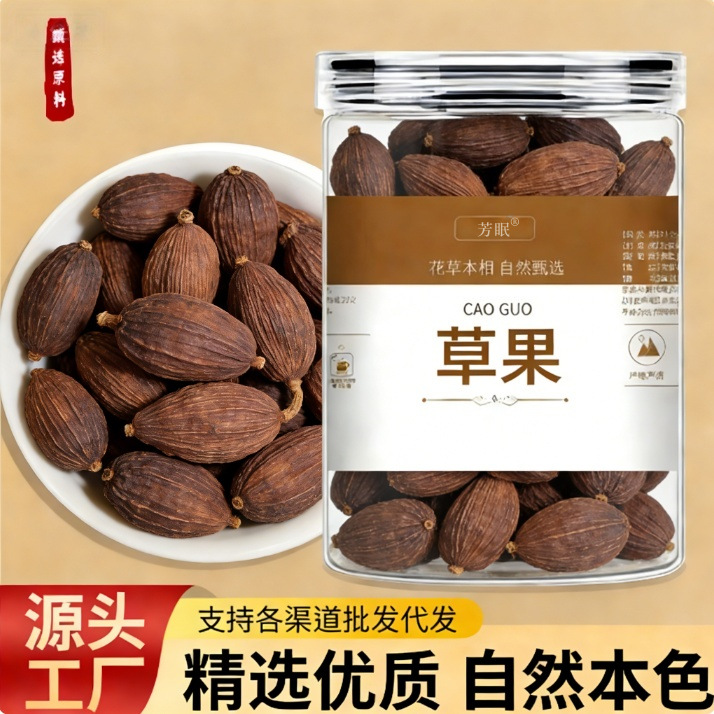
Cao Guo Tsaoko Fruit 100g Bottle Dried Chinese Herbal Spice for Cooking and Decoction
$6.03
116311 in stock
Description
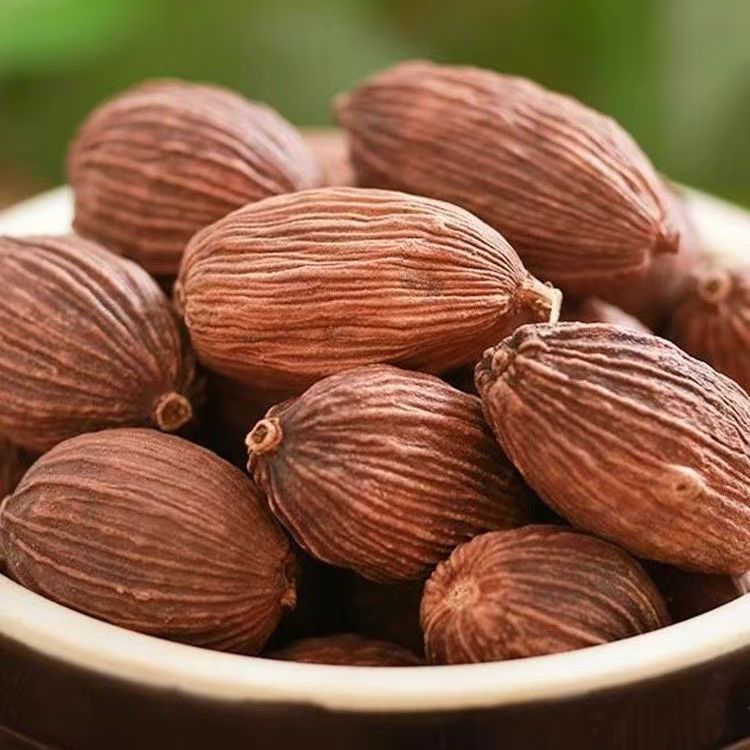
Tsaoko Fruit, known in TCM as Cao Guo (草果), from Amomum tsaoko, is the dried ripe fruit of this aromatic ginger-family plant. Traditionally associated with warming the middle and dispelling dampness, it is a classic culinary spice and herbal ingredient. In TCM theory it is pungent and warm. Store in a cool dry place and use as a food or traditional herbal ingredient.

Key Selling Points
- Dried whole Tsaoko Fruit supplied in a 100g bottle
- Botanical source Amomum tsaoko with Chinese name Cao Guo 草果
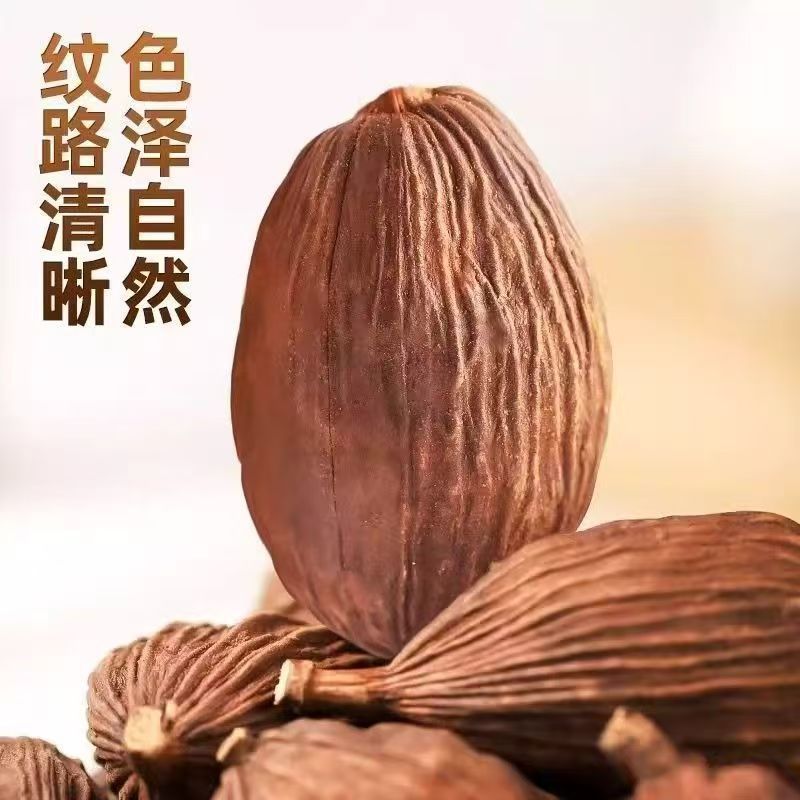
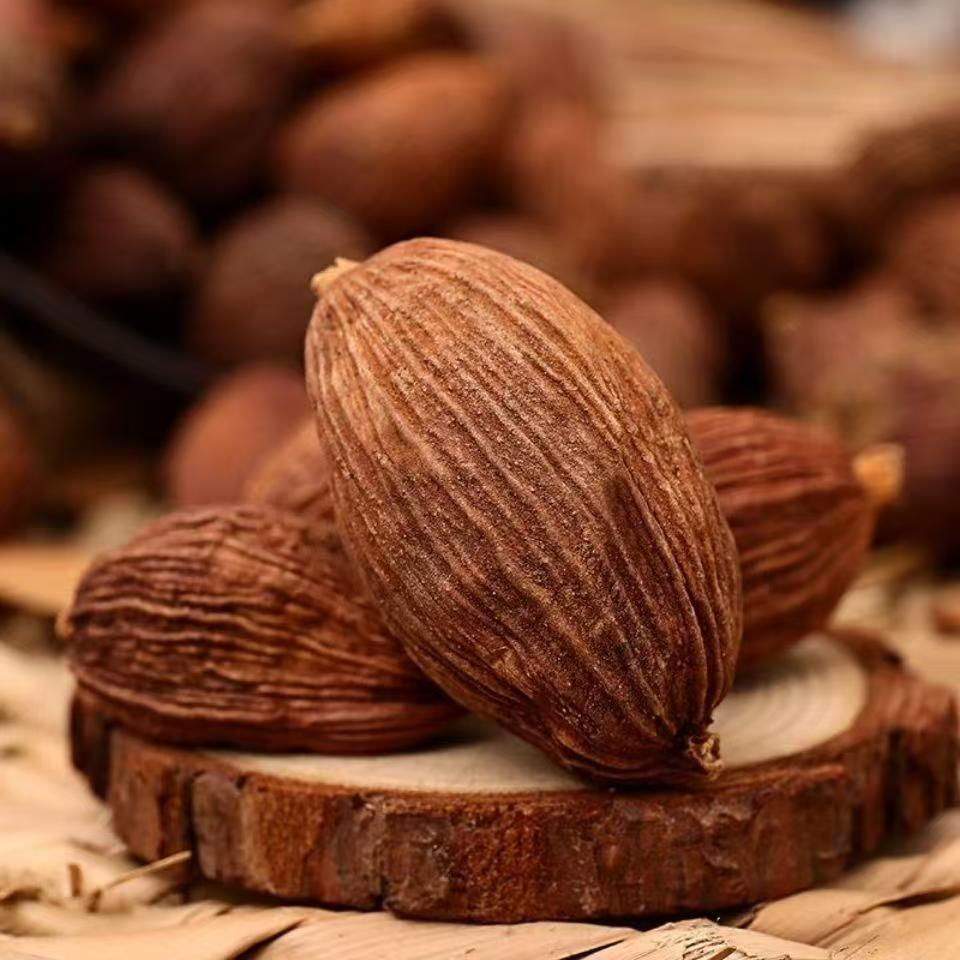
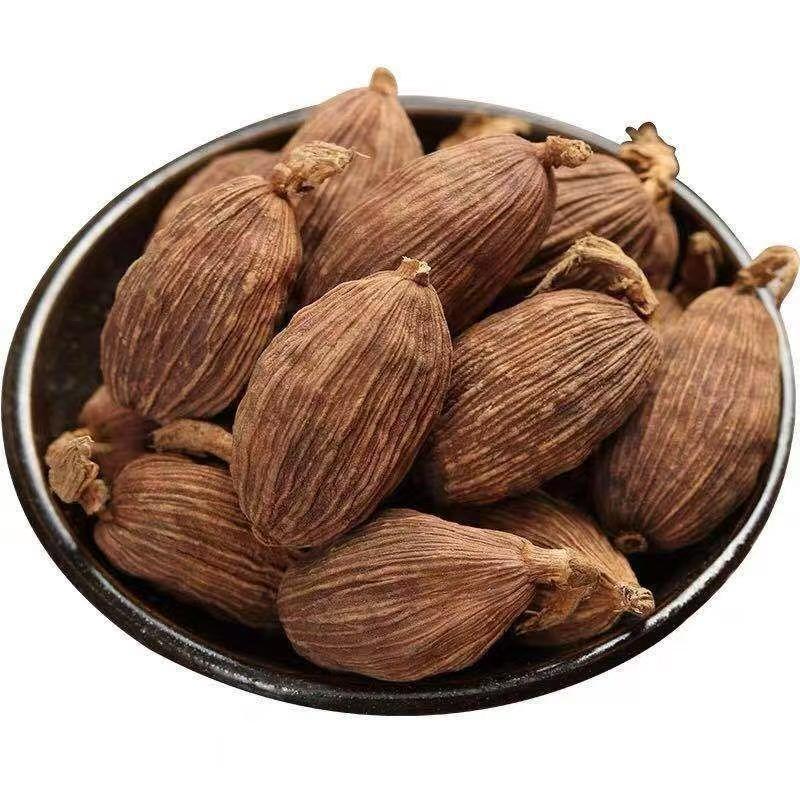
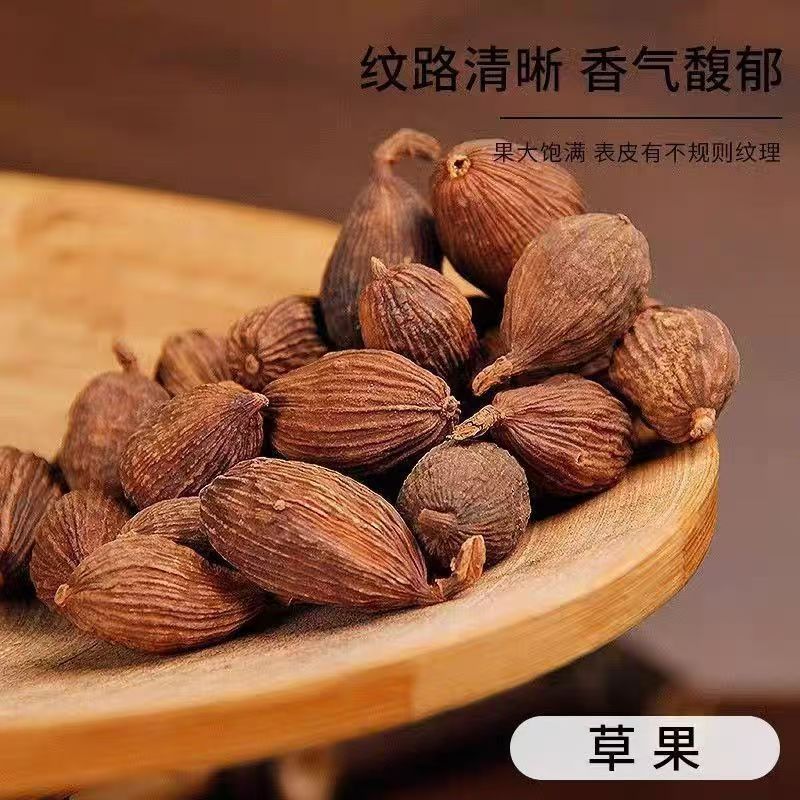
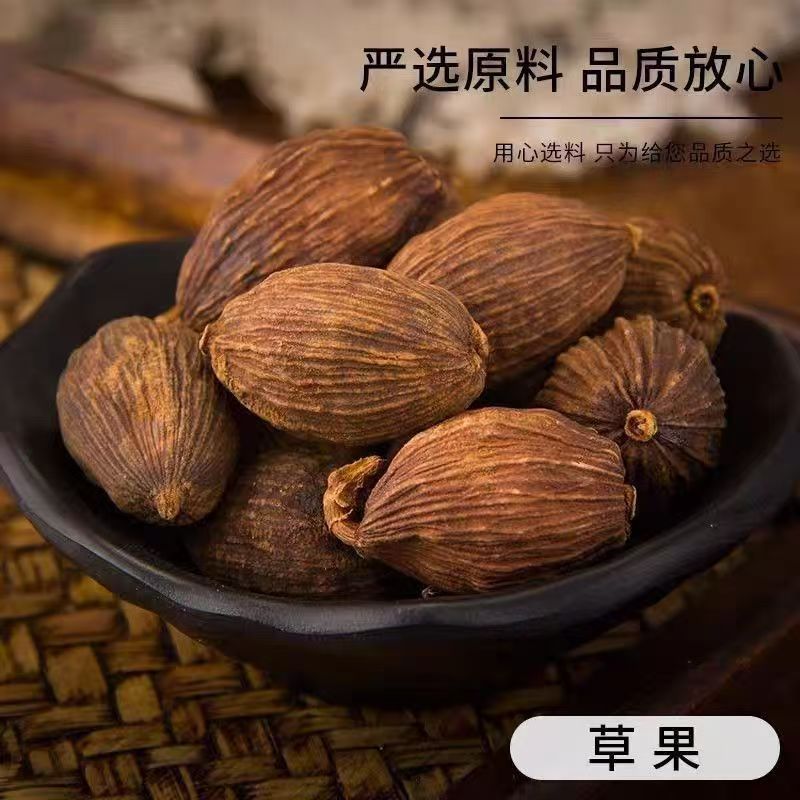
- Sun-dried whole fruit with the characteristic ridged brown shell
- A classic spice for braising, stewing, and slow-cooked dishes
- Traditionally used in TCM to dry dampness and warm the middle
Quality & Sensory
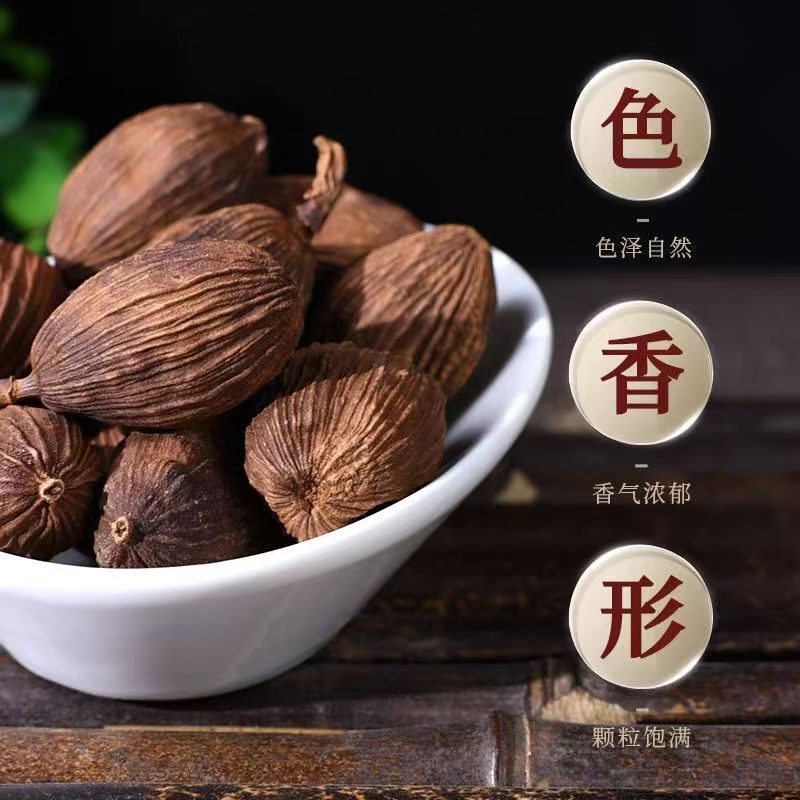
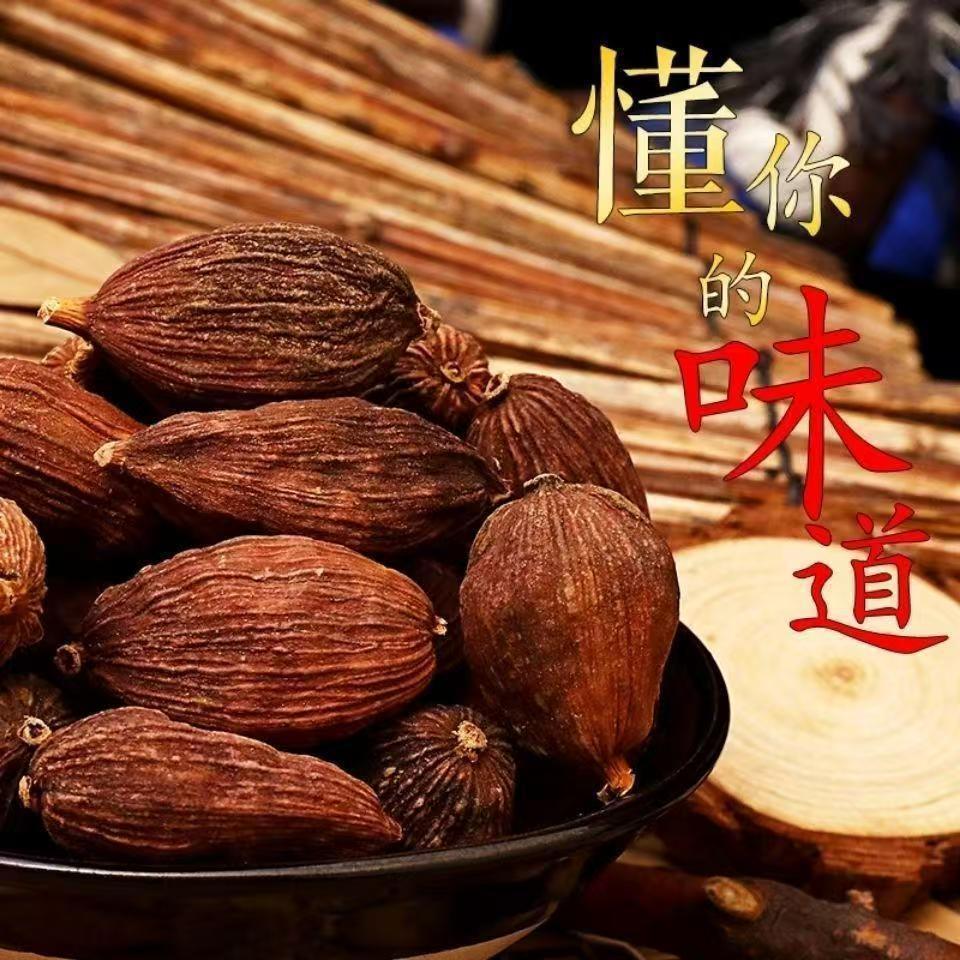
Typically the dried fruits are oblong and ridged, reddish brown to grayish brown, with a firm shell enclosing aromatic seeds. The aroma is warm, spicy, and slightly camphoraceous, and long simmering releases a pungent, resinous flavor.
Technical Specifications
| Product Type | Dried Chinese herbal spice |
|---|---|
| Chinese Name | 草果 |
| Pinyin | Cao Guo |
| Botanical Name | Amomum tsaoko |
| Plant Part | Dried ripe fruit |
| Net Weight | 100g |
Usage Scenarios
- Add whole fruits to braised meats, stews, and hotpot broths
- Simmer in herbal decoctions with other TCM ingredients
- Use in spice blends for marinades and slow-cooked dishes
- Include in congee or soup recipes for traditional flavor

Traditional Uses
In TCM practice, Cao Guo is traditionally used to dry dampness, warm the middle, and relieve food stagnation, and it is often prepared by stir-frying with the shell removed. In the kitchen it is a staple of Sichuan and Yunnan braising spice packs, commonly paired with star anise, cinnamon, and bay leaf for red-braised beef, duck, and mutton dishes.
FAQ Q&A
Q: What is this product?
A: It is 100g of dried whole Tsaoko Fruit (Cao Guo, 草果), the ripe fruit of Amomum tsaoko, sold as a food-grade herbal spice.
Q: What is it traditionally valued for?
A: In TCM theory it is pungent and warm and is traditionally associated with drying dampness and warming the middle. It is also prized as a braising spice.
Q: How is it commonly used?
A: Crack or bruise the fruit and simmer it whole in braises, stews, soups, or decoctions, removing it before serving. It is not a substitute for medicine.
Additional information
| Weight | 0.36 kg |
|---|---|
| Dimensions | 19 × 12 × 12 cm |
Related products
-
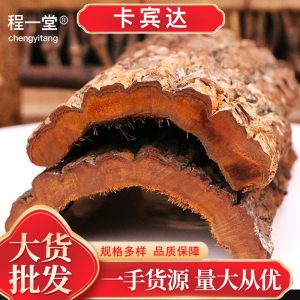
Cabinda Bark Dried Herb 500g Traditional Herbal Infusion Ingredient
Price range: $12.38 through $37.50 -
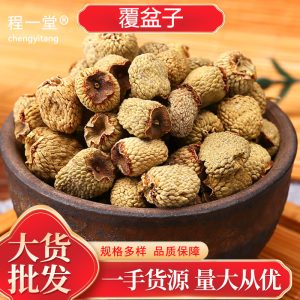
Dried Raspberry Fruit Fu Pen Zi Whole Berries for Herbal Tea and Wine Infusion 500g
Price range: $15.63 through $18.06 -
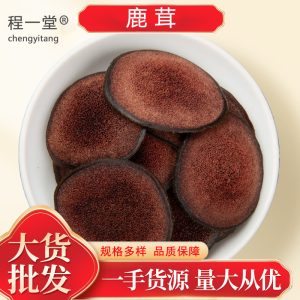
Deer Antler Slices Lu Rong 鹿茸片 Dried Slices for Wine Infusion and Soup 100g Wax Slices Pack
Price range: $68.29 through $92.59 -
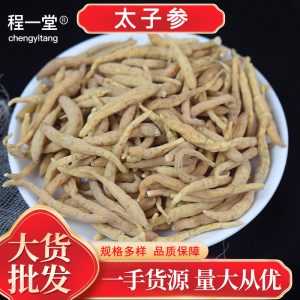
Taizishen Dried Pseudostellaria Root TCM Herbal Tea and Soup Ingredient 500g Bulk Pack
Price range: $10.28 through $15.63
Reviews
There are no reviews yet.