
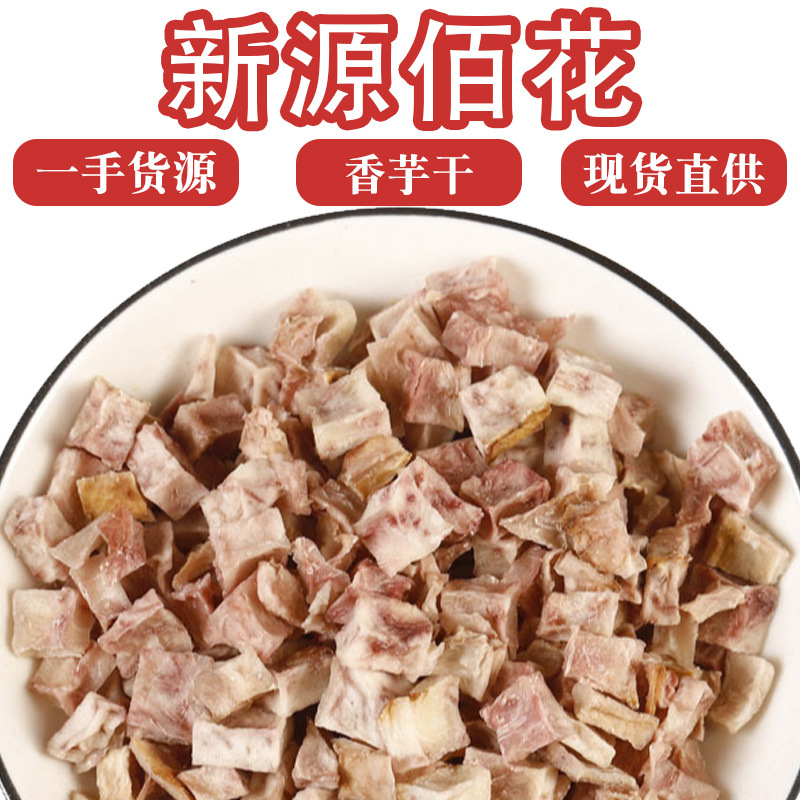
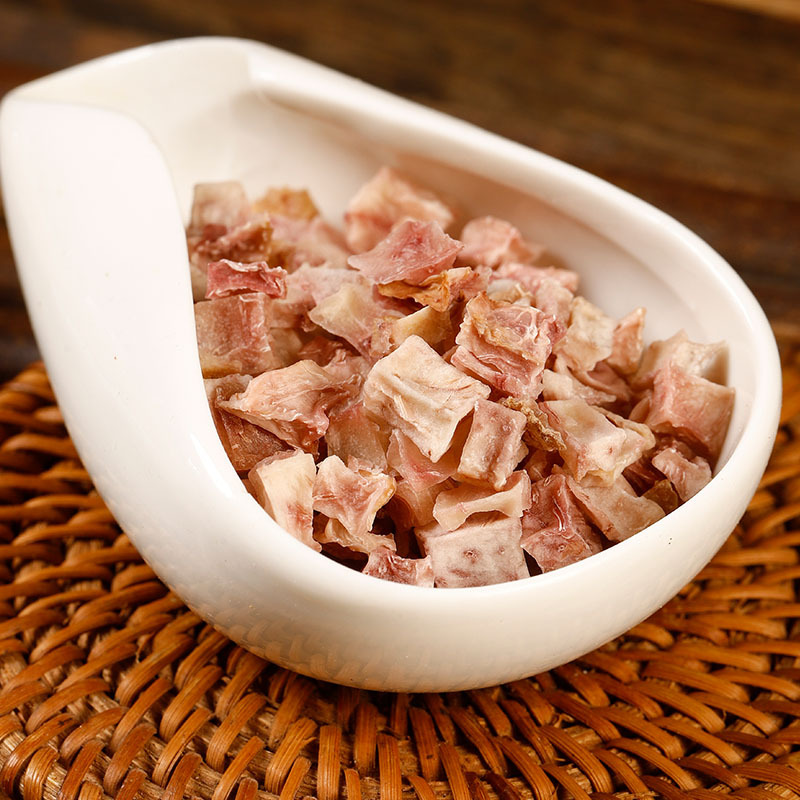
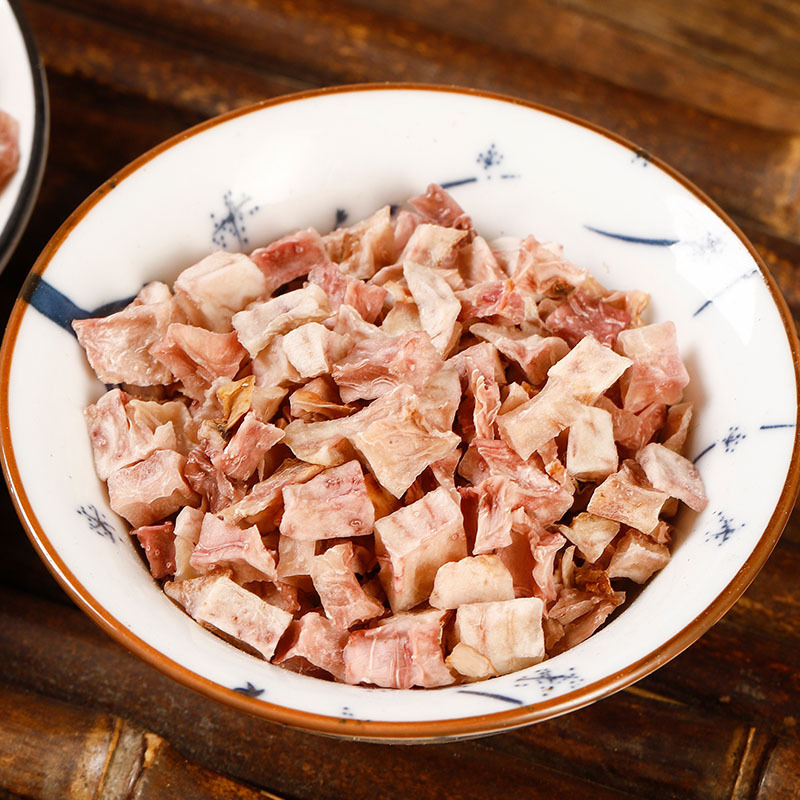
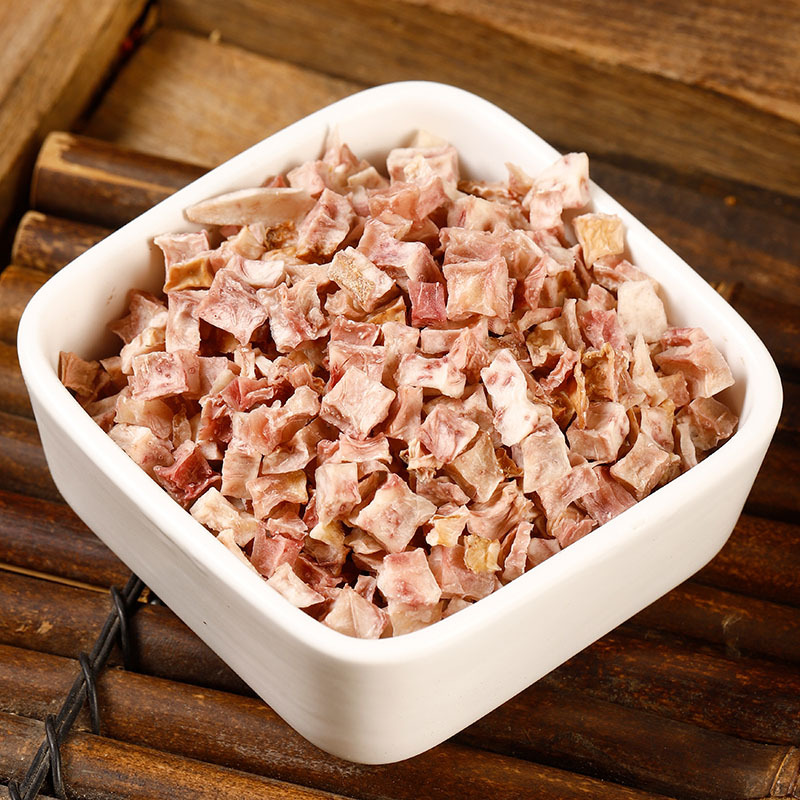
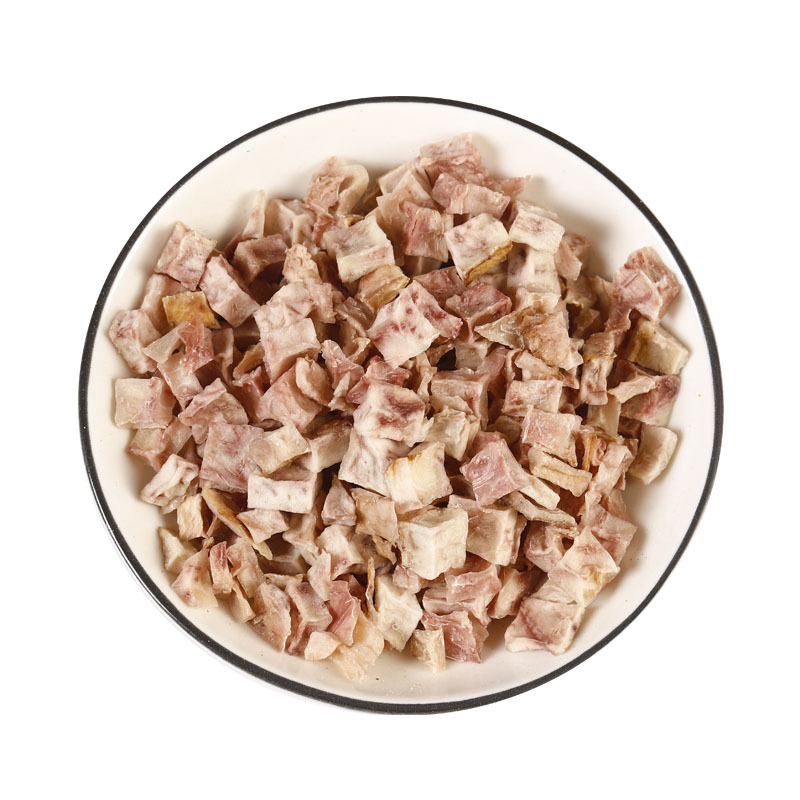
Dried Taro Cubes (Colocasia esculenta) — Dehydrated Xiang Yu Dices for Soups & Congee
$6.39
1679 in stock
Description
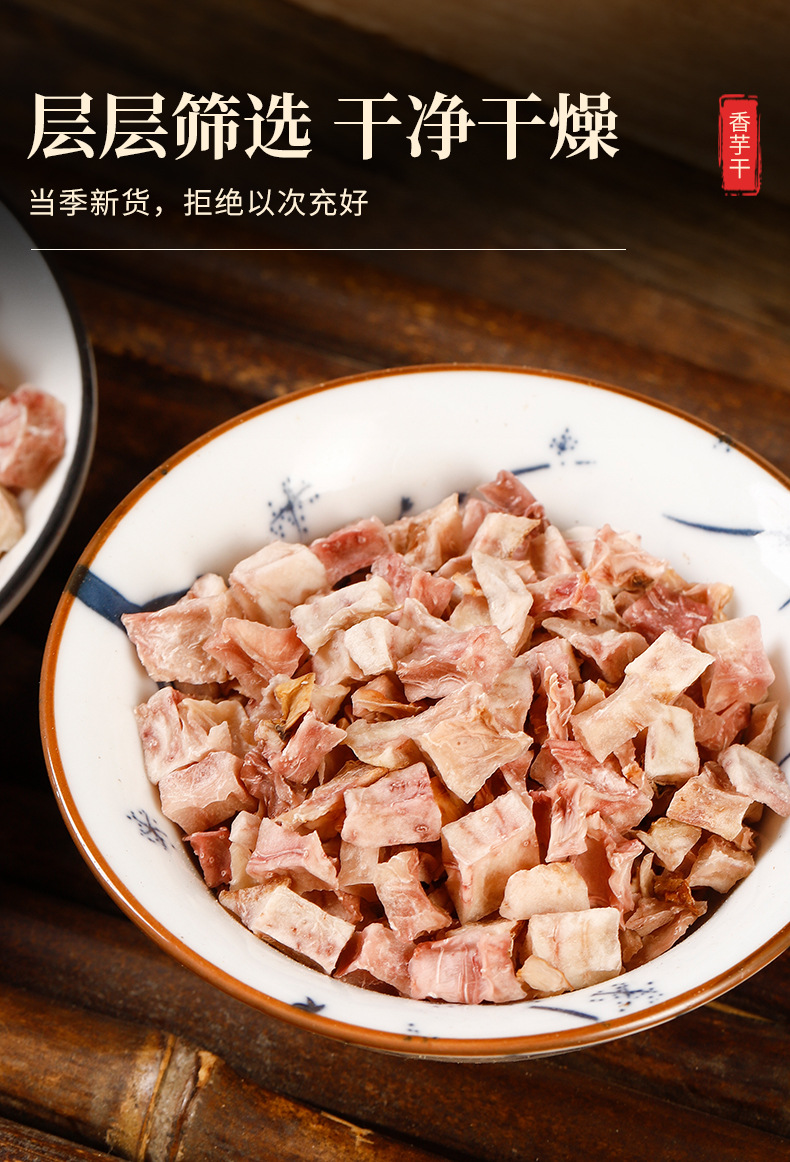
Dried Taro Cubes (Colocasia esculenta) are the dehydrated, diced corms of the taro plant known in Chinese as Xiāng Yù (香芋). A beloved food-herb (药食同源) ingredient in traditional Chinese kitchens, taro has long been prized as a gentle, spleen-supporting staple used in soups, congee, and nourishing home cooking. Its nature is sweet, neutral, and mildly nourishing, making it a comforting everyday ingredient for building digestive warmth and steady energy.

Key Selling Points
- Traditional food-herb (药食同源) ingredient
- Dehydrated taro dices, ready to cook
- Colocasia esculenta corm
- Ideal for soups, congee, and stews
- 500g bulk pack, year-round staple

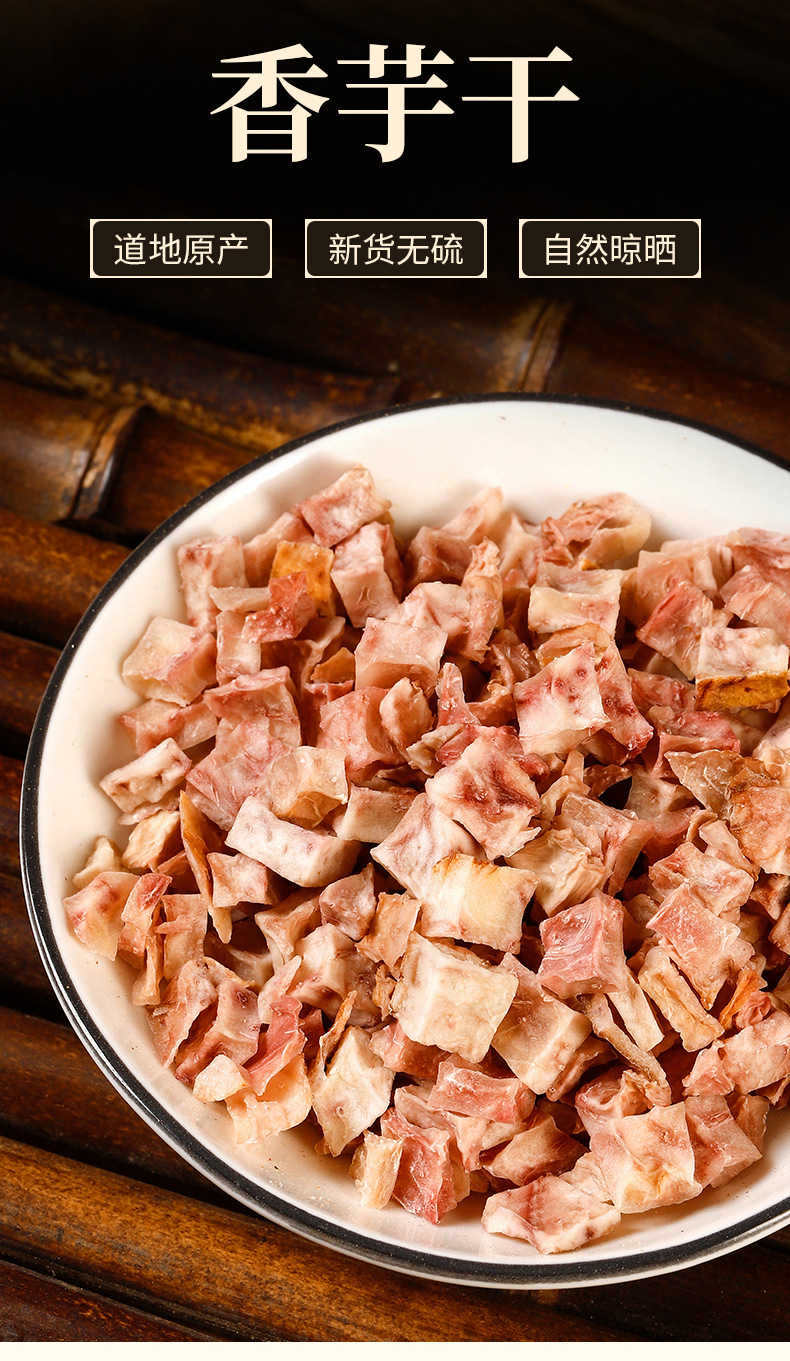
Quality & Sensory
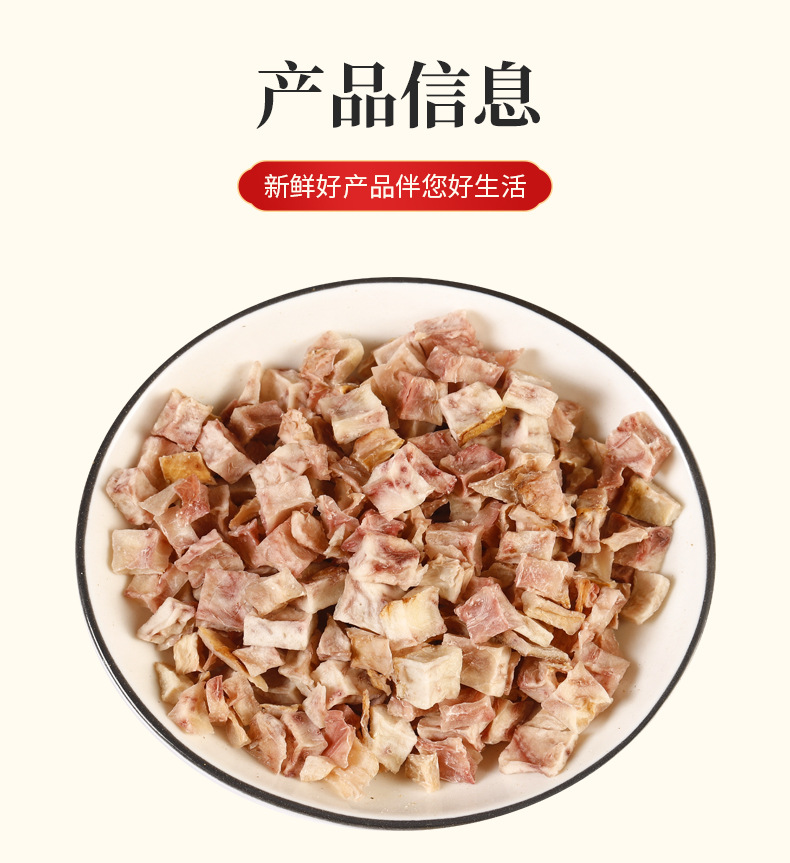
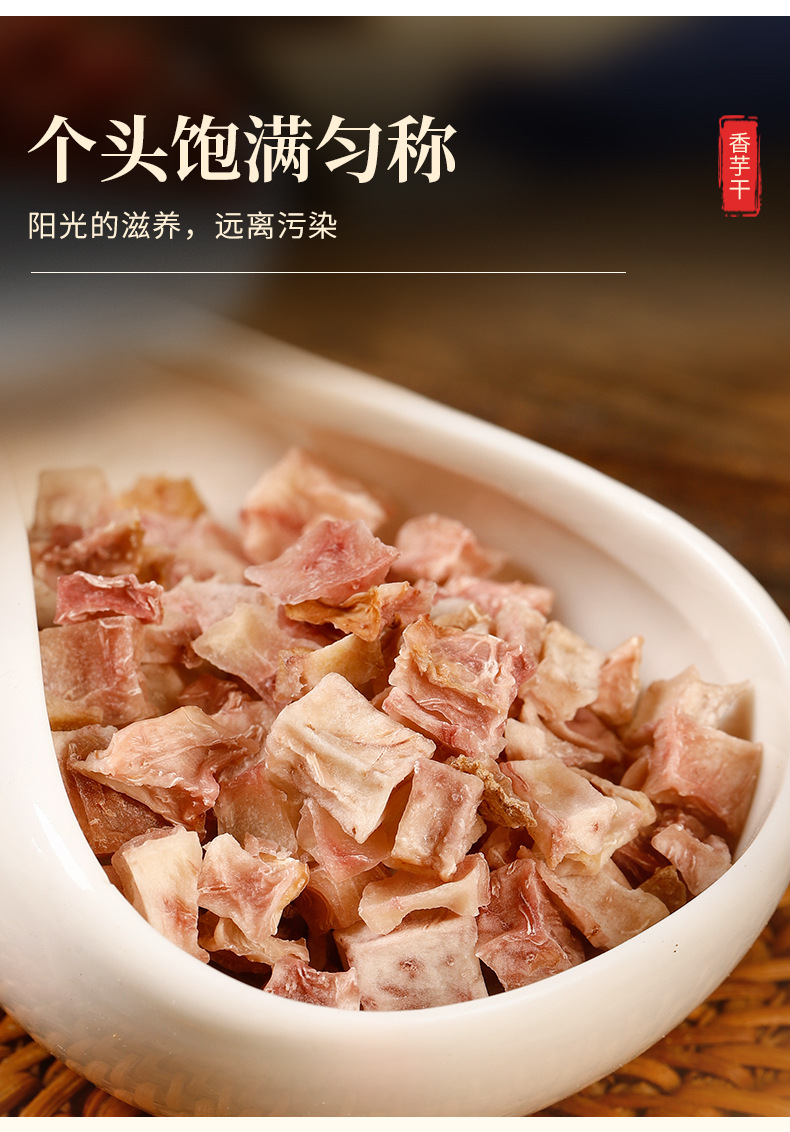
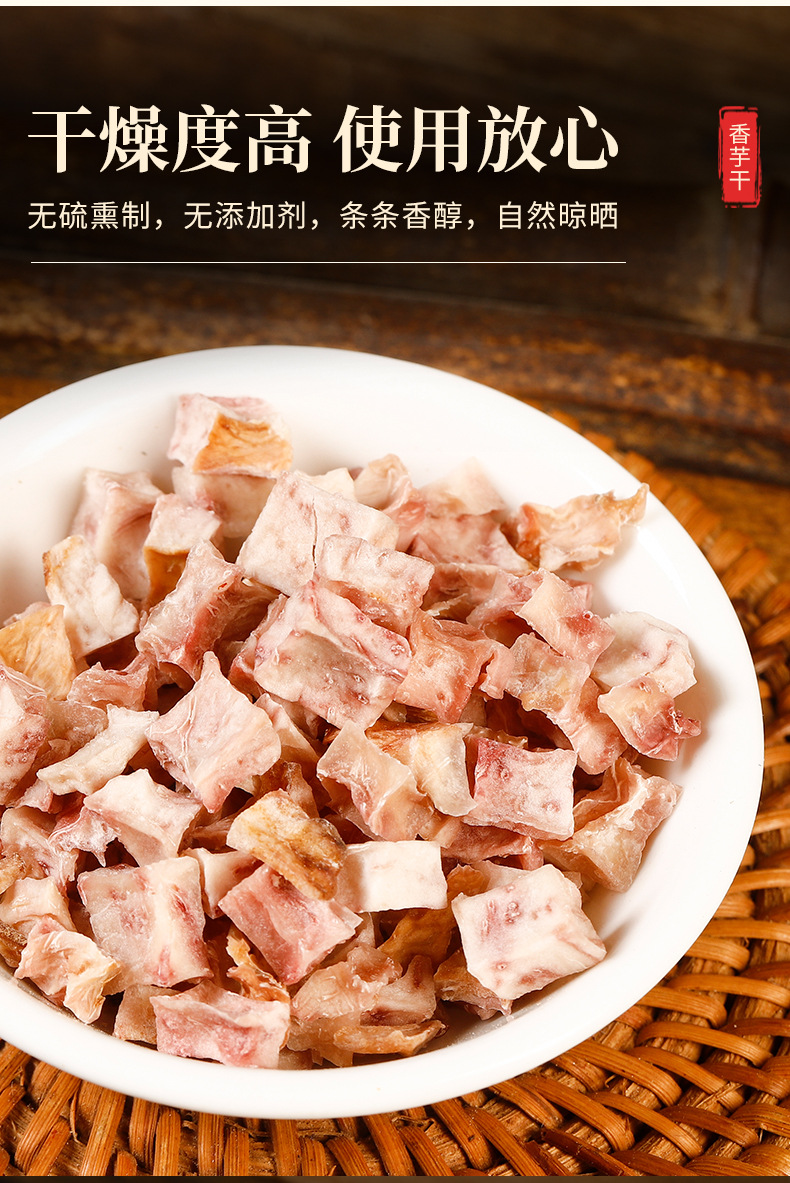
Each batch is carefully diced and air-dried to preserve its pale cream color, firm bite, and mild, subtly nutty aroma. When simmered, the cubes soften into a tender, slightly starchy texture and release a gentle sweetness that thickens broths and lends body to congee without overpowering other ingredients.
Technical Specifications
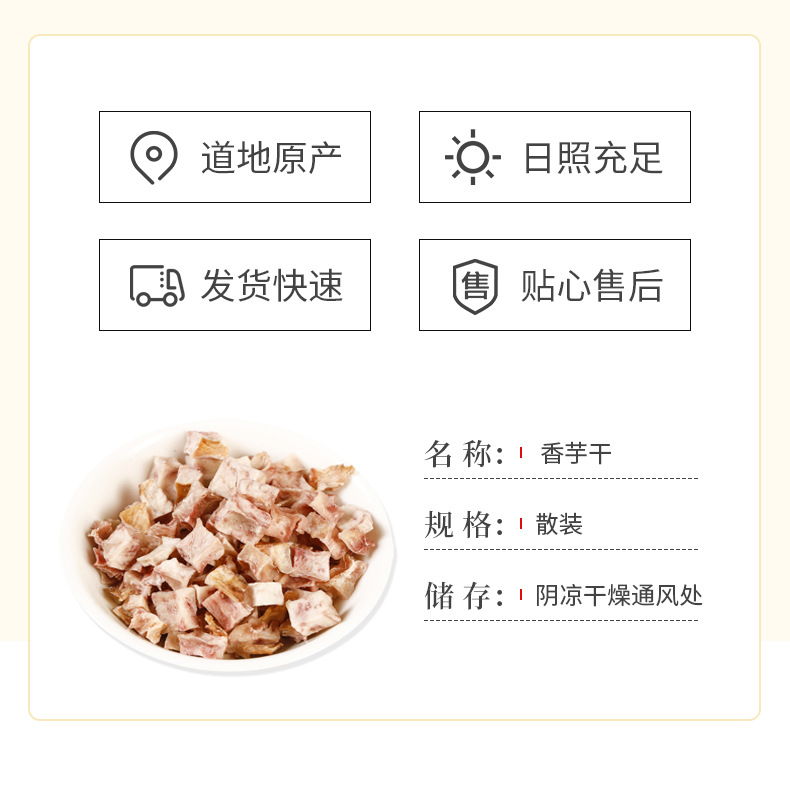
| Product Type | Dried Fruit-Vegetable Ingredient |
|---|---|
| Common Name | Xiang Yu (Taro) |
| Botanical Name | Colocasia esculenta |
| Form | Dehydrated Dices |
| Net Weight | 500g |
| Processing | Diced and Dried |
Usage Scenarios
- Chinese-style soup and broth
- Congee and grain porridge
- Braised dishes and stews
- Medicinal food soup packs
- Everyday home cooking

Traditional Uses
In folk Chinese food practice, taro is simmered into soups, congee, and nourishing stews to support daily digestive comfort and steady energy. It is a common ingredient in autumn and winter soup packs, where it pairs with ingredients like pork ribs, ginger, and jujube. As a home staple, dried taro cubes are rehydrated and cooked into comforting congee or braised with meats for a grounding, mildly sweet meal.

FAQ Q&A
Q: What is Xiang Yu (taro)?
A: Xiang Yu is the common Chinese name for taro, the corm of Colocasia esculenta. It is a traditional food-herb ingredient used in soups, congee, and everyday cooking.
Q: What is the traditional wellness value of taro?
A: In traditional Chinese food wellness culture, taro is associated with supporting the spleen and stomach, building gentle energy, and providing comforting nourishment. It is often used in soups and congee for daily seasonal eating.
Q: How do I use dried taro cubes?
A: Rinse the cubes and rehydrate them in warm water before simmering with soup ingredients, or add them directly to congee and stews. Adjust the quantity to your recipe and taste preference.

Additional information
| Weight | 0.72 kg |
|---|---|
| Dimensions | 25 × 18 × 10 cm |
Related products
-
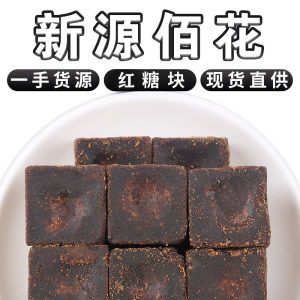
Yunnan Old-Method Brown Sugar Blocks (Handmade Raw Cane Sugar) — 230g Jar
Price range: $4.53 through $4.69 -
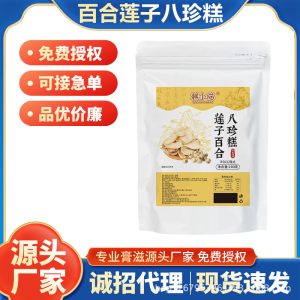
Lotus Seed & Lily Bulb Eight-Treasure Cake (Ba Zhen Gao) — 200g Traditional Herbal Pastry
$4.07 -
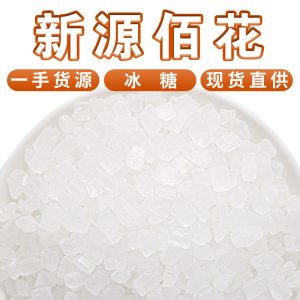
Rock Sugar (Bīng Táng) — Crystal Rock Sugar for Herbal Teas, Decoctions & Soups, 500g
Price range: $4.44 through $4.77 -
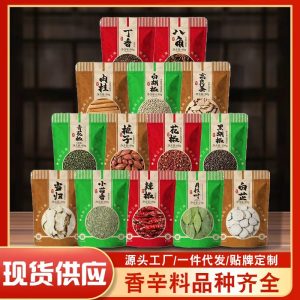
Chinese Spice Blend — Star Anise, Bay Leaf, Cinnamon, Fennel, Chili, Sichuan Pepper, Cumin & Clove
Price range: $4.07 through $6.47
Reviews
There are no reviews yet.