
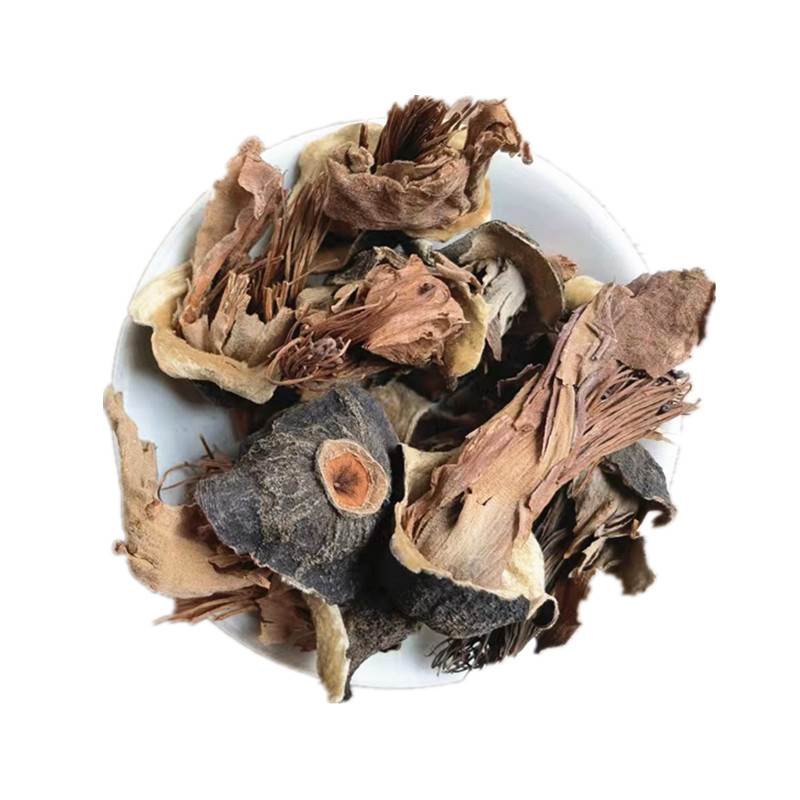
Dried Kapok Flower Mu Mian Hua Herbal Tea Ingredient Raw Botanical 500g
$6.55
99958 in stock
Description
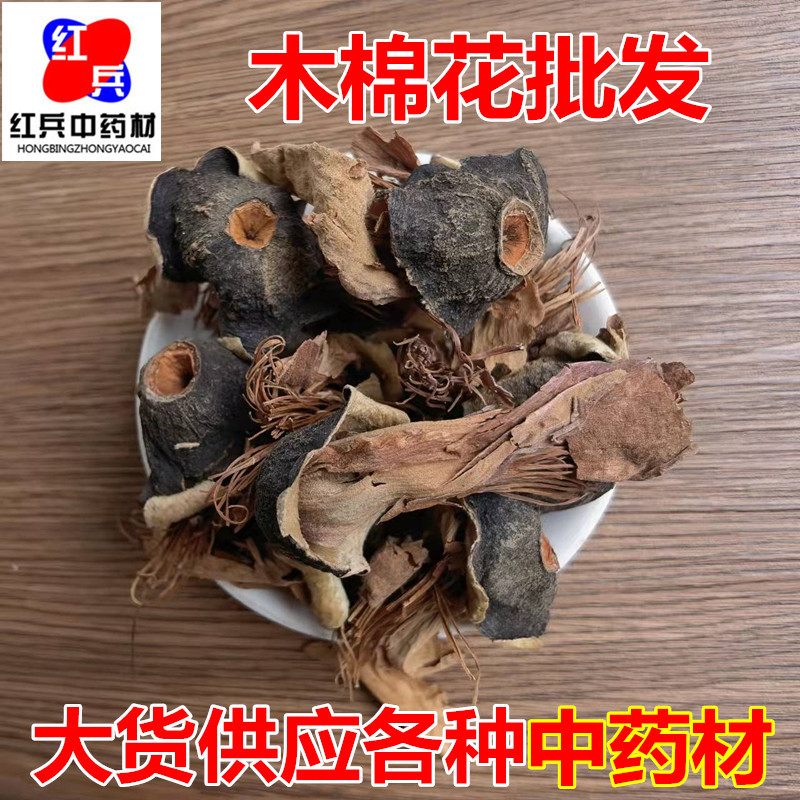
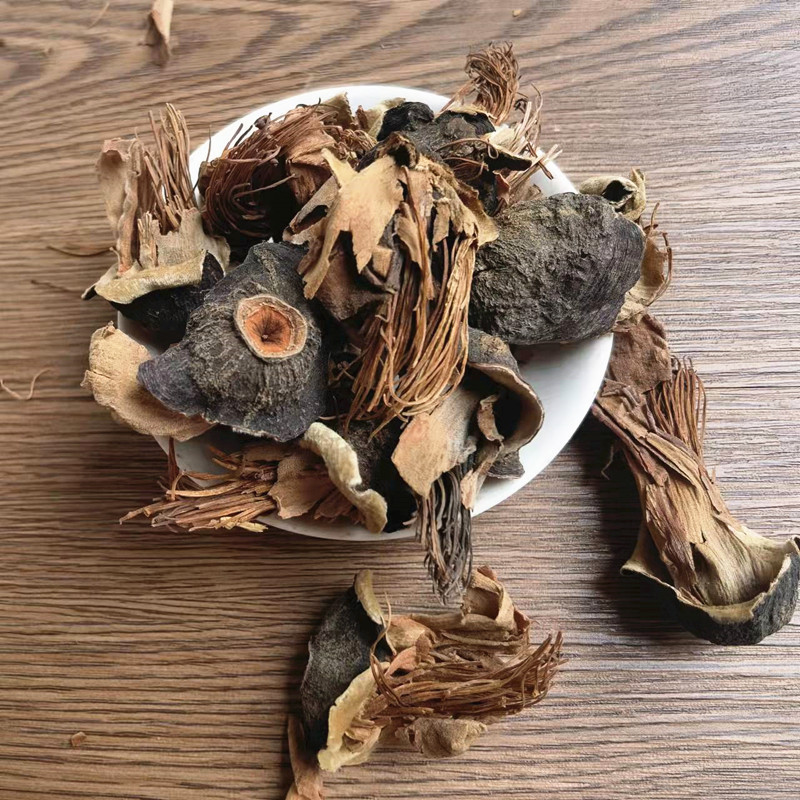
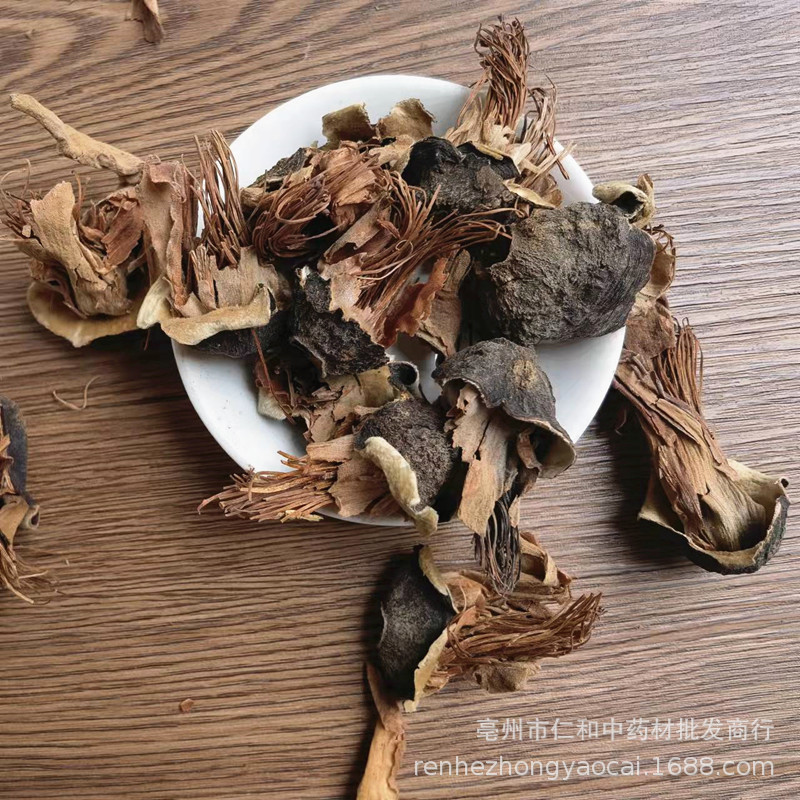
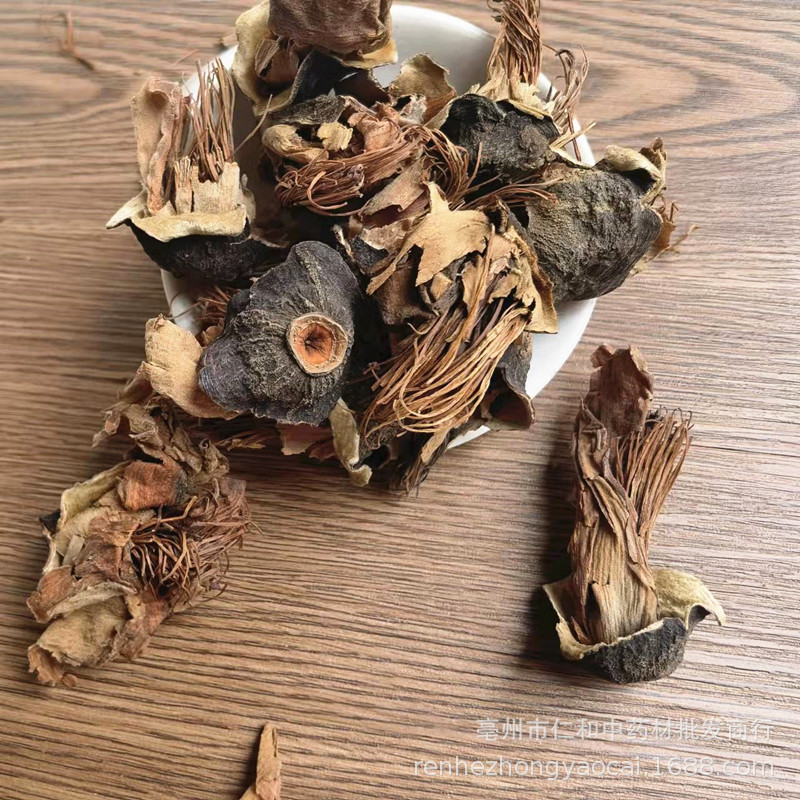
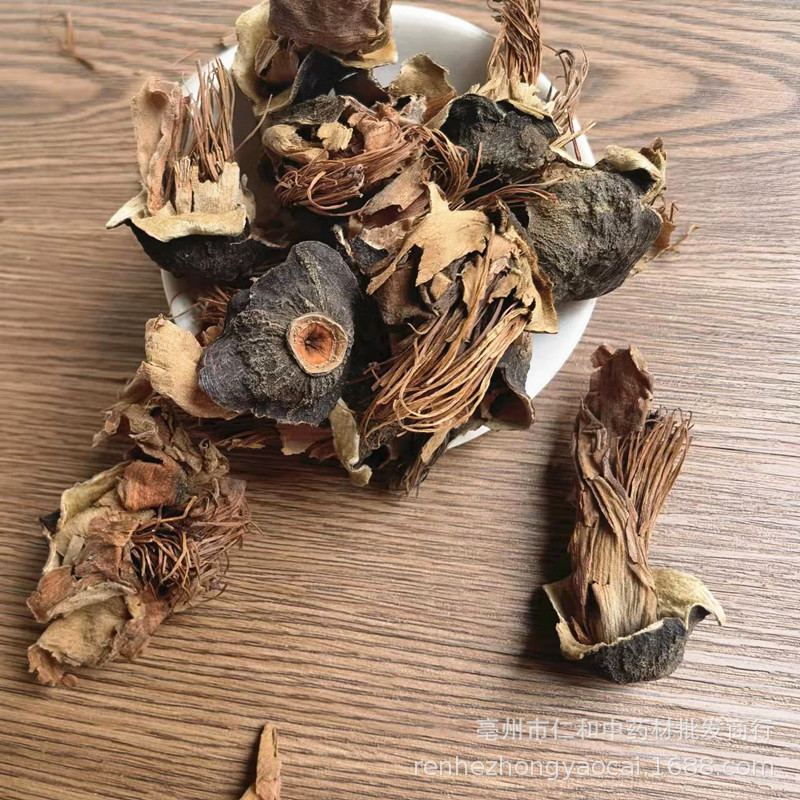
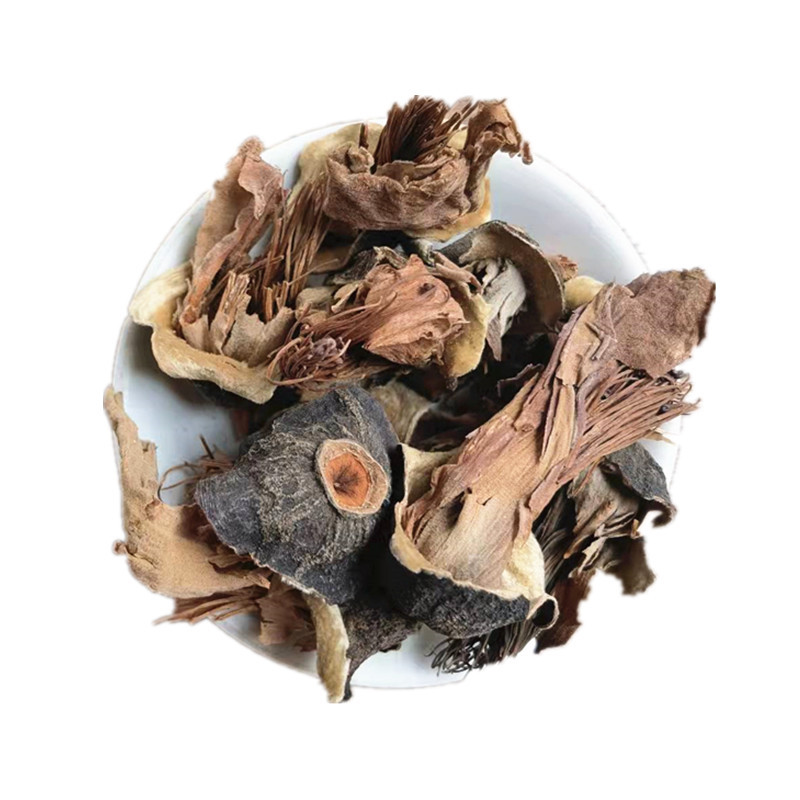
Dried Kapok Flower, known in TCM as Mu Mian Hua (木棉花), from Bombax ceiba, the dried flower of the kapok tree. Sold as a raw edible botanical, it is traditionally valued in southern Chinese herbal practice and is often simmered into herbal teas and decoctions. In TCM theory it is considered cool in nature with a sweet flavor. Store sealed in a cool dry place and use as part of a balanced herbal routine.
Key Selling Points
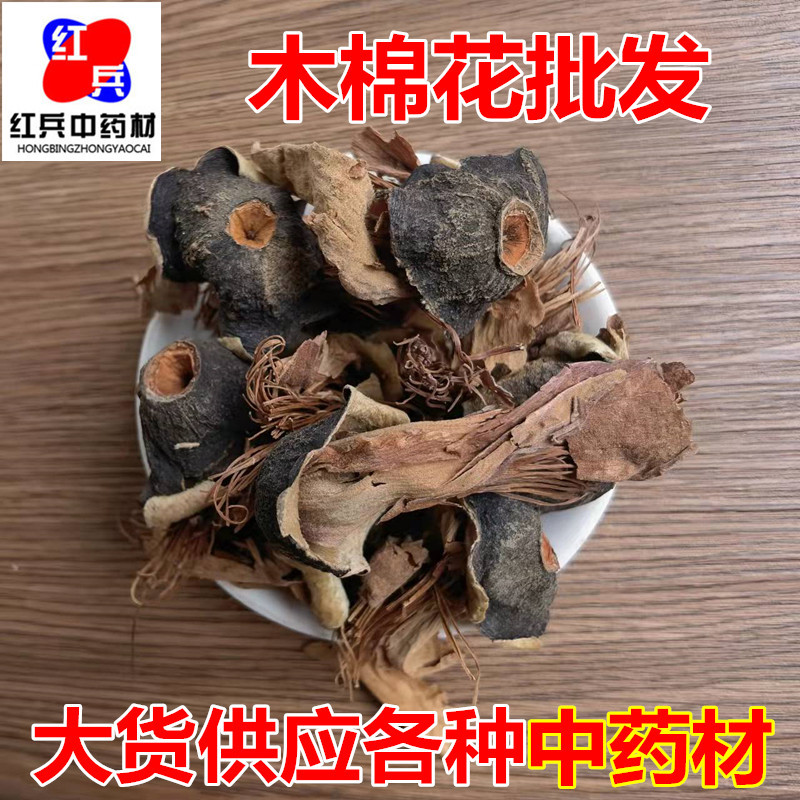
- Whole dried kapok flowers supplied as a raw edible agricultural product
- Botanical source Bombax ceiba, a classic southern Chinese herb
- Known in TCM as Mu Mian Hua (木棉花), also called Pan Zhi Hua
- Traditionally simmered into cooling herbal teas and decoctions
- Sealed packaging with a 12-month shelf life for easy storage
Quality & Sensory
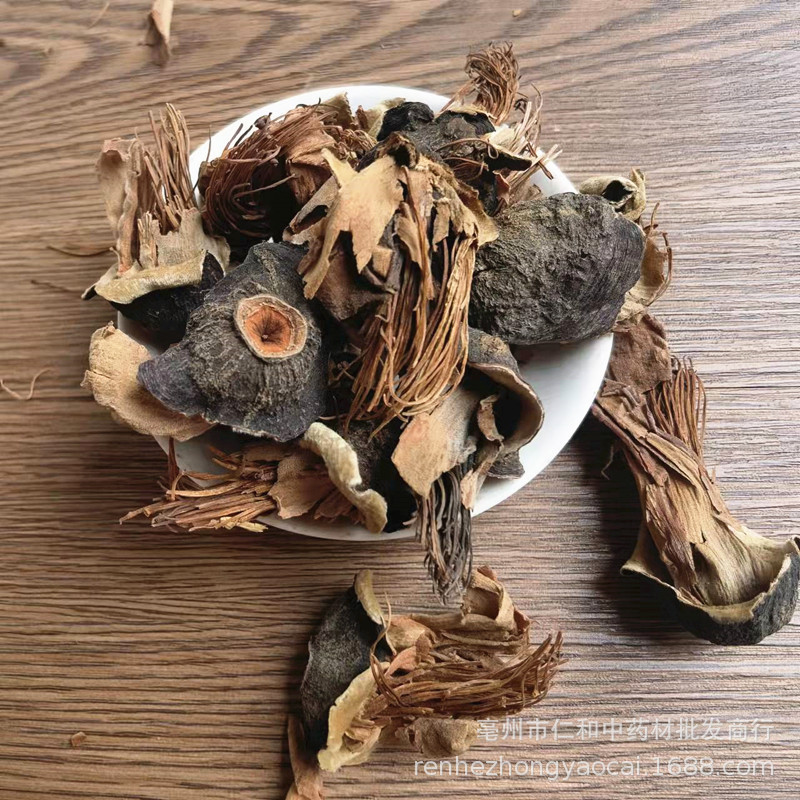
Dried kapok flowers typically show deep reddish-brown petals with a light, fibrous texture and a faint herbal aroma. When simmered, the infusion is typically mild and slightly sweet with a clean, mellow finish.
Technical Specifications
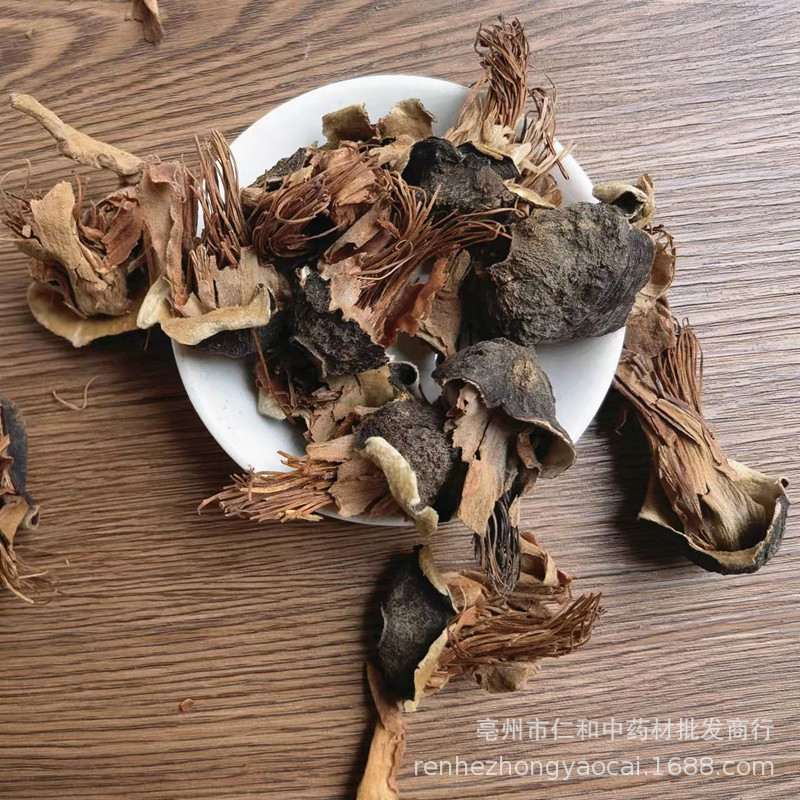
| Product Type | Raw edible botanical |
|---|---|
| Chinese Name | 木棉花 |
| Pinyin | Mu Mian Hua |
| Botanical Name | Bombax ceiba |
| Plant Part | Dried flower |
| Shelf Life | 12 months |
Usage Scenarios
- Simmer into traditional southern Chinese herbal teas
- Add to herbal decoctions with other botanicals
- Use in seasonal herbal soup preparations
- Brew as a mild standalone flower infusion
Traditional Uses
In TCM practice, kapok flower is traditionally associated with clearing dampness and supporting comfort during humid southern summers. It is commonly simmered with other herbs such as honeysuckle or selfheal in household herbal teas, or added to soup packs. Families in Guangdong and Guangxi have long prepared it as a seasonal cooling drink.
FAQ Q&A
Q: What is this product?
A: It is dried kapok flower, Mu Mian Hua (木棉花), the dried flower of Bombax ceiba, sold as a raw edible agricultural product.
Q: What is it traditionally valued for?
A: In TCM theory it is considered cool in nature with a sweet flavor and is traditionally used in seasonal herbal teas and decoctions.
Q: How is it commonly prepared?
A: It is typically simmered in water alone or with other herbs to make a mild herbal tea, or added to soup and decoction blends.
Additional information
| Weight | 0.6 kg |
|---|---|
| Dimensions | 20 × 15 × 8 cm |
Related products
-
Dried Raspberry Fruit Fu Pen Zi Whole Berries for Herbal Tea and Wine Infusion 500g
Price range: $15.63 through $18.06 -
Astragalus Root Slices Huang Qi 斜片 Dried Herb for Decoction Soup and Tea 500g
Price range: $6.06 through $19.51 -
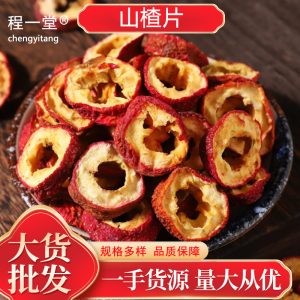
Dried Hawthorn Slices Shan Zha 500g Seedless Hollow Rings Freeze Dried Hawthorn for Tea and Culinary Use
Price range: $4.44 through $7.04 -
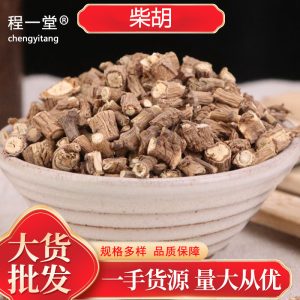
Chai Hu Bupleurum Root Dried Herb 500g Traditional TCM Decoction Herb
Price range: $9.14 through $16.44
Reviews
There are no reviews yet.