
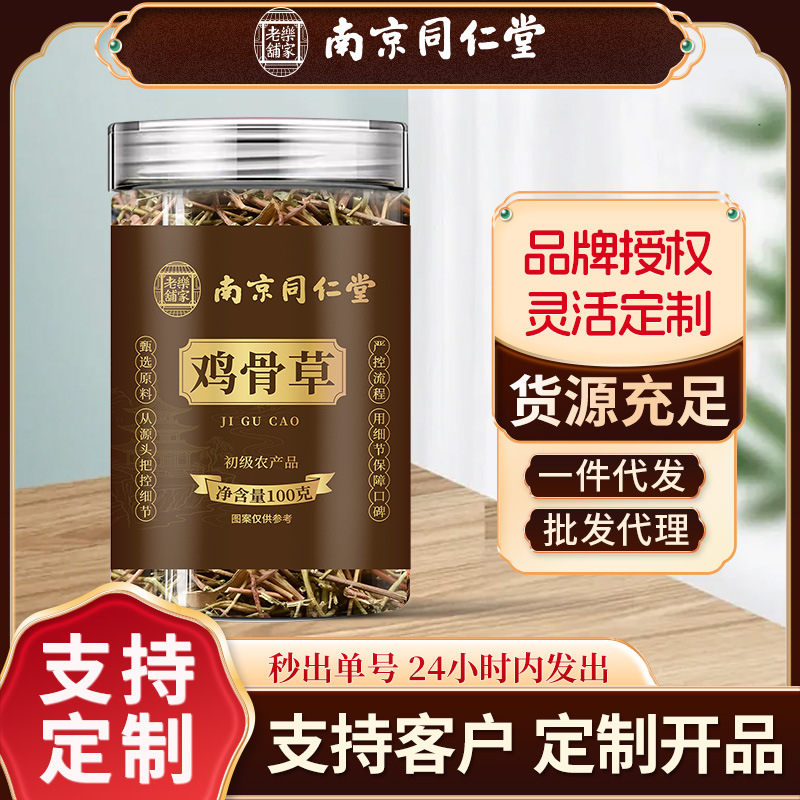



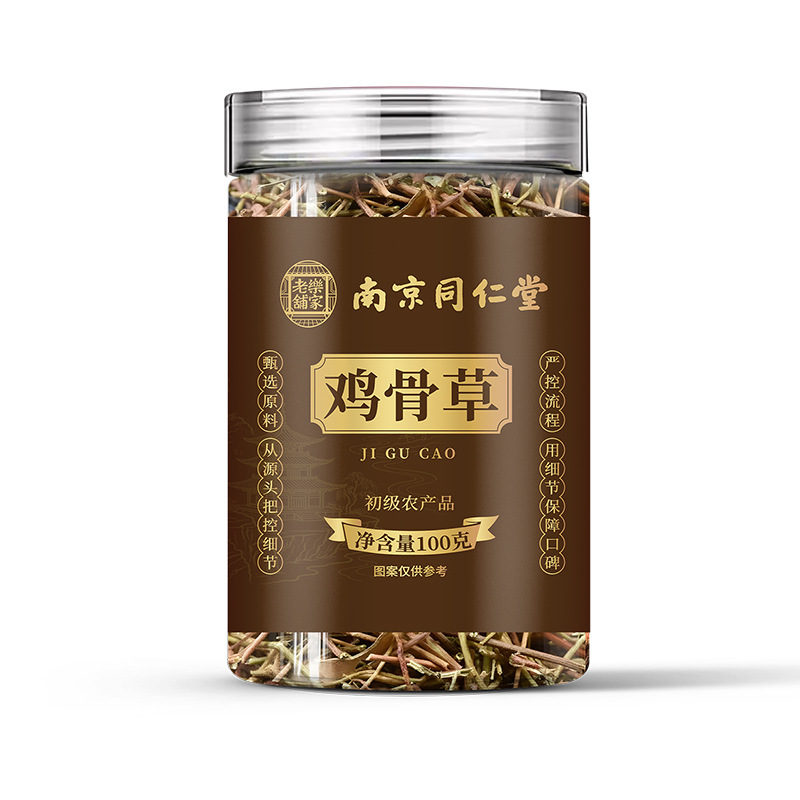
Dried Abrus Herb Ji Gu Cao 100g Chinese Herbal Tea for Soup and Wellness
$6.23
9999 in stock
Description
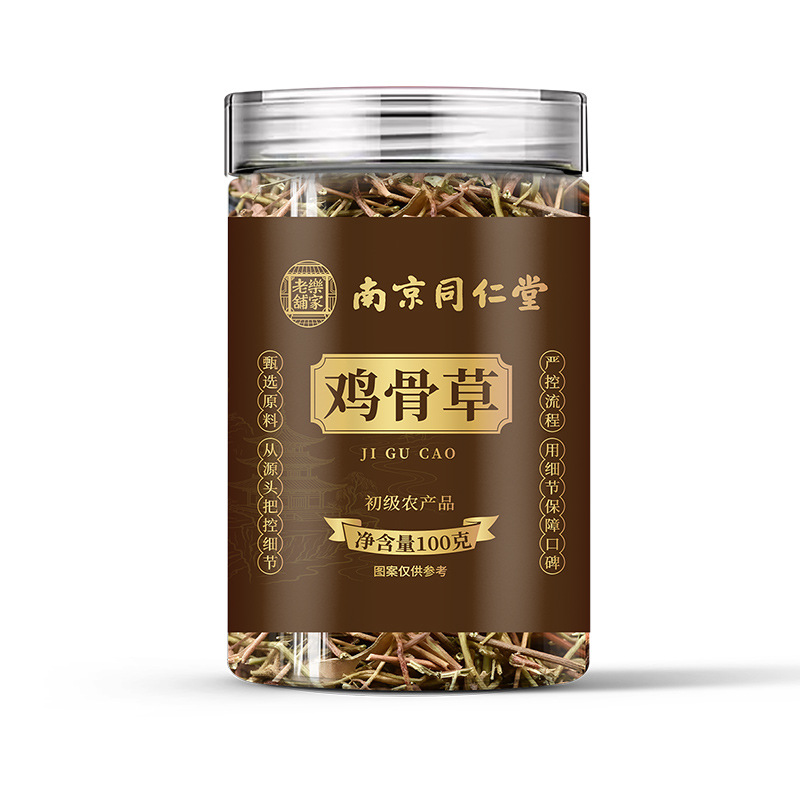
Dried Abrus Herb, known in TCM as Ji Gu Cao (鸡骨草), from Abrus cantoniensis. This 100g jar contains sun-dried aerial parts of the herb, a traditional Chinese botanical valued in TCM theory for its sweet, slightly bitter nature and its association with the Liver and Gallbladder channels. Traditionally used in decoctions, soups, and daily herbal teas. Store in a cool, dry place.

Key Selling Points
- Identified in TCM as Ji Gu Cao (鸡骨草), Abrus cantoniensis
- Sun-dried aerial parts sold as a 100g jar of decoction pieces
- Traditionally associated with the Liver and Gallbladder channels in TCM theory
- Sweet and slightly bitter nature suited to herbal decoctions
- Commonly simmered in soups or brewed as a daily wellness tea

Quality & Sensory
The dried herb typically shows a greenish-brown to earthy tone with a coarse, fibrous texture and a mild hay-like aroma. When decocted or simmered, it yields a light amber infusion with a gently sweet and slightly bitter taste.
Technical Specifications
| Product Type | Dried herbal decoction pieces |
|---|---|
| Chinese Name | 鸡骨草 |
| Pinyin | Ji Gu Cao |
| Botanical Name | Abrus cantoniensis |
| Plant Part | Aerial parts |
| Net Weight | 100g |
Usage Scenarios
- Simmered in herbal soups with pork or chicken
- Brewed as a daily herbal tea
- Added to traditional decoctions
- Used in seasonal Cantonese-style soup preparations
Traditional Uses
In TCM theory, Ji Gu Cao is traditionally associated with the Liver and Gallbladder channels and is commonly prepared by simmering in water or soup. It is often paired with ingredients such as pork ribs, red dates, or other mild herbs in Cantonese-style wellness soups. Folk practice also includes brewing it alone as a simple daily tea.
FAQ Q&A
Q: What is this product?
A: It is a 100g jar of dried Abrus cantoniensis aerial parts, known in TCM as Ji Gu Cao (鸡骨草).
Q: What is its traditional value?
A: In TCM theory it is associated with the Liver and Gallbladder channels and has a sweet, slightly bitter nature.
Q: How is it commonly used?
A: It is typically simmered in soups or brewed as a herbal tea, often with mild pairings such as red dates.
Additional information
| Weight | 0.43 kg |
|---|---|
| Dimensions | 12 × 12 × 15 cm |
Related products
-

Dried Raspberry Fruit Fu Pen Zi Whole Berries for Herbal Tea and Wine Infusion 500g
Price range: $15.63 through $18.06 -
Dried Codonopsis Root Slices Dang Shen 500g Bulk Supply for Soups and Herbal Decoctions
Price range: $10.28 through $18.06 -
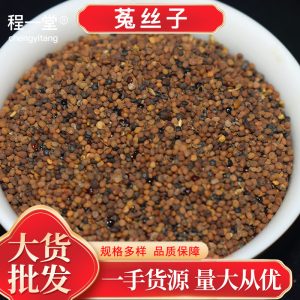
Dried Dodder Seed Tu Si Zi Whole Herb 500g Bulk Chinese Herbal Ingredient
Price range: $7.04 through $7.52 -
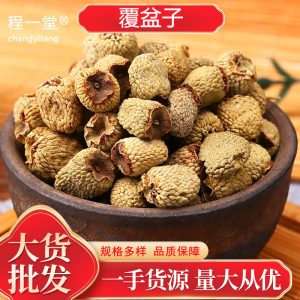
Dried Raspberry Fruit Fu Pen Zi 500g Whole Berries for Herbal Tea and Wine Infusion
Price range: $14.00 through $16.44
Reviews
There are no reviews yet.