
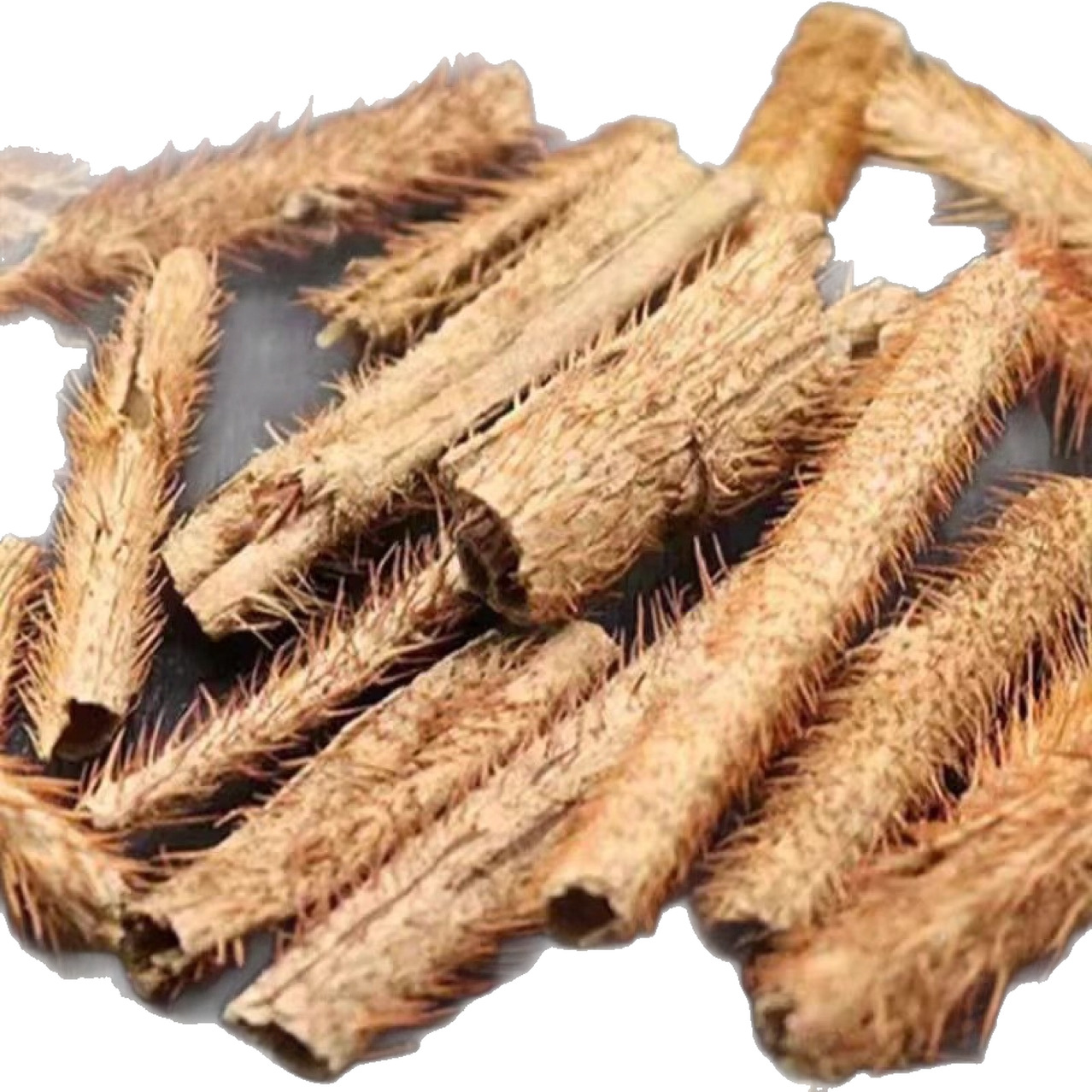
Wu Jia Pi (Acanthopanax senticosus) — Dried Food Herb for Wine & Tea
Price range: $12.14 through $36.46
Description
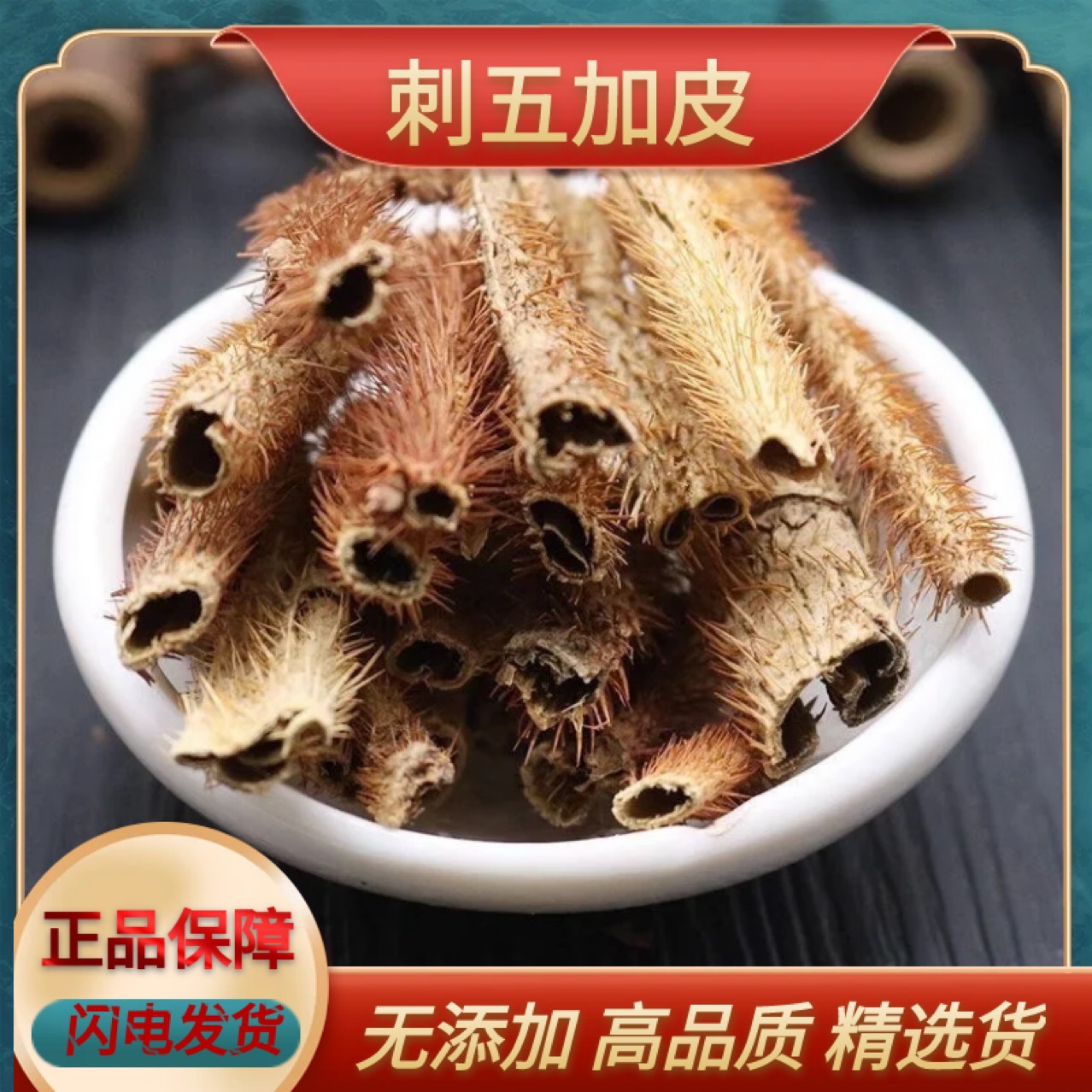
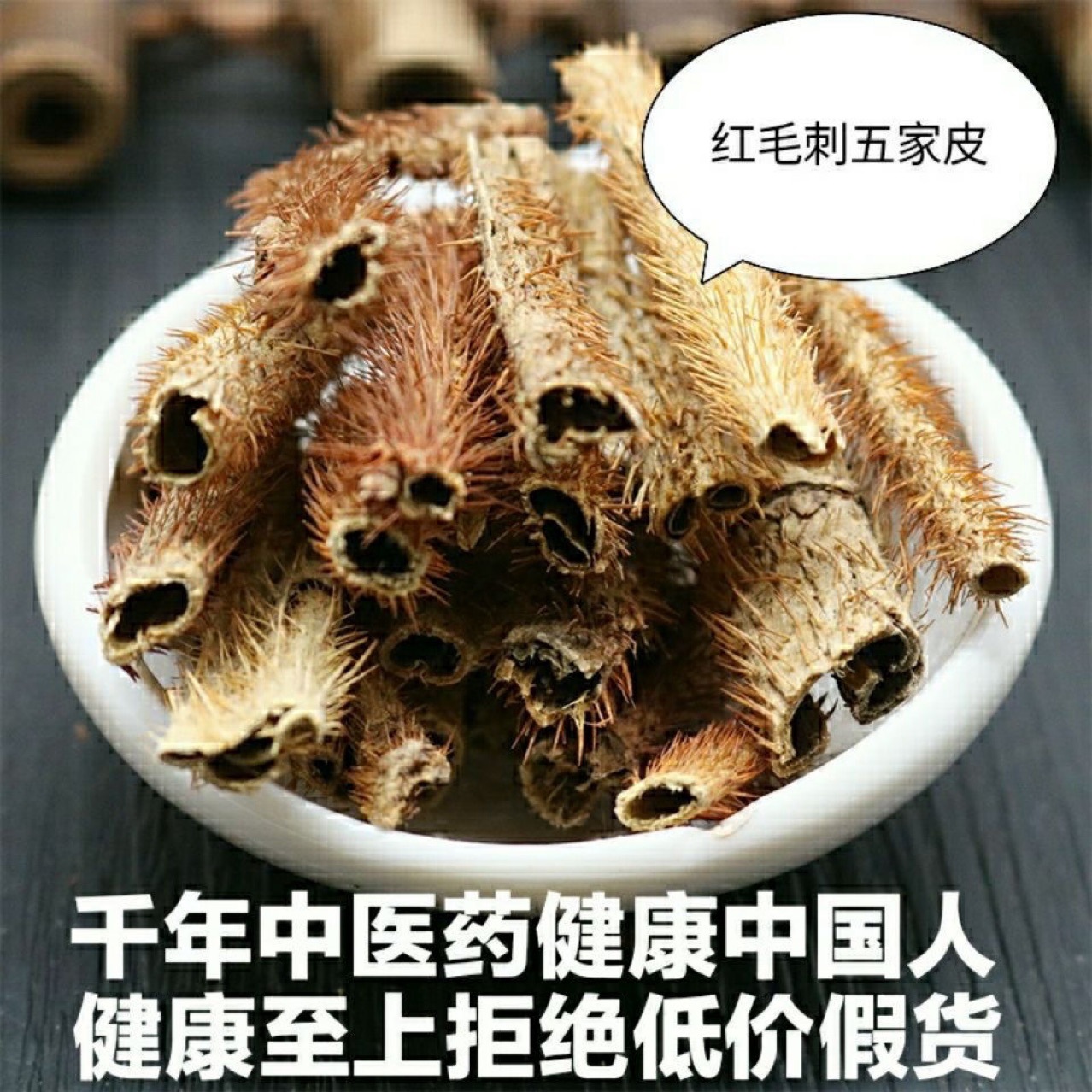
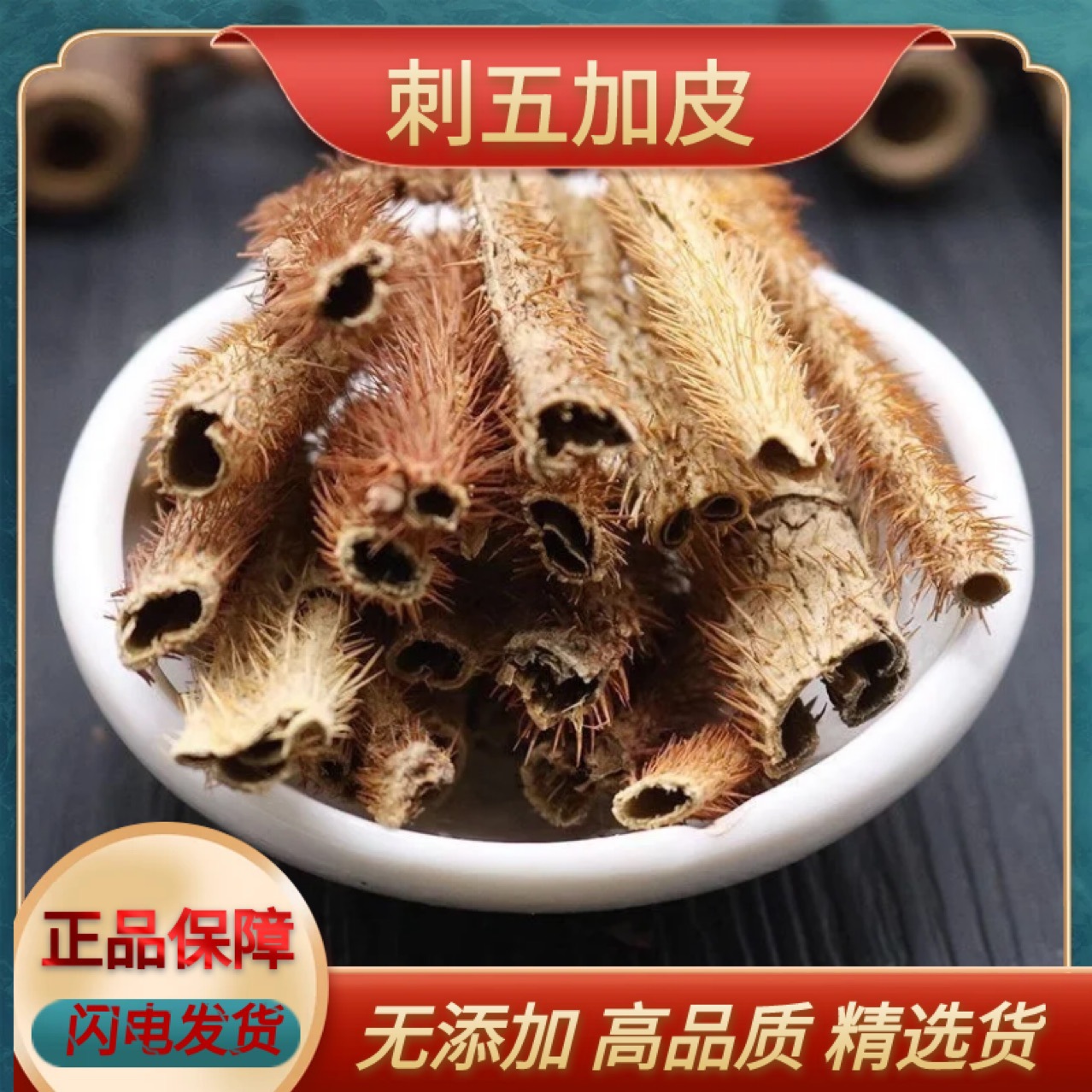
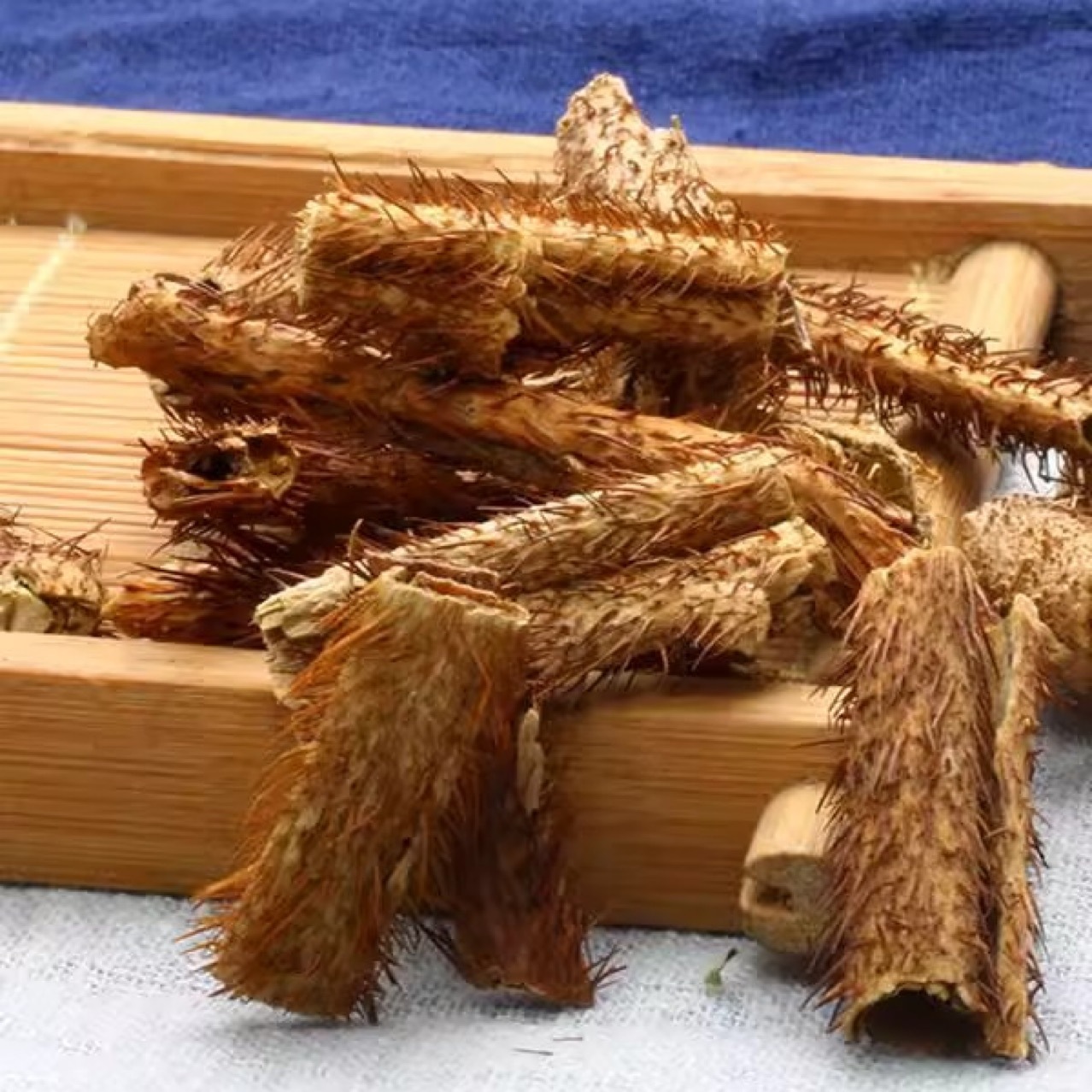
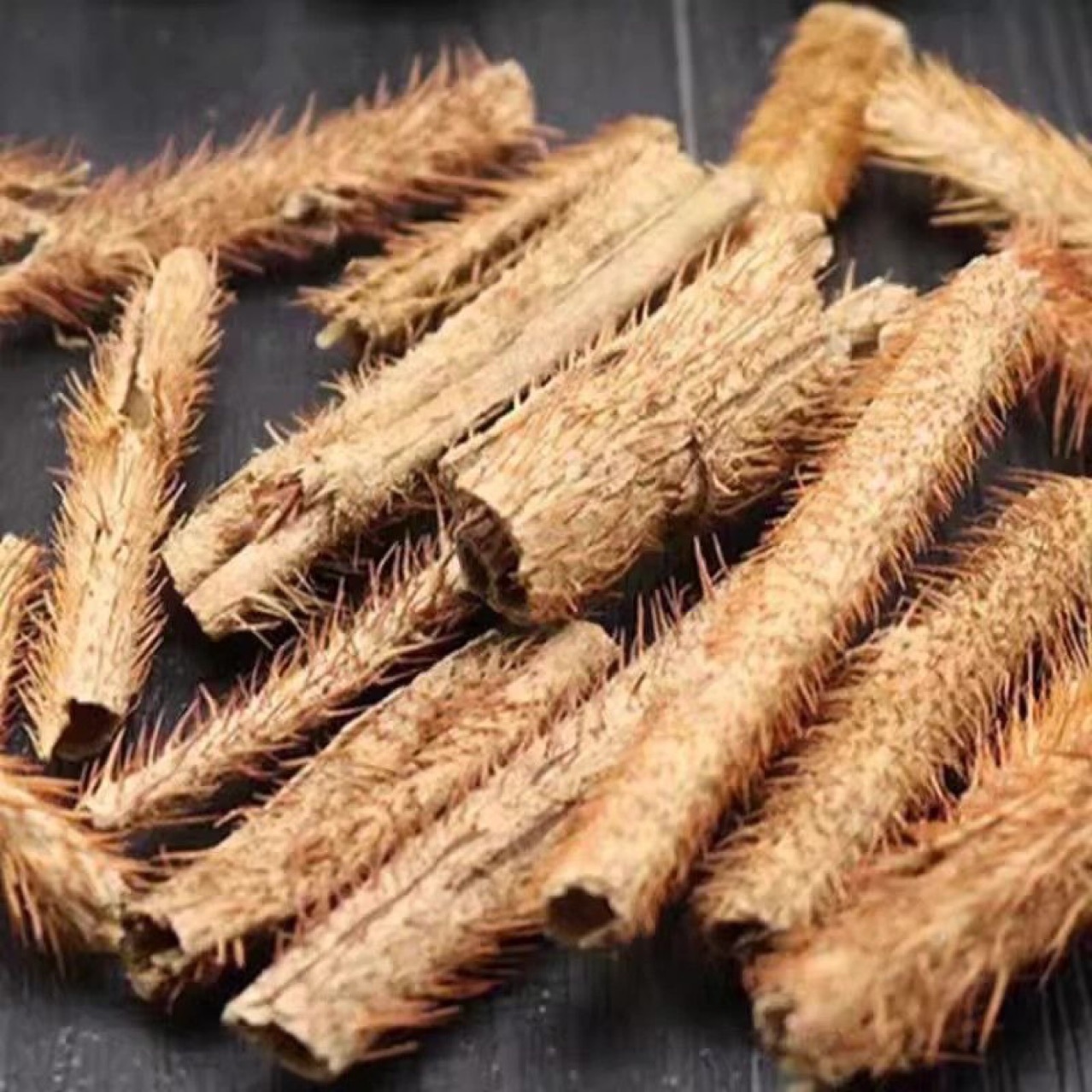
Wu Jia Pi (Acanthopanax senticosus), also known as Cì Wǔ Jiā (刺五加) or Siberian Ginseng bark, is the dried root bark of a traditional food herb long used in Traditional Chinese Medicine (TCM). It has been prized as a warming, qi-supporting herb traditionally used to strengthen the sinews and bones, dispel dampness, and support healthy circulation. Its nature is warm and its flavor is pungent and slightly bitter, making it a robust yet balanced herb for daily nourishment.
Key Selling Points
- Traditional food herb for daily wellness
- Dried Acanthopanax senticosus root bark
- Whole, fully cored slices
- Suitable for wine infusion and tea
- Naturally sun-dried, clean quality
Quality & Sensory
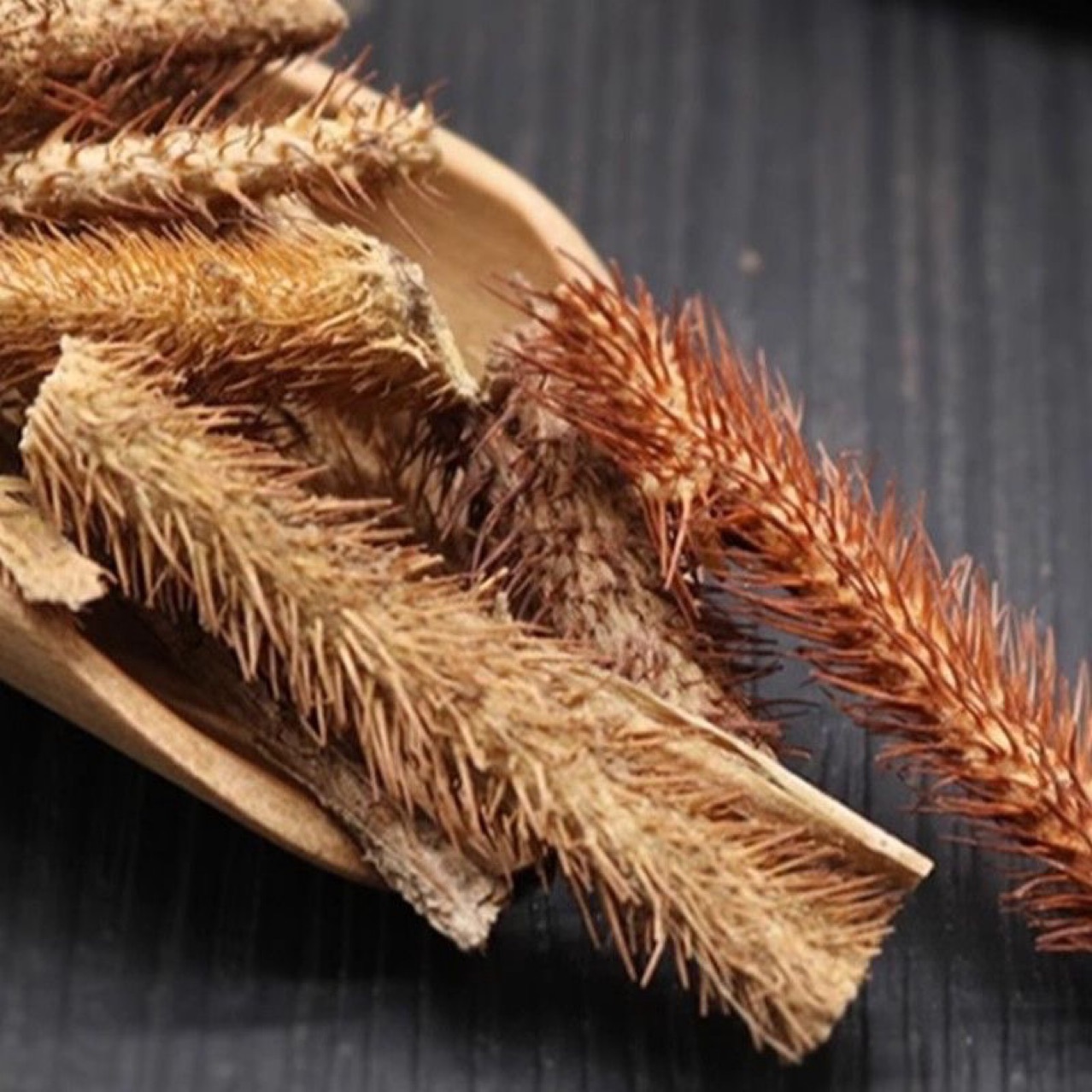
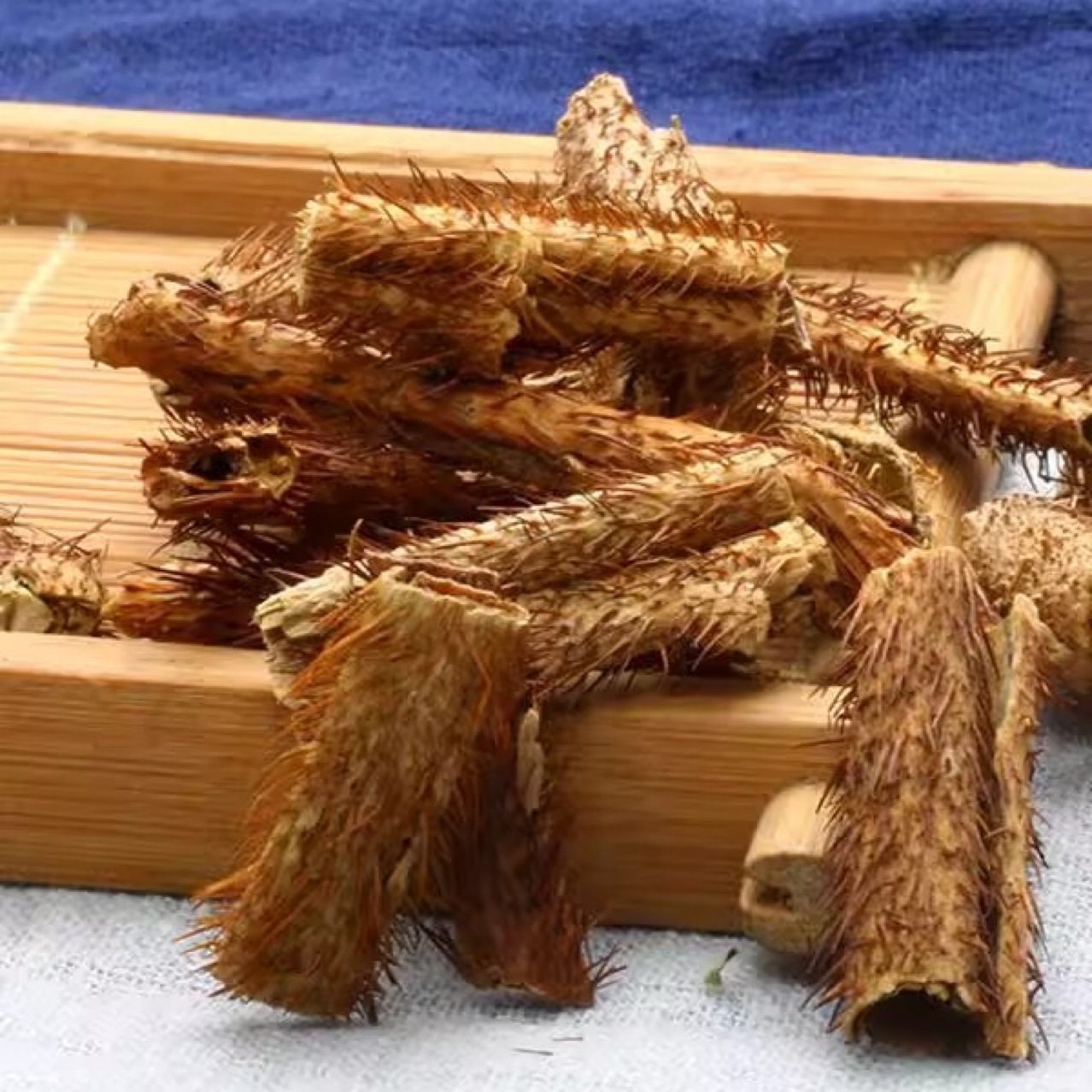
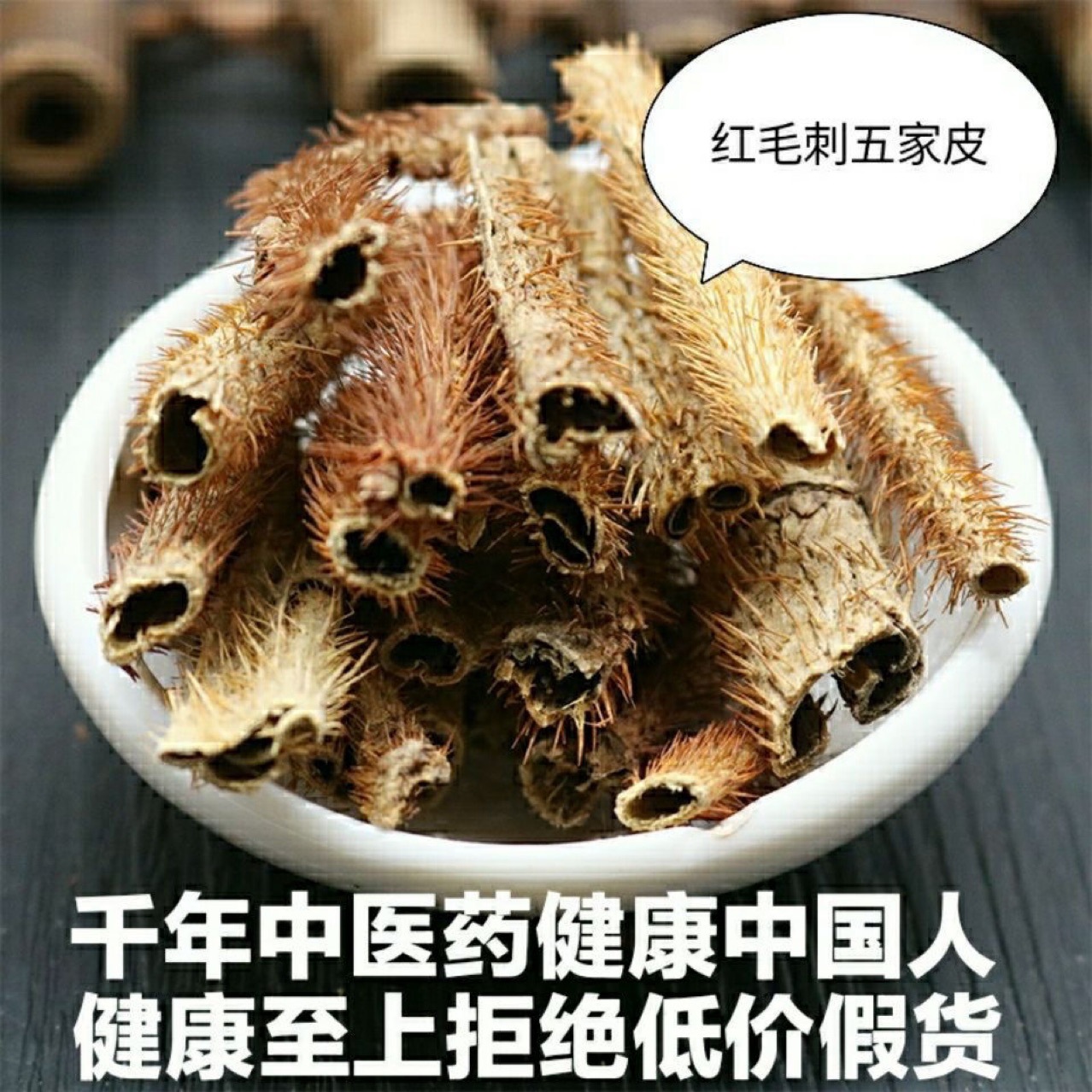
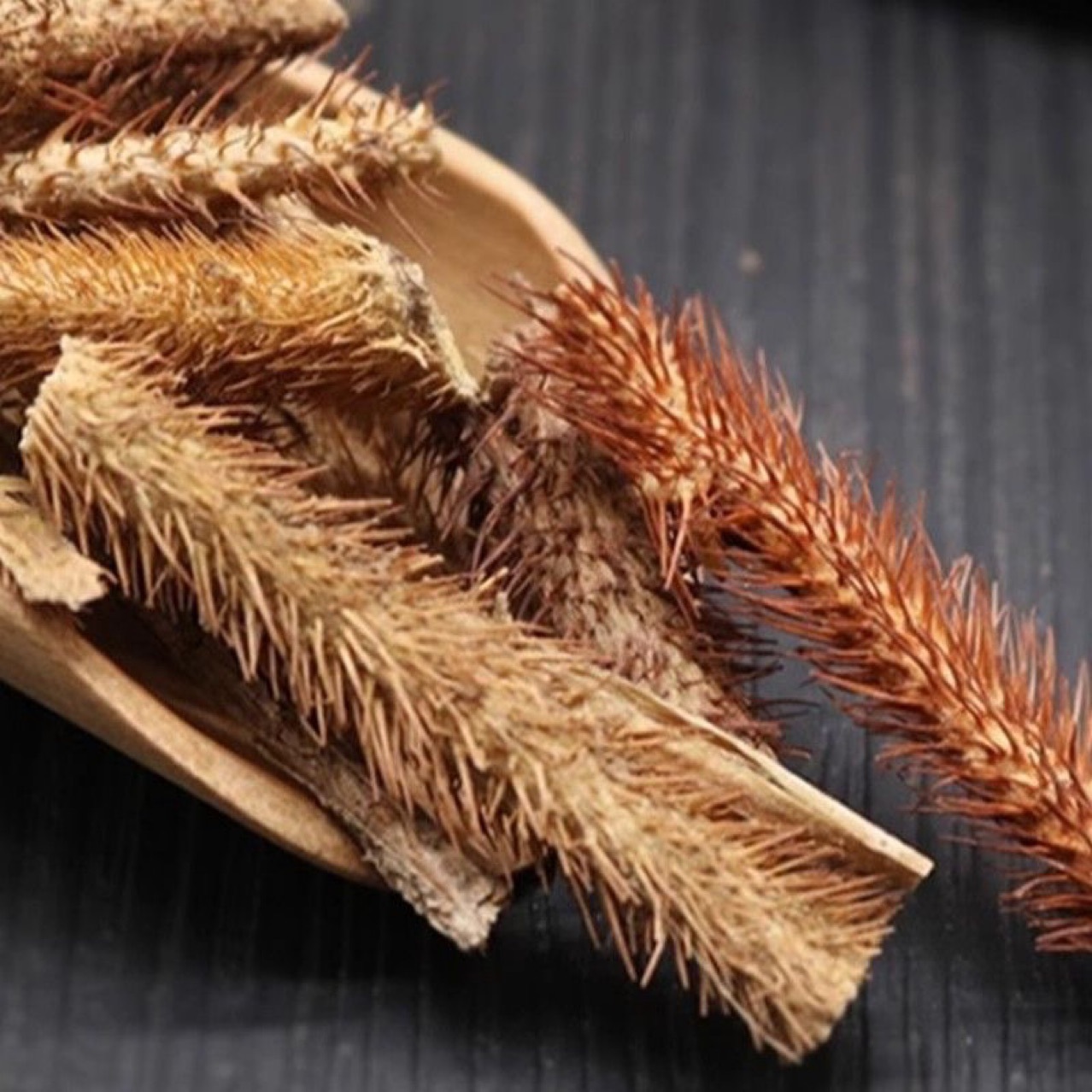
Each batch is carefully sun-dried to preserve its pale tan color, firm texture, and mild woody aroma. When decocted or infused, the slices release a gentle, slightly bitter and pungent flavor with a warm, earthy finish, adding depth to broths and infusions without overpowering other ingredients.
Technical Specifications
| Product Type | Dried Herb Slices |
|---|---|
| Common Name | Wu Jia Pi |
| Botanical Name | Acanthopanax senticosus |
| Form | Dried Slices |
| Primary Use | Herbal Wine and Tea Ingredient |
| Processing | Naturally Sun-Dried |
Usage Scenarios
- Herbal wine infusion
- Chinese-style soup and broth
- Herbal tea blends
- Congee and grain porridge
- Seasonal slow-cooking
Traditional Uses
In folk herbal practice, Wu Jia Pi is decocted into soups, congee, and warming tonics to support daily nourishment during cold seasons. It is a common ingredient in herbal wine infusions, where it pairs with ingredients like goji berry, angelica, and jujube. As a tea, it is brewed alone or blended with other warming herbs for a light, mildly bitter infusion.
FAQ Q&A
Q: What is Wu Jia Pi?
A: Wu Jia Pi is the common Chinese name for dried root bark slices of Acanthopanax senticosus, also called Siberian Ginseng bark. It is a traditional food herb used in wine and tea.
Q: What is the traditional wellness value of Wu Jia Pi?
A: In traditional Chinese food wellness culture, Wu Jia Pi is associated with strengthening the sinews and bones, dispelling dampness, and supporting healthy circulation. It is often used in soups and infusions for daily seasonal nourishment.
Q: How do I use dried Wu Jia Pi slices?
A: Rinse the slices and simmer them with soup ingredients, or infuse them in wine or hot water as part of a tea blend. Adjust the quantity to your recipe and taste preference.
Additional information
| Weight | N/A |
|---|---|
| Dimensions | N/A |
| Packaging specifications | Standardized acanthopanax core 250g, Standardized acanthopanax senticosus root extract 500g, Standardized acanthopanax senticosus root bark extract 1000g, Selected whole core acanthopanax 500g, Selected whole core acanthopanax 1000g |
Related products
-
Yu Zhu Slices (Polygonatum odoratum) — Sulfur-Free Hunan Dried Food Herb, 500g
Price range: $4.77 through $10.76 -
Goji Berries (Lycium barbarum) — Ningxia Zhongning Dried Red Goji, Sulfur-Free First Harvest
Price range: $7.52 through $8.66 -
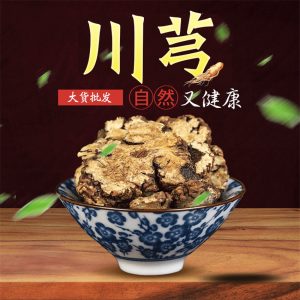
Chuan Xiong Slices (Ligusticum chuanxiong) — Sichuan Sun-Dried Rhizome Pieces, 500g
Price range: $4.44 through $6.06 -
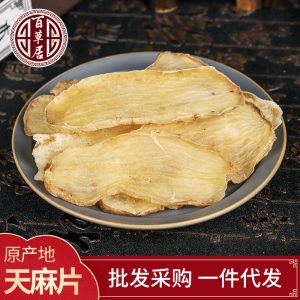
Tian Ma Slices (Gastrodia elata) — Yunnan Zhaotong Wu Tian Ma, 500g Dried Herb
Price range: $14.81 through $22.92
Reviews
There are no reviews yet.