
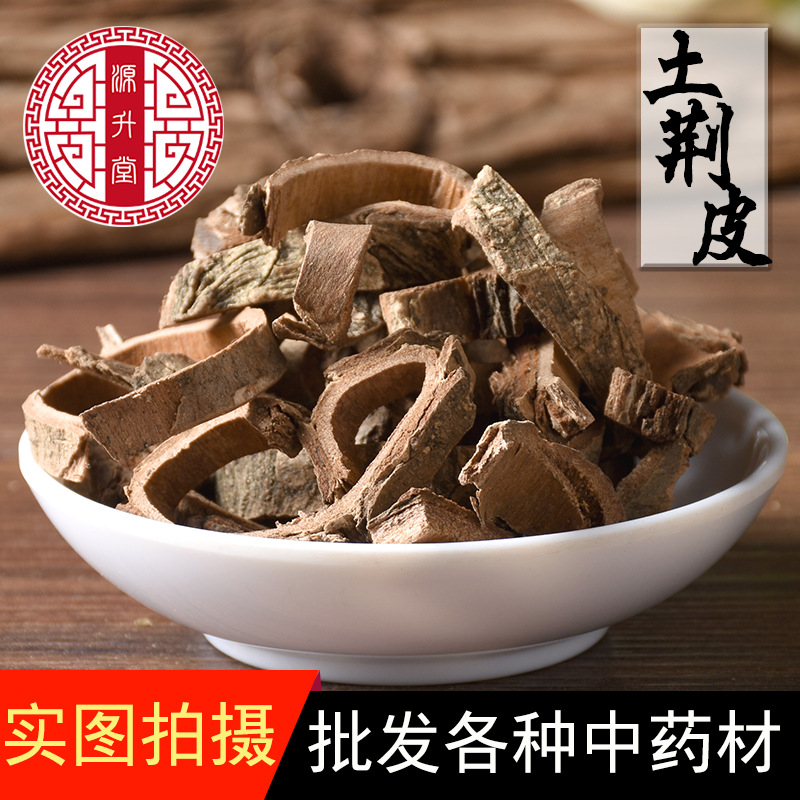
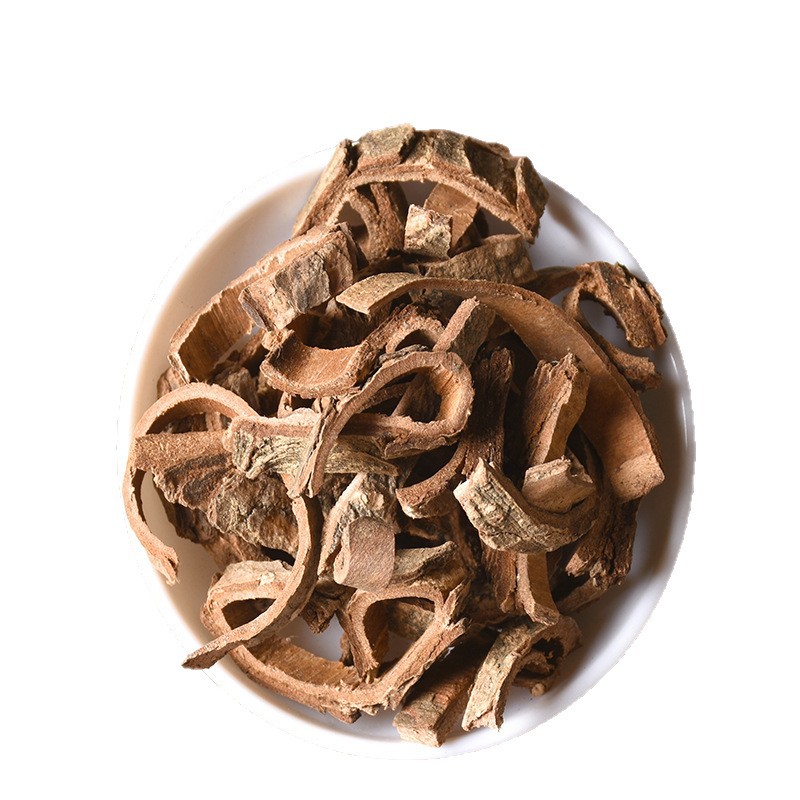
Tu Jing Pi (Pseudolarix amabilis) — Dried Sichuan Bark, Unsulfured, 500g
Price range: $4.91 through $8.98
Description
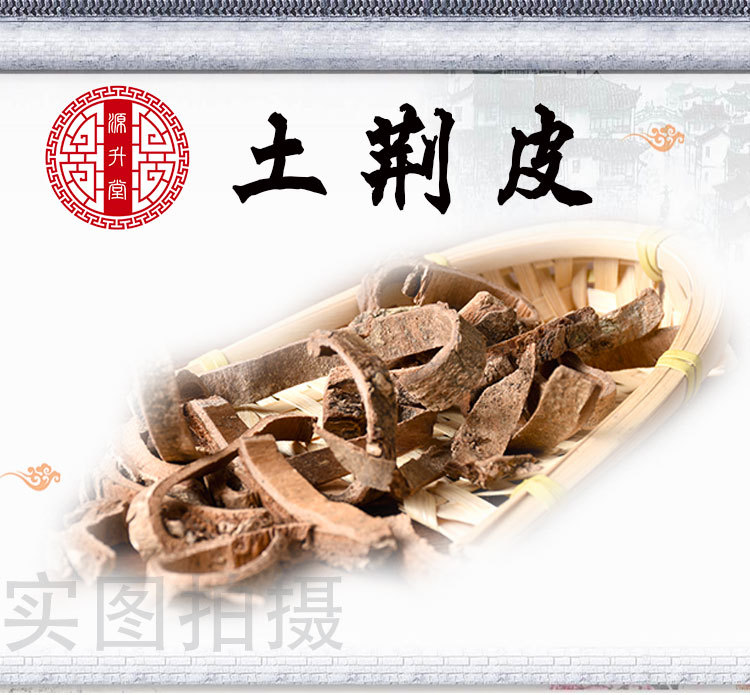
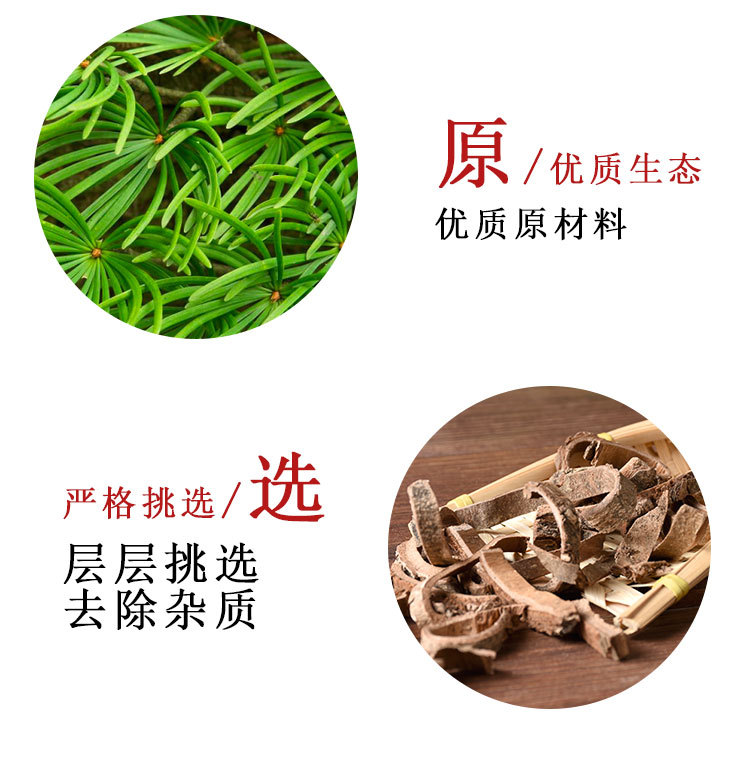
Tu Jing Pi (Pseudolarix amabilis), also known as Tu Jin Pi (土槿皮), is the dried root bark or trunk bark of the golden larch, a traditional herb long honored in Traditional Chinese Medicine (TCM) for its external applications. Sourced from Sichuan, this unsulfured bark is prized for its clean, sulfur-free processing and its traditional role in topical herbal preparations. Its nature is pungent and warm, with a traditional direction of drying dampness and dispelling wind, making it a classic herb for external use in folk practice.

Key Selling Points
- Unsulfured, sulfur-free processing
- Authentic Sichuan regional herb
- Dried root and trunk bark
- Traditional external-use herb
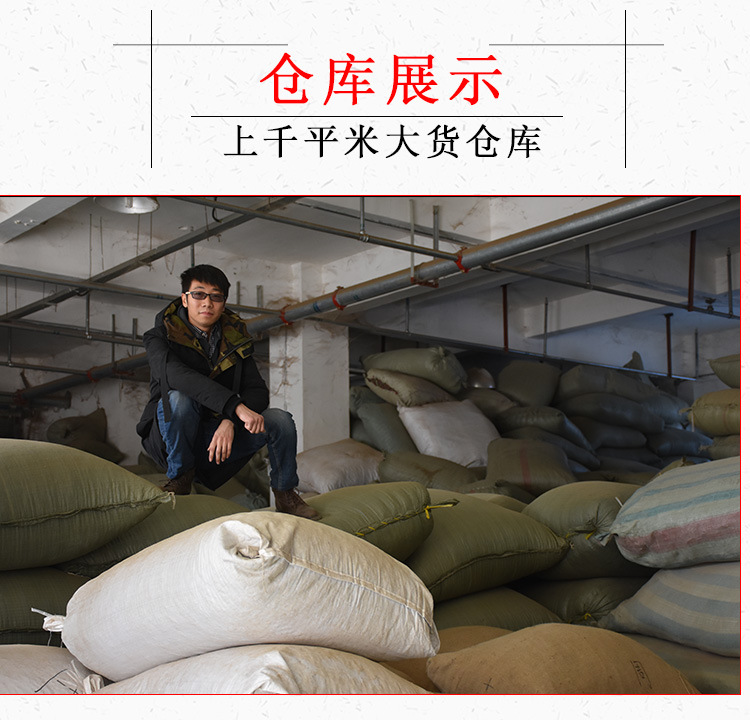
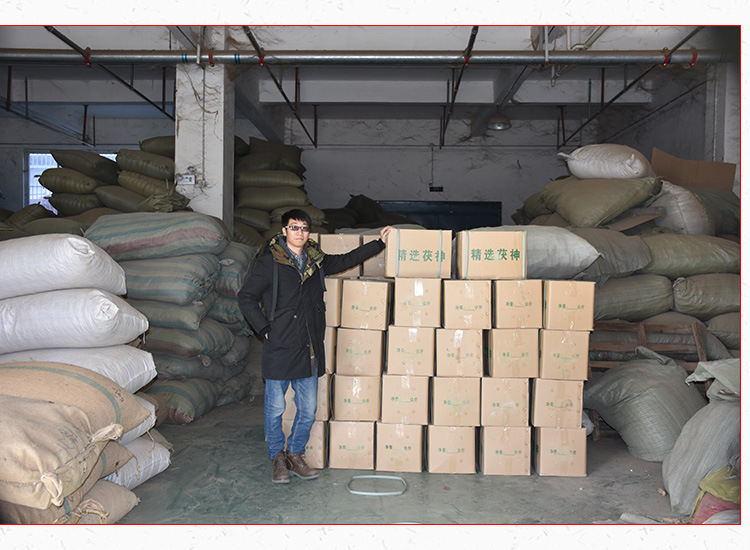
- 500g bulk pack for value

Quality & Sensory
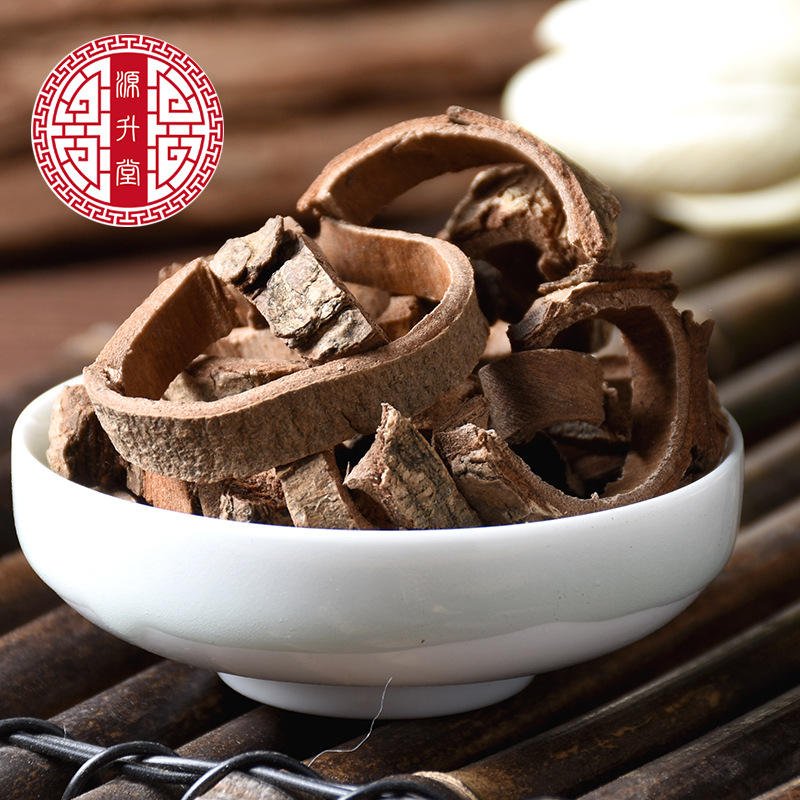
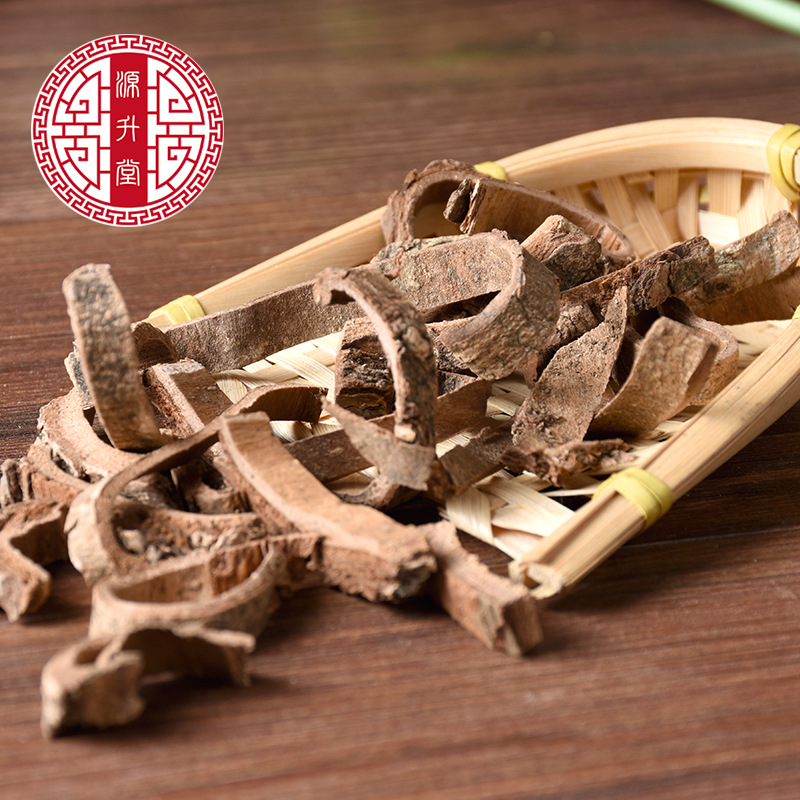
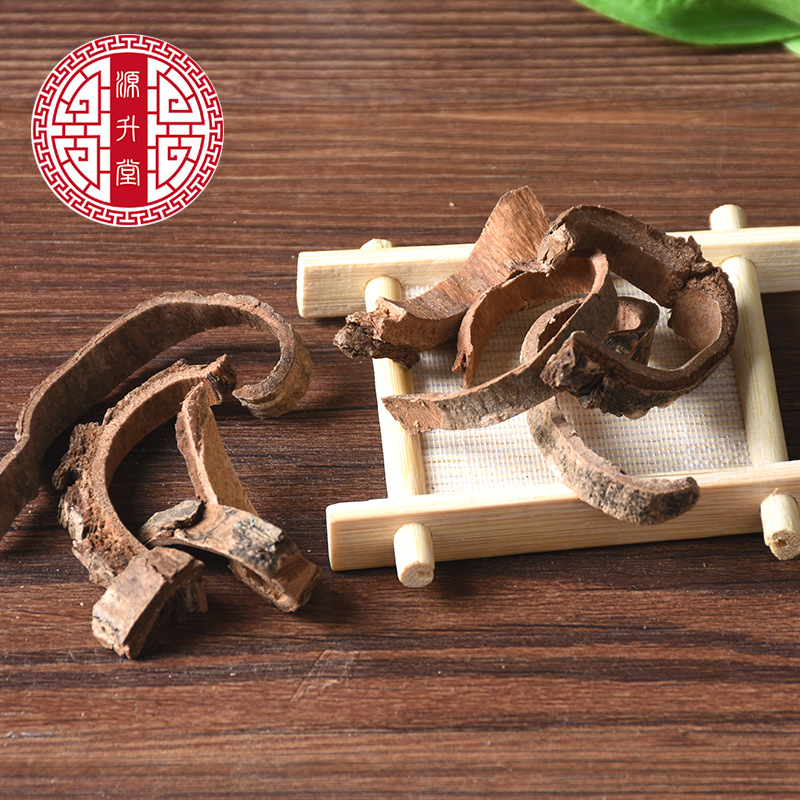
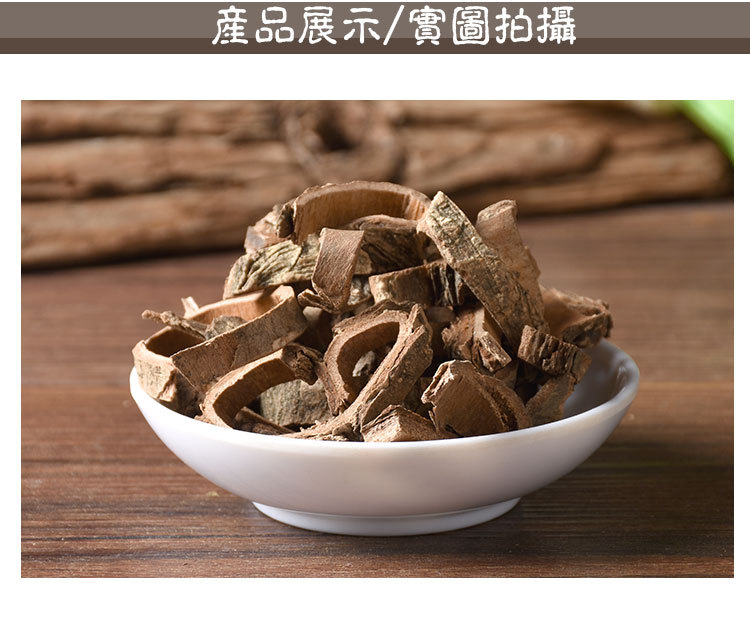
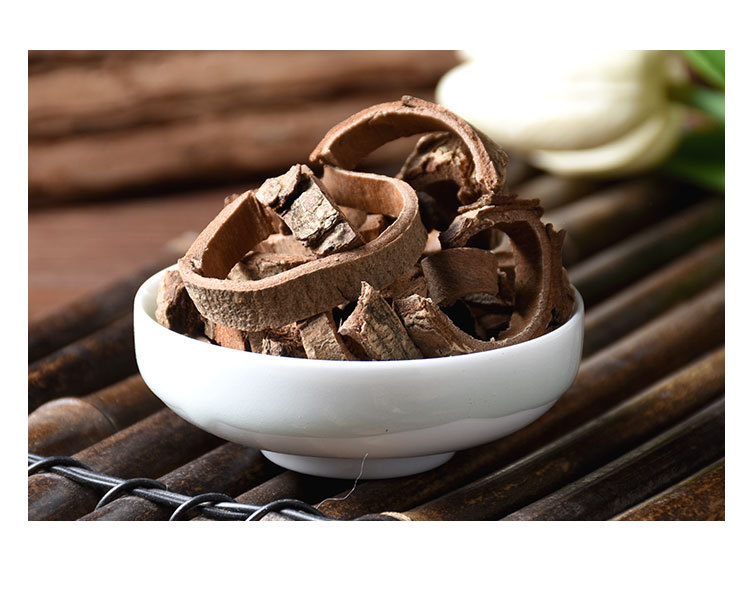
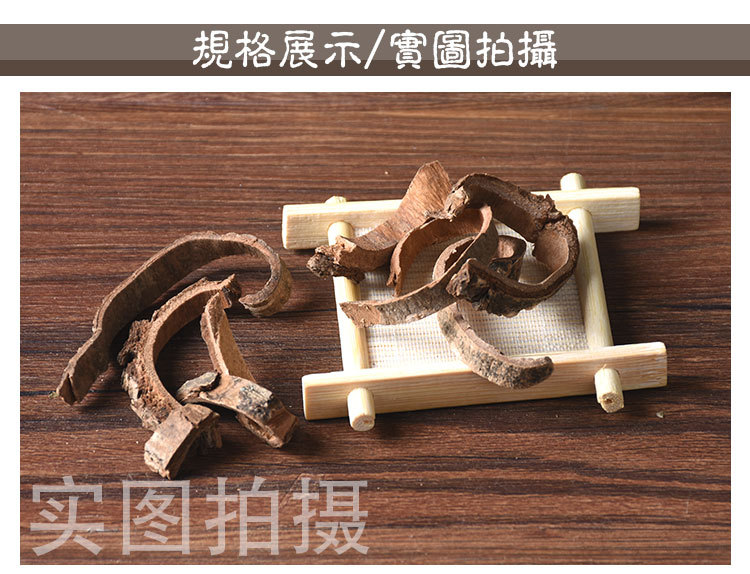
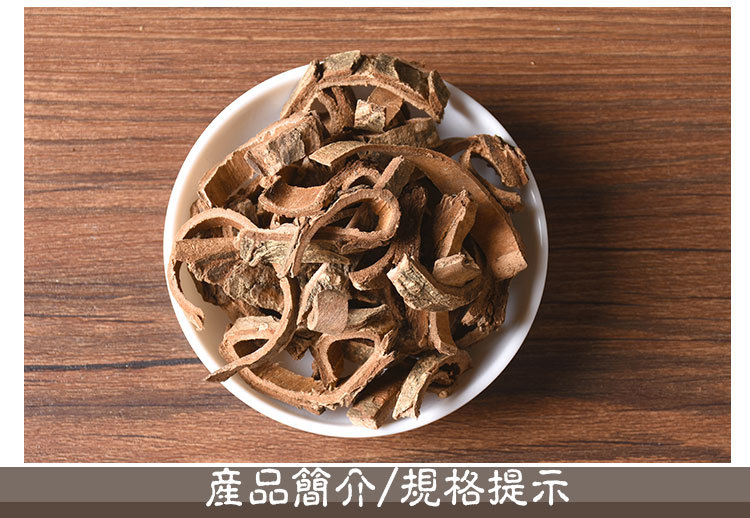
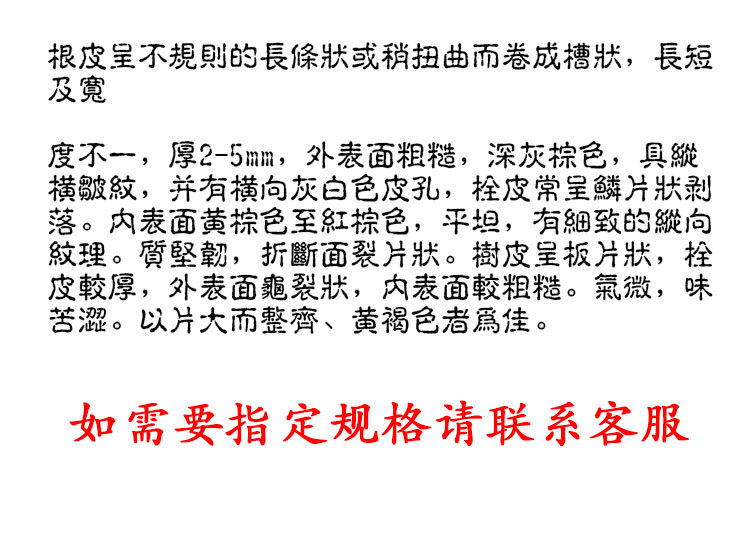
Each batch is carefully dried to preserve its natural pale tan to light brown color, with a fibrous, layered bark texture that breaks cleanly when bent. The aroma is mild, woody, and slightly earthy, without the sharp sulfurous odor common in treated barks. When decocted for external washes, it yields a light amber infusion with a subtle bitter-astringent note, traditionally used in soaks and compresses rather than internal consumption.
Technical Specifications
| Product Type | Dried Medicinal Bark |
|---|---|
| Common Name | Tu Jing Pi / Tu Jin Pi |
| Botanical Name | Pseudolarix amabilis |
| Origin | Sichuan, China |
| Net Weight | 500g |
| Processing | Dried, Unsulfured |

Usage Scenarios
- External herbal wash and soak
- Traditional topical compress
- Herbal foot soak blends
- Folk external preparations
- Bulk herbal ingredient for formulators


Traditional Uses
In folk herbal practice, Tu Jing Pi is traditionally decocted for external washes and soaks, often combined with other herbs such as Ku Shen (Sophora flavescens) and Bai Xian Pi (Dictamnus dasycarpus) in topical formulas. It is placed into foot soak blends and external compress preparations in daily herbal routines. Because of its traditional external-use nature, it is not typically used in internal soups or teas, and is handled as a topical herb in TCM practice.



FAQ Q&A
Q: What is Tu Jing Pi?
A: Tu Jing Pi (Pseudolarix amabilis), also written Tu Jin Pi, is the dried bark of the golden larch. It is a traditional Chinese herb used primarily in external applications such as washes and soaks.
Q: Is this bark sulfured?
A: No. This Tu Jing Pi is unsulfured, meaning it has not been treated with sulfur fumigation. It is simply dried to preserve its natural color, texture, and mild woody aroma.
Q: How is Tu Jing Pi traditionally used?
A: In TCM folk practice, Tu Jing Pi is decocted for external washes, soaks, and compresses, often blended with herbs like Ku Shen and Bai Xian Pi. It is traditionally treated as an external-use herb rather than an internal tea ingredient.
Additional information
| Weight | N/A |
|---|---|
| Dimensions | N/A |
| Packaging specifications | Althea bark 0 5kg piece, High quality hibiscus bark 0 5kg piece |
Related products
-
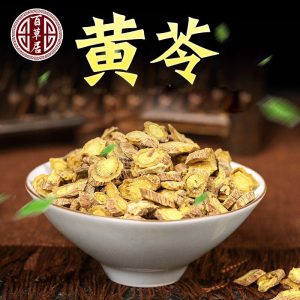
Huang Qin Slices (Scutellaria baicalensis) — Dried Chinese Skullcap Root, Unsulfured 500g
$6.23 -
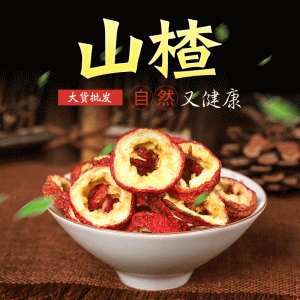
Shan Zha Slices (Crataegus pinnatifida) — Pitted Dried Hawthorn for Sour Plum Soup & Tea
Price range: $4.12 through $5.74 -
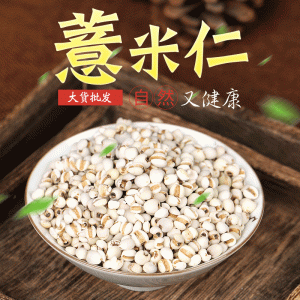
Yi Mi Ren (Coix Seed / Job’s Tears) — Guizhou Roasted Coix lacryma-jobi for Soup & Tea
Price range: $4.61 through $4.77 -
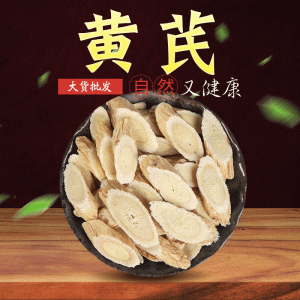
Huang Qi Slices (Astragalus membranaceus) — Dried Nail-Grade Root Slices for Tea & Soup
Price range: $5.74 through $12.06
Reviews
There are no reviews yet.