
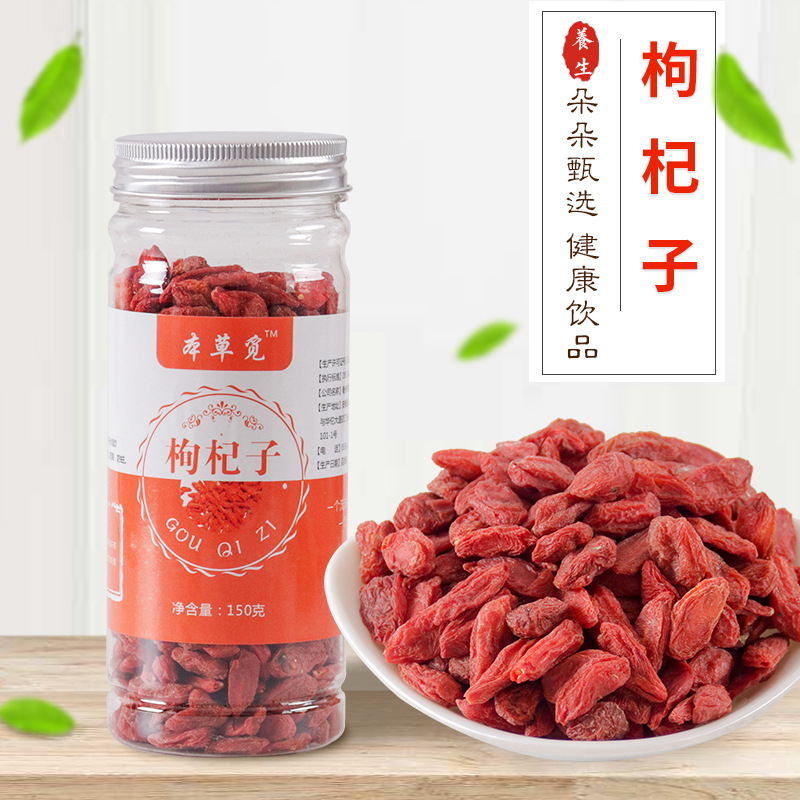
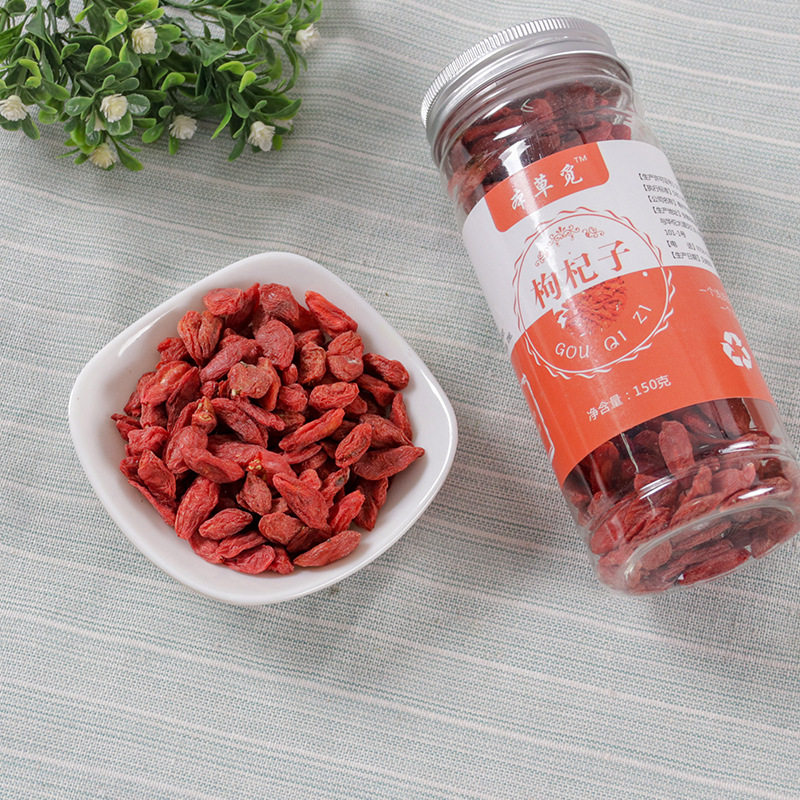
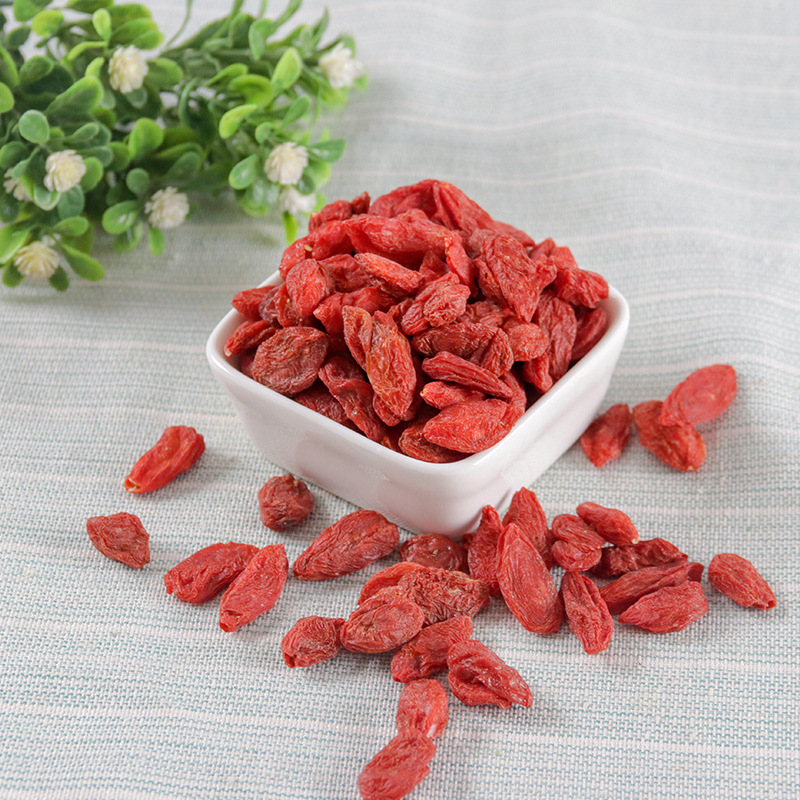
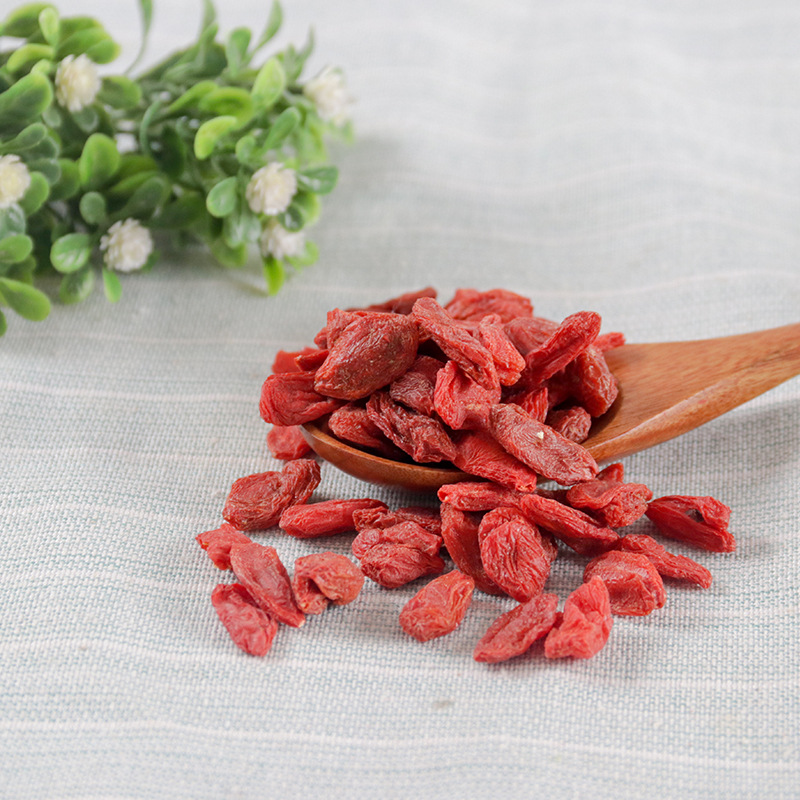
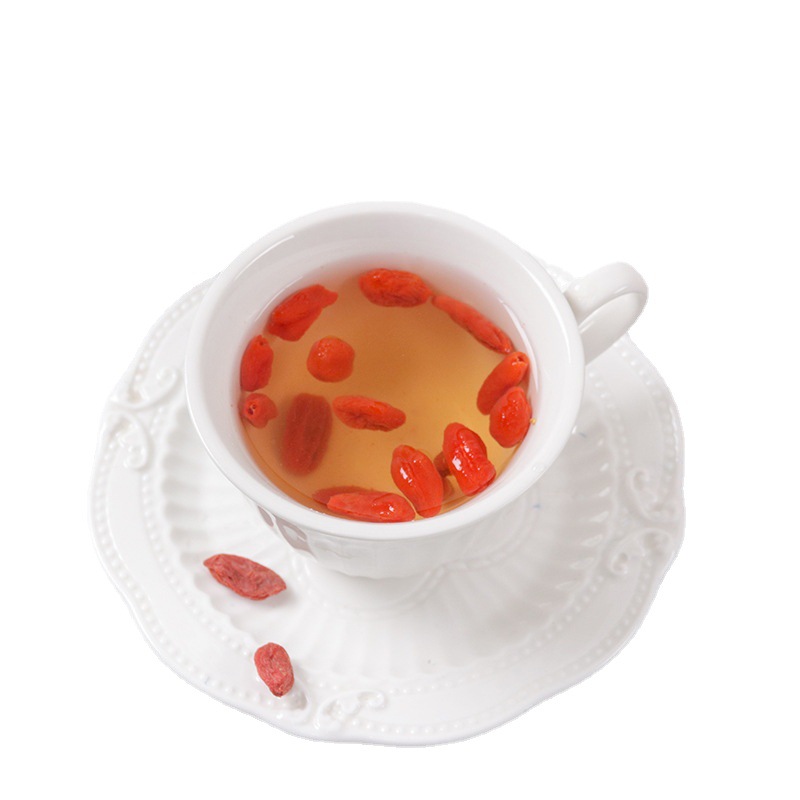
Ningxia Goji Berries (Lycium barbarum) — Dried Wolfberry Fruit, Unsulfured Grade A
Price range: $4.61 through $7.52
Description
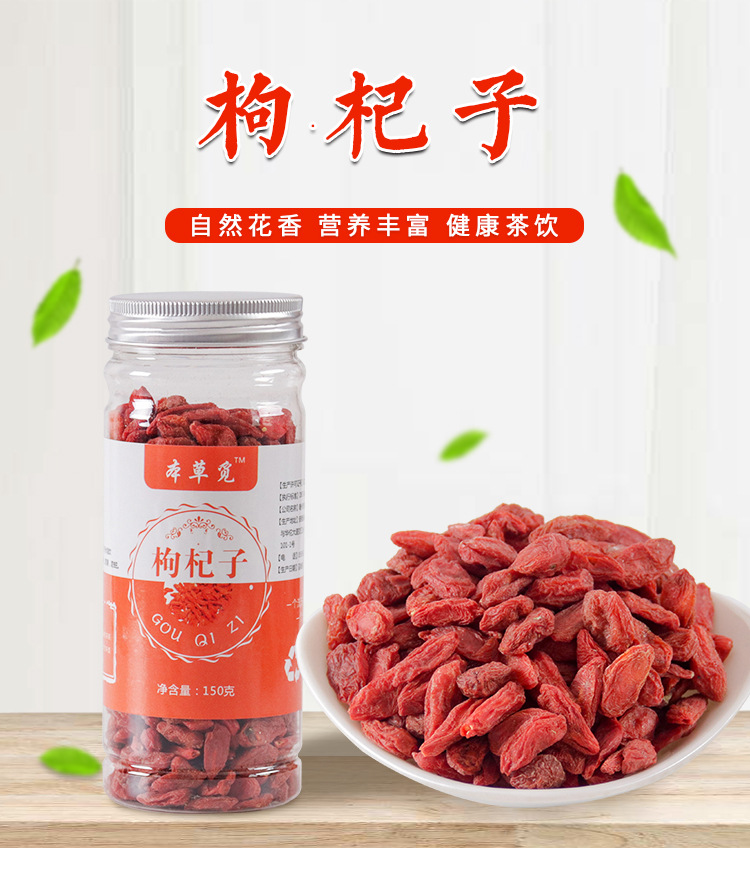
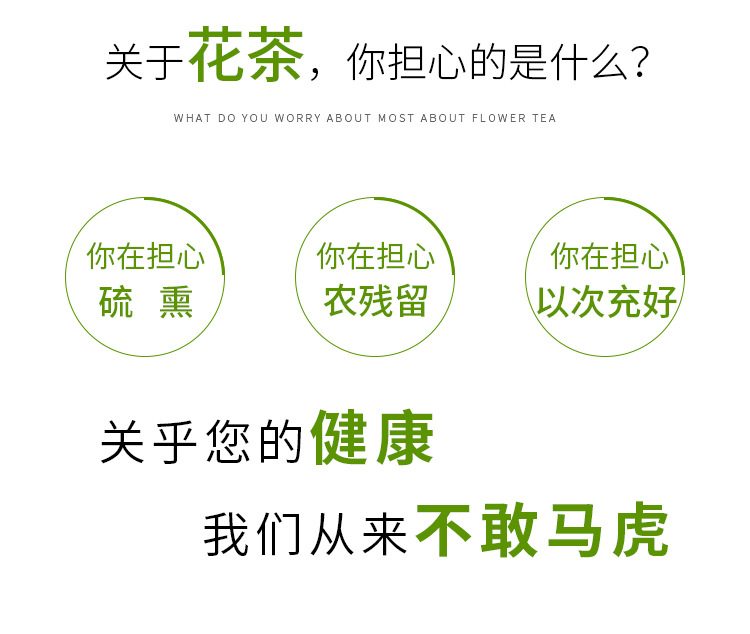
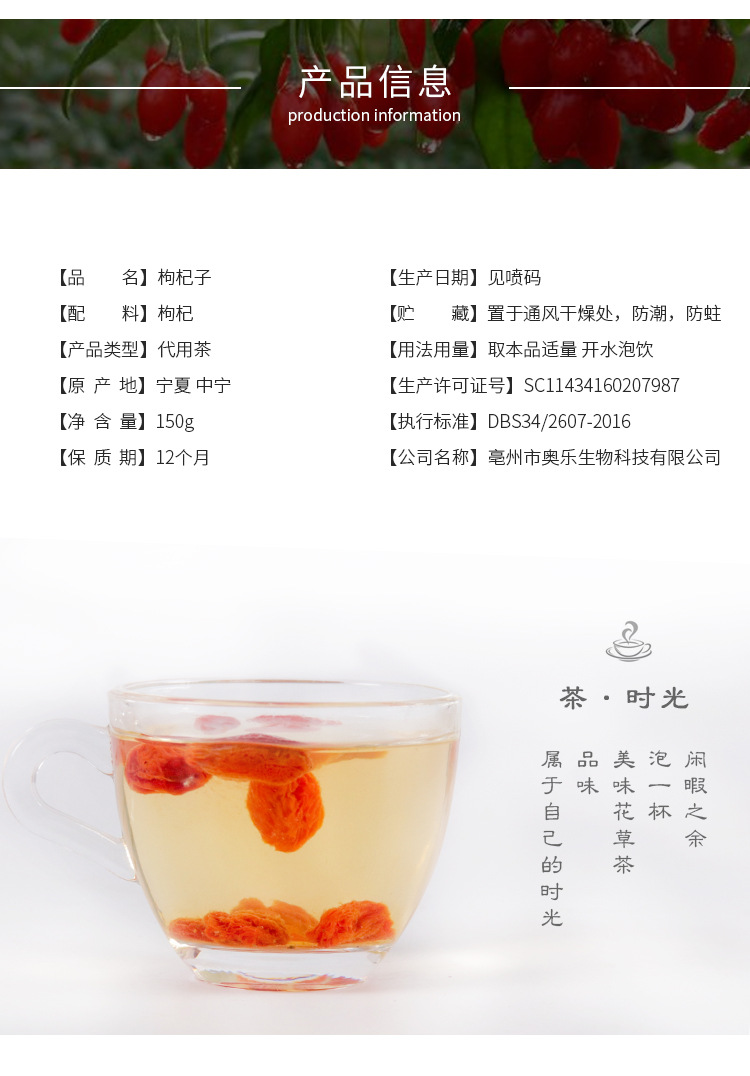
Ningxia Goji Berries (Lycium barbarum) are the sun-dried ripe fruits of a highly revered food herb known in Traditional Chinese Medicine (TCM) as Gǒu Qǐ Zǐ (枸杞子). Grown in Ningxia, the classic origin region for premium wolfberry, these berries have been prized for centuries as a gentle, yin-nourishing and blood-supporting herb used in teas, soups, congee, and daily tonics. Their nature is sweet and neutral, making them a mild yet profoundly nourishing fruit for supporting the Liver and Kidney, brightening the eyes, and moistening the body's fluids.
Key Selling Points
- Authentic Ningxia-origin goji berries
- Unsulfured, Grade A dried wolfberry fruit
- Sweet, neutral food herb for daily nourishment
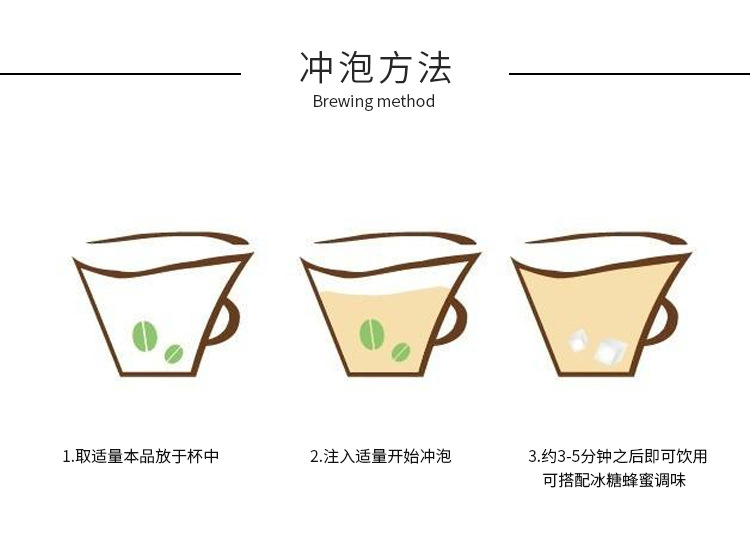
- Ready to eat, brew, or simmer in soups
- Traditional Liver and Kidney nourishing fruit
Quality & Sensory
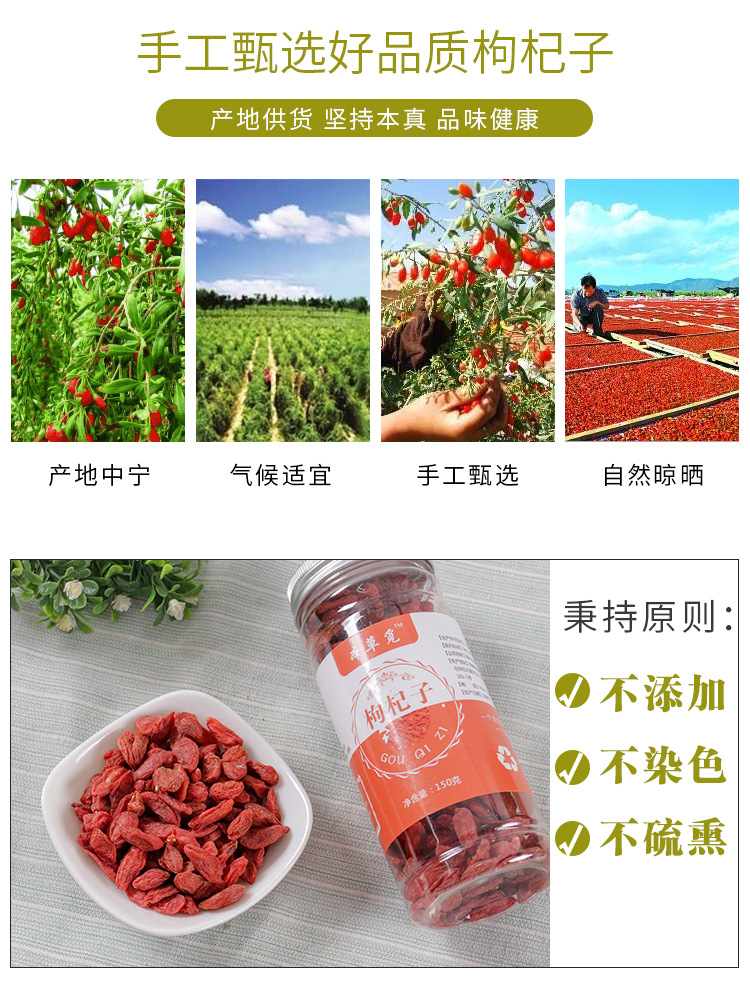
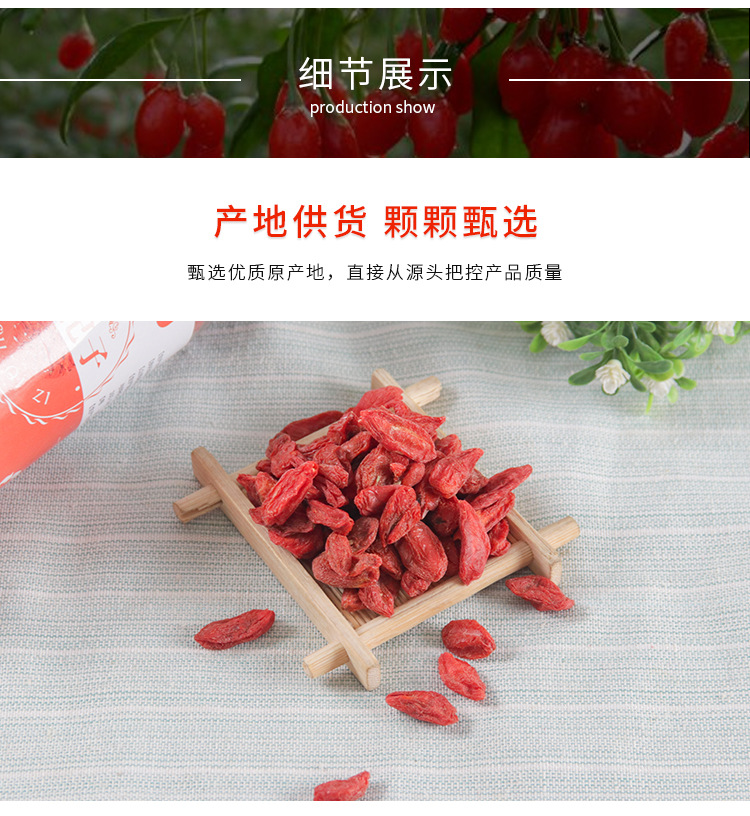
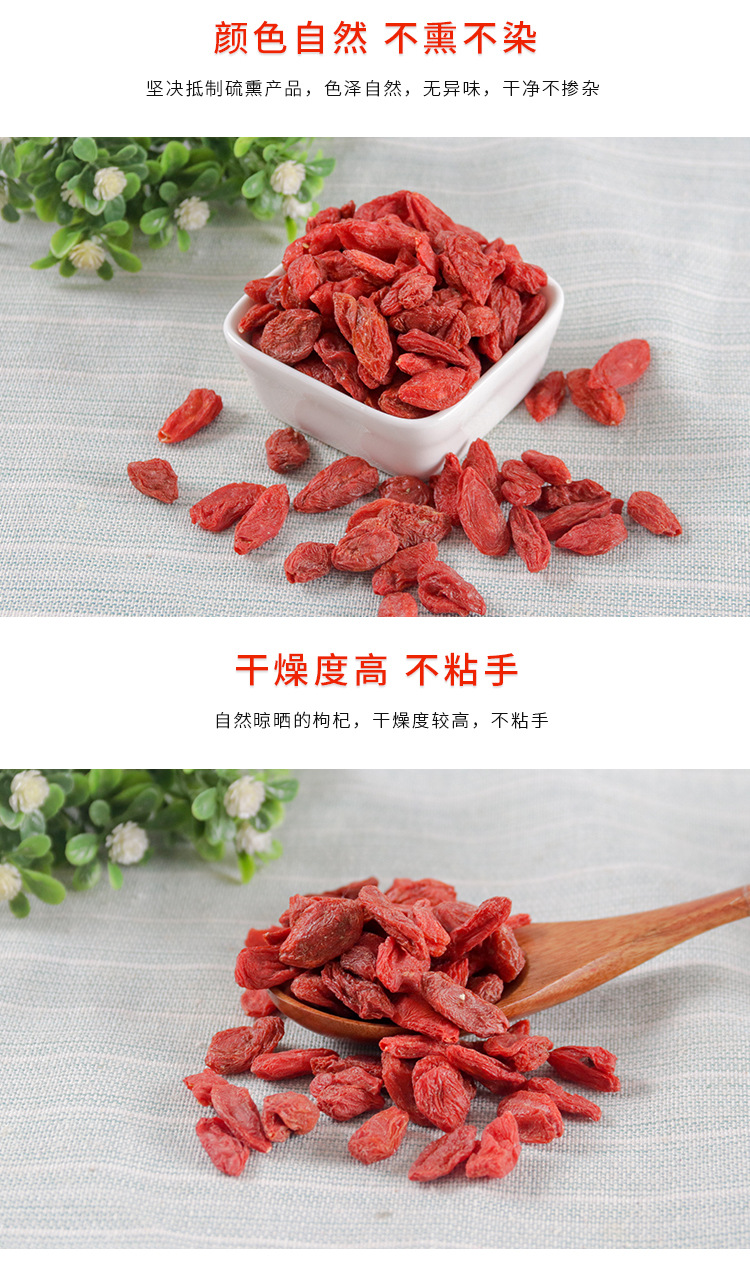
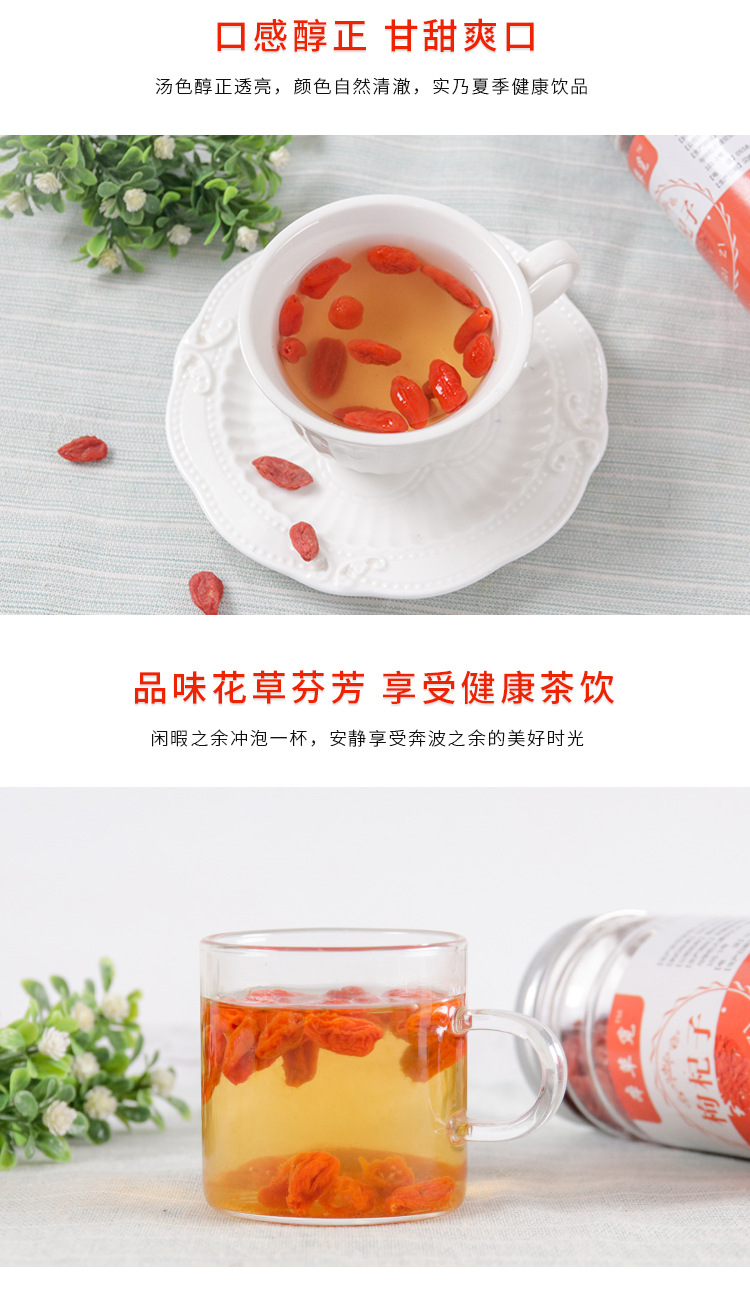
Each batch is carefully dried without sulfur fumigation to preserve its vivid ruby-red color, plump oval shape, and soft, slightly chewy texture. The berries carry a mild, sweet fruity aroma. Eaten directly, they taste gently sweet with a faint tartness; brewed in hot water, they soften and release a warm, honeyed infusion that tints the liquid a soft amber-red.
Technical Specifications
| Product Type | Dried Fruit / Food Herb |
|---|---|
| Common Name | Goji Berry / Wolfberry |
| Botanical Name | Lycium barbarum |
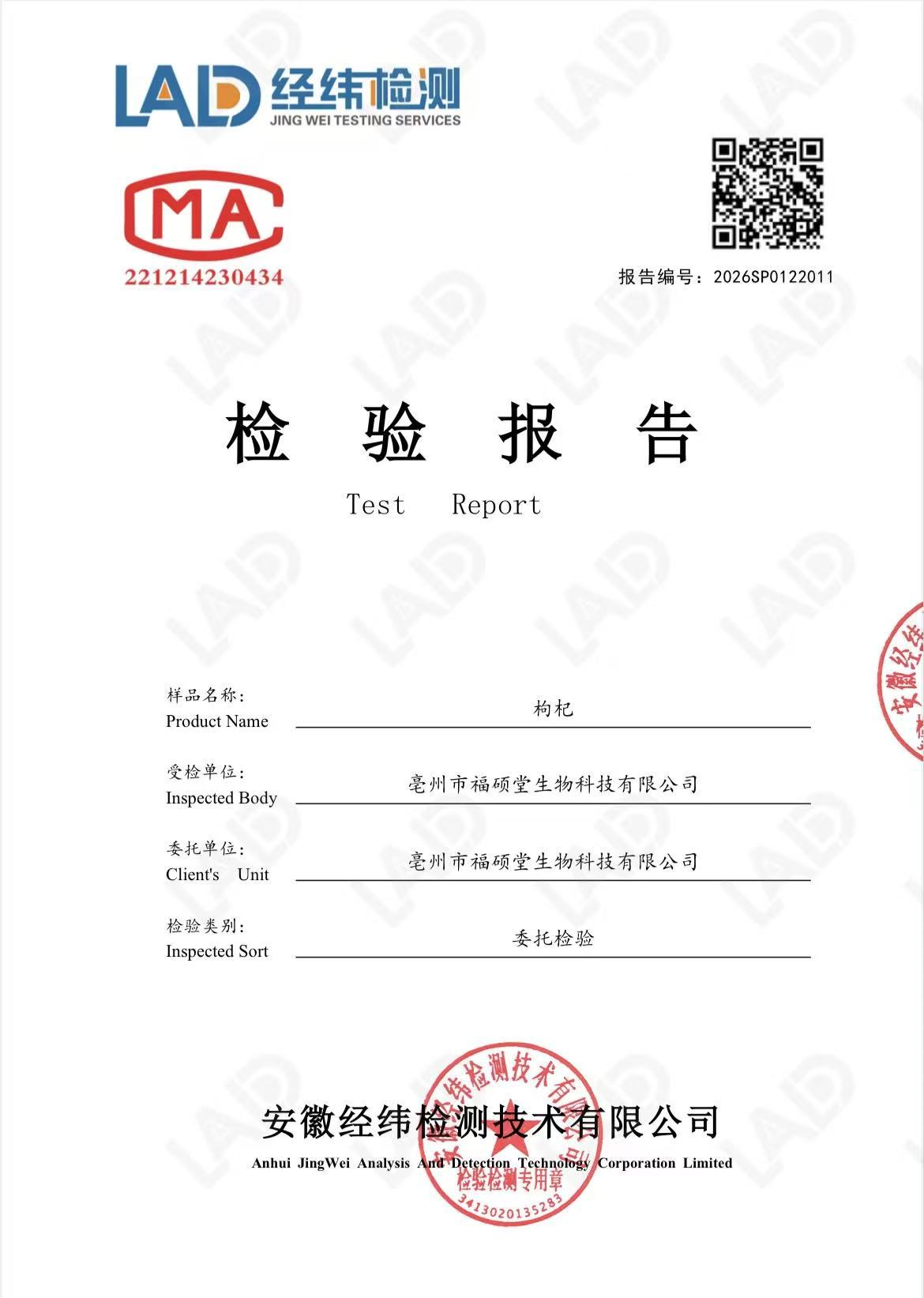
| Origin | Ningxia, China |
| Processing | Unsulfured, Sun-Dried |
| Grade | Grade A (甲级) |
Usage Scenarios
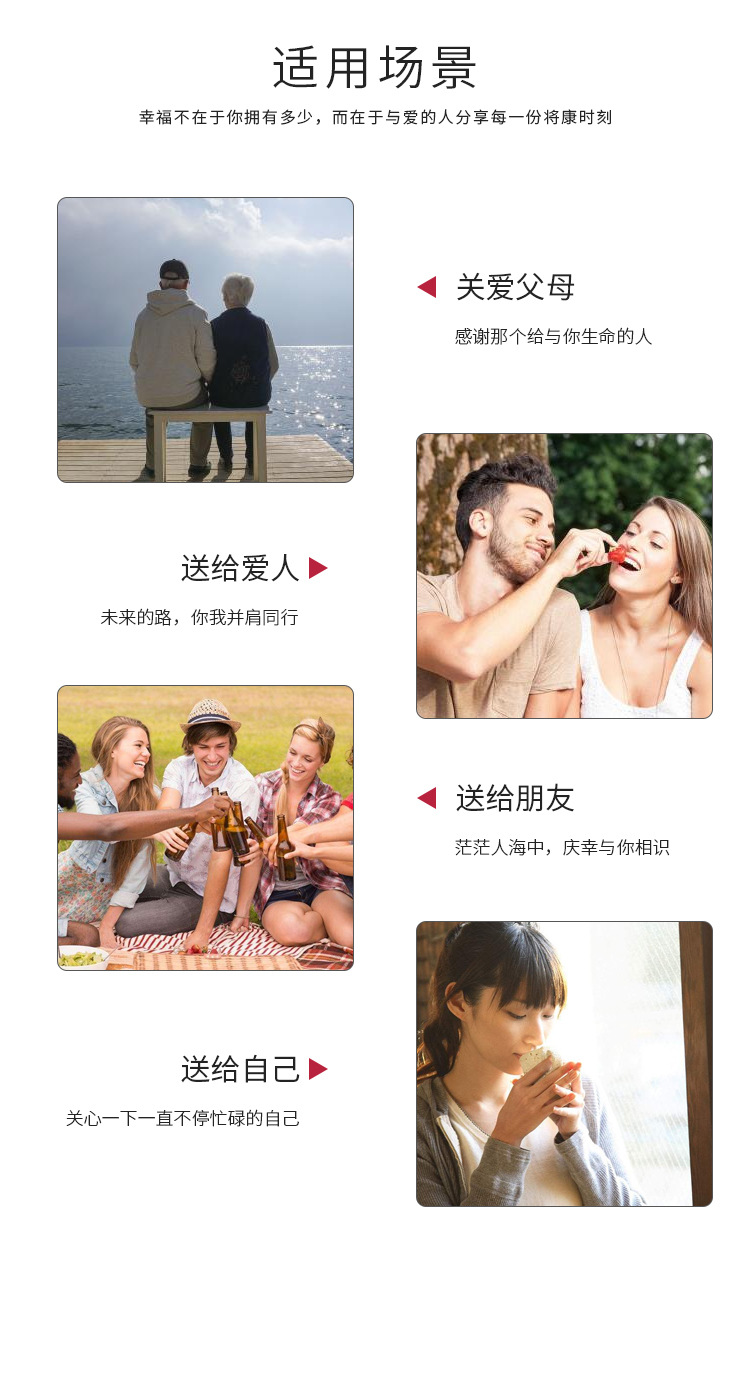
- Daily herbal tea or infused water
- Chinese-style soup and broth
- Congee and grain porridge
- Trail mix, yogurt, and baked goods
- Seasonal tonic blends with jujube and chrysanthemum

Traditional Uses
In folk herbal practice, goji berries are scattered into soups, congee, and longevity tonics to support daily nourishment of the Liver and Kidney. They are a classic companion to jujube, chrysanthemum, and lily bulb in seasonal tea blends, and are often simmered with chicken or pork in restorative broths. Eaten by the handful as a daily snack, they have long been part of the traditional Chinese wellness routine for supporting the eyes and the body's vital fluids.
FAQ Q&A
Q: What are Ningxia goji berries?
A: They are the dried ripe fruits of Lycium barbarum, known in Traditional Chinese Medicine as Gǒu Qǐ Zǐ (枸杞子). Ningxia is the classic origin region for premium wolfberry in China.
Q: What is the traditional wellness value of goji berries?
A: In traditional Chinese food wellness culture, goji berries are associated with nourishing the Liver and Kidney, supporting the eyes, and moistening the body's fluids. They are a sweet, neutral food herb used in daily teas, soups, and tonics.
Q: How do I use dried goji berries?
A: They can be eaten directly as a snack, brewed in hot water as a tea, or simmered in soups and congee. Adjust the quantity to your recipe and taste preference.
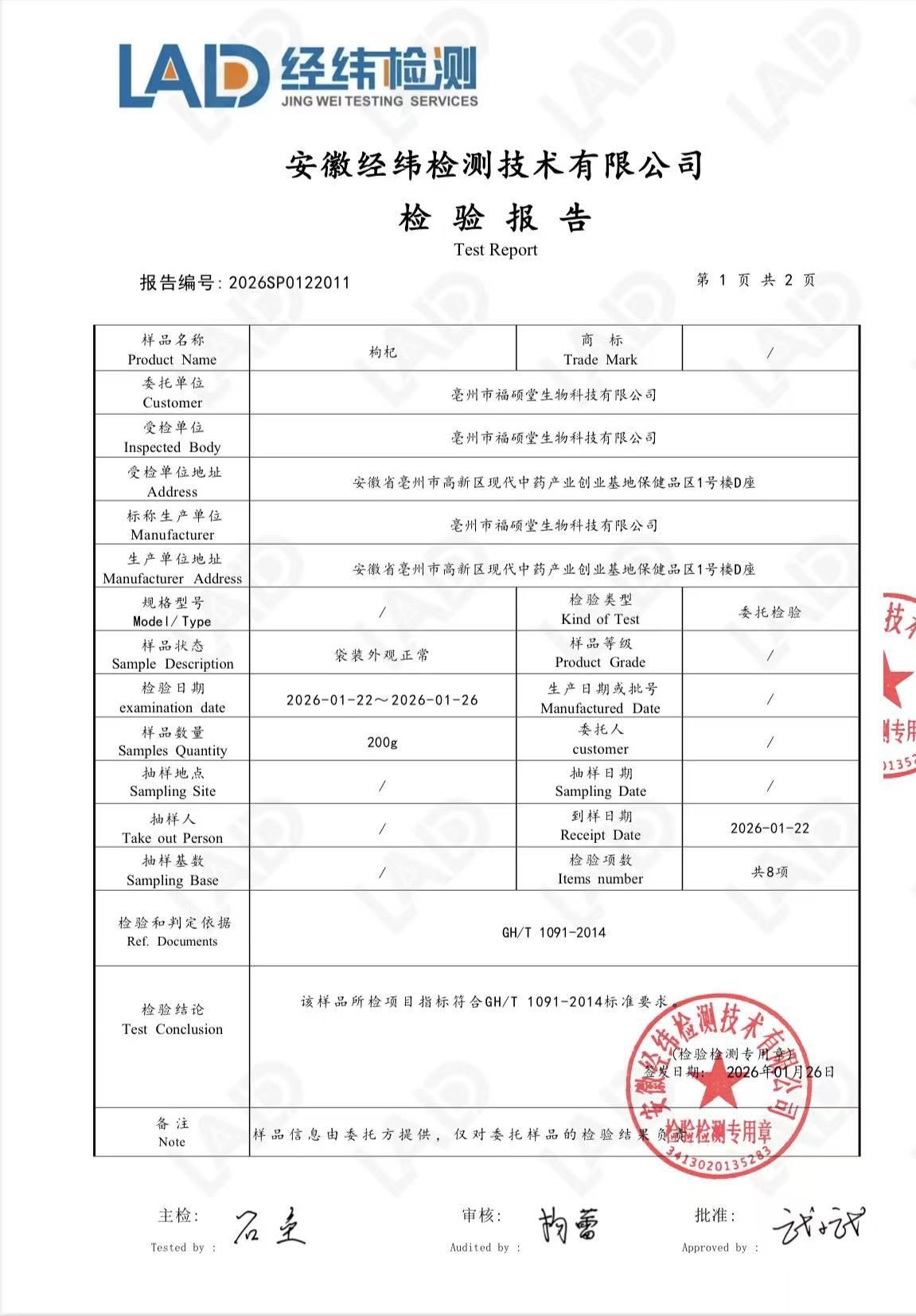
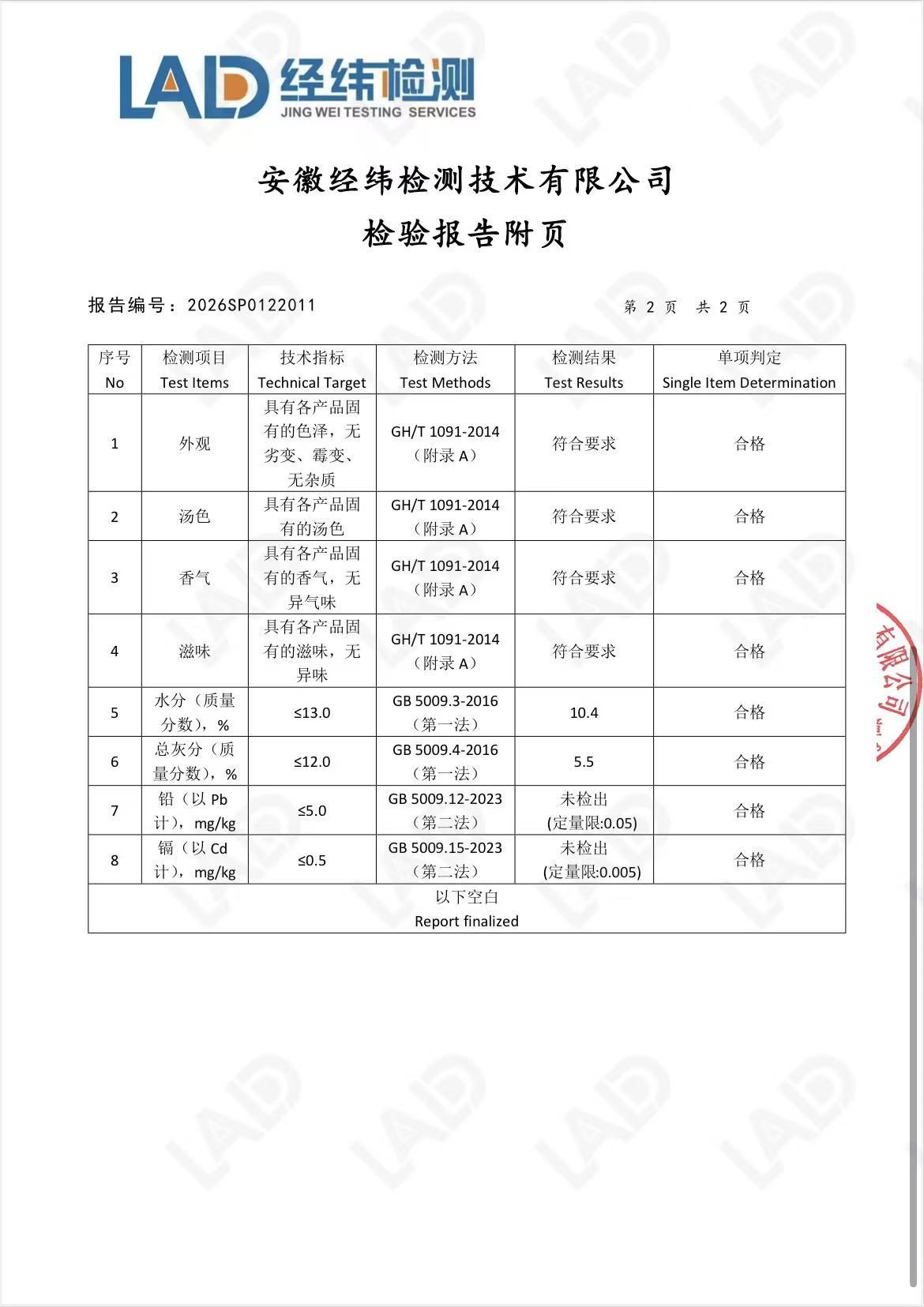
Additional information
| Weight | N/A |
|---|---|
| Dimensions | N/A |
| Packaging specifications | 150g bottle, 100g bottle, 250g per bag, 500g per bag |
Related products
-
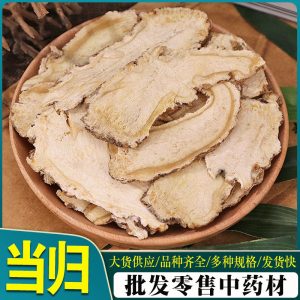
Dang Gui Slices (Angelica sinensis) — Minxian New-Crop Sulfur-Free Whole Root Slices, 500g
Price range: $5.42 through $11.57 -
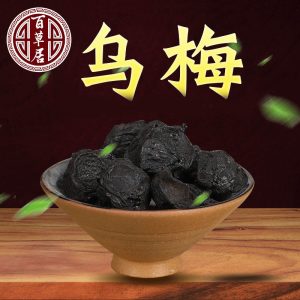
Wu Mei Dried Plum (Prunus mume) — Unsulfured Smoked-Free Food Herb for Sour Plum Drink & Tea
Price range: $4.44 through $10.93 -
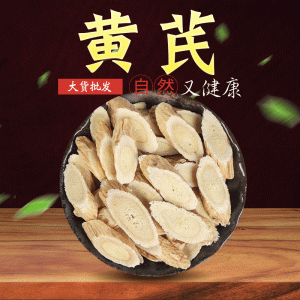
Huang Qi Slices (Astragalus membranaceus) — Dried Nail-Grade Root Slices for Tea & Soup
Price range: $5.74 through $12.06 -
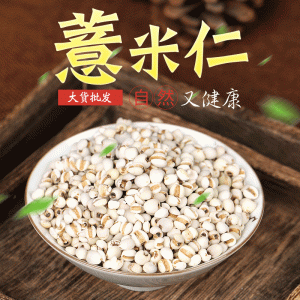
Yi Mi Ren (Coix Seed / Job’s Tears) — Guizhou Roasted Coix lacryma-jobi for Soup & Tea
Price range: $4.61 through $4.77
Reviews
There are no reviews yet.