
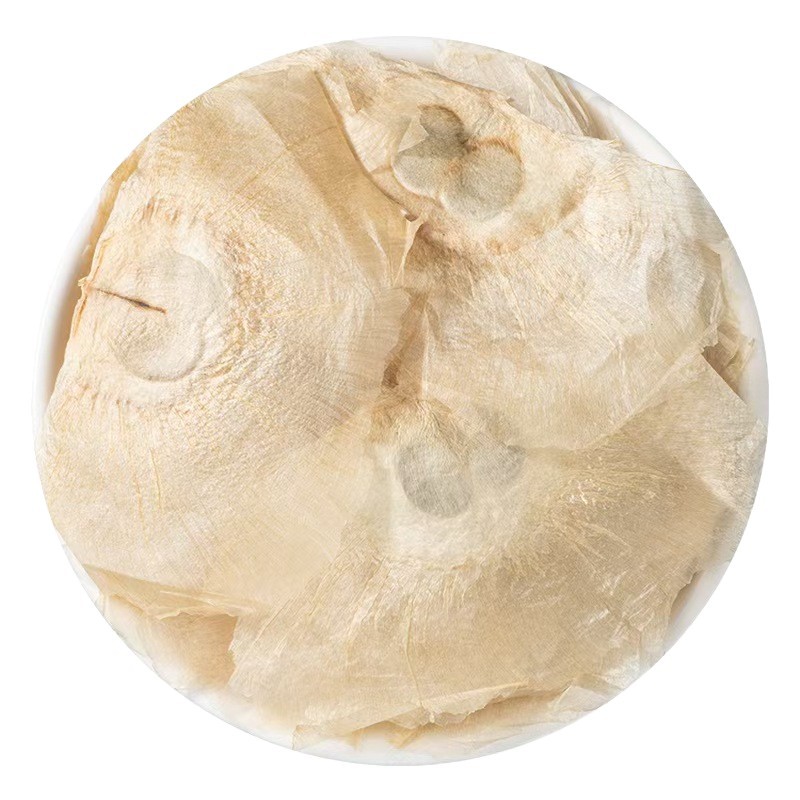
Mu Hu Die (Oroxylum indicum) — Dried Food-Herb Seed Pods from Guangxi, 500g
$11.56
600000 in stock
Description
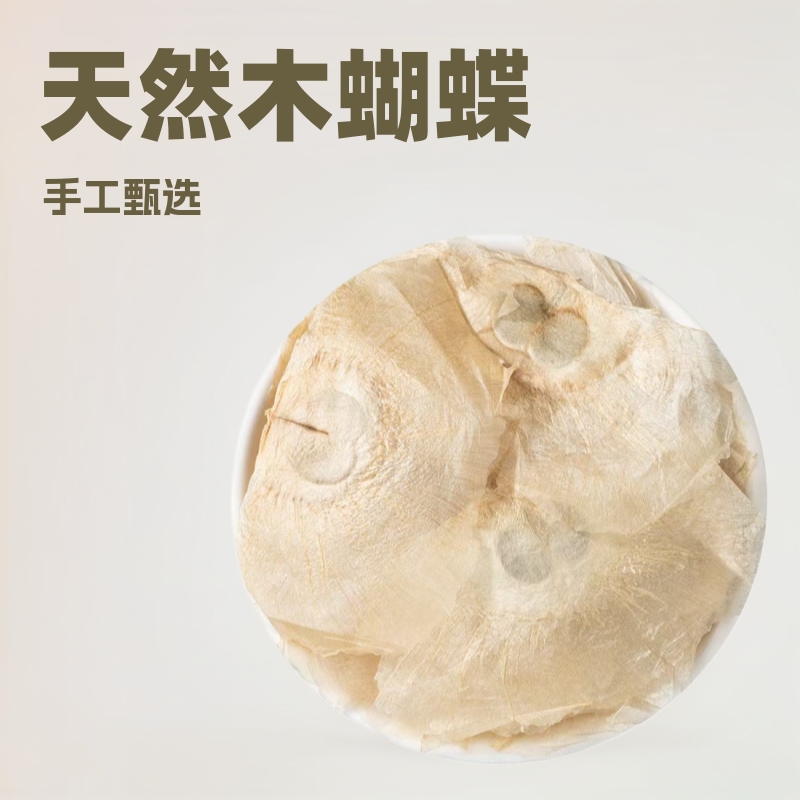
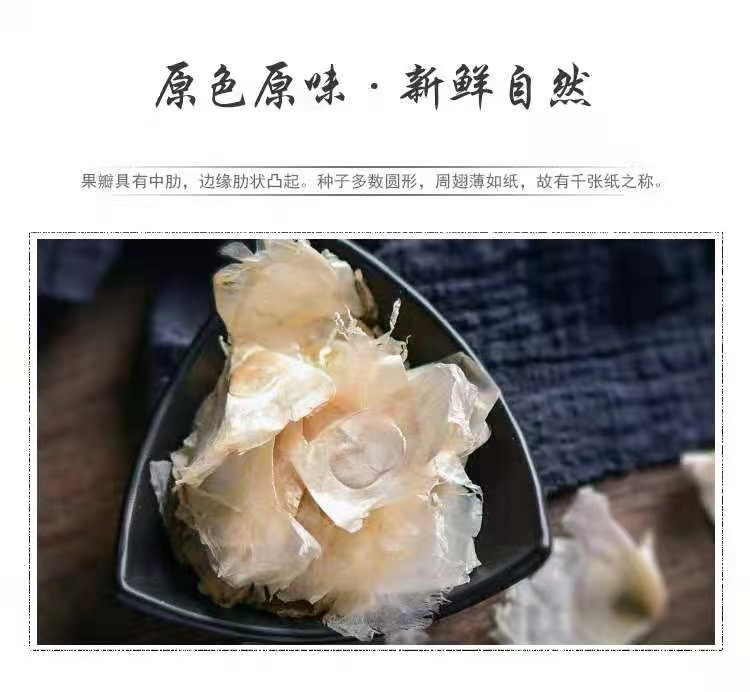
Mu Hu Die (Oroxylum indicum), known in Traditional Chinese Medicine (TCM) as Mù Hú Dié (木蝴蝶) and affectionately called "Thousand-Layer Paper" (千层纸) or "Jade Butterfly" (玉蝴蝶), is the dried, shell-on seed pod of a revered food-herb tree native to Guangxi. For centuries this light, papery botanical has been prized as a gentle throat-soothing and qi-harmonizing herb, traditionally used to ease hoarseness, dry throat, and unsettled qi. Its nature is slightly cold and its flavor is bitter-sweet, making it a mild yet clarifying herb for moistening the throat, soothing the voice, and harmonizing the Lung and Liver channels.
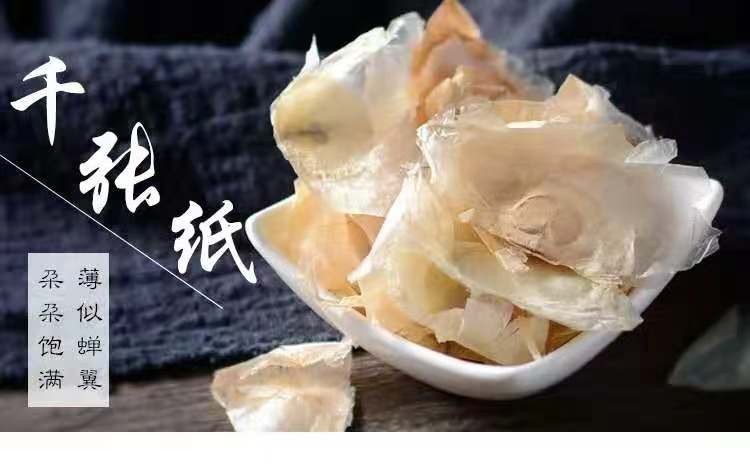
Key Selling Points
- Traditional food-herb seed pods (药食同源)
- Known as Mu Hu Die, Qian Ceng Zhi, Yu Hu Die
- Sourced from Guangxi, sun-dried with shells intact
- 500g value pack for teas and decoctions
- Light, papery texture with mild bittersweet aroma
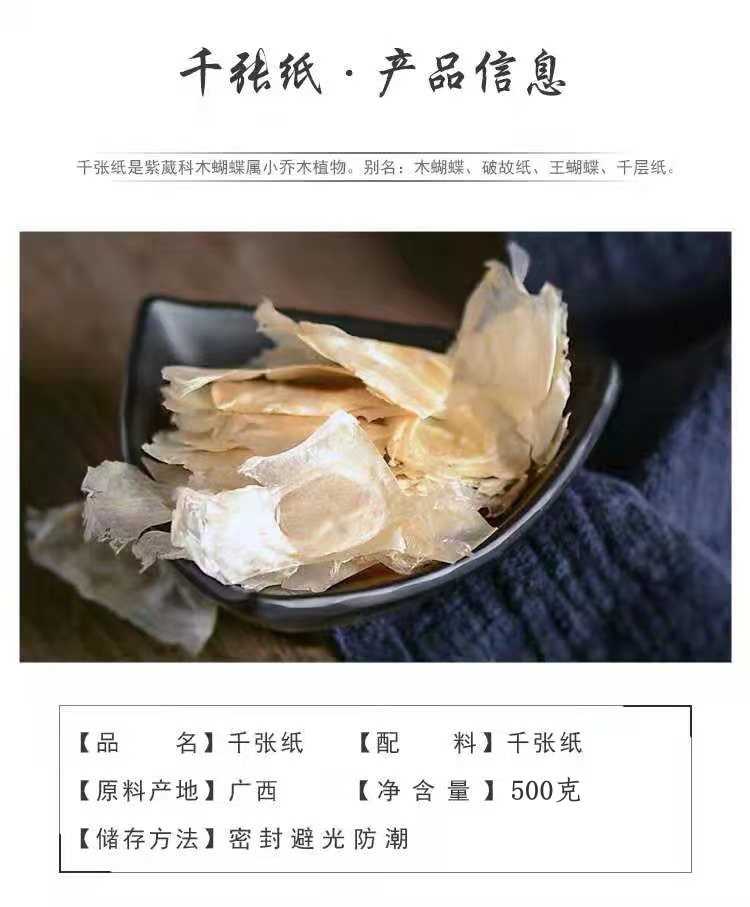
Quality & Sensory
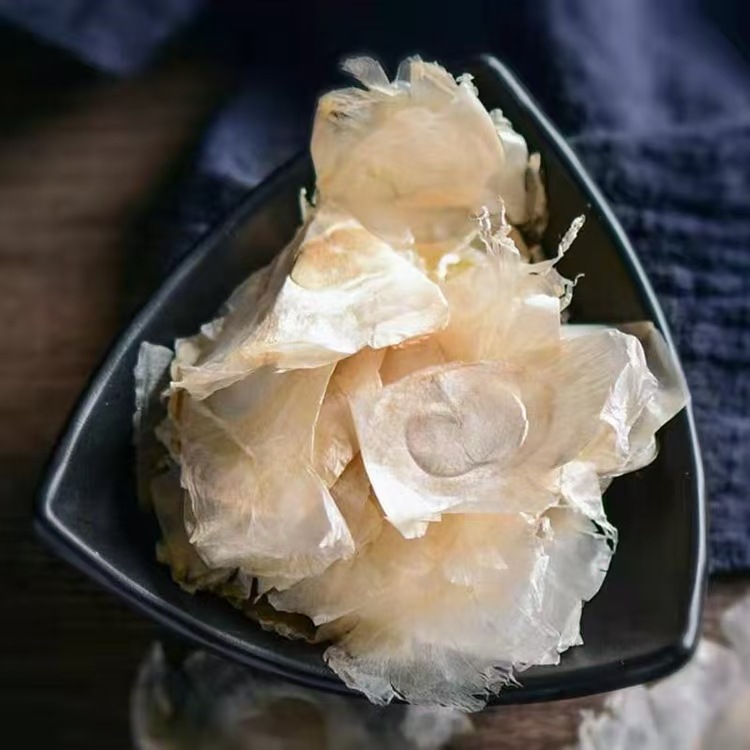
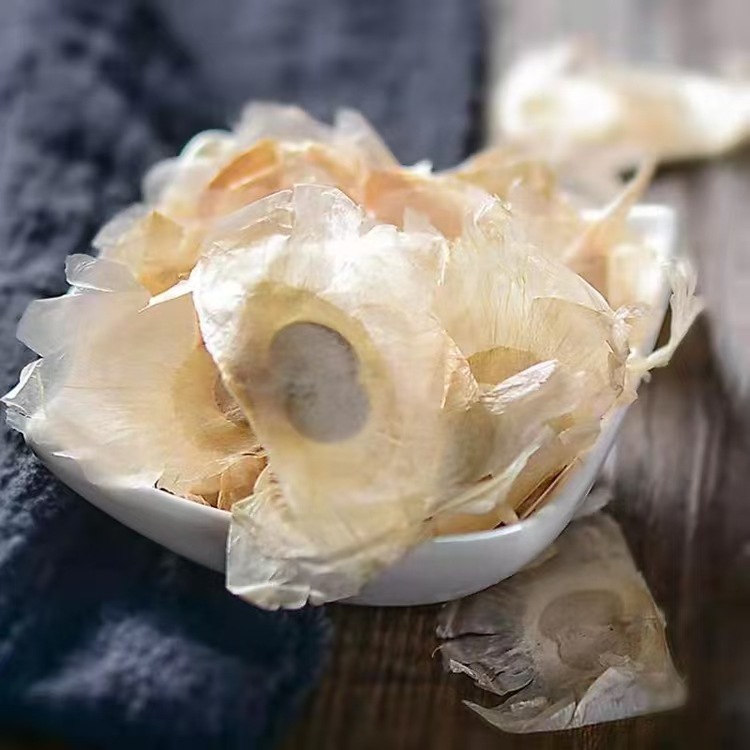
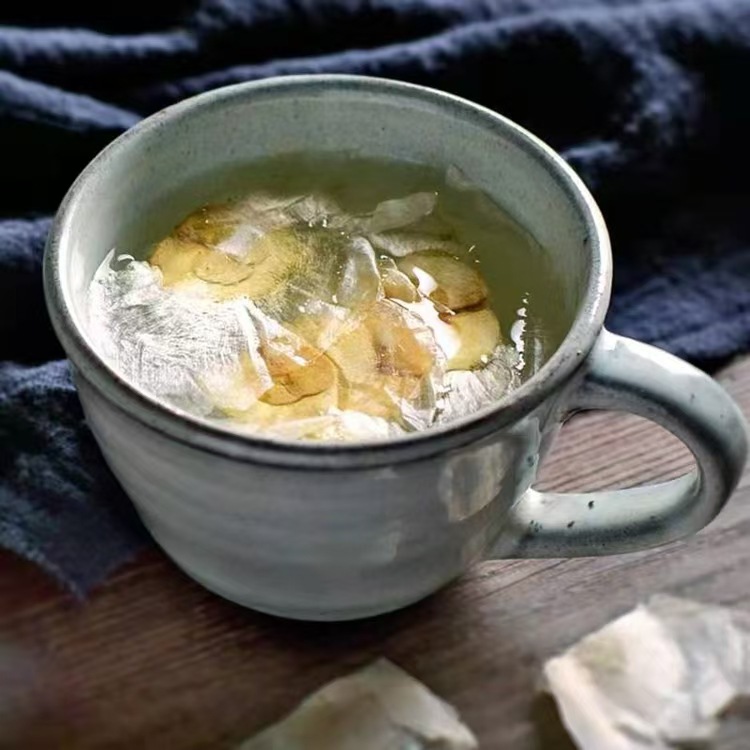
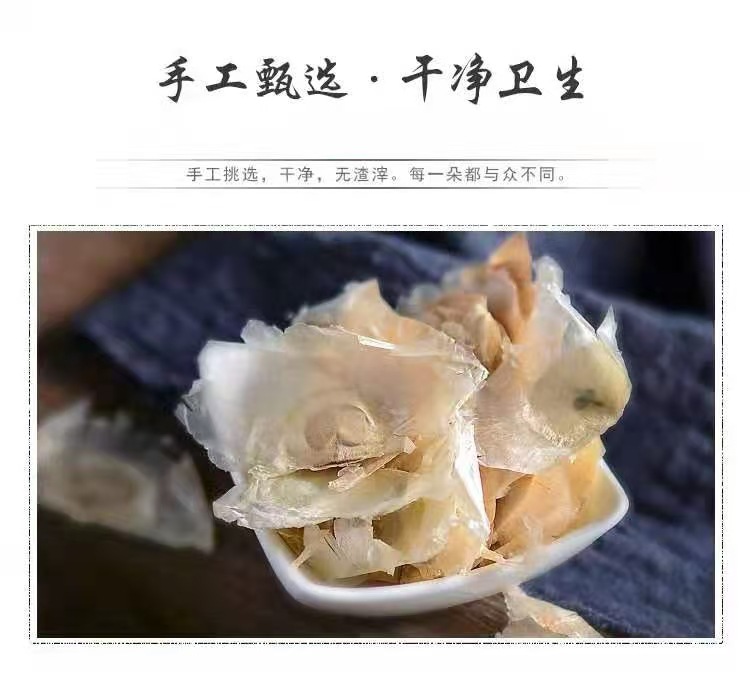
Each batch is carefully sun-dried to preserve the pods' pale cream to light tan color, their delicate papery wings, and their faintly woody, slightly sweet aroma. The shells remain intact, protecting the thin inner seeds. When decocted or steeped, the pods yield a pale golden infusion with a mild, subtly bittersweet taste and a soft, clean finish that lingers gently on the palate.
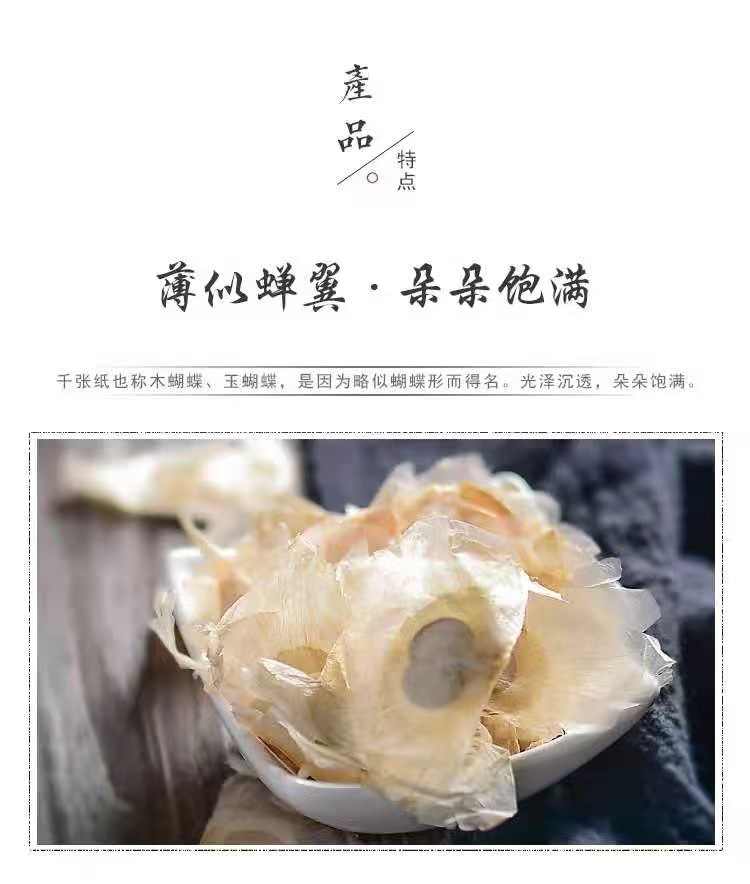
Technical Specifications
| Product Type | Dried Food-Herb Seed Pods |
|---|---|
| Common Name | Mu Hu Die / Qian Ceng Zhi / Yu Hu Die |
| Botanical Name | Oroxylum indicum |
| Origin | Guangxi, China |
| Net Weight | 500g |
| Processing | Sun-Dried, Shells Intact |
Usage Scenarios
- Daily herbal tea for throat comfort
- Blended with chrysanthemum or honeysuckle
- Decoction ingredient in seasonal wellness formulas
- Voice-care tea for singers and teachers
- Soup-pack or herbal blend component
Traditional Uses
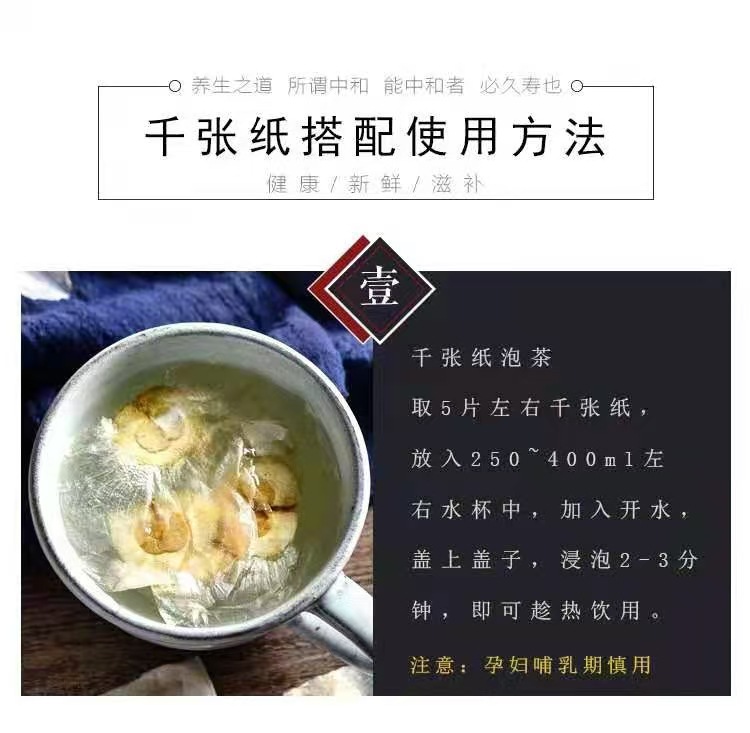
In folk herbal practice, Mu Hu Die is decocted alone or blended with herbs like chrysanthemum, honeysuckle, and licorice to make a soothing daily tea for the throat and voice. It is a common ingredient in seasonal wellness decoctions, where it is simmered gently to harmonize qi and support the Lung channel. In southern Chinese households, the pods are also added to light soups and herbal infusions during dry or transitional seasons, valued for their gentle, clarifying character.
FAQ Q&A
Q: What is Mu Hu Die?
A: Mu Hu Die is the common Chinese name for the dried seed pods of Oroxylum indicum, also called Qian Ceng Zhi, Yu Hu Die, or Qian Zhang Zhi. It is a traditional food herb used in teas and decoctions.
Q: What is the traditional wellness value of Mu Hu Die?
A: In traditional Chinese food wellness culture, Mu Hu Die is associated with soothing the throat, moistening dryness, and harmonizing qi. It is often used in daily teas and decoctions for throat and voice comfort.
Q: How do I use dried Mu Hu Die pods?
A: Rinse the pods and simmer them gently in water, or steep them in hot water as part of a tea blend. Adjust the quantity to your recipe and taste preference.
Additional information
| Weight | 1 kg |
|---|---|
| Dimensions | 30 × 20 × 25 cm |
Related products
-
Mu Dan Pi Slices (Moutan Cortex) — Unsmoked Dan Pi Root Bark for Cooking & Tea
Price range: $4.61 through $11.57 -
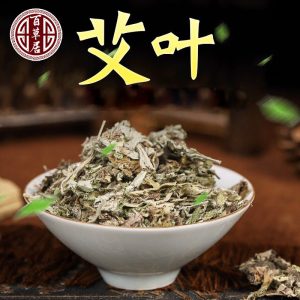
Dried Ai Ye (Artemisia argyi) — 3-Year Aged Qichun Mugwort Leaf, Unsulfured, 500g
Price range: $4.20 through $4.77 -
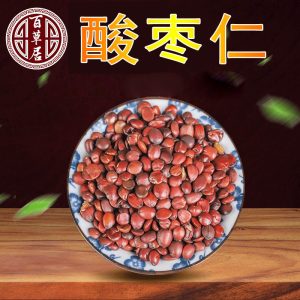
Suan Zao Ren (Ziziphus jujuba var. spinosa) — Hebei Stir-Fried & Raw Jujube Seed, 500g
Price range: $5.74 through $81.25 -
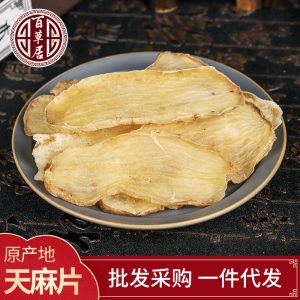
Tian Ma Slices (Gastrodia elata) — Yunnan Zhaotong Wu Tian Ma, 500g Dried Herb
Price range: $14.81 through $22.92
Reviews
There are no reviews yet.