
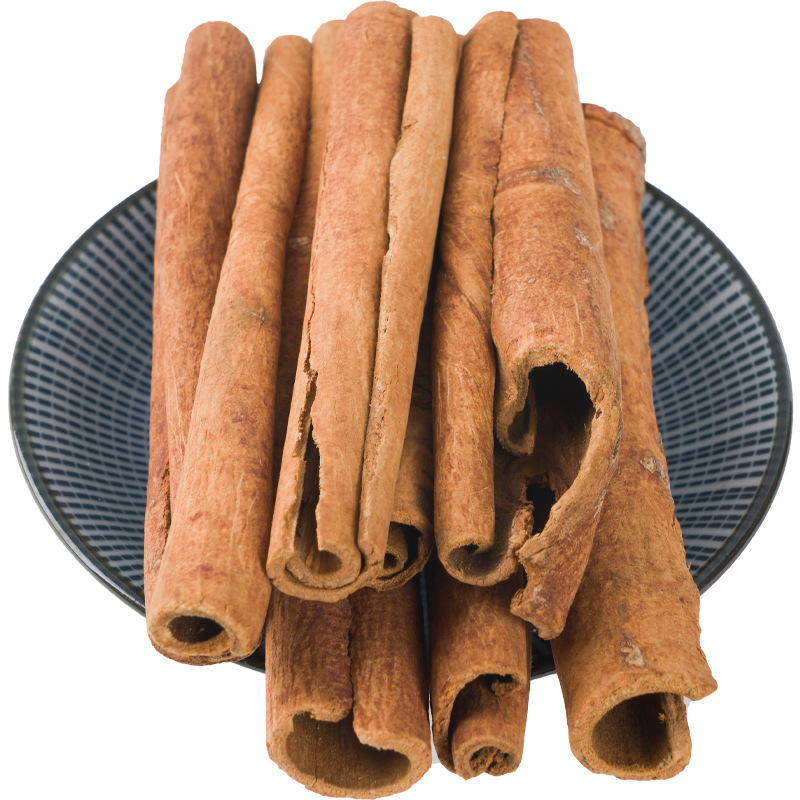
Gui Pi (Cinnamomum cassia) — Dried Cassia Bark for Culinary & Herbal Use
$7.22
99990 in stock
Description
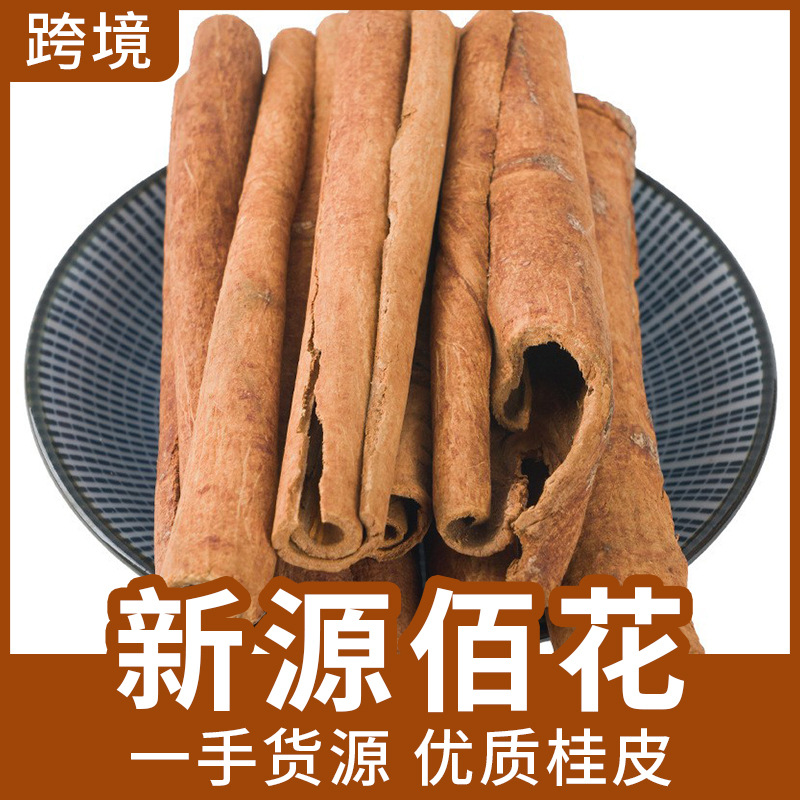
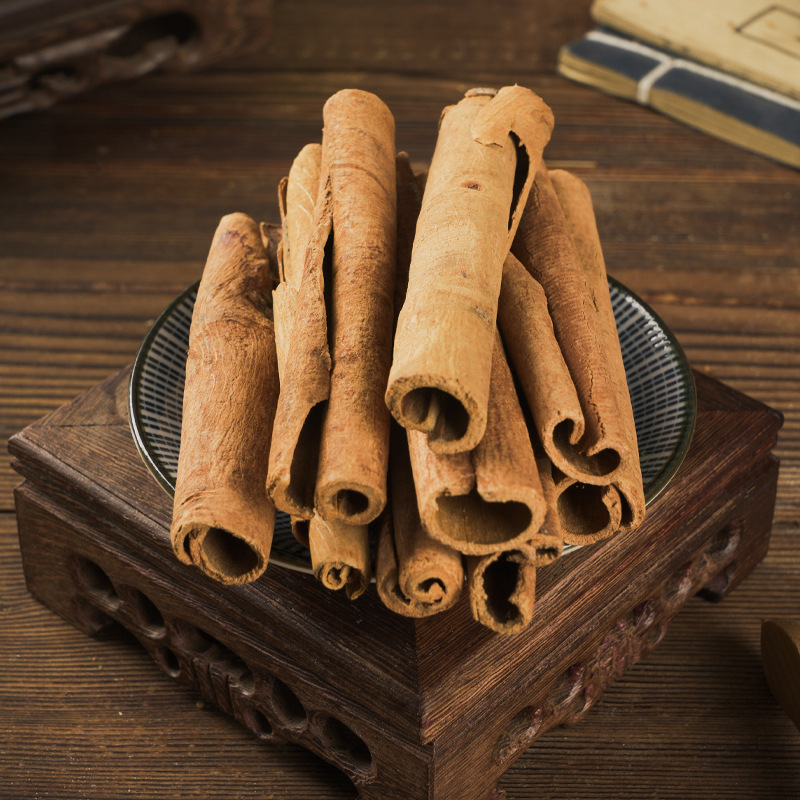
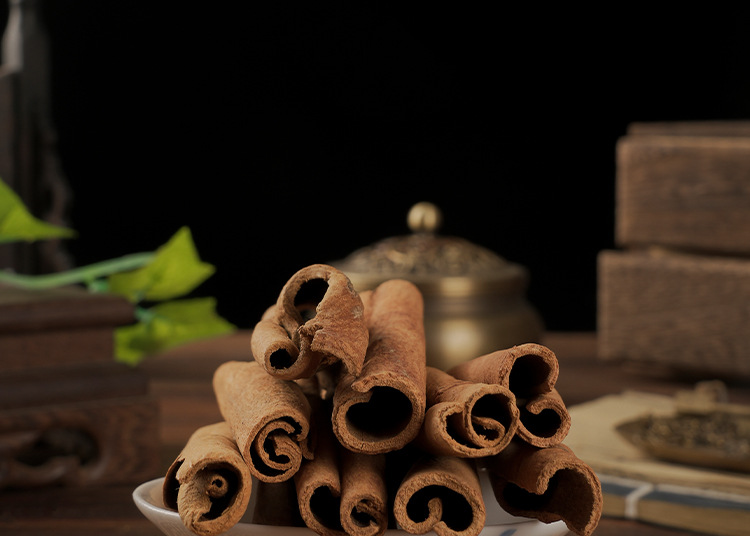
Gui Pi (Cinnamomum cassia), also known as Rou Gui or Chinese Cinnamon Bark, is the dried inner bark of a revered food-herb tree used in Traditional Chinese Medicine (TCM) as Guì Pí (桂皮). For centuries, this aromatic bark has been prized as a warming, yang-supporting herb, traditionally used to dispel cold, warm the interior, and invigorate the flow of qi and blood. Its nature is pungent, sweet, and intensely warming, making it a foundational ingredient in both kitchen and herbal practice.


Key Selling Points
- Traditional warming food-herb bark
- Cinnamomum cassia inner bark
- Dried and carefully processed
- Suitable for culinary and herbal use
- Bulk 500g supply for commercial use
Quality & Sensory
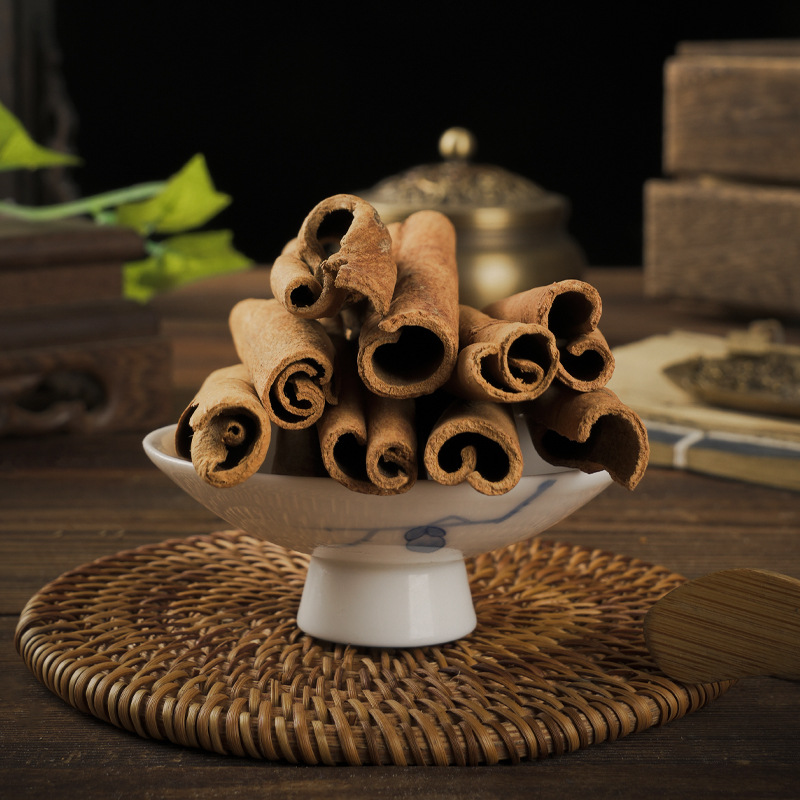
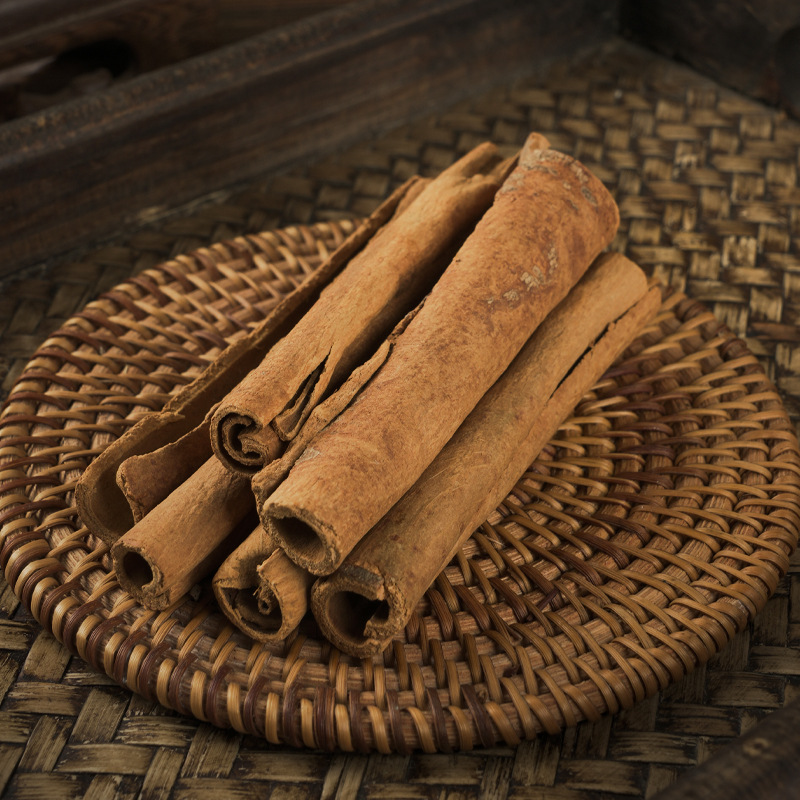
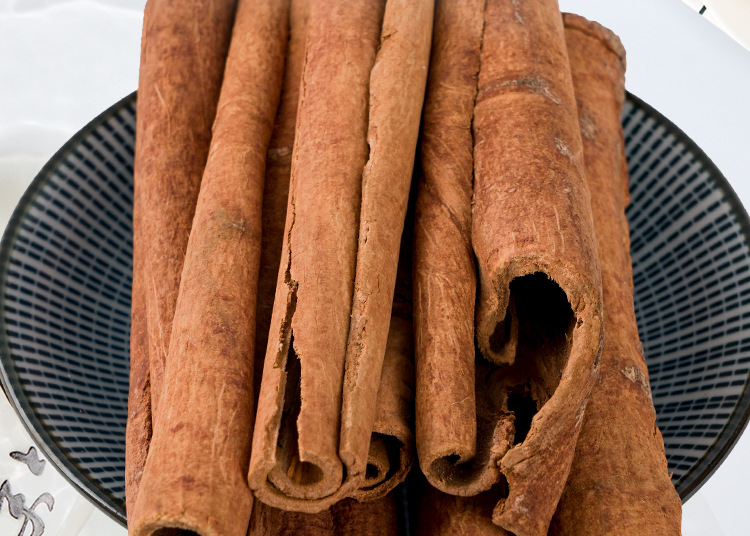
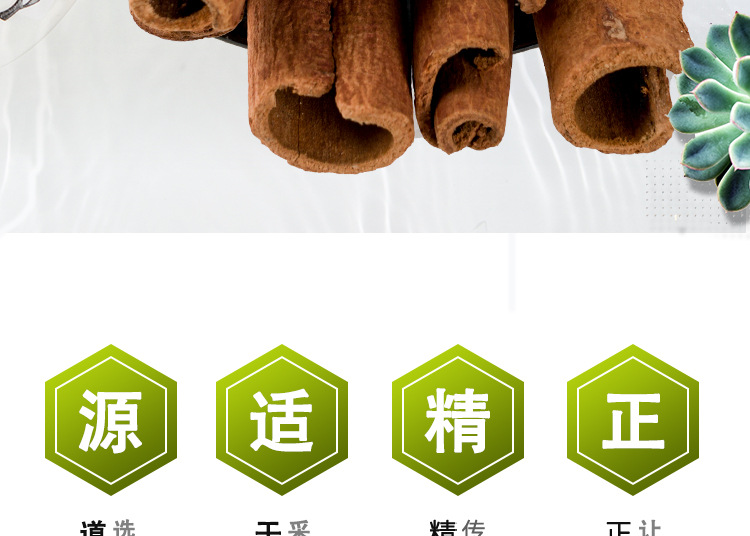
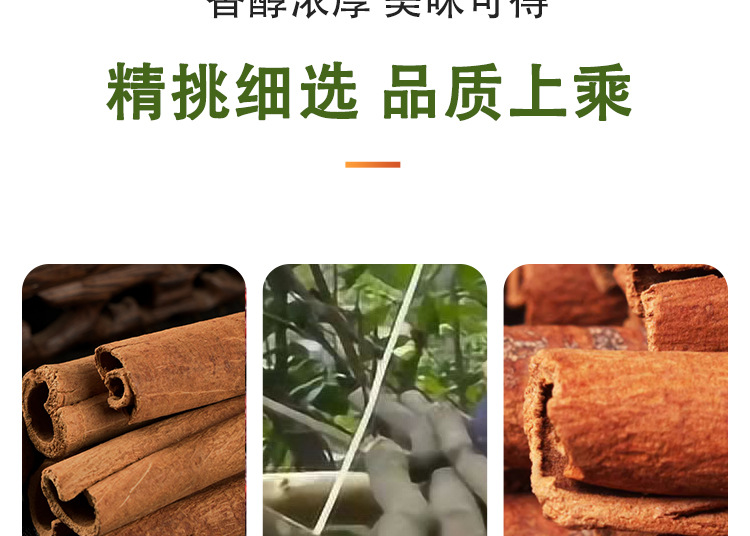
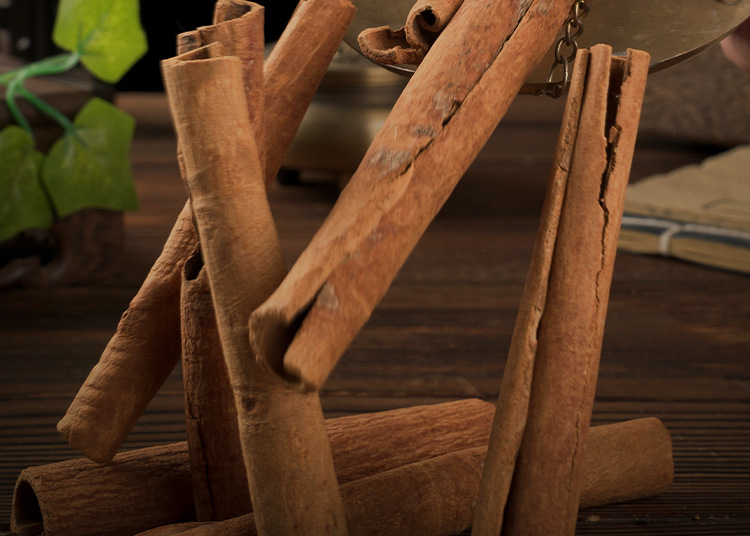
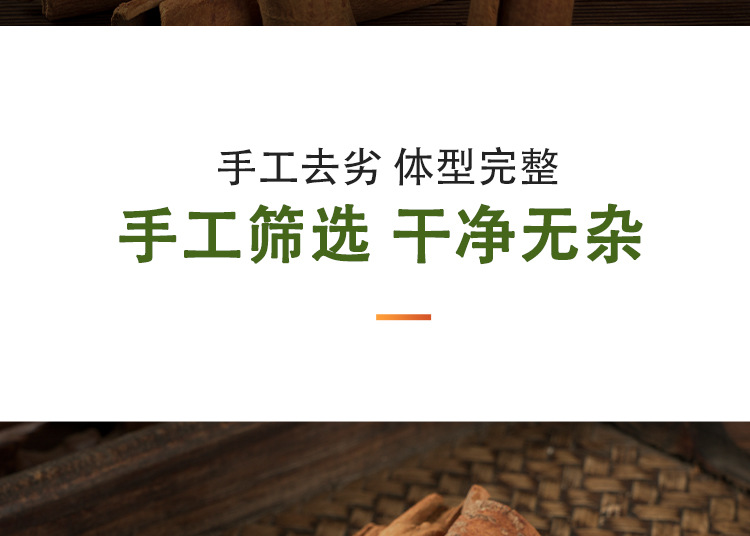
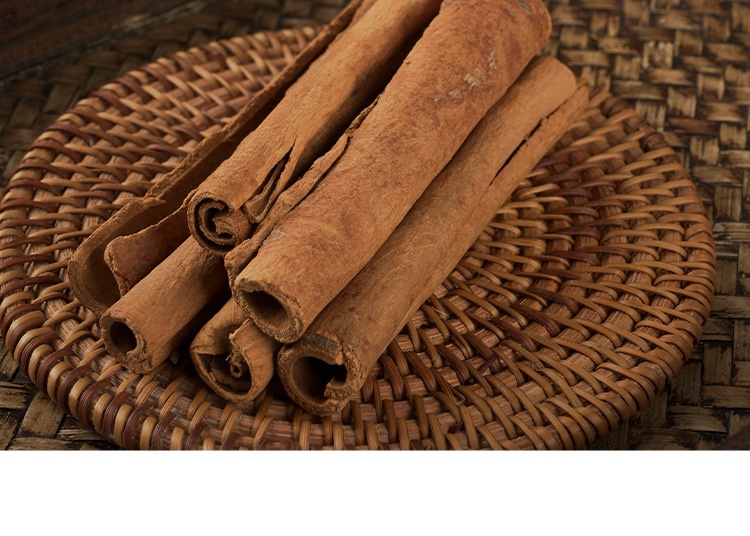
Each batch is dried to preserve its characteristic reddish-brown color, rough textured surface, and intensely sweet-spicy aroma. When simmered or decocted, the bark releases a deep, warm fragrance with a sweet, pungent taste that lingers, adding richness to broths, teas, and spice blends.


Technical Specifications
| Product Type | Dried Herb Bark |
|---|---|
| Common Name | Gui Pi / Rou Gui |
| Botanical Name | Cinnamomum cassia |
| Form | Dried Bark Pieces |
| Net Weight | 500g |
| Processing | Dried |

Usage Scenarios
- Culinary spice for braising and stewing
- Herbal decoctions and teas
- Soup and broth seasoning
- Spice blend ingredient
- Commercial food preparation
Traditional Uses
In folk herbal practice, Gui Pi is decocted into warming soups, teas, and medicinal congee to support the body during cold seasons. It is a common ingredient in winter stews, where it pairs with ginger, jujube, and goji berry. As a daily tea, it is brewed alone or blended with other warming herbs for a sweet, spicy infusion that brings comfort and warmth.
FAQ Q&A
Q: What is Gui Pi?
A: Gui Pi is the common Chinese name for the dried inner bark of Cinnamomum cassia, also known as Chinese Cinnamon Bark or Rou Gui. It is a traditional food herb used in both cooking and herbal practice.
Q: What is the traditional wellness value of Gui Pi?
A: In traditional Chinese food wellness culture, Gui Pi is associated with warming the interior, dispelling cold, and invigorating qi and blood. It is often used in soups and teas for daily seasonal warmth.
Q: How do I use dried Gui Pi bark?
A: Rinse the bark and simmer it with soup or stew ingredients, or brew it in hot water as part of a tea blend. Adjust the quantity to your recipe and taste preference.

Additional information
| Weight | 1 kg |
|---|---|
| Dimensions | 25 × 18 × 8 cm |
Related products
-
Yu Zhu Slices (Polygonatum odoratum) — Sulfur-Free Hunan Dried Food Herb, 500g
Price range: $4.77 through $10.76 -
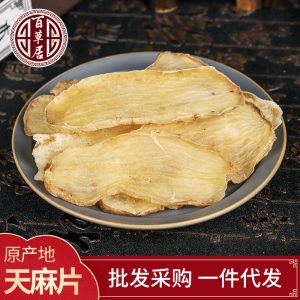
Tian Ma Slices (Gastrodia elata) — Yunnan Zhaotong Wu Tian Ma, 500g Dried Herb
Price range: $14.81 through $22.92 -
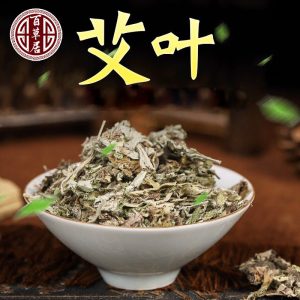
Dried Ai Ye (Artemisia argyi) — 3-Year Aged Qichun Mugwort Leaf, Unsulfured, 500g
Price range: $4.20 through $4.77 -
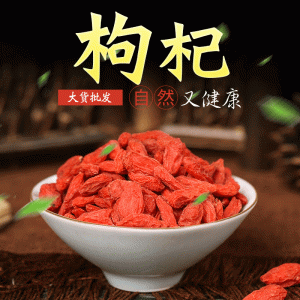
Goji Berries (Lycium barbarum) — Ningxia Zhongning Dried Red Goji, Sulfur-Free First Harvest
Price range: $7.52 through $8.66
Reviews
There are no reviews yet.