
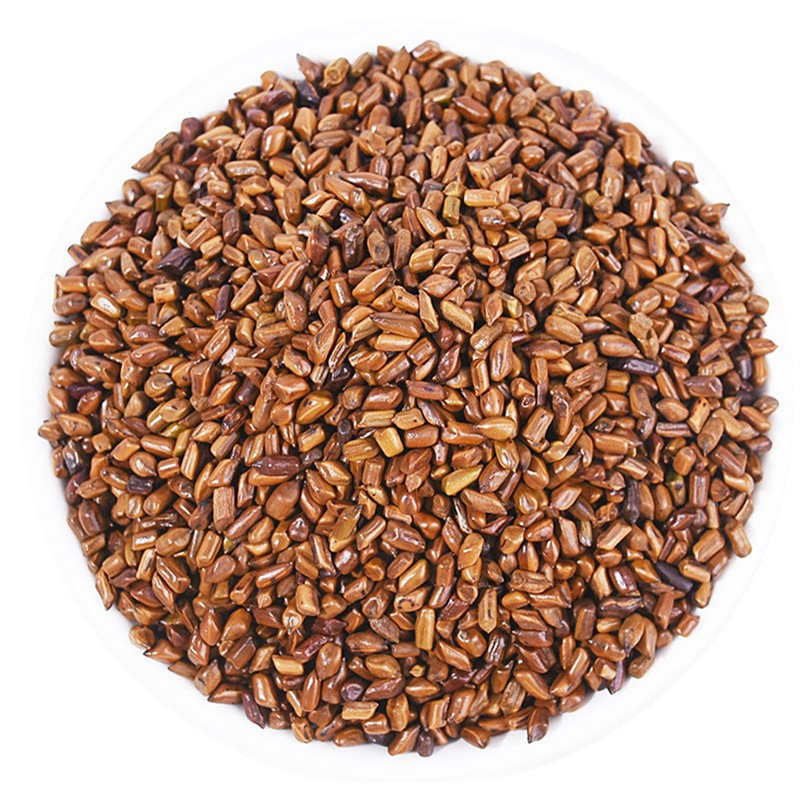
Cassia Seed (Semen Cassiae) — Roasted Jue Ming Zi Food Herb for Herbal Tea
Price range: $3.97 through $4.06
Description
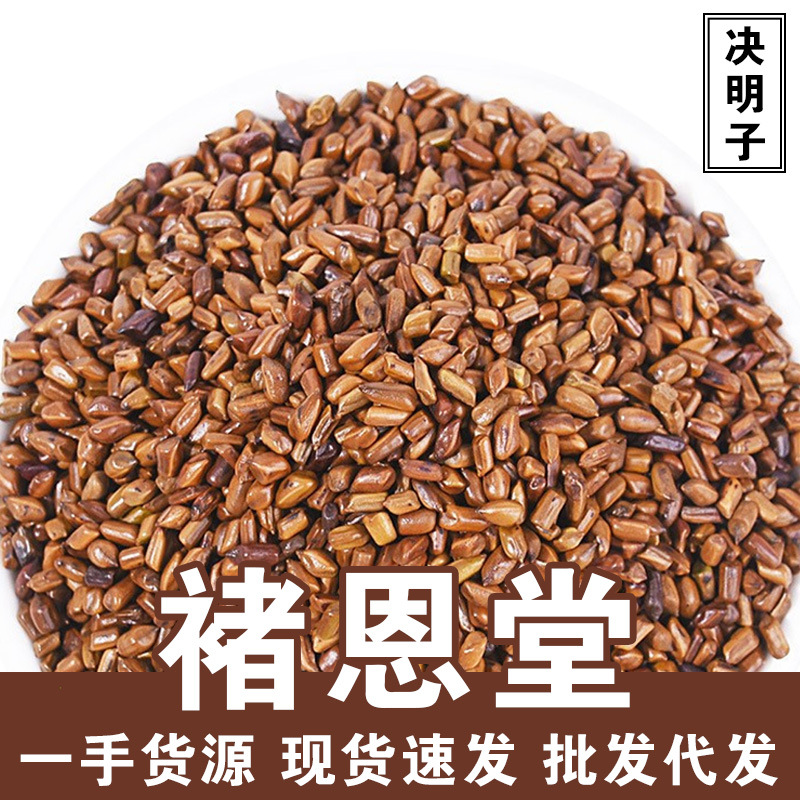
Cassia Seed (Semen Cassiae) is the dried, roasted seed of a traditional food herb known in Traditional Chinese Medicine (TCM) as Jué Míng Zǐ (决明子). For centuries, Jue Ming Zi has been prized as a gentle, Liver-clearing herb used to brighten the eyes, ease the head, and support smooth daily digestion. Its nature is sweet, bitter, and slightly cold, making it a mild yet clarifying herb for cooling internal heat and soothing the Liver.
Key Selling Points
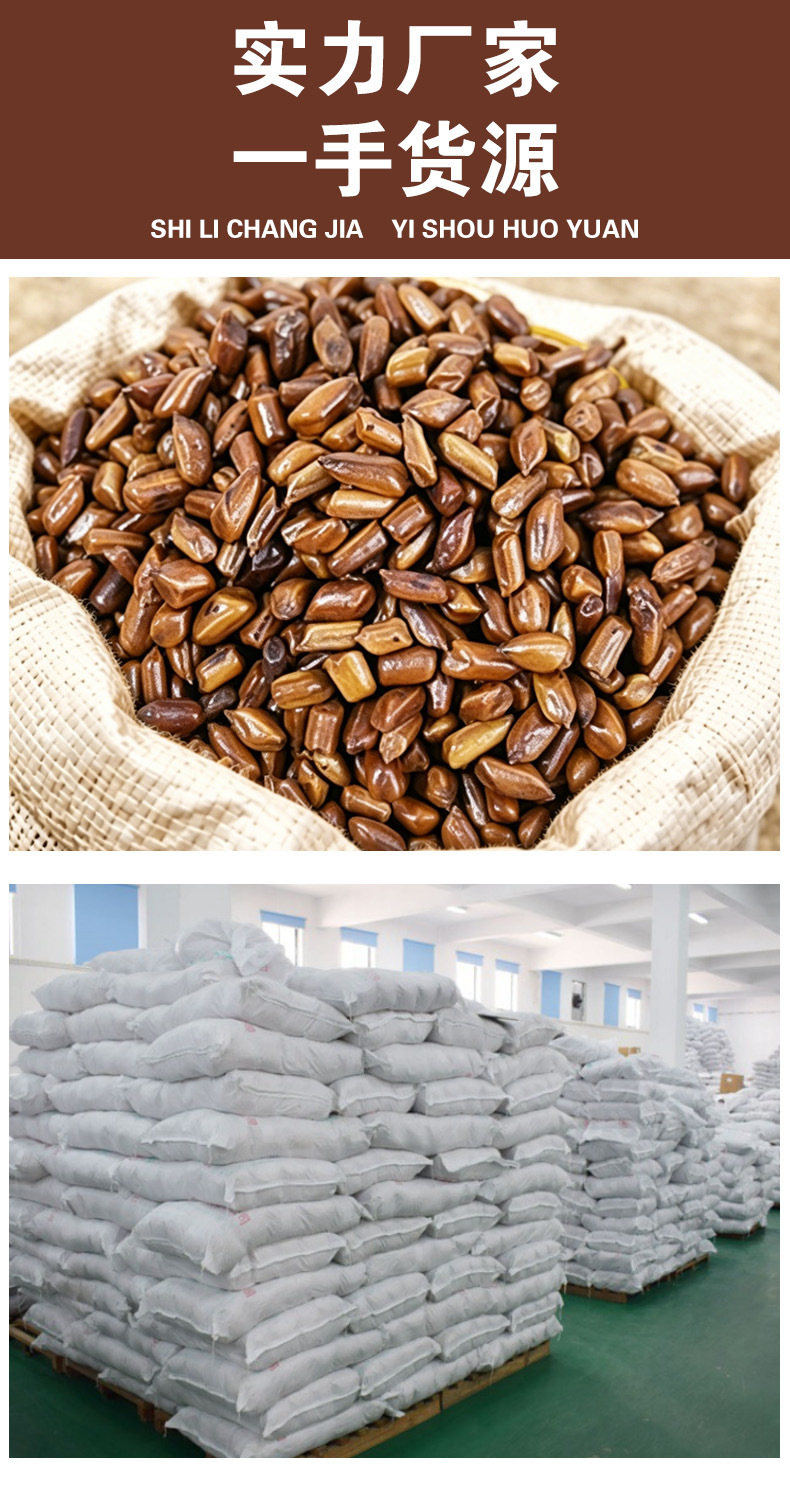
- Traditional Liver-clearing food herb
- Low-temperature slow-roasted cassia seeds
- Semen Cassiae, food-herb (药食同源) ingredient
- Suitable for daily herbal tea and blends
- Unsweetened, 500 g loose bulk pack
Quality & Sensory
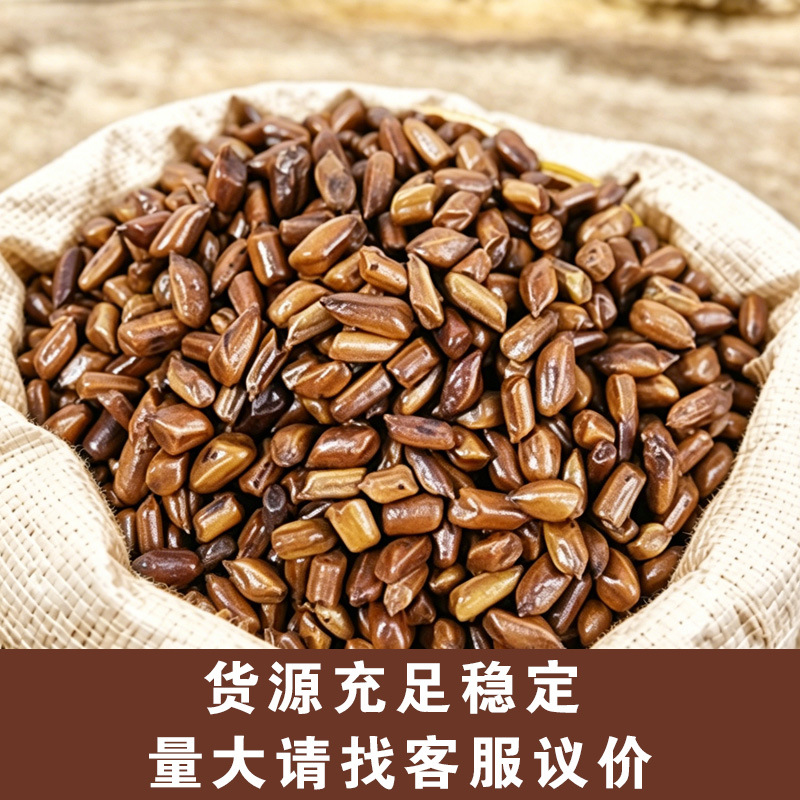
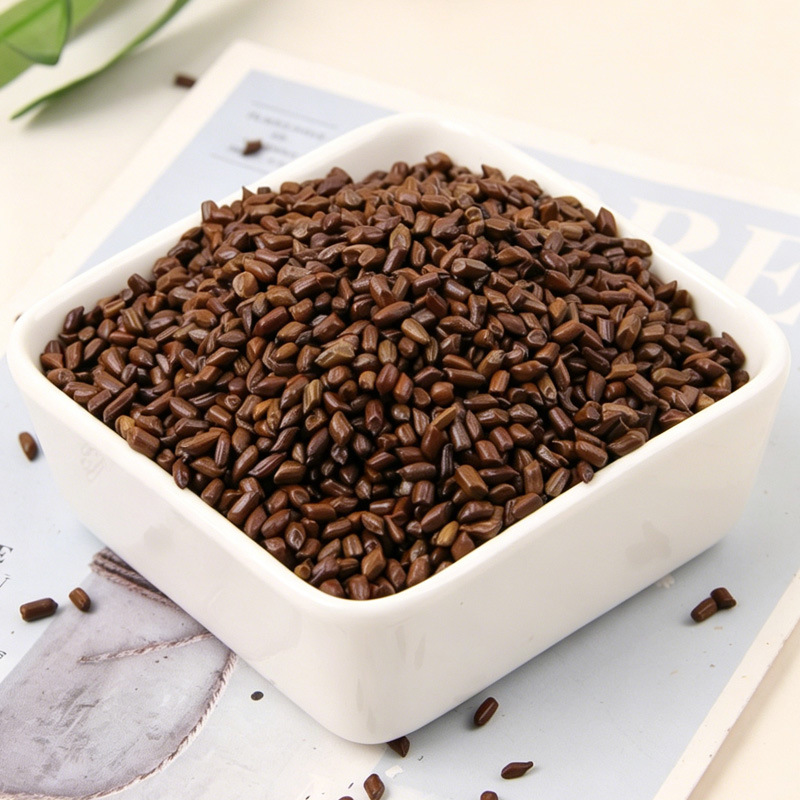
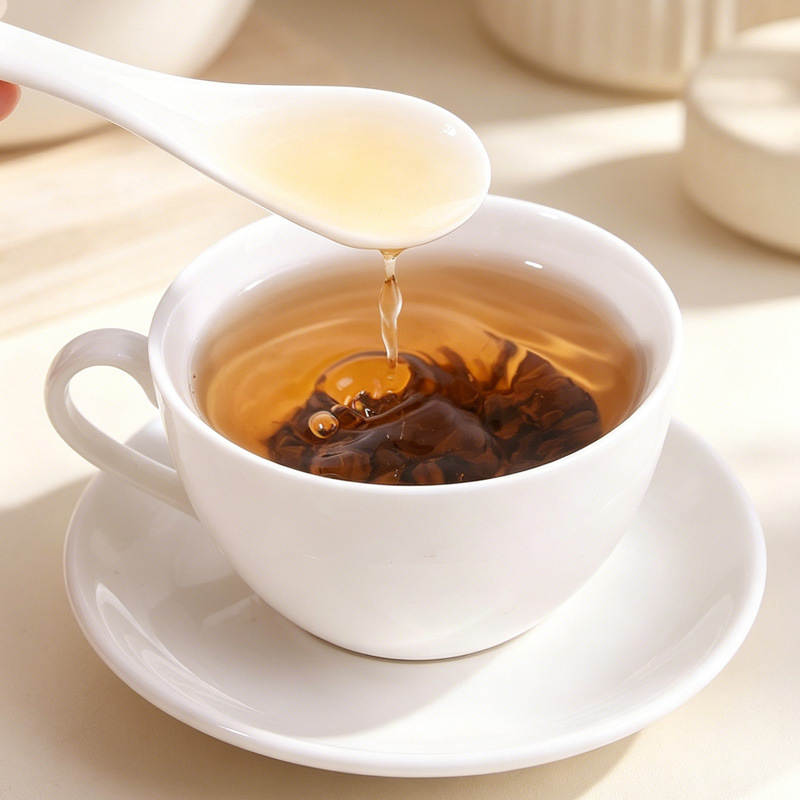
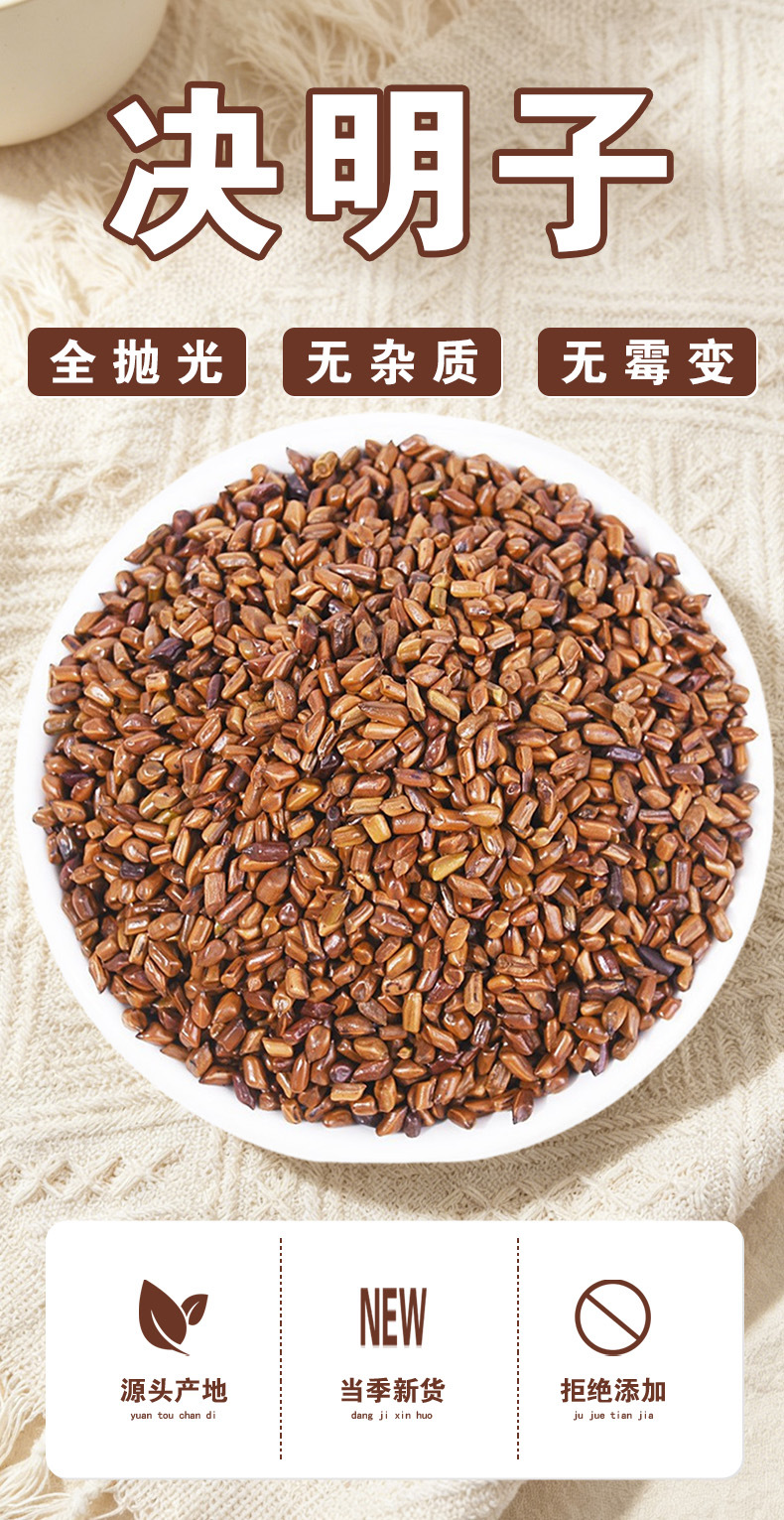
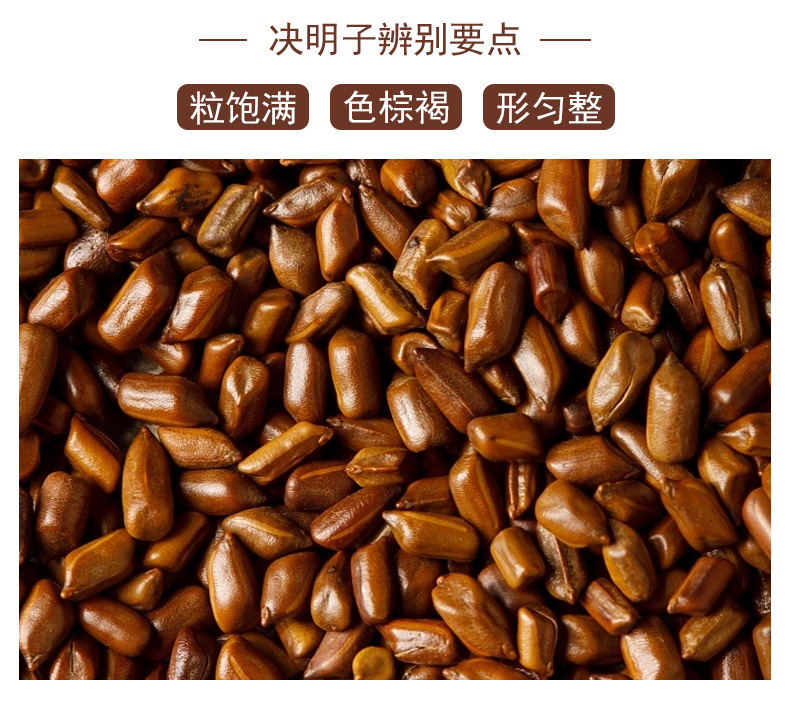
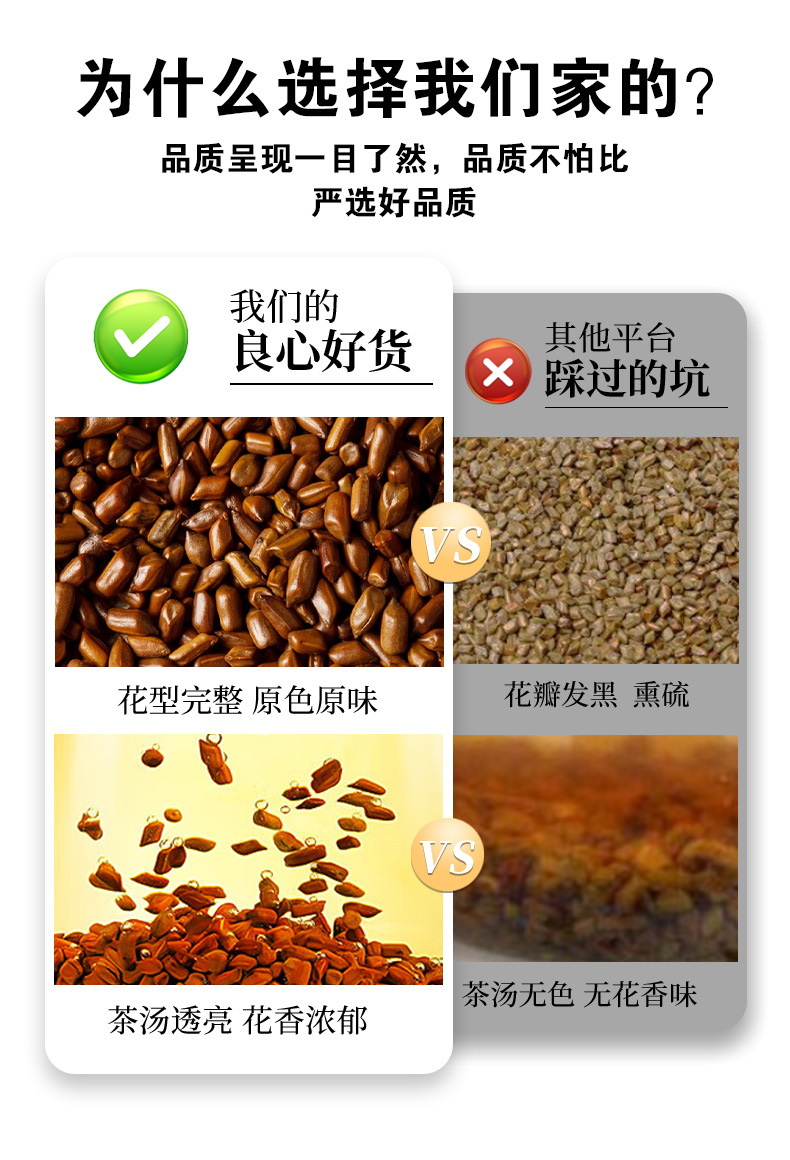
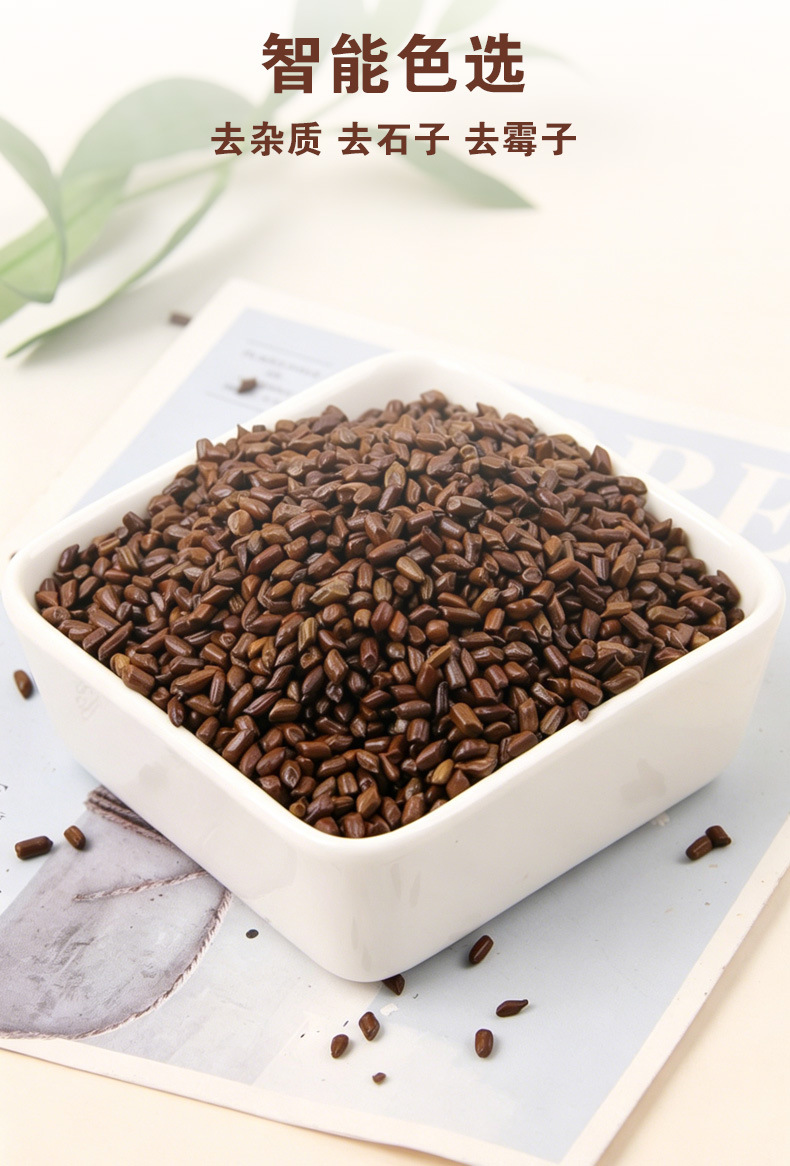
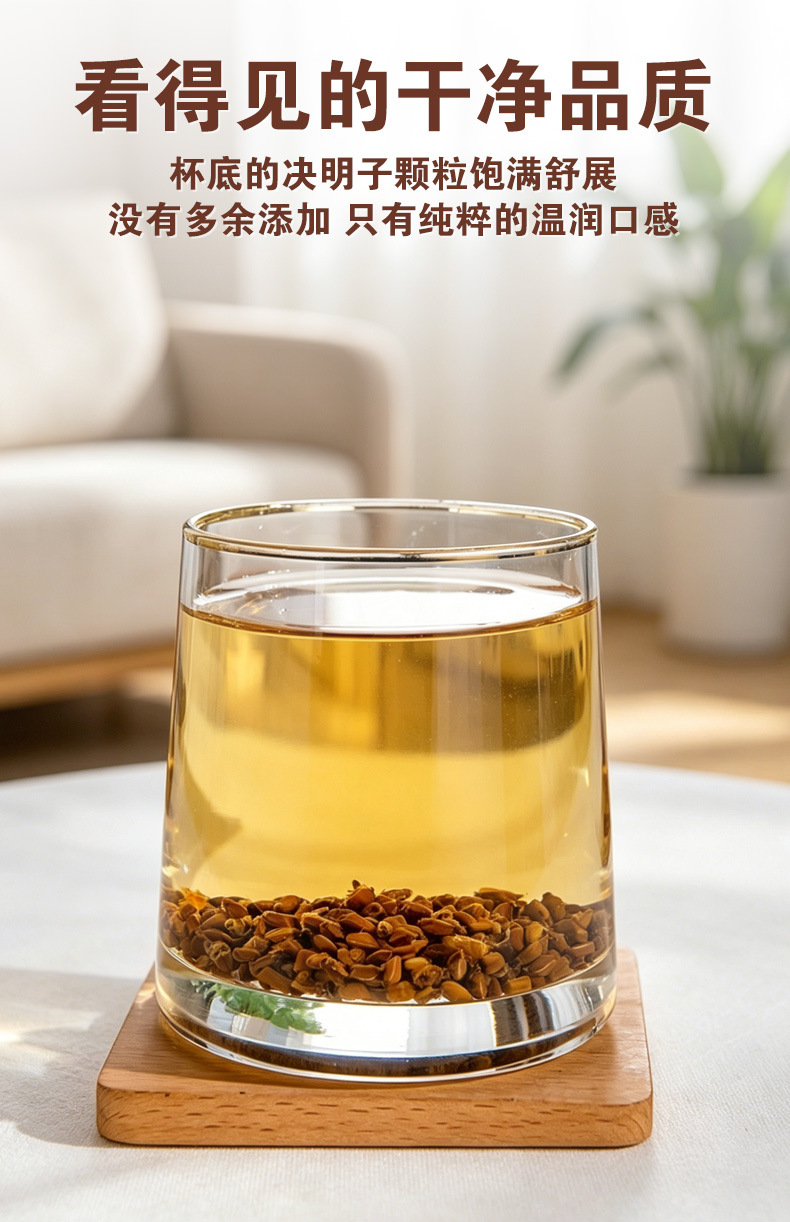
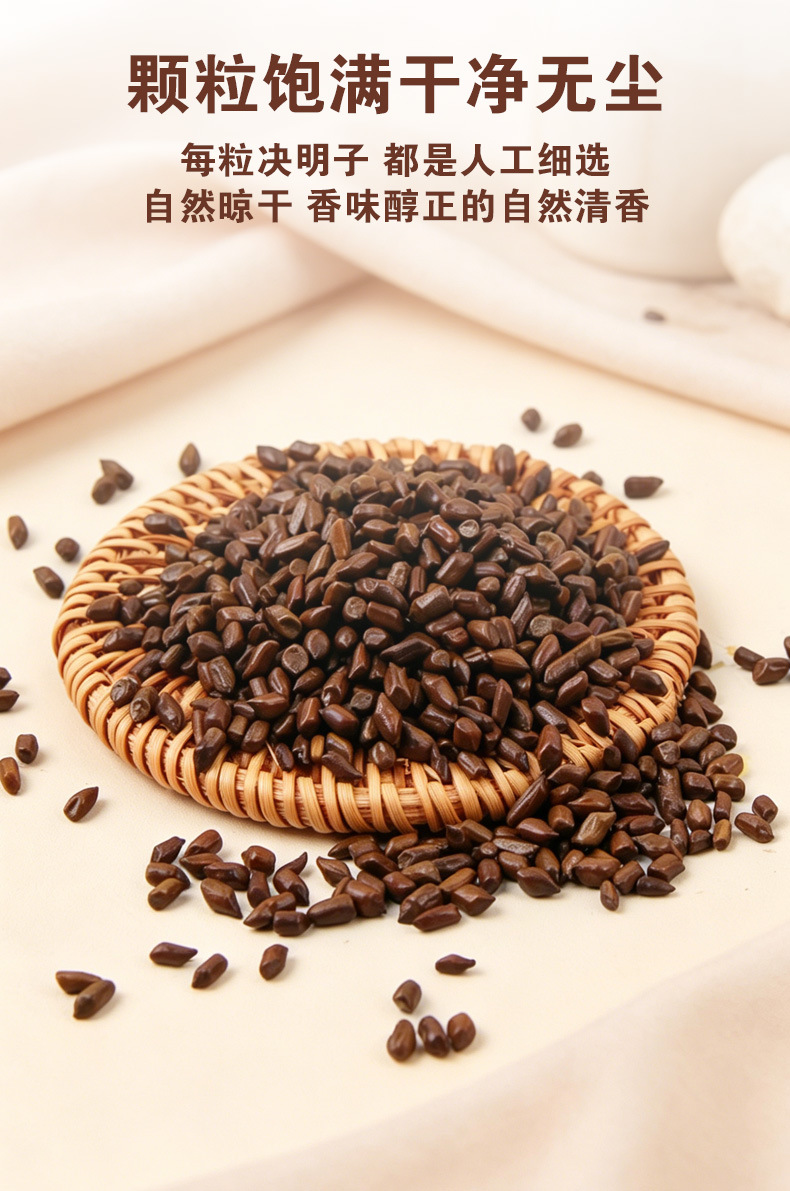
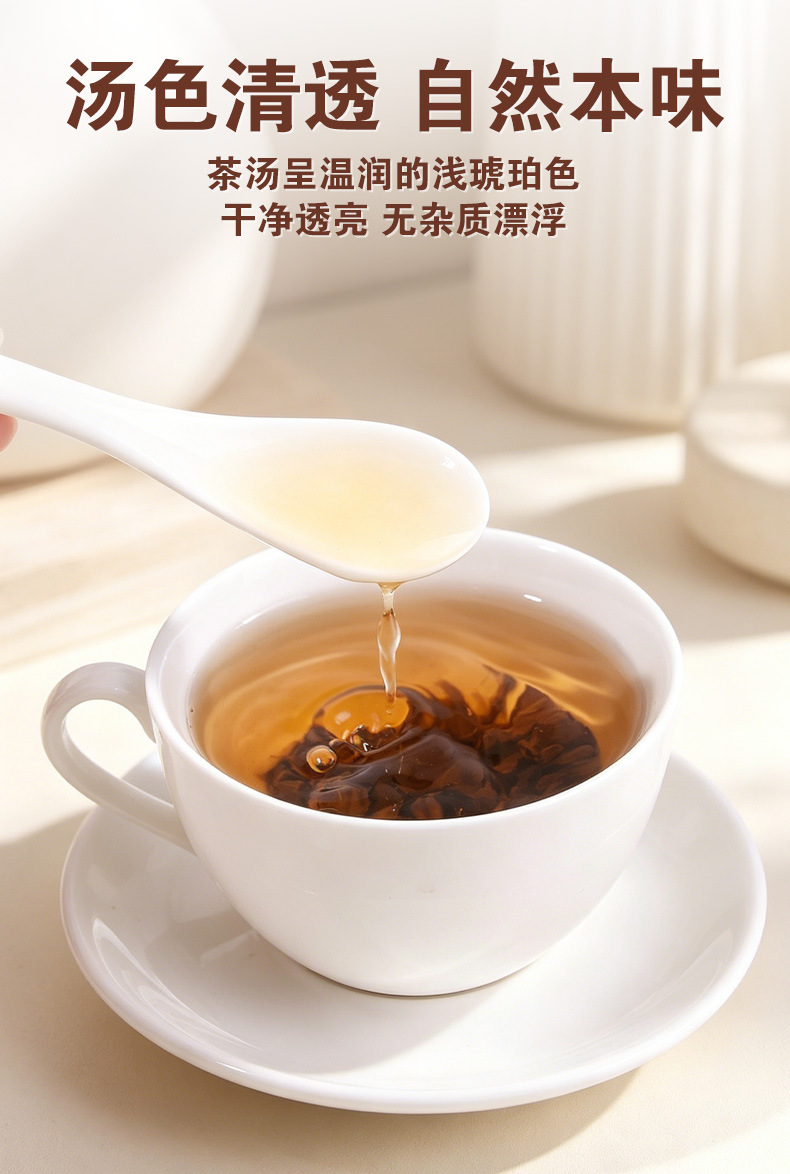
Each batch is slowly roasted at low temperature to bring out a warm, nutty aroma while preserving the seed's natural gloss and deep amber-brown color. The seeds are small, hard, and smooth, with a faint toasted fragrance. When brewed, they yield a light golden infusion with a mild, subtly sweet and gently roasted taste, often blended with chrysanthemum or goji berry for a softer cup.
Technical Specifications
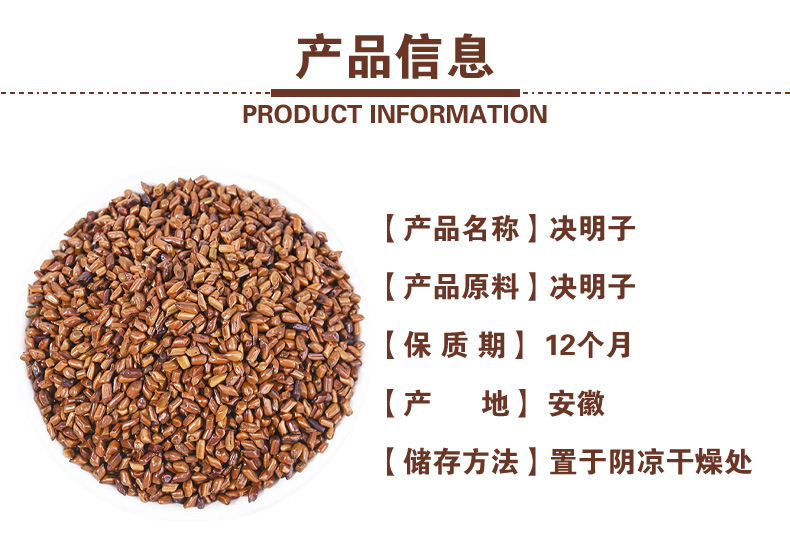
| Product Type | Roasted Dried Herb Seed |
|---|---|
| Common Name | Jue Ming Zi |
| Botanical Name | Semen Cassiae |
| Form | Roasted Whole Seeds |
| Net Weight | 500 g |
| Processing | Low-Temperature Slow Roasting |
Usage Scenarios
- Daily herbal tea, brewed alone or blended
- Chrysanthemum and goji berry tea blends
- Seasonal cooling infusions
- Congee and grain porridge ingredient
- Herbal soup-pack addition
Traditional Uses
In folk herbal practice, Jue Ming Zi is decocted or steeped as a daily tea to clear the Liver, brighten the eyes, and ease the head. It is a common ingredient in cooling summer infusions, often paired with chrysanthemum, goji berry, and honeysuckle. In some regional kitchens, the roasted seeds are also simmered into congee or added to light herbal soups for everyday nourishment.
FAQ Q&A
Q: What is Jue Ming Zi?
A: Jue Ming Zi is the common Chinese name for Cassia Seed (Semen Cassiae), the dried roasted seed of a traditional food herb. It is widely used in Chinese herbal tea and food-therapy culture.
Q: What is the traditional wellness value of Jue Ming Zi?
A: In traditional Chinese food wellness culture, Jue Ming Zi is associated with clearing the Liver, brightening the eyes, and easing the head. It is often brewed as a daily tea for seasonal cooling and gentle nourishment.
Q: How do I brew roasted Jue Ming Zi?
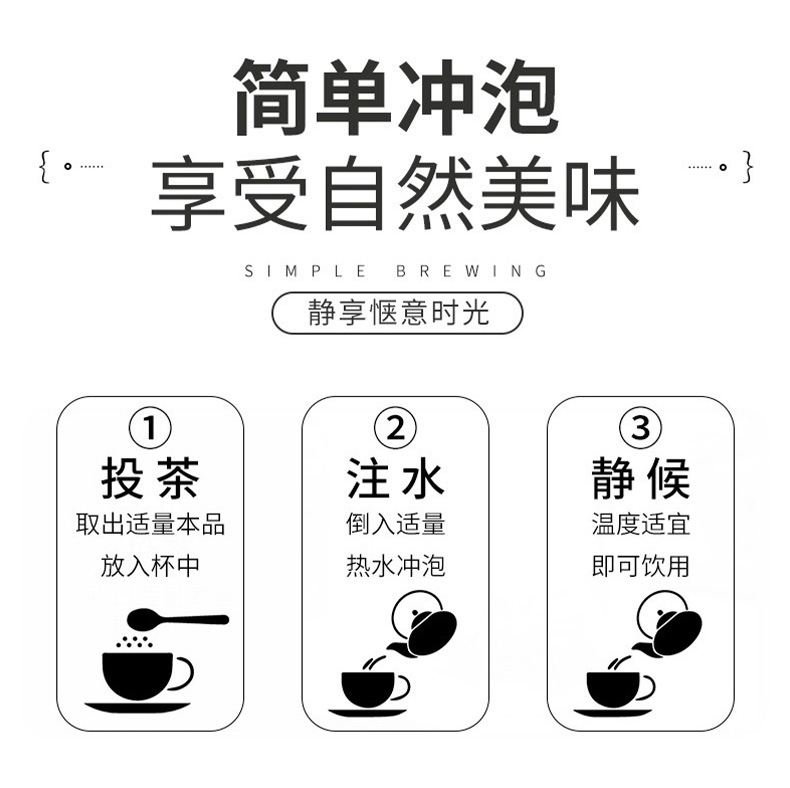
A: Rinse a small handful of seeds, place them in hot water, and steep for several minutes. They can be brewed alone or blended with chrysanthemum, goji berry, or other herbs. Adjust the quantity to your taste preference.
Additional information
| Weight | N/A |
|---|---|
| Dimensions | N/A |
| Packaging specifications | Cooked cassia seeds 500g, Raw cassia seed 500g |
Related products
-
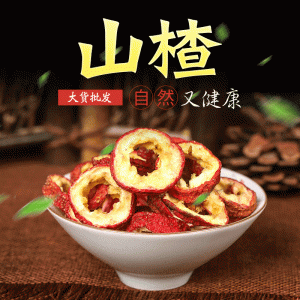
Shan Zha Slices (Crataegus pinnatifida) — Pitted Dried Hawthorn for Sour Plum Soup & Tea
Price range: $4.12 through $5.74 -
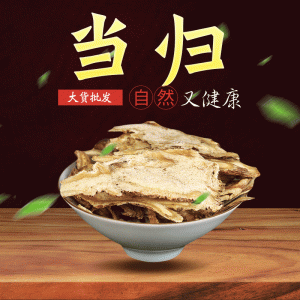
Dang Gui Slices (Angelica sinensis) — Gansu Minxian Dried Root Slices for Cooking & Tea
Price range: $4.44 through $20.49 -
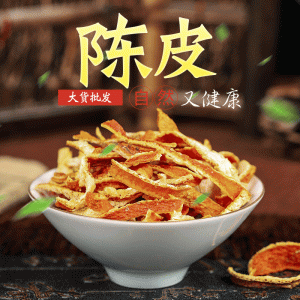
Chen Pi Shreds (Citrus reticulata) — Aged Dried Tangerine Peel, Unsulfured, 500g
$4.93 -
Yi Mi Ren (Coix Seed / Job’s Tears) — Guizhou Roasted Coix lacryma-jobi for Soup & Tea
Price range: $4.61 through $4.77
Reviews
There are no reviews yet.