
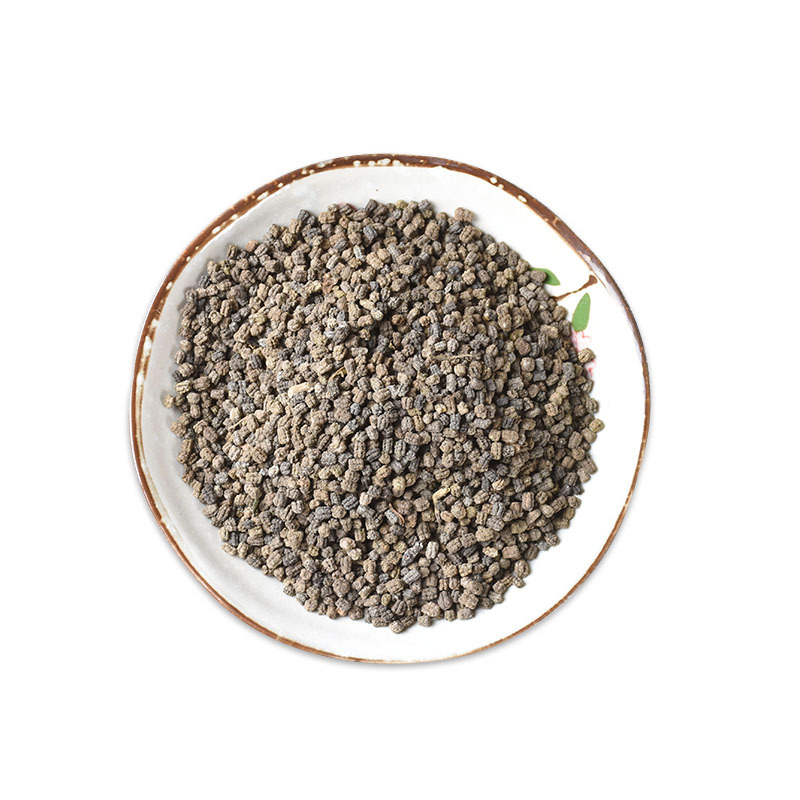
Can Sha (Bombyx mori Faeces) — Dried Silkworm Droppings, Traditional Herb for Tea & Soup
$4.90
539 in stock
Description
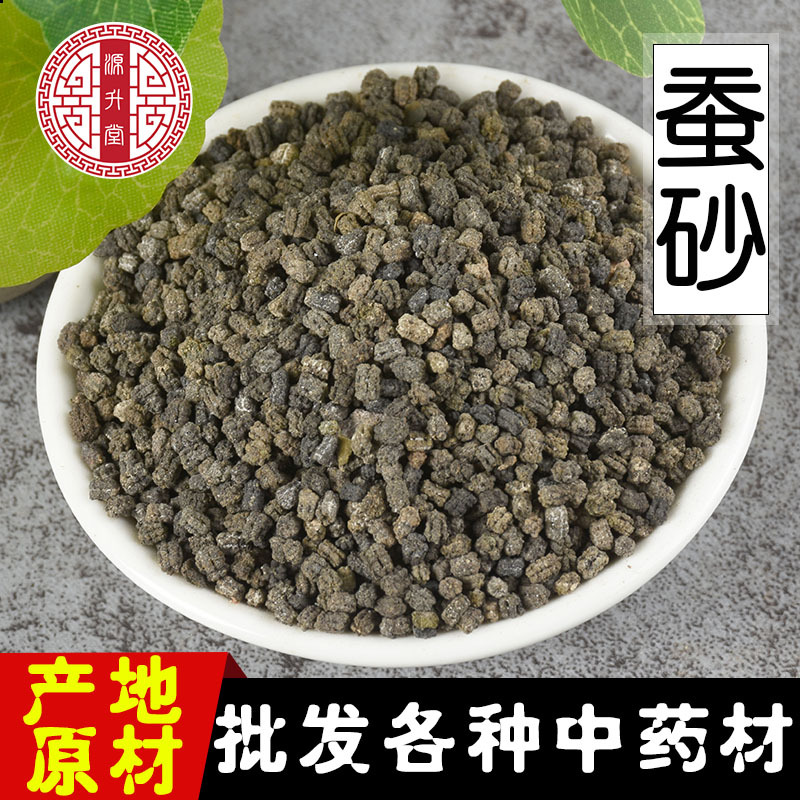
Can Sha (蚕砂), also known as Silkworm Droppings or Wan Can Sha (晚蚕沙), is the dried feces of the silkworm Bombyx mori, a traditional food-herb ingredient used in Chinese herbal wellness practice. In Traditional Chinese Medicine (TCM), Can Sha is classified as a gentle, wind-dispelling and dampness-transforming herb. Its nature is sweet, pungent, and slightly warm, making it a mild yet effective ingredient for soothing the body and supporting comfortable movement.

Key Selling Points
- Traditional food-herb ingredient
- Dried silkworm droppings (Bombyx mori)
- Also known as Wan Can Sha
- Suitable for tea and soup use
- Clean, selected bulk quality
Quality & Sensory
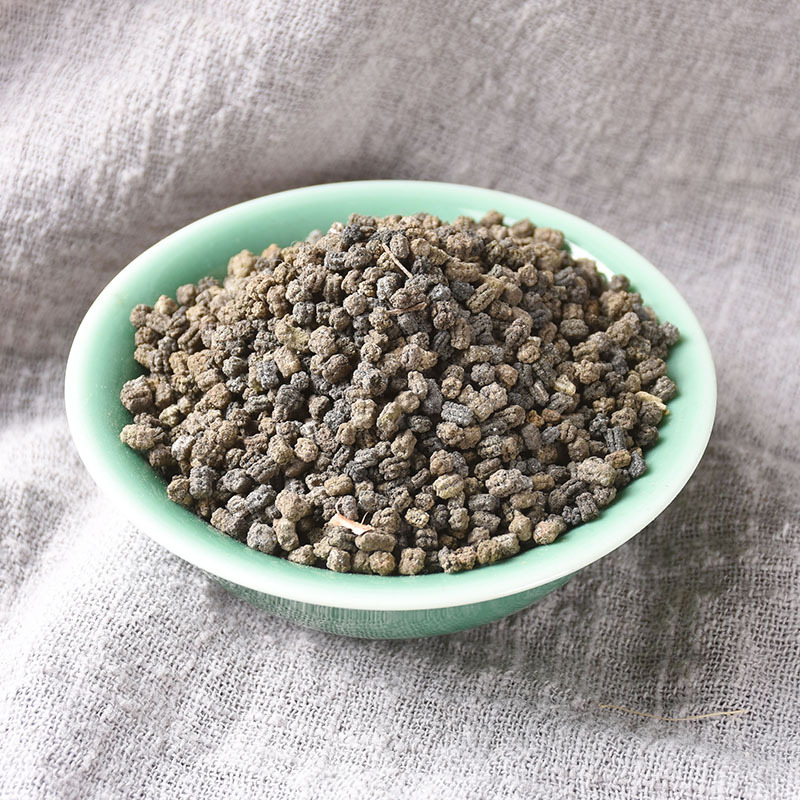
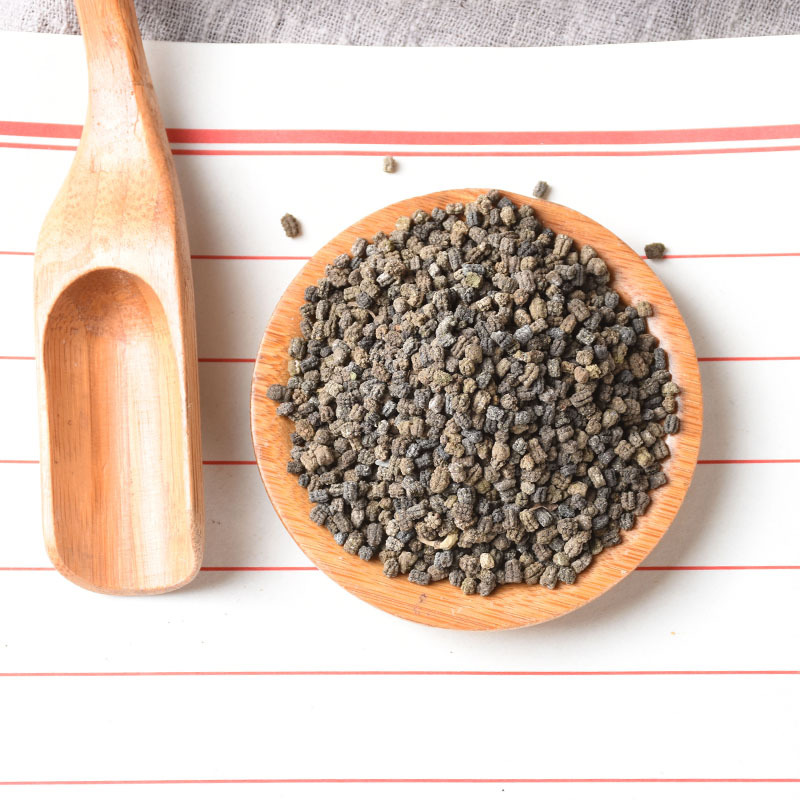
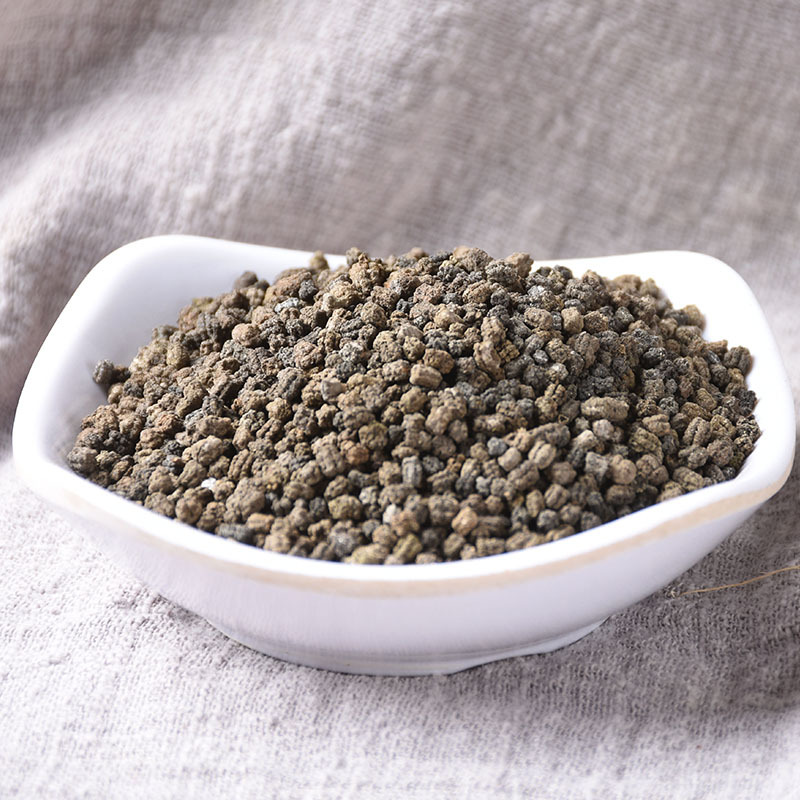
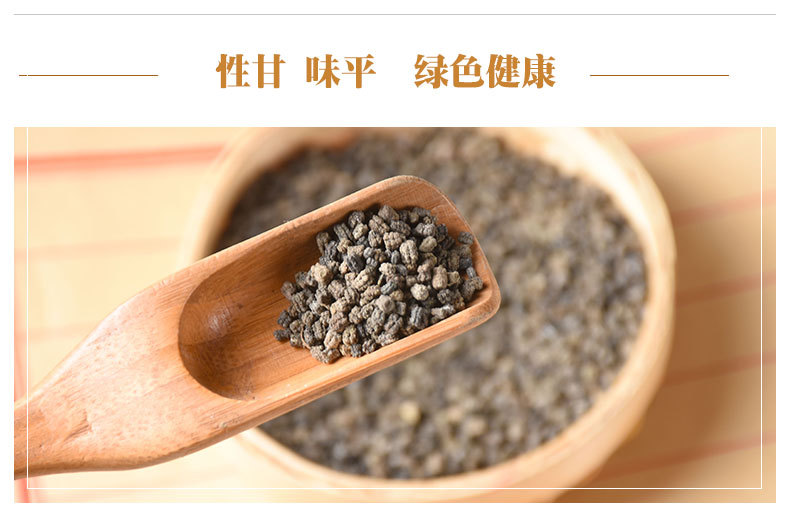
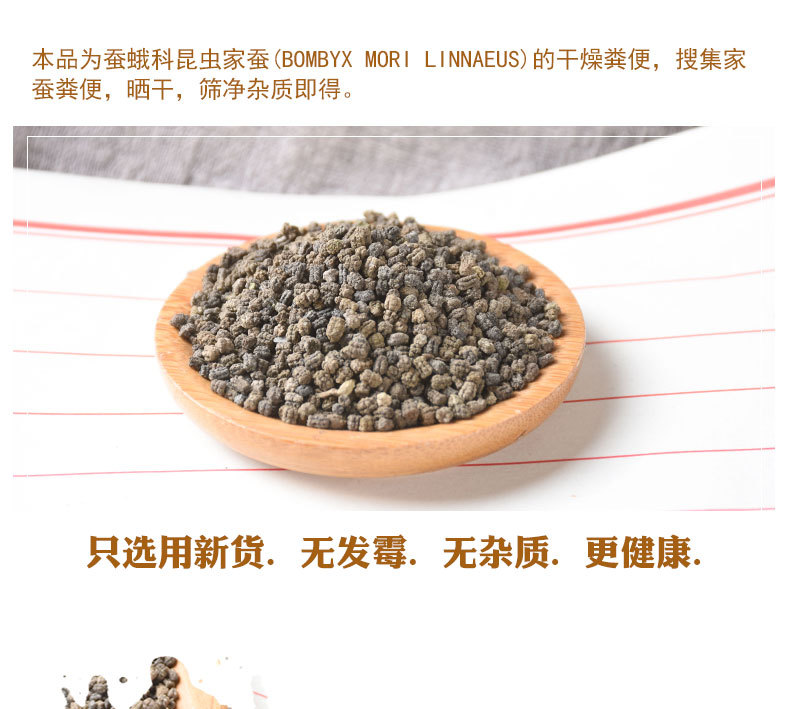
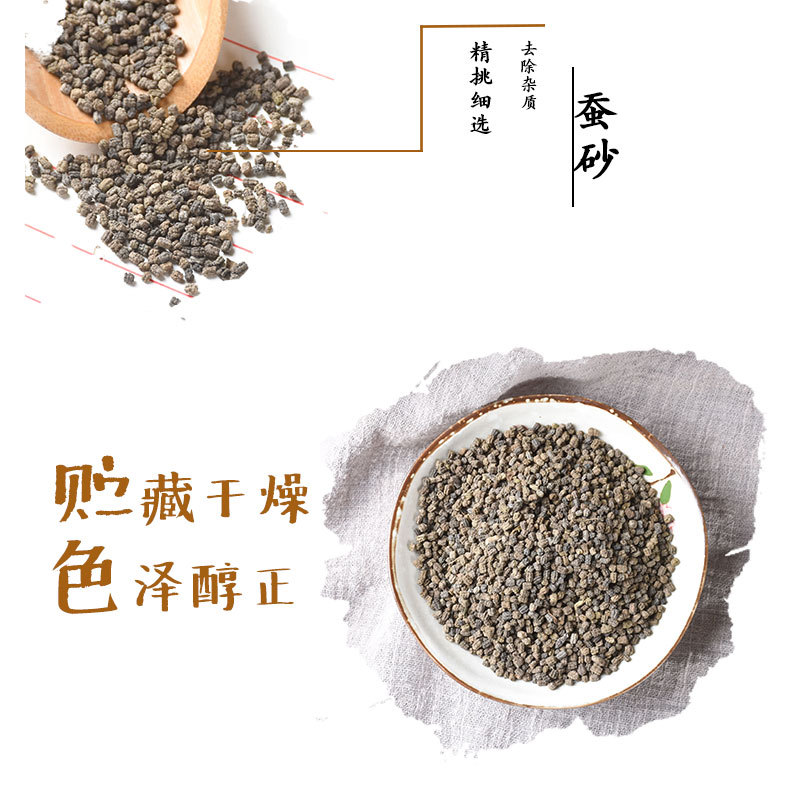
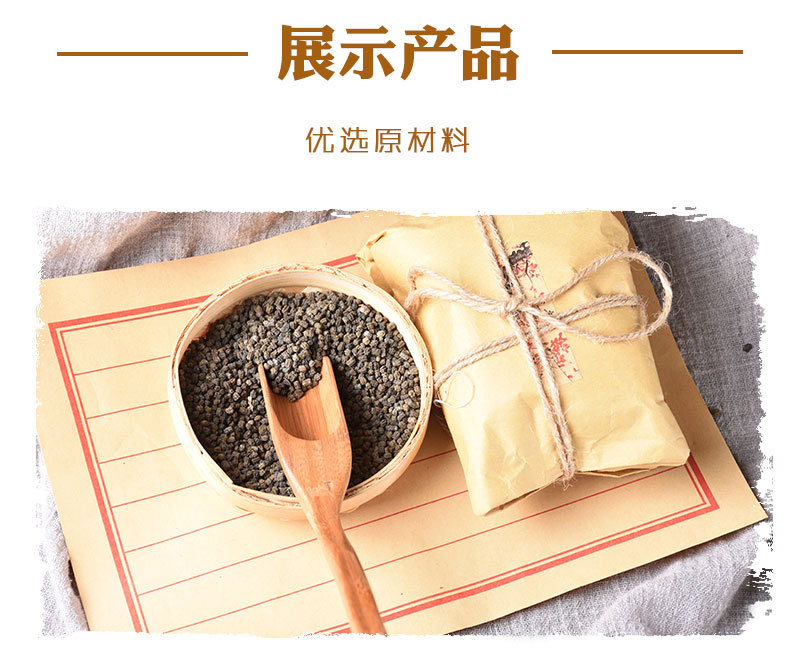
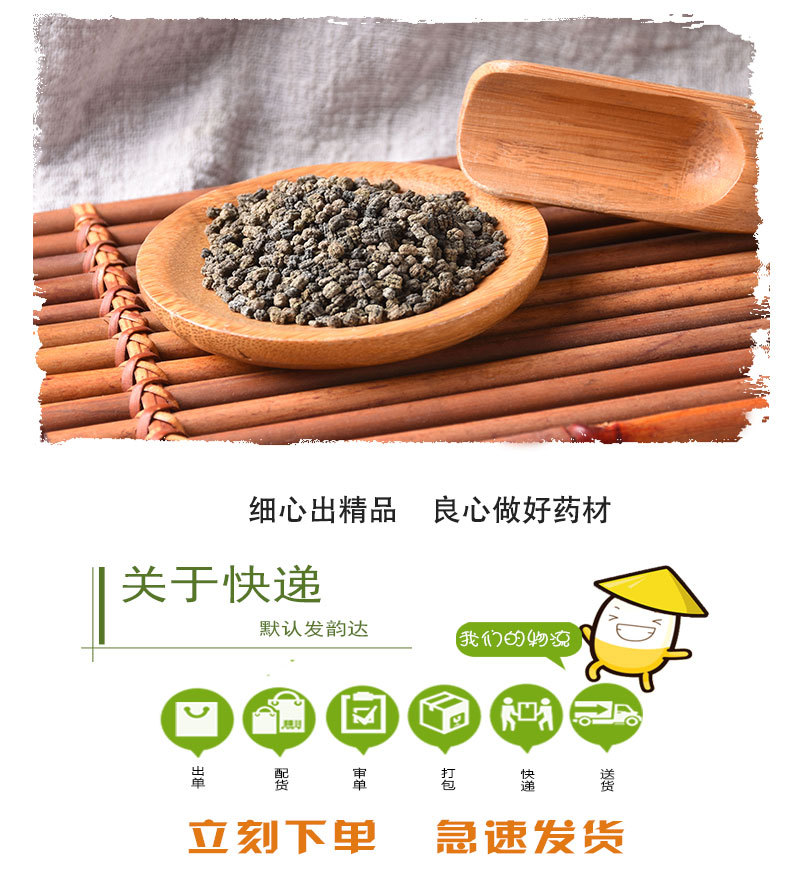
Each batch is carefully selected and dried to preserve its dark greenish-brown color, granular texture, and mild earthy aroma. When brewed or simmered, Can Sha releases a gentle, slightly grassy flavor with a smooth, mellow finish, blending well with other herbs in teas and soups.
Technical Specifications
| Product Type | Dried Herb Ingredient |
|---|---|
| Common Name | Can Sha |
| Botanical Source | Bombyx mori |
| Form | Dried Granules |
| Net Weight | 500g |
| Shelf Life | 24 months |

Usage Scenarios
- Herbal tea blends
- Chinese-style soup and broth
- Traditional decoction
- Seasonal wellness drinks
- Medicinal food preparation


Traditional Uses
In folk herbal practice, Can Sha is decocted into teas and soups to support the body's natural balance during damp or windy seasons. It is often paired with ingredients like ginger, jujube, or other warming herbs in traditional formulas. As a daily tea, it is brewed alone or blended with other food-herbs for a light, earthy infusion.


FAQ Q&A
Q: What is Can Sha?
A: Can Sha is the dried feces of the silkworm Bombyx mori, also known as Silkworm Droppings or Wan Can Sha. It is a traditional food-herb ingredient used in Chinese herbal wellness practice.
Q: What is the traditional wellness value of Can Sha?
A: In traditional Chinese food wellness culture, Can Sha is associated with dispelling wind, transforming dampness, and supporting comfortable movement. It is often used in teas and soups for seasonal nourishment.
Q: How do I use Can Sha?
A: Rinse the granules and simmer them with soup ingredients, or brew them in hot water as part of a tea blend. Adjust the quantity to your recipe and taste preference.

Additional information
| Weight | 0.6 kg |
|---|---|
| Dimensions | 20 × 15 × 8 cm |
Related products
-
Huang Qi Slices (Astragalus membranaceus) — Dried Nail-Grade Root Slices for Tea & Soup
Price range: $5.74 through $12.06 -
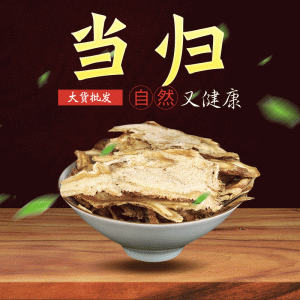
Dang Gui Slices (Angelica sinensis) — Gansu Minxian Dried Root Slices for Cooking & Tea
Price range: $4.44 through $20.49 -
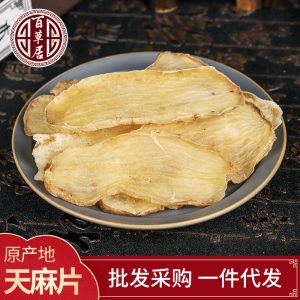
Tian Ma Slices (Gastrodia elata) — Yunnan Zhaotong Wu Tian Ma, 500g Dried Herb
Price range: $14.81 through $22.92 -
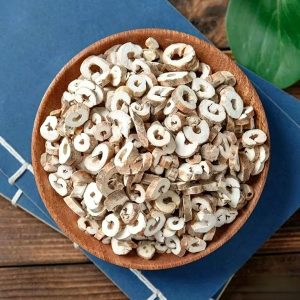
Mu Dan Pi Slices (Moutan Cortex) — Unsmoked Dan Pi Root Bark for Cooking & Tea
Price range: $4.61 through $11.57
Reviews
There are no reviews yet.