
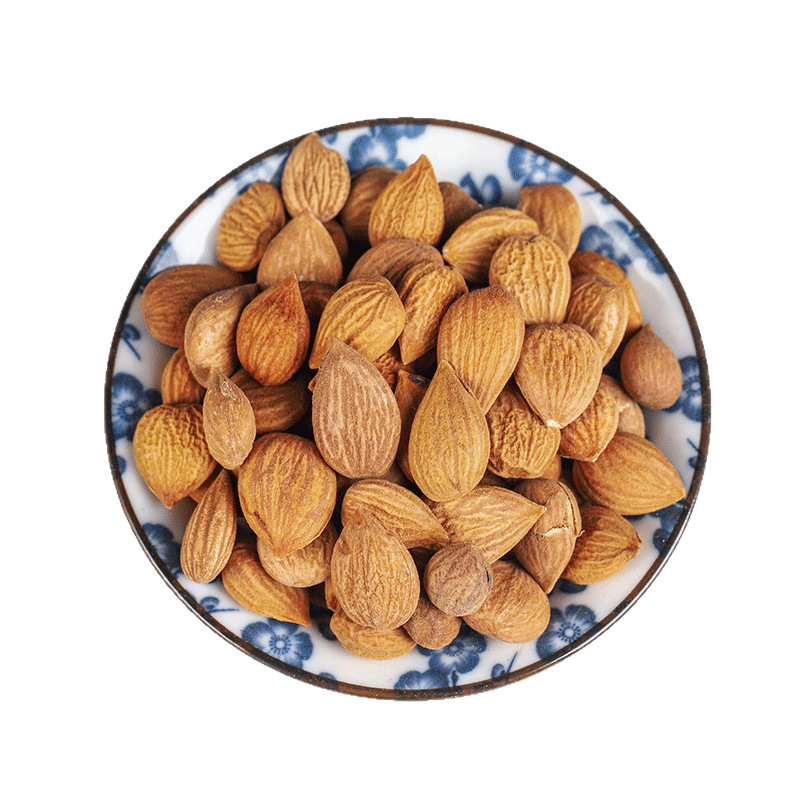
Ku Xing Ren (Bitter Apricot Kernels, Prunus armeniaca) — Inner Mongolia Dried Food Herb, 500g
$6.06
99980 in stock
Description
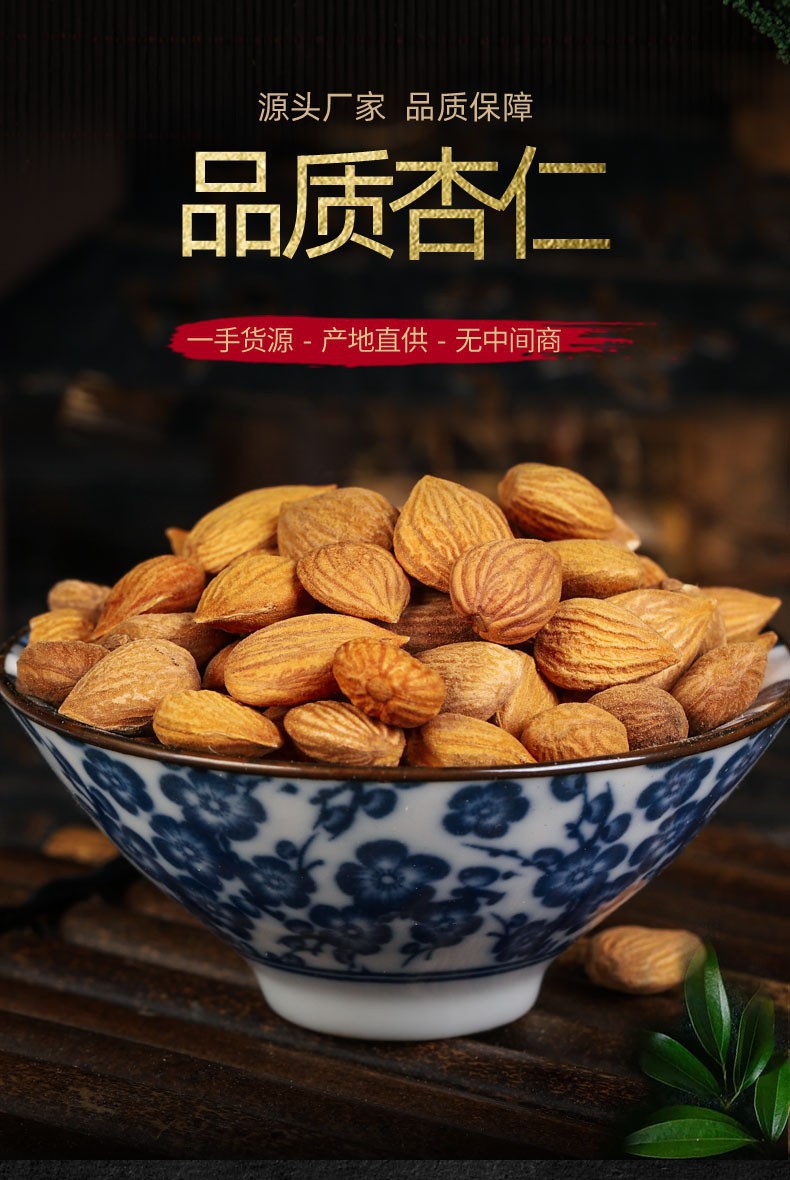
Ku Xing Ren (Prunus armeniaca) are the dried, skin-on bitter apricot kernels of a traditional food herb known in Traditional Chinese Medicine (TCM) as Kǔ Xìng Rén (苦杏仁). Grown in Inner Mongolia and sun-dried in the traditional manner, these plump kernels have been prized for centuries as a descending, moistening herb used in decoctions, congee, and medicinal soups. Its nature is bitter, slightly warm, and mildly toxic in raw form, making it a herb that is traditionally processed before use and valued for directing qi downward and moistening the Lungs.
Key Selling Points
- Traditional food herb (药食同源) bitter apricot kernel
- Prunus armeniaca, skin-on whole kernels
- Sourced from Inner Mongolia, new-crop stock
- Naturally sun-dried, plump and full-bodied
- 500g bulk bag for decoctions, congee, and soups


Quality & Sensory
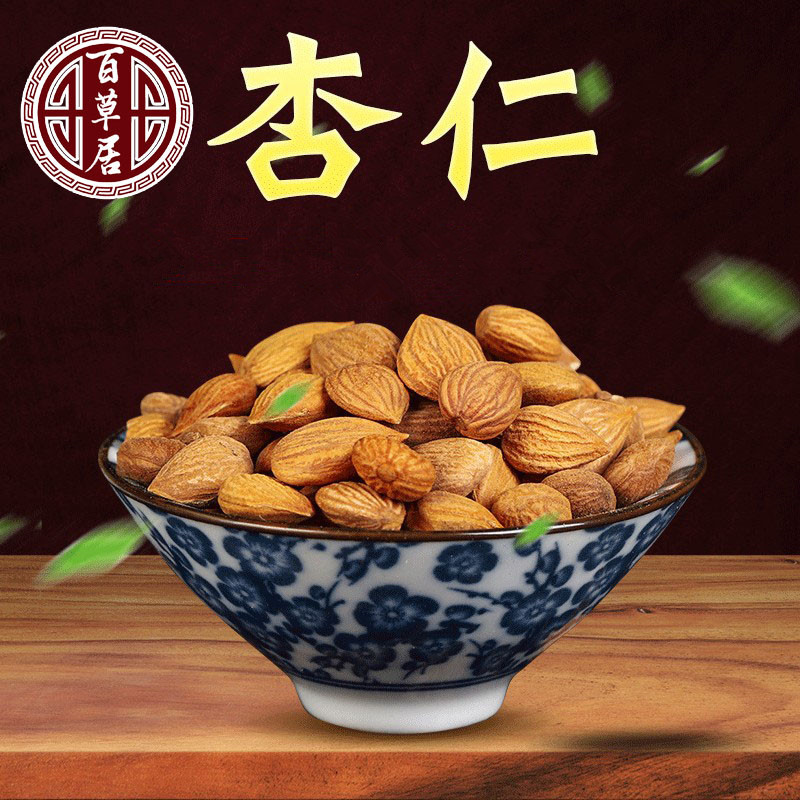
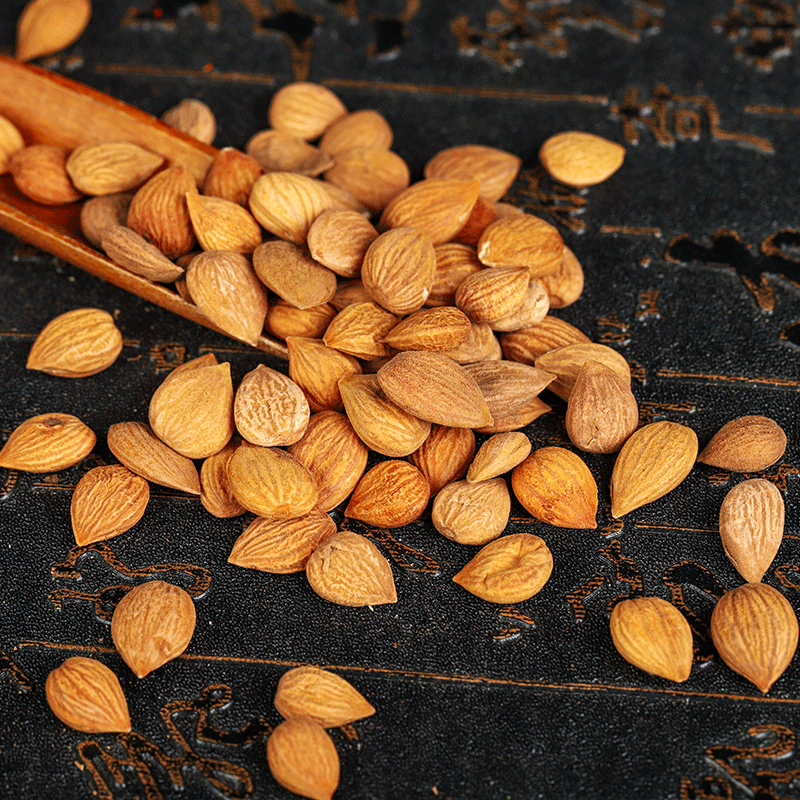
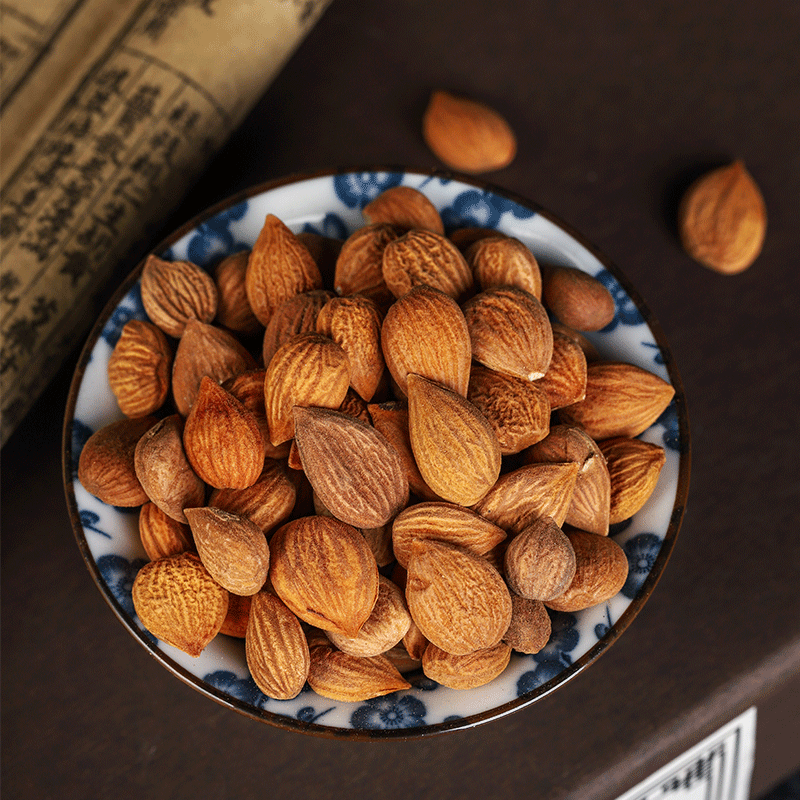
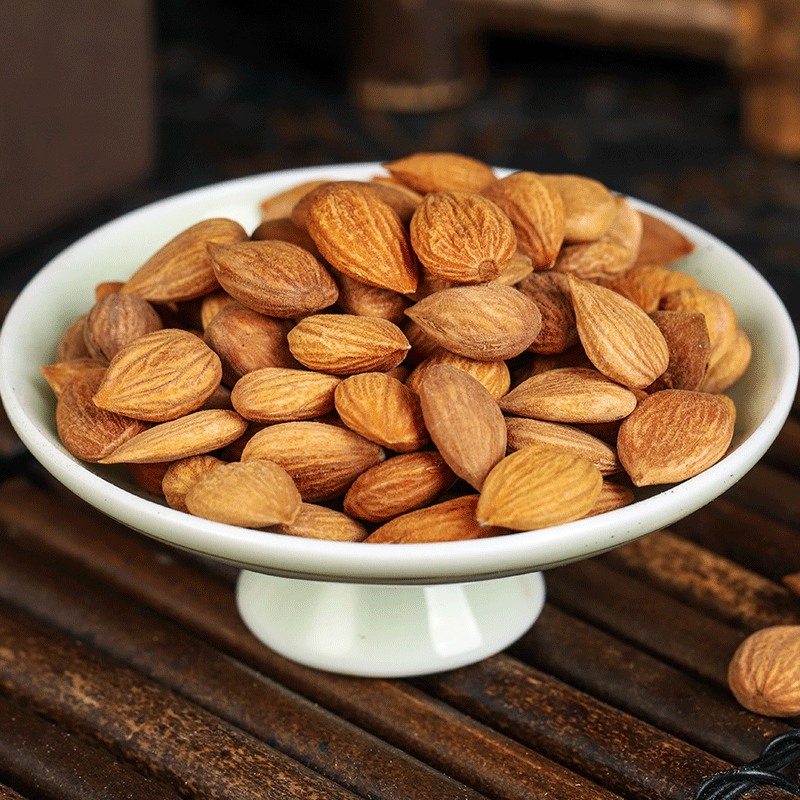
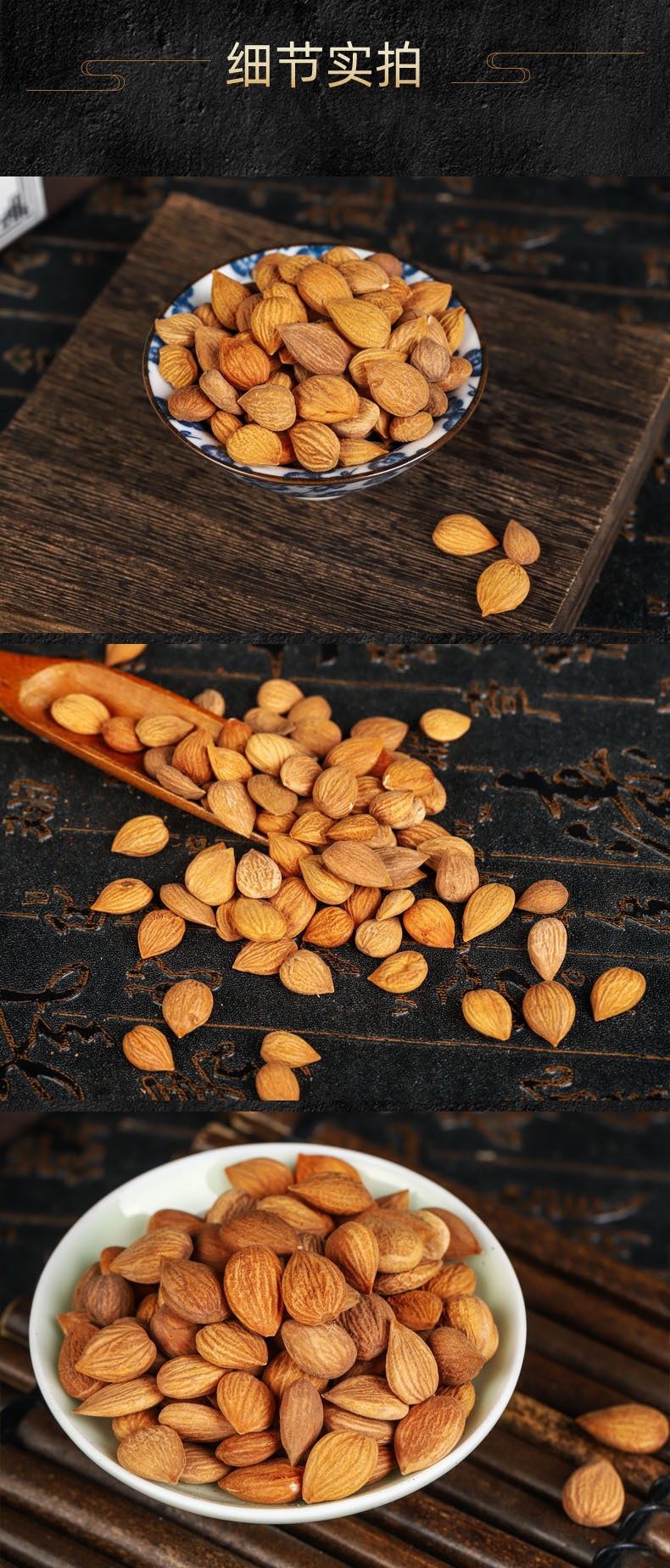
Each batch is naturally sun-dried to preserve the kernels' warm tan to light brown skin, smooth oval shape, and firm, dense texture. The kernels are plump and full, with a faint nutty aroma and a distinctly bitter, almond-like taste that softens when simmered. When decocted, they release a deep, slightly resinous fragrance that blends well with other herbs in a broth.


Technical Specifications
| Product Type | Dried Food Herb Kernels |
|---|---|
| Common Name | Ku Xing Ren (Bitter Apricot Kernel) |
| Botanical Name | Prunus armeniaca |
| Origin | Inner Mongolia |
| Net Weight | 500g |
| Processing | Naturally Sun-Dried |


Usage Scenarios
- Traditional herbal decoctions
- Medicinal congee and grain porridge
- Chinese-style soup and broth
- Herbal tea blends with other food herbs
- Seasonal home food-therapy cooking

Traditional Uses
In folk herbal practice, Ku Xing Ren is decocted into soups, congee, and lung-moistening formulas to support smooth breathing and gentle downward movement of qi. It is a classic ingredient in traditional pear and apricot kernel soups, often paired with pear, fritillary bulb, and rock sugar for autumn nourishment. In daily food therapy, it appears in congee and slow-simmered broths, where its bitter nature is balanced by sweet ingredients such as jujube and honey.
FAQ Q&A
Q: What is Ku Xing Ren?
A: Ku Xing Ren is the common Chinese name for the dried, skin-on bitter apricot kernel of Prunus armeniaca. It is a traditional food herb used in decoctions, congee, and soups.
Q: What is the traditional wellness value of bitter apricot kernels?
A: In traditional Chinese food wellness culture, Ku Xing Ren is associated with directing qi downward and moistening the Lungs. It is traditionally used in decoctions and congee for seasonal lung and respiratory nourishment.
Q: How should bitter apricot kernels be prepared?
A: Bitter apricot kernels are traditionally soaked, blanched, or simmered before use to reduce their bitterness and raw toxicity. They are then added to decoctions, congee, or soups. Follow a trusted traditional recipe and avoid eating them raw in large amounts.
Additional information
| Weight | 0.72 kg |
|---|---|
| Dimensions | 25 × 18 × 10 cm |
Related products
-
Sheng Gan Cao Slices (Glycyrrhiza uralensis) — Sulfur-Free Licorice Root Pieces, 500g
Price range: $4.28 through $6.71 -
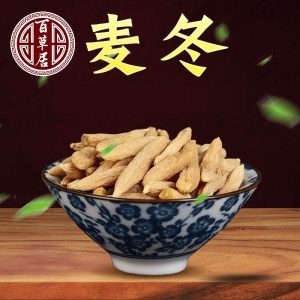
Mai Dong (Ophiopogon japonicus) Dried Root — Unsulfured Food Herb for Tea & Soup
Price range: $5.58 through $14.00 -
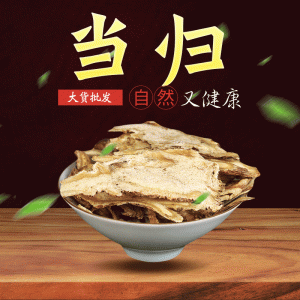
Dang Gui Slices (Angelica sinensis) — Gansu Minxian Dried Root Slices for Cooking & Tea
Price range: $4.44 through $20.49 -
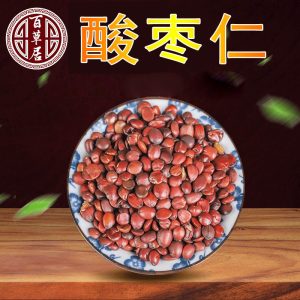
Suan Zao Ren (Ziziphus jujuba var. spinosa) — Hebei Stir-Fried & Raw Jujube Seed, 500g
Price range: $5.74 through $81.25
Reviews
There are no reviews yet.