
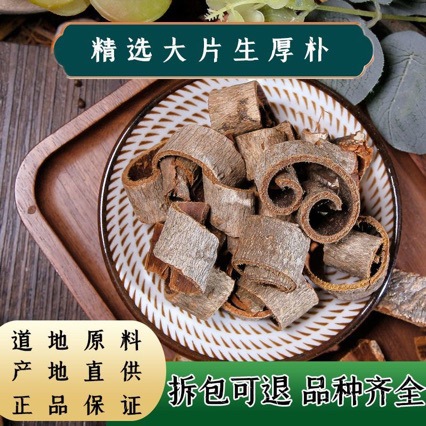
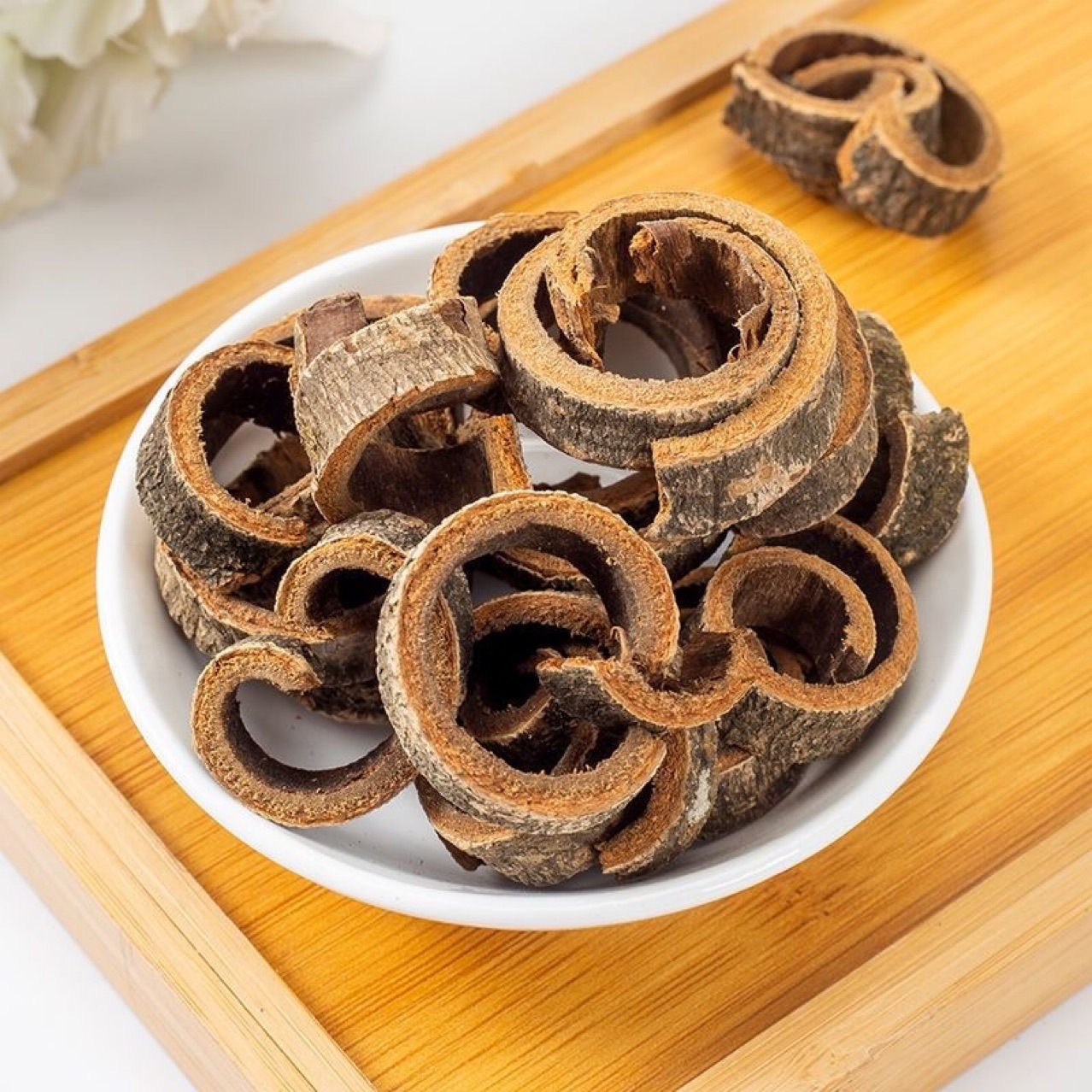
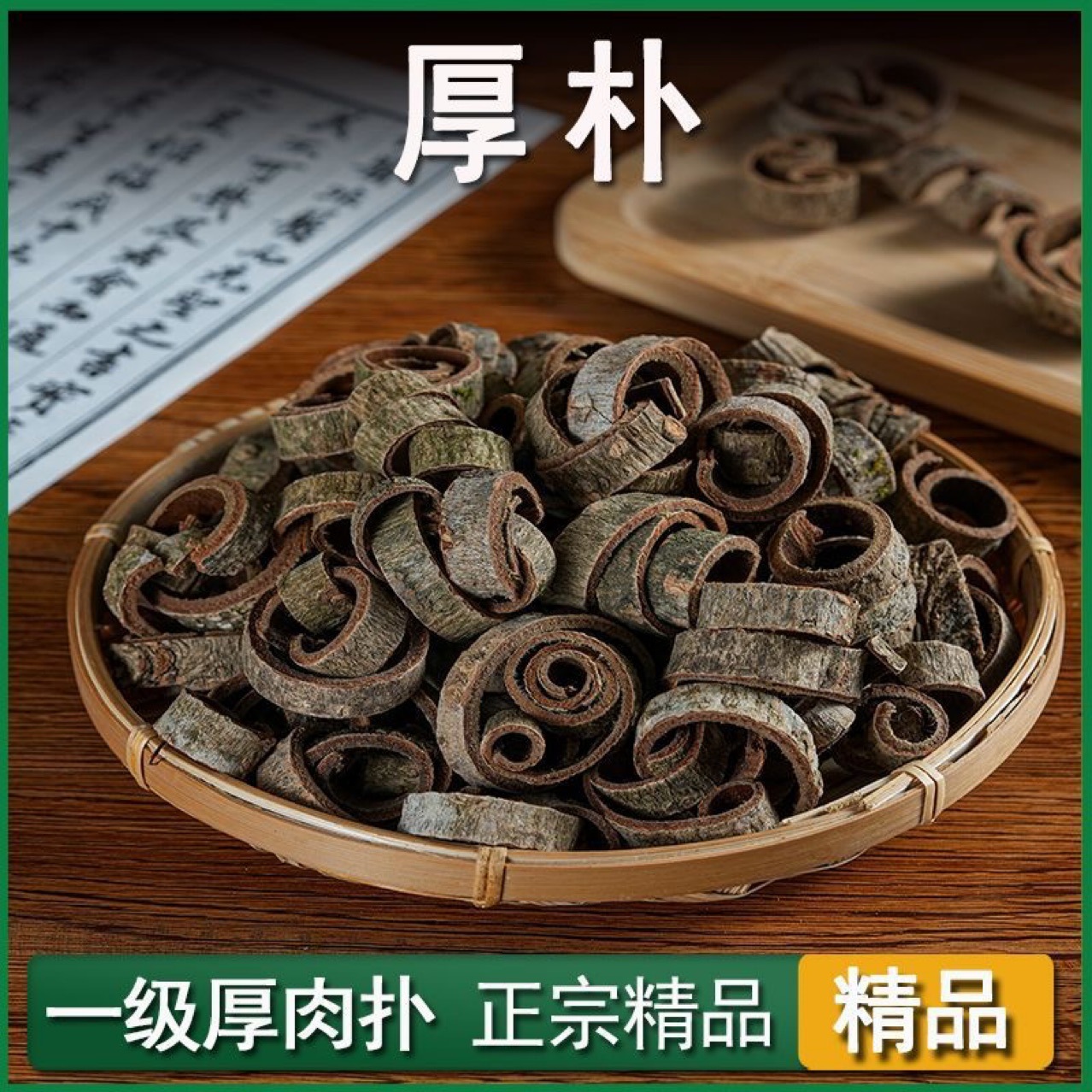
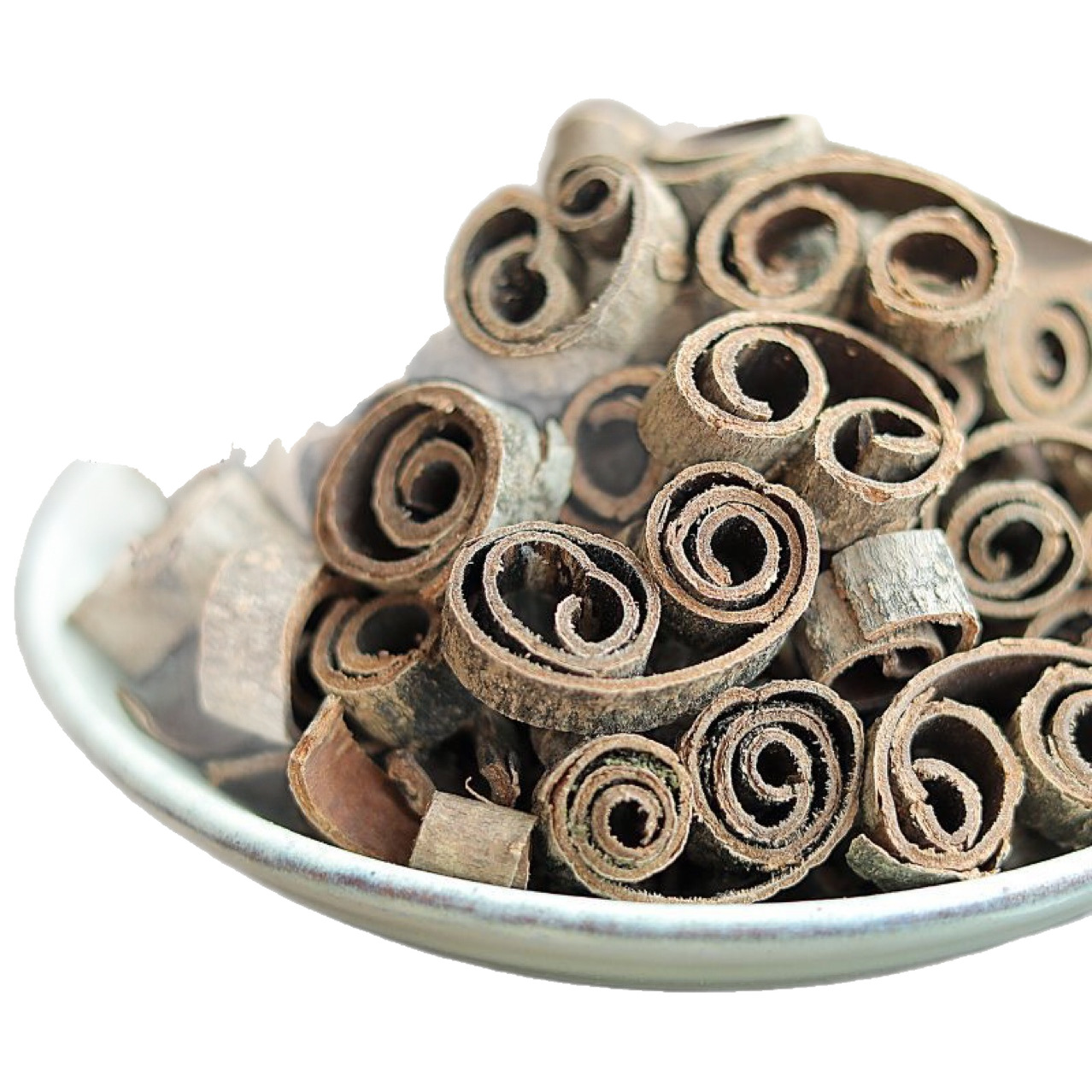
Hou Po (Magnolia officinalis) — Sulfur-Free Sichuan Bark, Peeled & Whole, Dried Food Herb for Soup
Price range: $6.31 through $9.06
Description
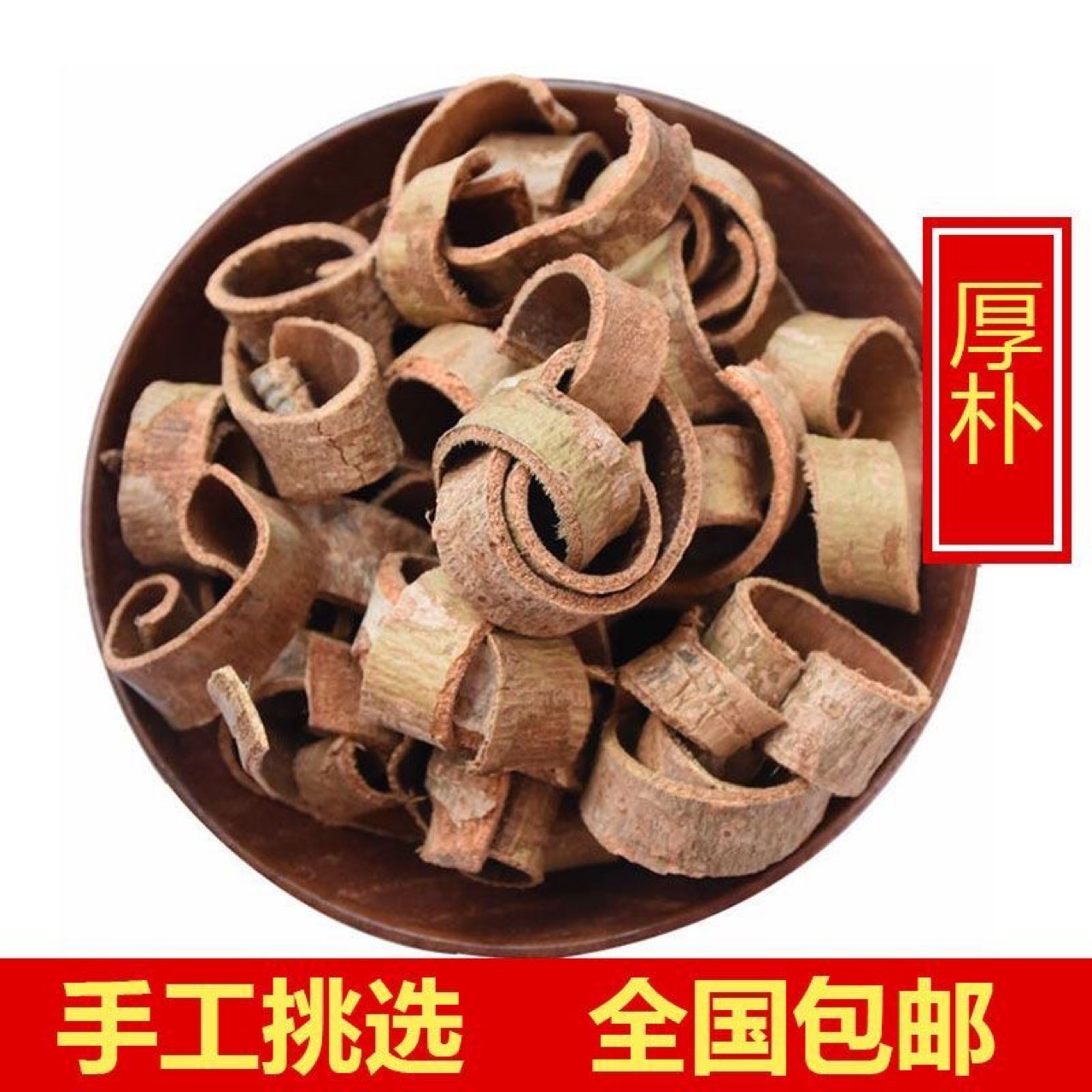
Hou Po (Magnolia officinalis) is the dried bark of a traditional Chinese herb known in Traditional Chinese Medicine (TCM) as Hòu Pò (厚朴). Sourced from Sichuan and offered in both peeled and whole bark forms, this sulfur-free selection has been prized for centuries as a qi-moving, damp-transforming herb used in soups, decoctions, and seasonal culinary preparations. Its nature is bitter, pungent, and warm, making it a robust yet balanced herb for warming the Middle Burner and supporting the smooth flow of qi.
Key Selling Points
- Sulfur-free Sichuan Hou Po bark
- Peeled and whole bark options
- Magnolia officinalis
- Traditional qi-moving food herb
- Suitable for soup and decoction
Quality & Sensory
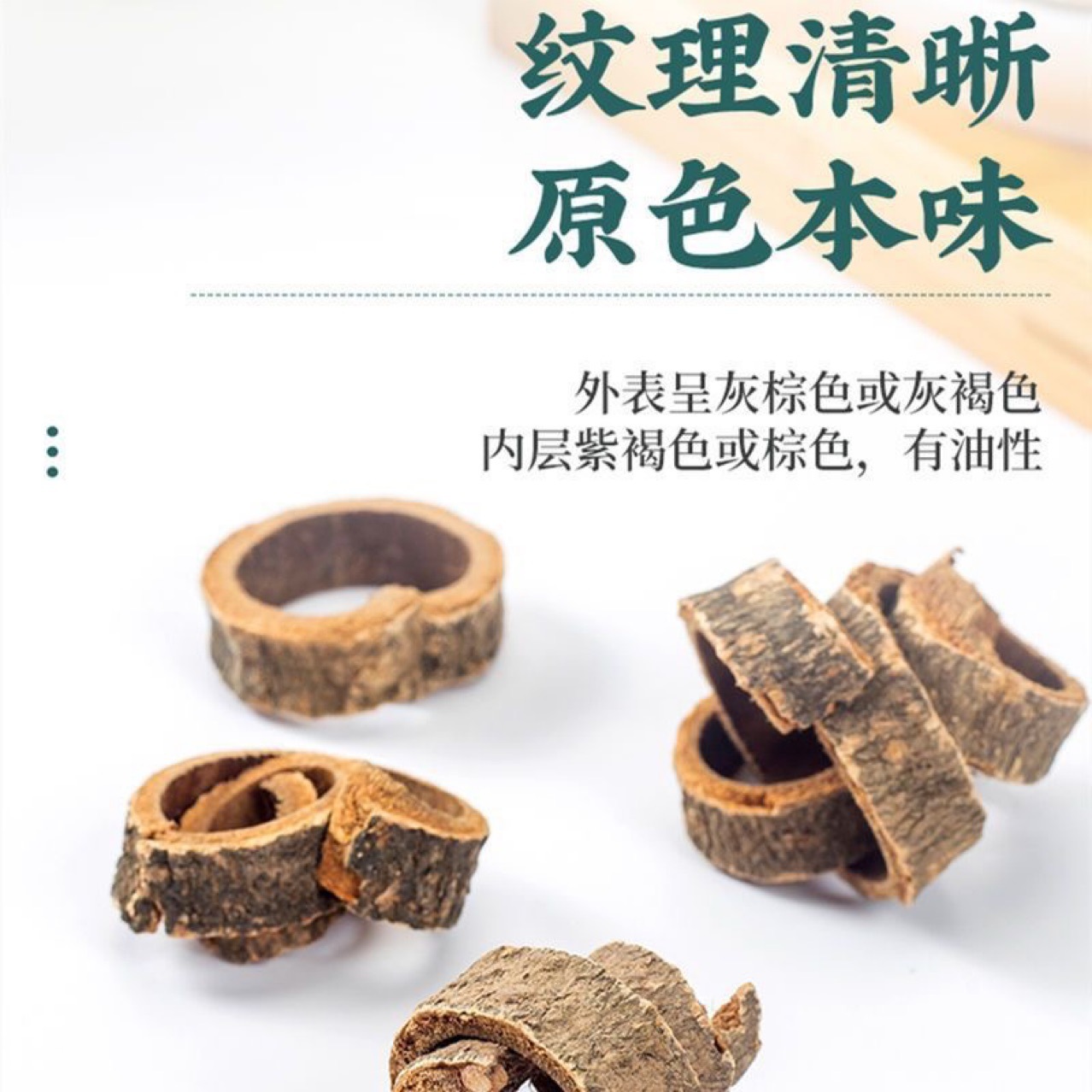
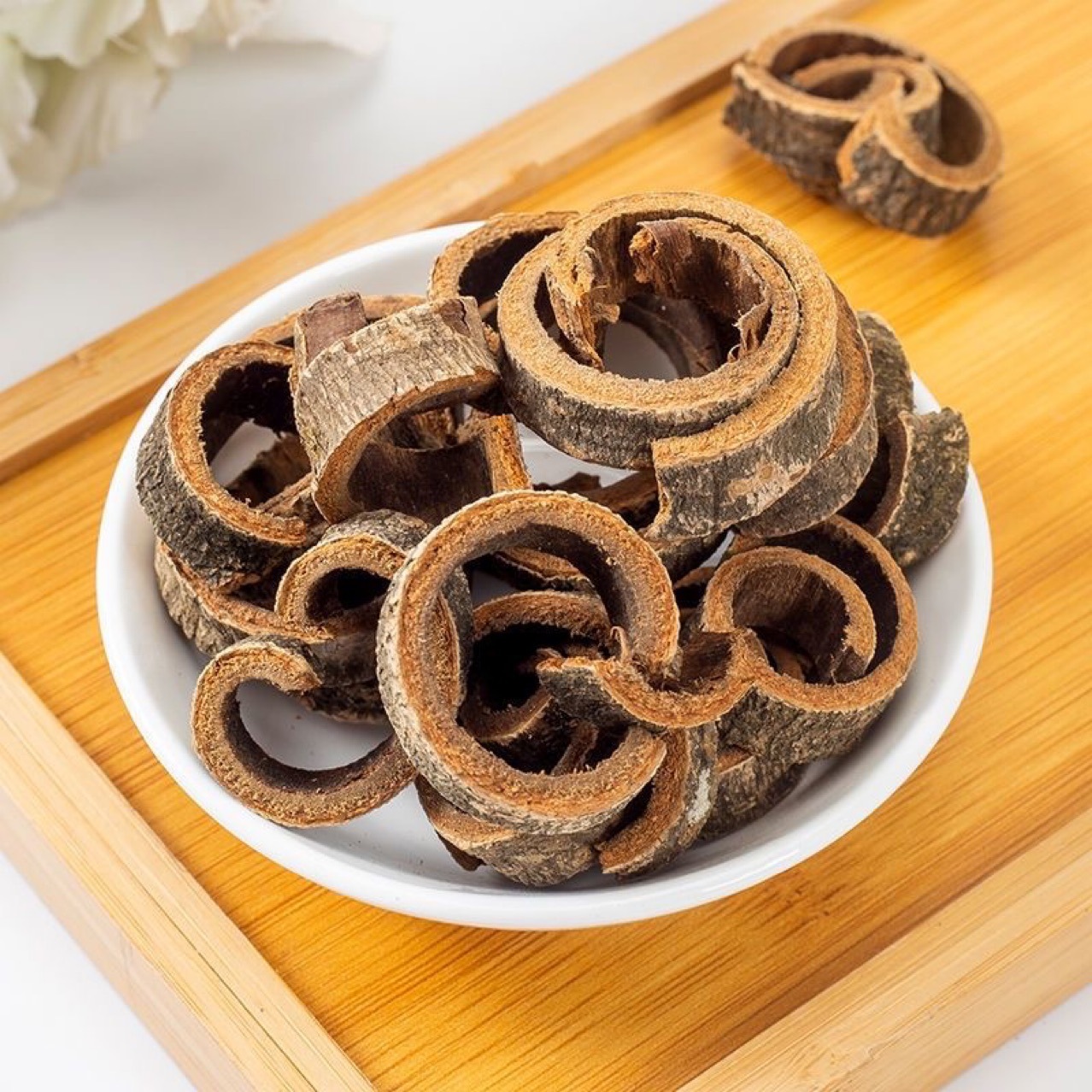
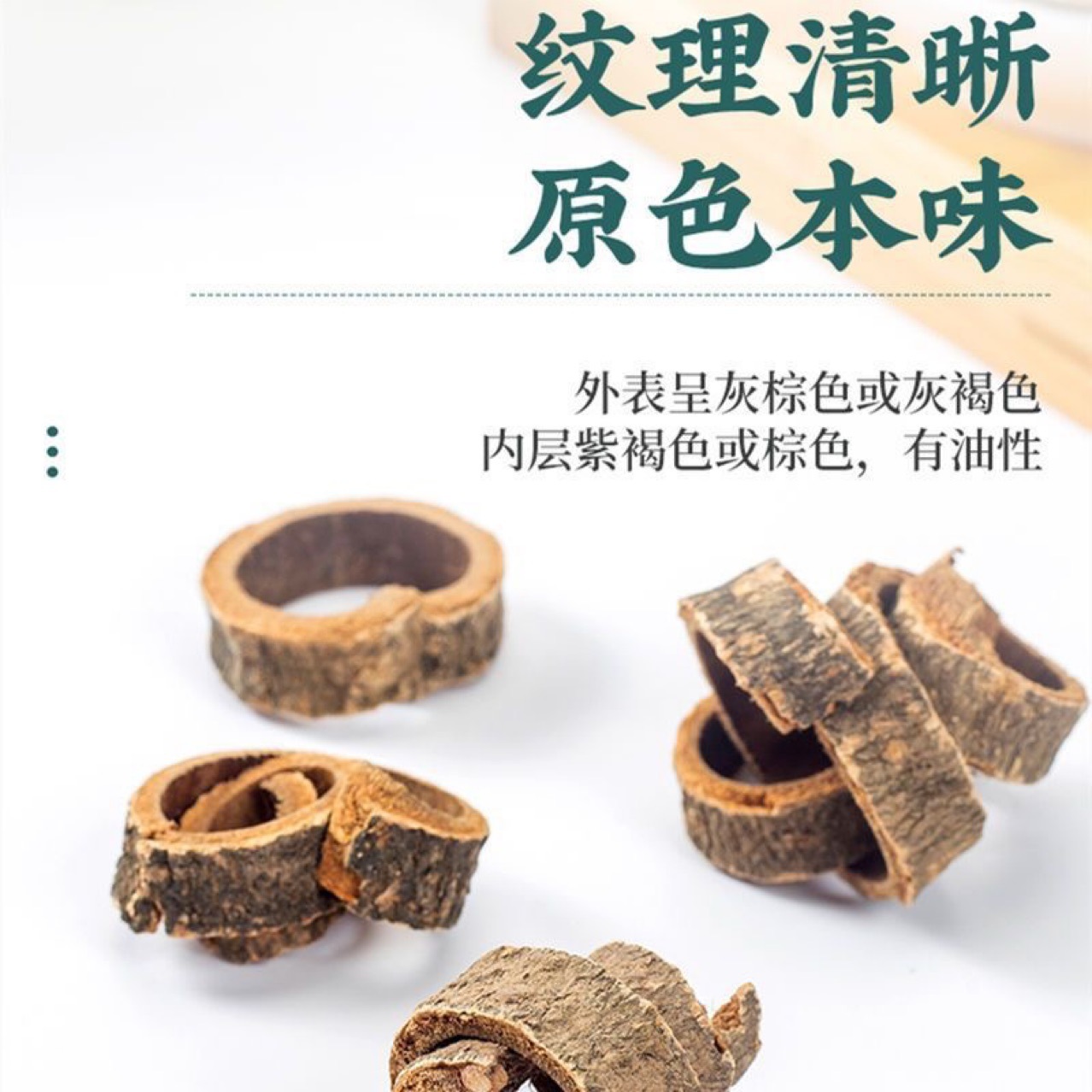
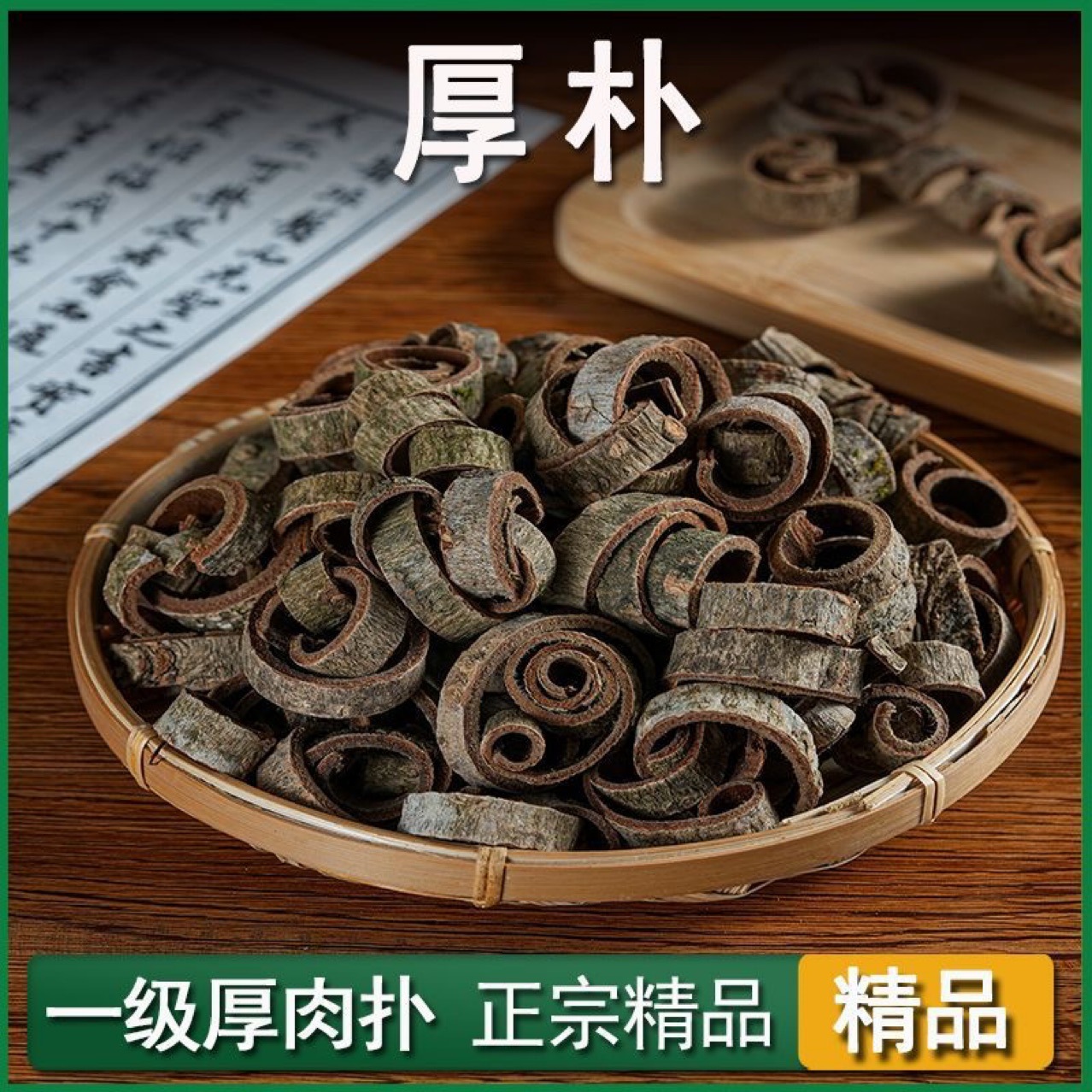
Each batch is carefully dried to preserve its characteristic brownish-grey outer surface, fibrous texture, and mild aromatic, slightly spicy aroma. When simmered, the bark releases a warm, gently bitter and pungent flavor that adds depth to broths and decoctions without overwhelming other ingredients.
Technical Specifications
| Product Type | Dried Herb Bark |
|---|---|
| Common Name | Hou Po |
| Botanical Name | Magnolia officinalis |
| Origin | Sichuan, China |
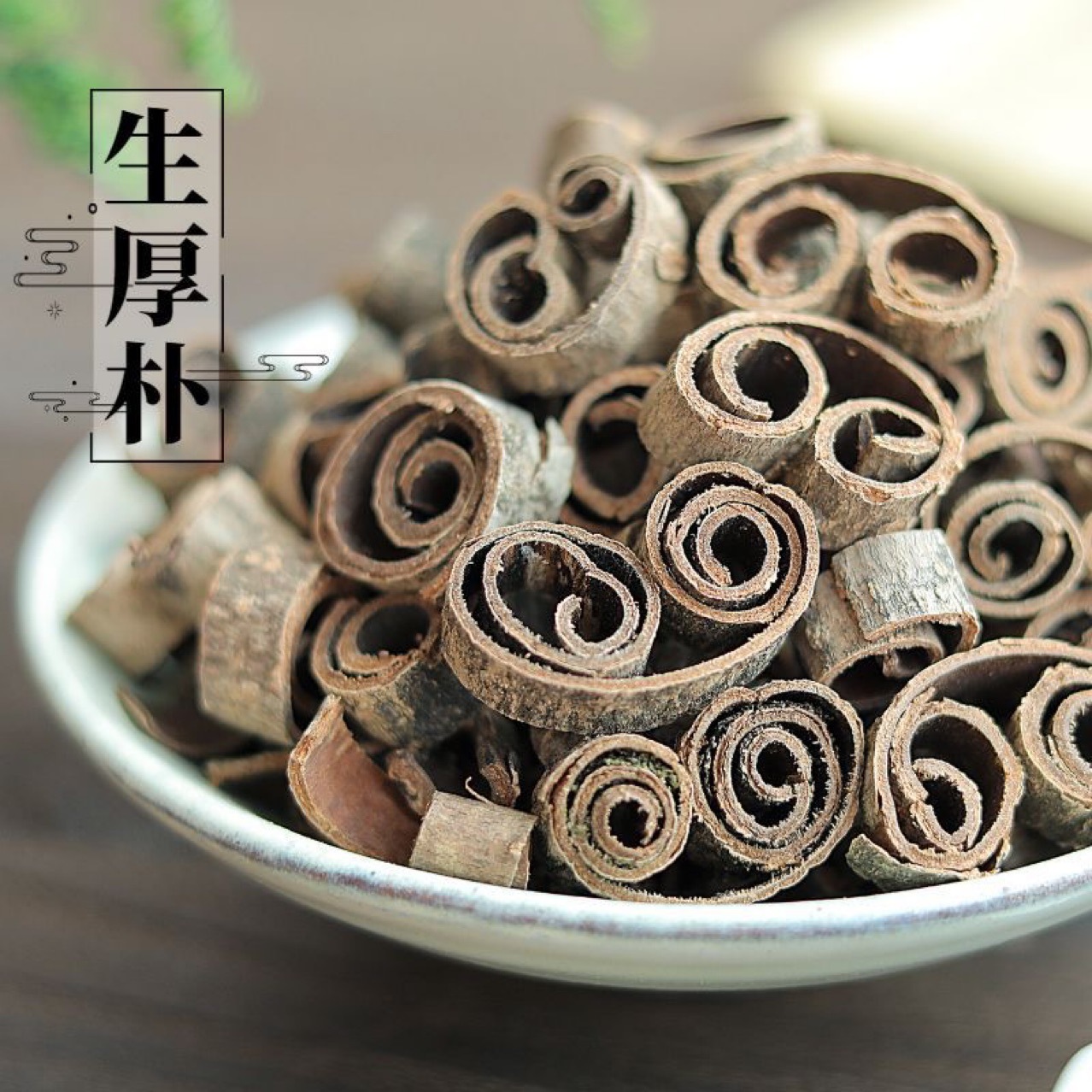
| Form | Peeled and Whole Dried Bark |
| Processing | Dried, Sulfur-Free |
Usage Scenarios
- Chinese-style soup and broth
- Herbal decoctions
- Seasonal slow-cooking
- Medicinal food soup packs
- Traditional culinary preparations
Traditional Uses
In folk herbal practice, Hou Po is decocted into soups and medicinal food preparations to support the movement of qi and transform dampness. It is a common ingredient in warming broths, where it pairs with ingredients like ginger, tangerine peel, and star anise. As a decoction, it is simmered alone or blended with other herbs for a warm, aromatic infusion.
FAQ Q&A
Q: What is Hou Po?
A: Hou Po is the common Chinese name for the dried bark of Magnolia officinalis. It is a traditional food herb used in soups and decoctions.
Q: What is the traditional wellness value of Hou Po?
A: In traditional Chinese food wellness culture, Hou Po is associated with moving qi, transforming dampness, and warming the Middle Burner. It is often used in soups and decoctions for daily seasonal nourishment.
Q: How do I use dried Hou Po bark?
A: Rinse the bark and simmer it with soup ingredients, or brew it in hot water as part of a decoction. Adjust the quantity to your recipe and taste preference.
Additional information
| Weight | N/A |
|---|---|
| Dimensions | N/A |
| Packaging specifications | 500g thick original skin, Original thick pum 1000g, 500 grams of peeled pumice, 1000g peeled pumice |
Related products
-
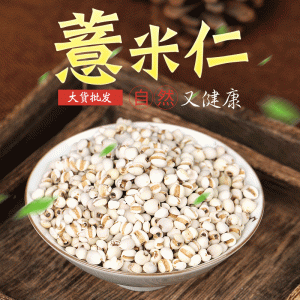
Yi Mi Ren (Coix Seed / Job’s Tears) — Guizhou Roasted Coix lacryma-jobi for Soup & Tea
Price range: $4.61 through $4.77 -
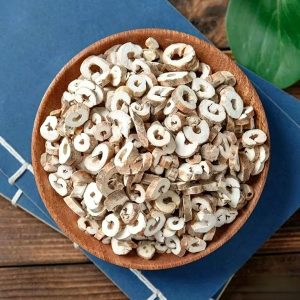
Mu Dan Pi Slices (Moutan Cortex) — Unsmoked Dan Pi Root Bark for Cooking & Tea
Price range: $4.61 through $11.57 -
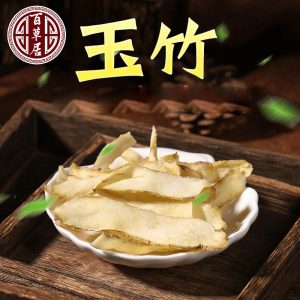
Yu Zhu Slices (Polygonatum odoratum) — Sulfur-Free Hunan Dried Food Herb, 500g
Price range: $4.77 through $10.76 -
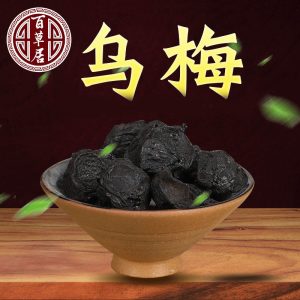
Wu Mei Dried Plum (Prunus mume) — Unsulfured Smoked-Free Food Herb for Sour Plum Drink & Tea
Price range: $4.44 through $10.93
Reviews
There are no reviews yet.