
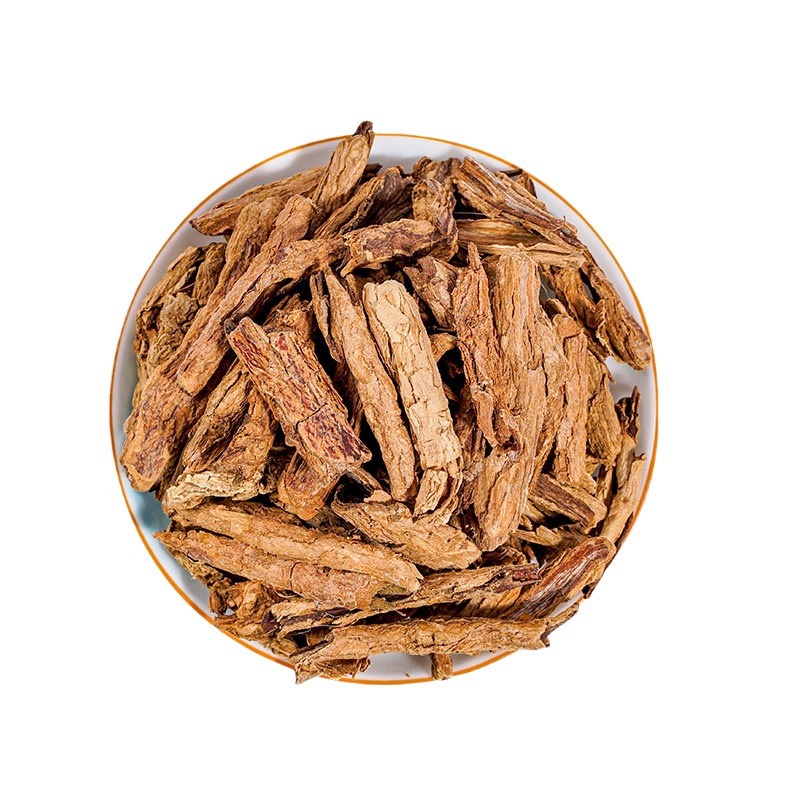
Di Gu Pi (Lycium chinense Root Bark) — Dried TCM Herb, 500g
$9.31
1399829 in stock
Description
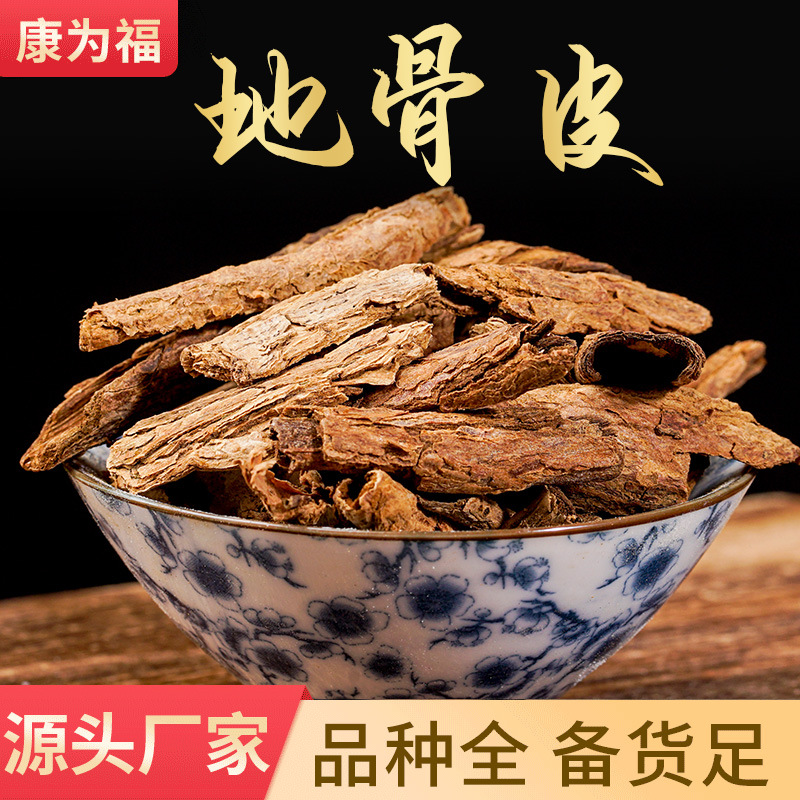
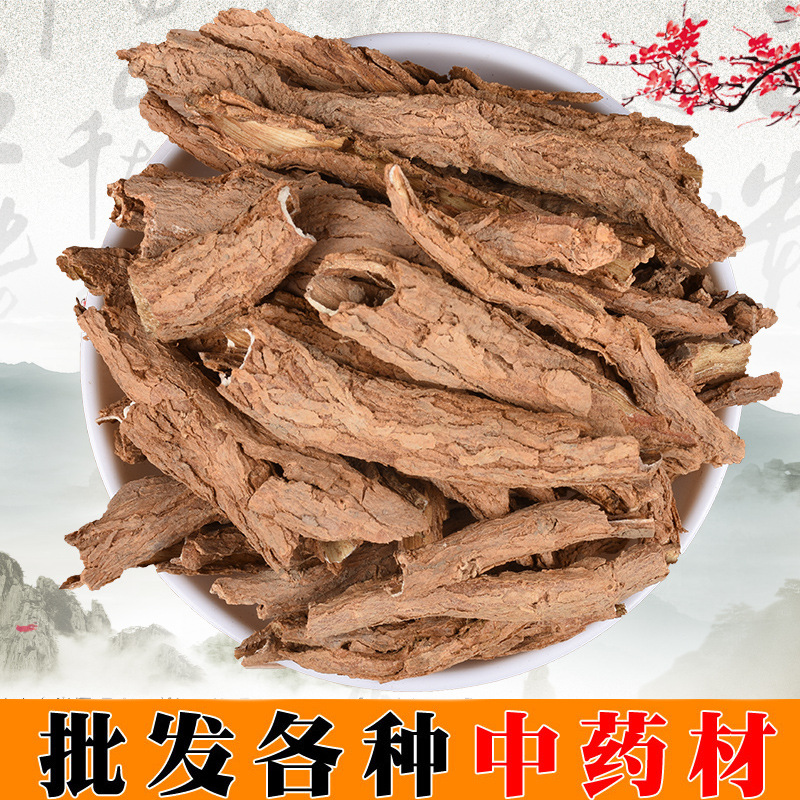
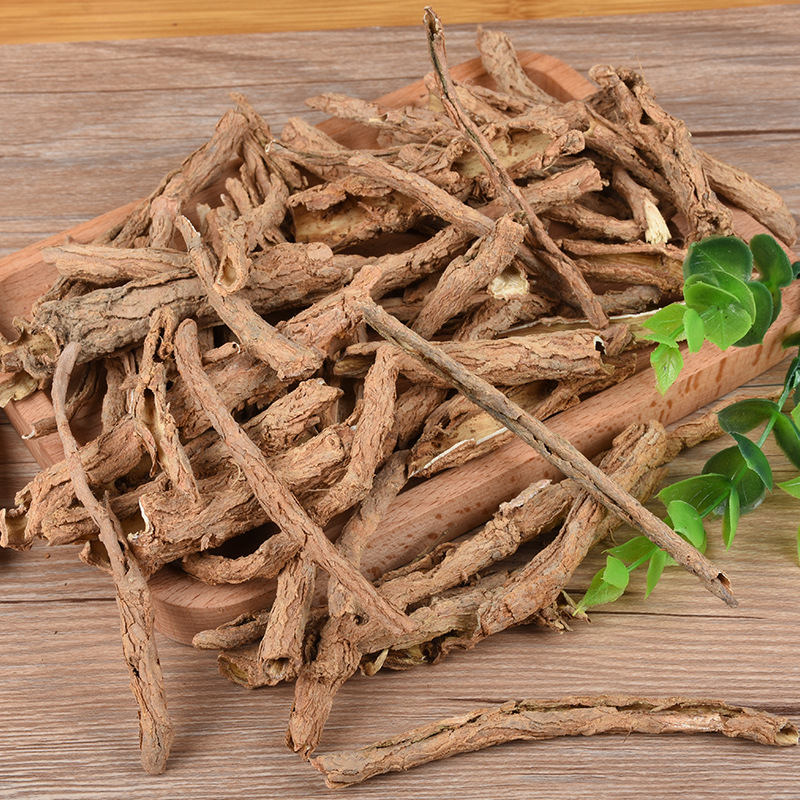
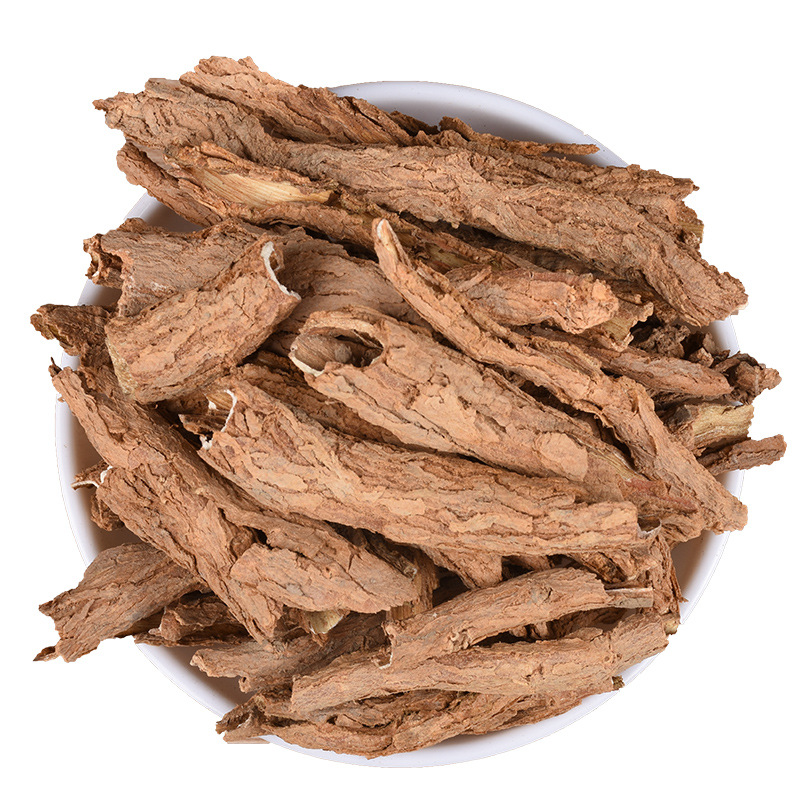
Di Gu Pi (Lycium chinense) is the dried root bark of the goji plant, known in Traditional Chinese Medicine (TCM) as Dì Gǔ Pí (地骨皮). Also called Wolfberry Root Bark or Chinese Boxthorn Root Bark, Di Gu Pi has been prized for centuries as a cooling, yin-nourishing herb traditionally used to clear deficiency heat, cool the blood, and settle restlessness. Its nature is sweet and cold, making it a gentle yet effective herb for clearing heat from the Lung and Kidney channels while nourishing fluids.
Key Selling Points
- Traditional heat-clearing TCM herb
- Dried Lycium chinense root bark
- Also known as Wolfberry Root Bark
- 500g value pack, new-crop quality
- Suitable for decoction and herbal formulas
Quality & Sensory
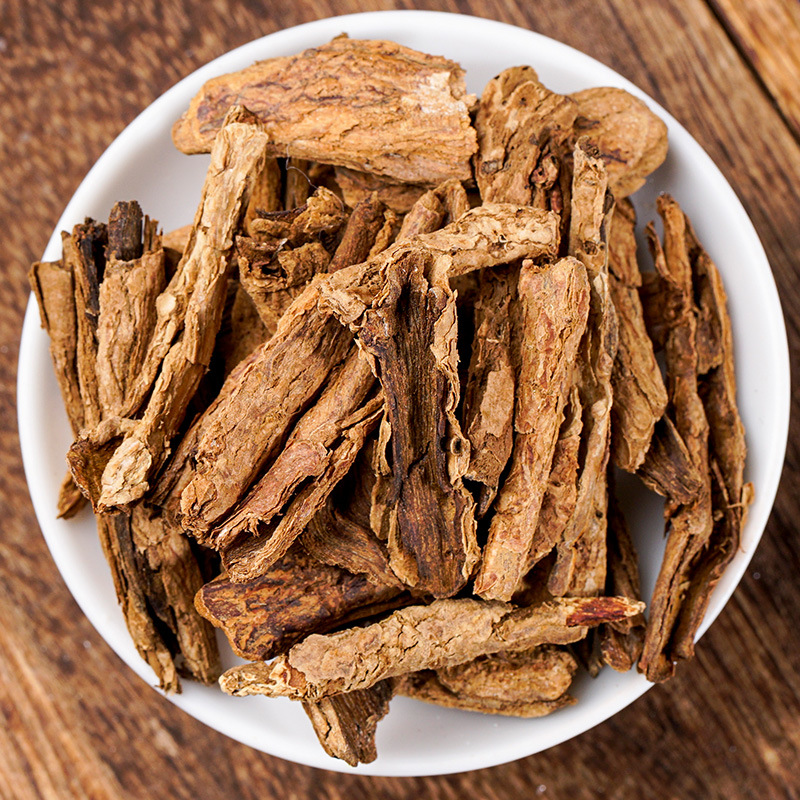
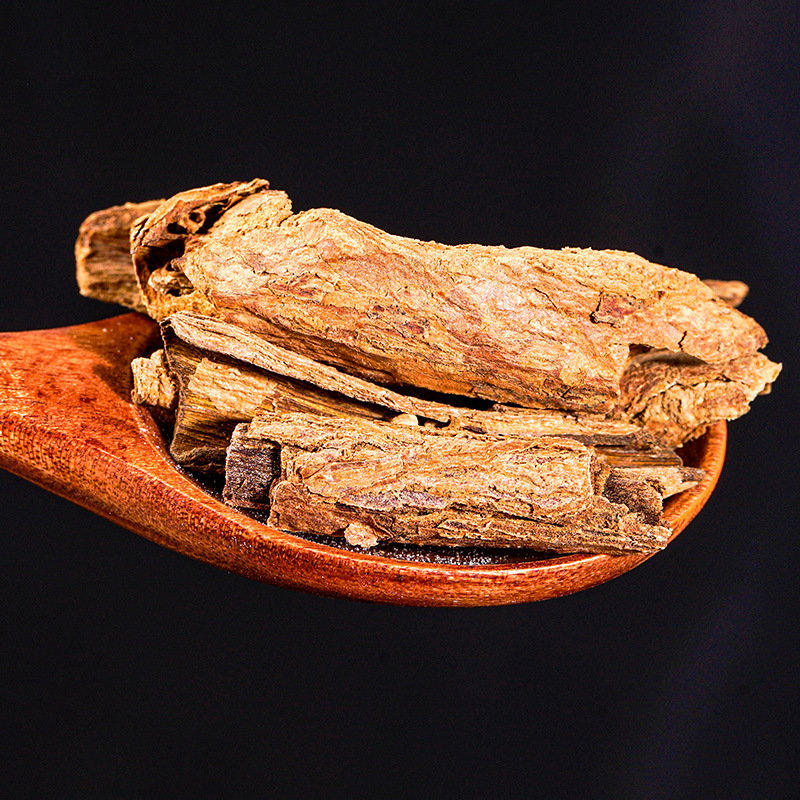
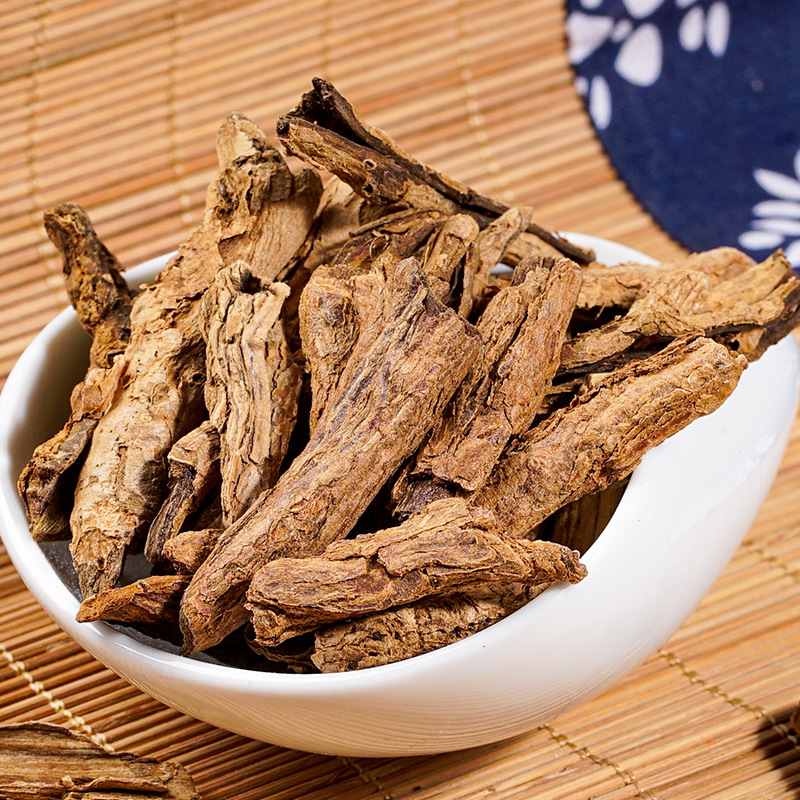
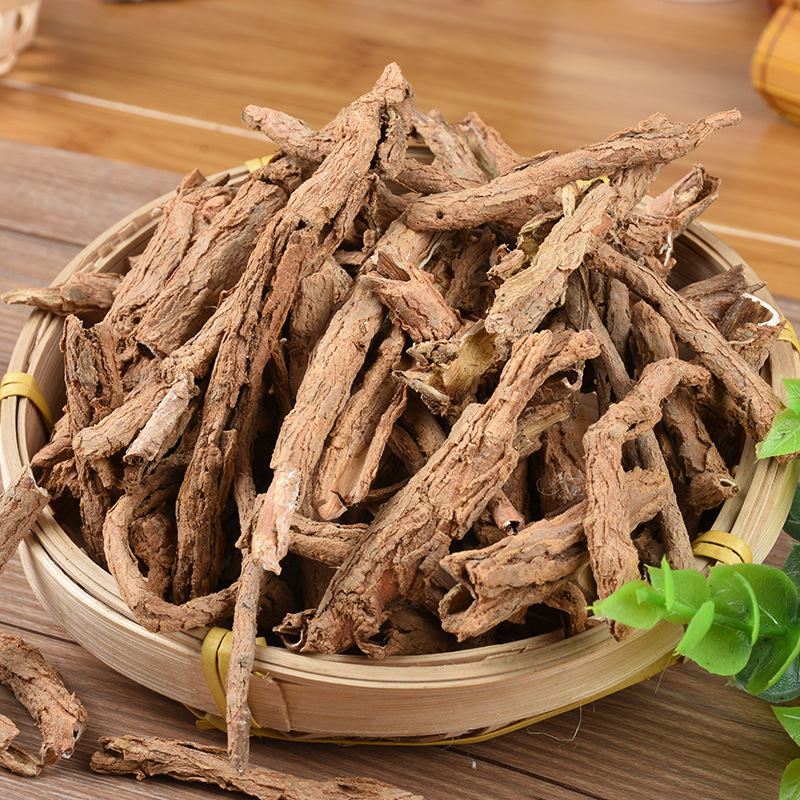
Each batch is carefully harvested and dried to preserve its pale yellowish-brown color, light textured bark, and mild earthy aroma. When decocted, it yields a gentle, slightly sweet and cooling infusion with a clean, subtle bitterness that fades into a soft, lingering finish.


Technical Specifications
| Product Type | Dried Herb / Decoction Piece |
|---|---|
| Common Name | Di Gu Pi |
| Botanical Name | Lycium chinense |
| Plant Part | Root Bark |
| Net Weight | 500g |
| Storage | Room Temperature, Dry Place |


Usage Scenarios
- Traditional herbal decoction
- Herbal tea blends
- Soup and congee ingredient
- Seasonal cooling tonic
- TCM formula component

Traditional Uses
In folk herbal practice, Di Gu Pi is decocted into soups, congee, and cooling tonics to support the body during warm seasons and dry conditions. It is a common ingredient in traditional formulas where it pairs with herbs like Sheng Di Huang, Mai Dong, and Zhi Mu. As a daily tea, it is brewed alone or blended with chrysanthemum and mulberry leaf for a light, refreshing infusion.
FAQ Q&A
Q: What is Di Gu Pi?
A: Di Gu Pi is the common Chinese name for the dried root bark of Lycium chinense, also called Wolfberry Root Bark or Chinese Boxthorn Root Bark. It is a traditional TCM herb used in decoctions and formulas.
Q: What is the traditional wellness value of Di Gu Pi?
A: In traditional Chinese medicine, Di Gu Pi is associated with clearing deficiency heat, cooling the blood, and nourishing yin. It is often used in decoctions for daily seasonal support.
Q: How do I use dried Di Gu Pi?
A: Rinse the root bark and simmer it in water as part of a decoction, or add it to soup and congee. Adjust the quantity to your recipe and taste preference.
Additional information
| Weight | 1 kg |
|---|---|
| Dimensions | 25 × 18 × 8 cm |
Related products
-
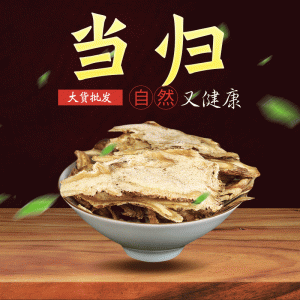
Dang Gui Slices (Angelica sinensis) — Gansu Minxian Dried Root Slices for Cooking & Tea
Price range: $4.44 through $20.49 -
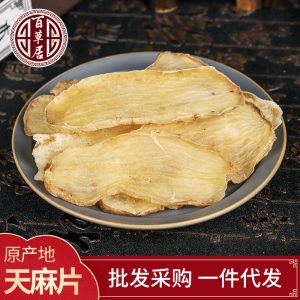
Tian Ma Slices (Gastrodia elata) — Yunnan Zhaotong Wu Tian Ma, 500g Dried Herb
Price range: $14.81 through $22.92 -
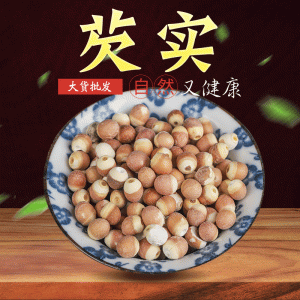
Qian Shi (Euryale ferox) — Dried Gorgon Nut Seeds, Zhaoqing Guangdong, 500g
Price range: $6.88 through $8.01 -
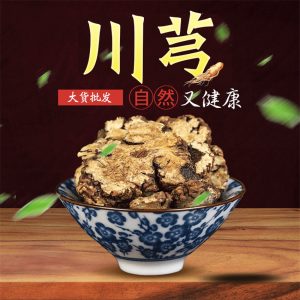
Chuan Xiong Slices (Ligusticum chuanxiong) — Sichuan Sun-Dried Rhizome Pieces, 500g
Price range: $4.44 through $6.06
Reviews
There are no reviews yet.