
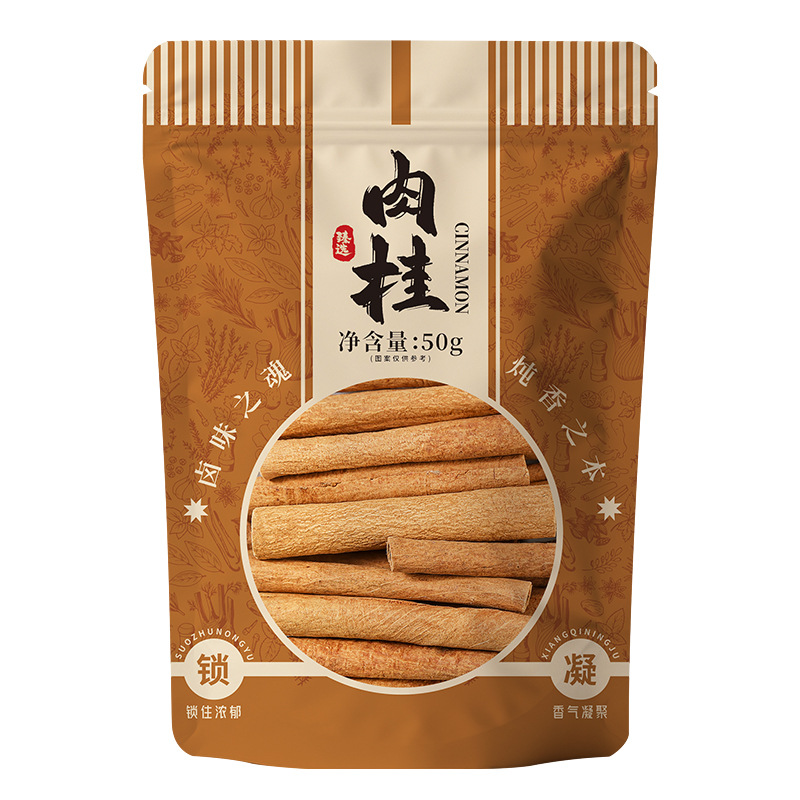
Cinnamon Bark (Cinnamomum cassia) — Dried Gui Pi Spice for Braised Dishes & Soups
Price range: $4.20 through $7.04
Description
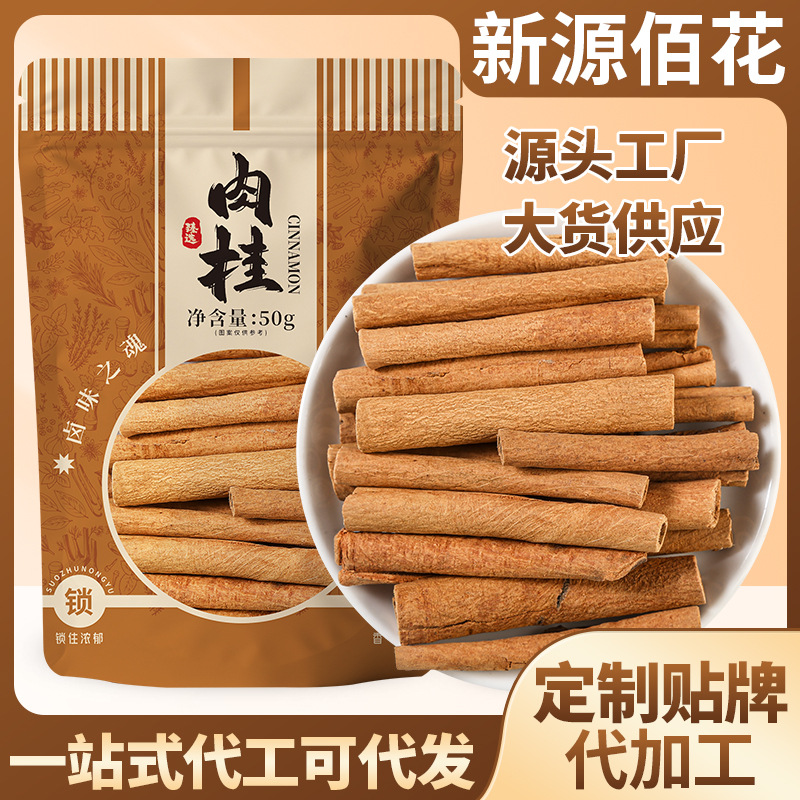
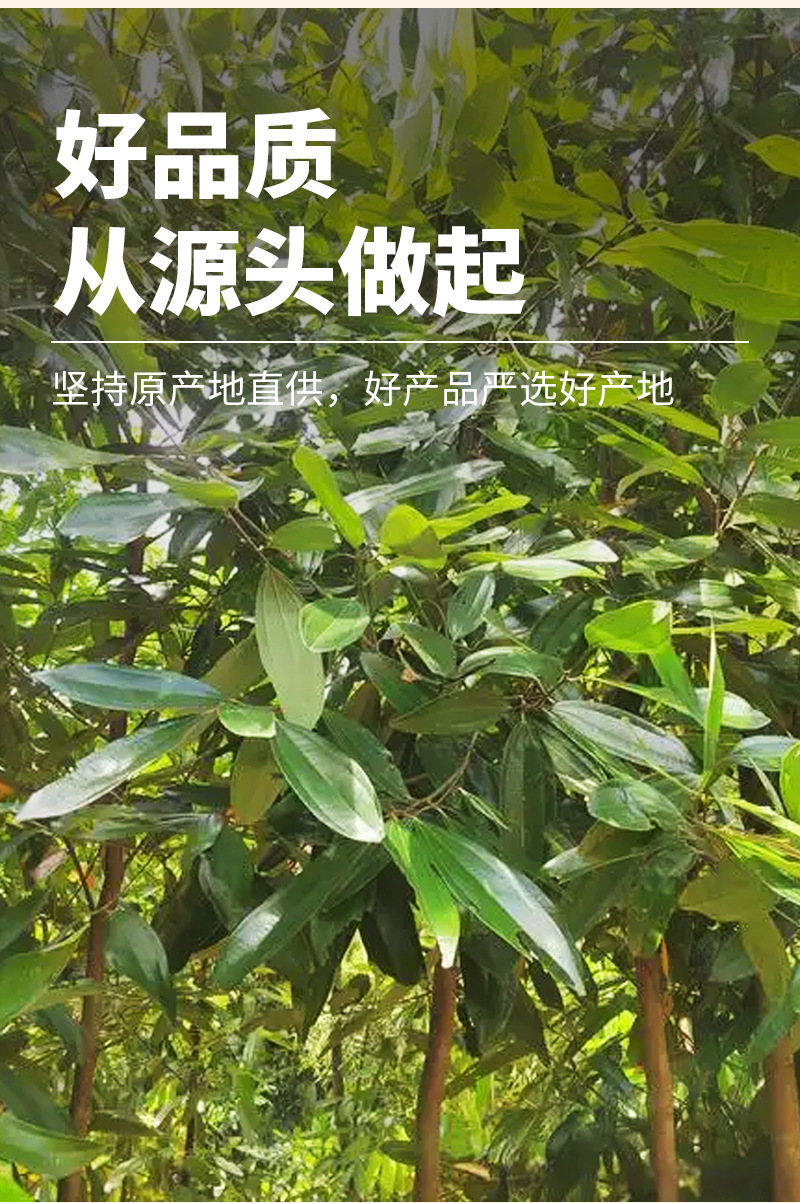
Cinnamon Bark (Cinnamomum cassia), known in Traditional Chinese Medicine (TCM) as Ròu Guì (肉桂) or Guì Pí (桂皮), is the dried bark of a warm, aromatic tree prized for centuries as both a culinary spice and a traditional warming herb. Its nature is pungent, sweet, and intensely warming, making it a classic ingredient for adding depth to braised meats, broths, and spiced dishes while also serving as a traditional yang-warming herb in TCM food therapy.


Key Selling Points
- Traditional warming food herb and culinary spice
- Dried Cinnamomum cassia bark
- Pungent, sweet, and warmly aromatic
- Ideal for braised dishes, soups, and marinades
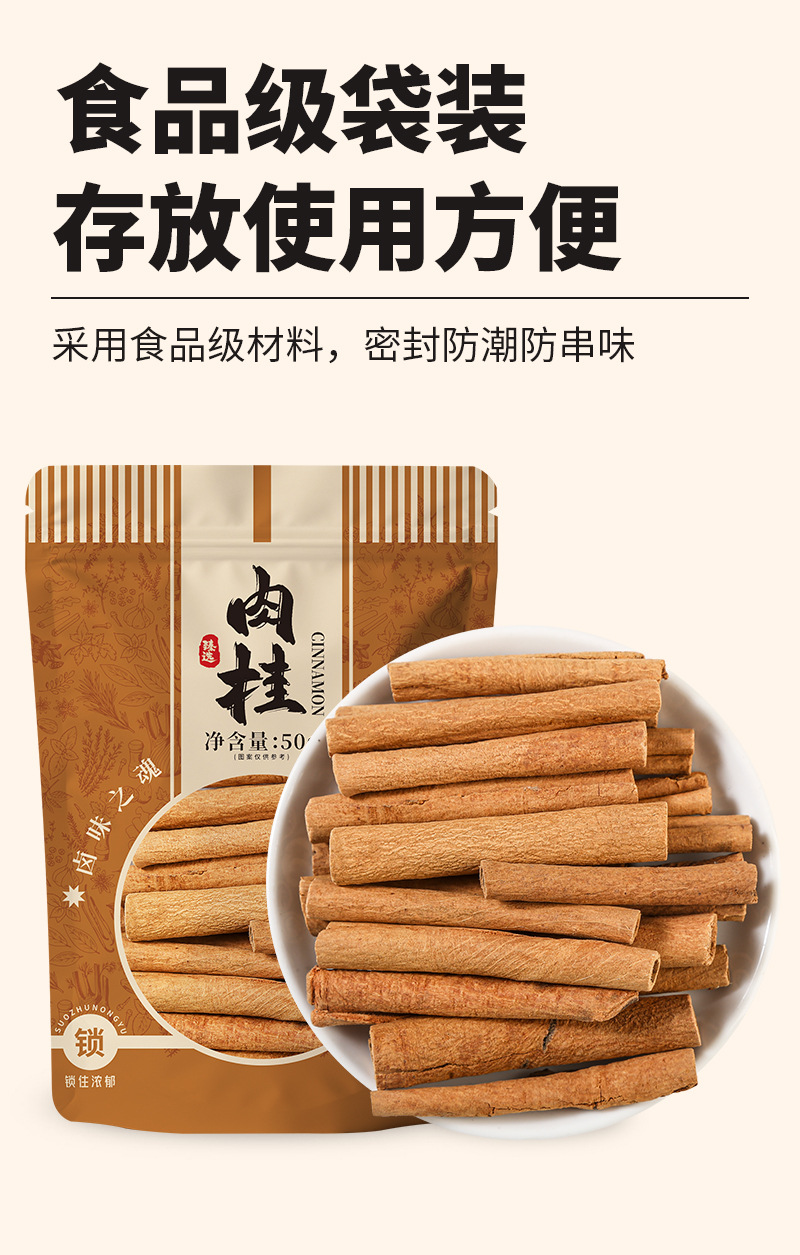
- 50g packaged, freshly dried
Quality & Sensory
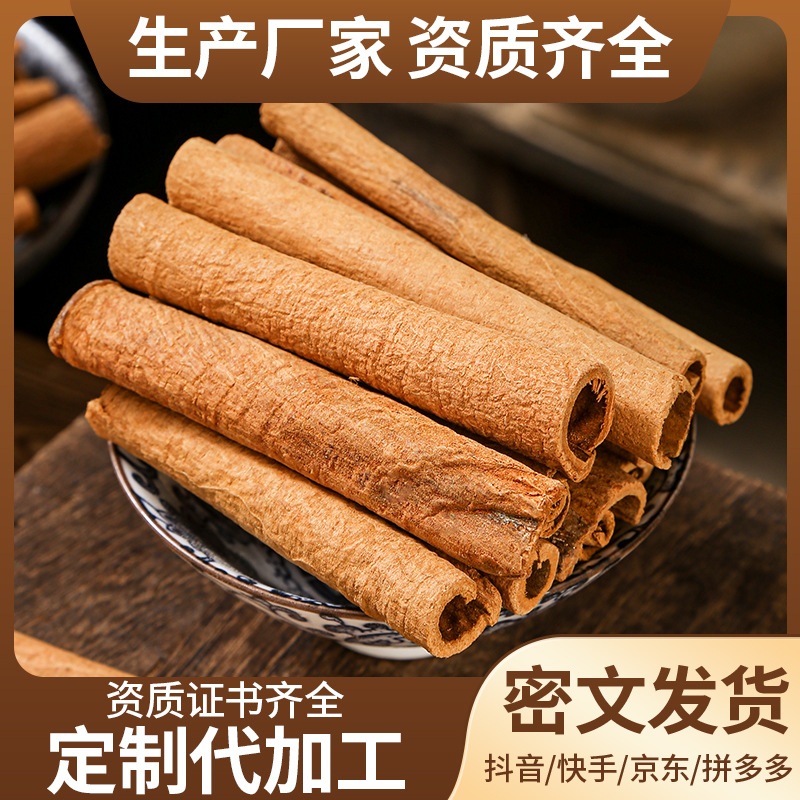
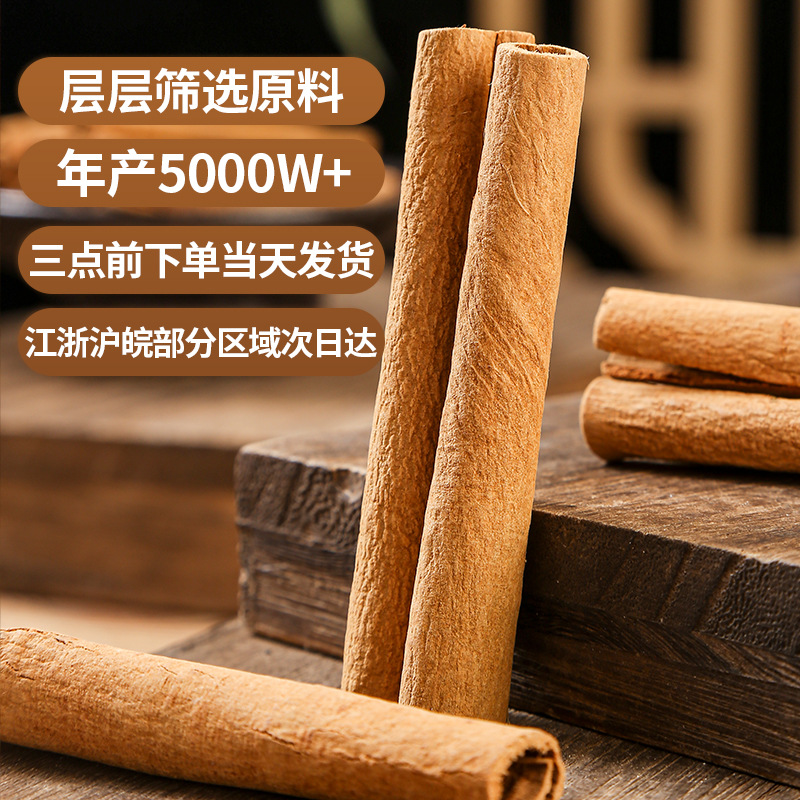
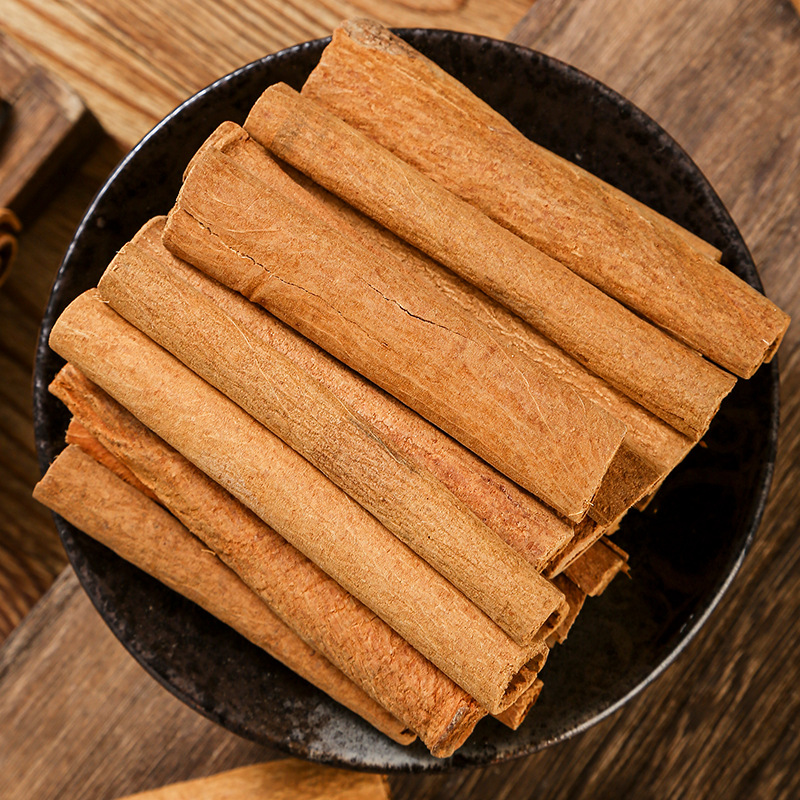
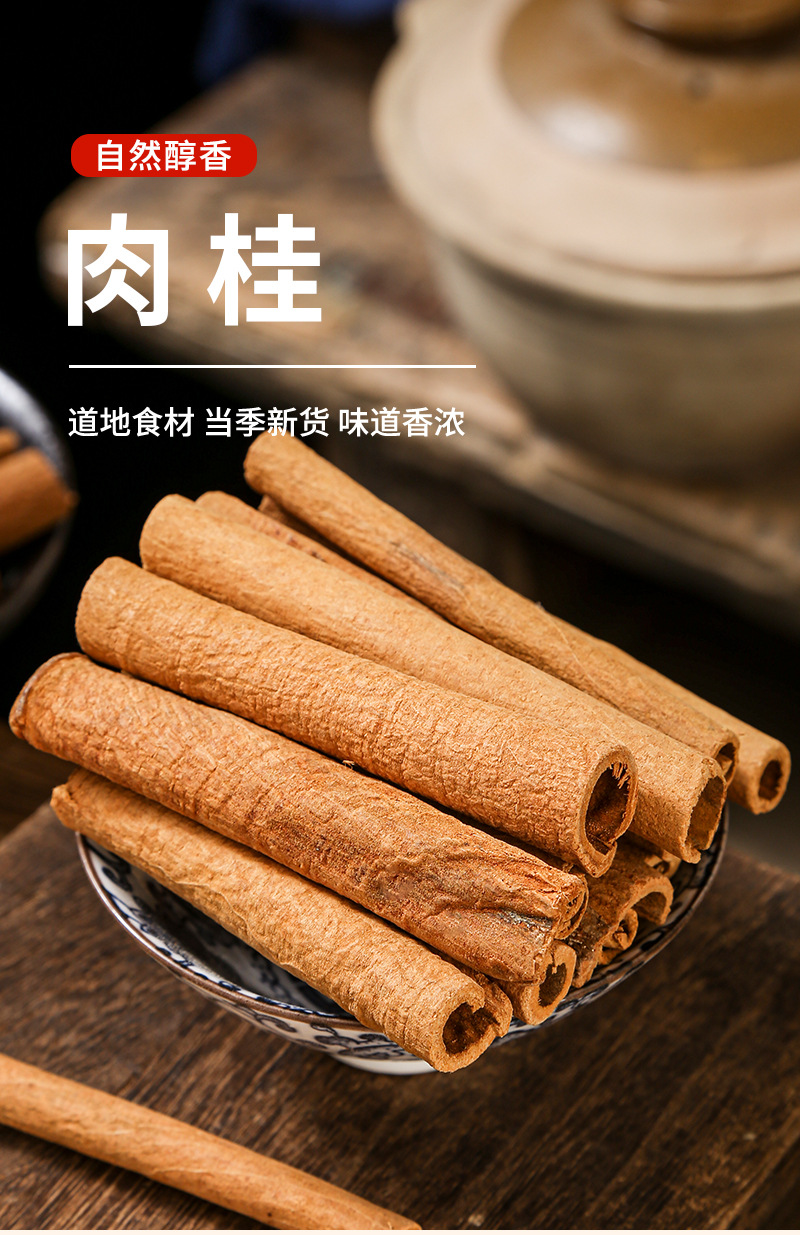
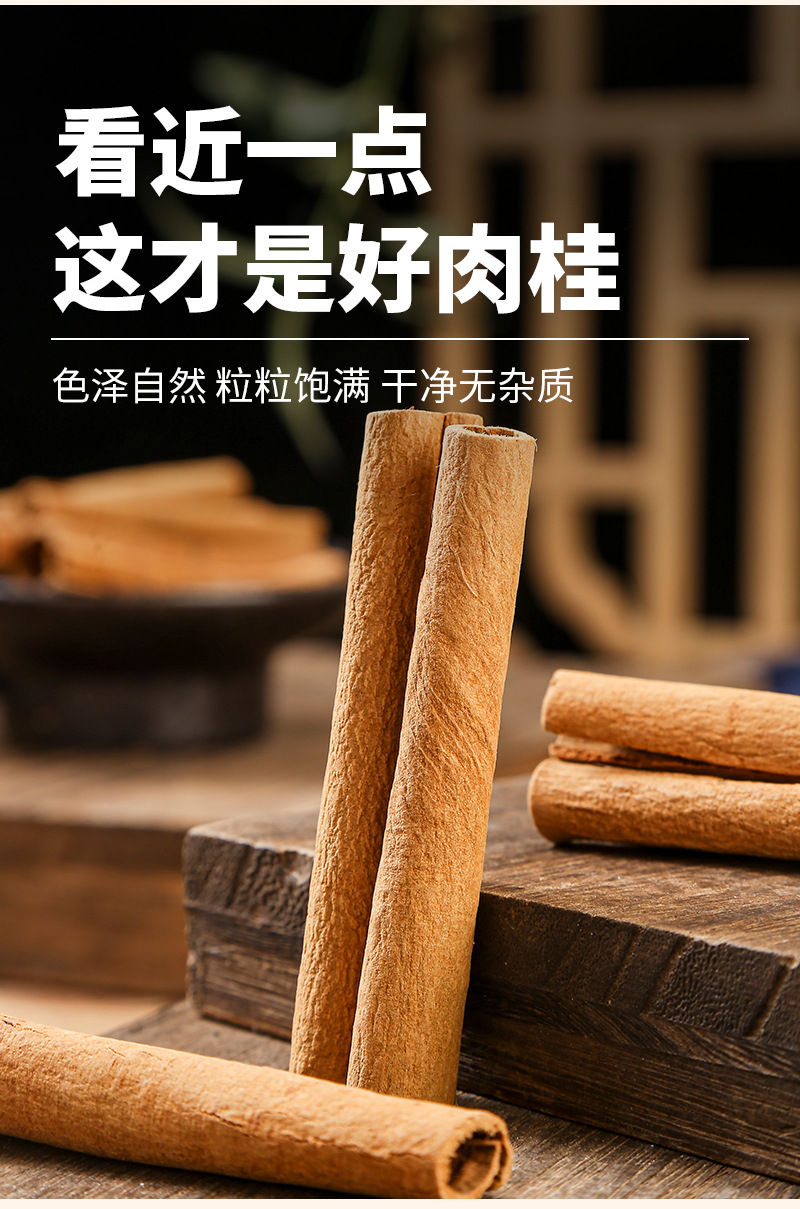
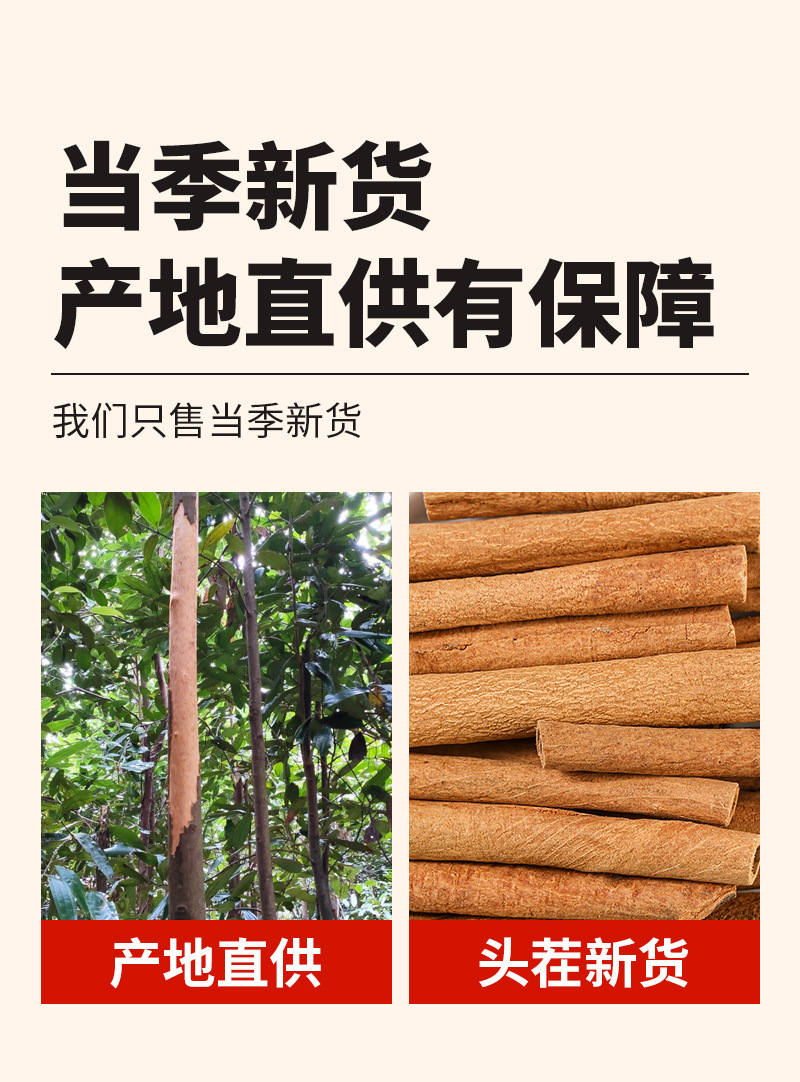
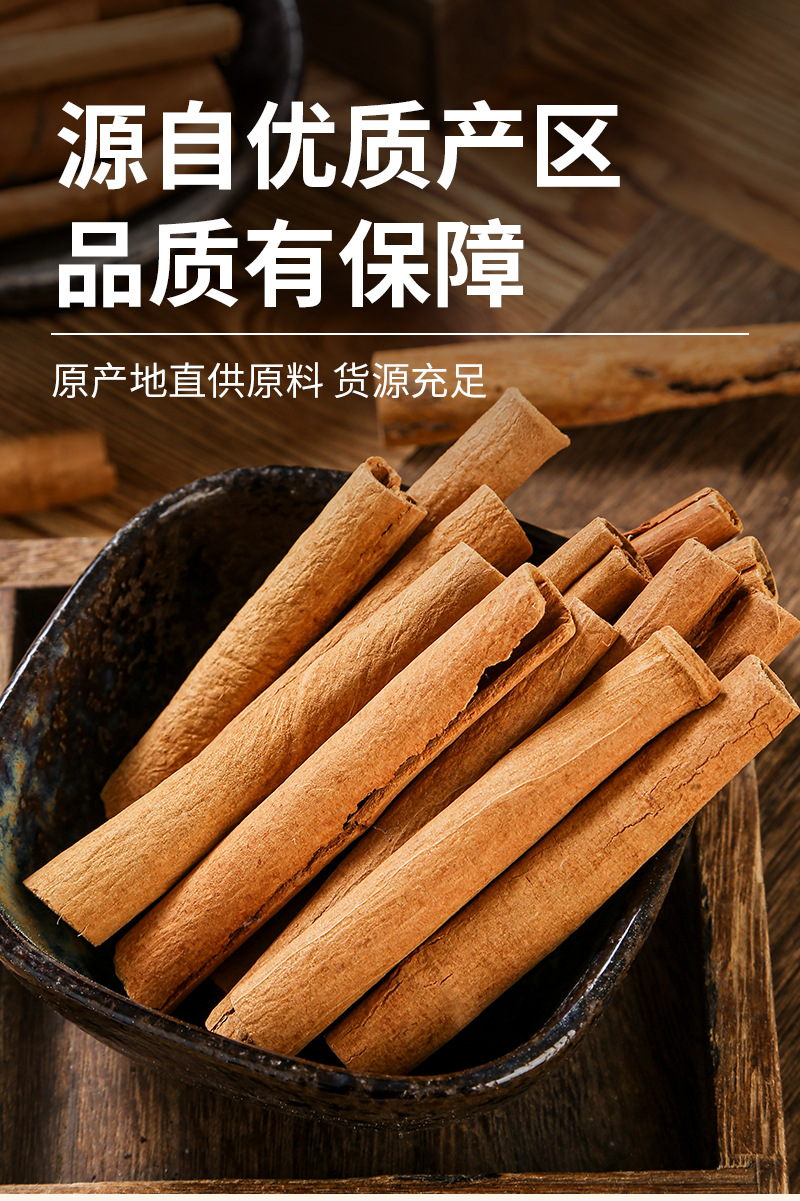
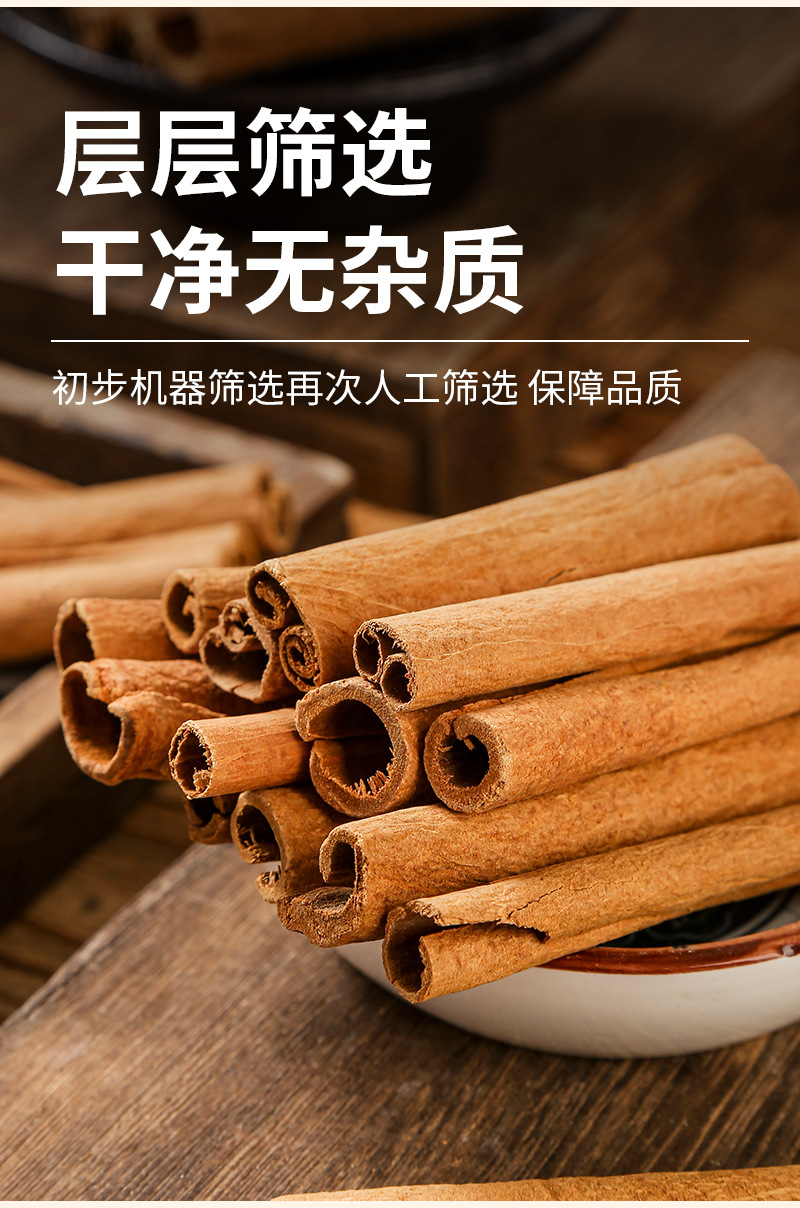
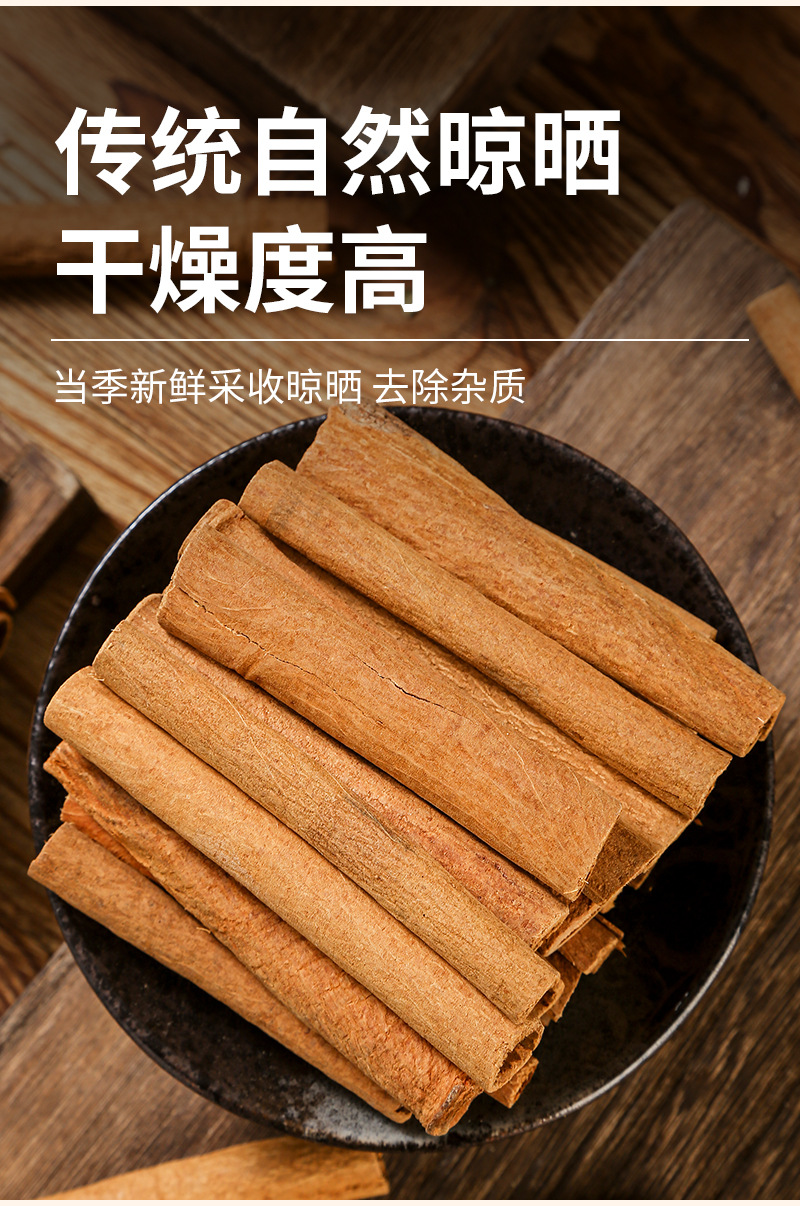
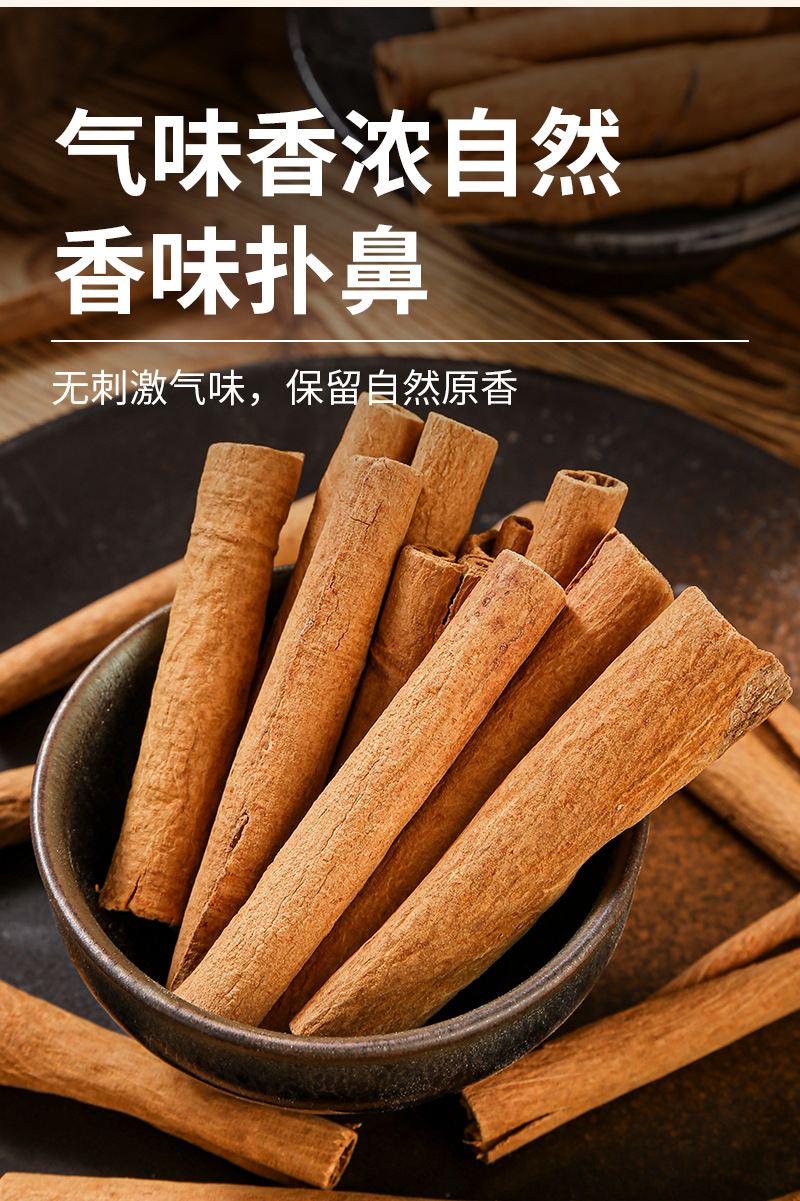
Each batch is carefully dried to preserve its reddish-brown color, rough textured surface, and intense sweet-spicy aroma. When simmered in broths or braising liquids, the bark releases a deep, warm fragrance with notes of sweetness and subtle heat, enriching the dish without overpowering other ingredients.
Technical Specifications
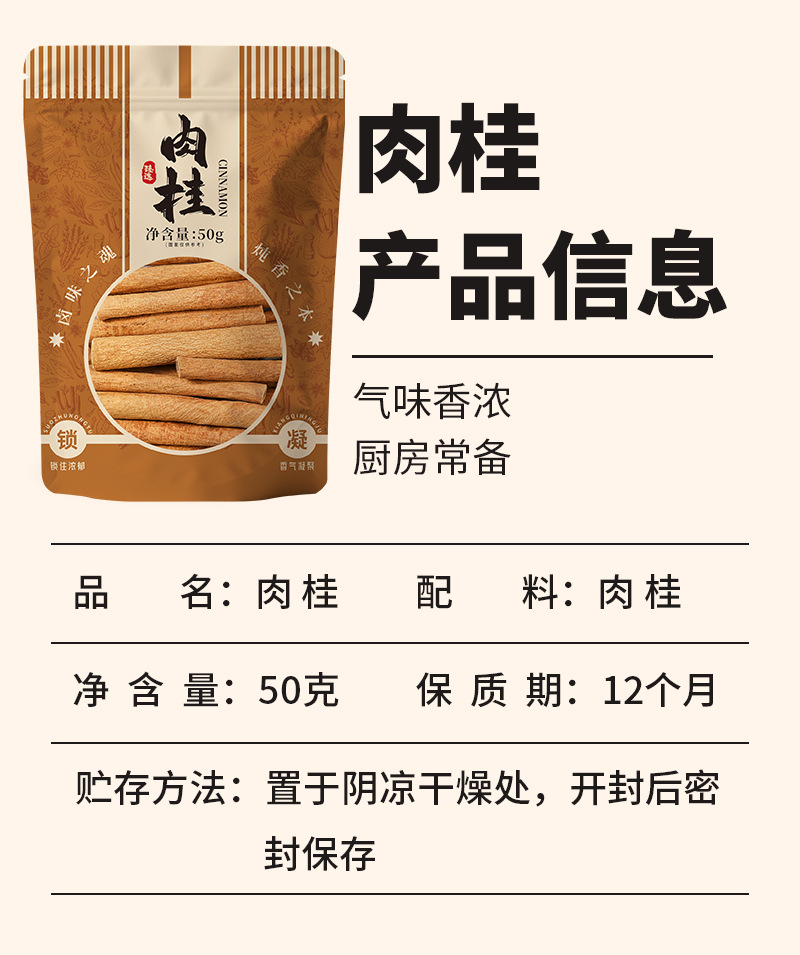
| Product Type | Dried Cinnamon Bark |
|---|---|
| Common Name | Rou Gui / Gui Pi |
| Botanical Name | Cinnamomum cassia |
| Form | Dried Bark, Rolled or Pieces |
| Net Weight | 50g |
| Processing | Dried |
Usage Scenarios
- Braised meats and poultry
- Soup and broth seasoning
- Marinades and spice blends
- Traditional herbal tea blends
- Commercial food preparation

Traditional Uses
In folk herbal practice, Gui Pi is added to braised dishes, soups, and medicinal congee to impart warmth and depth. It is a common ingredient in traditional spiced broths and slow-cooked stews, often paired with star anise, clove, and ginger. As a tea, it is brewed alone or blended with other warming herbs for a comforting, aromatic infusion.
FAQ Q&A
Q: What is Gui Pi?
A: Gui Pi is the common Chinese name for dried cinnamon bark from Cinnamomum cassia. It is used both as a culinary spice and as a traditional warming herb in TCM food therapy.
Q: What is the traditional wellness value of Gui Pi?
A: In traditional Chinese food wellness culture, Gui Pi is associated with warming the interior, supporting yang, and dispelling cold. It is often used in soups and braised dishes for daily seasonal nourishment.
Q: How do I use dried cinnamon bark?
A: Add the bark to braising liquids, soups, or marinades during cooking, then remove before serving. It can also be brewed in hot water as part of a tea blend. Adjust the quantity to your recipe and taste preference.
Additional information
| Weight | N/A |
|---|---|
| Dimensions | N/A |
| Packaging specifications | Cinnamon 50g bag, 500g cinnamon |
Related products
-
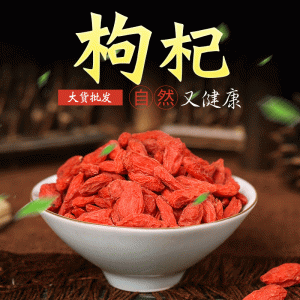
Goji Berries (Lycium barbarum) — Ningxia Zhongning Dried Red Goji, Sulfur-Free First Harvest
Price range: $7.52 through $8.66 -
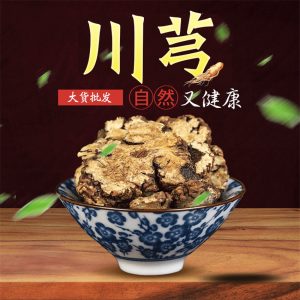
Chuan Xiong Slices (Ligusticum chuanxiong) — Sichuan Sun-Dried Rhizome Pieces, 500g
Price range: $4.44 through $6.06 -
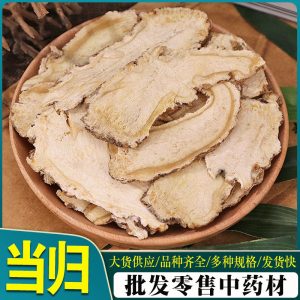
Dang Gui Slices (Angelica sinensis) — Minxian New-Crop Sulfur-Free Whole Root Slices, 500g
Price range: $5.42 through $11.57 -
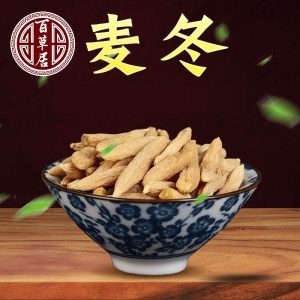
Mai Dong (Ophiopogon japonicus) Dried Root — Unsulfured Food Herb for Tea & Soup
Price range: $5.58 through $14.00
Reviews
There are no reviews yet.