

Cabinda Bark (Pausinystalia johimbe) — African Tree Bark for Traditional Wine Infusion & Powdering
Price range: $5.02 through $31.43
Description
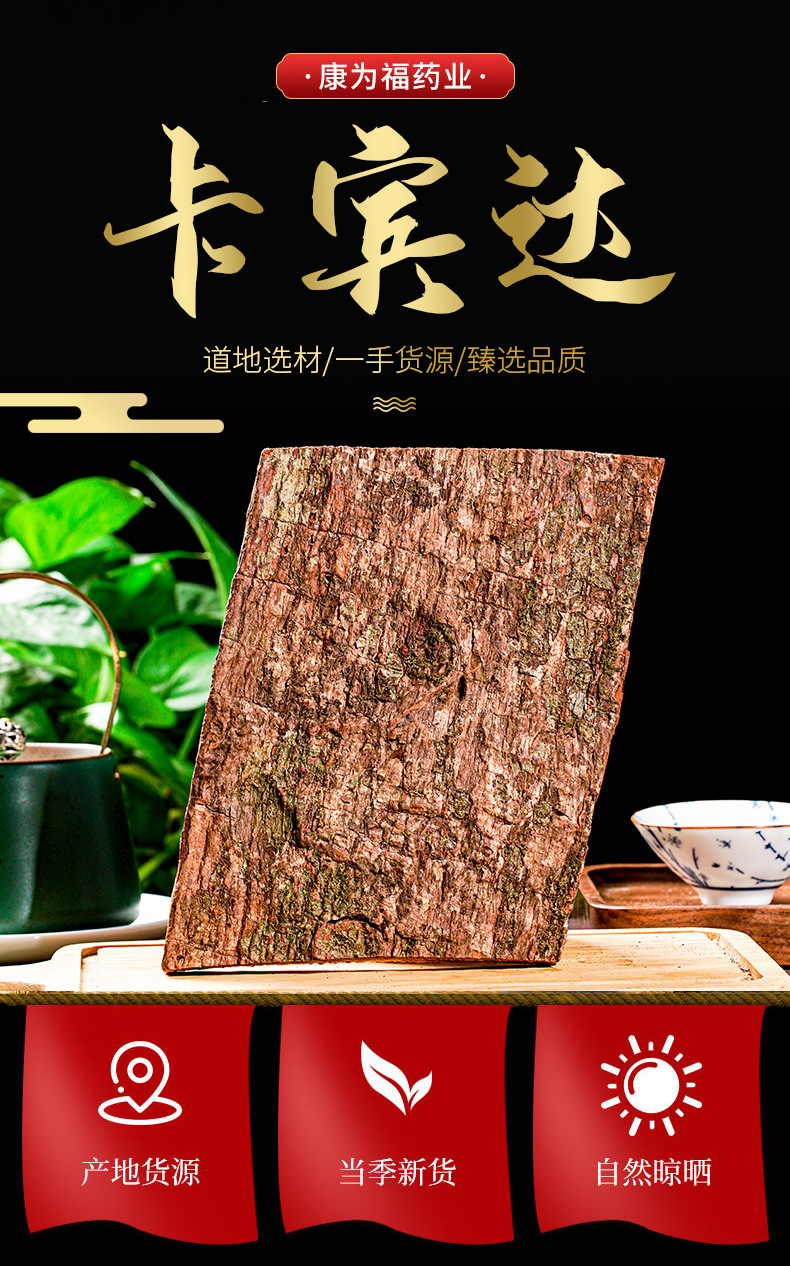
Cabinda Bark (Pausinystalia johimbe) is the dried bark of an African tree traditionally known as Cabinda or Yohimbe, used for generations in West African folk practice. In traditional herbal culture, the bark is prized as a warming, yang-supporting botanical, prepared as a wine infusion or ground into powder for daily use. Its nature is warm and stimulating, making it a valued ingredient in traditional male wellness formulas.



Key Selling Points
- Traditional African bark for wine infusion
- Dried Cabinda tree bark, 250g pack
- Can be ground into powder on request
- Used in folk male wellness formulas
- Sealed and stored in cool, dry conditions
Quality & Sensory
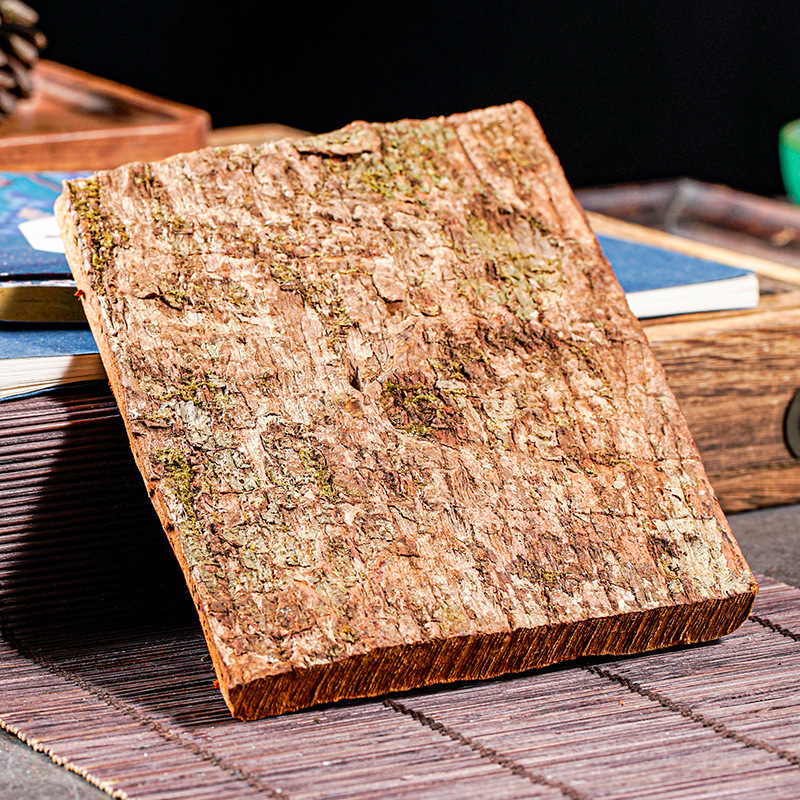
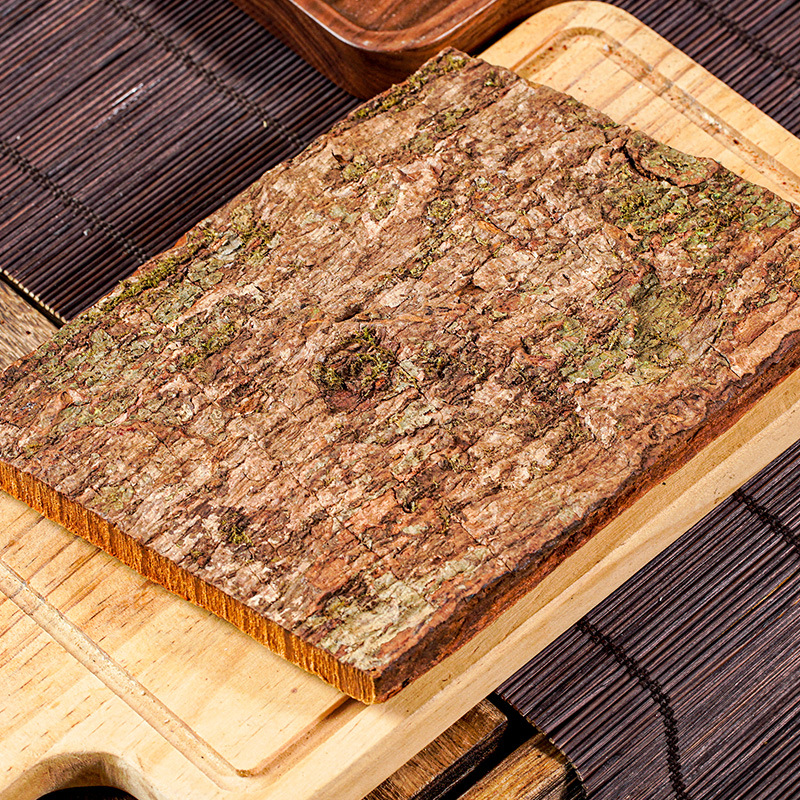
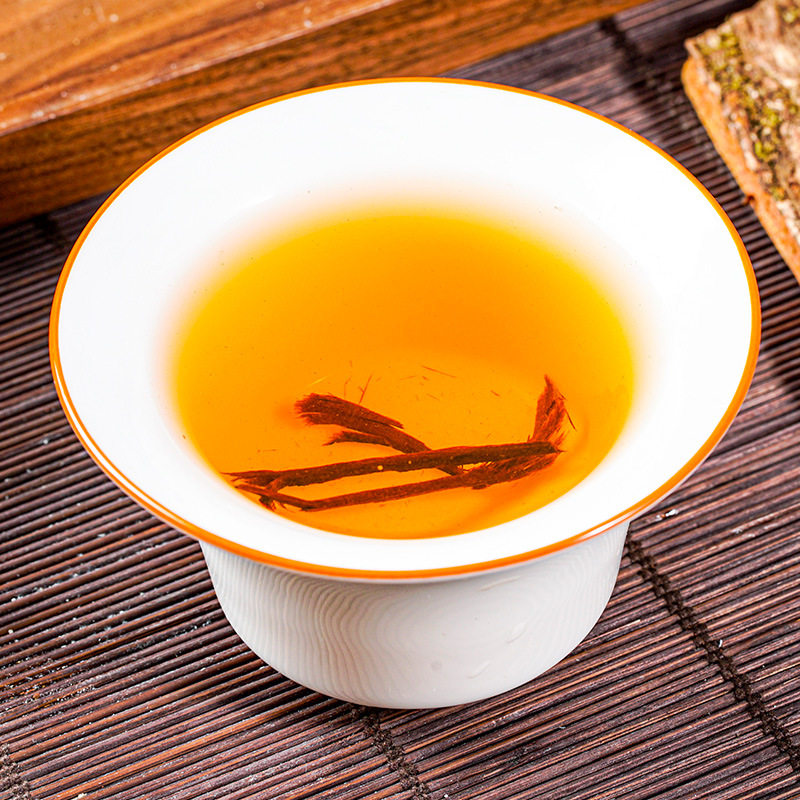
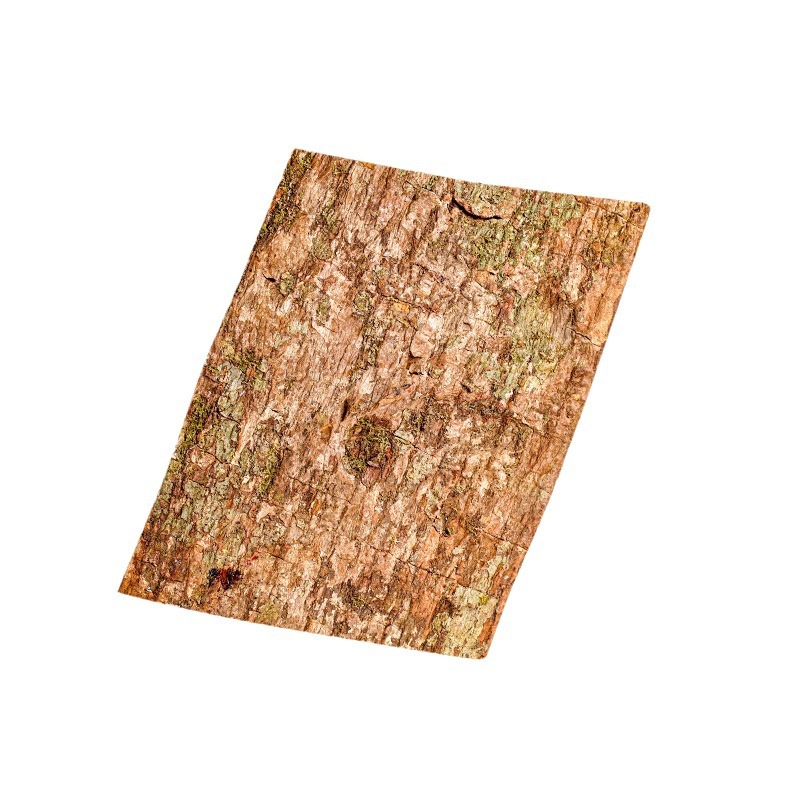
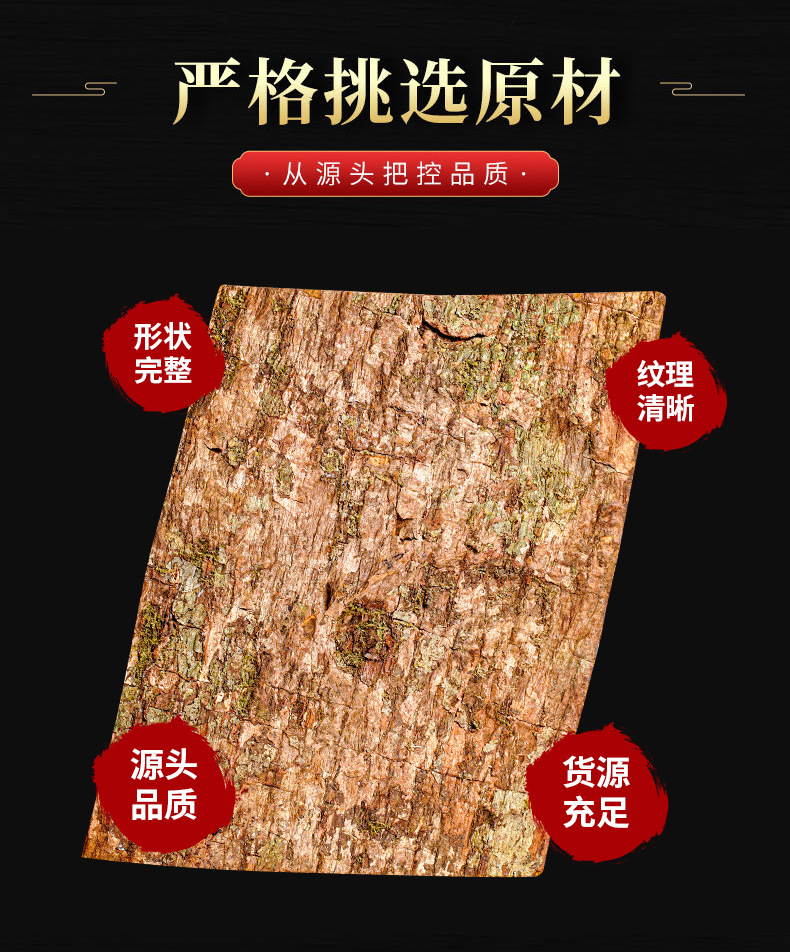
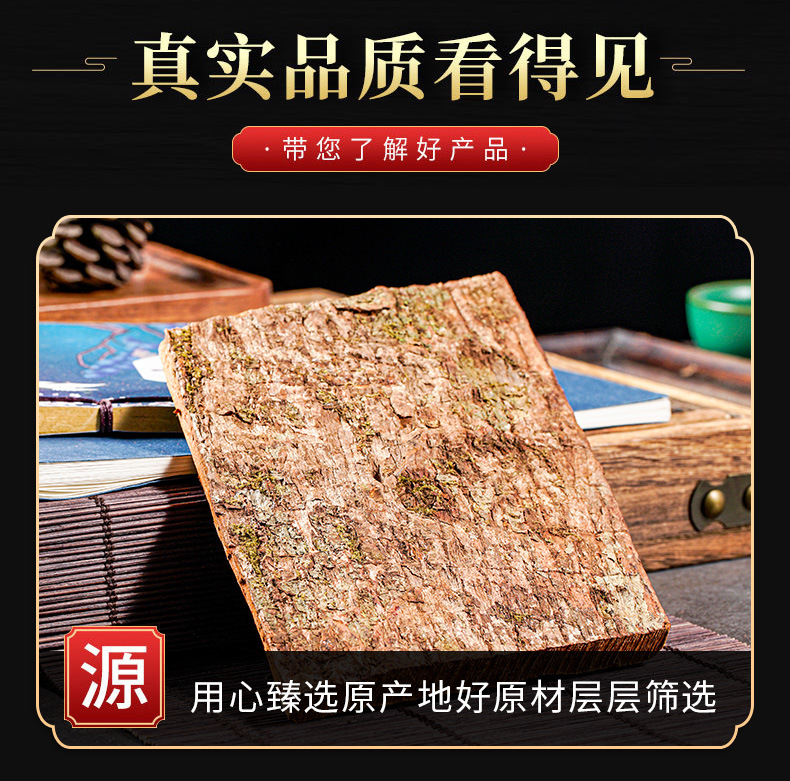
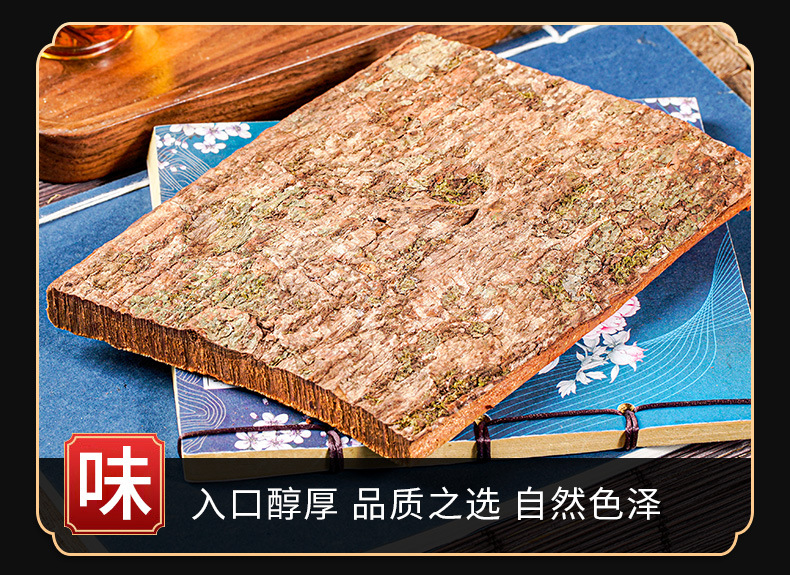
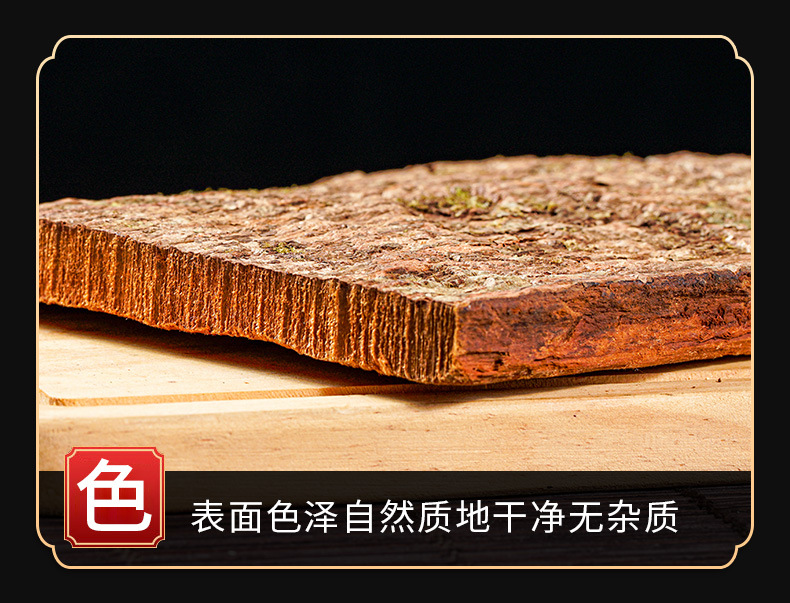
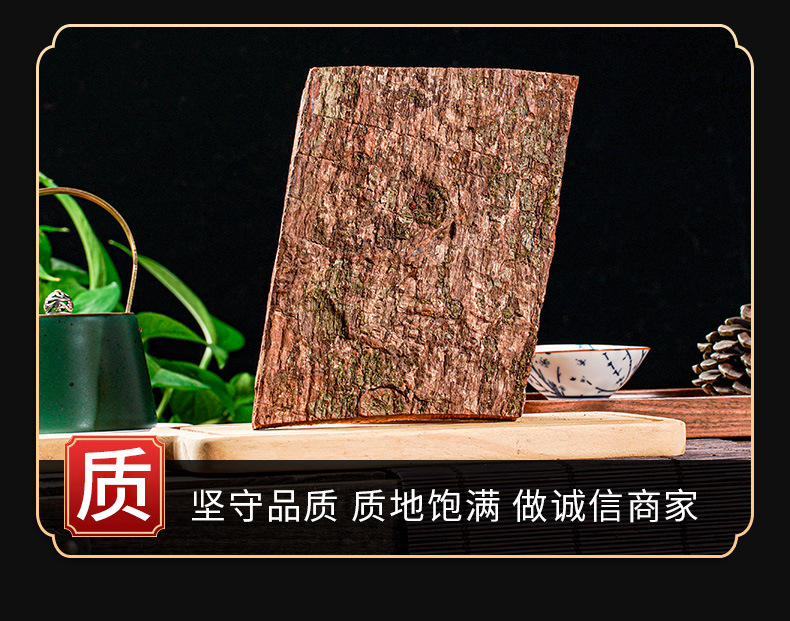
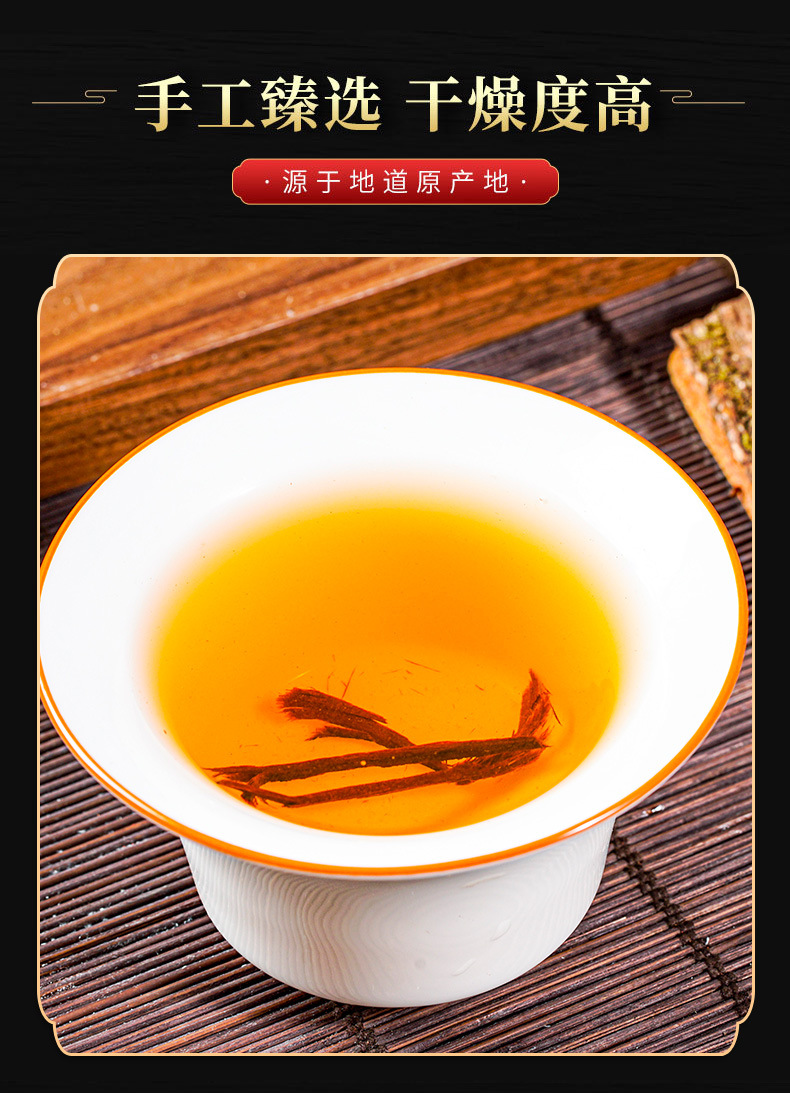
Each batch is carefully dried to preserve its reddish-brown color, rough fibrous texture, and deep woody aroma. When soaked in wine or decocted, the bark releases a warm, bitter, and slightly astringent flavor with a lingering woody note, coloring the liquid a rich amber-brown.

Technical Specifications
| Product Type | Dried Tree Bark |
|---|---|
| Common Name | Cabinda Bark |
| Botanical Name | Pausinystalia johimbe |
| Form | Dried Bark Pieces |
| Net Weight | 250g |
| Shelf Life | 24 months |


Usage Scenarios
- Traditional wine infusion
- Ground into powder for daily use
- Folk male wellness formulas
- Herbal decoction blends
- Traditional African herbal practice


Traditional Uses
In folk herbal practice, Cabinda bark is traditionally soaked in wine or spirits to make a warming infusion, or simmered in decoctions alongside other tonic herbs. It is also ground into powder and blended into daily formulas. In West African tradition, the bark is placed into longevity and vitality preparations, often combined with ginger, ginseng, or goji berry to balance its warm nature.



FAQ Q&A
Q: What is Cabinda bark?
A: Cabinda bark is the dried bark of Pausinystalia johimbe, an African tree traditionally used in folk herbal practice. It is commonly prepared as a wine infusion or ground into powder.
Q: How is Cabinda bark traditionally used?
A: In traditional practice, the bark is soaked in wine or spirits, simmered in decoctions, or ground into powder. It is often combined with other warming tonic herbs in folk formulas.
Q: Who should avoid using this product?
A: This product is not suitable for pregnant or breastfeeding women. It is a food agricultural product and cannot replace medicine. Please consult a qualified professional if you have health concerns.
Additional information
| Weight | N/A |
|---|---|
| Dimensions | N/A |
| Packaging specifications | 1 0 1 2 thick 500g, 1 0 1 2 thick 250g, 1 0 1 2 thick 100 grams, 1 2 1 5 thick 500g, 1 2 1 5 thick 250g, 1 5 1 8 thick 500g, 1 5 1 8 thick 250g, 2 0 around 500, 2 0 around 250, 2 0 around 100, Kabinda bark powder 500, 0 8 thick 500g, 0 8 thick 250g, 0 8 thick 100g, 1 0 thick 500g, 1 0 thick 250g |
Related products
-
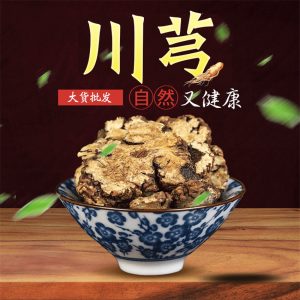
Chuan Xiong Slices (Ligusticum chuanxiong) — Sichuan Sun-Dried Rhizome Pieces, 500g
Price range: $4.44 through $6.06 -
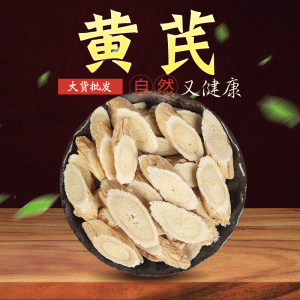
Huang Qi Slices (Astragalus membranaceus) — Dried Nail-Grade Root Slices for Tea & Soup
Price range: $5.74 through $12.06 -
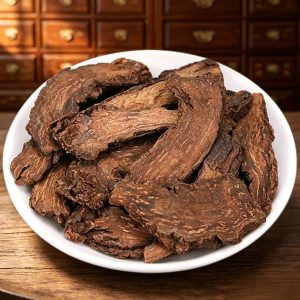
Suo Yang Slices (Cynomorium songaricum) — Alxa Desert Food Herb, 500g Dried Root Slices
Price range: $5.09 through $9.95 -
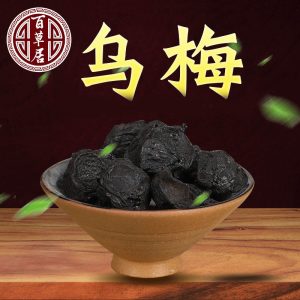
Wu Mei Dried Plum (Prunus mume) — Unsulfured Smoked-Free Food Herb for Sour Plum Drink & Tea
Price range: $4.44 through $10.93
Reviews
There are no reviews yet.