
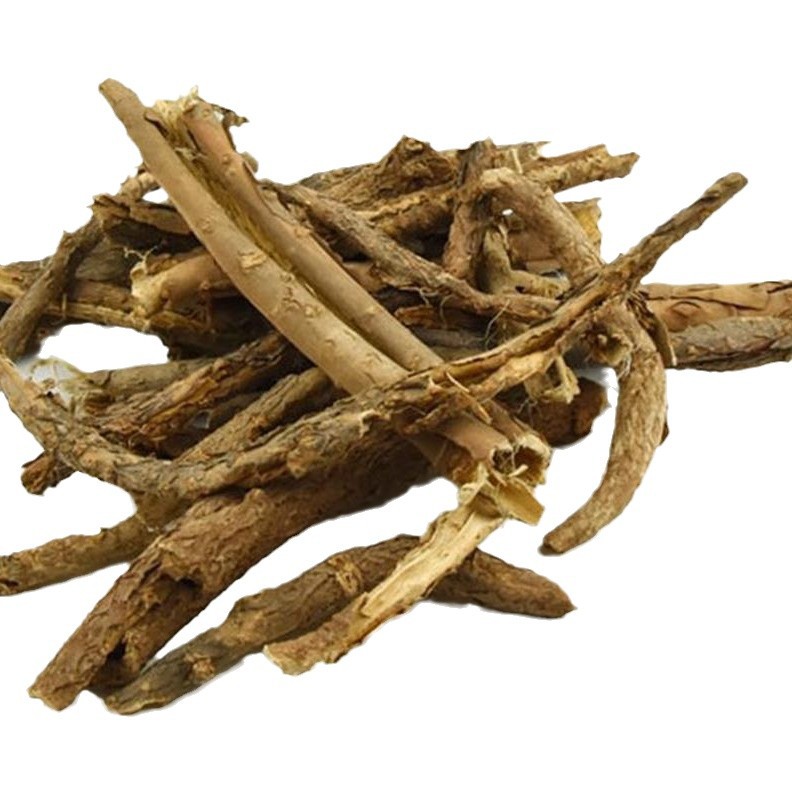
Wu Jia Pi Five Acanthopanax Bark 500g Dried Herbal Spice for Decoction and Culinary Use
$7.44
222 in stock
Description
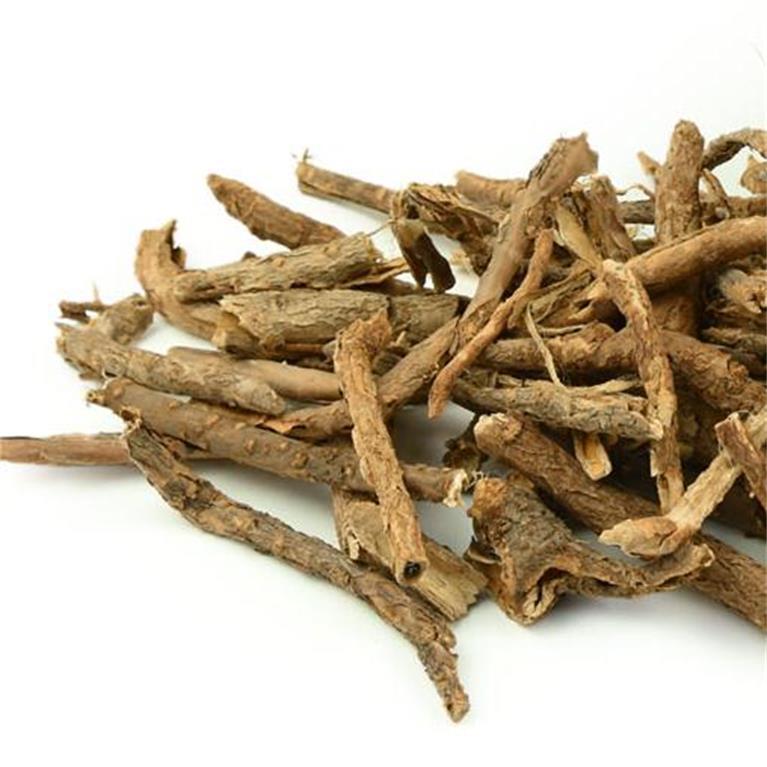
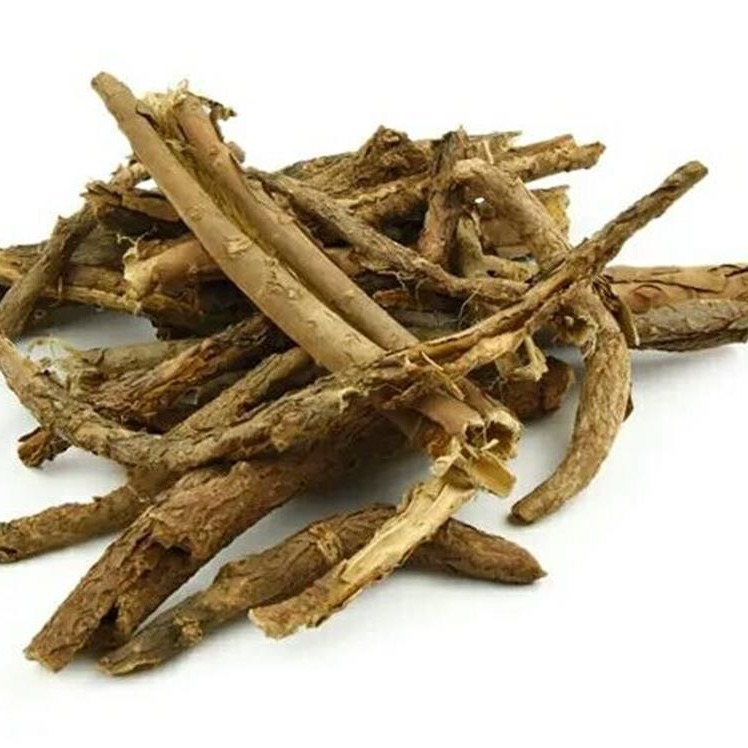
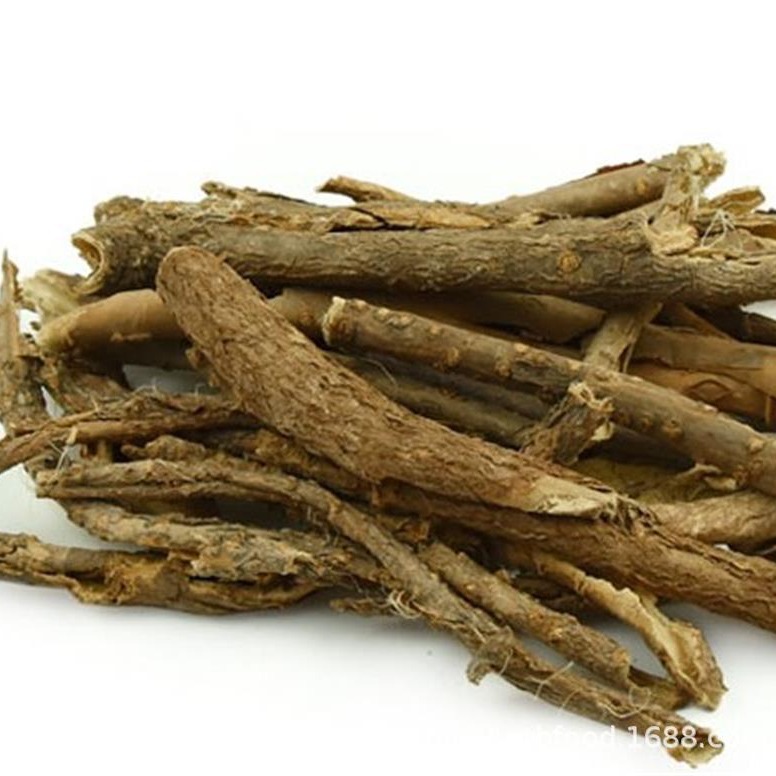
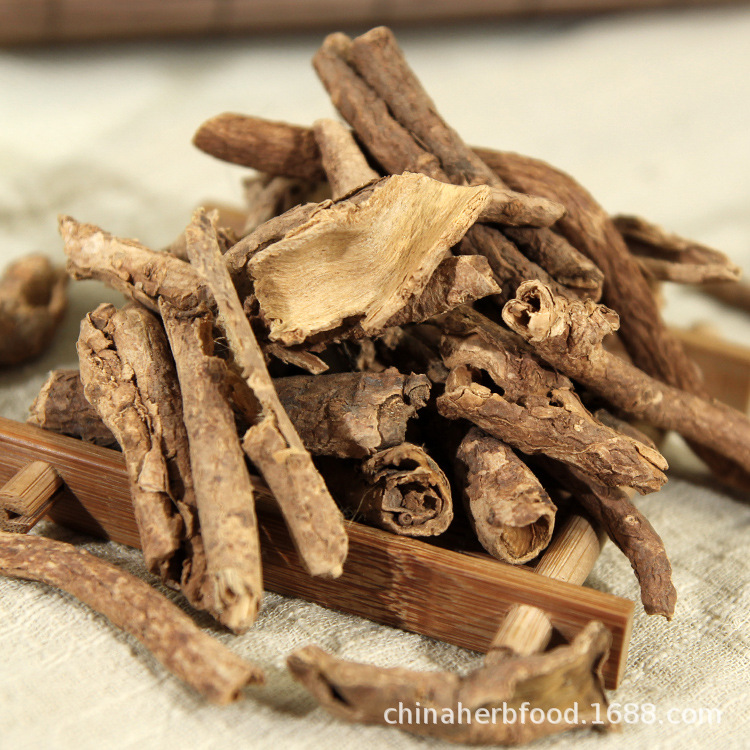
Wu Jia Pi (五加皮), the dried root bark of Acanthopanax gracilistylus, is a classic Chinese herbal material sold here as loose dried bark pieces. In TCM theory it is traditionally associated with the liver and kidney channels and has a warm nature with acrid and bitter flavors. This bulk pack suits herbal decoctions, spice blends, and traditional formulas. Store at room temperature in a dry place.
Key Selling Points
- Authentic Wu Jia Pi 五加皮 dried root bark in a 500g bulk pack
- Botanical source Acanthopanax gracilistylus, a traditional Chinese herbal material
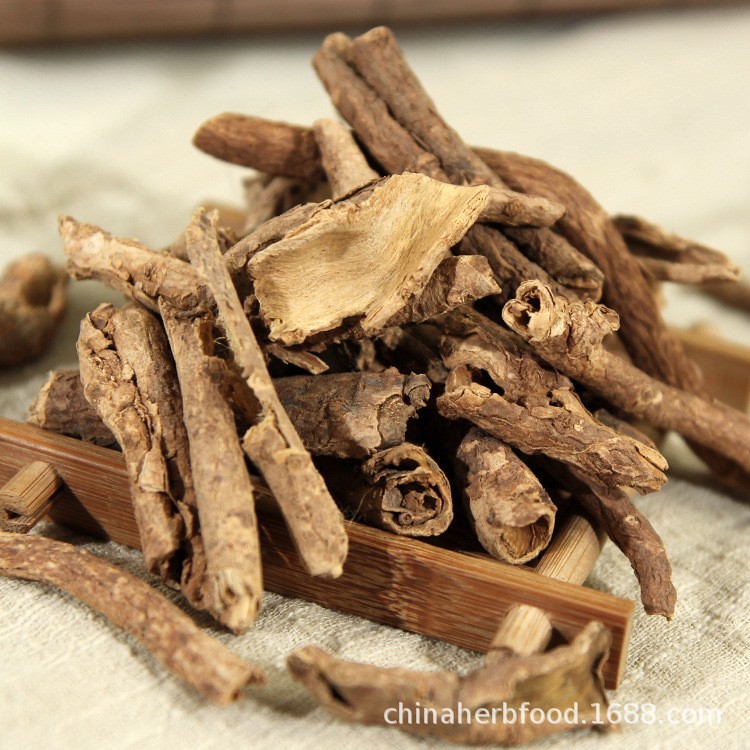
- Air-dried processing preserves the natural bark form and aroma
- Traditionally used in TCM decoctions and herbal spice blends
- Versatile for culinary seasoning, braising mixes, and herbal preparations
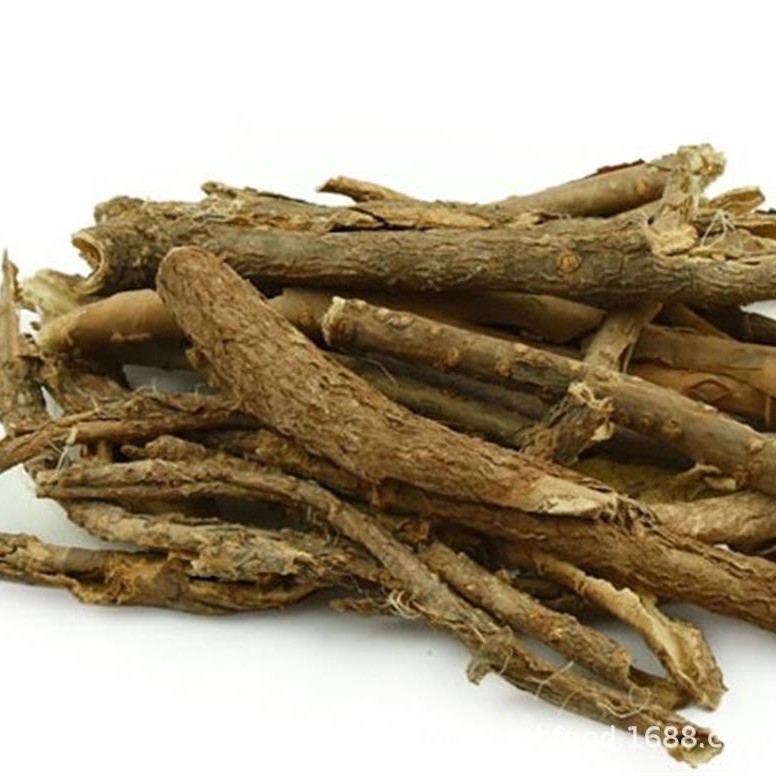
Quality & Sensory
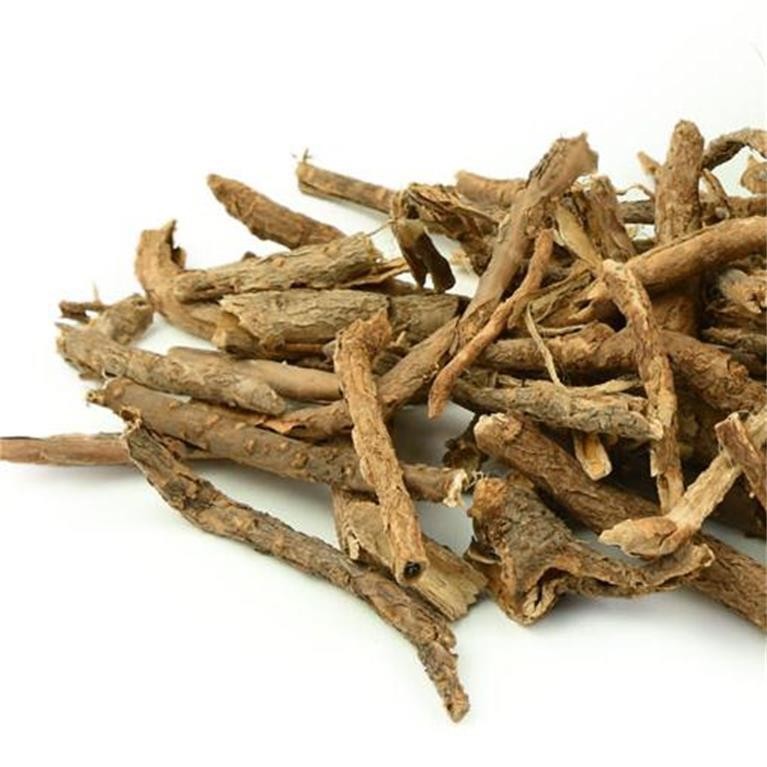
The dried bark typically appears in thin curled or flat strips with a grayish-brown outer surface and lighter inner layer. It has a faint characteristic aroma and a slightly acrid, bitter taste when decocted.
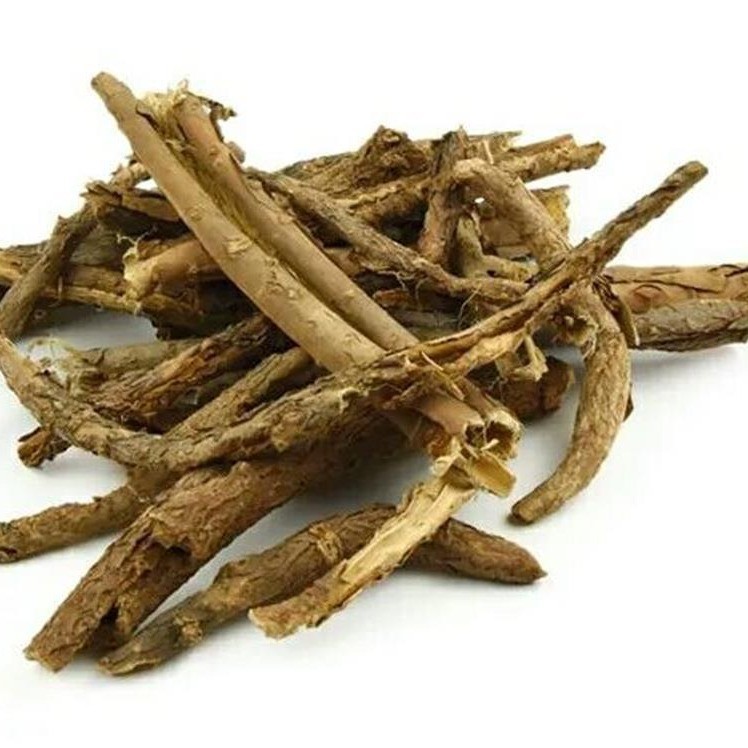

Technical Specifications
| Product Type | Dried herbal bark |
|---|---|
| Chinese Name | 五加皮 |
| Pinyin | Wu Jia Pi |
| Botanical Name | Acanthopanax gracilistylus |
| Plant Part | Root bark |
| Net Weight | 500g |


Usage Scenarios
- Simmer in traditional herbal decoctions
- Add to braising and marinade spice mixes
- Use in folk herbal soup preparations
- Incorporate into custom culinary seasoning blends

Traditional Uses
In traditional Chinese practice, Wu Jia Pi has long been included in tonic wines, decoctions, and soup formulas, often paired with herbs such as Du Zhong and Niu Xi. It was traditionally valued in seasonal regimens and folk recipes, and is also used as an aromatic component in braising spices for meats.
FAQ Q&A
Q: What is this product?
A: This is 500g of dried Wu Jia Pi (五加皮), the root bark of Acanthopanax gracilistylus, sold as a raw culinary and herbal material.
Q: What is it traditionally valued for?
A: In TCM theory it is traditionally associated with the liver and kidney channels and has long been used in decoctions, tonic wines, and folk formulas.
Q: How is it commonly prepared?
A: It is typically simmered in decoctions or soups, or added to braising spice mixes; consult a qualified practitioner for guidance on herbal use.
Additional information
| Weight | 0.55 kg |
|---|---|
| Dimensions | 20 × 15 × 8 cm |
Related products
-
Yi Zhi Ren Dried Alpinia Oxyphylla Fruit 500g Traditional Herbal Tea and Decoction Ingredient
Price range: $11.74 through $13.36 -
Fritillaria Bulb Chuan Bei Mu Dried Chinese Herbal Bulbs for Decoction and Traditional Use 500g
Price range: $18.06 through $94.21 -
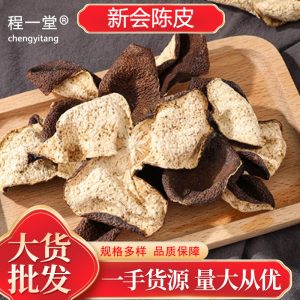
Xinhui Chenpi Dried Tangerine Peel 500g Sun Dried Aged Peel for Soup and Tea
Price range: $60.19 through $116.90 -

Dried Raspberry Fruit Fu Pen Zi Whole Berries for Herbal Tea and Wine Infusion 500g
Price range: $15.63 through $18.06
Reviews
There are no reviews yet.