
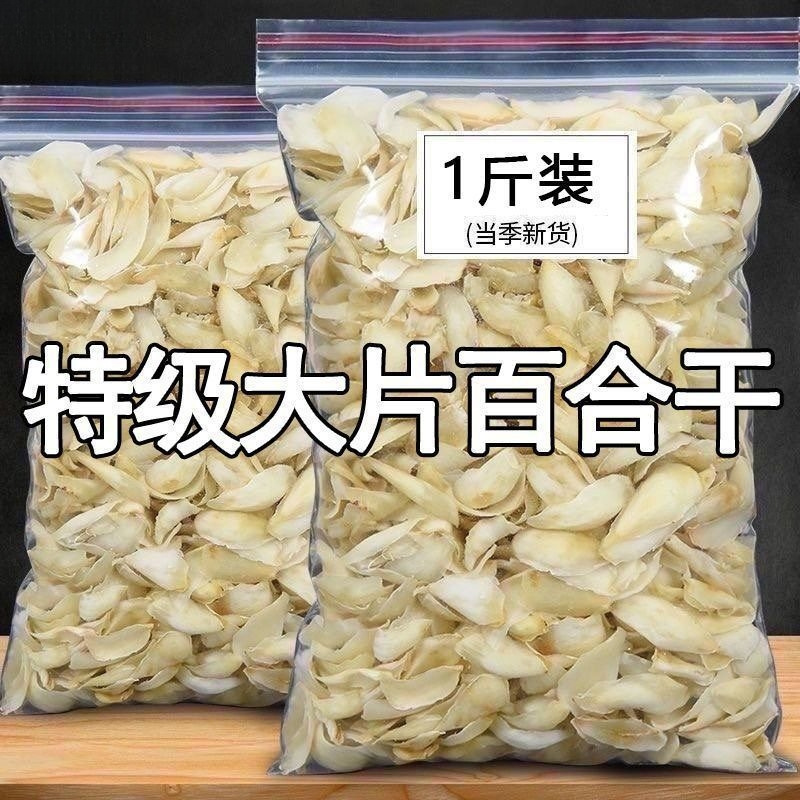
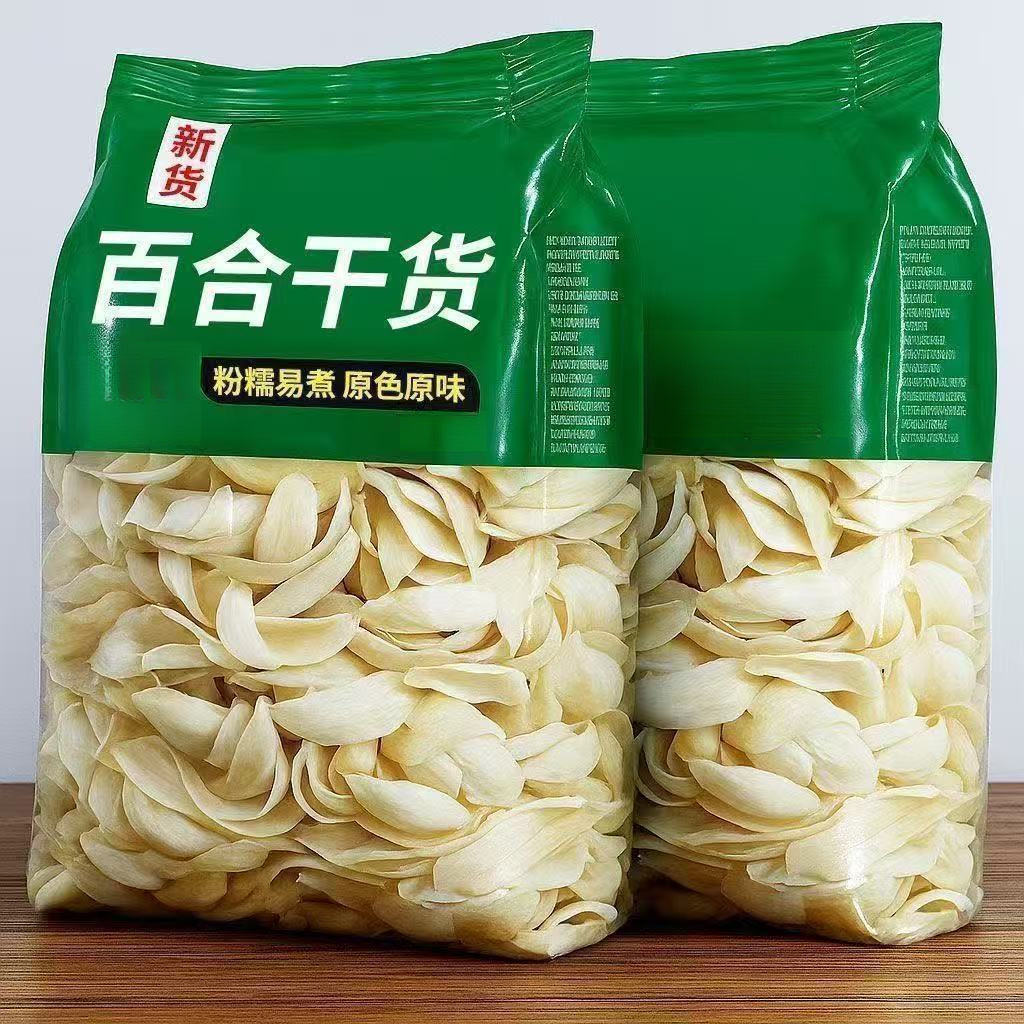
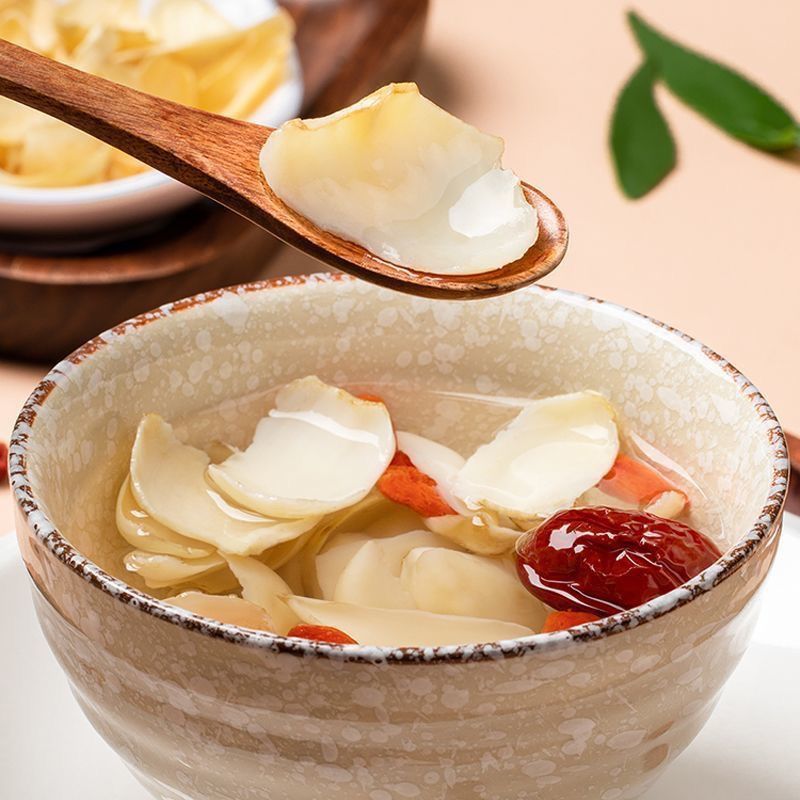
Wild Dried Lily Bulb Slices First Harvest Sulfur Free Lanzhou Bai He for Congee and Soup
Price range: $6.05 through $12.55
Description
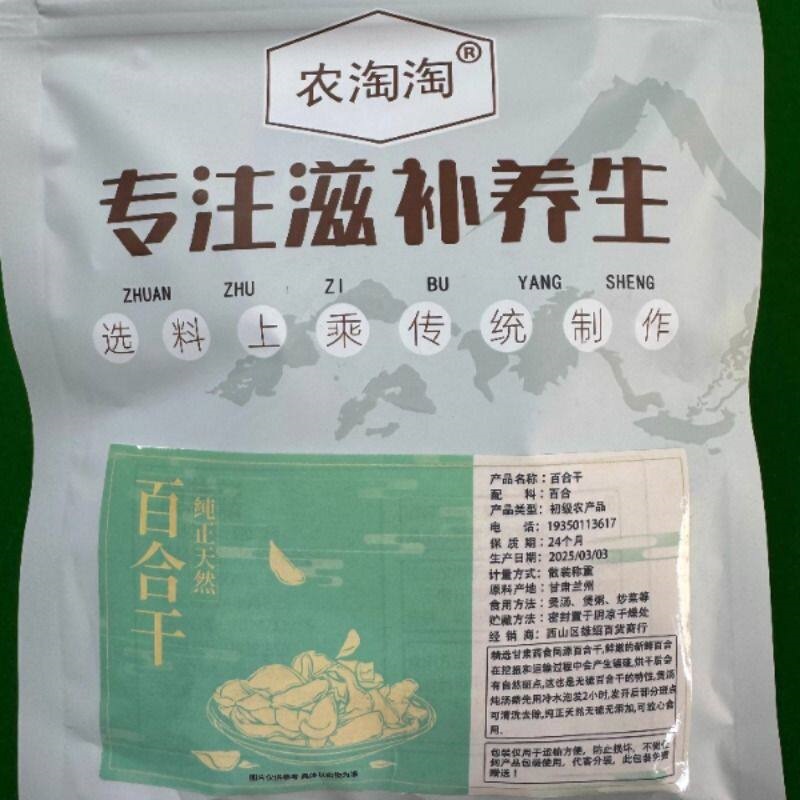
Dried Lily Bulb Slices, known in TCM as Bai He (百合), from Lilium lancifolium or Lilium brownii. These first-harvest, sulfur-free slices from Lanzhou are naturally sun-dried and traditionally used in Chinese herbal cooking. In TCM theory, lily bulb is sweet and slightly cold, entering the Heart and Lung channels, and is traditionally associated with nourishing yin and calming the spirit. Add to congee, soups, or decoctions for a mild, pleasant taste.

Key Selling Points
- First-harvest Lanzhou lily bulb slices, naturally sun-dried without sulfur fumigation
- Known in TCM as Bai He (百合), from Lilium lancifolium or Lilium brownii
- Large, flat slices suitable for congee, soups, and herbal decoctions
- Sweet, slightly cold nature entering the Heart and Lung channels in TCM theory
- Prepackaged 175g net weight in a 500g two-jar format
Quality & Sensory
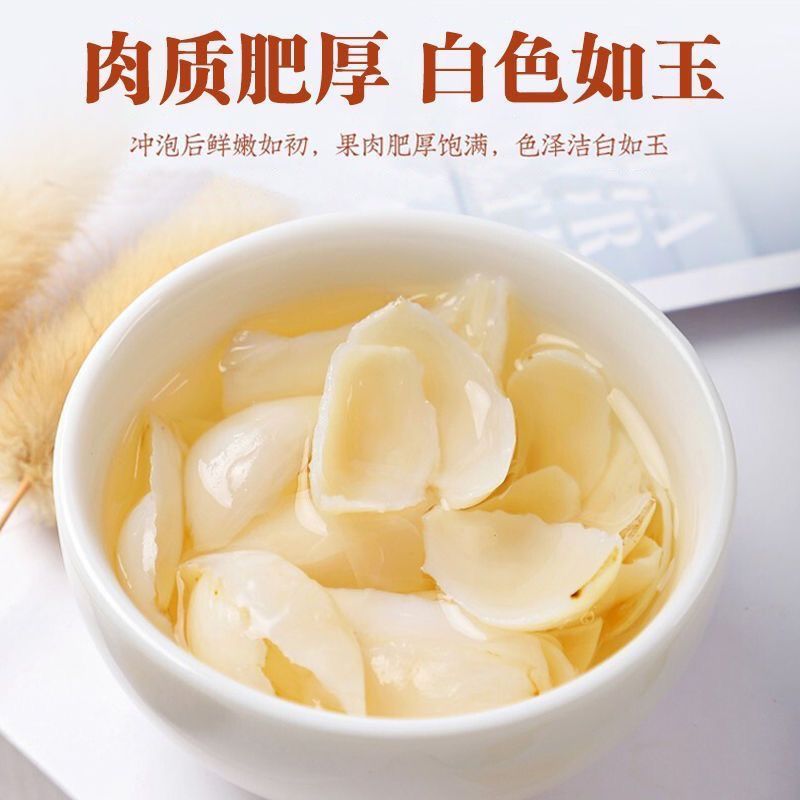
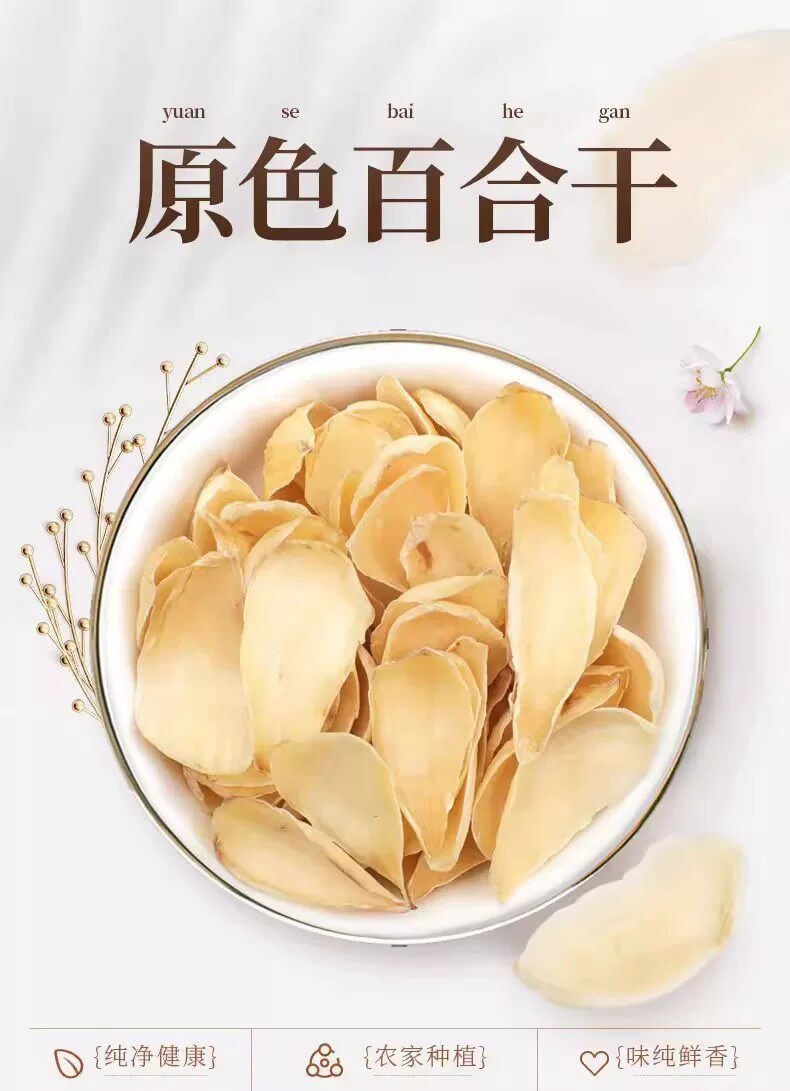
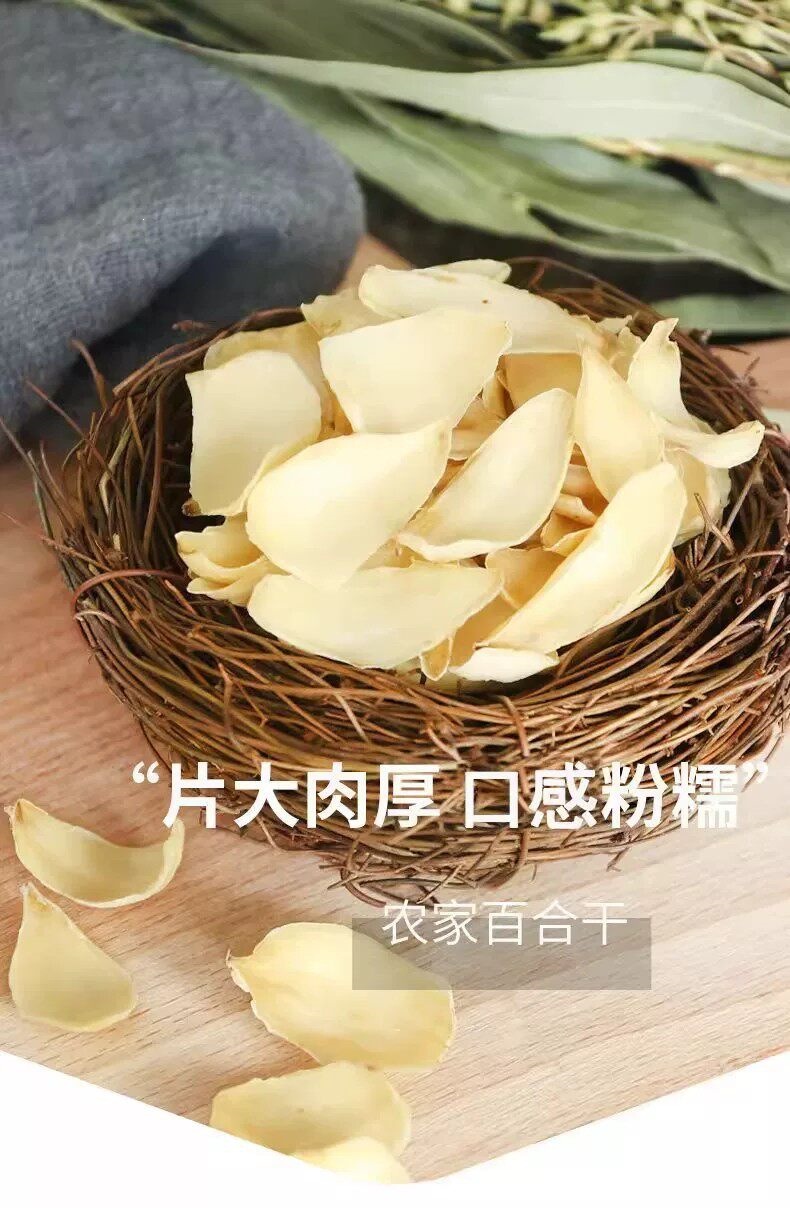
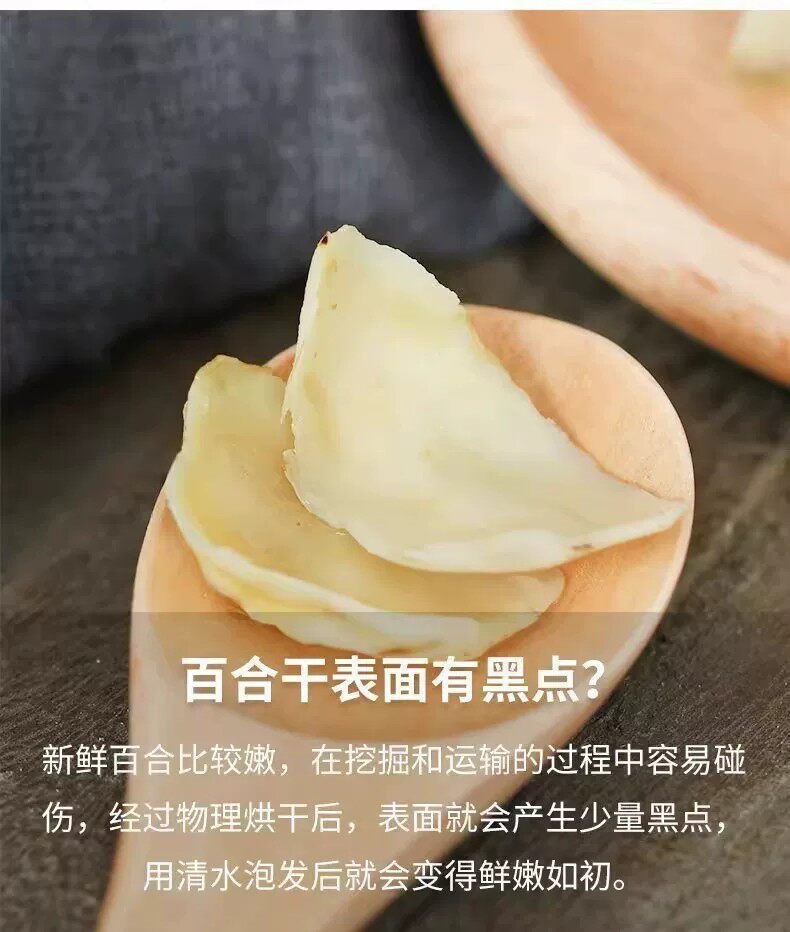
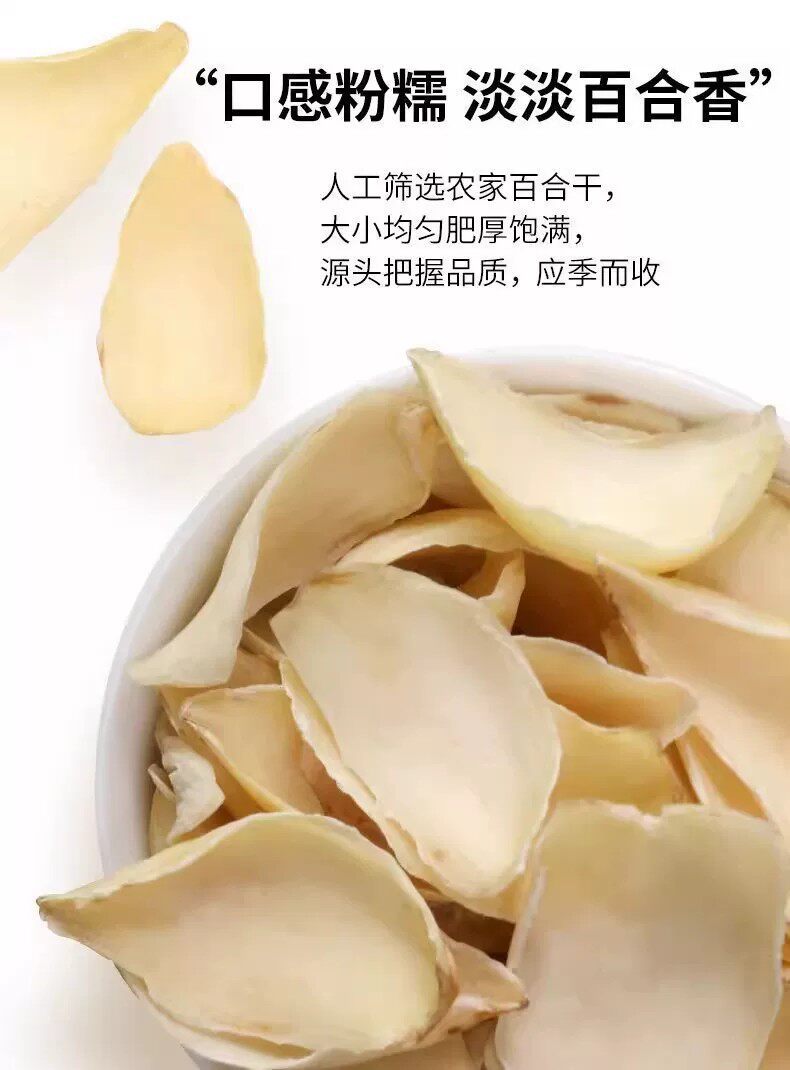
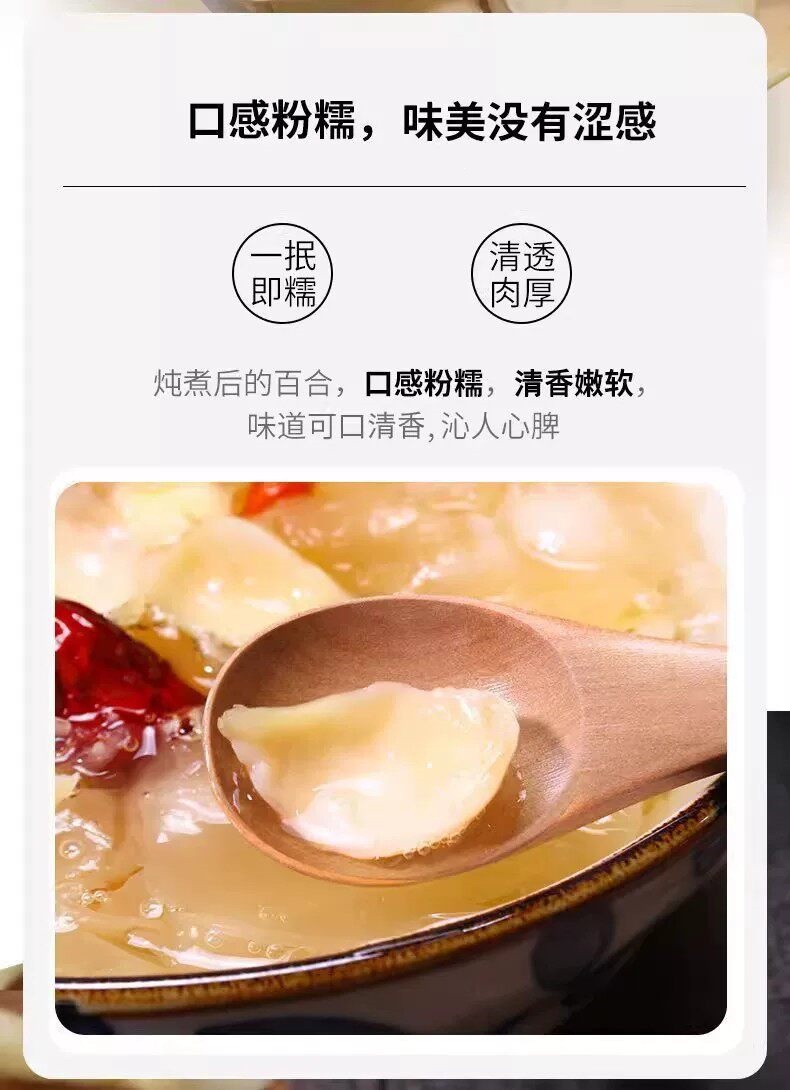
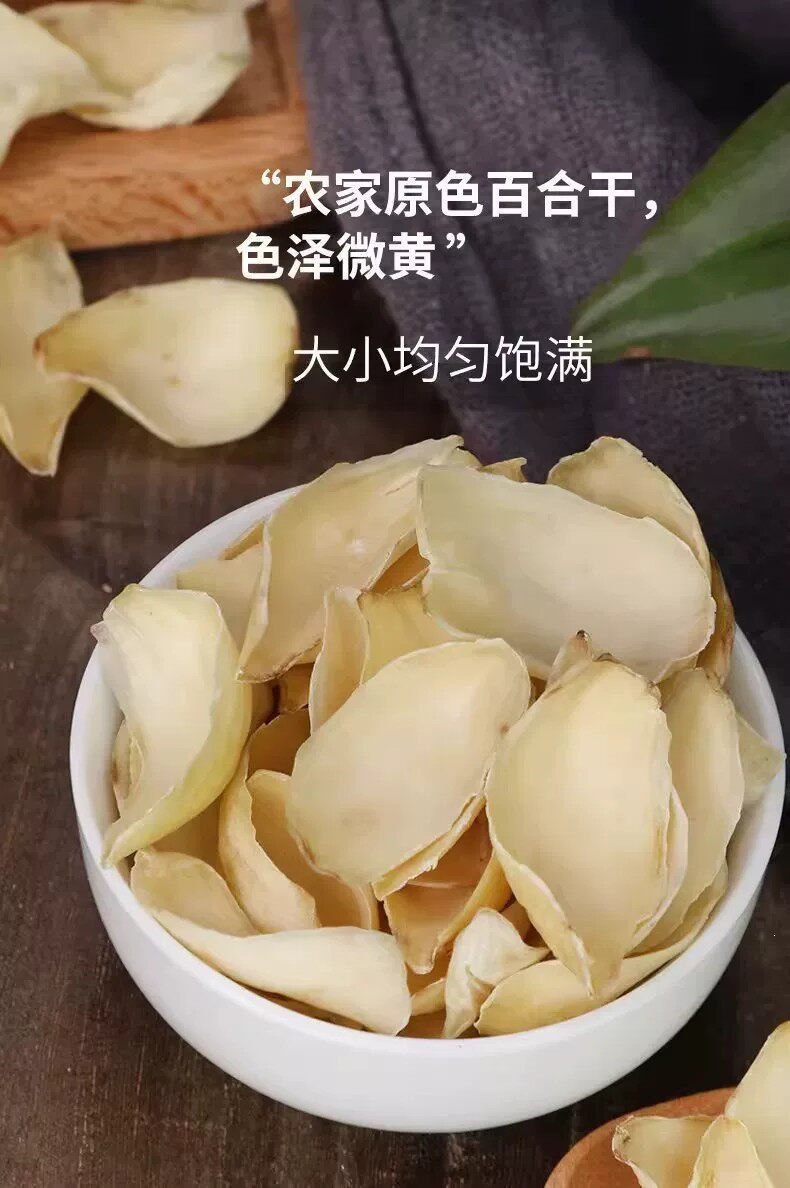
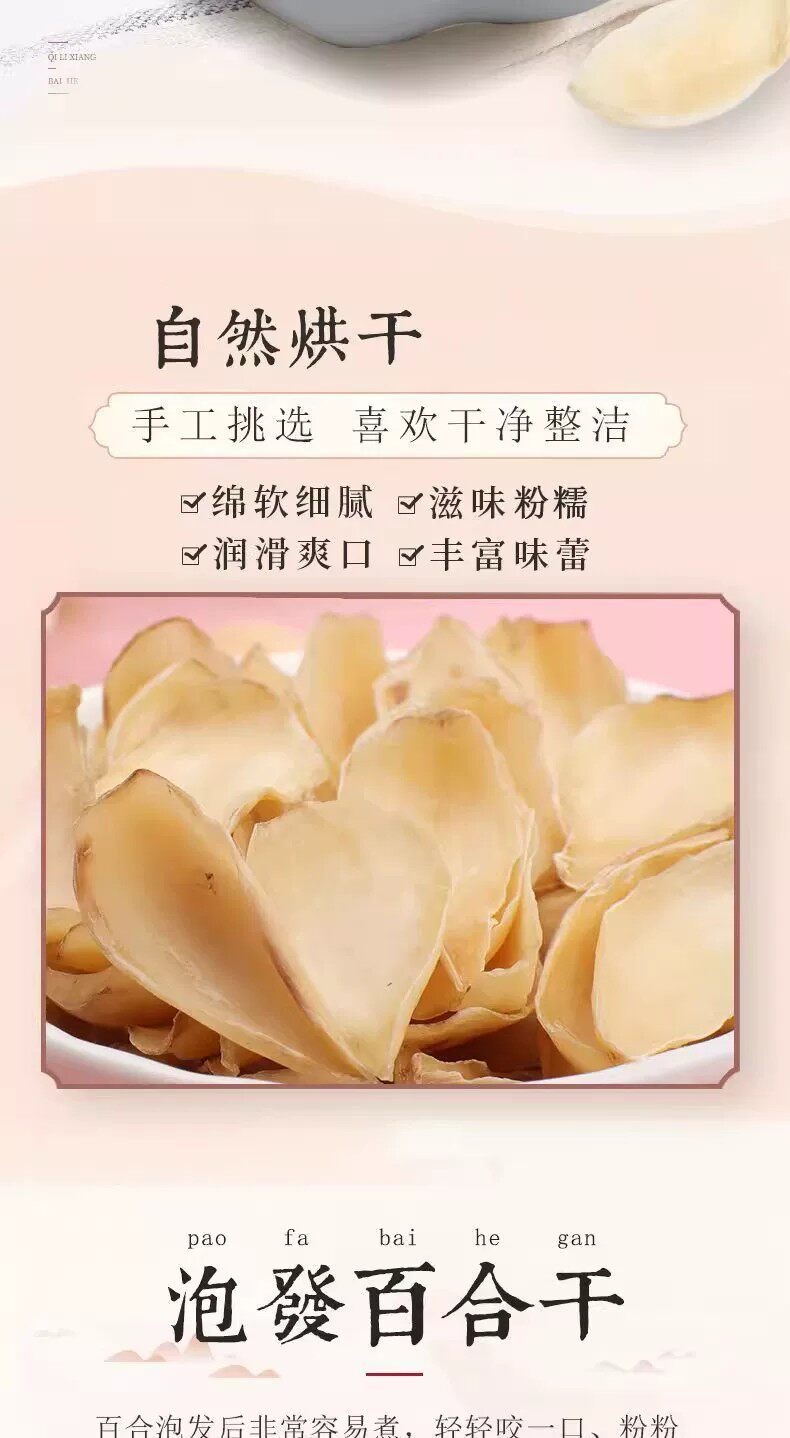
These dried lily bulb slices are typically off-white to pale yellow with a slightly translucent appearance. The texture is firm and dry, softening when cooked. They have a mild, faintly sweet aroma and a gentle, subtly sweet taste after simmering in congee or soup.
Technical Specifications
| Product Type | Dried lily bulb slices |
|---|---|
| Chinese Name | 百合 |
| Pinyin | Bai He |
| Botanical Name | Lilium lancifolium or Lilium brownii |
| Plant Part | Bulb |
| Net Weight | 175g |
Usage Scenarios
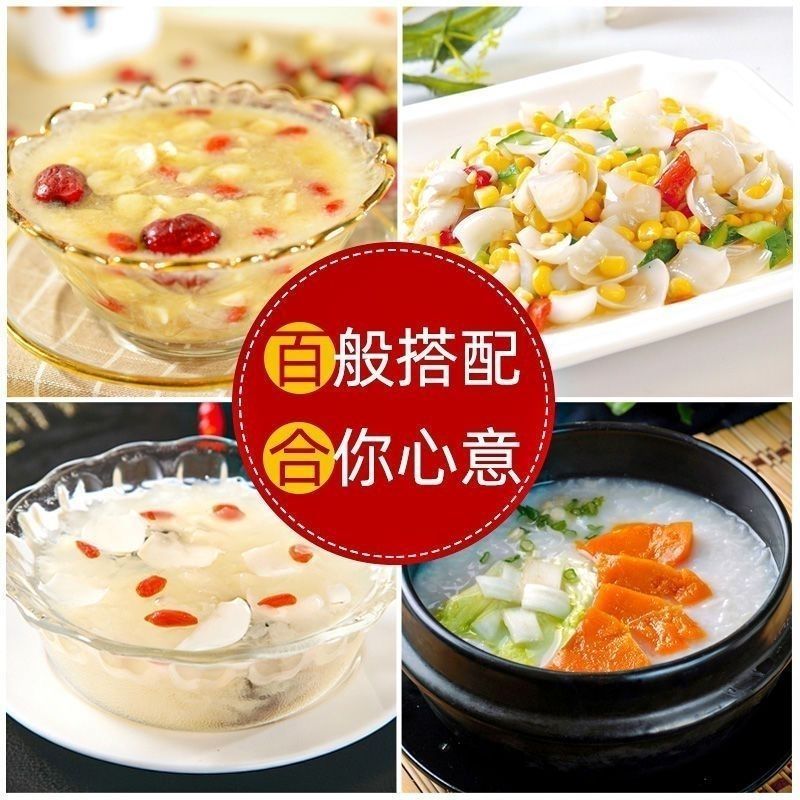
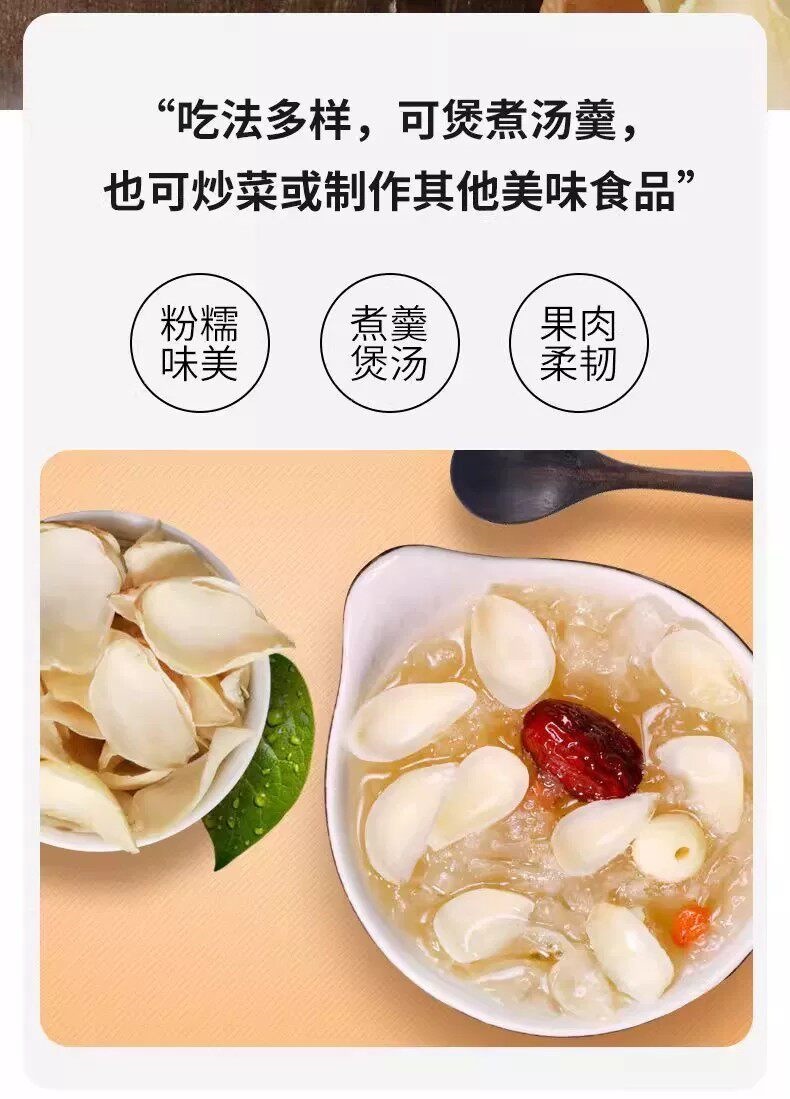
- Add to rice congee for a traditional Chinese breakfast
- Simmer in soups with pork ribs or chicken
- Combine with other herbs in a decoction
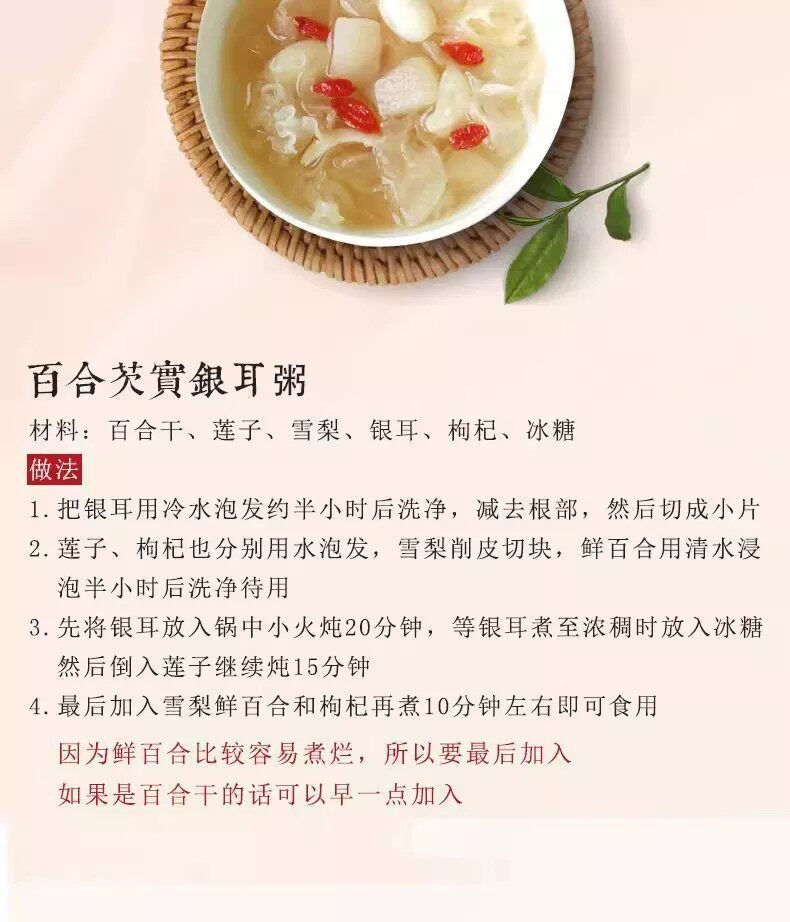
- Use in sweet dessert soups with rock sugar
Traditional Uses
In TCM theory, Bai He is traditionally used to nourish yin and calm the spirit. It is commonly simmered in congee, soups, and sweet dessert soups, often paired with lotus seed, goji berry, or rock sugar. Folk practice also uses it in seasonal autumn cooking to support lung health.
FAQ Q&A
Q: What is this product?
A: It is dried lily bulb slices from Lanzhou, known in TCM as Bai He (百合), naturally sun-dried without sulfur fumigation.
Q: What is its traditional value?
A: In TCM theory, lily bulb is sweet and slightly cold, entering the Heart and Lung channels, and is traditionally associated with nourishing yin and calming the spirit.
Q: How is it commonly prepared?
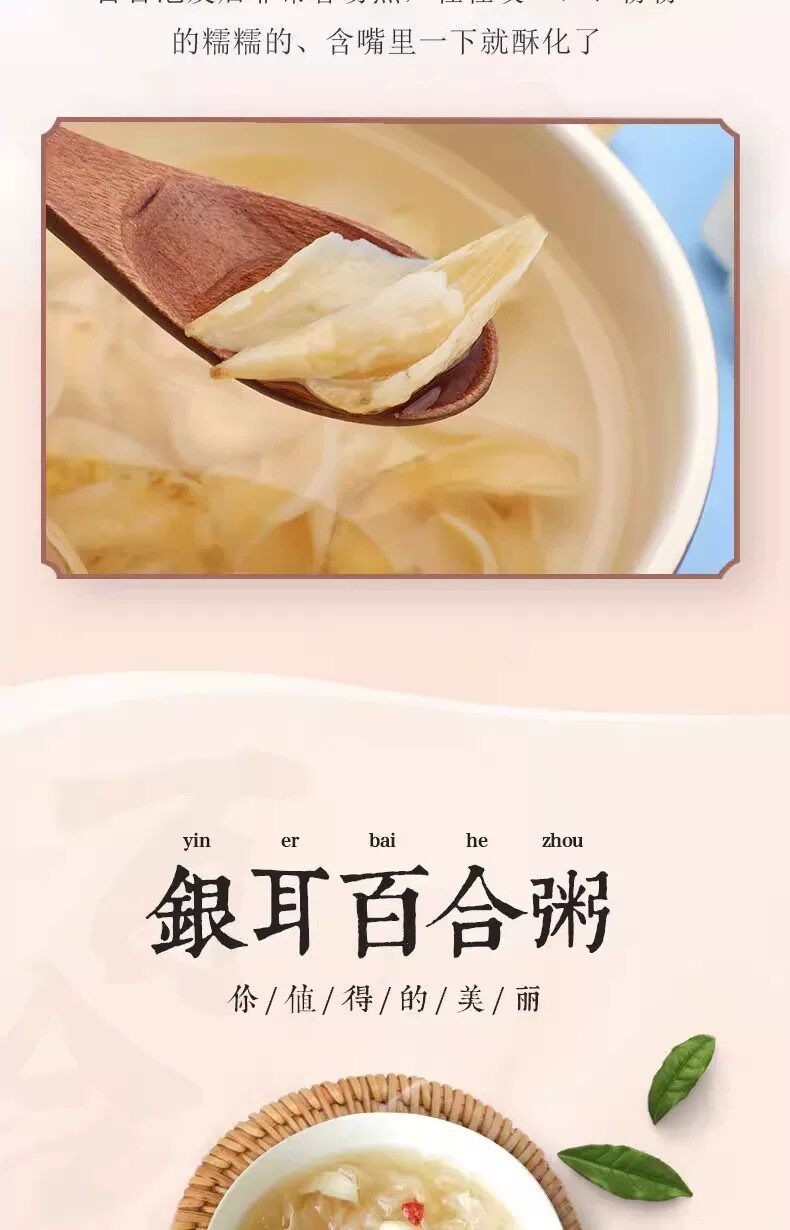
A: It is typically added to congee, soups, or decoctions and simmered until soft. It can also be used in sweet dessert soups with rock sugar.
Additional information
| Weight | N/A |
|---|---|
| Dimensions | N/A |
| Model | 品尝试吃装 百合干50G, 新货头茬 无硫百合干 120g 一罐装, 新货头茬 无硫百合干 250g 一罐装, 新货头茬 无硫百合干 500g 二罐装 |
Related products
-
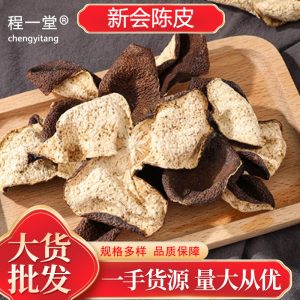
Xinhui Chenpi Dried Tangerine Peel 500g Sun Dried Aged Peel for Soup and Tea
Price range: $60.19 through $116.90 -
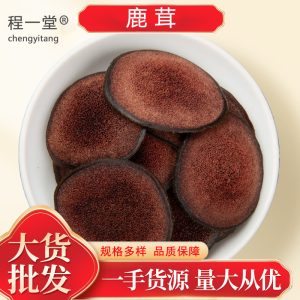
Deer Antler Slices Lu Rong 鹿茸片 Dried Slices for Wine Infusion and Soup 100g Wax Slices Pack
Price range: $68.29 through $92.59 -
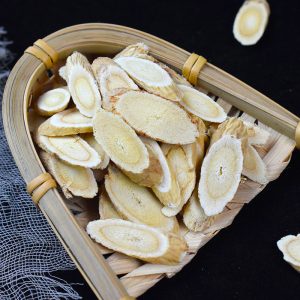
Astragalus Root Slices Huang Qi 500g Dried Herb for Soups and Teas
Price range: $7.36 through $22.11 -
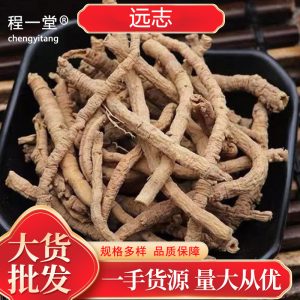
Dried Polygala Root Yuan Zhi 500g Traditional Chinese Herb for Decoction
Price range: $18.87 through $24.54
Reviews
There are no reviews yet.