
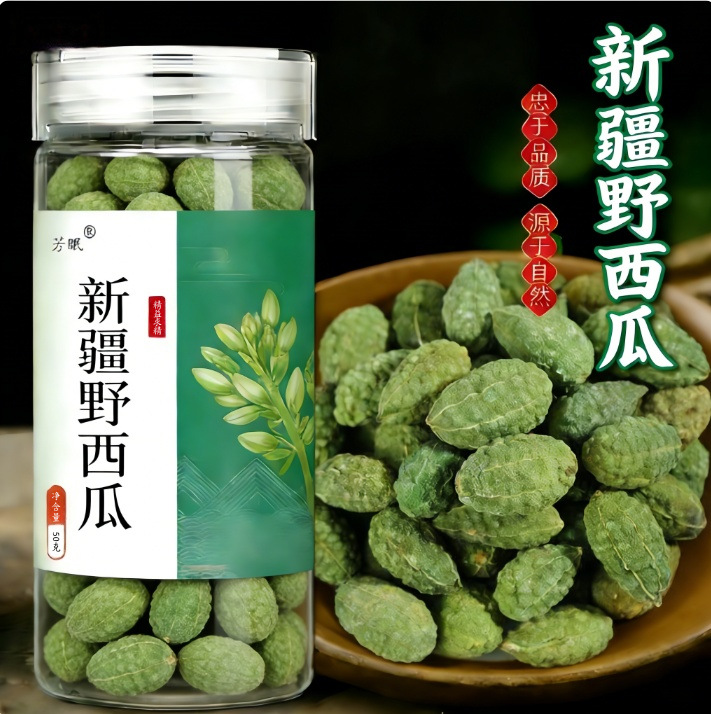
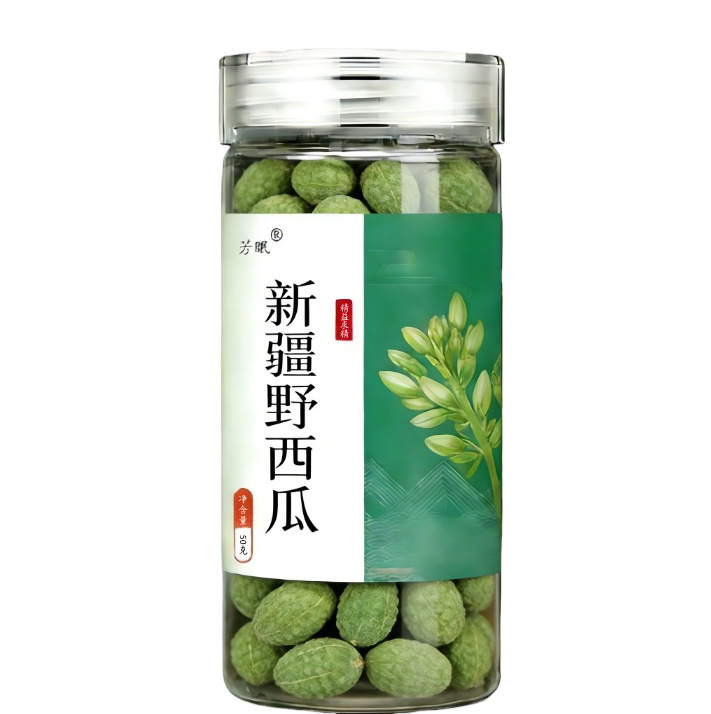
Wild Caper Fruit Ye Xigua 50g Jar Dried Xinjiang Botanical for Traditional Herbal Use
Price range: $5.28 through $5.49
Description
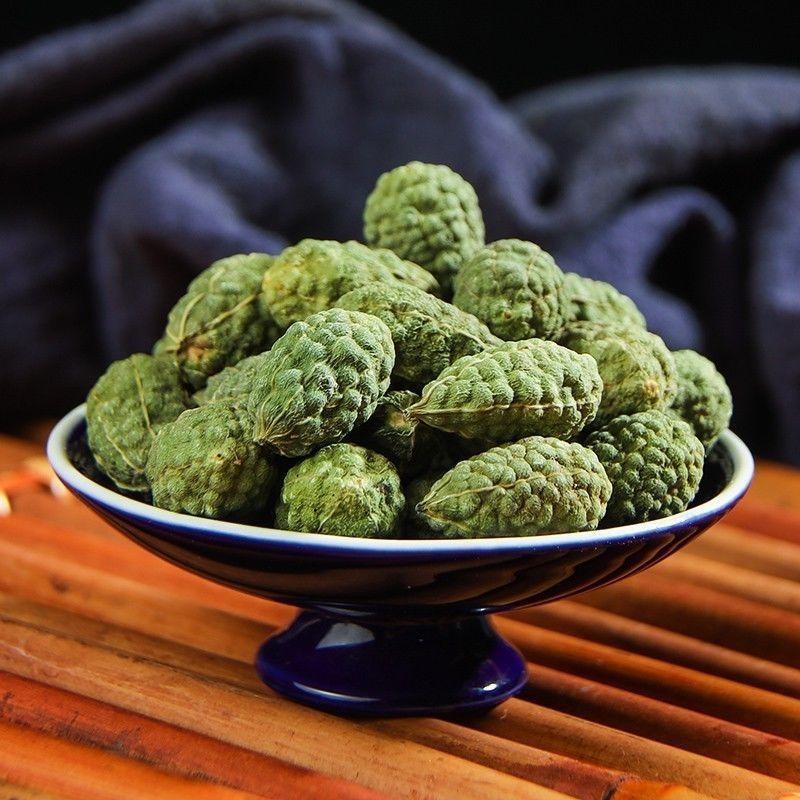
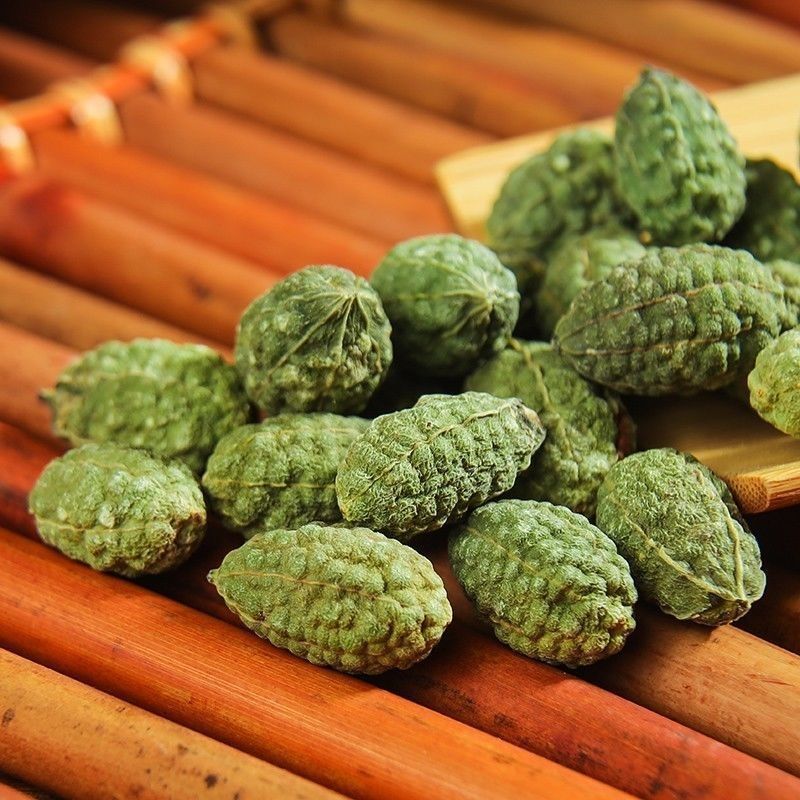
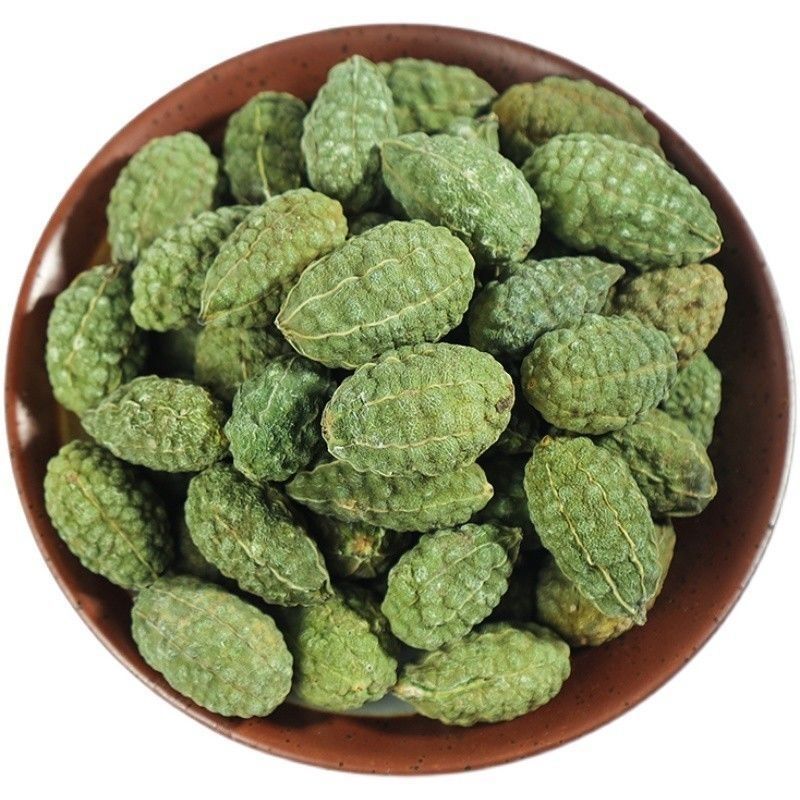
Wild Caper Fruit, known in TCM as Ye Xigua (野西瓜), is the dried fruit of Capparis spinosa, a spiny botanical traditionally gathered in Xinjiang. In TCM theory it is considered warming in nature and is traditionally associated with supporting joint and skin-focused external applications. Supplied as hand-selected dried whole fruit in a sealed jar, it is intended for traditional herbal preparation and external use, not as a substitute for medicine.


Key Selling Points
- Dried whole wild caper fruit sourced from Xinjiang
- Known in TCM as Ye Xigua (野西瓜) from Capparis spinosa
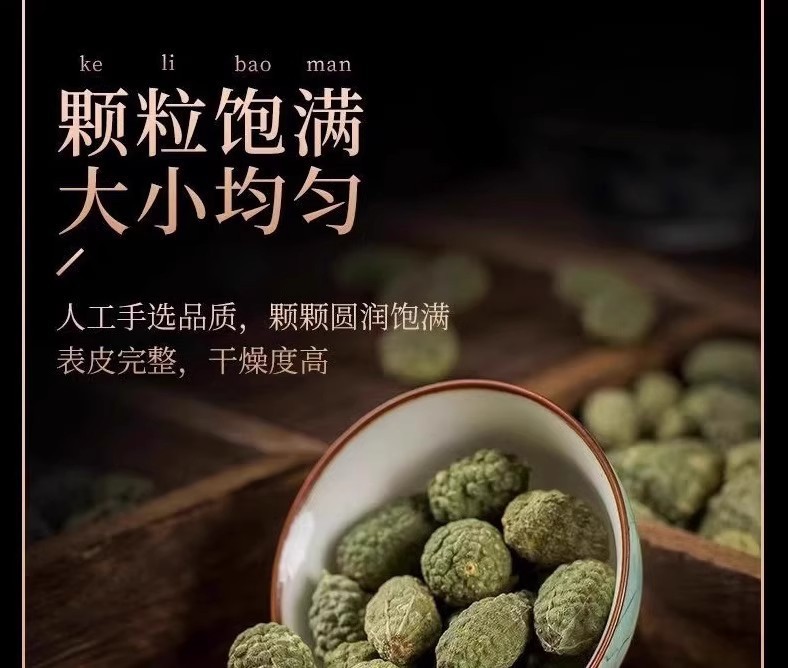
- Hand-processed and packed in a sealed 50g jar
- Traditionally associated with external herbal applications
- Suitable for folk herbal preparations and topical infusions


Quality & Sensory
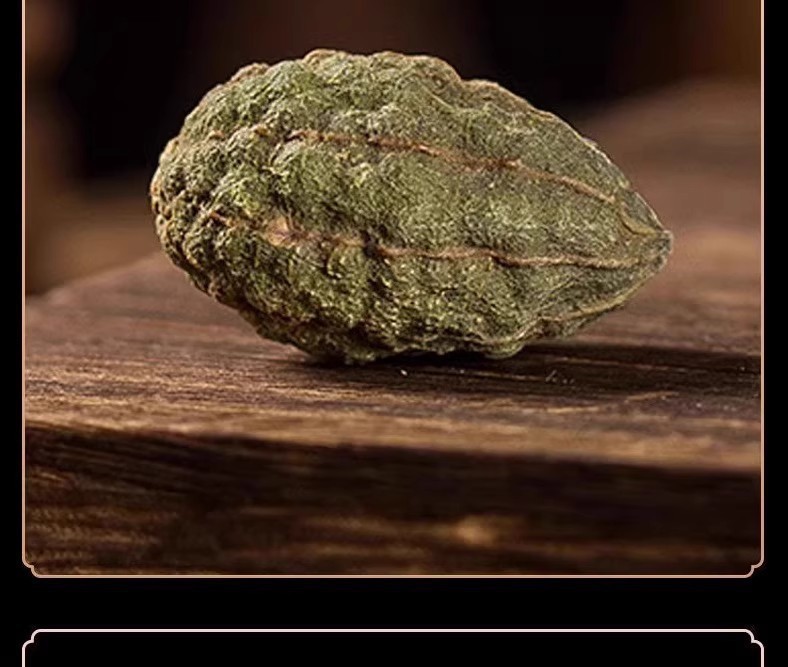
The dried fruit typically appears small, round to ovoid, and grayish-brown with a wrinkled surface and firm texture. It carries a mild, slightly pungent herbal aroma typical of dried caper fruit.
Technical Specifications
| Product Type | Dried botanical |
|---|---|
| Chinese Name | 野西瓜 |
| Pinyin | Ye Xigua |
| Botanical Name | Capparis spinosa |
| Plant Part | Fruit |
| Net Weight | 50g |


Usage Scenarios
- External foot soak prepared from a traditional herbal infusion
- Topical compress after decocting the dried fruit
- Folk herbal preparation for joint-focused external care
- Seasonal external care routines in cooler months


Traditional Uses
In folk herbal practice, Ye Xigua has traditionally been decocted and applied externally, often as a warm compress or foot soak for joint and skin-focused care. It is traditionally used alone or combined with other warming botanicals in regional Xinjiang remedies. External application remains the customary preparation method.
FAQ Q&A
Q: What is this product?
A: It is dried wild caper fruit, known in TCM as Ye Xigua (野西瓜), from Capparis spinosa, sourced from Xinjiang and packed in a 50g jar.
Q: What is it traditionally used for?
A: In TCM and folk practice it is traditionally associated with external applications such as warm compresses and foot soaks for joint-focused care.
Q: How is it commonly prepared?
A: It is typically decocted in water and used externally as a warm compress or added to a foot soak. It is not a substitute for medicine.
Additional information
| Weight | N/A |
|---|---|
| Dimensions | N/A |
| Packaging specifications | 50g, 100g |
Related products
-
Cabinda Bark Dried Herb 500g Traditional Herbal Infusion Ingredient
Price range: $12.38 through $37.50 -
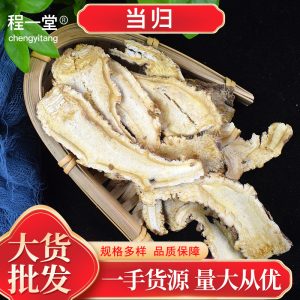
Dried Angelica Sinensis Slices Dang Gui 当归 500g Gansu Raw Herb for Decoction Soup and Tea
Price range: $16.44 through $35.88 -
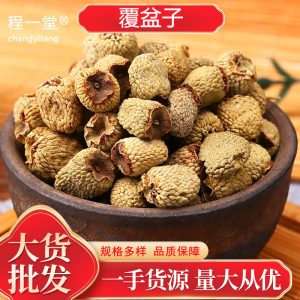
Dried Raspberry Fruit Fu Pen Zi 500g Whole Berries for Herbal Tea and Wine Infusion
Price range: $14.00 through $16.44 -
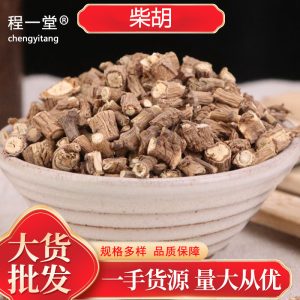
Chai Hu Bupleurum Root Dried Herb 500g Traditional TCM Decoction Herb
Price range: $9.14 through $16.44
Reviews
There are no reviews yet.