
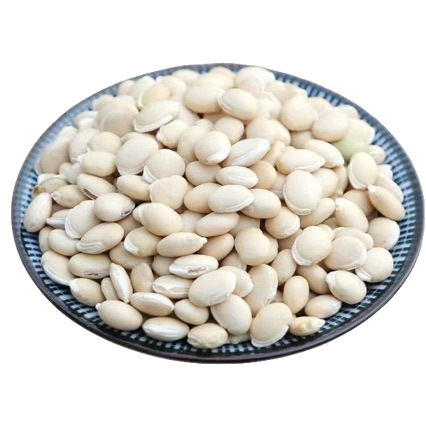
White Hyacinth Bean Bai Bian Dou Dried Whole Beans for Soup and Congee 500g
Price range: $5.51 through $35.71
Description
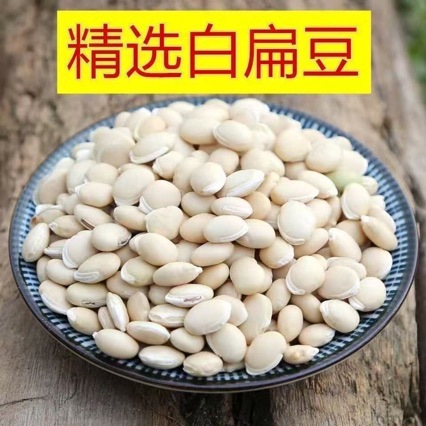
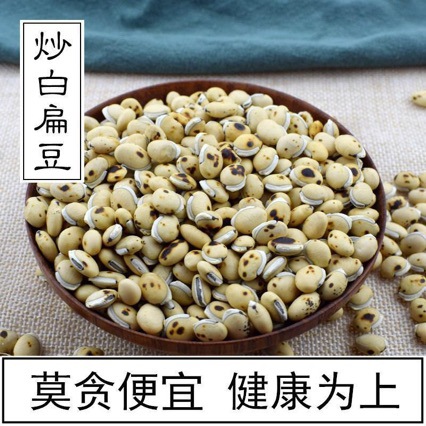
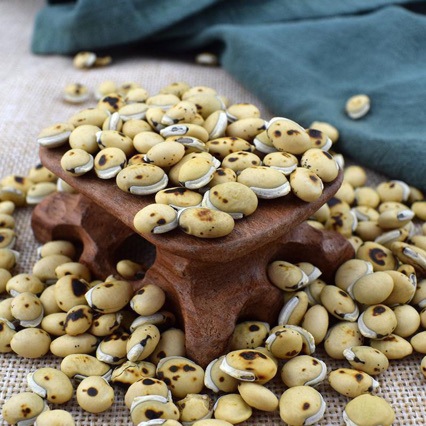
White Hyacinth Bean, known in TCM as Bai Bian Dou (白扁豆), is the dried mature seed of Dolichos lablab. This food-grade herb is traditionally valued in TCM theory for its sweet, slightly warm nature and its association with the spleen and stomach channels. It is commonly cooked into soups, congee, and daily meals as a gentle, nourishing ingredient. Store refrigerated and keep away from infants.
Key Selling Points
- Dried whole white hyacinth beans, food-grade quality
- Known in TCM as Bai Bian Dou (白扁豆)
- Botanical source Dolichos lablab seeds
- Farm-grown in Anhui province, current-year harvest
- Traditionally used in soups, congee, and daily cooking
Quality & Sensory
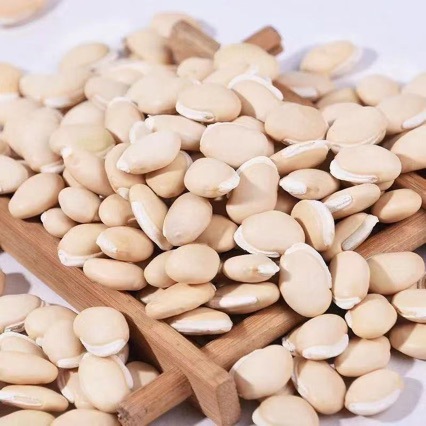
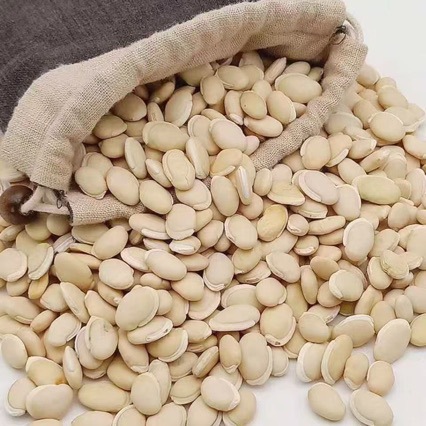
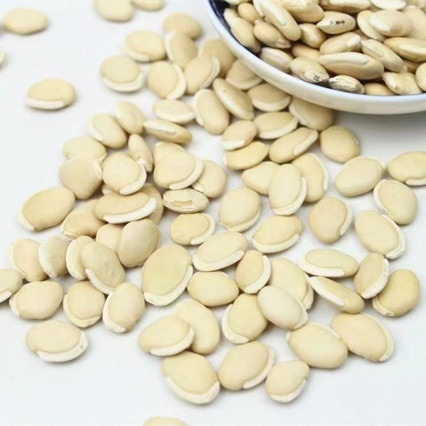
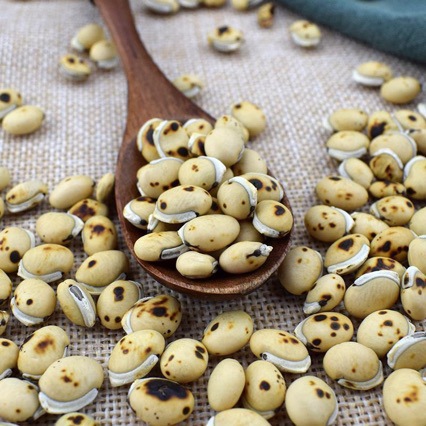
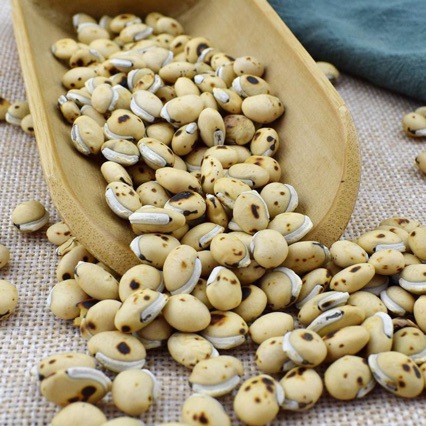
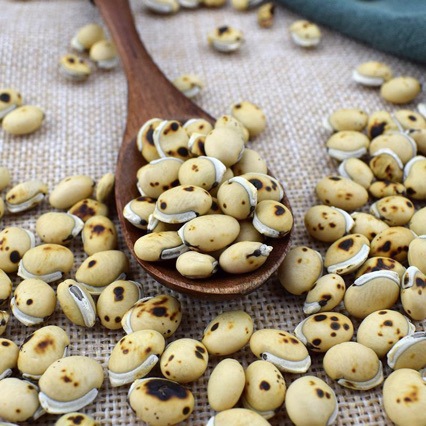
The beans are typically creamy white to pale ivory, firm and smooth with a dense, dry texture. They have a mild, neutral aroma and a soft, slightly sweet, starchy taste after cooking. When simmered, they become tender and absorb the flavors of soups and congee well.
Technical Specifications
| Product Type | Dried edible herb seed |
|---|---|
| Chinese Name | 白扁豆 |
| Pinyin | Bai Bian Dou |
| Botanical Name | Dolichos lablab |
| Plant Part | Mature seed |
| Net Weight | 500g |
Usage Scenarios
- Simmered in soups with pork ribs or chicken
- Cooked into rice or millet congee
- Boiled as a daily herbal decoction
- Added to seasonal home-cooked dishes
Traditional Uses
In TCM theory, Bai Bian Dou is traditionally associated with supporting the spleen and stomach and is often used in gentle daily food therapy. It is commonly simmered in soups with ingredients such as Chinese yam, lotus seed, or pork ribs, or cooked into congee for easy digestion. Folk practice also pairs it with Job's tears and red beans in seasonal damp-weather meals.
FAQ Q&A
Q: What is White Hyacinth Bean?
A: It is the dried mature seed of Dolichos lablab, known in TCM as Bai Bian Dou (白扁豆). It is a food-grade herb commonly used in Chinese cooking.
Q: What is it traditionally used for?
A: In TCM theory it is associated with the spleen and stomach channels and is traditionally used in gentle food therapy. It is valued as a mild, nourishing ingredient rather than a strong medicine.
Q: How is it usually prepared?
A: It is typically simmered in soups, cooked into congee, or boiled as a simple decoction. Soaking before cooking helps it soften more evenly.
Additional information
| Weight | N/A |
|---|---|
| Dimensions | N/A |
| Model | 白扁豆250克, 白扁豆500克, 白扁豆1000克, 白扁豆10公斤 |
Related products
-
Astragalus Root Slices Huang Qi 斜片 Dried Herb for Decoction Soup and Tea 500g
Price range: $6.06 through $19.51 -

Dried Huang Jing Slices Polygonatum Rhizome Chicken Head Huang Jing 500g Bulk Herbal Tea and Soup Ingredient
Price range: $9.14 through $18.87 -
Ningxia Goji Berries Gou Qi Zi 500g Dried Red Wolfberry for Tea Soup and Snacking
Price range: $7.20 through $16.44 -
Taizishen Dried Pseudostellaria Root TCM Herbal Tea and Soup Ingredient 500g Bulk Pack
Price range: $10.28 through $15.63
Reviews
There are no reviews yet.