
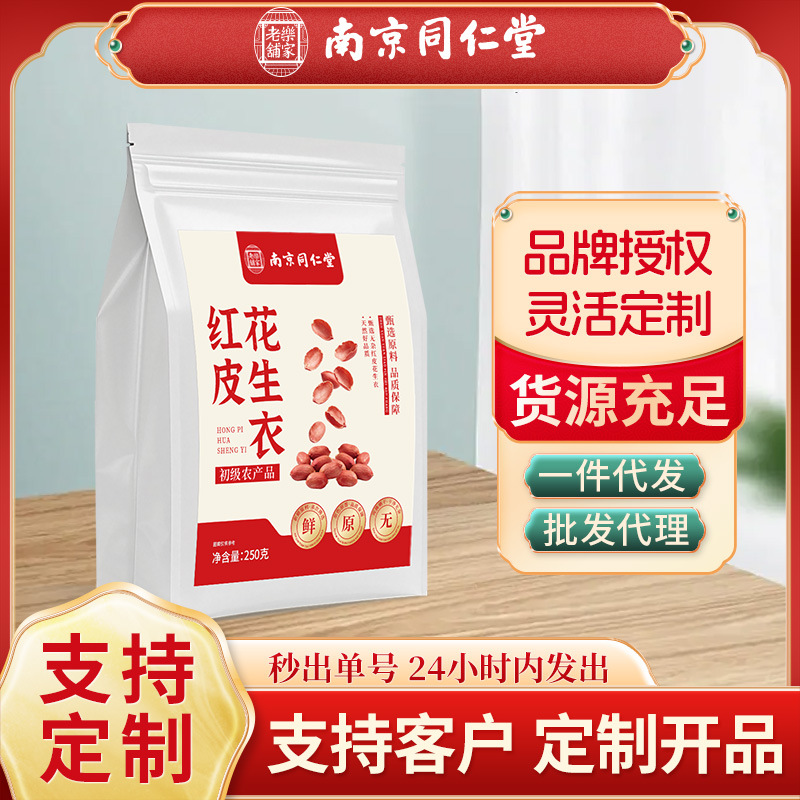
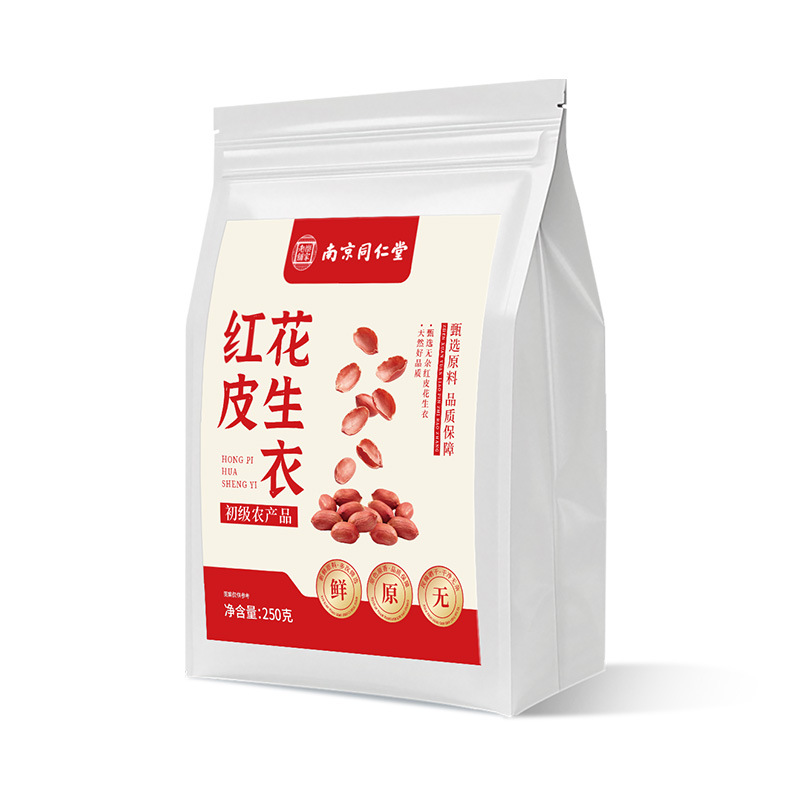
Red Peanut Skin Dried Herbal Tea 250g Bag Traditional Wellness Ingredient
$5.81
9999 in stock
Description
Dried Red Peanut Skin, known in TCM as Hua Sheng Yi (花生衣), from Arachis hypogaea, is the papery outer coating of peanut kernels. In TCM theory it is traditionally associated with supporting blood health and is used in gentle decoctions or teas. This food-grade herb is sun-dried, mild in flavor, and suited for daily traditional preparation.
Key Selling Points
- Identified in TCM as Hua Sheng Yi (花生衣), the red skin of peanut kernels
- Botanical source Arachis hypogaea, food-grade edible agricultural product
- Sun-dried processing preserves natural color and texture
- Traditionally used in TCM for blood-supporting decoctions and teas
- Convenient 250g bag for regular home preparation
Quality & Sensory
The dried skins are typically deep reddish-brown, thin, and papery in texture with a faint nutty aroma. When brewed or decocted, the liquid is usually light amber with a mild, slightly earthy taste. Color and aroma may vary slightly between batches as a natural agricultural product.
Technical Specifications
| Product Type | Dried edible agricultural product |
|---|---|
| Chinese Name | 花生衣 |
| Pinyin | Hua Sheng Yi |
| Botanical Name | Arachis hypogaea |
| Plant Part | Seed coat (red skin of peanut kernel) |
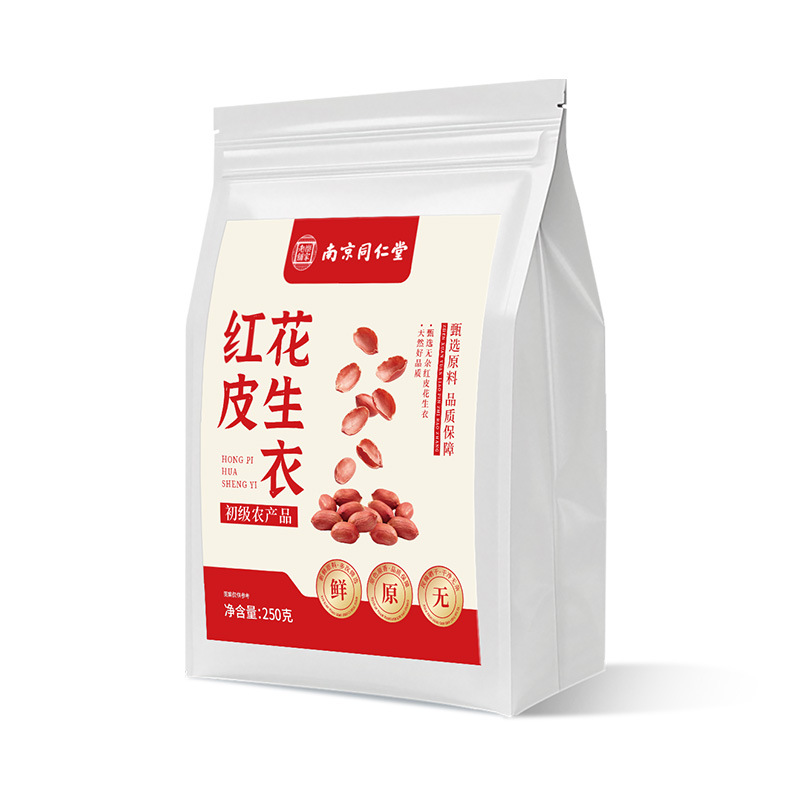
| Net Weight | 250g |
Usage Scenarios
- Simmered as a simple herbal tea or decoction
- Added to traditional soups or congee
- Combined with other herbs in TCM-style preparations
- Used as a daily wellness ingredient in small amounts
Traditional Uses
In TCM theory, Hua Sheng Yi is traditionally associated with supporting blood and is often used in gentle decoctions. It is commonly simmered alone or paired with red dates and goji berries in soups, congee, or daily teas. Folk practice often includes it in postpartum or seasonal nourishing preparations.
FAQ Q&A
Q: What is red peanut skin?
A: It is the thin red papery coating around peanut kernels, known in TCM as Hua Sheng Yi (花生衣).
Q: What is its traditional value?
A: In TCM theory it is traditionally associated with blood support and is used in gentle decoctions or teas.
Q: How is it commonly prepared?
A: It is typically simmered in water as a tea or added to soups and congee. It can also be combined with red dates or goji berries.
Additional information
| Weight | 0.3 kg |
|---|---|
| Dimensions | 20 × 15 × 5 cm |
Related products
-
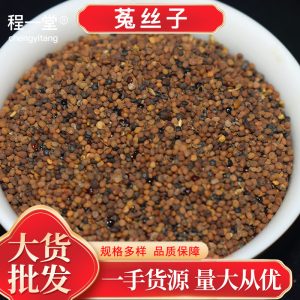
Dried Dodder Seed Tu Si Zi Whole Herb 500g Bulk Chinese Herbal Ingredient
Price range: $7.04 through $7.52 -
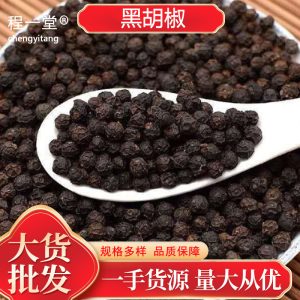
Black Pepper Whole Peppercorns Hu Jiao 500g Bulk Culinary Spice for Cooking and Seasoning
Price range: $8.33 through $9.14 -

Dried Huang Jing Slices Polygonatum Rhizome Chicken Head Huang Jing 500g Bulk Herbal Tea and Soup Ingredient
Price range: $9.14 through $18.87 -
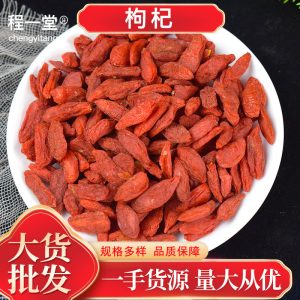
Ningxia Goji Berries Gou Qi Zi 500g Dried Red Wolfberry for Tea Soup and Snacking
Price range: $7.20 through $16.44
Reviews
There are no reviews yet.