
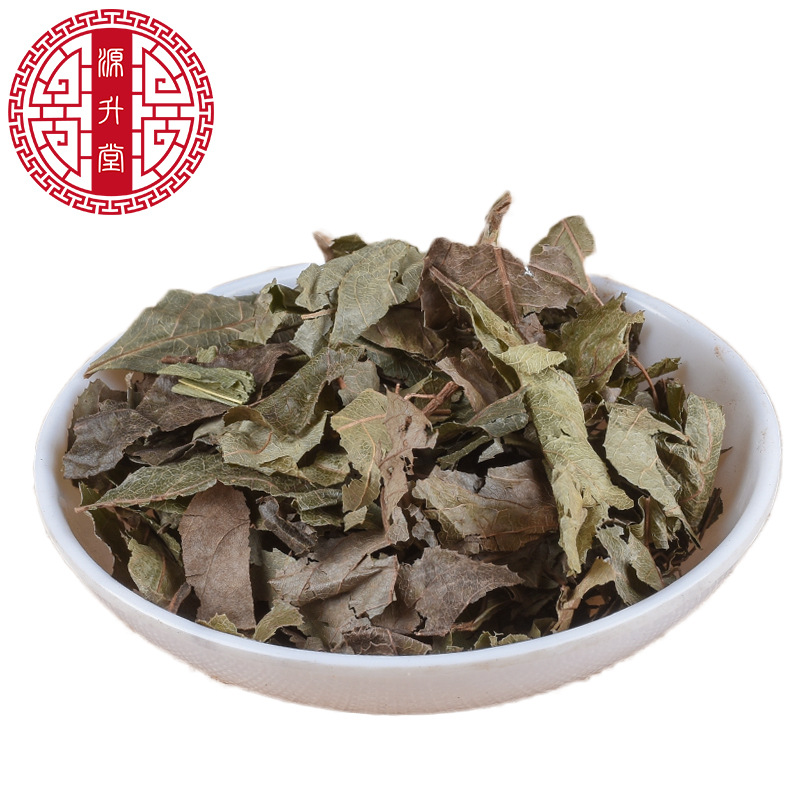
Ping Di Mu (Ardisia japonica) — Dried Food-Herb Botanical, Hubei Origin, 500g
$5.06
99999800 in stock
Description
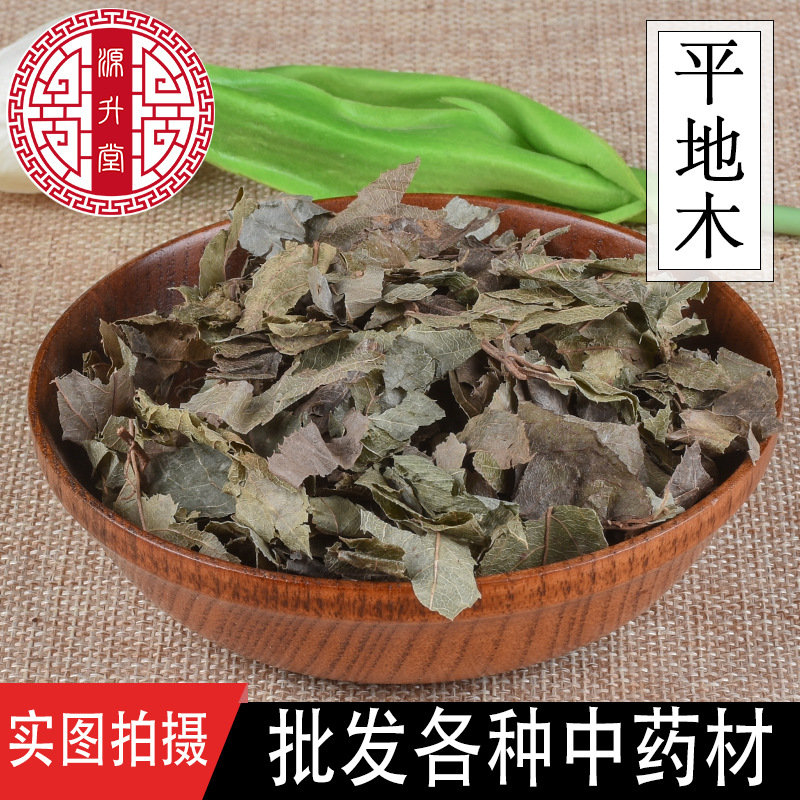
Ping Di Mu (Ardisia japonica), also known in Traditional Chinese Medicine (TCM) as Píng Dì Mù (平地木) and affectionately called 矮地茶, 紫金牛, or 老勿大, is the dried whole plant of a low-growing evergreen shrub long revered in Chinese folk herbal practice. Grown in Hubei and offered as a food-herb (药食同源) agricultural product, it has been prized as a gentle, lung-clearing, damp-resolving herb traditionally used to ease cough, support free breathing, and harmonize the body during seasonal transitions. Its nature is mild and balanced, making it a soft yet dependable botanical for everyday herbal decoctions and wellness teas.


Key Selling Points
- Traditional food-herb botanical (药食同源)
- Dried whole-plant Ardisia japonica from Hubei
- Known in TCM as Ping Di Mu / Ai Di Cha
- 500g value pack, new-crop stock
- Suitable for decoctions, teas, and soup blends

Quality & Sensory
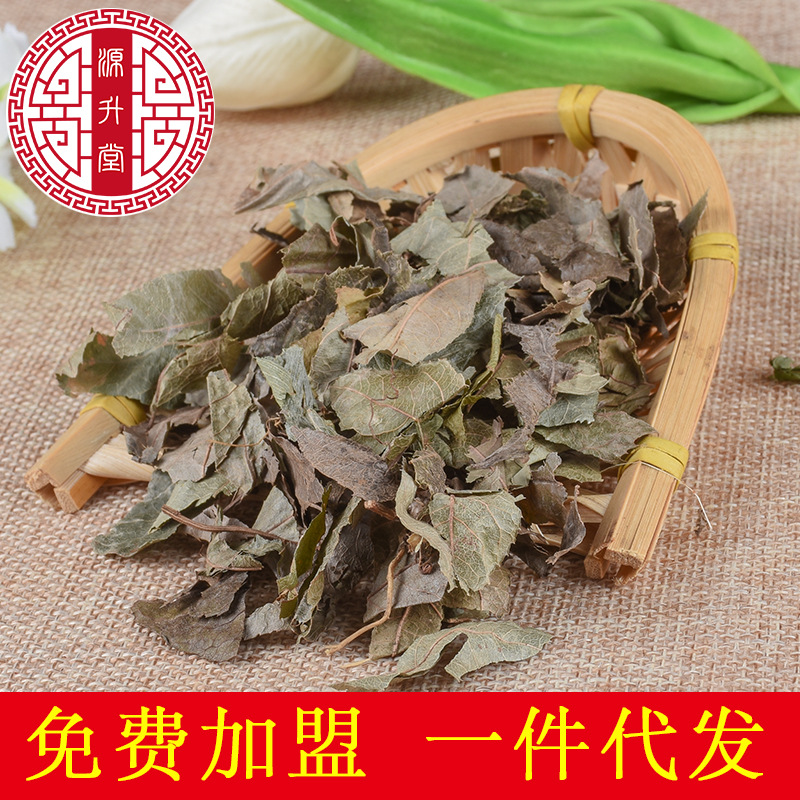
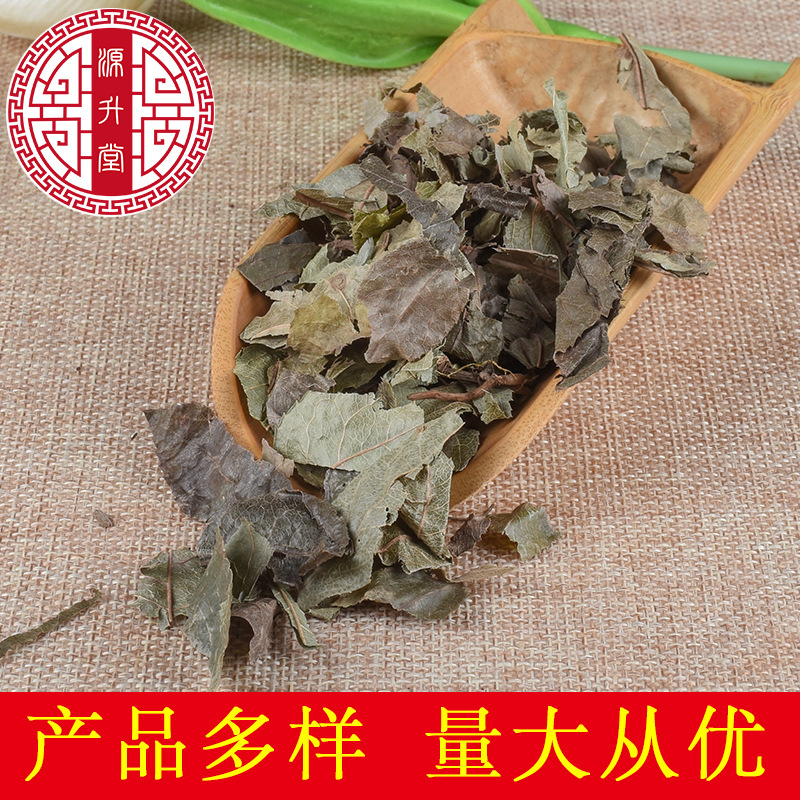
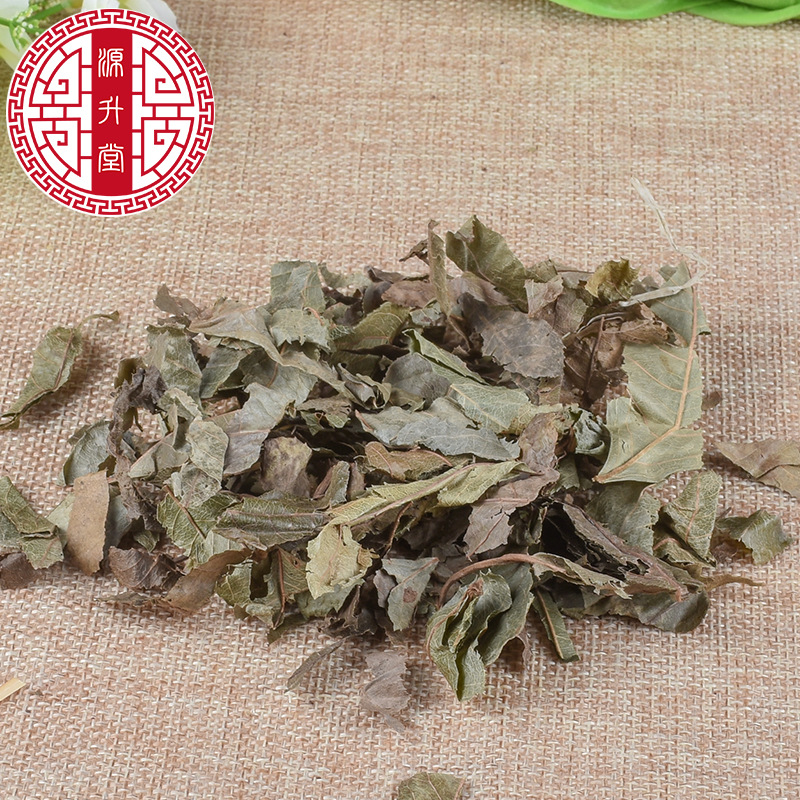
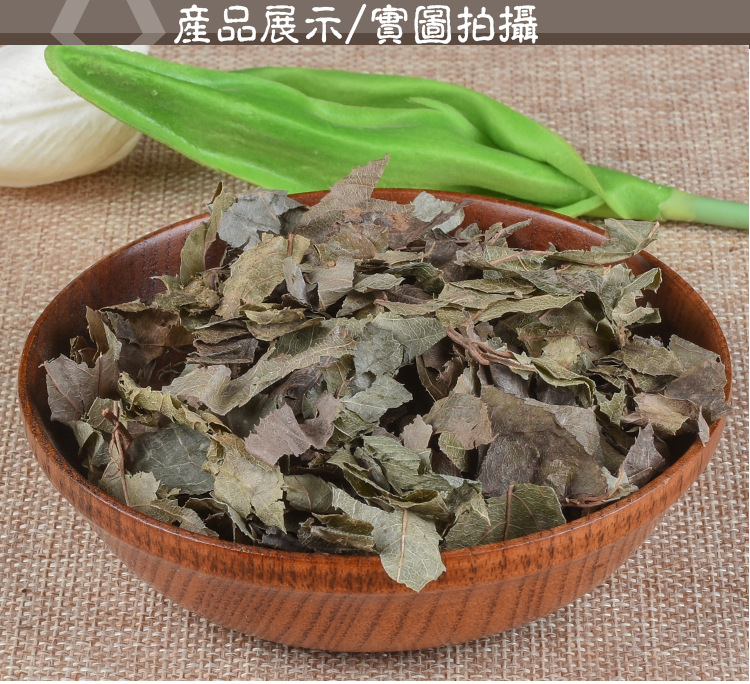
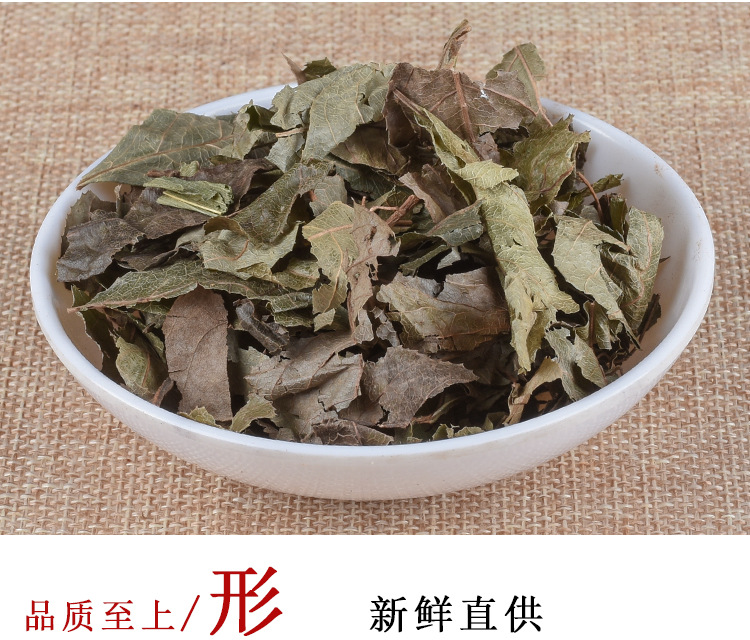
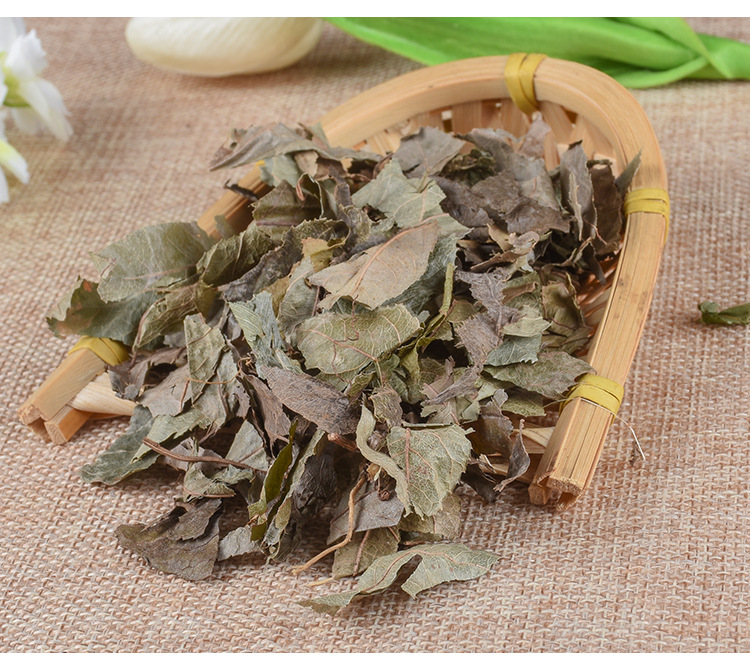
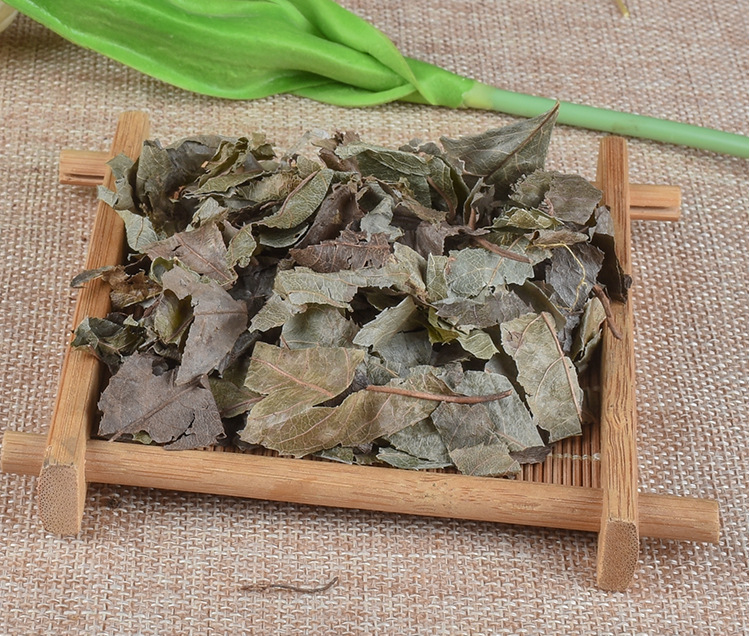
Each batch is carefully harvested, cleaned, and shade-dried to preserve its deep green leaf color, slender reddish-brown stems, and clean, faintly herbal aroma. When decocted, the plant yields a light amber infusion with a mild, subtly bitter-sweet taste and a soft grassy finish, releasing its character slowly without overpowering the brew.
Technical Specifications
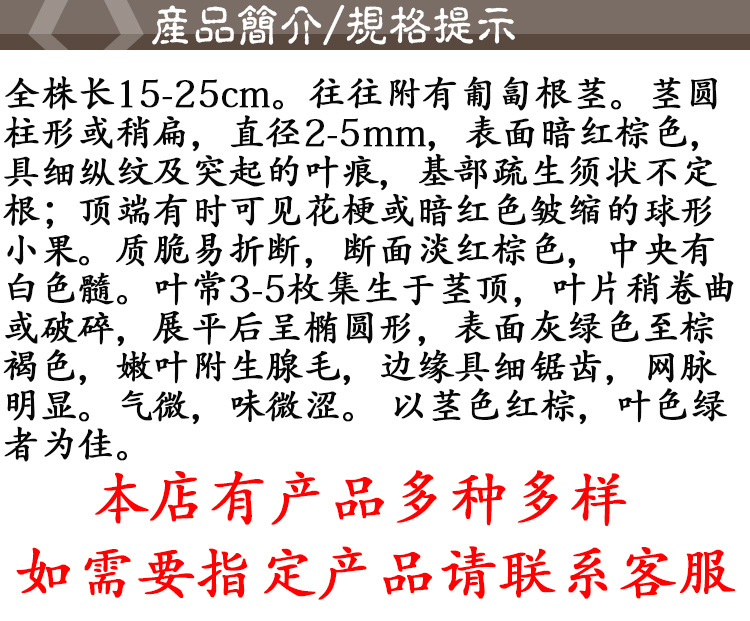
| Product Type | Dried Whole-Plant Botanical |
|---|---|
| Common Name | Ping Di Mu (Ai Di Cha) |
| Botanical Name | Ardisia japonica |
| Origin | Hubei, China |
| Net Weight | 500g |
| Storage | Room temperature, cool and dry |

Usage Scenarios
- Daily herbal decoction
- Blended wellness tea
- Seasonal soup and broth
- Folk herbal formulas
- Home herbal pantry staple


Traditional Uses
In folk herbal practice, Ping Di Mu is decocted alone or combined with other gentle botanicals into daily teas and seasonal soups. It is a familiar ingredient in southern Chinese household remedies, often simmered with ingredients like apricot kernel, mulberry leaf, or honey to soften its character. As a tea, it is brewed for a light, mildly bitter infusion enjoyed during damp or changing seasons, and it also appears in traditional longevity and respiratory-support formulas passed down through generations of rural herbalists.


FAQ Q&A
Q: What is Ping Di Mu?
A: Ping Di Mu is the common Chinese name for the dried whole plant of Ardisia japonica, also called Ai Di Cha, Zi Jin Niu, or Lao Wu Da. It is a traditional food-herb botanical used in Chinese folk herbal practice.
Q: What is the traditional wellness value of Ping Di Mu?
A: In traditional Chinese food wellness culture, Ping Di Mu is associated with clearing the lungs, resolving dampness, and supporting free breathing. It is often used in decoctions and teas for seasonal respiratory comfort and daily nourishment.
Q: How do I use dried Ping Di Mu?
A: Rinse a small handful, then simmer in water for a decoction or brew as part of a tea blend. It can also be added to soups. Adjust the quantity to your recipe and taste preference.


Additional information
| Weight | 0.72 kg |
|---|---|
| Dimensions | 25 × 18 × 8 cm |
Related products
-
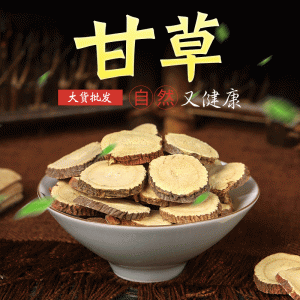
Sheng Gan Cao Slices (Glycyrrhiza uralensis) — Sulfur-Free Licorice Root Pieces, 500g
Price range: $4.28 through $6.71 -
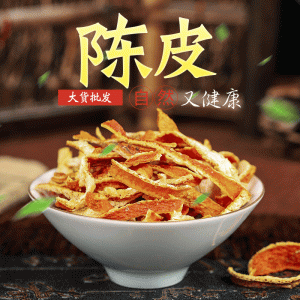
Chen Pi Shreds (Citrus reticulata) — Aged Dried Tangerine Peel, Unsulfured, 500g
$4.93 -
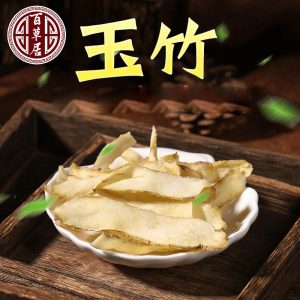
Yu Zhu Slices (Polygonatum odoratum) — Sulfur-Free Hunan Dried Food Herb, 500g
Price range: $4.77 through $10.76 -
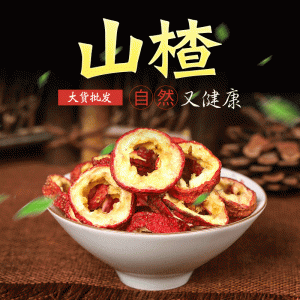
Shan Zha Slices (Crataegus pinnatifida) — Pitted Dried Hawthorn for Sour Plum Soup & Tea
Price range: $4.12 through $5.74
Reviews
There are no reviews yet.