
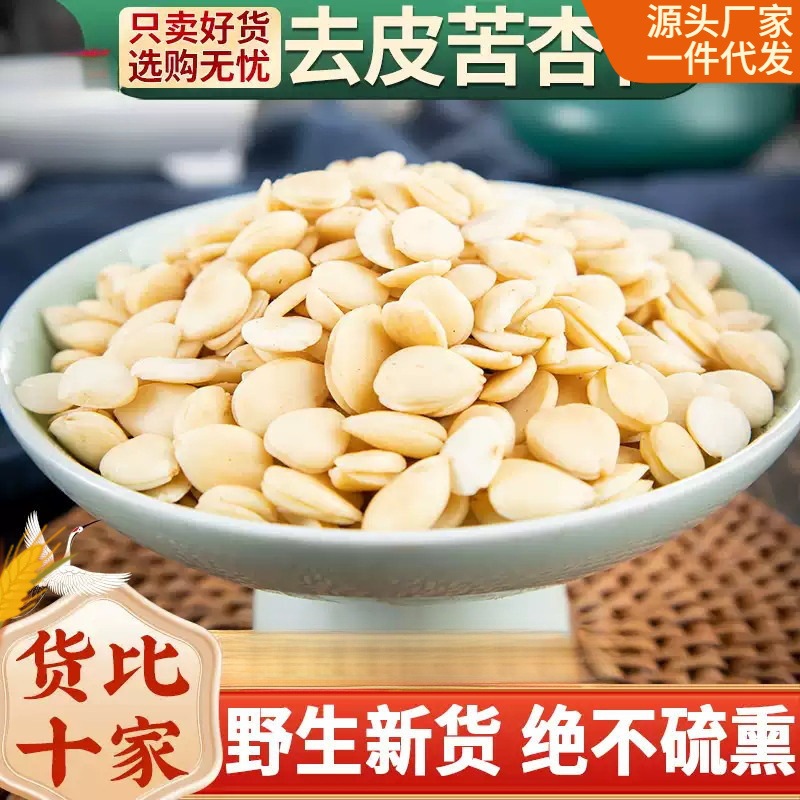
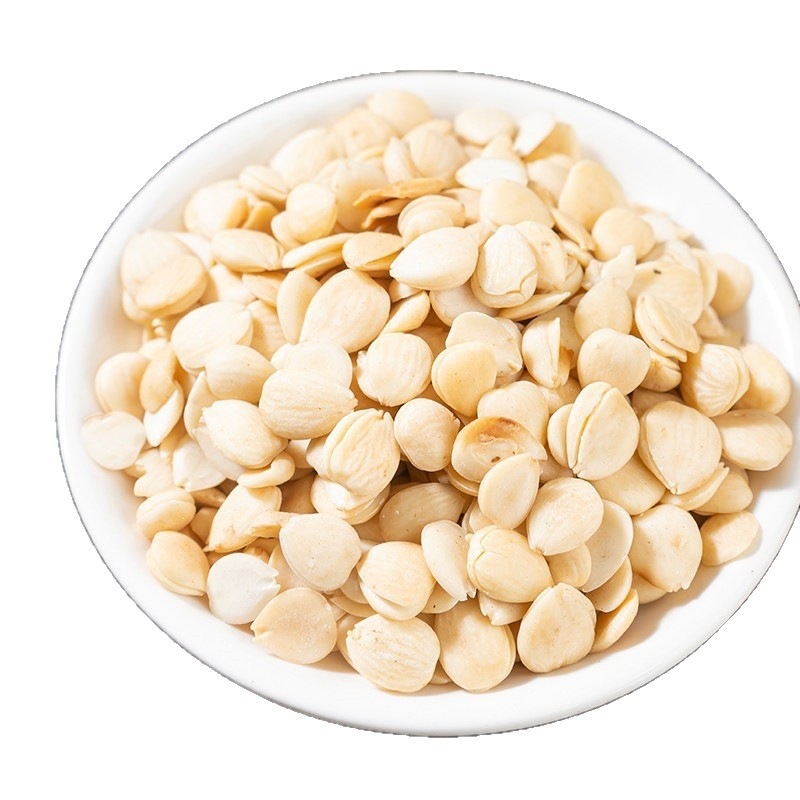
Peeled Bitter Apricot Kernel 500g Ku Xing Ren Dried Chinese Herb for Decoction and Culinary Use
Price range: $6.94 through $8.53
Description
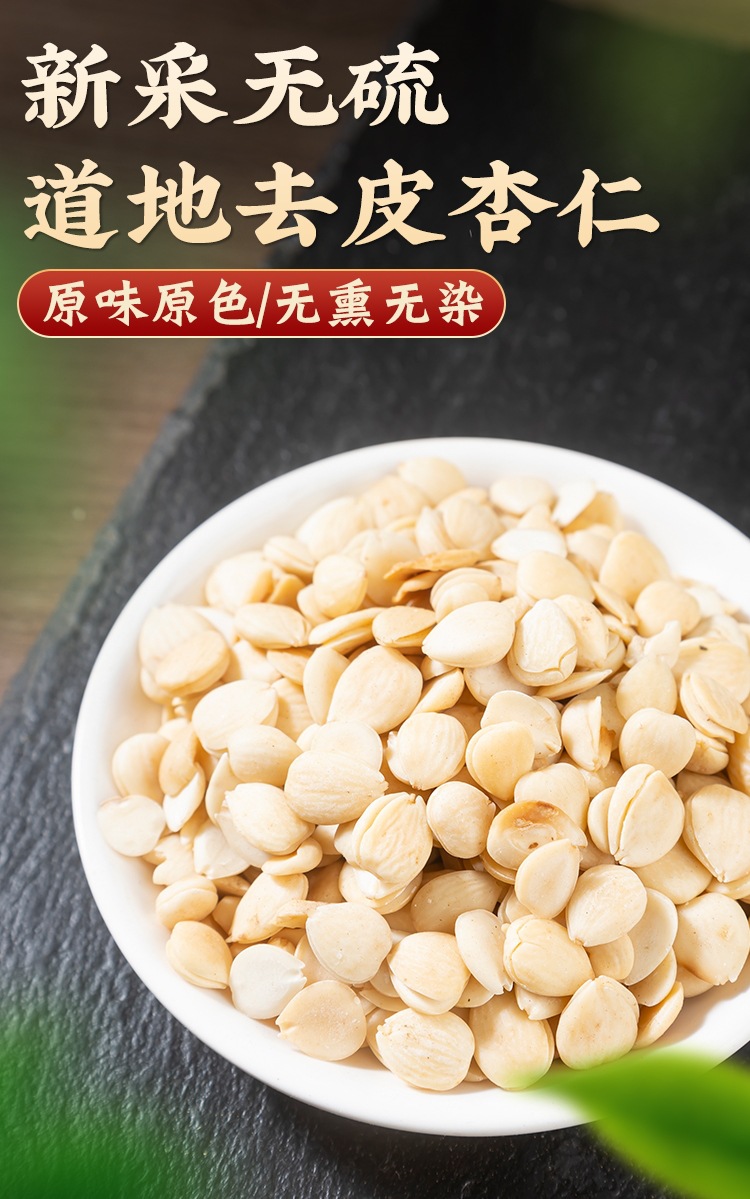
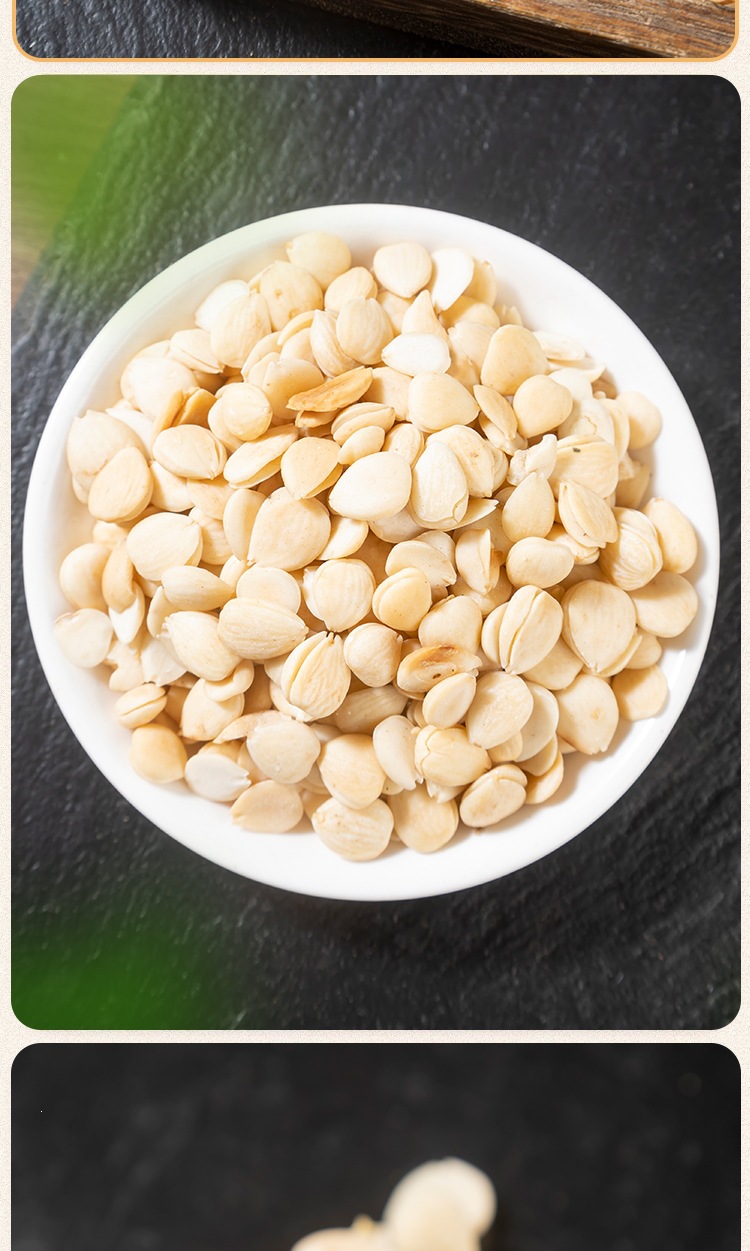
Peeled Bitter Apricot Kernel, known in TCM as Ku Xing Ren (苦杏仁), from Prunus armeniaca. These dried, peeled kernels with tips removed are a classic Chinese herbal ingredient traditionally associated with moistening the lungs and relieving cough, and with moistening the intestines. In TCM theory they are considered bitter in flavor and slightly warm in nature, entering the lung and large intestine channels. Bitter apricot kernels contain amygdalin and must be cooked thoroughly and used in moderation; they are not a substitute for medicine.
Key Selling Points
- Dried peeled bitter apricot kernels with tips removed, a traditional TCM herb
- Botanical source Prunus armeniaca, known as Ku Xing Ren (苦杏仁) in Chinese
- Traditionally used in TCM to support lung comfort and moisten the intestines
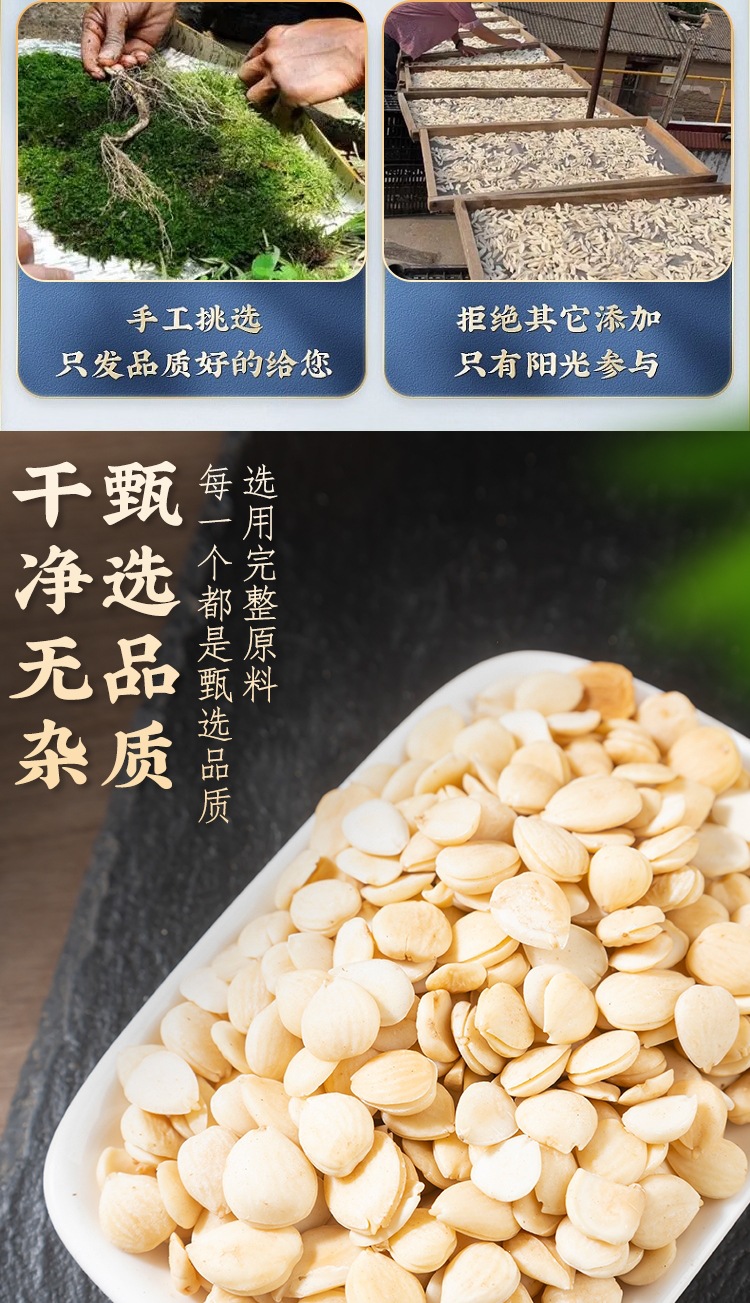
- Sun-dried processing with skins removed for convenient decoction and cooking
- Suitable for herbal decoctions, soups, and traditional formulas when properly cooked
Quality & Sensory
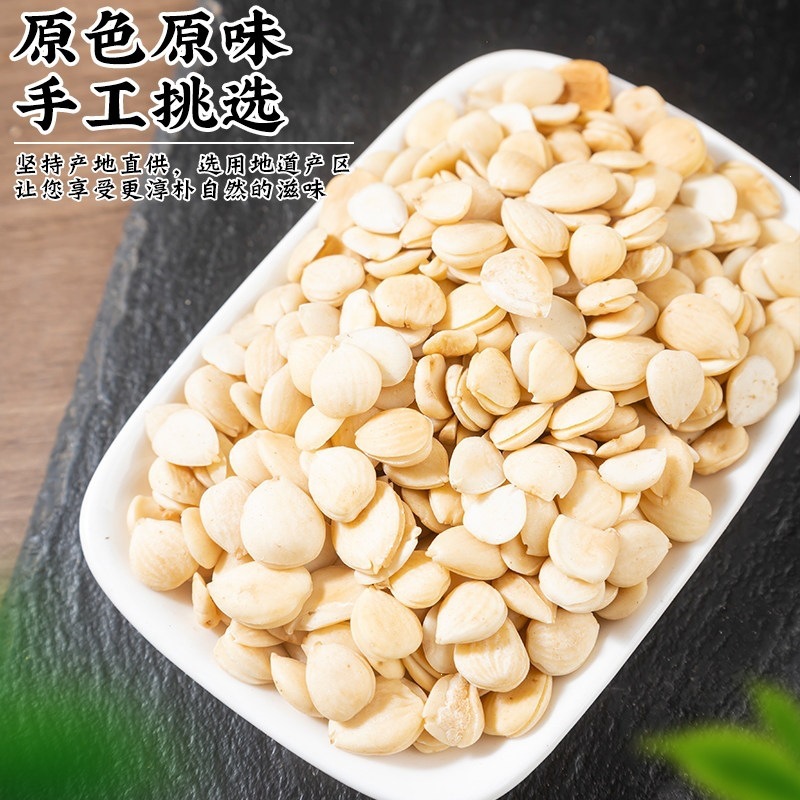
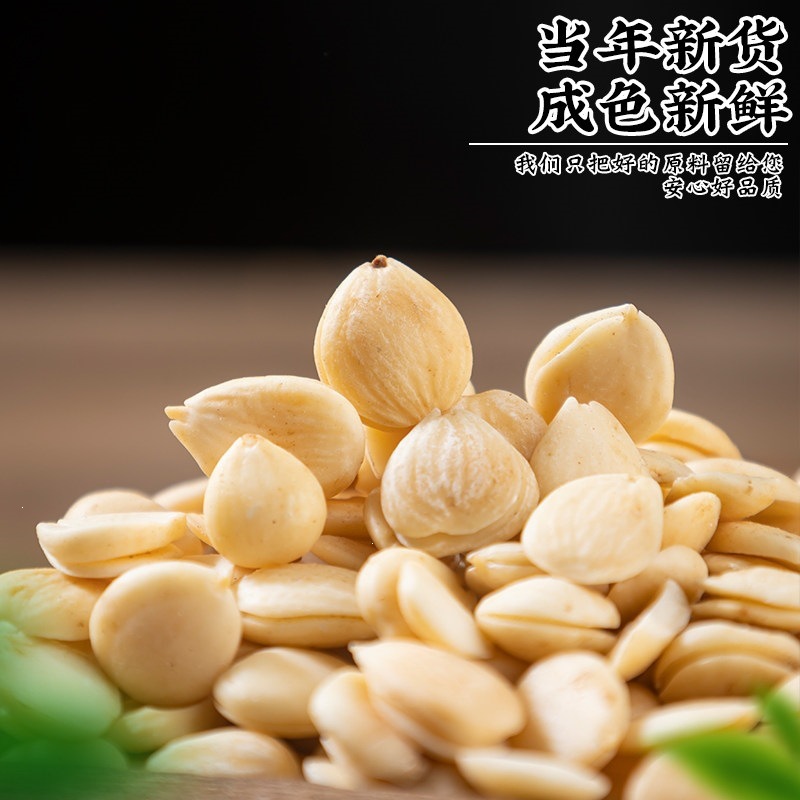
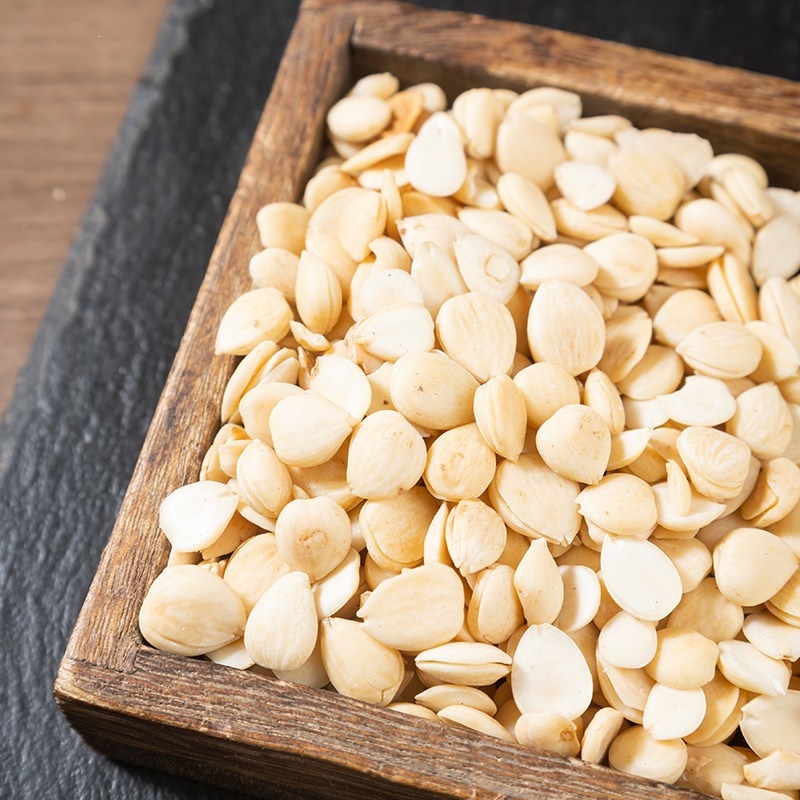
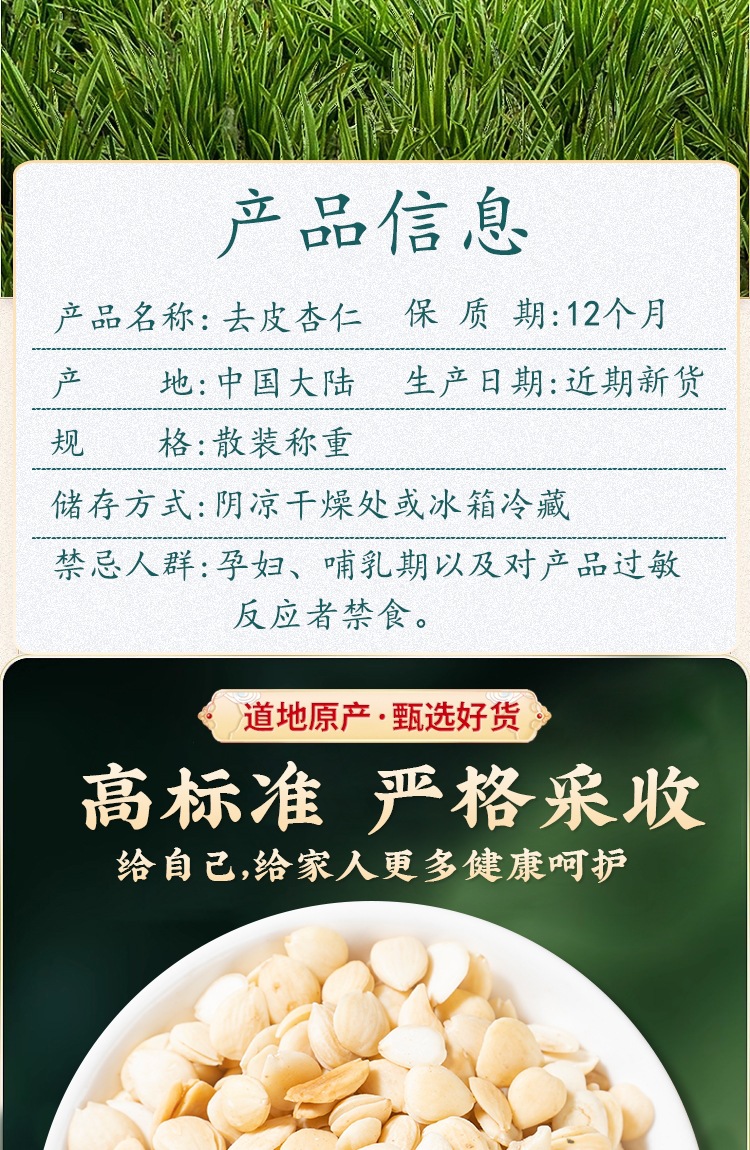
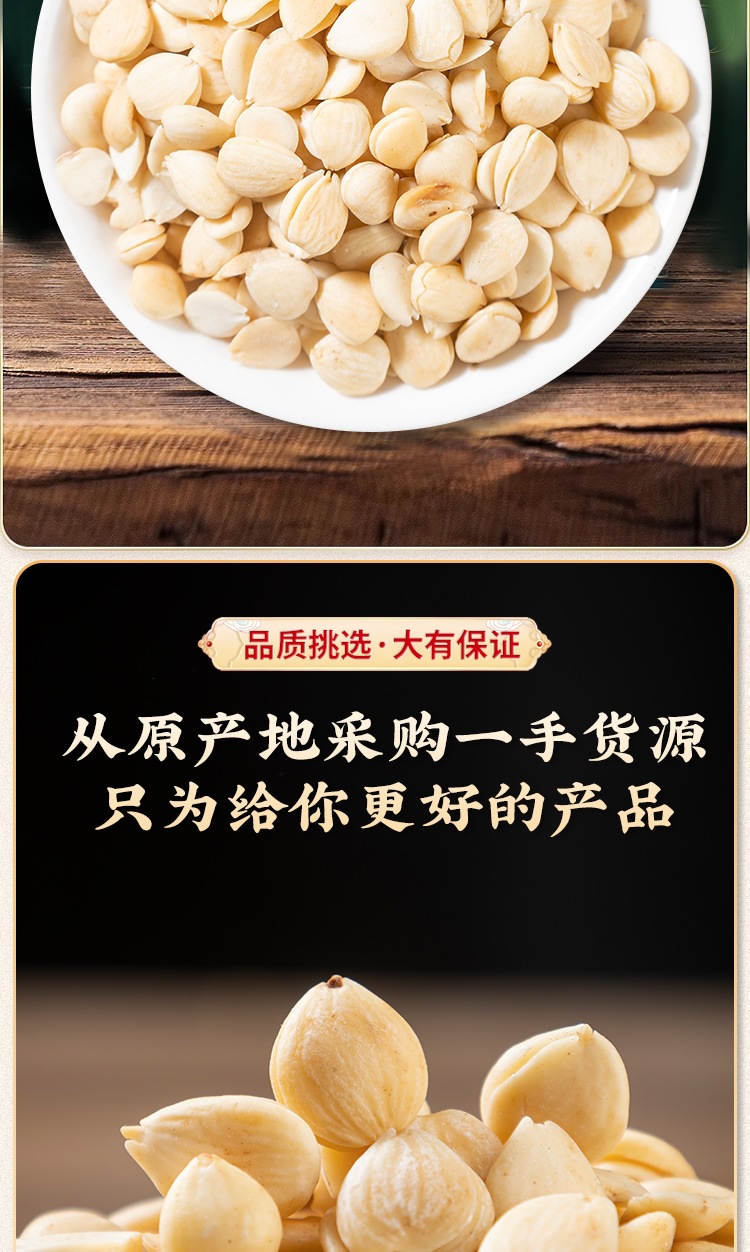
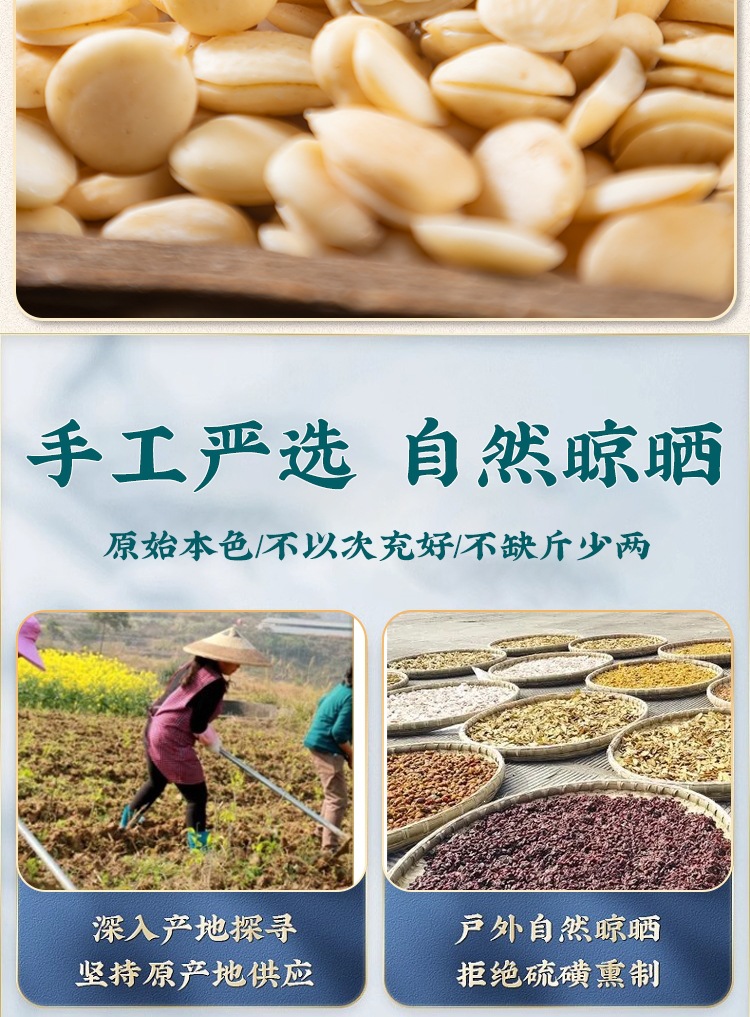
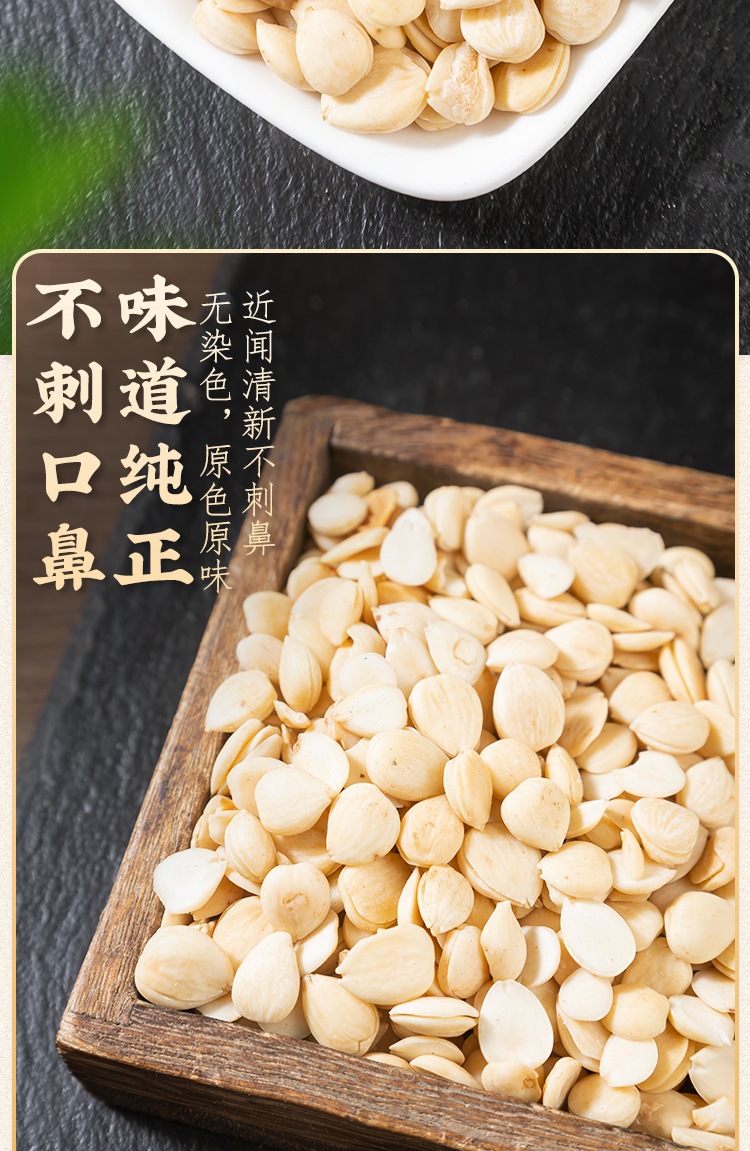
These kernels typically appear flat, heart-shaped, and creamy white to pale yellow after peeling, with a firm, oily texture and a mild nutty aroma. When decocted or cooked, they typically yield a slightly bitter, nutty taste with a soft, starchy bite.
Technical Specifications
| Product Type | Dried Chinese herbal ingredient |
|---|---|
| Chinese Name | 苦杏仁 |
| Pinyin | Ku Xing Ren |
| Botanical Name | Prunus armeniaca |
| Plant Part | Seed kernel, peeled and tip removed |
| Processing | Sun-dried, skinless |
Usage Scenarios
- Simmered in herbal decoctions after thorough cooking
- Added to traditional soups and congee in small amounts
- Ground into pastes or blended in classic TCM formulas
- Used in seasonal culinary recipes following traditional practice
Traditional Uses
In TCM practice, bitter apricot kernel is traditionally used to direct qi downward, stop cough and wheezing, and moisten the intestines for dry stools. It is a common component of classical formulas such as Ma Xing Shi Gan Tang and Sang Xing Tang, and is often paired with herbs like mulberry leaf, perilla seed, or dried tangerine peel. Traditionally it is decocted or cooked in soups and congee; raw or excessive consumption is avoided in traditional practice.
FAQ Q&A
Q: What is this product?
A: It is dried, peeled bitter apricot kernel (Ku Xing Ren, 苦杏仁) from Prunus armeniaca, a traditional Chinese herbal ingredient sold in bulk.
Q: What is it traditionally used for?
A: In TCM theory it is traditionally associated with easing cough and wheezing and moistening the intestines. It is a common ingredient in classical decoction formulas.
Q: How is it commonly prepared?
A: It is typically simmered in decoctions, soups, or congee and cooked thoroughly before use. Traditional practice uses it in small amounts and avoids raw consumption.
Additional information
| Weight | N/A |
|---|---|
| Dimensions | N/A |
| Packaging specifications | 250g peeled bitter almonds, 500g peeled bitter almonds |
Related products
-
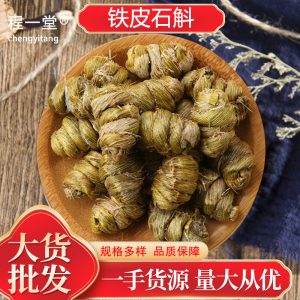
Tie Pi Shi Hu Dried Dendrobium Stems 500g Huoshan Fengdou for Soup and Tea
Price range: $35.88 through $108.80 -
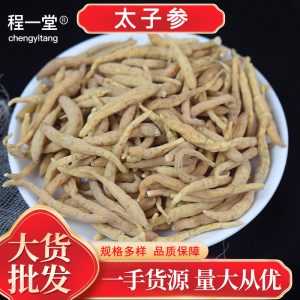
Taizishen Dried Pseudostellaria Root TCM Herbal Tea and Soup Ingredient 500g Bulk Pack
Price range: $10.28 through $15.63 -

Dried Raspberry Fruit Fu Pen Zi Whole Berries for Herbal Tea and Wine Infusion 500g
Price range: $15.63 through $18.06 -
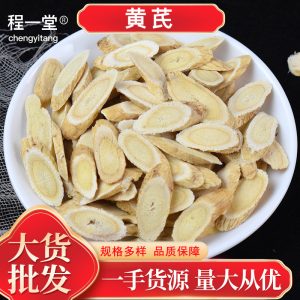
Astragalus Root Slices Huang Qi 斜片 Dried Herb for Decoction Soup and Tea 500g
Price range: $6.06 through $19.51
Reviews
There are no reviews yet.