
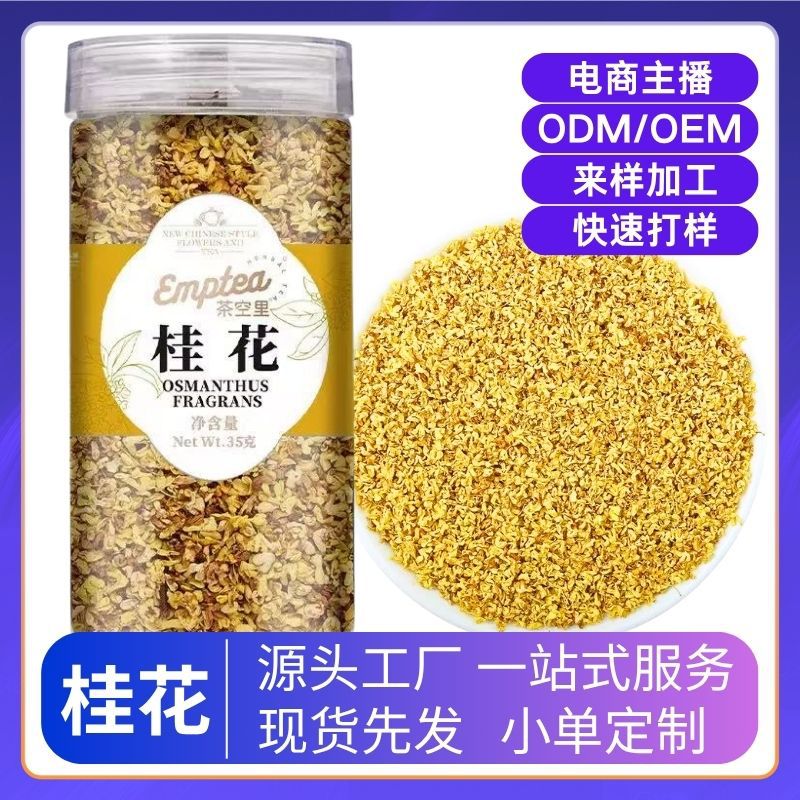
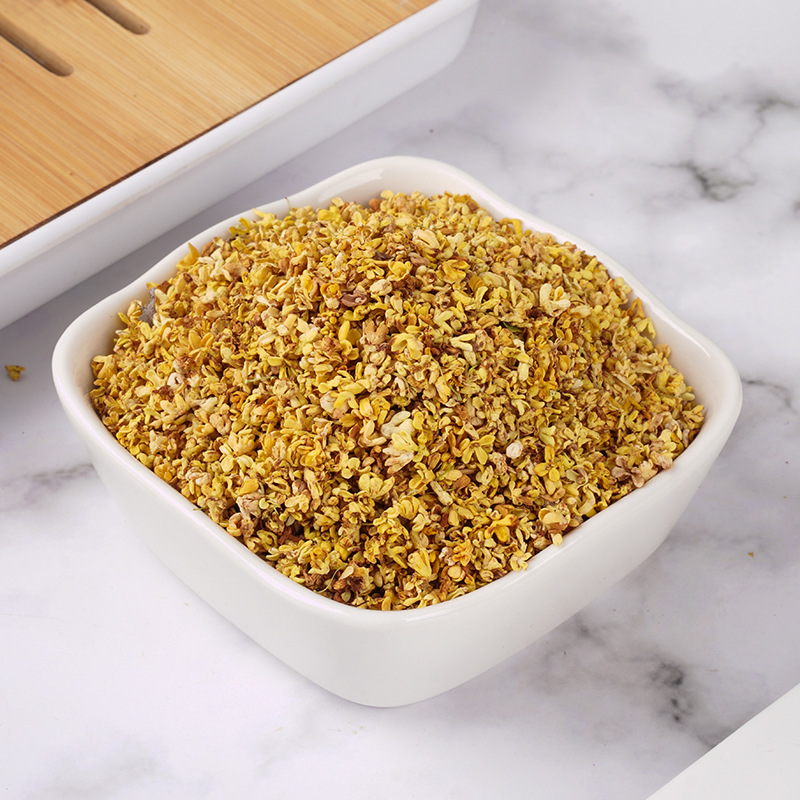
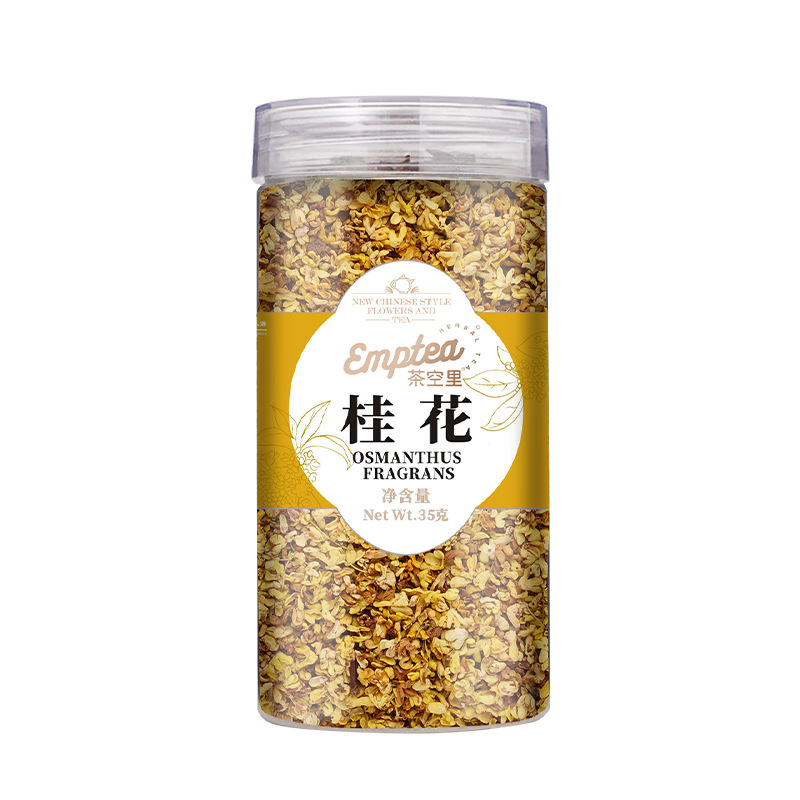
Osmanthus Flower Tea (Osmanthus fragrans) — Dried Sulfur-Free Gui Hua Blossoms, 35g Jar
$6.06
1905 in stock
Description
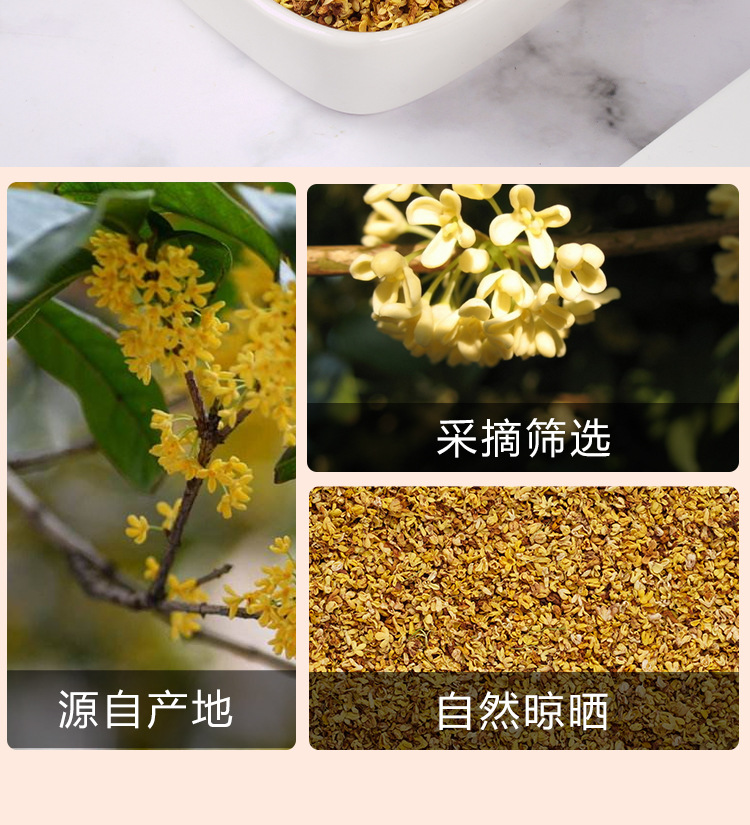
Osmanthus Flower Tea (Osmanthus fragrans) is the dried blossom of the beloved fragrant tree known in Traditional Chinese Medicine (TCM) as Guì Huā (桂花). For centuries, Gui Hua has been prized as a warming, qi-harmonizing flower used to lift the spirit, soothe the middle burner, and lend its honeyed fragrance to teas, desserts, and seasonal tonics. Its nature is warm and its flavor is pungent and sweet, making it a gentle yet aromatic herb for warming the Stomach, dispersing stagnation, and refreshing the senses.

Key Selling Points
- Sulfur-free dried Osmanthus blossoms
- Traditional warming, qi-harmonizing flower
- Osmanthus fragrans, food-herb ingredient
- Cold-brew friendly for iced floral tea
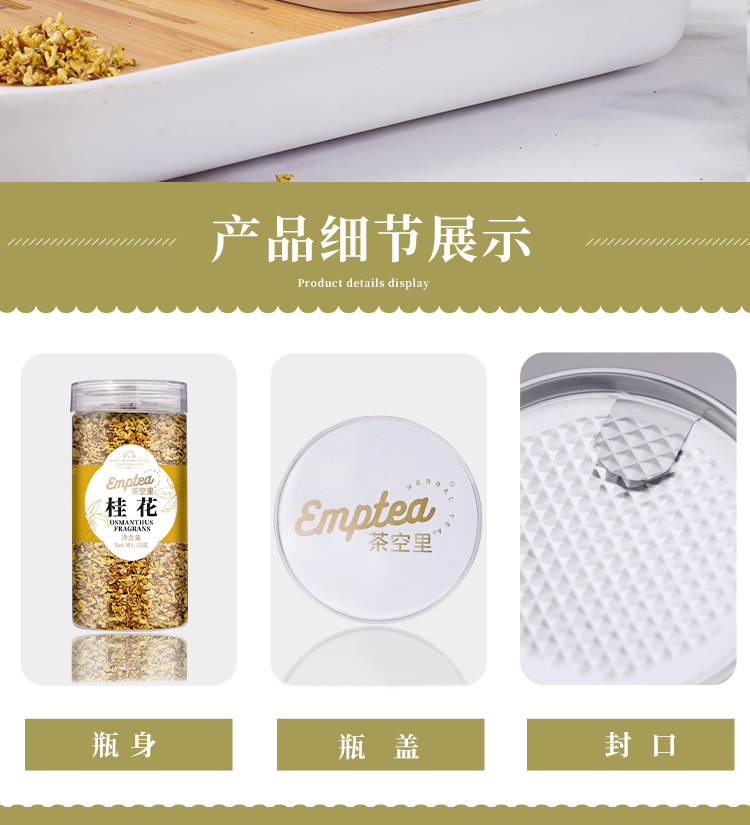
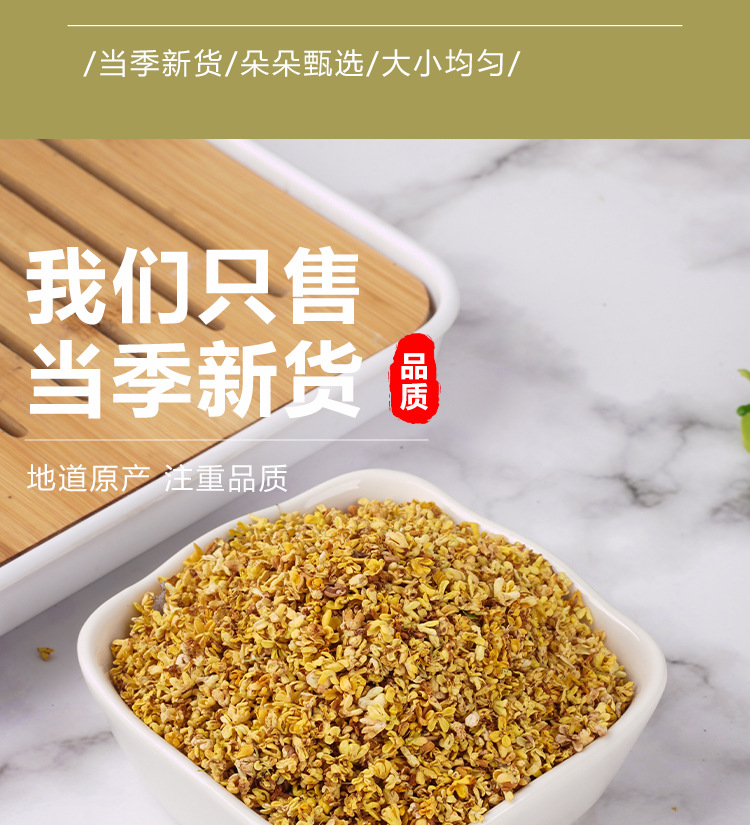
- Sealed 35g jar, new-crop freshness


Quality & Sensory
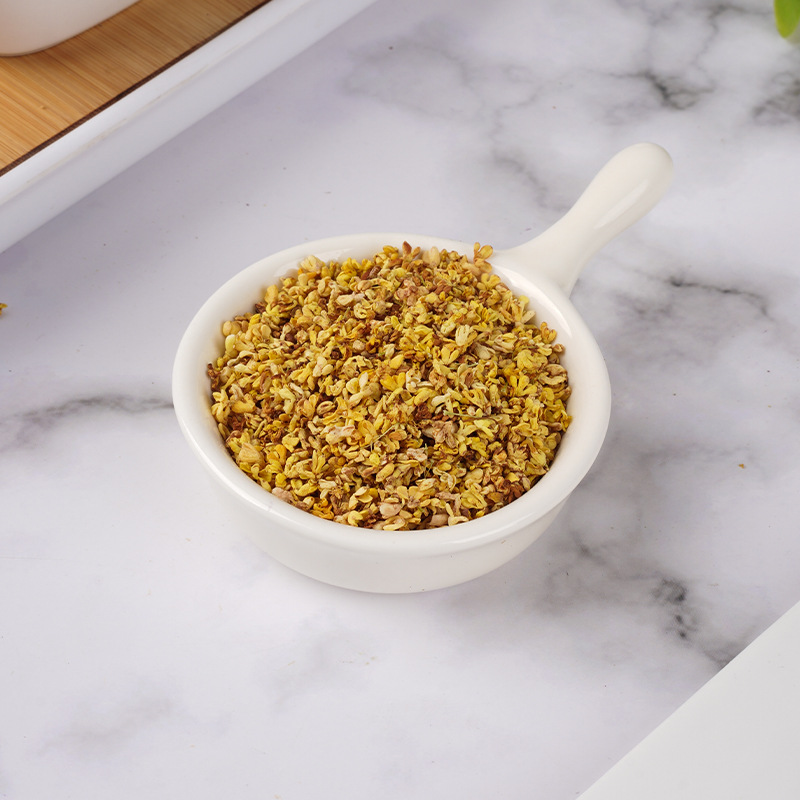
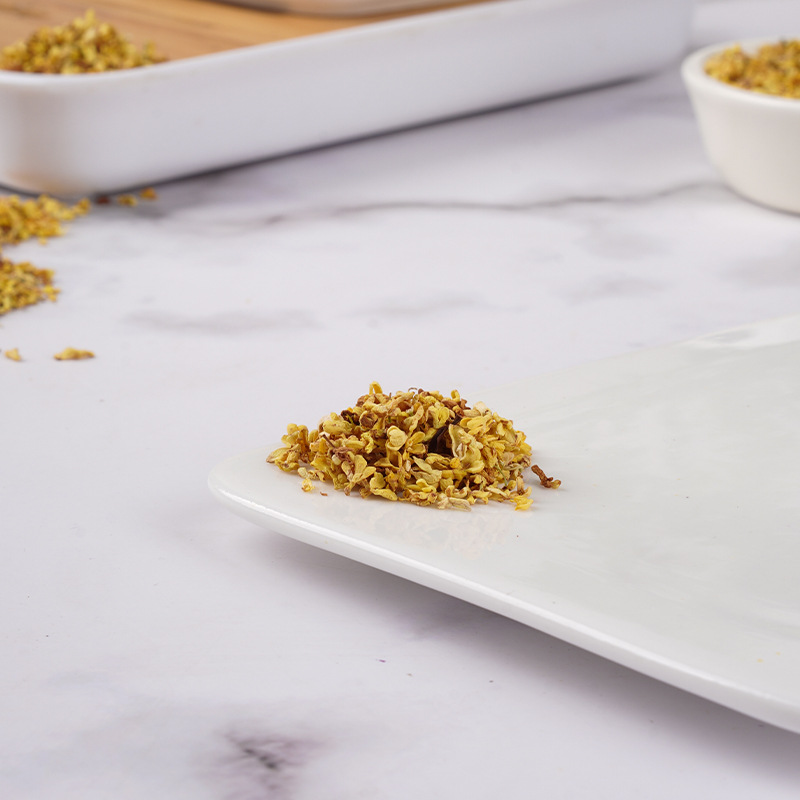
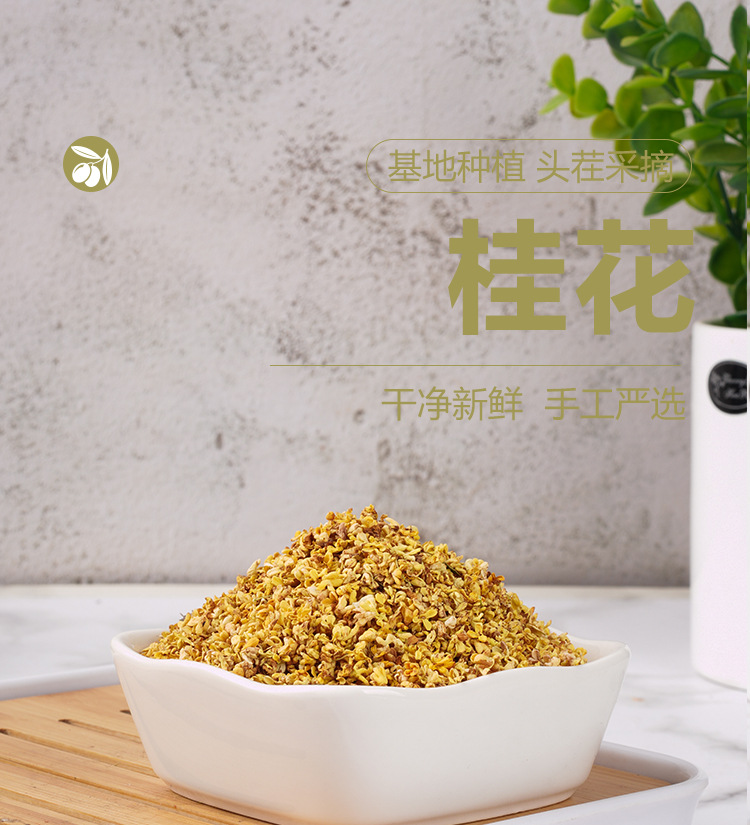
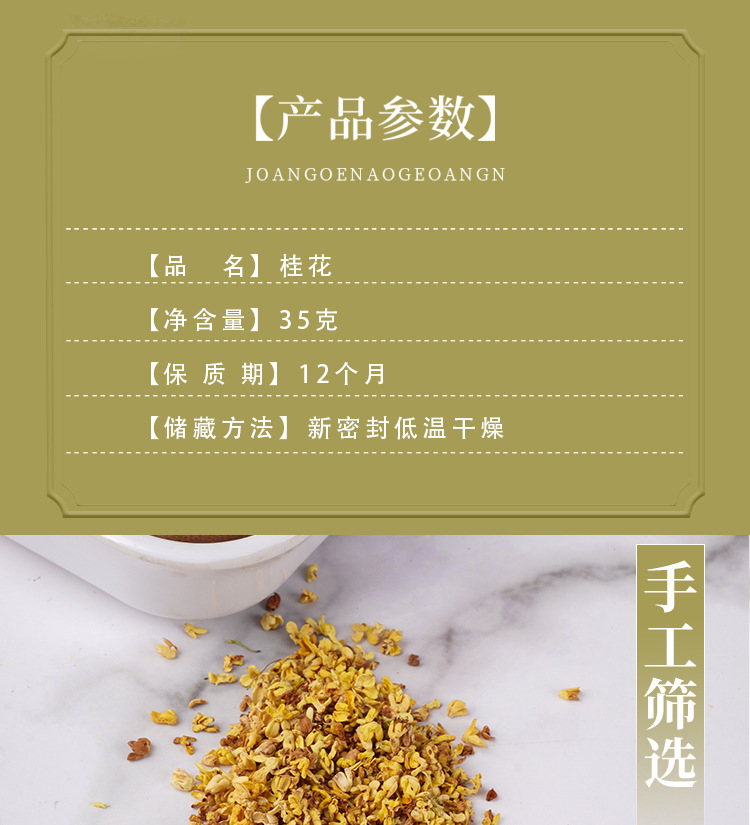
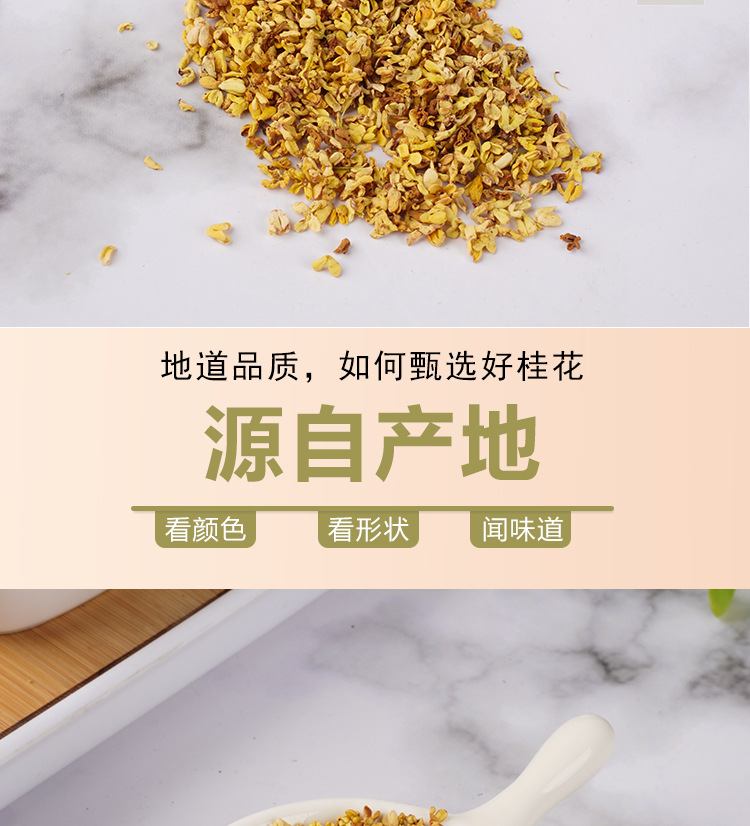
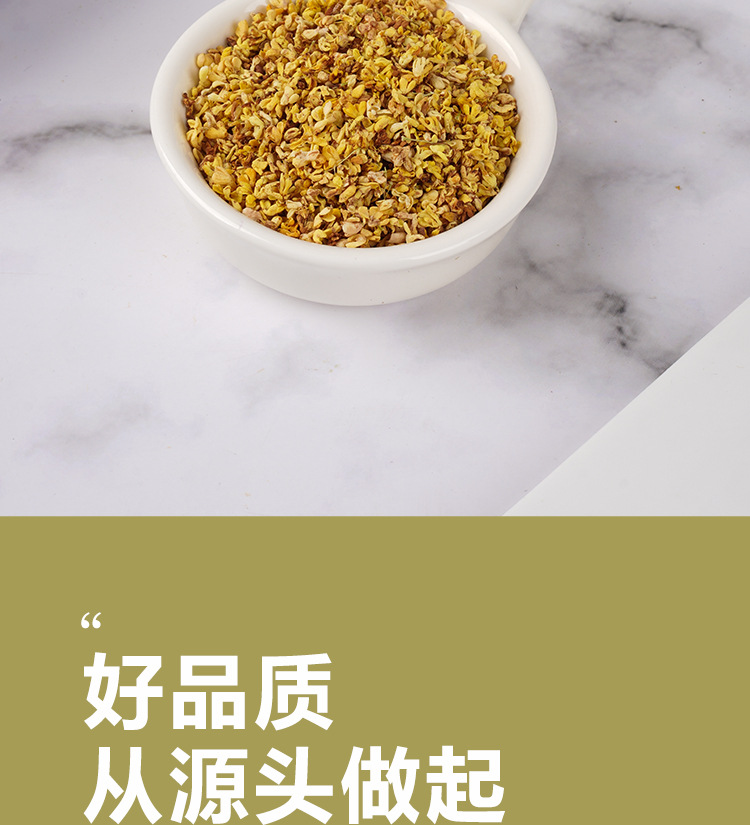
Each batch is gently dried to preserve the blossoms' golden-amber hue, delicate petal shape, and soft, papery texture. The aroma is sweet, honeyed, and unmistakably floral, with a warm apricot-like note. When brewed, whether hot or cold, the petals release a smooth, lightly sweet infusion with a lingering fragrance and no bitterness, and the natural sugars of the flower itself carry the taste without any added sweetener.
Technical Specifications
| Product Type | Dried Flower Tea |
|---|---|
| Common Name | Gui Hua (Osmanthus Flower) |
| Botanical Name | Osmanthus fragrans |
| Net Content | 35g per jar |
| Origin | Anhui, China |
| Shelf Life | 12 months |
Usage Scenarios
- Hot floral tea, brewed alone or blended
- Cold-brew iced Osmanthus tea
- Osmanthus and green tea or oolong blends
- Topping for congee, desserts, and pastries
- Seasonal autumn tea rituals
Traditional Uses
In folk herbal practice, Gui Hua is steeped as a daily fragrant tea, blended with green tea or oolong, and simmered into sweet soups, congee, and osmanthus wine. It is a classic autumn flower in Chinese food culture, paired with ingredients like goji berry, jujube, and rock sugar, and often added to lotus root soup or rice cakes to warm the middle and brighten the aroma of a dish.

FAQ Q&A
Q: What is Osmanthus Flower Tea?
A: It is the dried blossom of Osmanthus fragrans, known in Chinese as Gui Hua. It is a traditional food-herb flower used as a fragrant tea and culinary ingredient.
Q: What is the traditional wellness value of Gui Hua?
A: In traditional Chinese food wellness culture, Gui Hua is associated with warming the Stomach, harmonizing qi, and dispersing stagnation. It is enjoyed as a gentle daily tea for its aroma and comforting warmth.
Q: How do I brew Osmanthus Flower Tea?
A: Add a small pinch of blossoms to hot water and steep for 2 to 3 minutes, or cold-brew in chilled water for several hours. It can also be blended with green tea, oolong, or added to congee and desserts.

Additional information
| Weight | 0.3 kg |
|---|---|
| Dimensions | 10 × 10 × 13.5 cm |
Related products
-
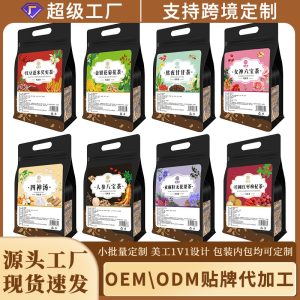
Four Gods Soup Tea Bags (Fu Ling, Shan Yao, Qian Shi, Lian Zi) — Si Shen Tang Herbal Tea, 5g x 50 Pyramid Sachets
Price range: $4.25 through $5.32 -
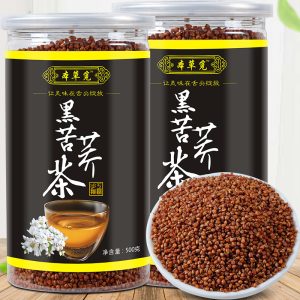
Black Tartary Buckwheat Tea (Fagopyrum tataricum) — Roasted Whole-Plant Herbal Tea, 500g Can
$4.85 -
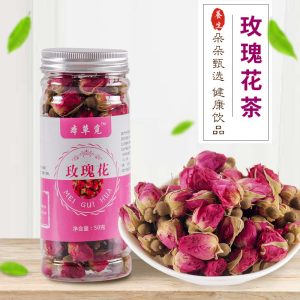
Pingyin Rose Bud Tea (Rosa rugosa) — Double-Petal Dried Rosebuds, Sulfur-Free, 50g
$4.44 -
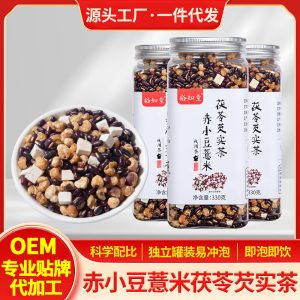
Three-Steam Three-Sun Red Bean Poria Coix Tea (330g) — Roasted Herbal Blend with Euryale
Price range: $5.50 through $9.79
Reviews
There are no reviews yet.