
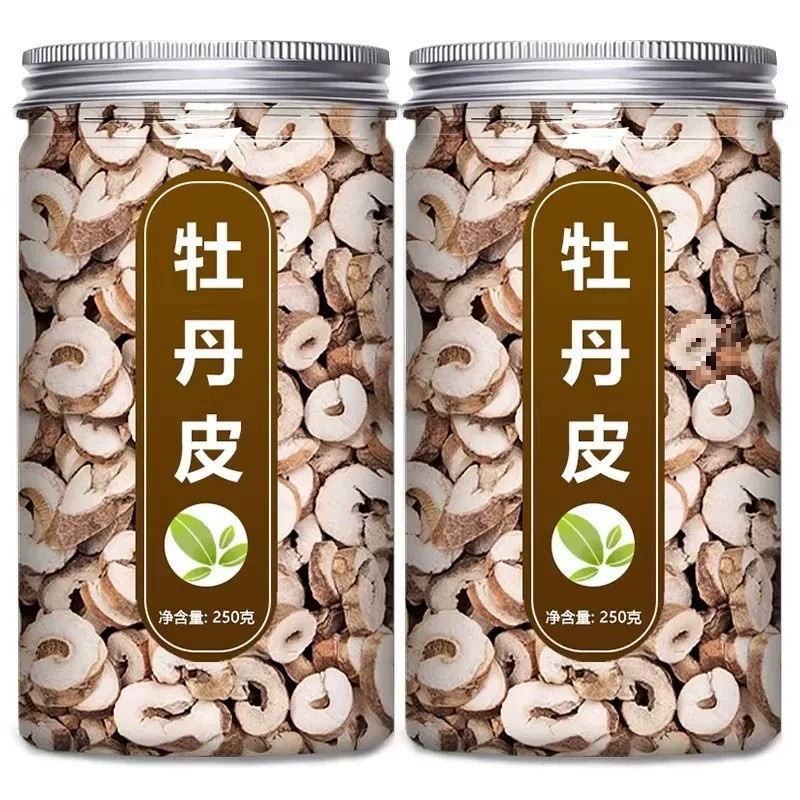
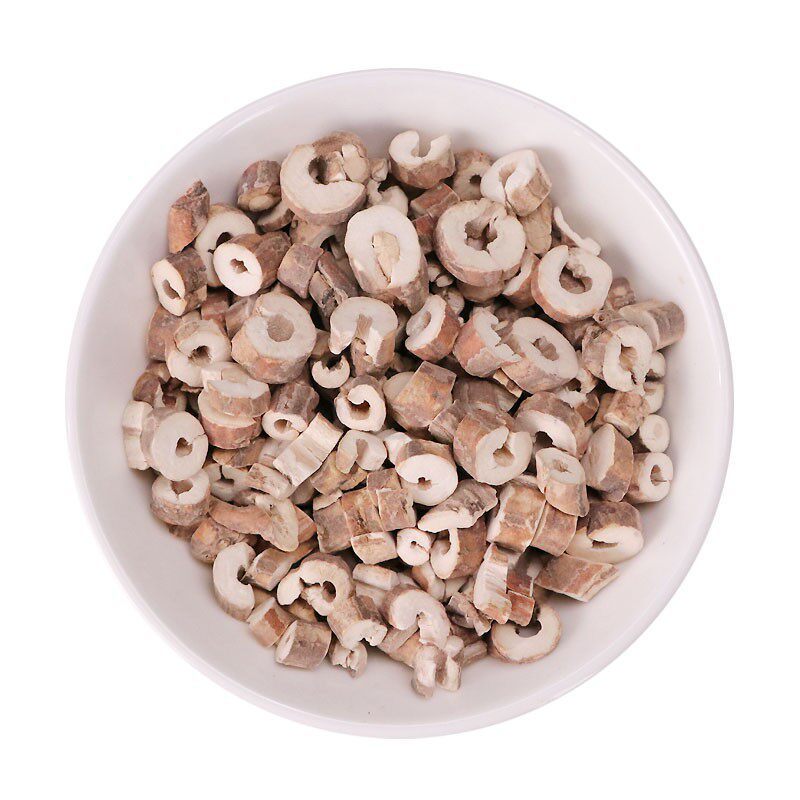
Mudan Pi Tree Peony Root Bark Slices Aged Root Core Removed for Herbal Tea and Decoction 500g x 2 Jars
Price range: $6.15 through $14.51
Description
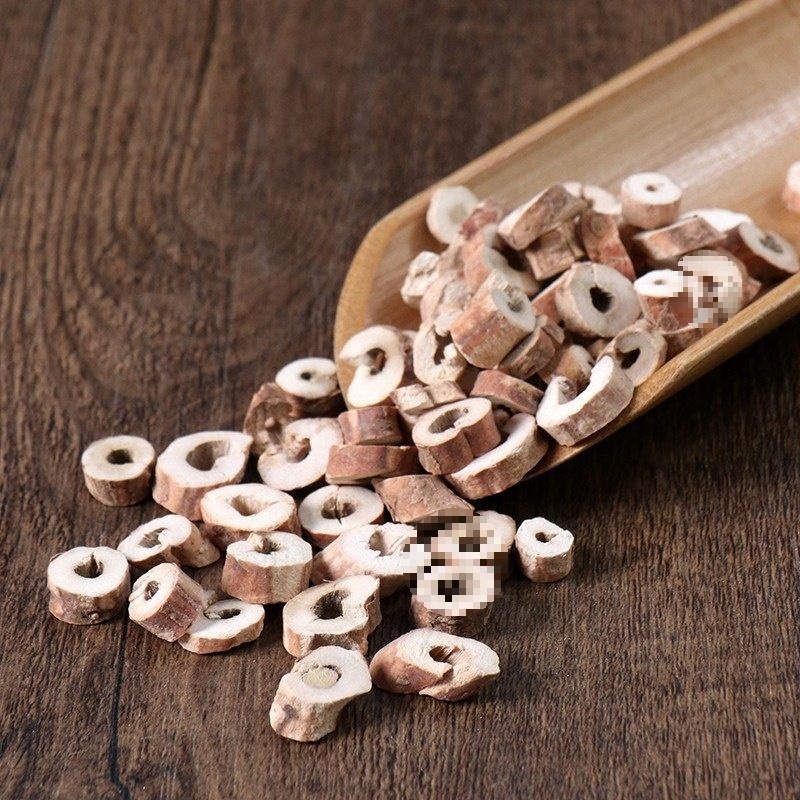
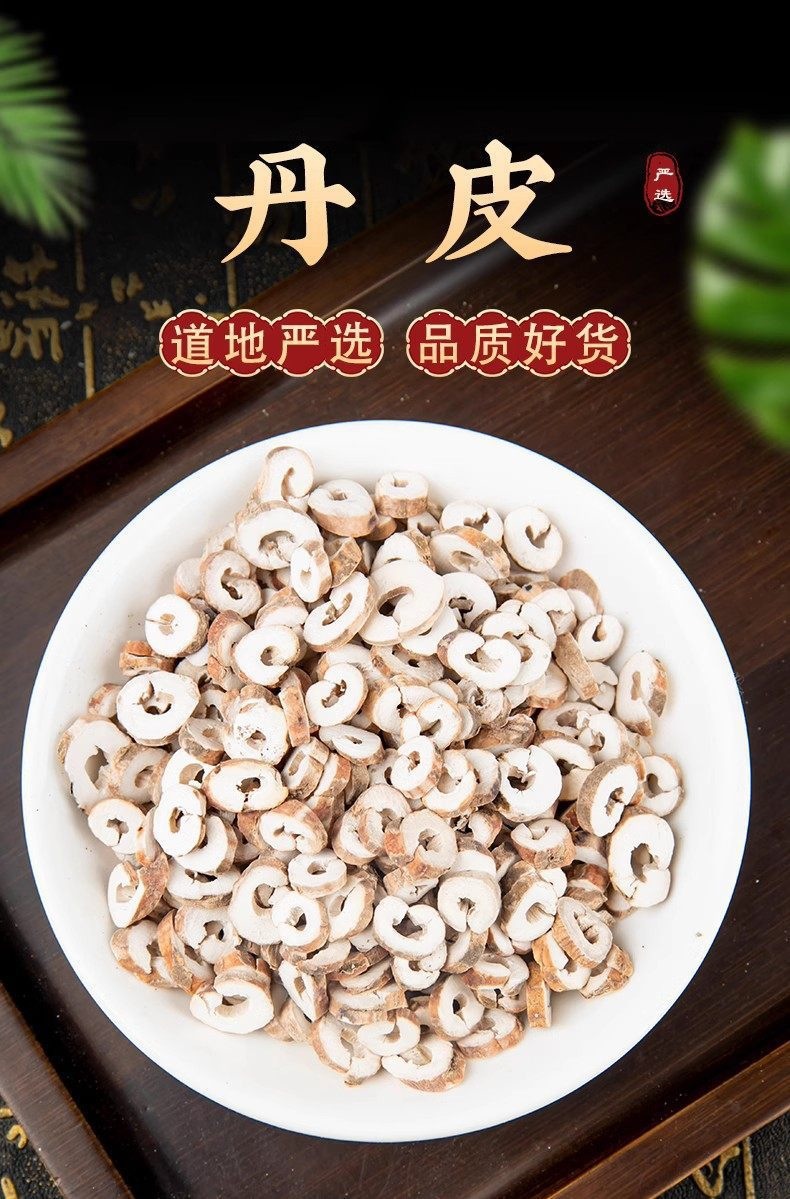
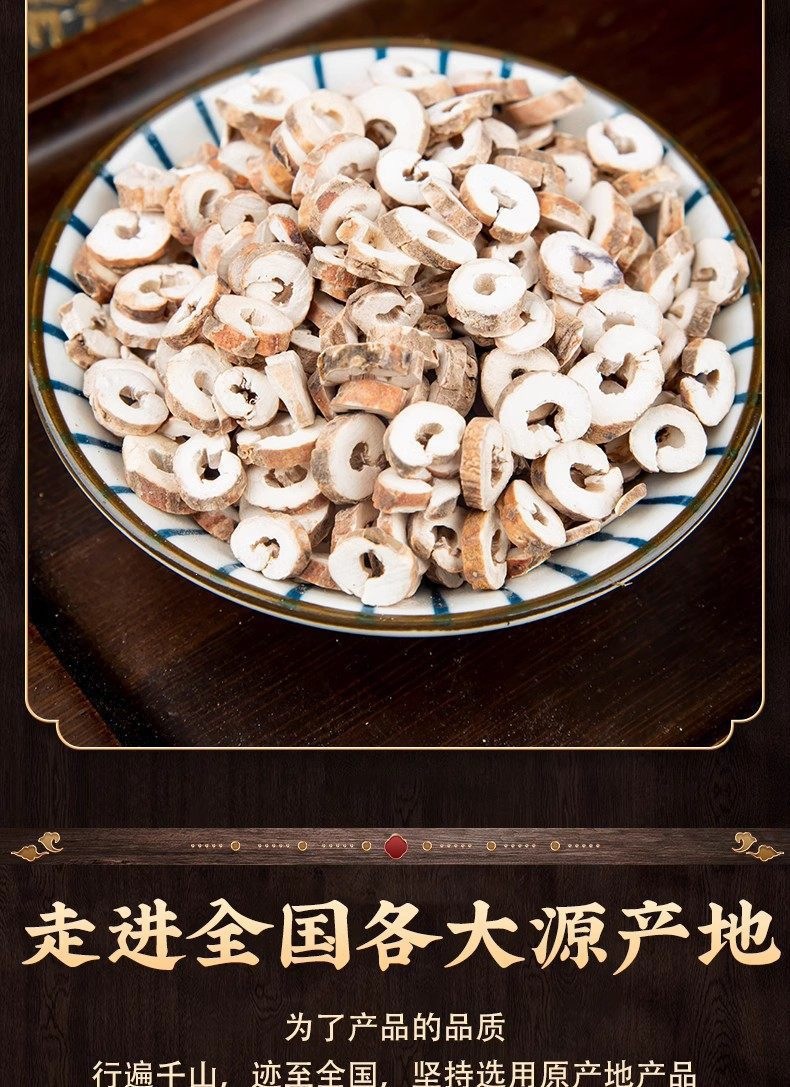
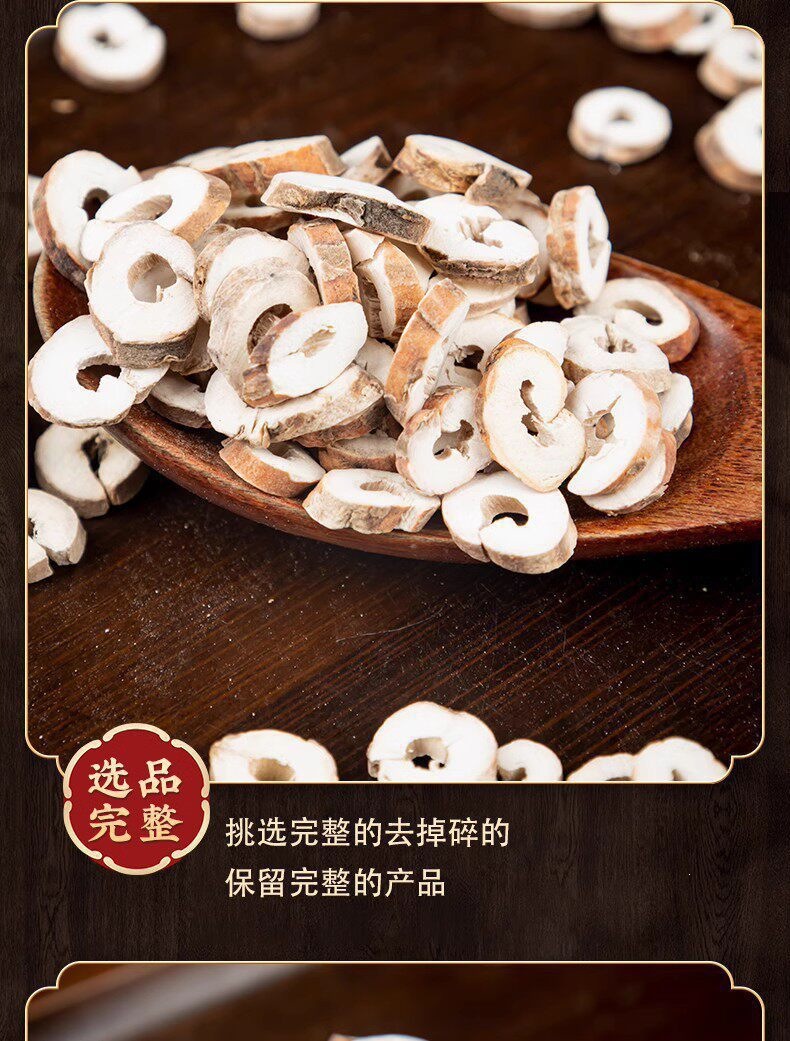
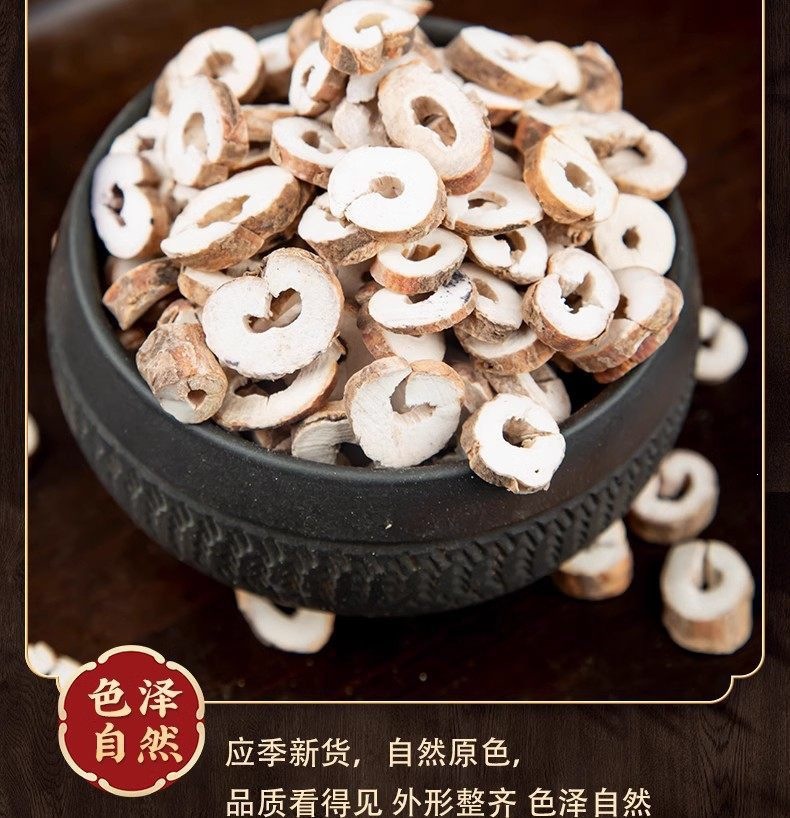
Dried Tree Peony Root Bark slices, known in TCM as Mu Dan Pi (牡丹皮), from Paeonia suffruticosa. This aged-root decoction piece has the outer bark removed and the core extracted, yielding clean pale slices. In TCM theory it is traditionally considered cool in nature with a bitter, pungent flavor and associated with the Heart, Liver, and Kidney channels. Traditionally used in decoctions and infusions, it is a classic herb in Chinese herbal formulas.
Key Selling Points
- Identified as Mu Dan Pi (牡丹皮), the dried root bark of Paeonia suffruticosa
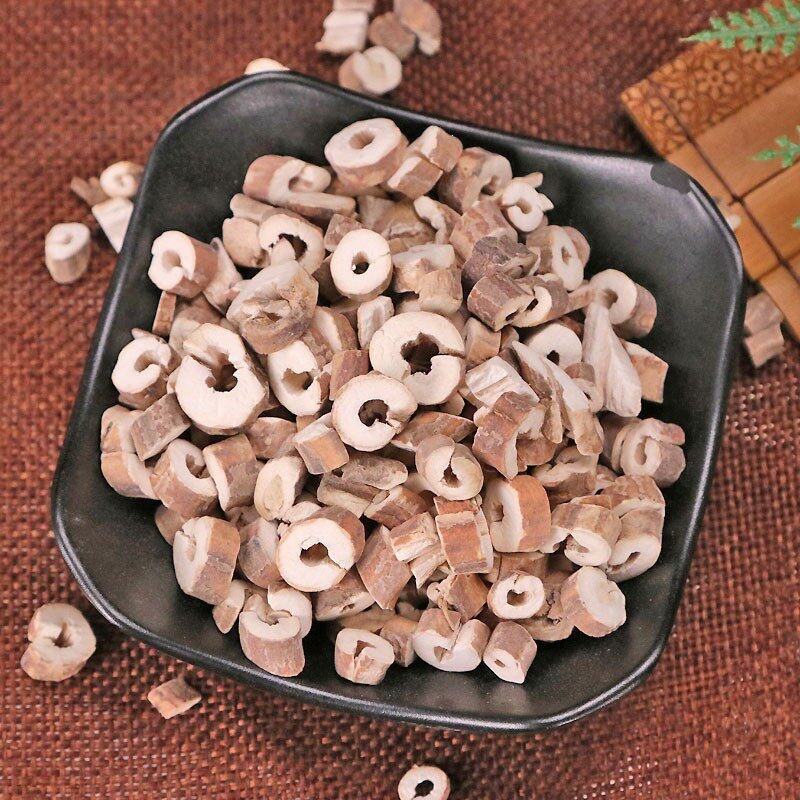
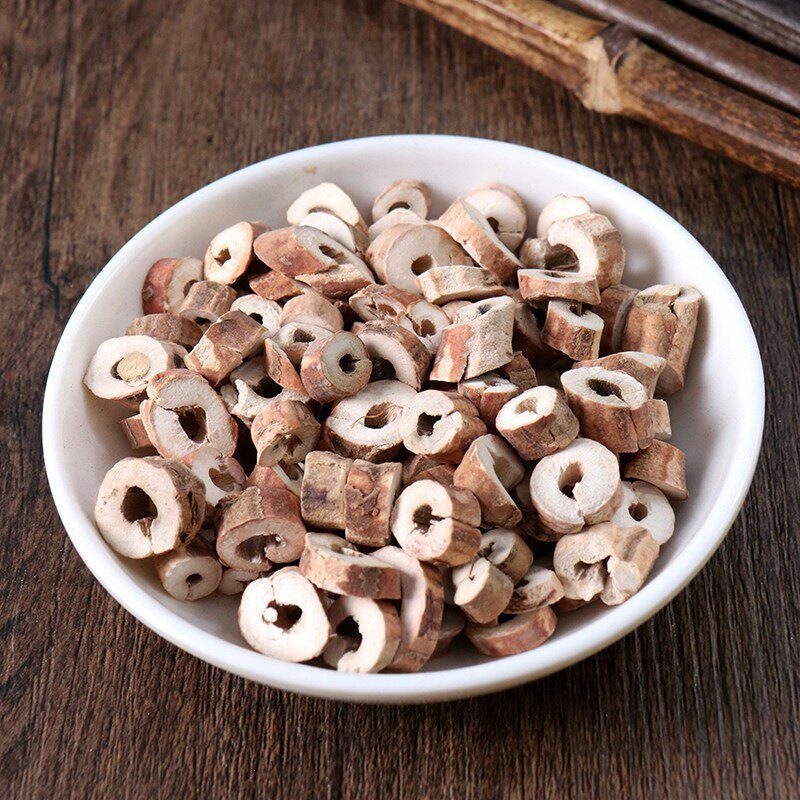
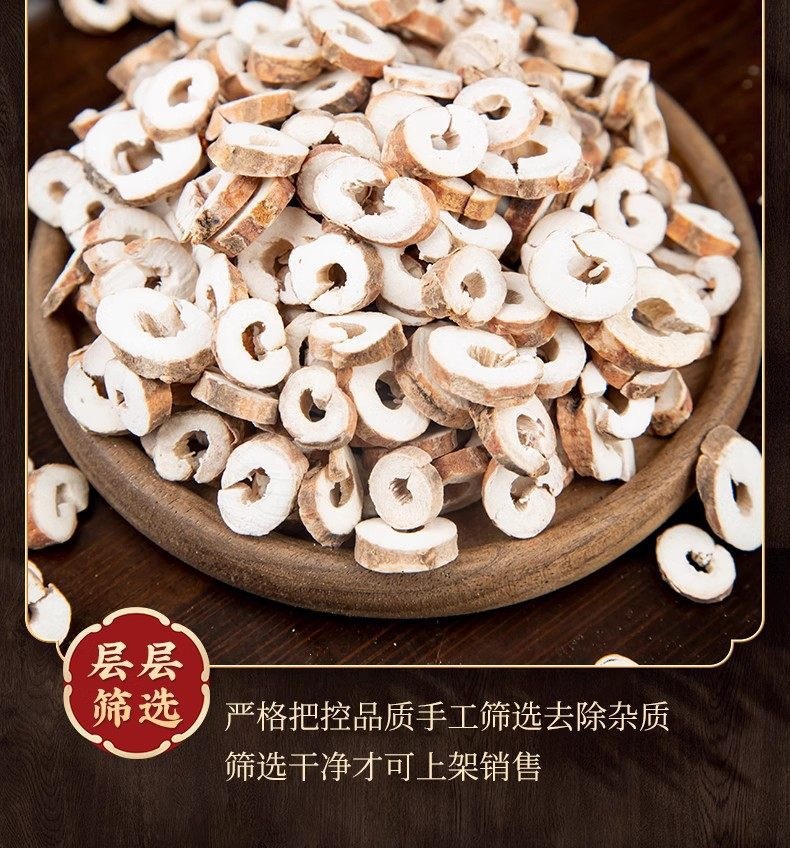
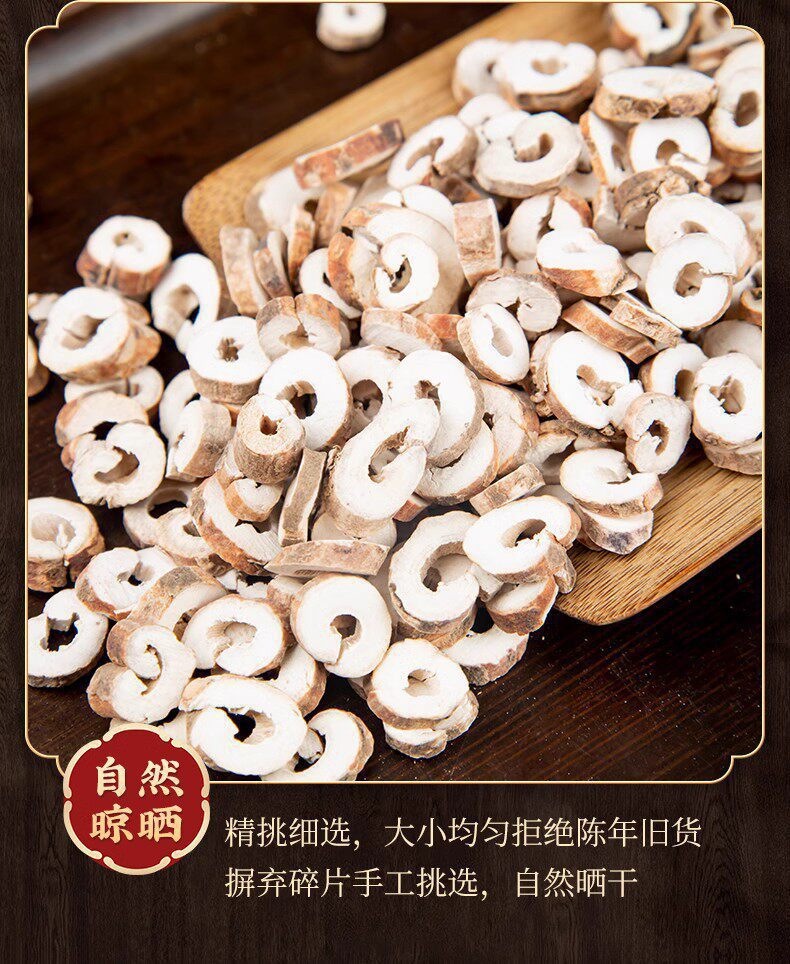
- Aged mature root slices with outer bark removed and inner core extracted
- Clean pale decoction pieces suited to brewing and simmering
- Traditionally considered cool in nature with bitter and pungent flavor
- Packed as two 500g jars for regular herbal preparation
Quality & Sensory
The slices are typically pale greyish-white to light tan with a firm, slightly fibrous texture. They have a mild earthy, faintly bitter aroma. When brewed or simmered, the liquid is typically light amber with a gently bitter, slightly pungent taste. Color and aroma may vary slightly between batches.
Technical Specifications
| Product Type | Dried herbal decoction pieces |
|---|---|
| Chinese Name | 牡丹皮 |
| Pinyin | Mu Dan Pi |
| Botanical Name | Paeonia suffruticosa |
| Plant Part | Root bark |
| Net Weight | 500g x 2 jars |
Usage Scenarios
- Simmered in traditional herbal decoctions
- Brewed as a simple herbal infusion
- Added to herbal soups and stews
- Combined with other decoction pieces in classic formulas
Traditional Uses
In TCM theory, Mu Dan Pi is traditionally used in decoctions alongside herbs such as Sheng Di Huang, Chi Shao, or Fu Ling. It is commonly simmered with other decoction pieces for 20 to 30 minutes. Folk practice also adds it to seasonal herbal soups and congee. It is traditionally associated with cooling and blood-moving properties in formula design.
FAQ Q&A
Q: What is this product?
A: It is dried Tree Peony Root Bark, known in TCM as Mu Dan Pi (牡丹皮), from Paeonia suffruticosa. The slices come from aged root with the outer bark removed and the core extracted.
Q: What is its traditional value?
A: In TCM theory it is considered cool in nature with a bitter, pungent flavor and is associated with the Heart, Liver, and Kidney channels. It is traditionally used in herbal formulas rather than as a stand-alone remedy.
Q: How is it commonly prepared?
A: It is typically simmered in water with other decoction pieces or brewed as a simple infusion. It can also be added to herbal soups. Follow the guidance of a qualified practitioner for formula use.
Additional information
| Weight | N/A |
|---|---|
| Dimensions | N/A |
| Model | 老根抽芯 牡丹皮100g 1罐, 老根抽芯 牡丹皮250g 1罐, 老根抽芯 牡丹皮500g 1罐, 老根抽芯 牡丹皮500g 2罐 |
Related products
-

Cabinda Bark Dried Herb 500g Traditional Herbal Infusion Ingredient
Price range: $12.38 through $37.50 -
Dried Polygala Root Yuan Zhi 500g Traditional Chinese Herb for Decoction
Price range: $18.87 through $24.54 -
Dried Hawthorn Slices Shan Zha 500g Seedless Hollow Rings Freeze Dried Hawthorn for Tea and Culinary Use
Price range: $4.44 through $7.04 -
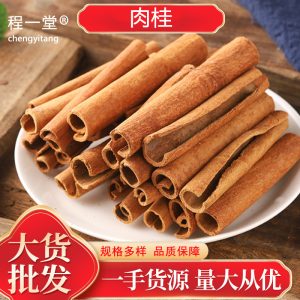
Dried Cinnamon Bark Rou Gui 500g Whole Peeling Culinary Spice and Traditional Herbal Ingredient
Price range: $5.58 through $8.33
Reviews
There are no reviews yet.