
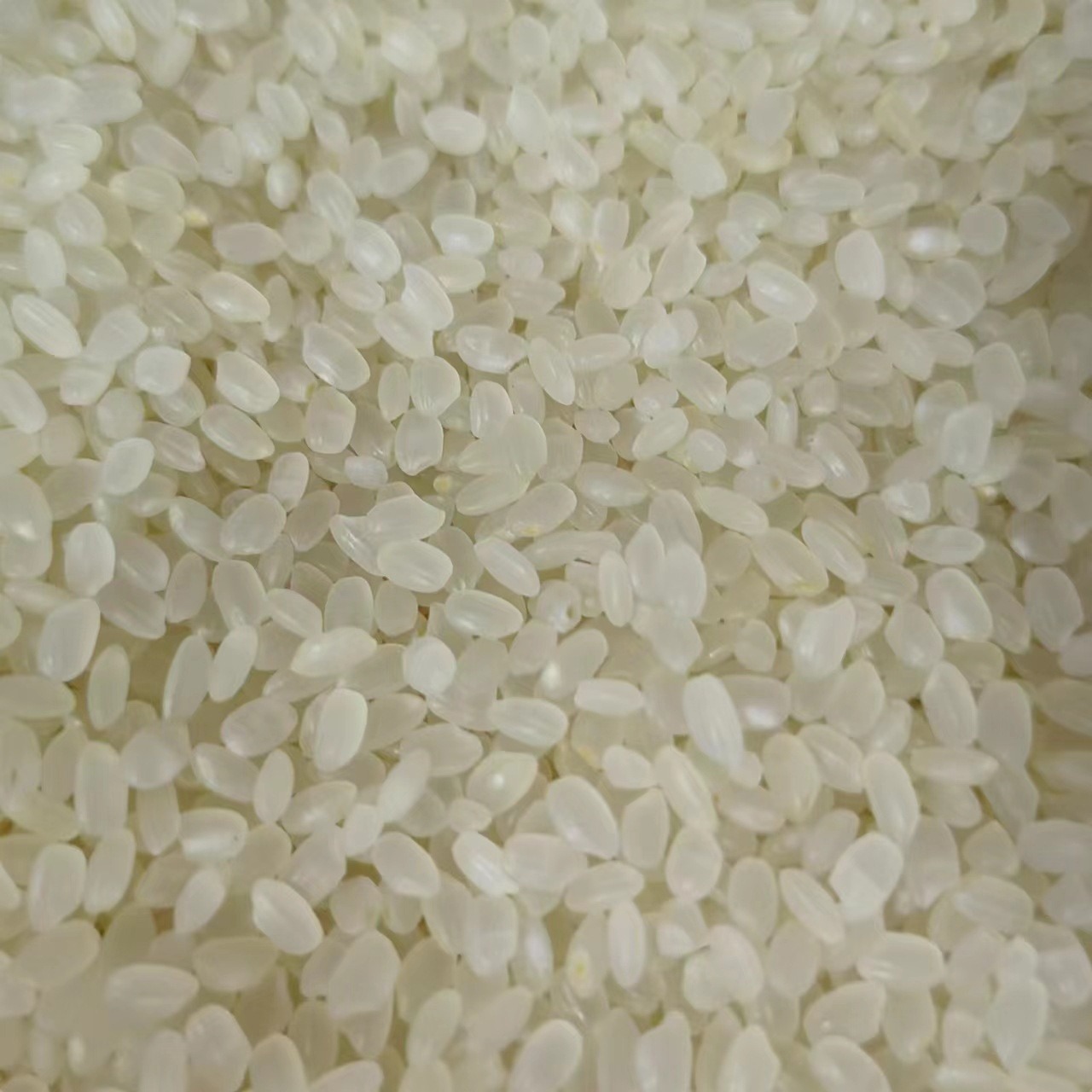
Japonica Rice (Oryza sativa japonica) — Dried Whole Grain for Congee & Herbal Soups
$4.75
9999888 in stock
Description
Japonica Rice (Oryza sativa japonica) is the dried, hulled whole grain of a traditional staple cereal known in Traditional Chinese Medicine (TCM) as Jīng Mǐ (粳米). Long prized as a gentle, spleen-supporting food grain, Jing Mi has been used for centuries in congee, medicinal soups, and restorative daily meals. Its nature is sweet and neutral, making it a mild yet deeply nourishing grain for harmonizing the middle burner and supporting digestive comfort.

Key Selling Points
- Traditional spleen-supporting food grain
- Dried whole Japonica rice
- Oryza sativa japonica
- Suitable for congee, soups, and daily meals
- Clean, sun-dried quality
Quality & Sensory
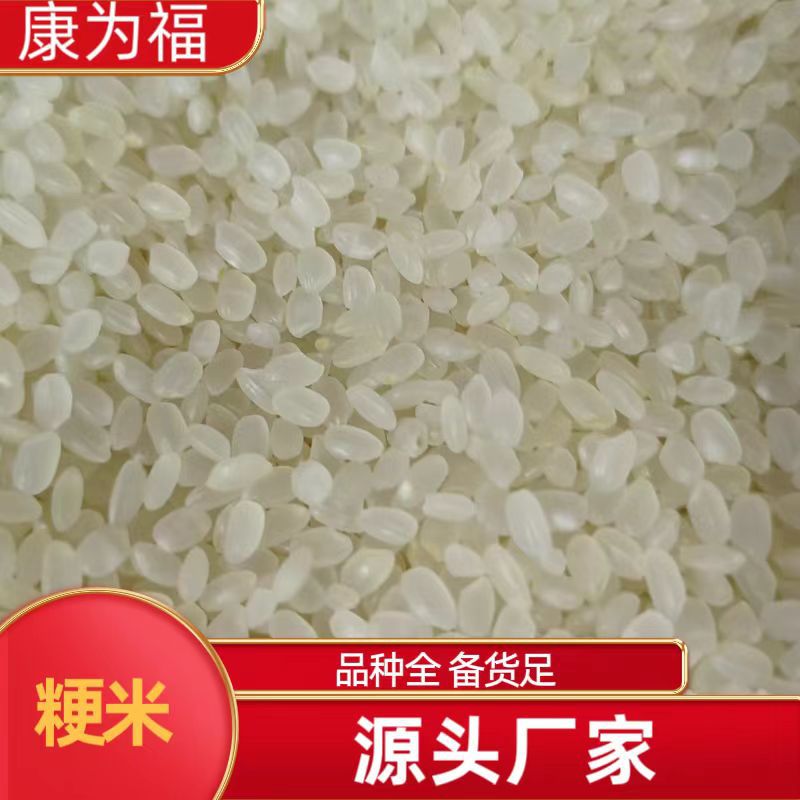
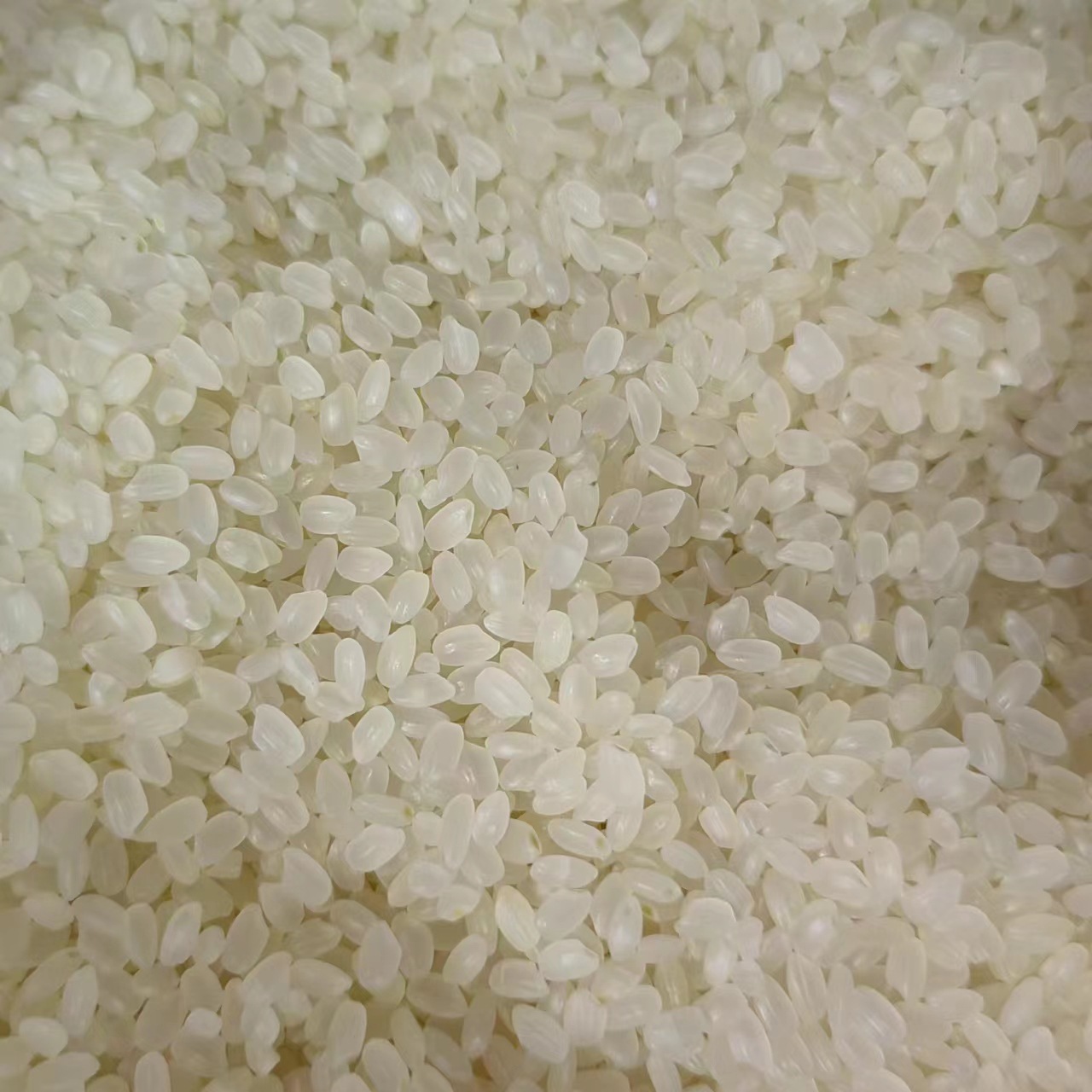
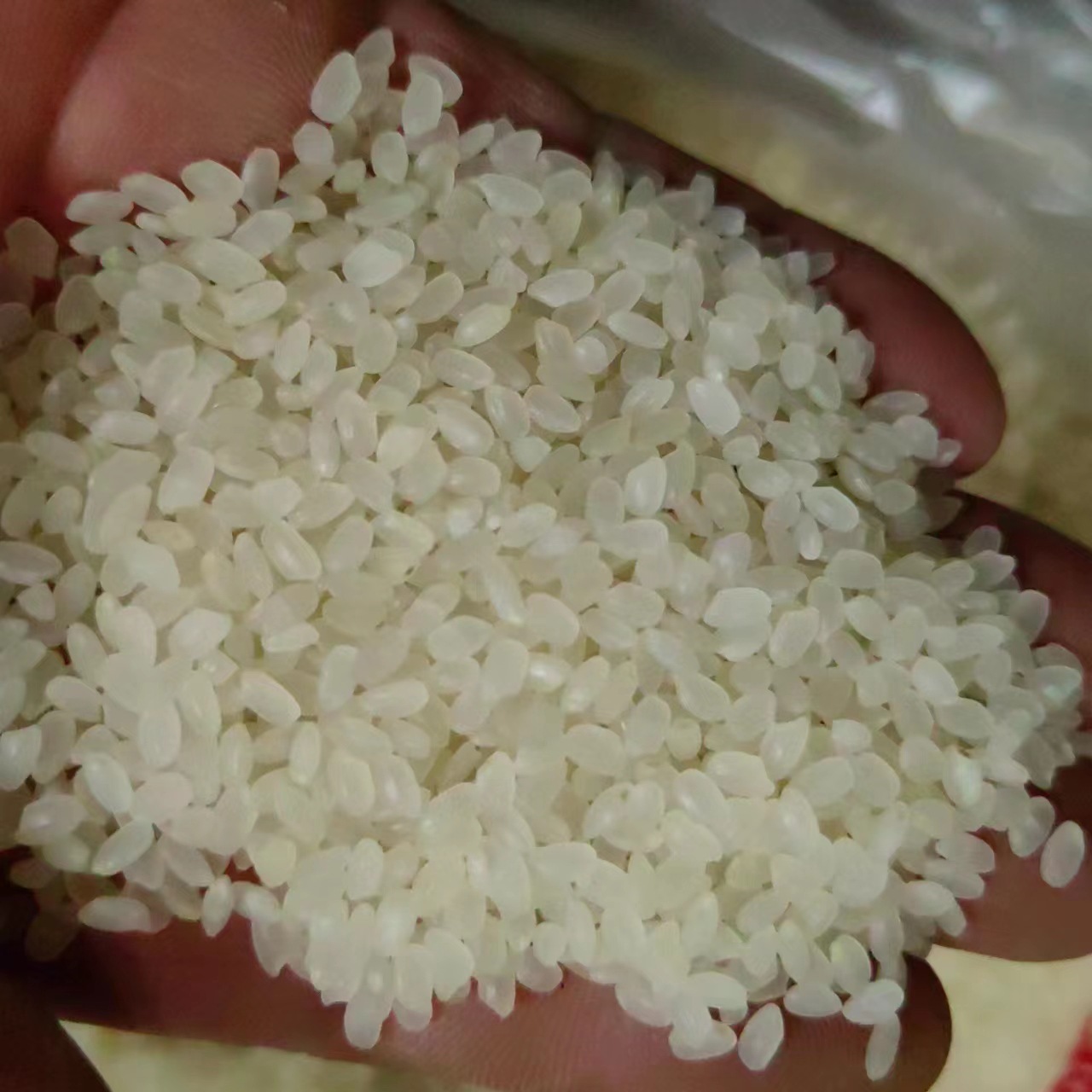
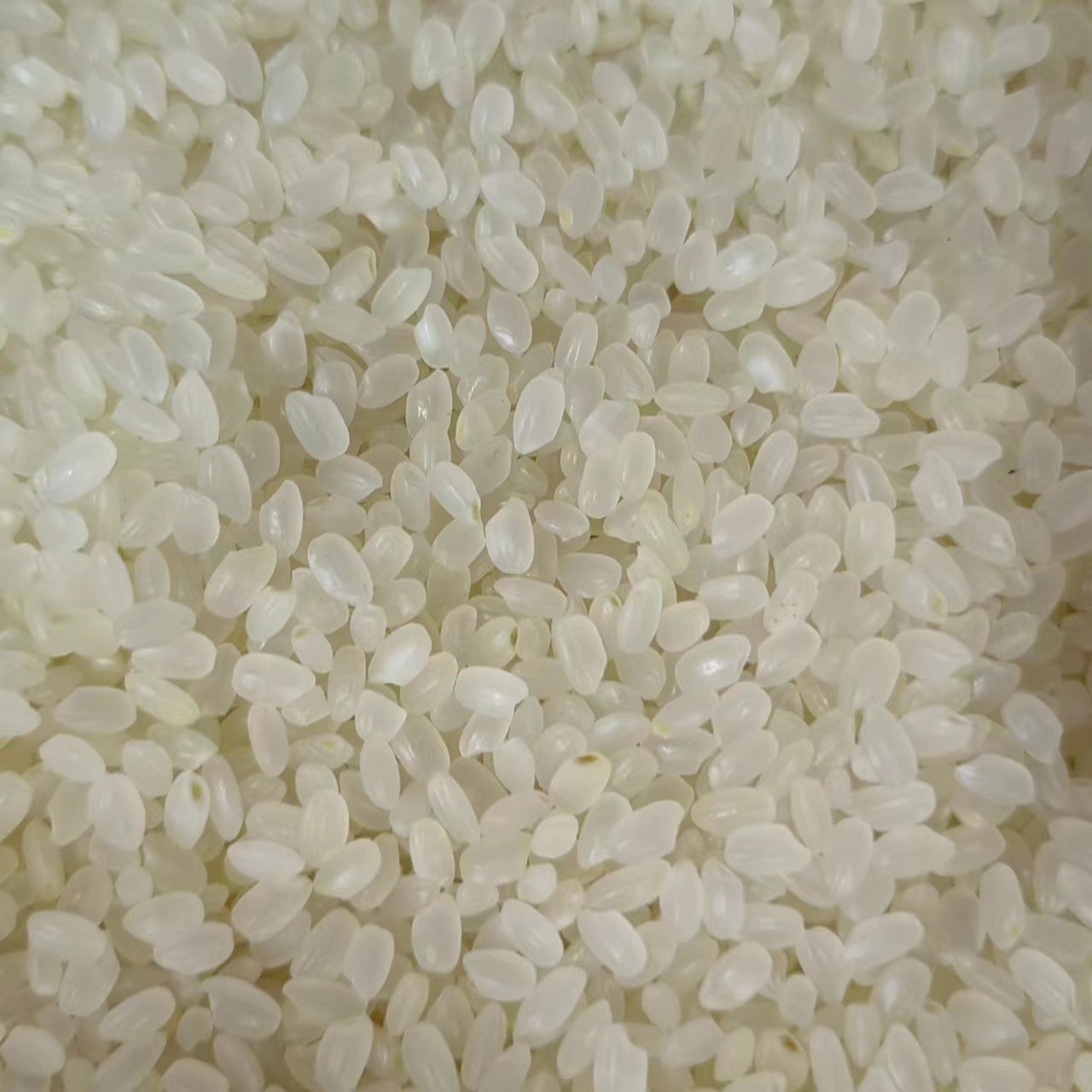
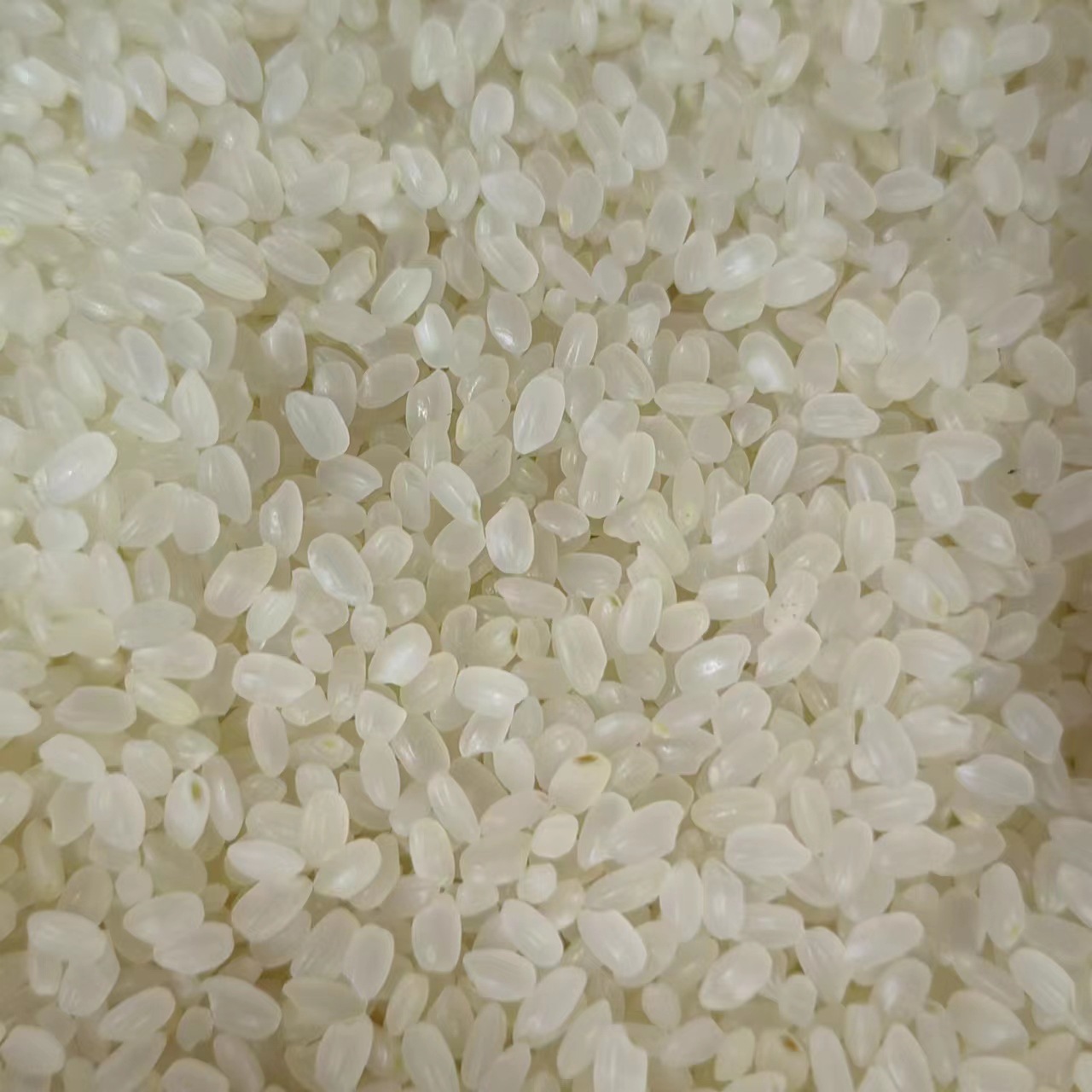
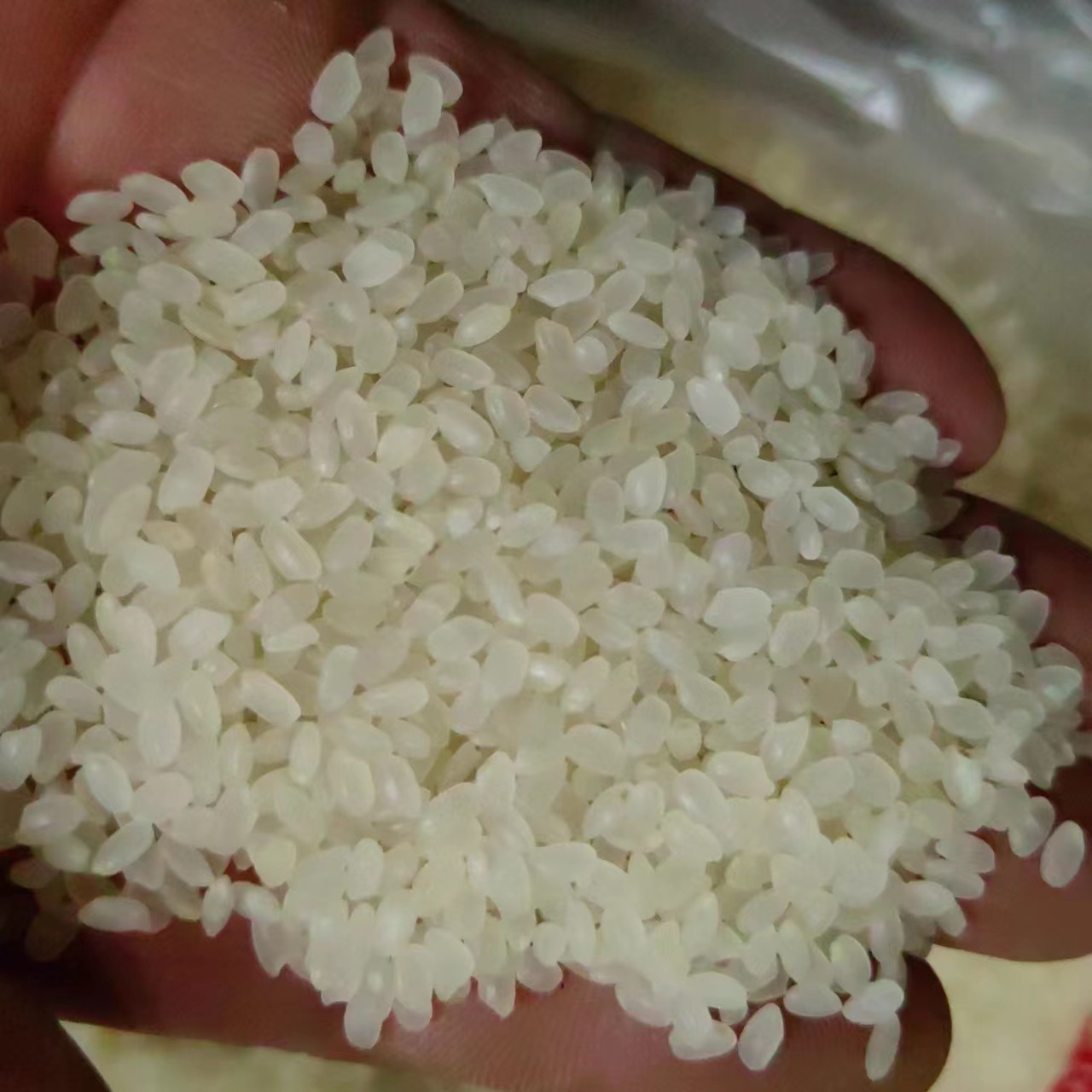
Each batch is carefully sun-dried to preserve its plump, translucent ivory grains and clean, mild grain aroma. When simmered, the rice softens into a creamy, gently sweet congee with a smooth, comforting mouthfeel, releasing a subtle starchy fragrance that blends well with other ingredients.
Technical Specifications
| Product Type | Dried Whole Grain |
|---|---|
| Common Name | Jing Mi |
| Botanical Name | Oryza sativa japonica |
| Form | Whole Dried Grain |
| Primary Use | Congee and Soup Ingredient |
| Processing | Sun-Dried |


Usage Scenarios
- Chinese-style congee and porridge
- Medicinal soup and broth
- Daily staple meals
- Herbal food-therapy blends
- Soup-pack ingredient
Traditional Uses
In folk herbal practice, Jing Mi is simmered into congee, restorative soups, and gentle daily tonics to support digestive comfort and daily nourishment. It is a common base ingredient in medicinal congee, where it pairs with ingredients like Chinese yam, lotus seed, and jujube. As a daily food, it is cooked alone or blended with other grains for a light, mildly sweet meal.
FAQ Q&A
Q: What is Jing Mi?
A: Jing Mi is the common Chinese name for Japonica rice, the dried whole grain of Oryza sativa japonica. It is a traditional staple grain used in congee and soups.
Q: What is the traditional wellness value of Jing Mi?
A: In traditional Chinese food wellness culture, Jing Mi is associated with supporting the spleen and stomach, harmonizing the middle burner, and promoting digestive comfort. It is often used in congee and soups for daily nourishment.
Q: How do I use dried Jing Mi?
A: Rinse the grains and simmer them with water or soup ingredients to make congee or broth. Adjust the quantity to your recipe and taste preference.
Additional information
| Weight | 1 kg |
|---|---|
| Dimensions | 25 × 18 × 8 cm |
Related products
-
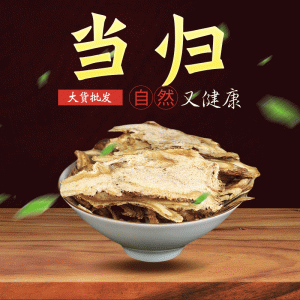
Dang Gui Slices (Angelica sinensis) — Gansu Minxian Dried Root Slices for Cooking & Tea
Price range: $4.44 through $20.49 -
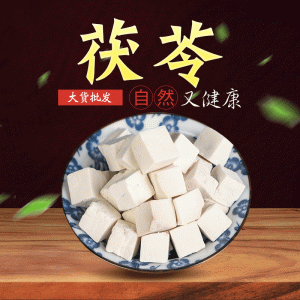
Fu Ling Blocks (Poria cocos) — Sulfur-Free Yuexi White Poria Diced Cubes, 500g
Price range: $5.58 through $6.88 -
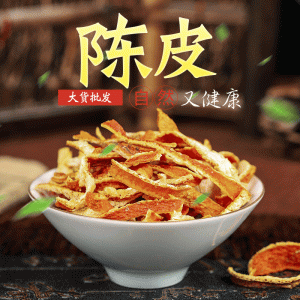
Chen Pi Shreds (Citrus reticulata) — Aged Dried Tangerine Peel, Unsulfured, 500g
$4.93 -
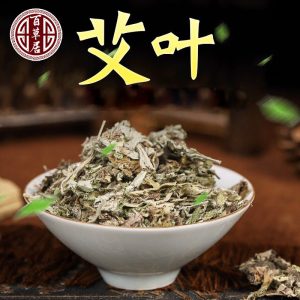
Dried Ai Ye (Artemisia argyi) — 3-Year Aged Qichun Mugwort Leaf, Unsulfured, 500g
Price range: $4.20 through $4.77
Reviews
There are no reviews yet.