
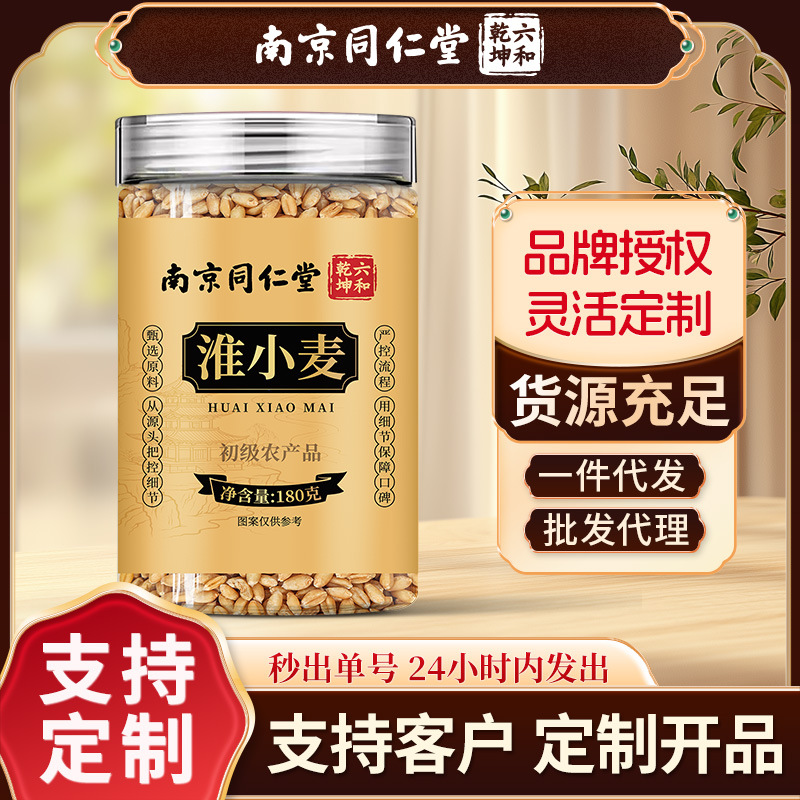
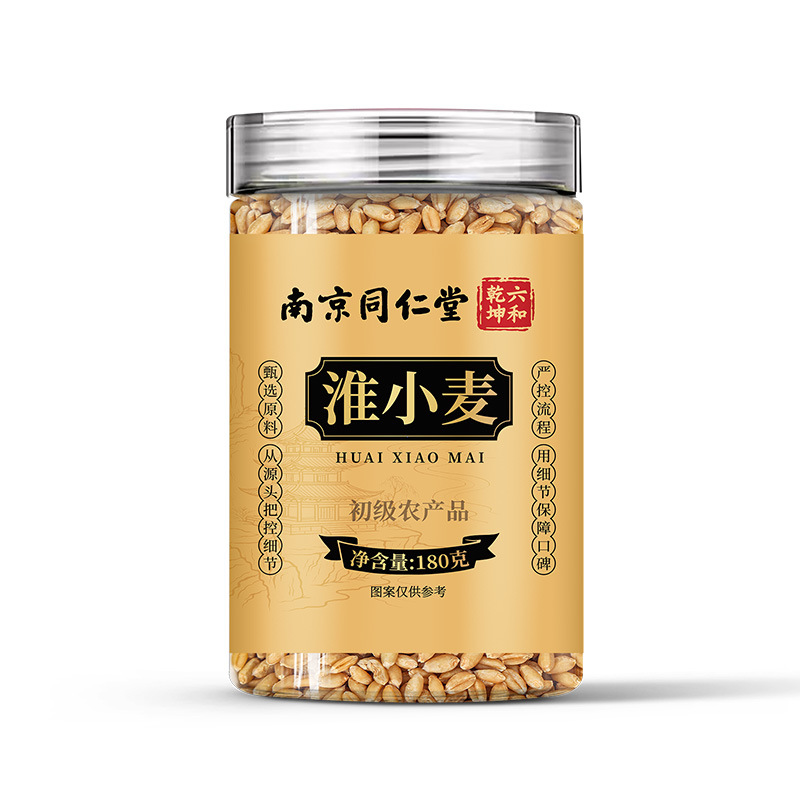
Huai Wheat Grain Chinese Herbal Tea Ingredient for Gancao Wheat Jujube Decoction 180g Can
$5.60
9999 in stock
Description
Huai Wheat (淮小麦, Huai Xiaomai), the dried grain of Triticum aestivum, is a traditional Chinese herbal food ingredient used in Gancao Daxiao Tang. In TCM theory it is considered sweet and neutral, entering the Heart channel, and is traditionally associated with calming the spirit and supporting restful sleep. Supplied as whole grain in a 180g can, it is commonly simmered as a decoction or tea.
Key Selling Points
- Whole Huai wheat grain, the classic ingredient in Gancao Daxiao Tang
- Dried Triticum aestivum grain from Anhui, China
- Sweet and neutral in TCM nature, traditionally linked to the Heart channel
- Ready for simmering as a decoction or daily herbal tea
- 180g resealable can, 18-month shelf life
Quality & Sensory
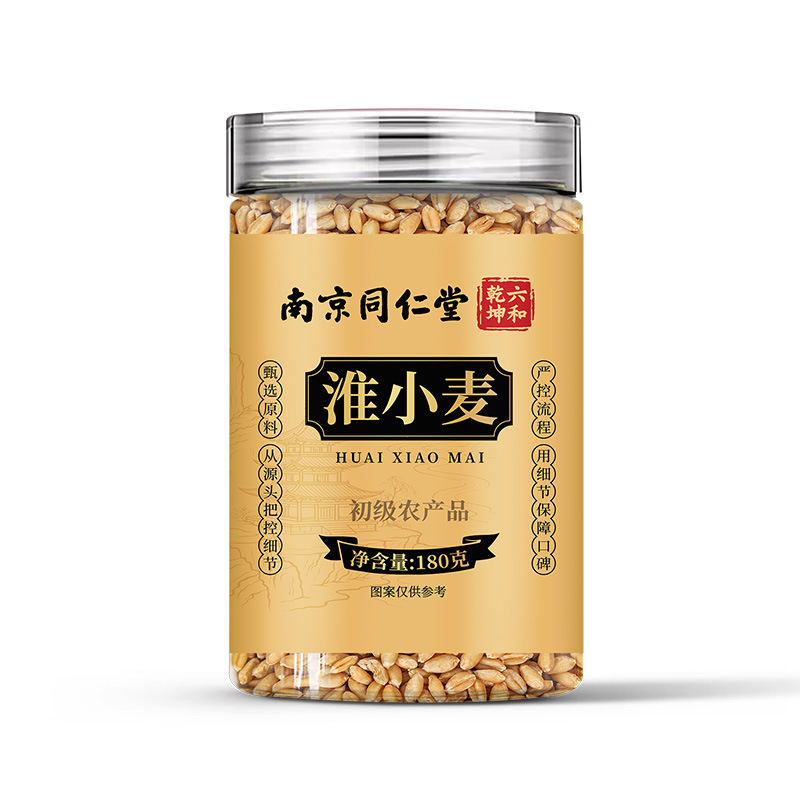
The grains are typically plump, light golden to pale brown, with a firm dry texture and a mild cereal aroma. When simmered, the liquid is lightly cloudy with a gentle sweet grain taste. Contains sugar as a formulated product.
Technical Specifications
| Product Type | Dried wheat grain herbal ingredient |
|---|---|
| Chinese Name | 淮小麦 |
| Pinyin | Huai Xiaomai |
| Botanical Name | Triticum aestivum |
| Plant Part | Grain |
| Net Weight | 180g |
Usage Scenarios
- Simmered as a standalone herbal tea
- Combined with licorice and jujube in Gancao Daxiao Tang decoction
- Added to congee or grain porridge
- Used in light seasonal soup broths
Traditional Uses
In TCM theory, Huai wheat is traditionally used in the classic formula Gancao Daxiao Tang alongside licorice and jujube. It is commonly simmered into a decoction or tea and taken as a gentle daily beverage. Folk practice also adds the grain to congee and soups for its mild sweet nature.
FAQ Q&A
Q: What is Huai wheat?
A: It is the dried grain of Triticum aestivum, known in TCM as Huai Xiaomai (淮小麦), and is a traditional ingredient in Gancao Daxiao Tang.
Q: What is its traditional value?
A: In TCM theory it is considered sweet and neutral, entering the Heart channel, and is traditionally associated with calming the spirit.
Q: How is it commonly prepared?
A: It is usually simmered as a decoction or tea, often with licorice and jujube, or added to congee and soups.
Additional information
| Weight | 0.43 kg |
|---|---|
| Dimensions | 12 × 12 × 15 cm |
Related products
-
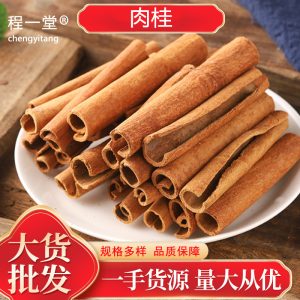
Dried Cinnamon Bark Rou Gui 500g Whole Peeling Culinary Spice and Traditional Herbal Ingredient
Price range: $5.58 through $8.33 -
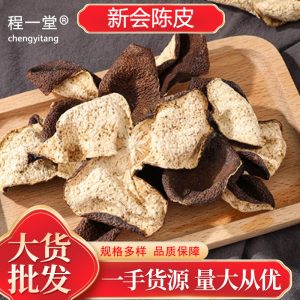
Xinhui Chenpi Dried Tangerine Peel 500g Sun Dried Aged Peel for Soup and Tea
Price range: $60.19 through $116.90 -
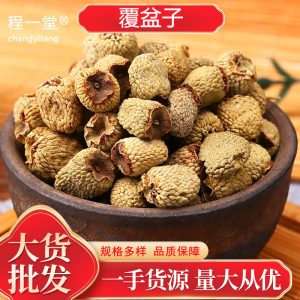
Dried Raspberry Fruit Fu Pen Zi 500g Whole Berries for Herbal Tea and Wine Infusion
Price range: $14.00 through $16.44 -
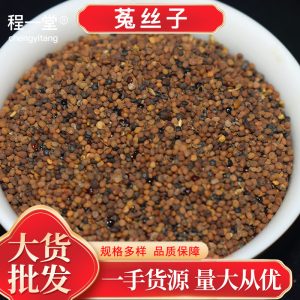
Dried Dodder Seed Tu Si Zi Whole Herb 500g Bulk Chinese Herbal Ingredient
Price range: $7.04 through $7.52
Reviews
There are no reviews yet.