
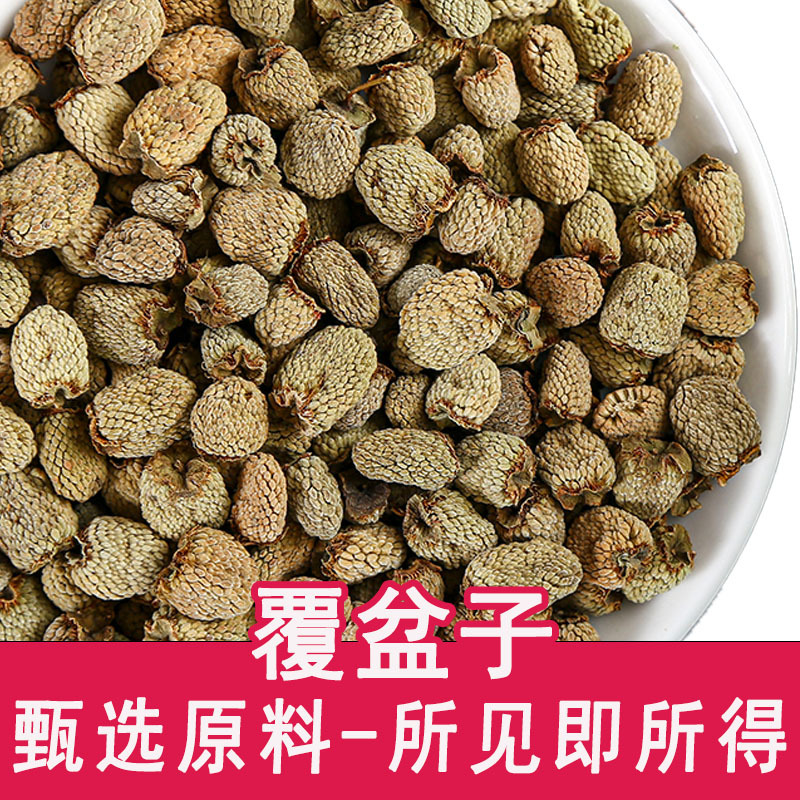
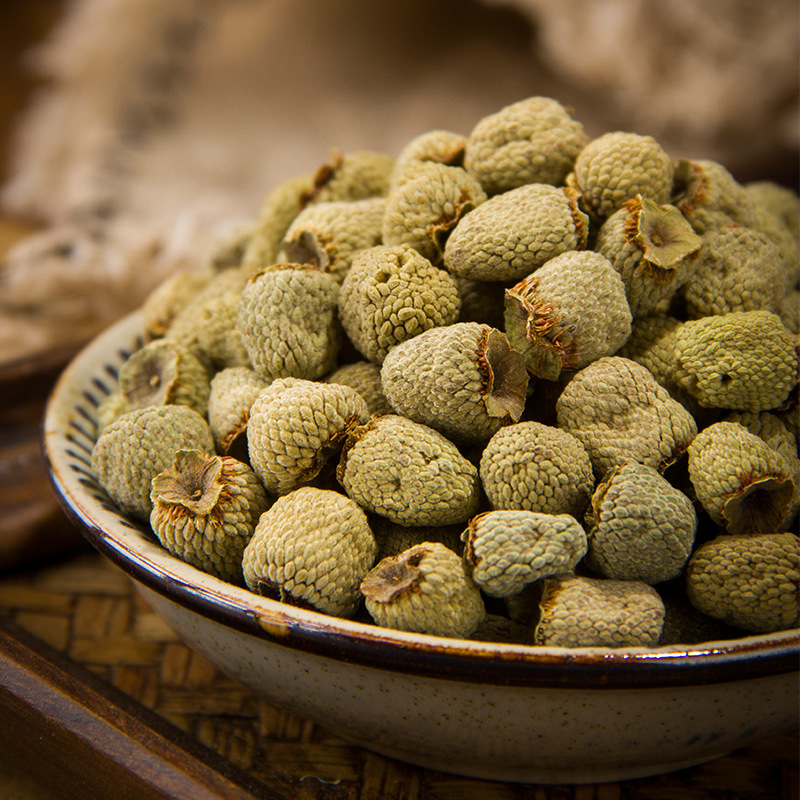
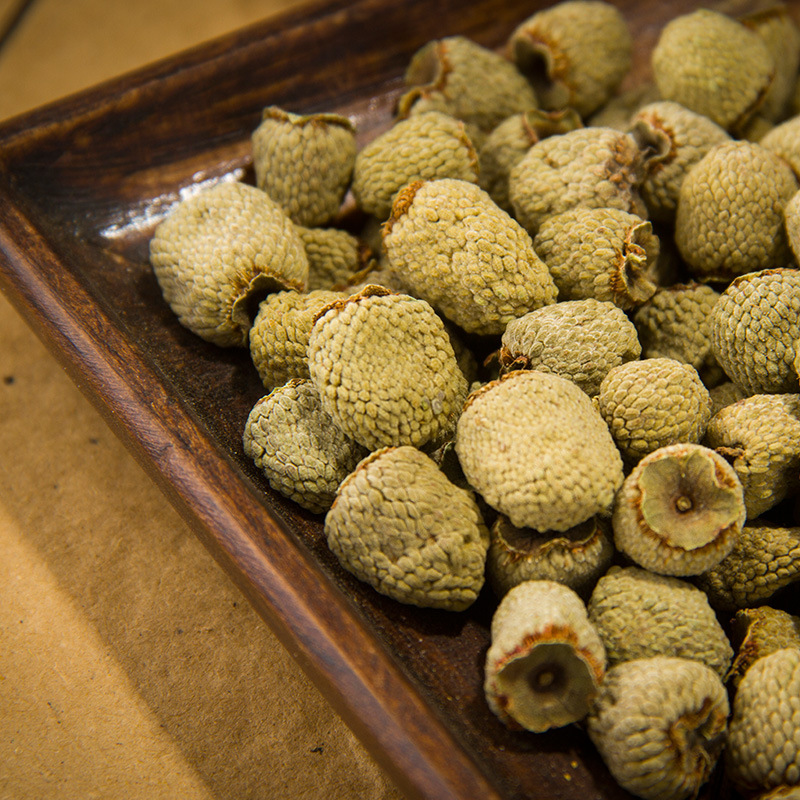
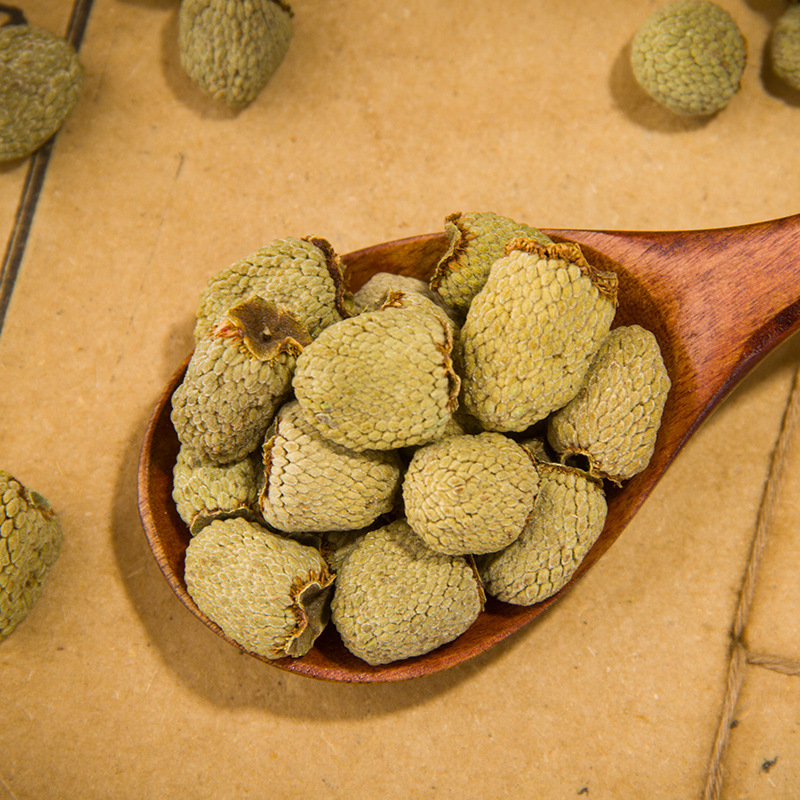
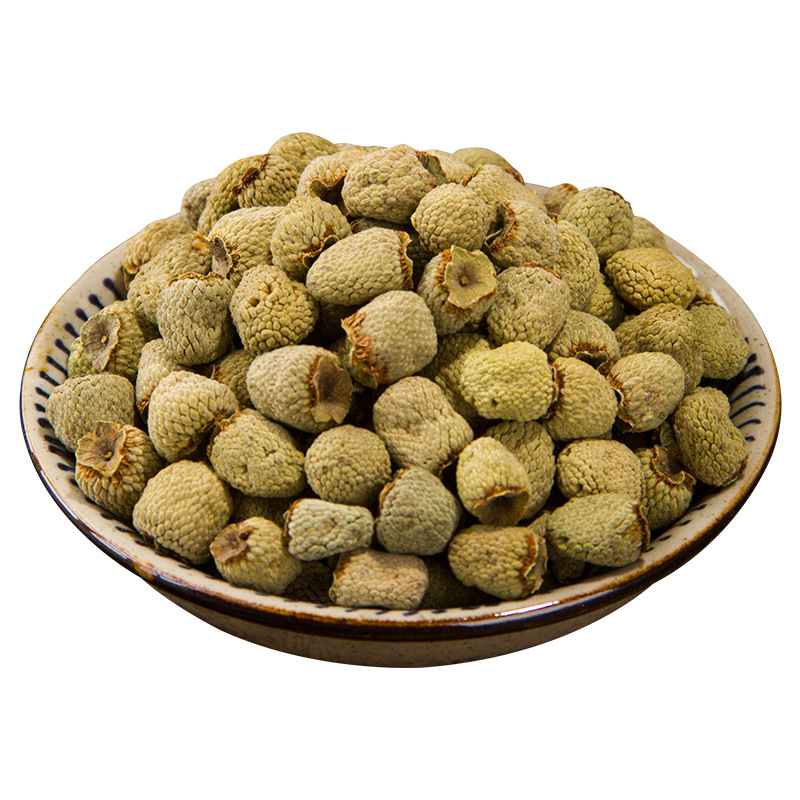
Fu Pen Zi Raspberry Dried Fruit Tea 500g Premium Grade Zhejiang Origin
Price range: $22.17 through $23.84
Description
Fu Pen Zi (覆盆子), the dried unripe fruit of Rubus chingii, is a classic Chinese herbal tea ingredient. In TCM theory it is sweet and slightly warm and traditionally associated with the kidney and bladder channels. These whole dried berries are sold as an edible agricultural product and are commonly simmered or steeped for daily herbal tea.

Key Selling Points
- Whole dried Fu Pen Zi fruit from Zhejiang, a recognized traditional growing region
- Botanical source Rubus chingii, the standard TCM raspberry species
- Sold as a 500g pack of edible agricultural produce
- Traditionally valued in TCM for supporting kidney and bladder wellness
- Suitable for herbal tea, decoctions, and culinary infusions
Quality & Sensory
These dried berries typically show a deep amber to reddish-brown color with a slightly wrinkled, firm texture. The aroma is mildly sweet and fruity, and brewed tea typically carries a light, gently tart berry taste with a soft herbal finish.

Technical Specifications
| Product Type | Dried herbal fruit |
|---|---|
| Chinese Name | 覆盆子 |
| Pinyin | Fu Pen Zi |
| Botanical Name | Rubus chingii |
| Plant Part | Unripe fruit |
| Net Weight | 500g |
Usage Scenarios
- Steep as a daily herbal tea alone or with goji berries
- Simmer in decoctions with other tonic herbs
- Add to congee or dessert soups for a fruity herbal note
- Use in seasonal tonic blends during cooler months
Traditional Uses
In traditional Chinese practice, Fu Pen Zi is traditionally associated with consolidating and securing the kidney essence and is a familiar ingredient in classical tonic formulas. It is often paired with goji berries, schisandra, or cuscuta seed in decoctions and daily teas, and is also simmered into congee or tonic soups, especially in autumn and winter routines.
FAQ Q&A
Q: What is this product?
A: It is 500g of whole dried Fu Pen Zi (覆盆子), the unripe fruit of Rubus chingii, sourced from Zhejiang and sold as an edible agricultural product.
Q: What is it traditionally used for?
A: In TCM theory it is sweet and slightly warm and traditionally associated with the kidney and bladder channels. It has long been used in tonic teas, decoctions, and congee.
Q: How is it commonly prepared?
A: A common method is to rinse a small amount and simmer or steep it in hot water for tea, often with goji berries. It can also be cooked into soups or congee.
Additional information
| Weight | N/A |
|---|---|
| Dimensions | N/A |
| Packaging specifications | Select raspberries, Raspberry |
Related products
-
Yi Zhi Ren Dried Alpinia Oxyphylla Fruit 500g Traditional Herbal Tea and Decoction Ingredient
Price range: $11.74 through $13.36 -
Dried Raspberry Fruit Fu Pen Zi 500g Whole Berries for Herbal Tea and Wine Infusion
Price range: $14.00 through $16.44 -
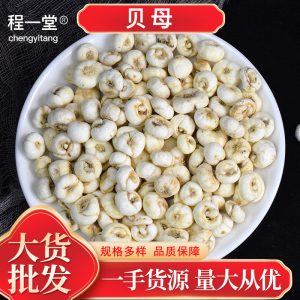
Fritillaria Bulb Chuan Bei Mu Dried Chinese Herbal Bulbs for Decoction and Traditional Use 500g
Price range: $18.06 through $94.21 -
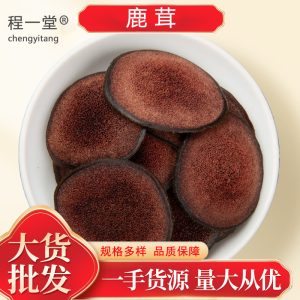
Deer Antler Slices Lu Rong 鹿茸片 Dried Slices for Wine Infusion and Soup 100g Wax Slices Pack
Price range: $68.29 through $92.59
Reviews
There are no reviews yet.