
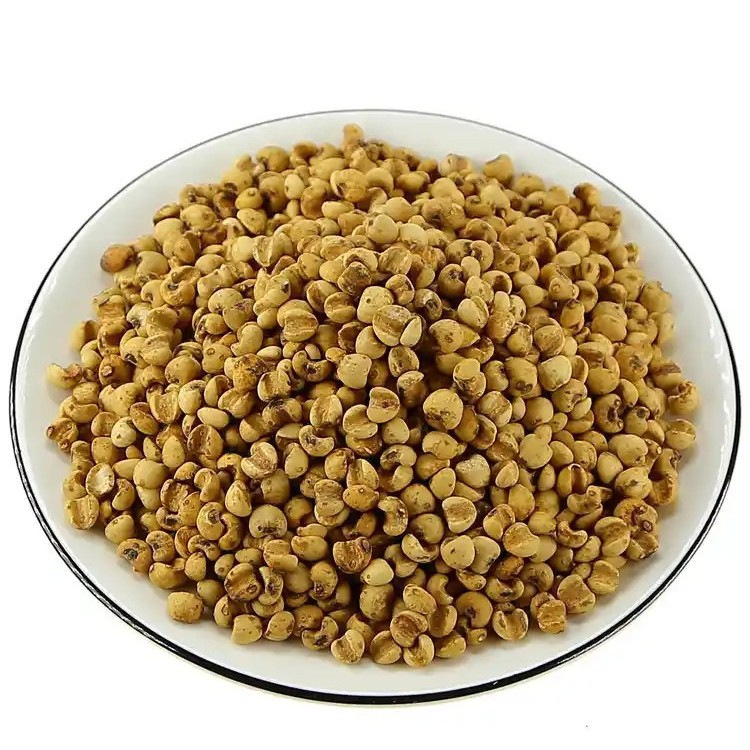
Dry Fried Coix Seed 500g Yi Mi Ren Roasted Job’s Tears Grain for Tea Soup and Congee
$5.82
999933 in stock
Description
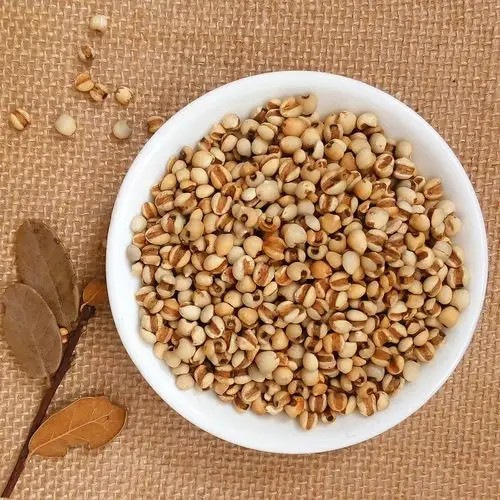
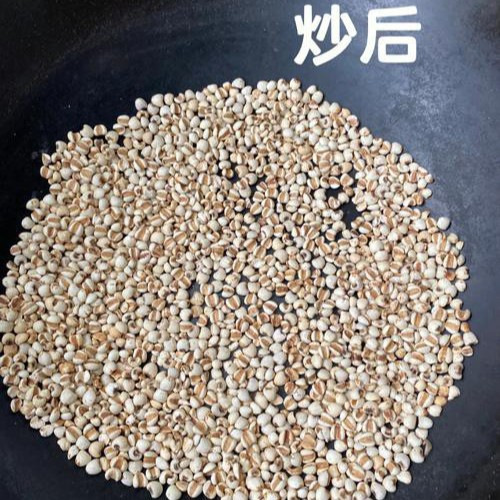
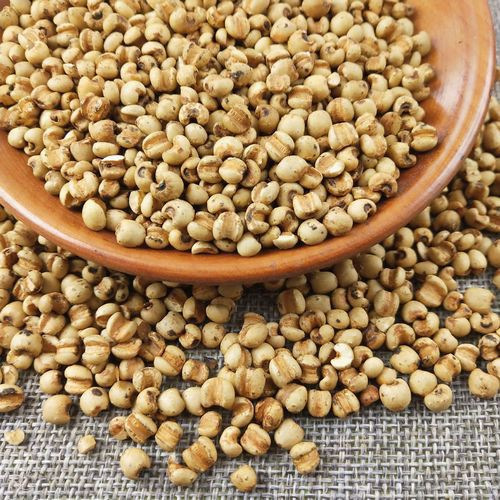
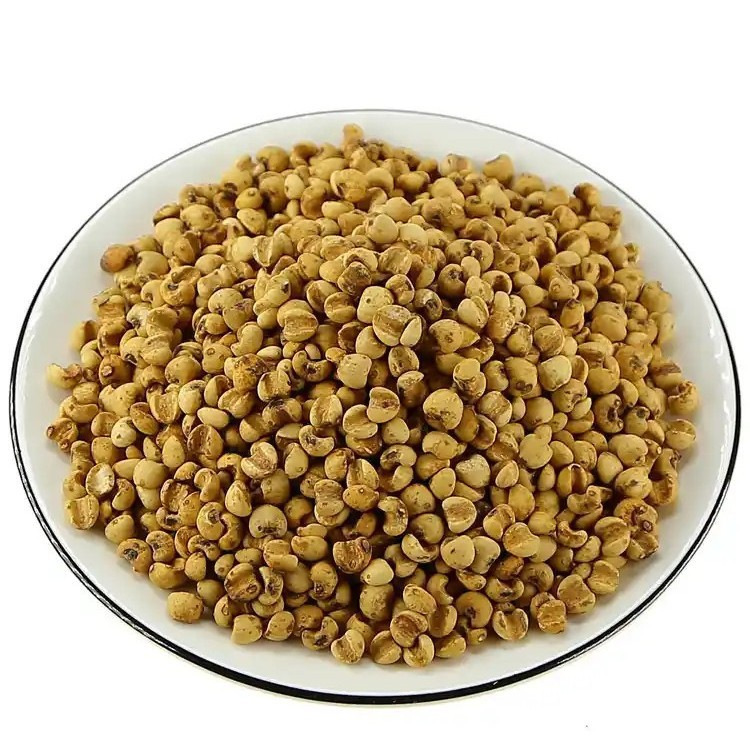
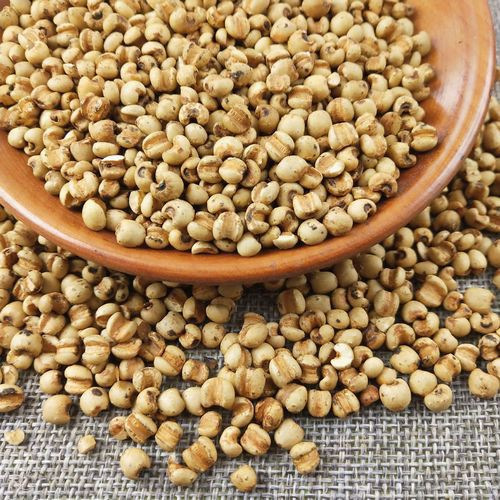
Dry-fried Coix Seed, known in TCM as Yi Mi Ren (薏米仁), from Coix lacryma-jobi. This roasted grain is a classic Chinese herbal food ingredient valued in TCM for its mild sweet and bland nature. Traditionally associated with supporting digestion and gently draining dampness, it is commonly simmered in soups, congee, or daily teas as a gentle everyday wellness ingredient.
Key Selling Points
- Identifiable single herb: Coix lacryma-jobi seed, Chinese Yi Mi Ren (薏米仁)
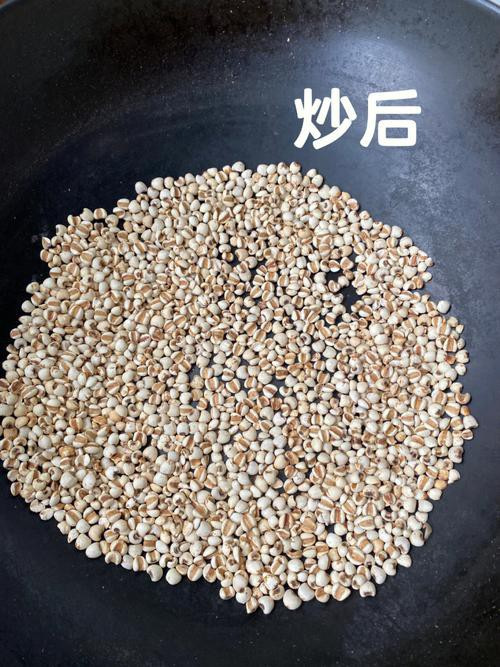
- Dry-fried processing for a warmer, nuttier character than raw coix seed
- 500g pre-packaged net weight from Bozhou, Anhui
- Traditional TCM ingredient used in soups, congee, and teas
- Mild sweet and bland nature traditionally linked to digestive wellness
Quality & Sensory
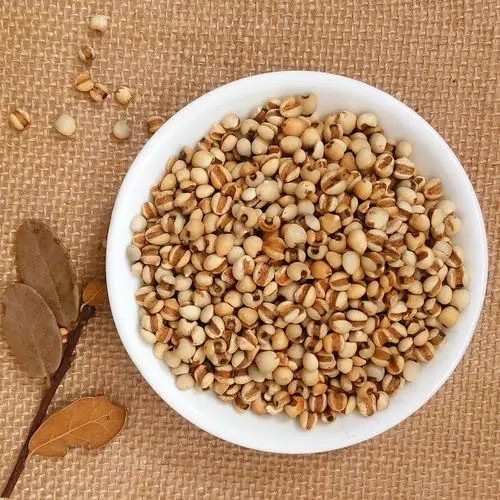
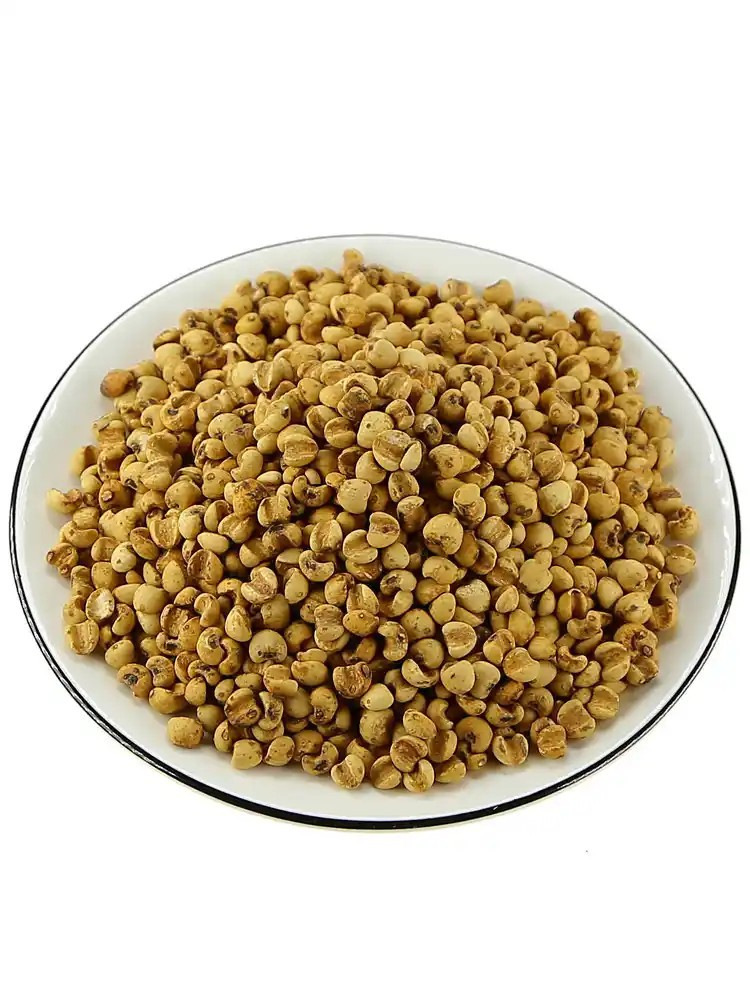
The dry-fried seeds are typically pale golden to light brown with a firm, slightly chewy texture. They carry a warm toasted grain aroma and a mild nutty, subtly sweet taste after simmering. Color and aroma may vary slightly between batches due to natural variation and roasting.
Technical Specifications
| Product Type | Dry-fried coix seed decoction pieces |
|---|---|
| Chinese Name | 炒薏米仁 |
| Pinyin | Chao Yi Mi Ren |
| Botanical Name | Coix lacryma-jobi |
| Plant Part | Seed |
| Net Weight | 500g |
Usage Scenarios
- Simmered in herbal soups with other grains or beans
- Cooked into congee or rice porridge
- Brewed as a daily grain tea
- Added to seasonal damp-weather food preparations
Traditional Uses
In TCM theory, dry-fried Yi Mi Ren is traditionally used to support the spleen and stomach while gently draining dampness. It is commonly simmered in decoctions, soups, and congee, often paired with Chi Xiao Dou (adzuki bean) or Qian Shi (euryale seed). Folk practice favors it during humid seasons as a gentle everyday food herb.
FAQ Q&A
Q: What is dry-fried coix seed?
A: It is the seed of Coix lacryma-jobi, known in TCM as Yi Mi Ren (薏米仁), that has been roasted until lightly golden. The dry-frying process gives it a warmer, nuttier character than raw coix seed.
Q: What is it traditionally used for?
A: In TCM theory it is traditionally associated with supporting digestion and gently draining dampness. It is considered a mild, food-like herb suitable for regular culinary use.
Q: How is it commonly prepared?
A: It is typically simmered in water for soups, congee, or grain teas, often combined with adzuki bean or euryale seed. Soaking before cooking can help soften the grains.
Additional information
| Weight | 0.55 kg |
|---|---|
| Dimensions | 20 × 15 × 6 cm |
Related products
-
Dried Cinnamon Bark Rou Gui 500g Whole Peeling Culinary Spice and Traditional Herbal Ingredient
Price range: $5.58 through $8.33 -
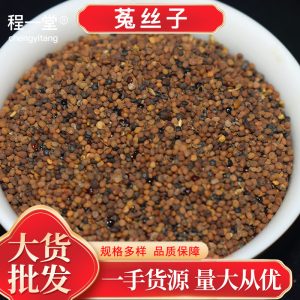
Dried Dodder Seed Tu Si Zi Whole Herb 500g Bulk Chinese Herbal Ingredient
Price range: $7.04 through $7.52 -
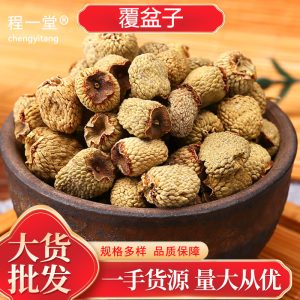
Dried Raspberry Fruit Fu Pen Zi Whole Berries for Herbal Tea and Wine Infusion 500g
Price range: $15.63 through $18.06 -
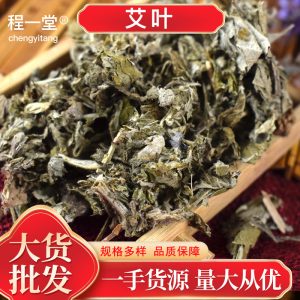
Dried Mugwort Leaf Ai Ye 500g Chinese Herbal Bath Foot Soak and Smoke Cleansing Herb
Price range: $4.77 through $5.25
Reviews
There are no reviews yet.