
Dried Yunnan Caoguo Fruit Whole Spice for Braised Meat and Stews 500g
Price range: $7.59 through $108.63
Description
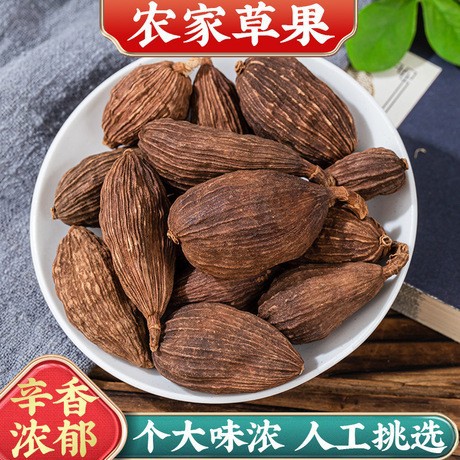
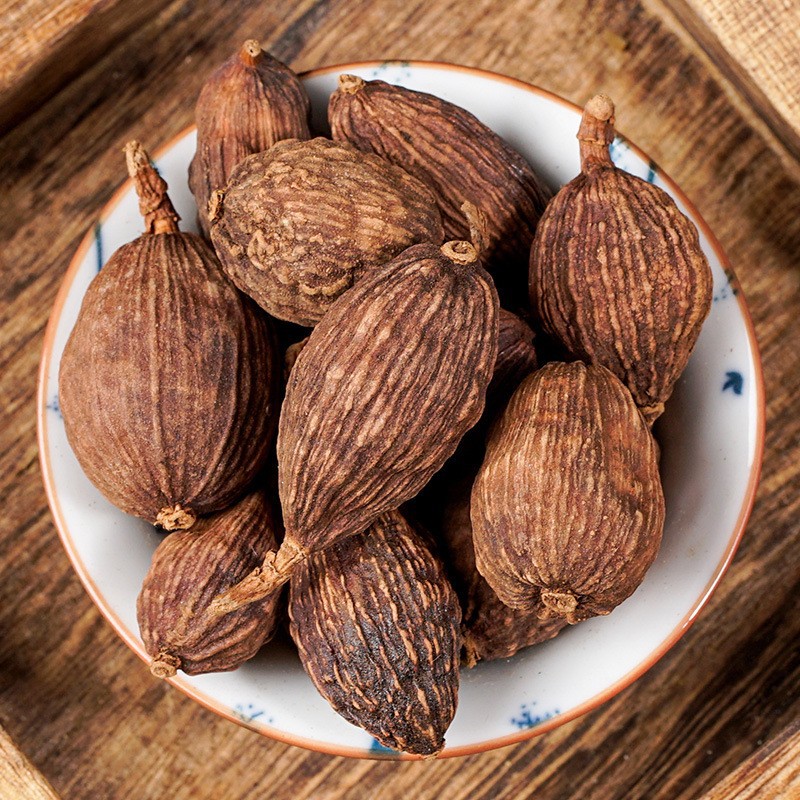
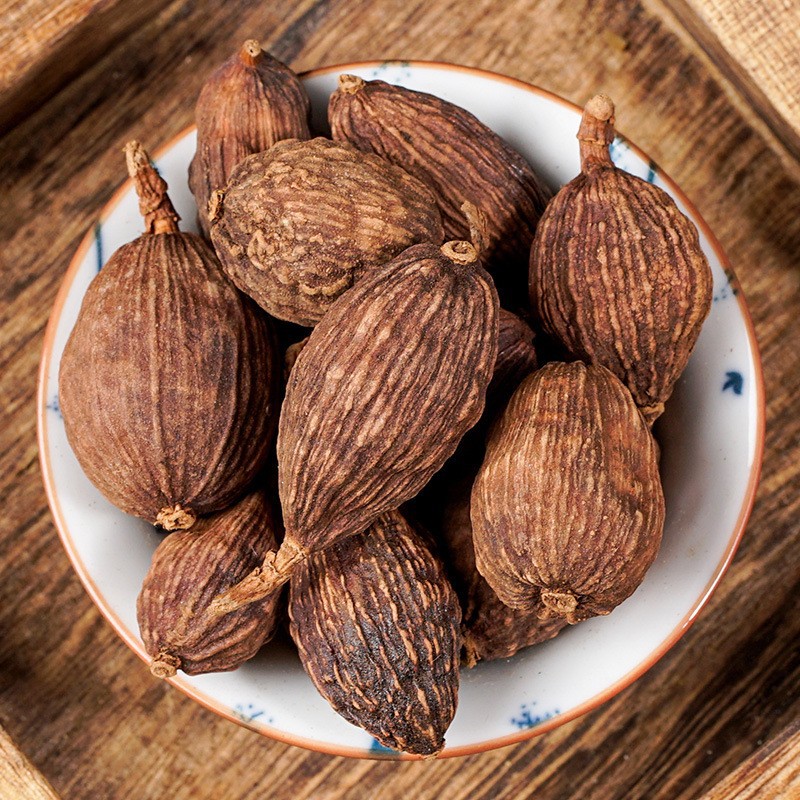
Dried Caoguo (草果), also known as Tsao-ko fruit, is the whole dried fruit of Amomum tsaoko used as a culinary and traditional herbal spice. In TCM theory it is considered warm and pungent, associated with the Spleen and Stomach channels. Traditionally used to flavor braised meats, soups, and stews while supporting digestive warmth. Add whole or lightly crushed during cooking and remove before serving.
Key Selling Points
- Whole dried Caoguo fruit from Amomum tsaoko
- Known in Chinese as 草果 (Caoguo)
- Warm pungent spice used in braised meat and stews
- Traditionally associated with digestive warmth in TCM
- Dried and packed for long shelf life
Quality & Sensory
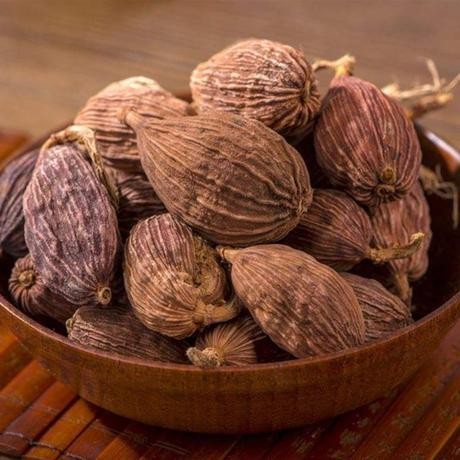
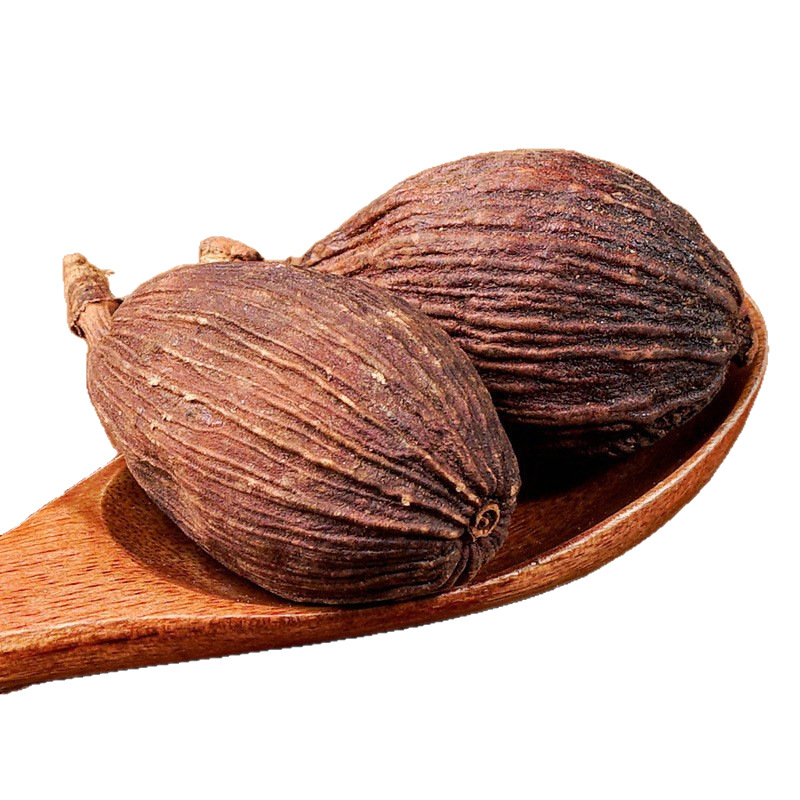
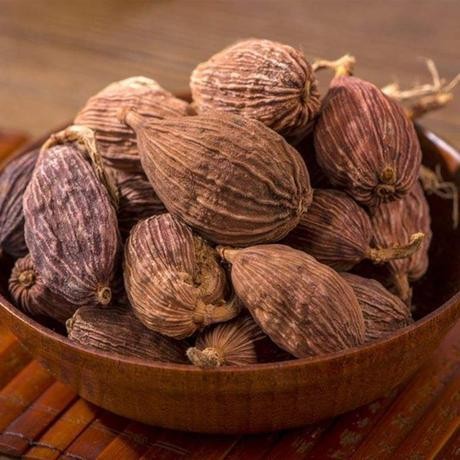
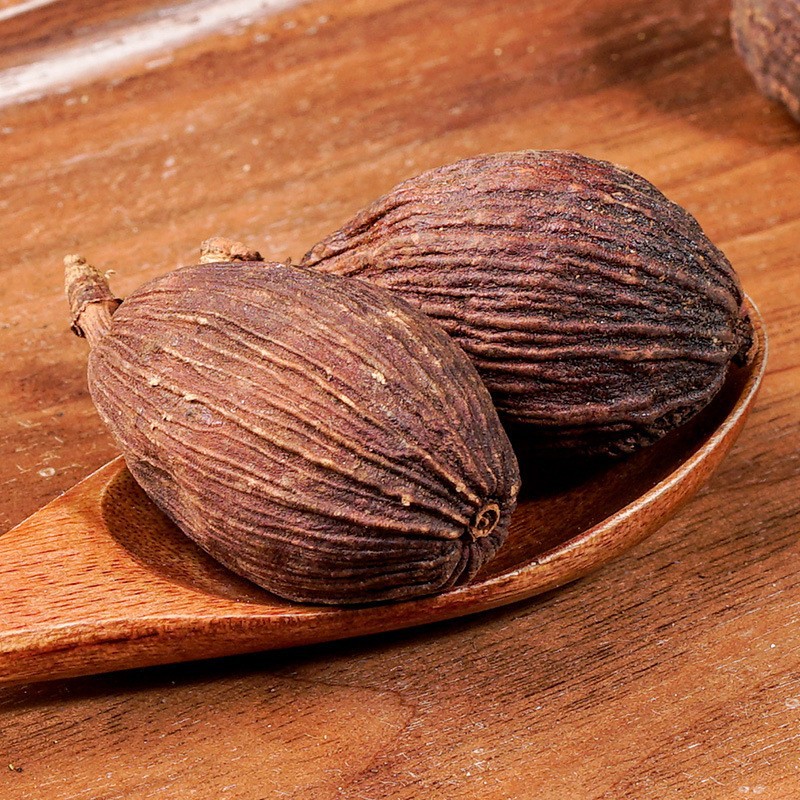
The dried fruits are typically brown to reddish-brown with a firm, wrinkled skin and a strong aromatic, slightly smoky spice aroma. When cooked into broths or braised dishes they release a warm, pungent, mildly camphor-like flavor that deepens savory meat dishes.
Technical Specifications
| Product Type | Dried whole spice fruit |
|---|---|
| Chinese Name | 草果 |
| Pinyin | Caoguo |
| Botanical Name | Amomum tsaoko |
| Plant Part | Dried fruit |
| Net Weight | 500g |
Usage Scenarios
- Added whole to braised meat and poultry dishes
- Simmered in beef or lamb stews
- Used in soup and broth seasoning
- Crushed for spice blends and marinades
- Cooked in traditional Chinese herbal soups
Traditional Uses
In TCM theory Caoguo is considered warm and pungent and is traditionally associated with the Spleen and Stomach. It is commonly used in braised meat, stews, and herbal soups to add warmth and aroma. Traditional preparations often combine it with star anise, cinnamon, and fennel for savory dishes, or simmer it in decoctions and congee for digestive support.
FAQ Q&A
Q: What is this product?
A: It is whole dried Caoguo fruit (草果), the dried fruit of Amomum tsaoko, used as a culinary spice and traditional herbal ingredient.
Q: What is its traditional value?
A: In TCM theory it is considered warm and pungent and is traditionally associated with digestive warmth and the Spleen and Stomach channels.
Q: How is it commonly used?
A: It is typically added whole or lightly crushed to braised meats, stews, and soups, then removed before serving.
Additional information
| Weight | N/A |
|---|---|
| Dimensions | N/A |
| Model | 草果250克, 草果500克, 草果1000克, 草果10公斤 |
Related products
-

Cabinda Bark Dried Herb 500g Traditional Herbal Infusion Ingredient
Price range: $12.38 through $37.50 -
Astragalus Root Slices Huang Qi 斜片 Dried Herb for Decoction Soup and Tea 500g
Price range: $6.06 through $19.51 -
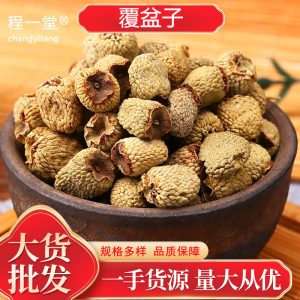
Dried Raspberry Fruit Fu Pen Zi 500g Whole Berries for Herbal Tea and Wine Infusion
Price range: $14.00 through $16.44 -
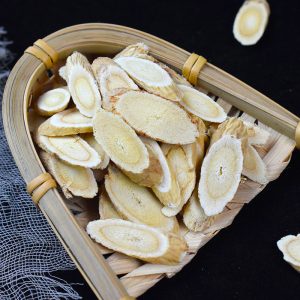
Astragalus Root Slices Huang Qi 500g Dried Herb for Soups and Teas
Price range: $7.36 through $22.11
Reviews
There are no reviews yet.