
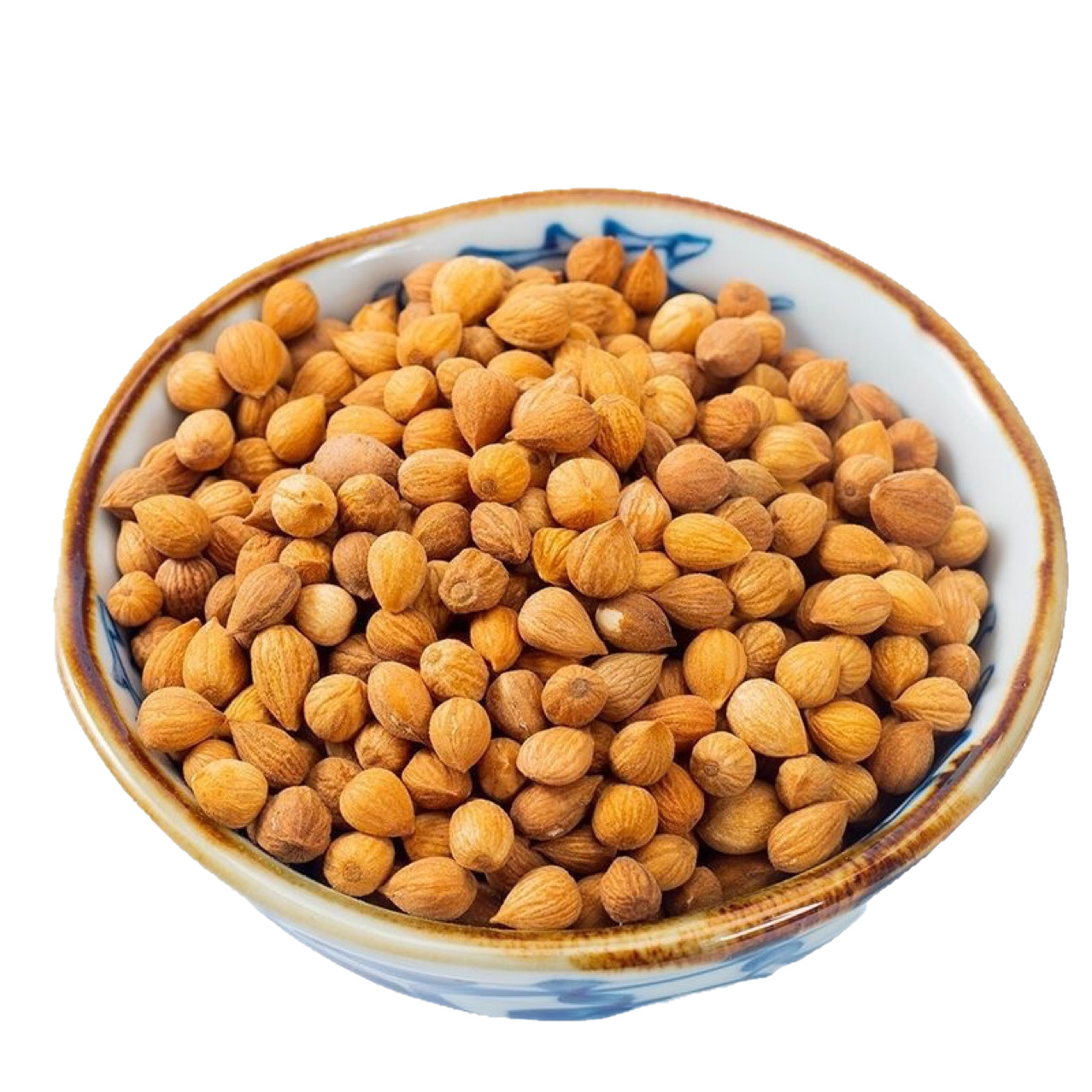
Dried Yu Li Ren Bunge Cherry Seed Kernel for Traditional Herbal Decoction 500g
Price range: $6.13 through $58.63
Description
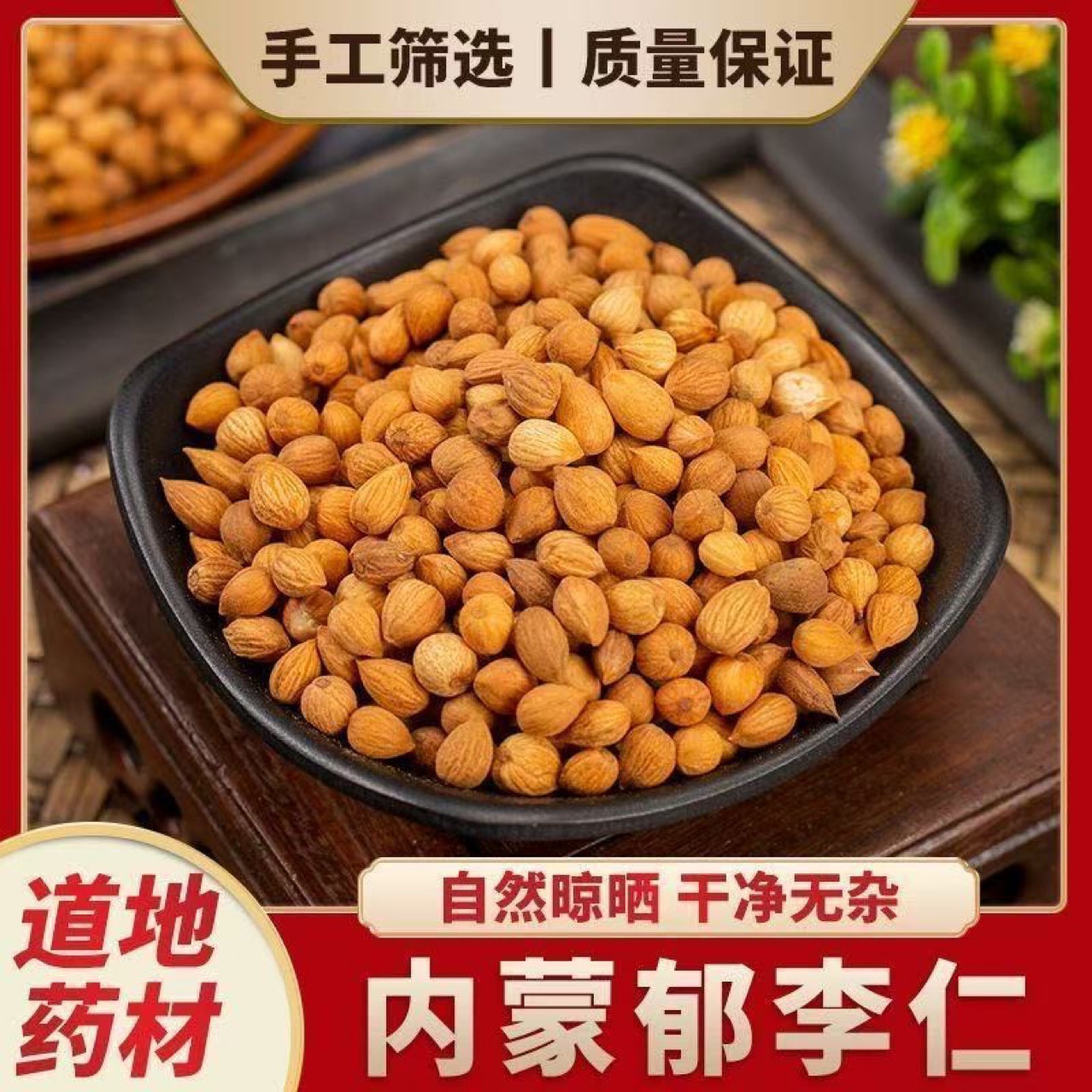
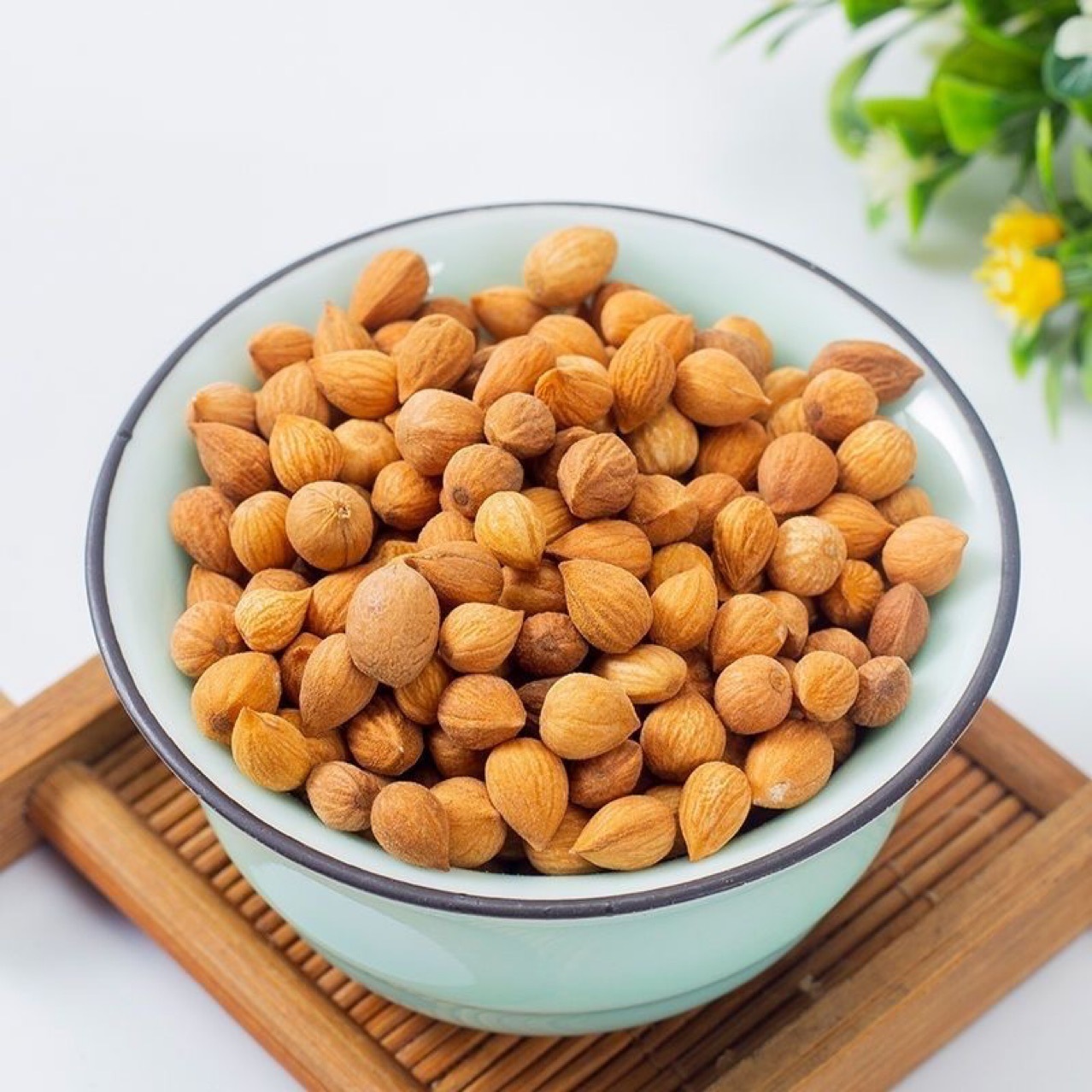
Dried Yu Li Ren (郁李仁), also known as Bunge Cherry Seed, is the seed kernel of Prunus japonica Thunb. In TCM theory it is classified as sweet, bitter, and neutral, entering the Large Intestine and Small Intestine channels. Traditionally used in decoctions and herbal formulas, it is a common bulk botanical for herbal preparation.
Key Selling Points
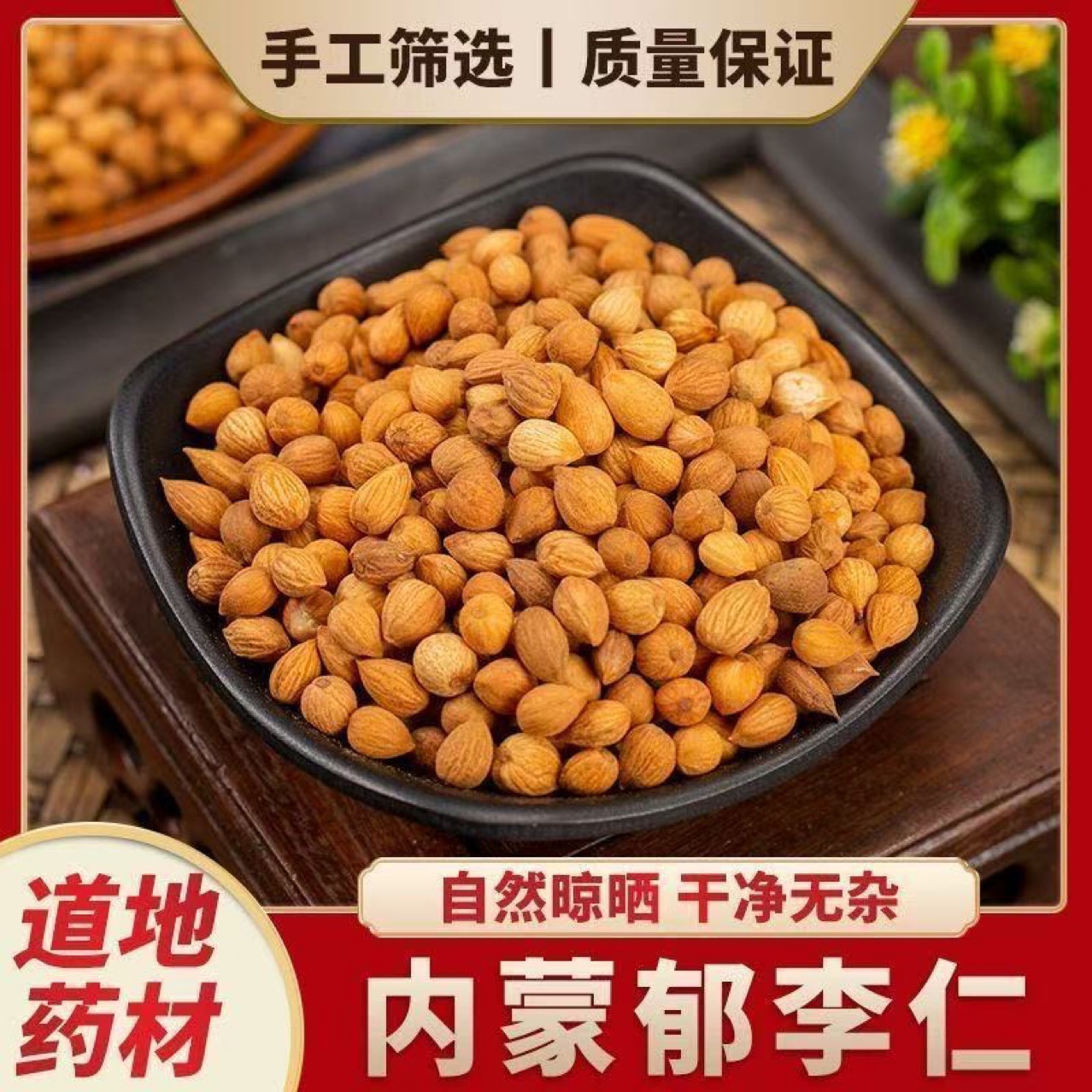
- Identified in TCM as Yu Li Ren (郁李仁), the seed kernel of Prunus japonica
- Naturally sun-dried whole seed kernels with no organic certification claimed
- Sourced from Anhui province and offered as a food agricultural product
- Traditionally used in TCM decoctions and herbal soup preparations
- Available in 500g retail packs and 10kg bulk wholesale quantities
Quality & Sensory
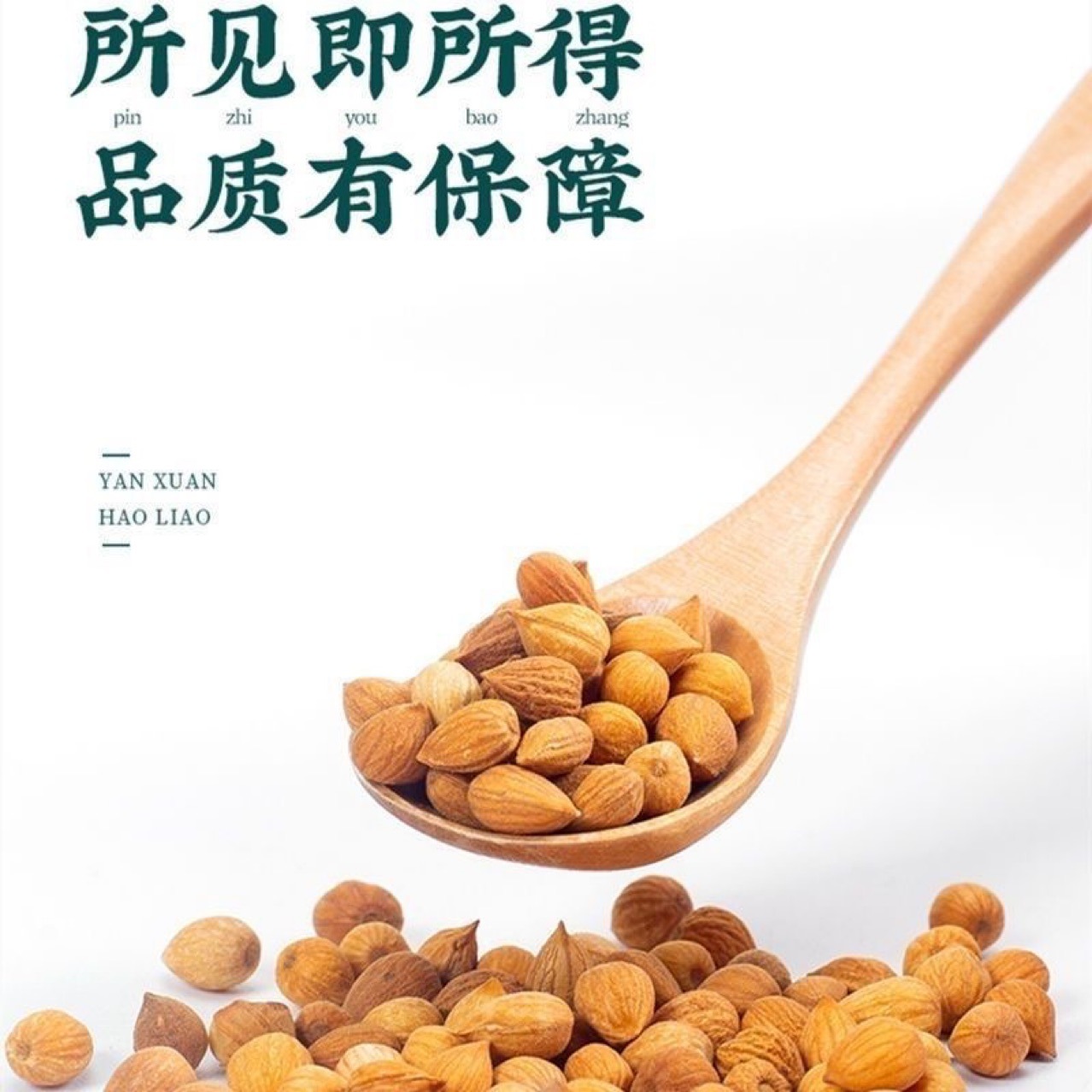
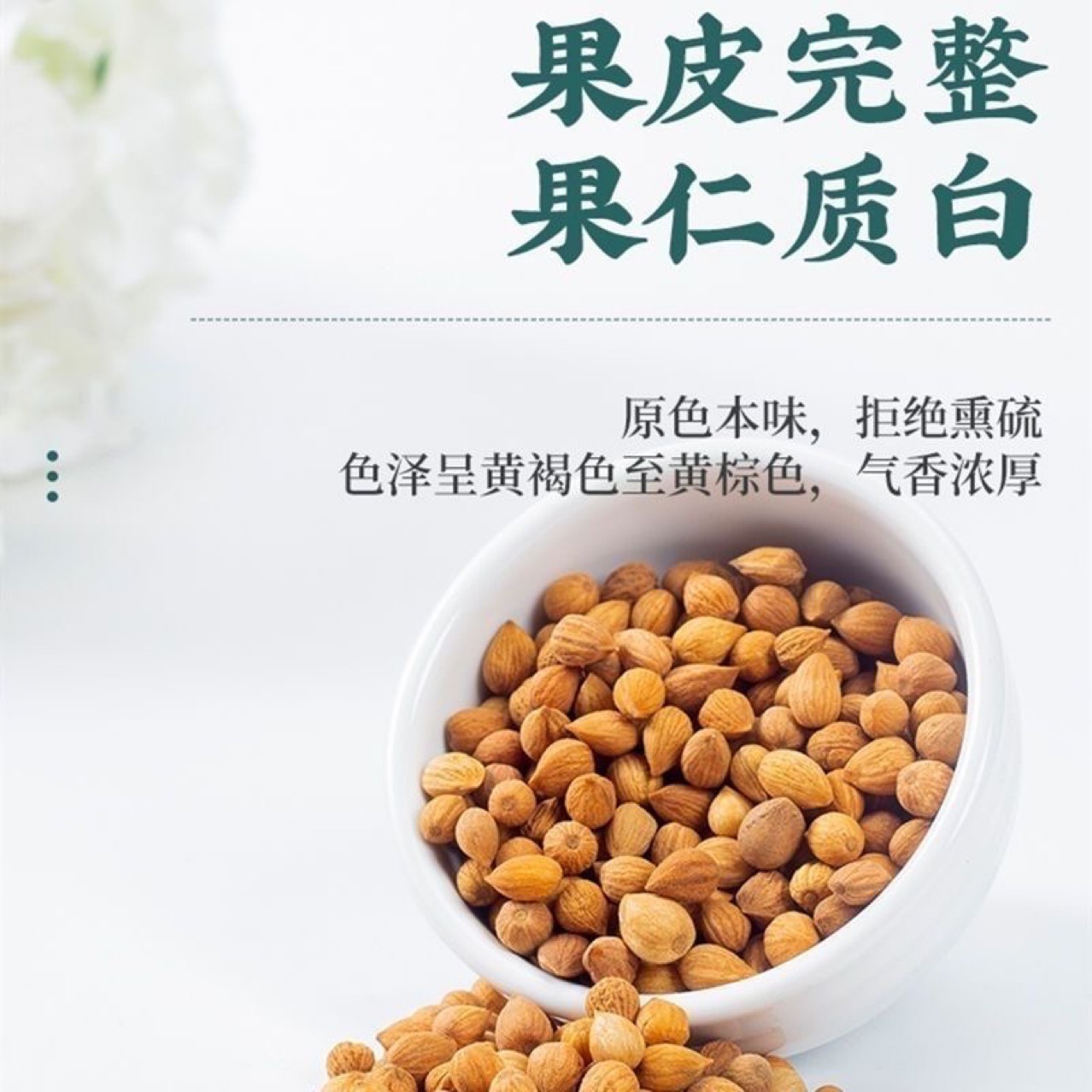
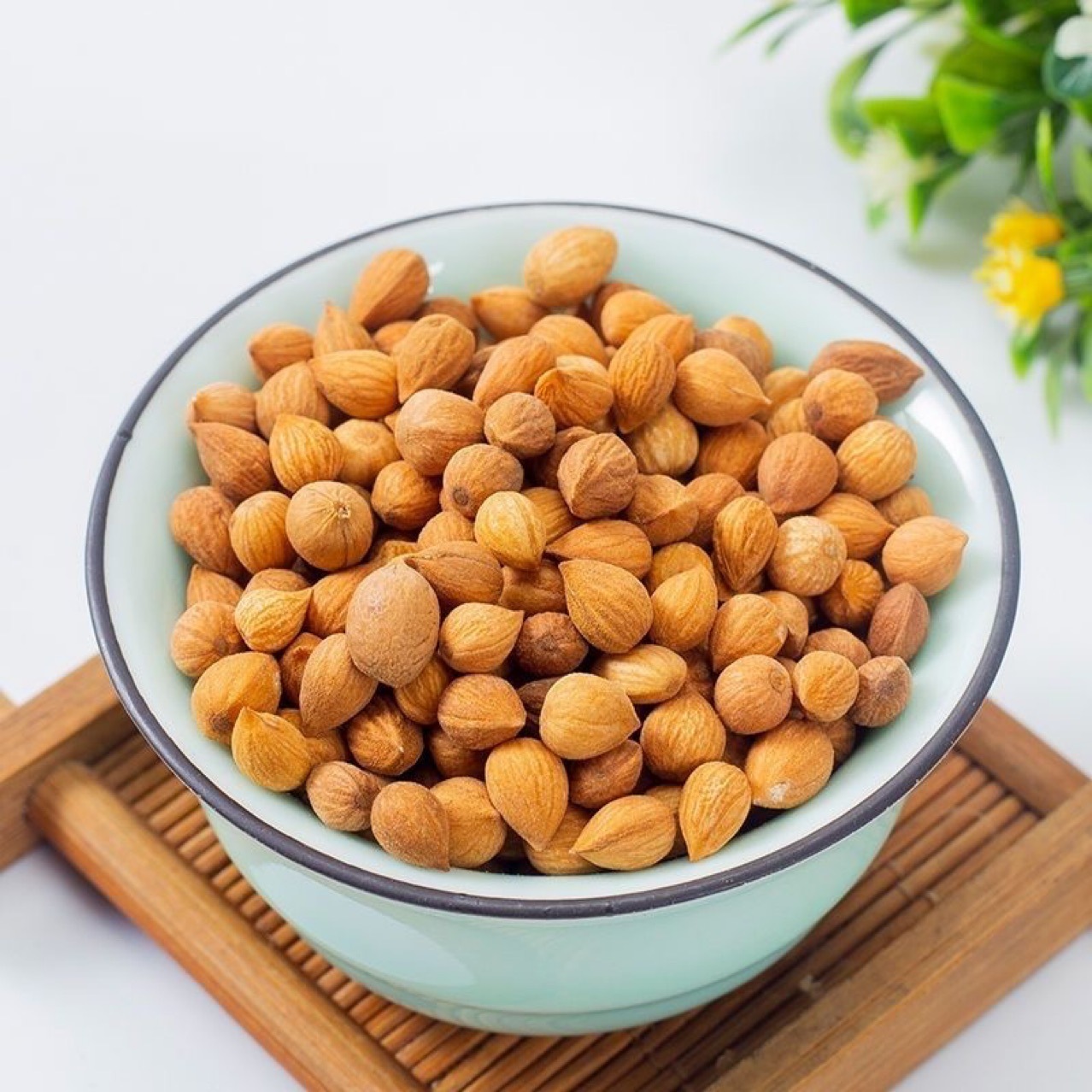
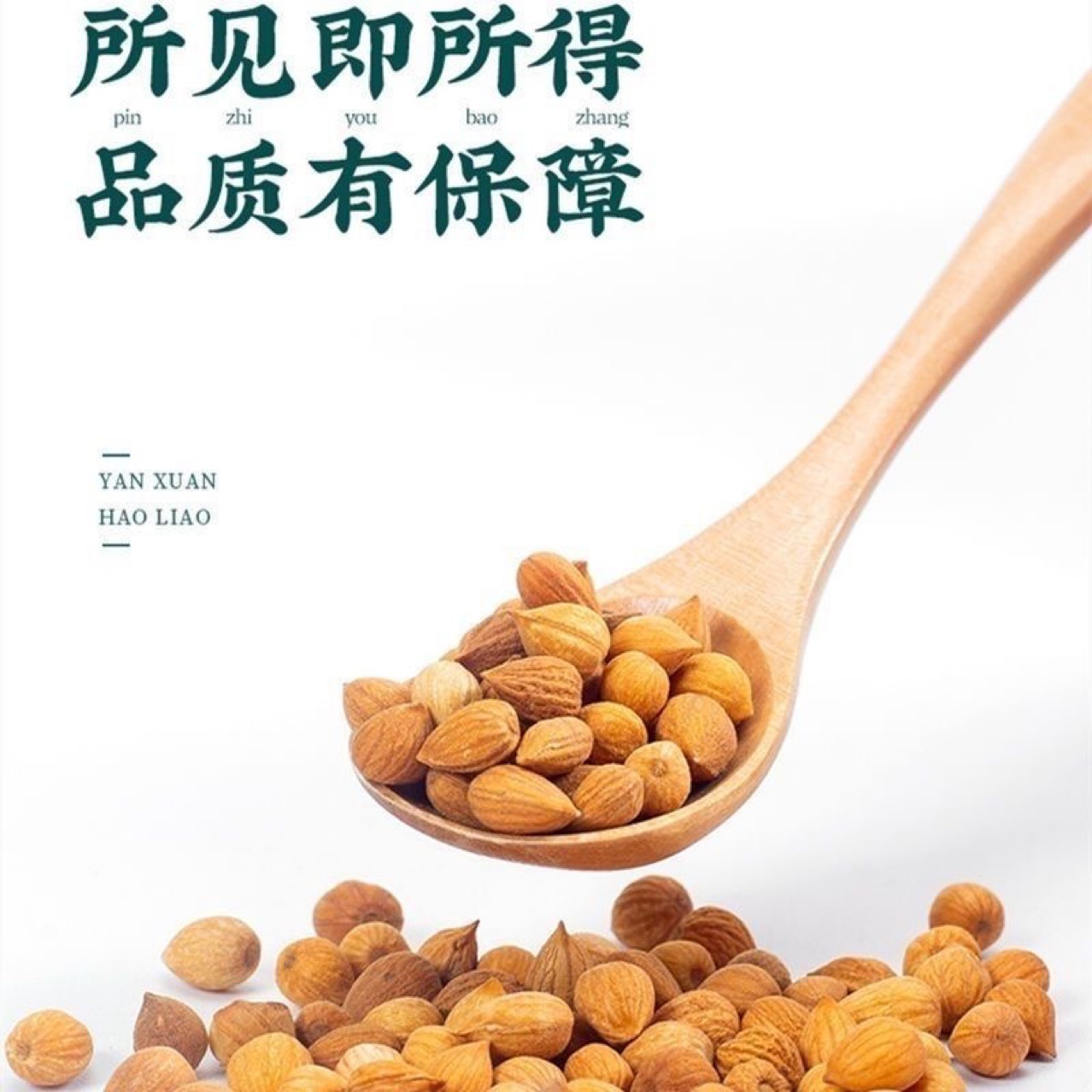
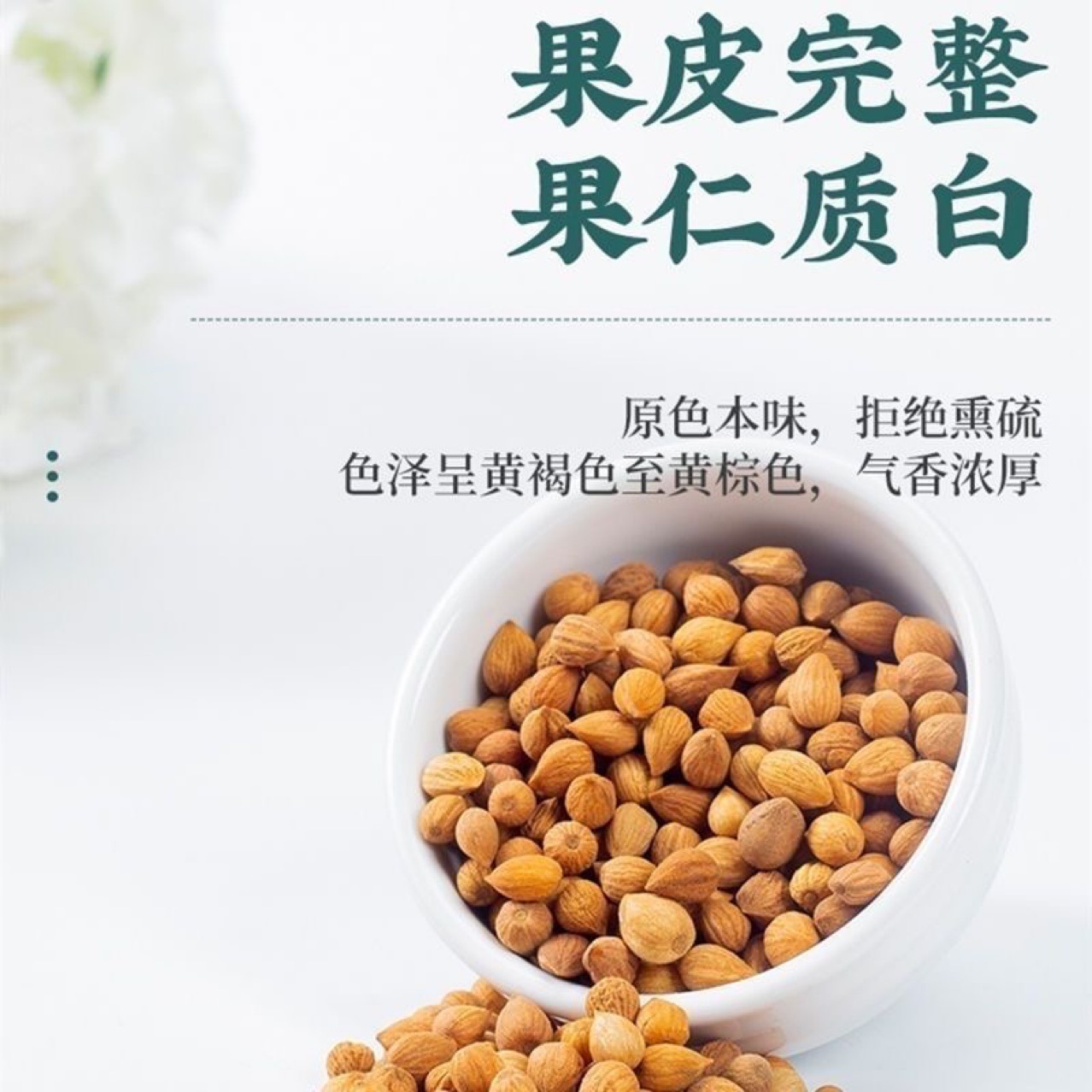
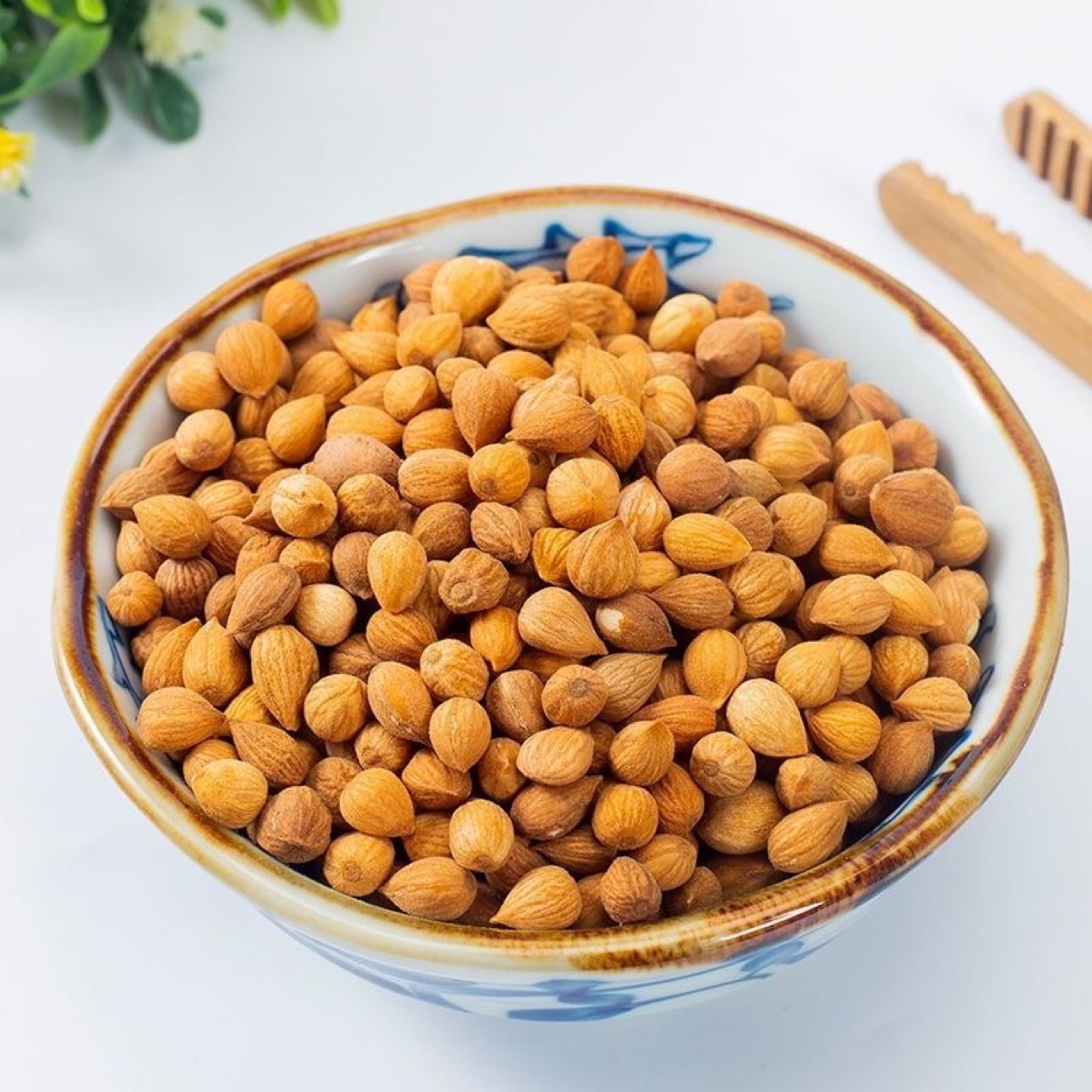
The seed kernels are typically small, oval, and light brown to reddish-brown with a firm, oily texture. They have a mild, faintly nutty aroma and a slightly bitter, sweet taste when decocted. Color and texture may vary slightly between batches due to natural sun-drying.
Technical Specifications
| Product Type | Dried herbal seed kernel |
|---|---|
| Chinese Name | 郁李仁 |
| Pinyin | Yu Li Ren |
| Botanical Name | Prunus japonica |
| Plant Part | Seed kernel |
| Net Weight | 500g |
Usage Scenarios
- Traditional herbal decoction
- Herbal soup preparation
- Congee addition
- Bulk herbal formula blending
Traditional Uses
In TCM theory, Yu Li Ren is traditionally used in decoctions and herbal formulas, often paired with other botanicals for its traditional properties. It is also added to congee and soups in folk herbal practice. Traditional texts describe it as entering the Large Intestine and Small Intestine channels.
FAQ Q&A
Q: What is Yu Li Ren?
A: Yu Li Ren (郁李仁) is the dried seed kernel of Prunus japonica, known in English as Bunge Cherry Seed. It is a traditional Chinese herbal botanical.
Q: What is its traditional value?
A: In TCM theory it is classified as sweet, bitter, and neutral, entering the Large Intestine and Small Intestine channels. It is traditionally used in herbal decoctions and formulas.
Q: How is it commonly prepared?
A: It is typically decocted with other herbs, added to soups, or cooked into congee. Follow traditional preparation methods or consult a qualified practitioner.
Additional information
| Weight | N/A |
|---|---|
| Dimensions | N/A |
| Model | 郁李仁250克, 郁李仁500克, 郁李仁1000克, 郁李仁10公斤 |
Related products
-

Cabinda Bark Dried Herb 500g Traditional Herbal Infusion Ingredient
Price range: $12.38 through $37.50 -
Dried Ginger Root Gan Jiang 500g Bulk Chinese Herb Zingiber officinale Rhizome for Decoction and Culinary Use
$5.90 -
Yi Zhi Ren Dried Alpinia Oxyphylla Fruit 500g Traditional Herbal Tea and Decoction Ingredient
Price range: $11.74 through $13.36 -
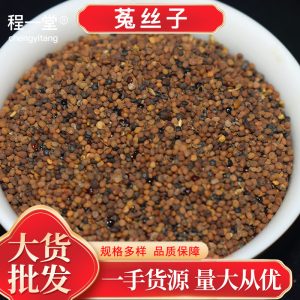
Dried Dodder Seed Tu Si Zi Whole Herb 500g Bulk Chinese Herbal Ingredient
Price range: $7.04 through $7.52
Reviews
There are no reviews yet.