
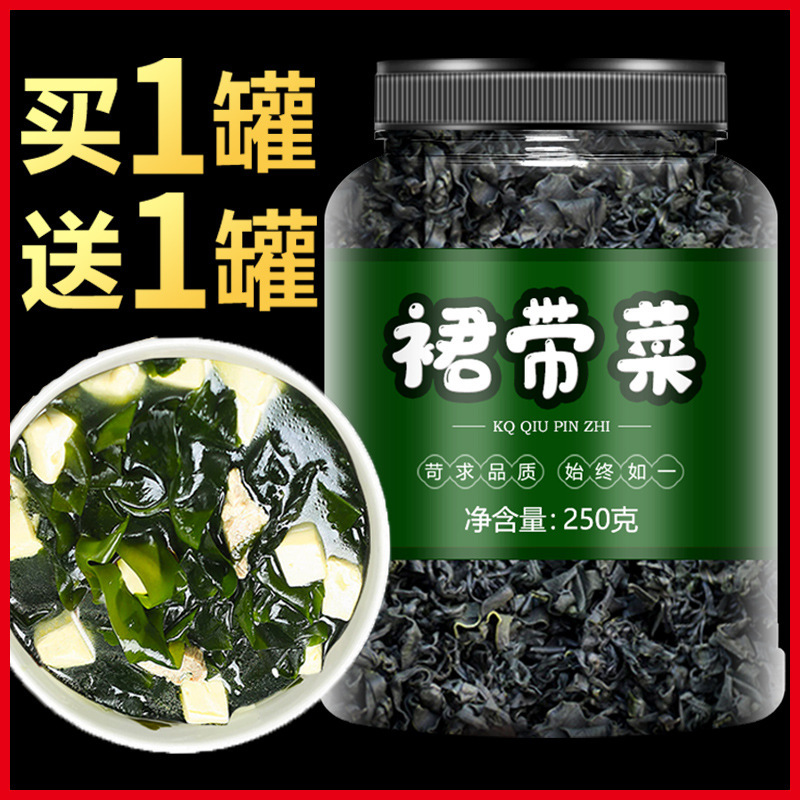
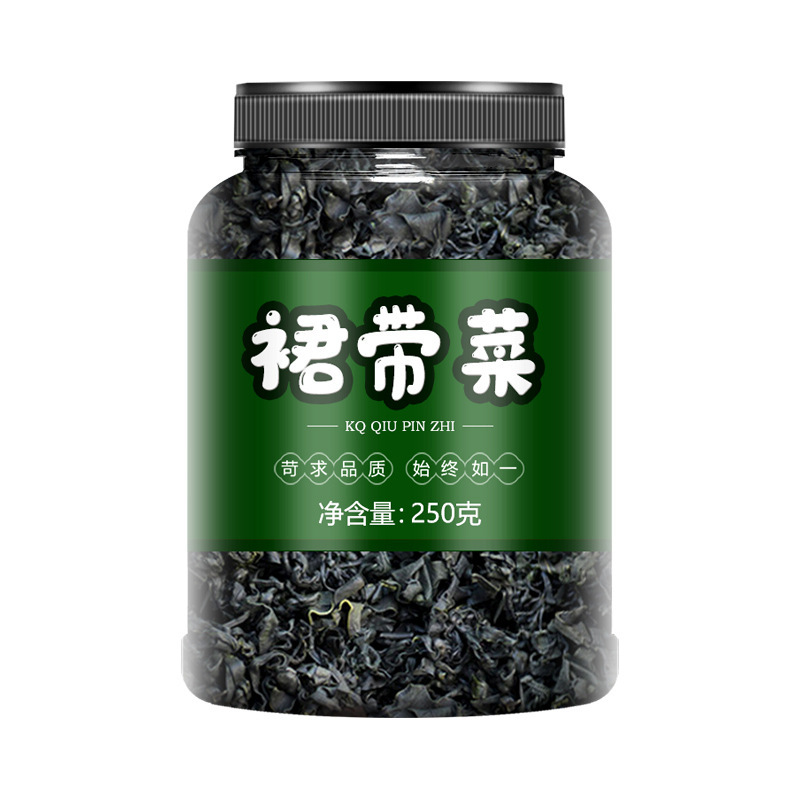
Dried Wakame Seaweed Sprouts Premium Grade Tender Dried Wakame for Soup and Daily Cooking
Price range: $6.94 through $12.57
Description
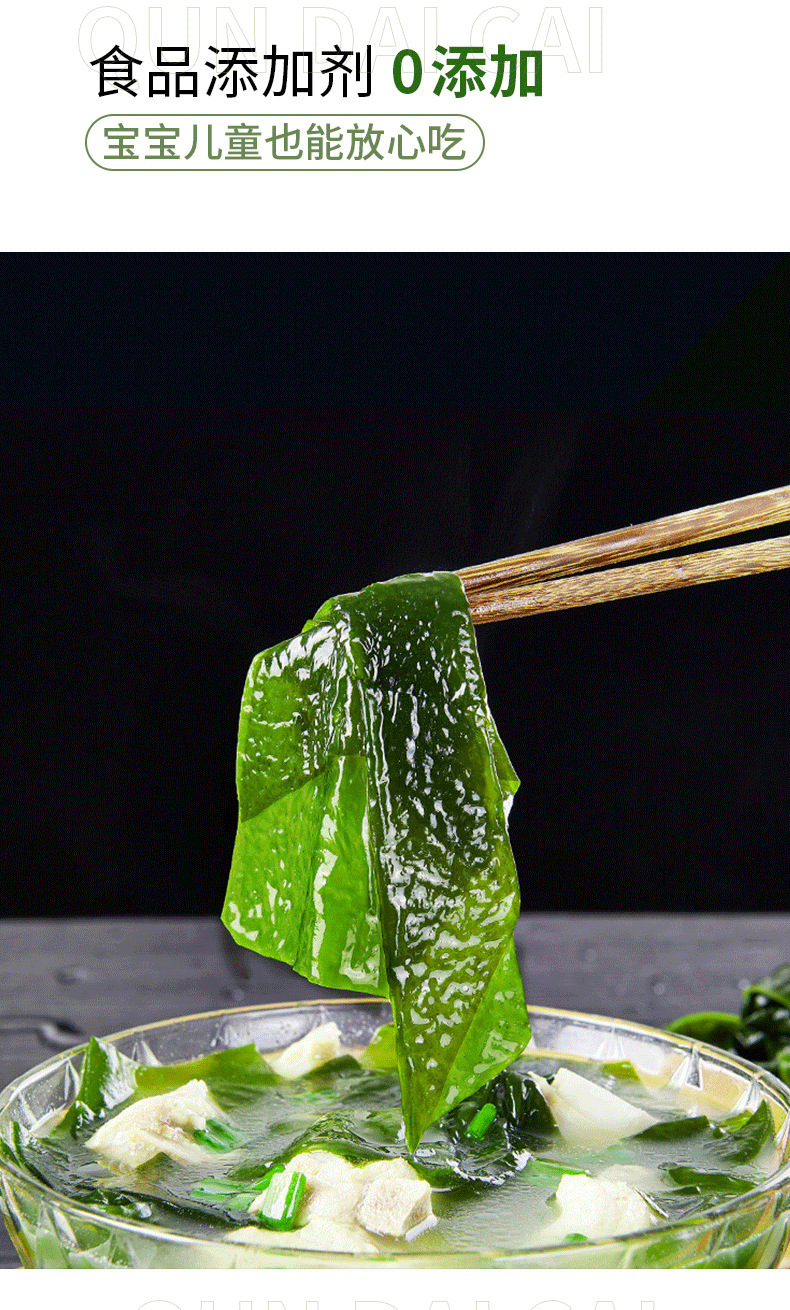
Dried Wakame Sprouts, known in Chinese as Qun Dai Cai (裙带菜), from Undaria pinnatifida, are tender dried seaweed sprouts. In TCM theory, seaweed is traditionally considered cooling and salty, associated with softening and dispersing. These dried sprouts are a culinary seaweed used in soups and daily cooking. Soak briefly before use and add to broths or salads.
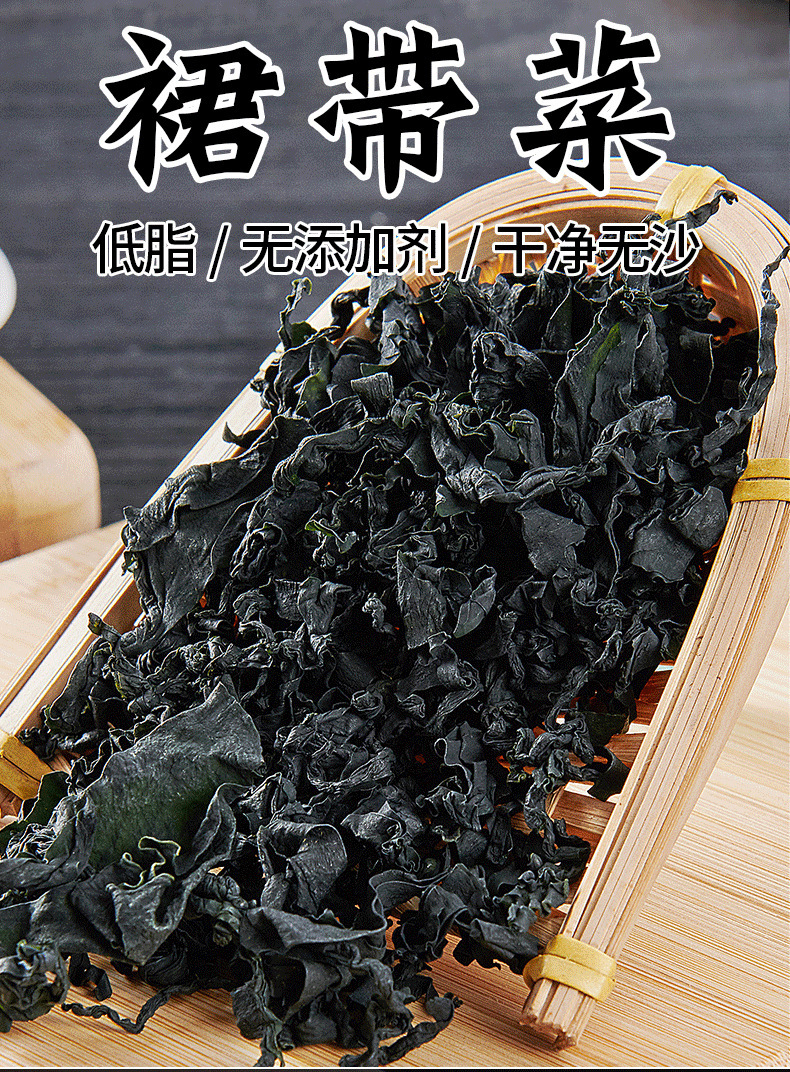
Key Selling Points
- Tender young wakame sprouts rather than coarse mature fronds
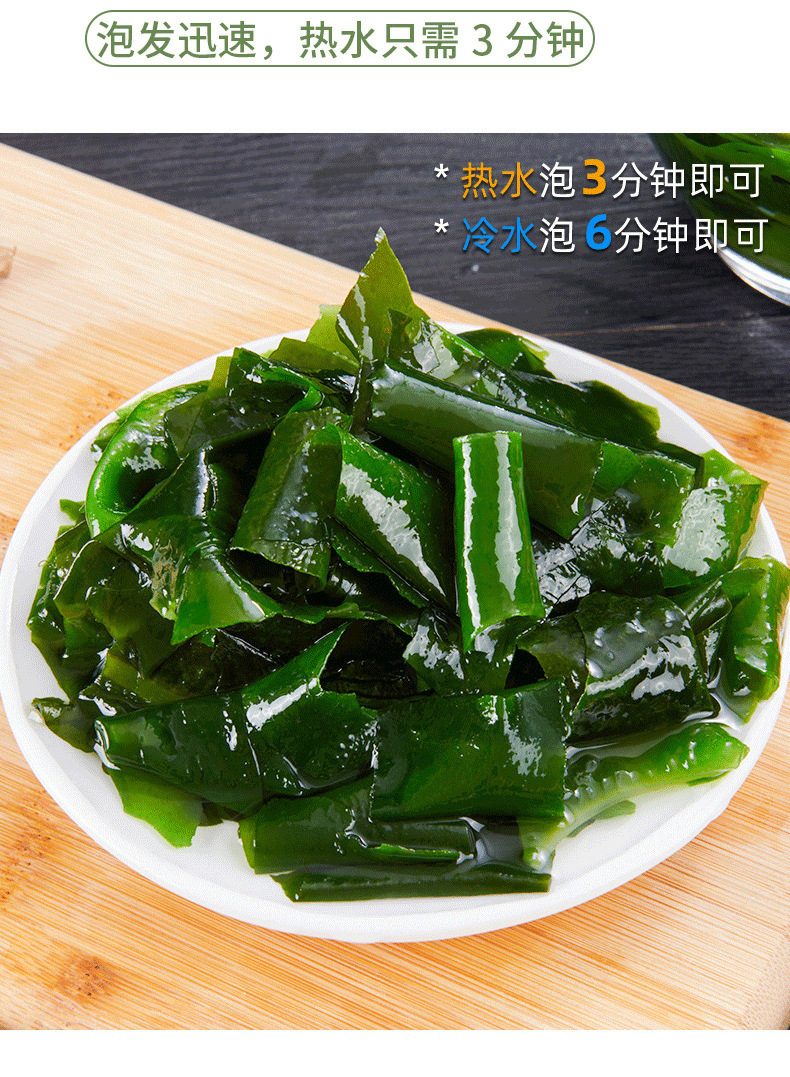
- Dried form that rehydrates quickly in warm water
- Naturally salty-sweet seaweed flavor suited to light broths
- Commonly used in miso soup, clear soups, and cold salads
- Available in multiple jar sizes from 250 g to 1000 g
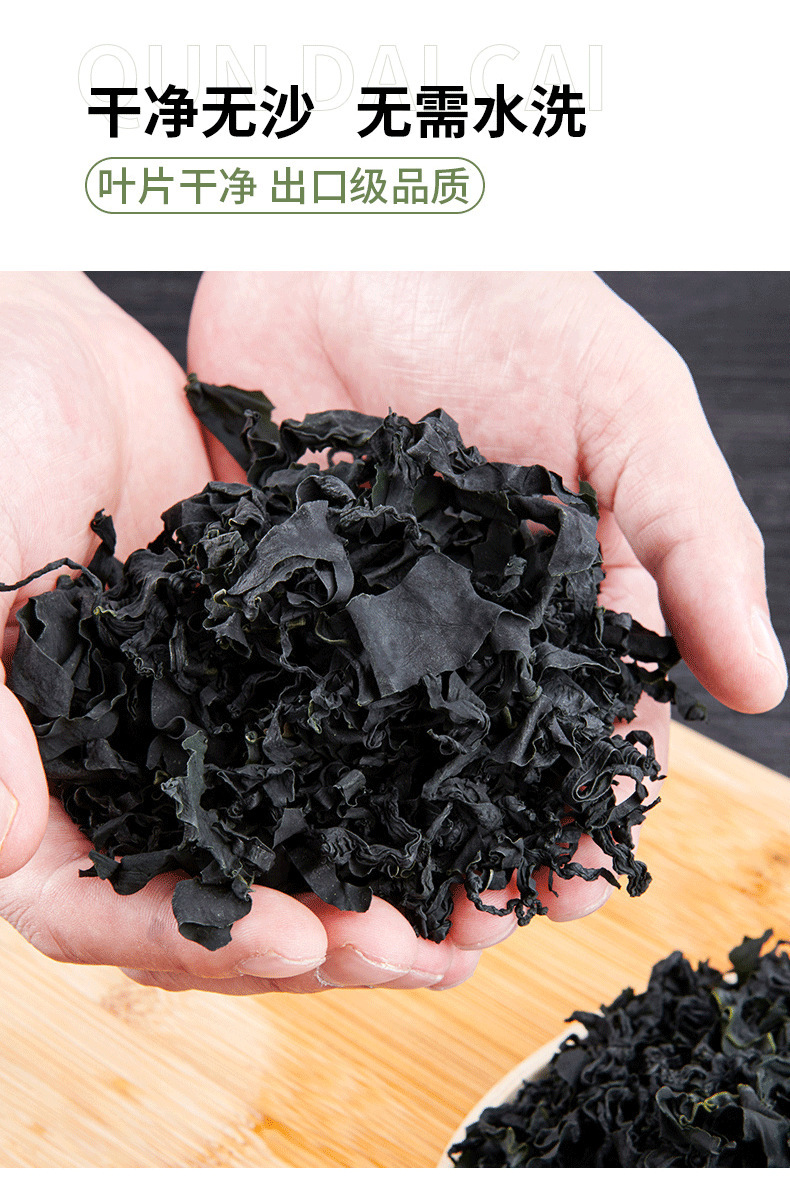
Quality & Sensory
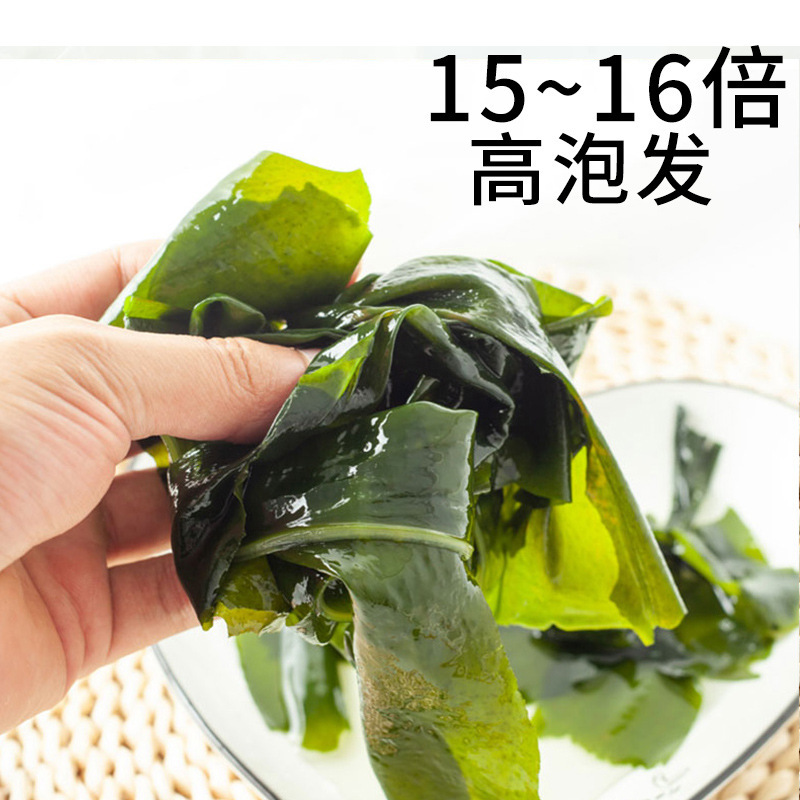
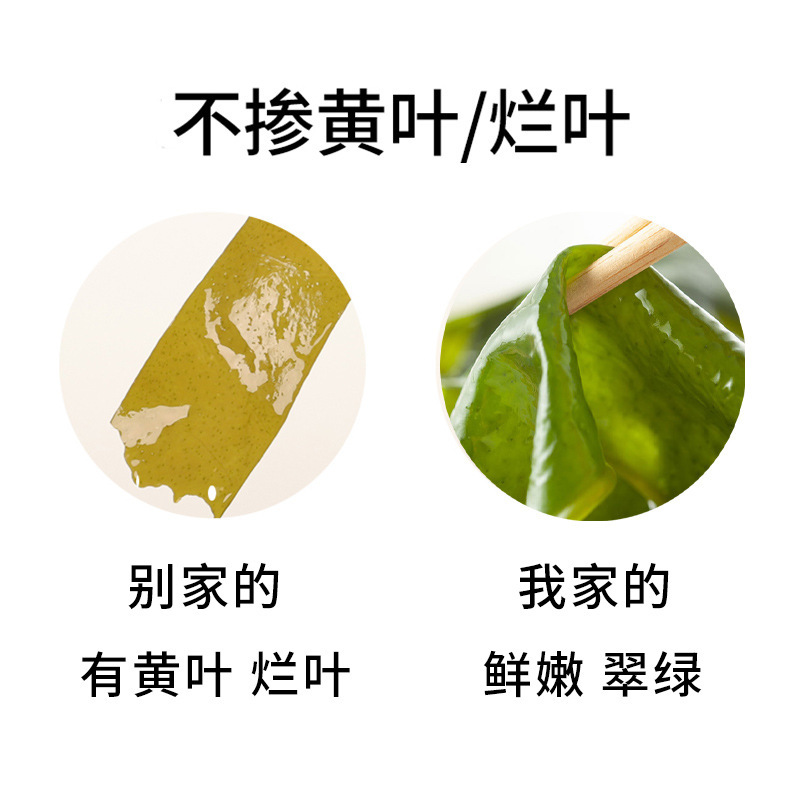
Dried wakame sprouts are typically dark green to brownish-green with a thin, tender texture. They have a mild sea aroma. After soaking, they expand and become soft and slightly springy, with a gentle salty-sweet seaweed taste that is not overly chewy.
Technical Specifications
| Product Type | Dried seaweed sprouts |
|---|---|
| Chinese Name | 裙带菜 |
| Pinyin | Qun Dai Cai |
| Botanical Name | Undaria pinnatifida |
| Plant Part | Thallus and young sprouts |
| Form | Dried cut pieces |
Usage Scenarios
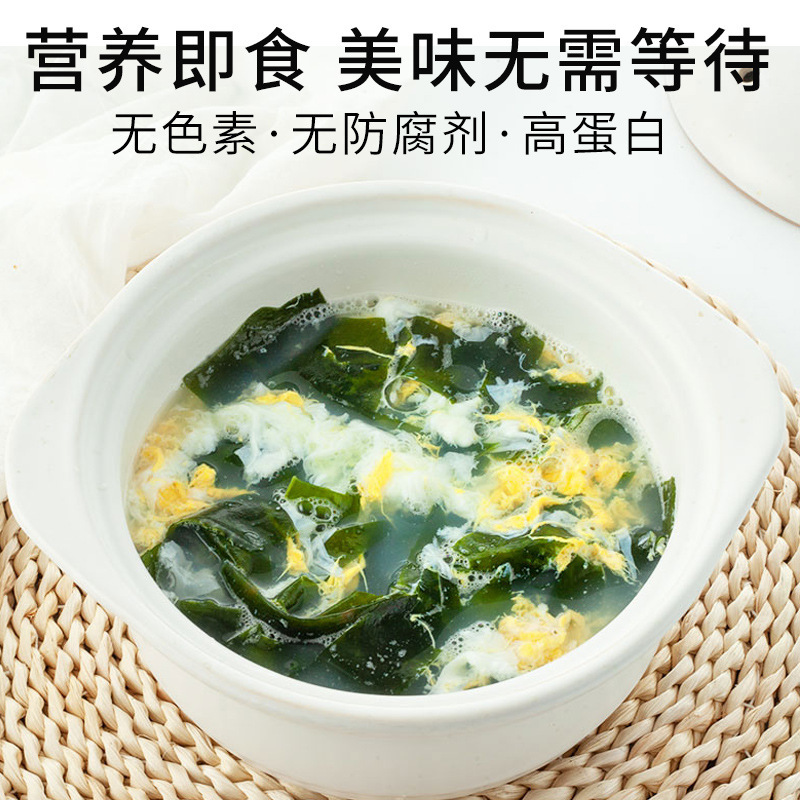
- Miso soup and clear seaweed soup
- Cold wakame salad with sesame or vinegar dressing
- Added to noodle broths and hot pots
- Rehydrated and mixed into rice or congee
- Culinary garnish for seafood dishes
Traditional Uses
In traditional Chinese and East Asian food practice, wakame is used as a cooling, salty seaweed in soups and broths. It is commonly paired with tofu, miso, or light chicken stock. Folk culinary use often soaks the dried sprouts briefly, then adds them near the end of cooking to keep their tender texture.
FAQ Q&A
Q: What is this product?
A: It is dried wakame seaweed sprouts, known in Chinese as Qun Dai Cai (裙带菜), from Undaria pinnatifida. The product is sold as dried cut pieces in jars.
Q: What is its traditional value?
A: In TCM theory, seaweed is considered cooling and salty and is traditionally associated with softening and dispersing. In daily cooking it is valued for its tender texture and mild sea flavor.
Q: How is it commonly prepared?
A: Soak the dried sprouts in warm water until they expand, then add to soups, broths, or salads. They are usually added near the end of cooking to preserve their tender texture.
Additional information
| Weight | N/A |
|---|---|
| Dimensions | N/A |
| Model | 1罐 裙带菜 250克, 普通装 2罐 裙带菜 500克, 精选装 2罐 裙带菜 500克, 3罐 裙带菜 750克, 4罐 裙带菜 1000克 |
Related products
-
Dried Ginger Root Gan Jiang 500g Bulk Chinese Herb Zingiber officinale Rhizome for Decoction and Culinary Use
$5.90 -
Dried Codonopsis Root Slices Dang Shen 500g Bulk Supply for Soups and Herbal Decoctions
Price range: $10.28 through $18.06 -
Chai Hu Bupleurum Root Dried Herb 500g Traditional TCM Decoction Herb
Price range: $9.14 through $16.44 -
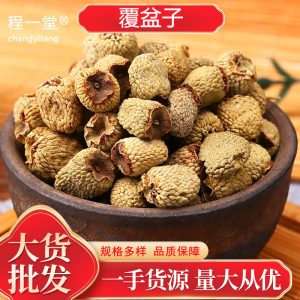
Dried Raspberry Fruit Fu Pen Zi 500g Whole Berries for Herbal Tea and Wine Infusion
Price range: $14.00 through $16.44
Reviews
There are no reviews yet.