
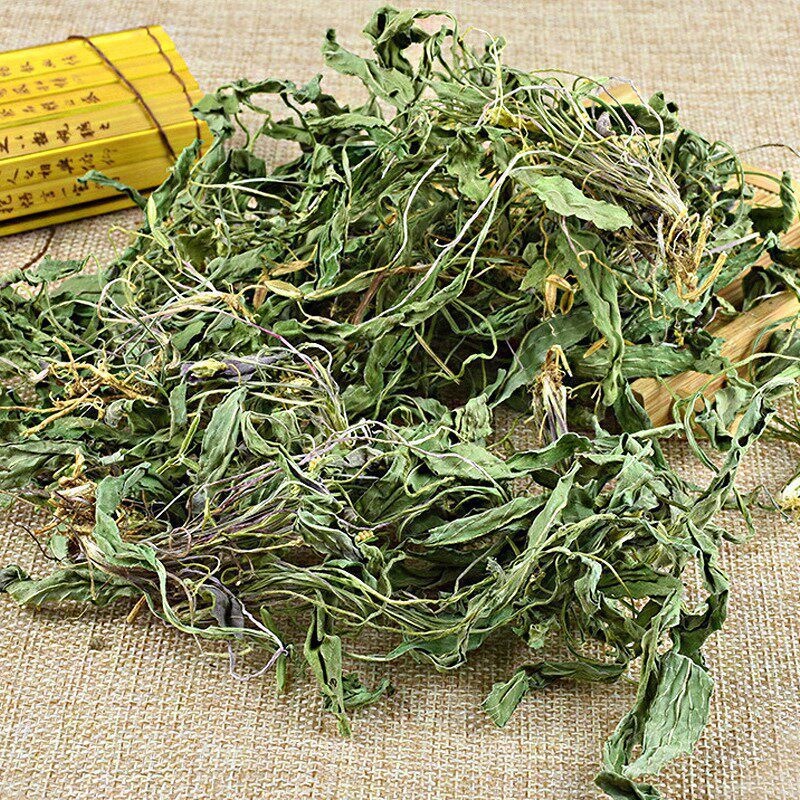
Dried Viola Herb Cut Segments Zi Hua Di Ding Traditional Chinese Herbal Tea 70g
Description
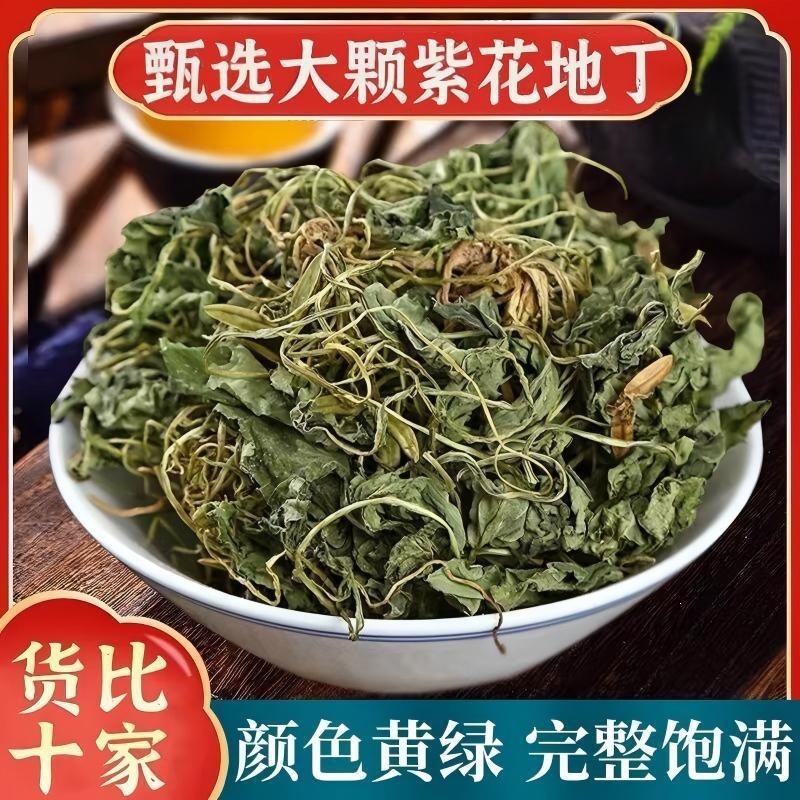
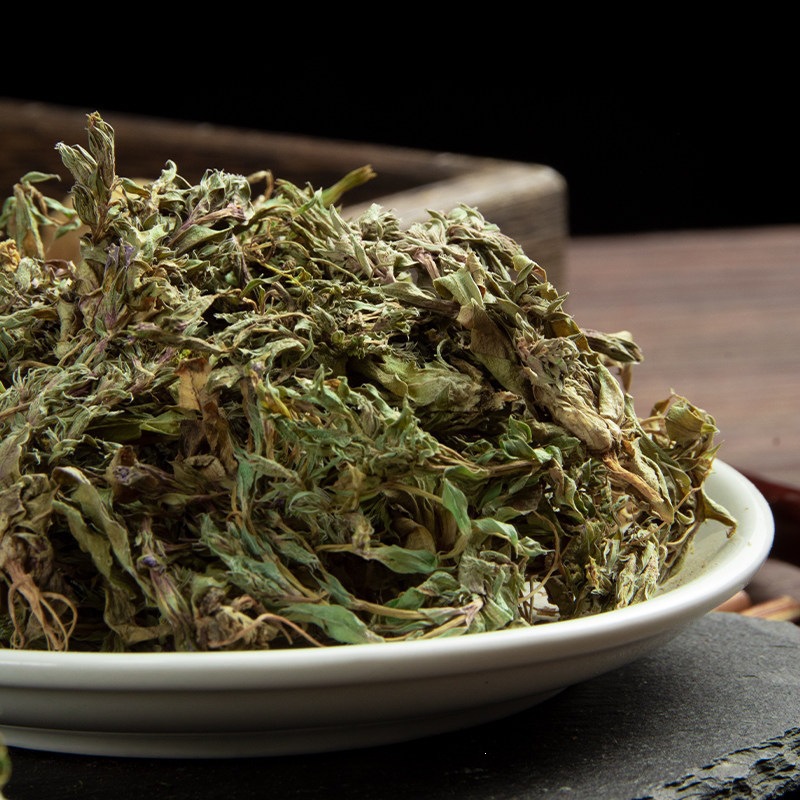
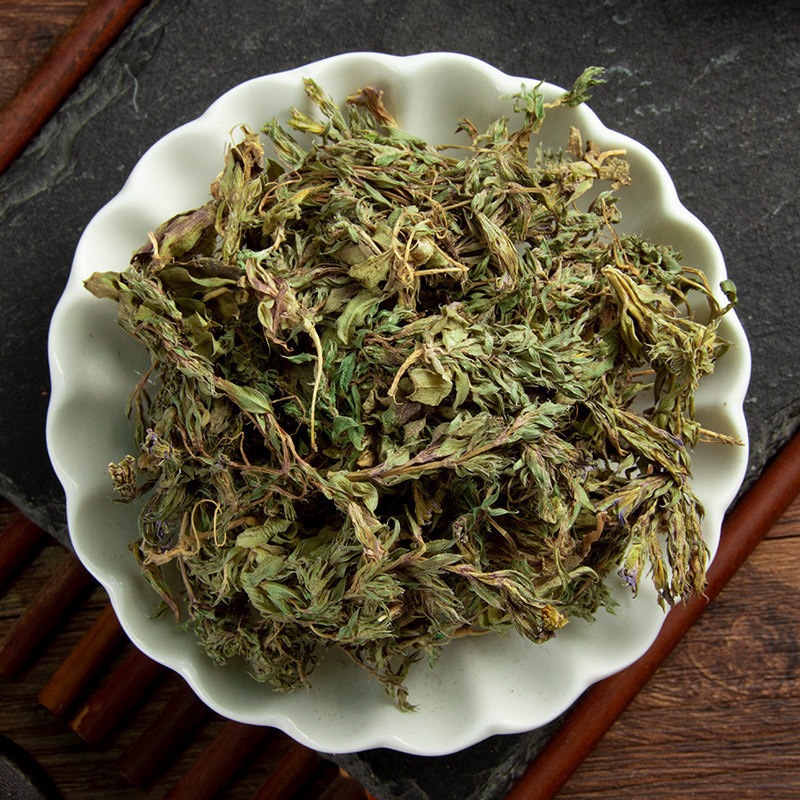
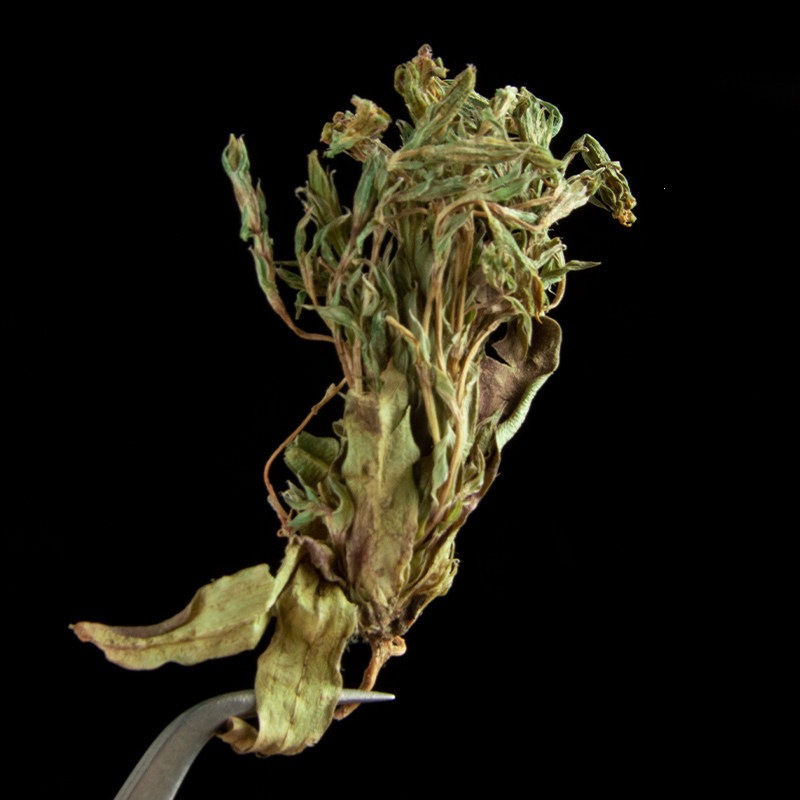
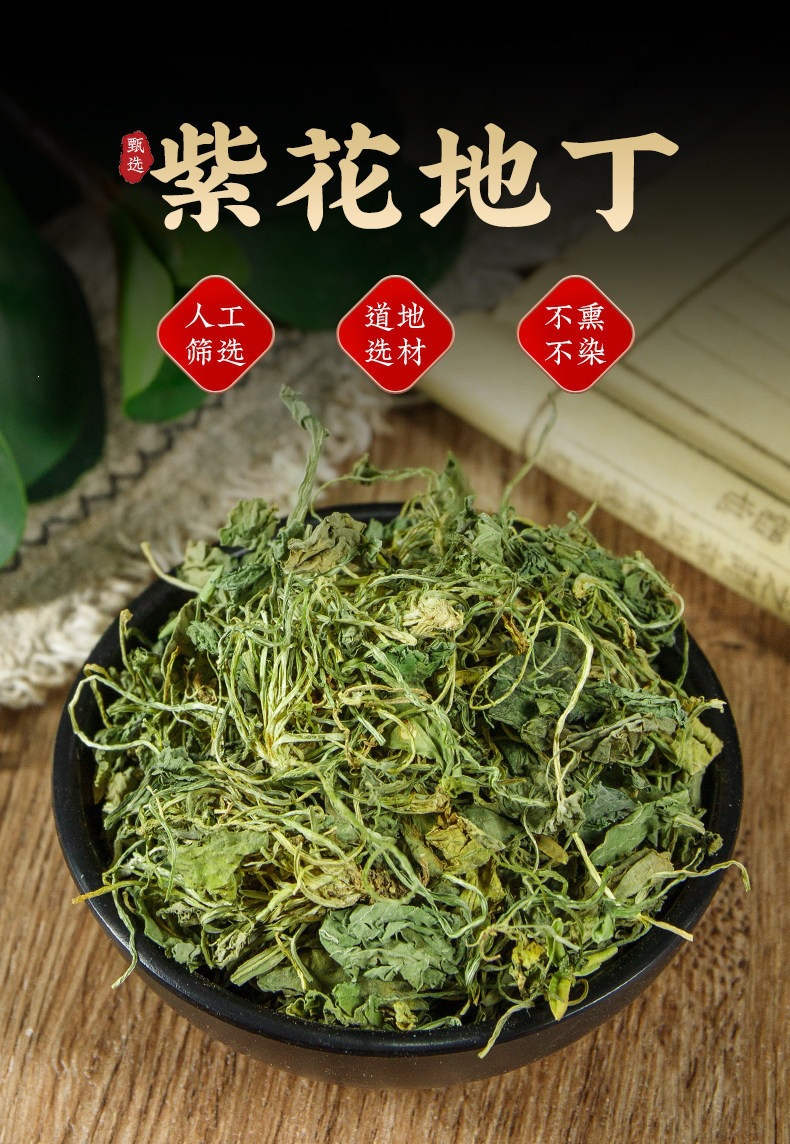
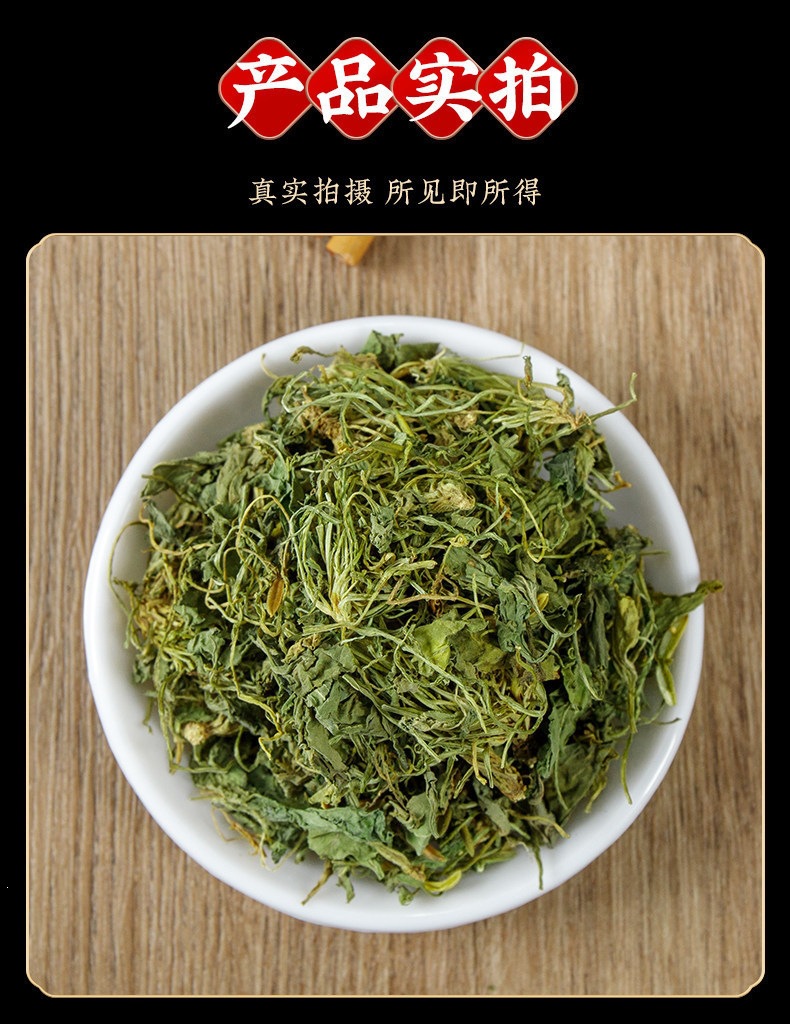
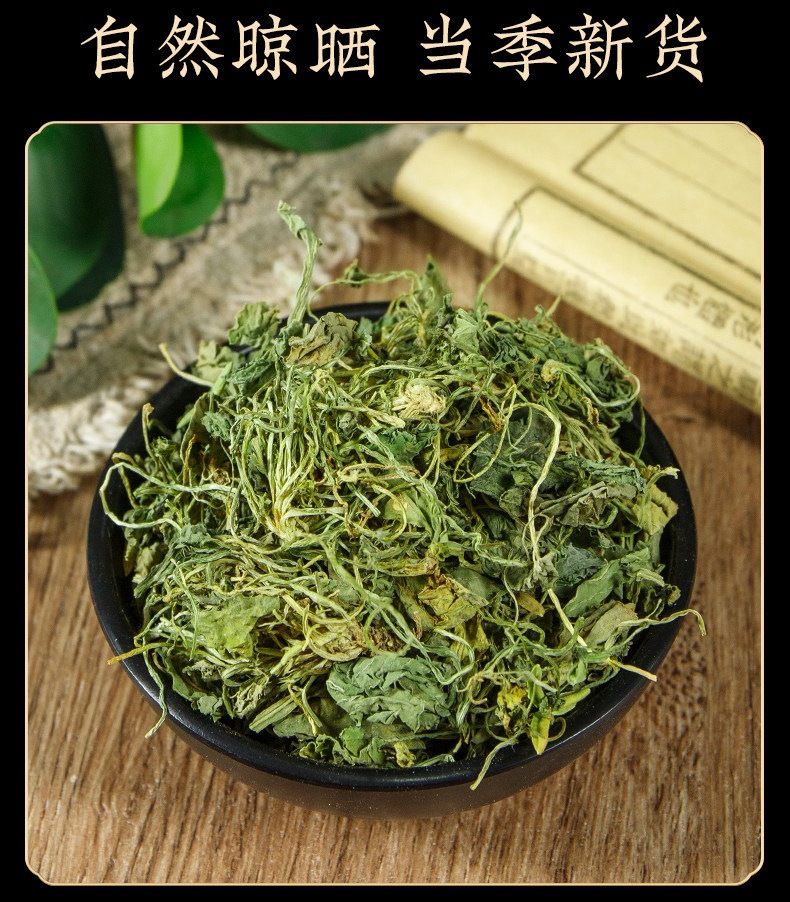
Dried Viola Herb Cut Segments, known in TCM as Zi Hua Di Ding (紫花地丁), from Viola mandshurica or related Viola species. This product consists of sun-dried aerial parts cut into short segments, traditionally used in Chinese herbal practice. In TCM theory, it is considered cool in nature with a bitter and pungent flavor, associated with the Heart and Liver channels. It is commonly prepared as a decoction or infused as a herbal tea. This product is not a substitute for medication.
Key Selling Points
- Identified in TCM as Zi Hua Di Ding (紫花地丁)
- Sun-dried aerial parts cut into convenient segments
- Traditional herbal ingredient for decoctions and teas
- Cool nature with bitter and pungent flavor in TCM theory
- Loose bulk herb in resealable jars

Quality & Sensory
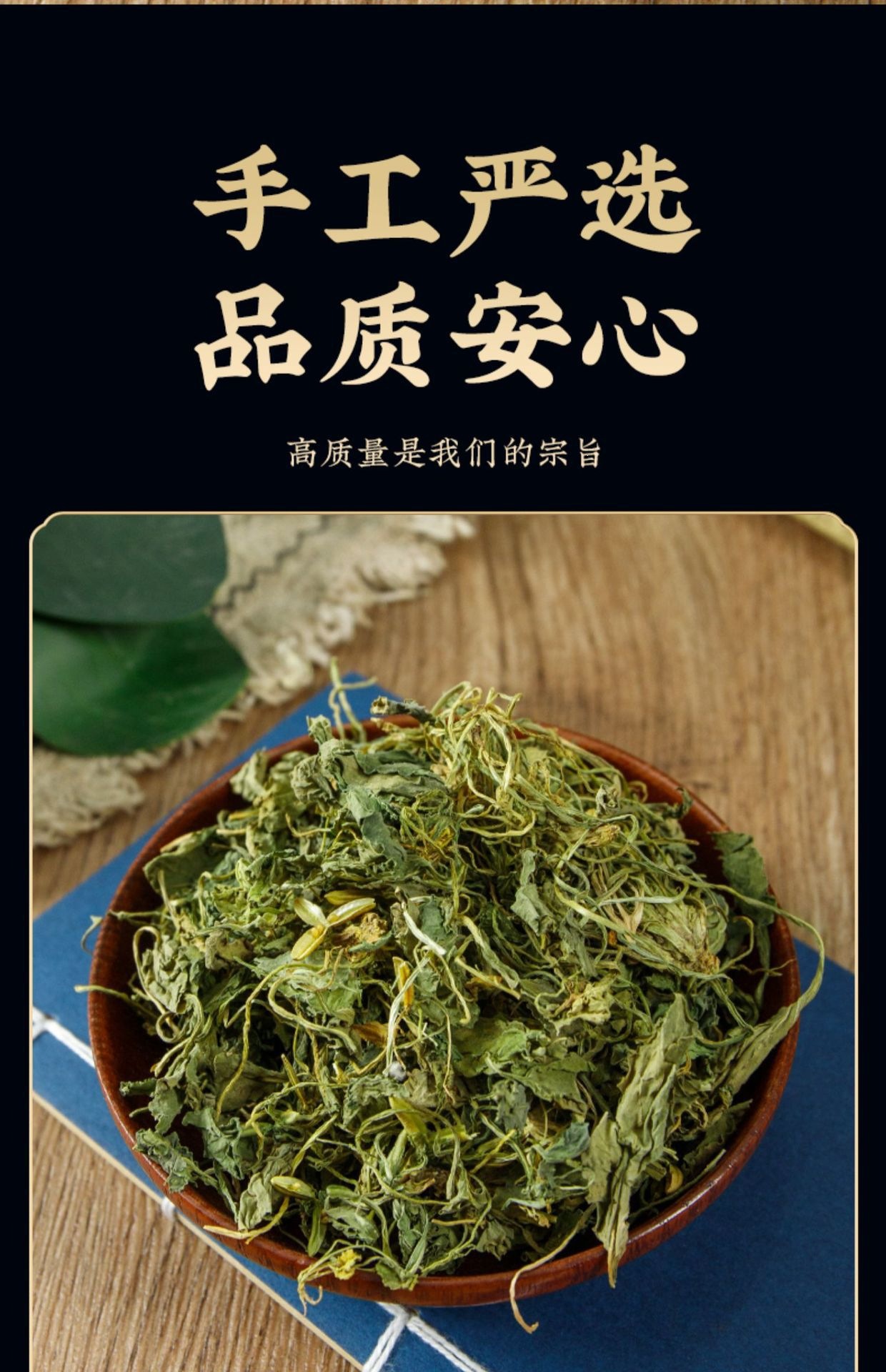
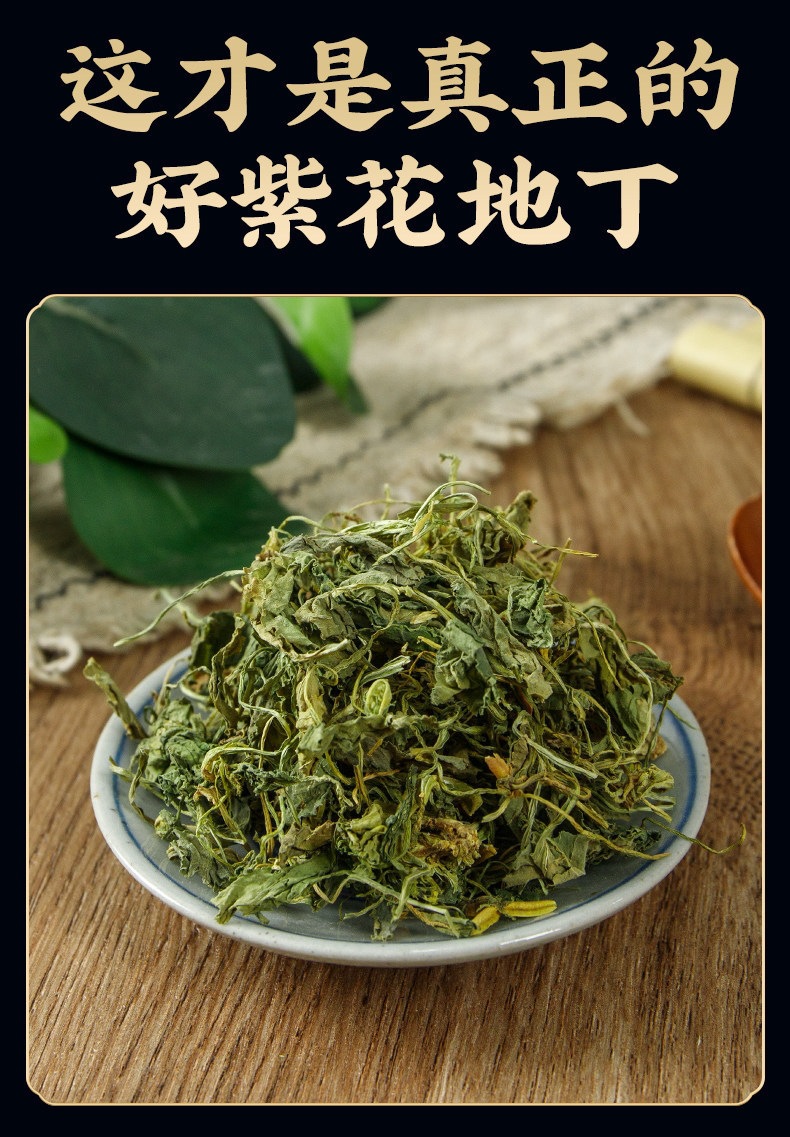
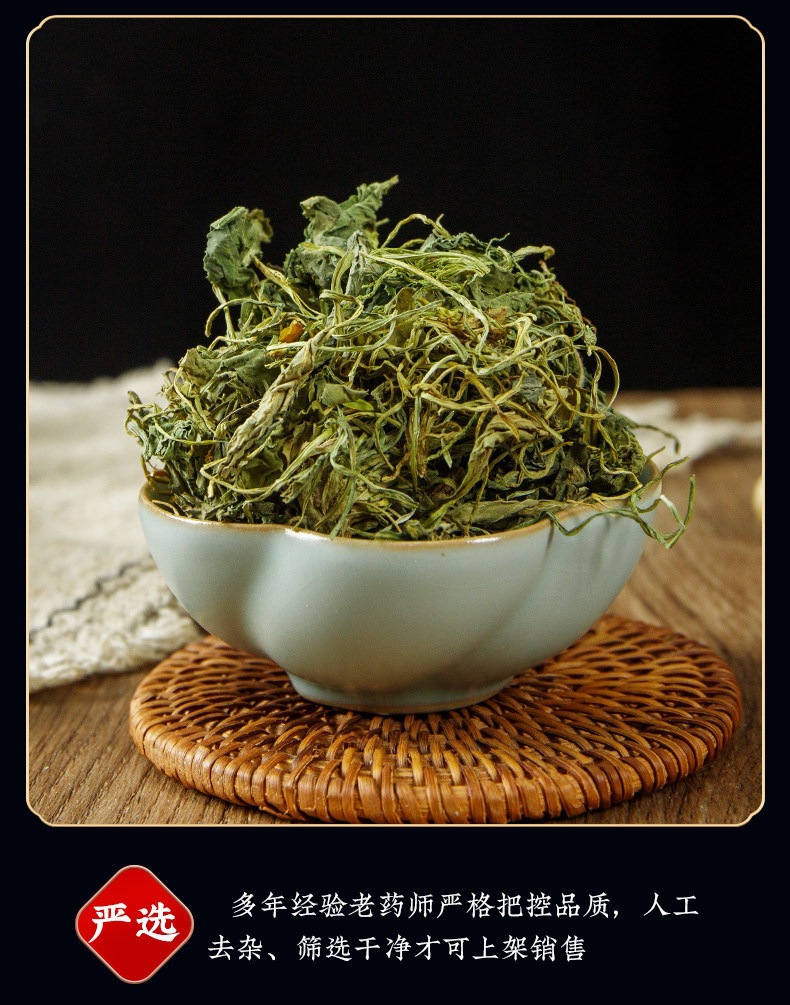
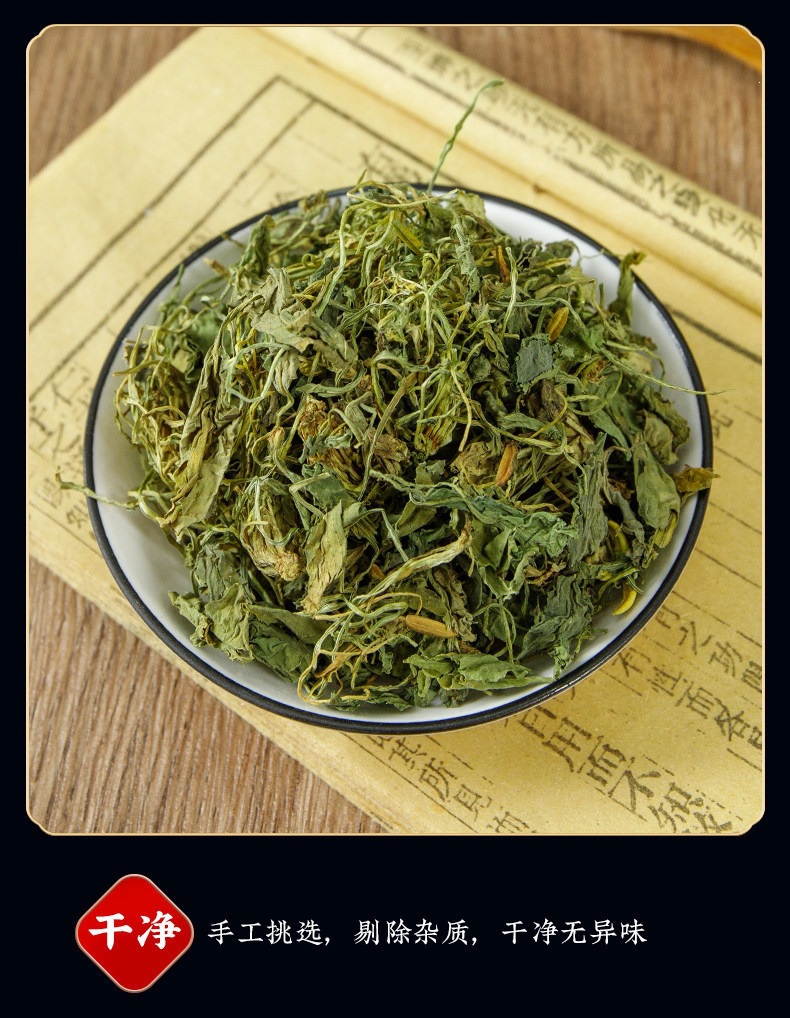
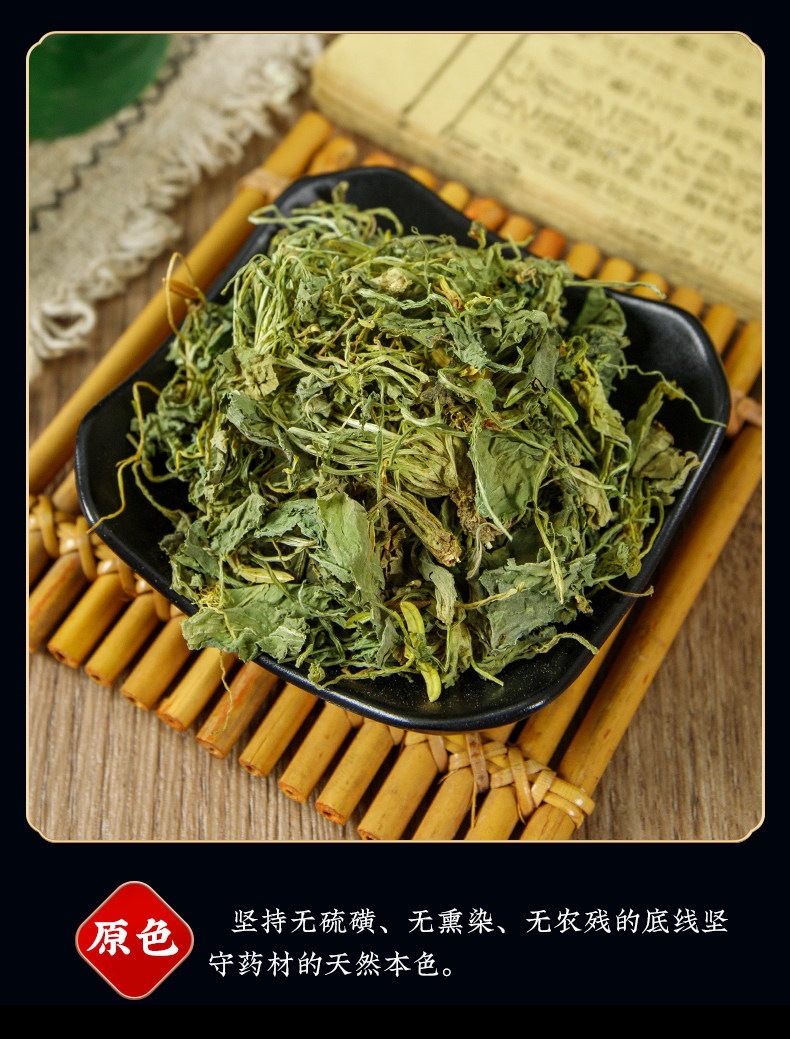
The dried herb typically appears greenish-brown with a mild, grassy aroma. Cut segments are coarse and dry to the touch. When brewed, the liquid is typically light amber with a mildly bitter and slightly pungent taste. Characteristics may vary by batch.
Technical Specifications
| Product Type | Dried cut herb |
|---|---|
| Chinese Name | 紫花地丁 |
| Pinyin | Zi Hua Di Ding |
| Botanical Name | Viola mandshurica |
| Plant Part | Aerial parts |
| Net Weight | 70g per jar |
Usage Scenarios
- Herbal tea
- Decoction
- Soup
- Congee
Traditional Uses
In TCM theory, Zi Hua Di Ding is traditionally used to clear heat and resolve toxicity. It is often prepared as a decoction alone or combined with other herbs such as Jin Yin Hua or Lian Qiao. Folk practice includes adding it to soups or congee for seasonal support. It is also used in external washes in some traditions.
FAQ Q&A
Q: What is this product?
A: It is dried Viola herb cut into segments, known in TCM as Zi Hua Di Ding (紫花地丁).
Q: What are its traditional characteristics?
A: In TCM theory, it is considered cool in nature with a bitter and pungent flavor, associated with clearing heat and resolving toxicity.
Q: How is it commonly prepared?
A: It is typically simmered as a decoction or steeped as a herbal tea. It can also be added to soups or congee.
Additional information
| Model | 罐装 紫花地丁70g 1罐, 罐装 紫花地丁70g 2罐, 罐装 紫花地丁70g 3罐, 罐装 紫花地丁70g 4罐 |
|---|
Related products
-
Dried Raspberry Fruit Fu Pen Zi 500g Whole Berries for Herbal Tea and Wine Infusion
Price range: $14.00 through $16.44 -

Dried Huang Jing Slices Polygonatum Rhizome Chicken Head Huang Jing 500g Bulk Herbal Tea and Soup Ingredient
Price range: $9.14 through $18.87 -

Cabinda Bark Dried Herb 500g Traditional Herbal Infusion Ingredient
Price range: $12.38 through $37.50 -
Chai Hu Bupleurum Root Dried Herb 500g Traditional TCM Decoction Herb
Price range: $9.14 through $16.44
Reviews
There are no reviews yet.